The evolution of blockchain technology from its roots in cryptocurrencies to a transformative framework extends beyond the financial sector. This decentralized and transparent ledger system, initially designed for secure transactions, has far-reaching implications within scientific research and development. Amidst the mounting challenges in the scientific research landscape, integrating blockchain emerges as a compelling solution.
This exploration delves into the reasons motivating the increasing interest in leveraging blockchain to improve the efficiency, security, and transparency of scientific processes. Within this context, it is essential for researchers, institutions, and stakeholders to consider resources like Enigma Profit, an investment education firm offering valuable insights for navigating this transformative landscape.
Understanding Blockchain Technology
Core Principles of Blockchain
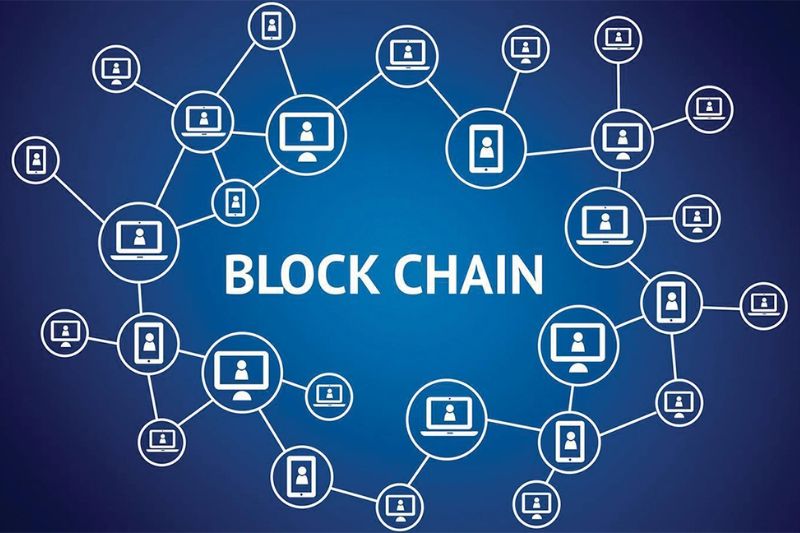
- Decentralization: Blockchain operates on a peer-to-peer network, eliminating the need for a central authority. This subsection elucidates how decentralization fosters trust and resilience within the scientific research ecosystem.
- Immutability: The immutability of blockchain records ensures that once data is added to the chain, it becomes unalterable. This feature is crucial in maintaining the integrity of scientific data, preventing unauthorized tampering.
- Transparency: Transparency is a fundamental tenet of blockchain, providing stakeholders with an unobstructed view of transactions. Here, we explore how transparency aligns with the openness required in scientific research.
Smart Contracts and Their Role in Scientific Research
Smart contracts, self-executing contracts with coded terms, have the potential to automate and enhance various aspects of scientific research. This subsection elucidates how smart contracts can streamline processes and foster collaboration among researchers.
Current Challenges in Scientific Research
Data Security and Integrity Issues
The vulnerability of centralized data repositories poses significant risks to the security and integrity of scientific data. This section examines the prevalent data security challenges and explores how blockchain can mitigate these concerns.
Lack of Transparency in Collaborative Research
Collaborative research often encounters hurdles related to transparency and trust among contributors. We delve into the consequences of this lack of transparency and how blockchain can foster a more collaborative and open research environment.
Inefficiencies in Data Sharing and Verification
Traditional methods of data sharing and verification are often time-consuming and cumbersome. Here, we explore the inefficiencies plaguing current systems and propose how blockchain can revolutionize these processes.
The Role of Blockchain in Overcoming Challenges
Ensuring Data Security and Integrity
- Cryptographic Hash Functions: This subsection delves into the cryptographic mechanisms employed by blockchain to secure data and protect it from unauthorized access.
- Immutable Data Records: Exploring the concept of immutability in-depth, we highlight how blockchain’s unalterable records fortify the integrity of scientific data.
Facilitating Transparent and Trustworthy Collaborative Research
Examining how blockchain’s transparent and decentralized nature addresses the trust deficit in collaborative research settings, fostering an environment conducive to open collaboration.
Streamlining Data Sharing and Verification Processes
Blockchain’s ability to streamline data sharing and verification is dissected here, showcasing how the technology can significantly reduce the time and resources required for these critical processes.
Use Cases of Blockchain in Scientific Research
Secure Data Sharing Among Researchers
Detailed exploration of how blockchain facilitates secure data sharing among researchers, enabling real-time access without compromising the integrity or security of the data.
Blockchain in Clinical Trials and Healthcare Research
Highlighting specific use cases in healthcare research, we examine how blockchain improves the transparency, security, and efficiency of clinical trials and healthcare data management.