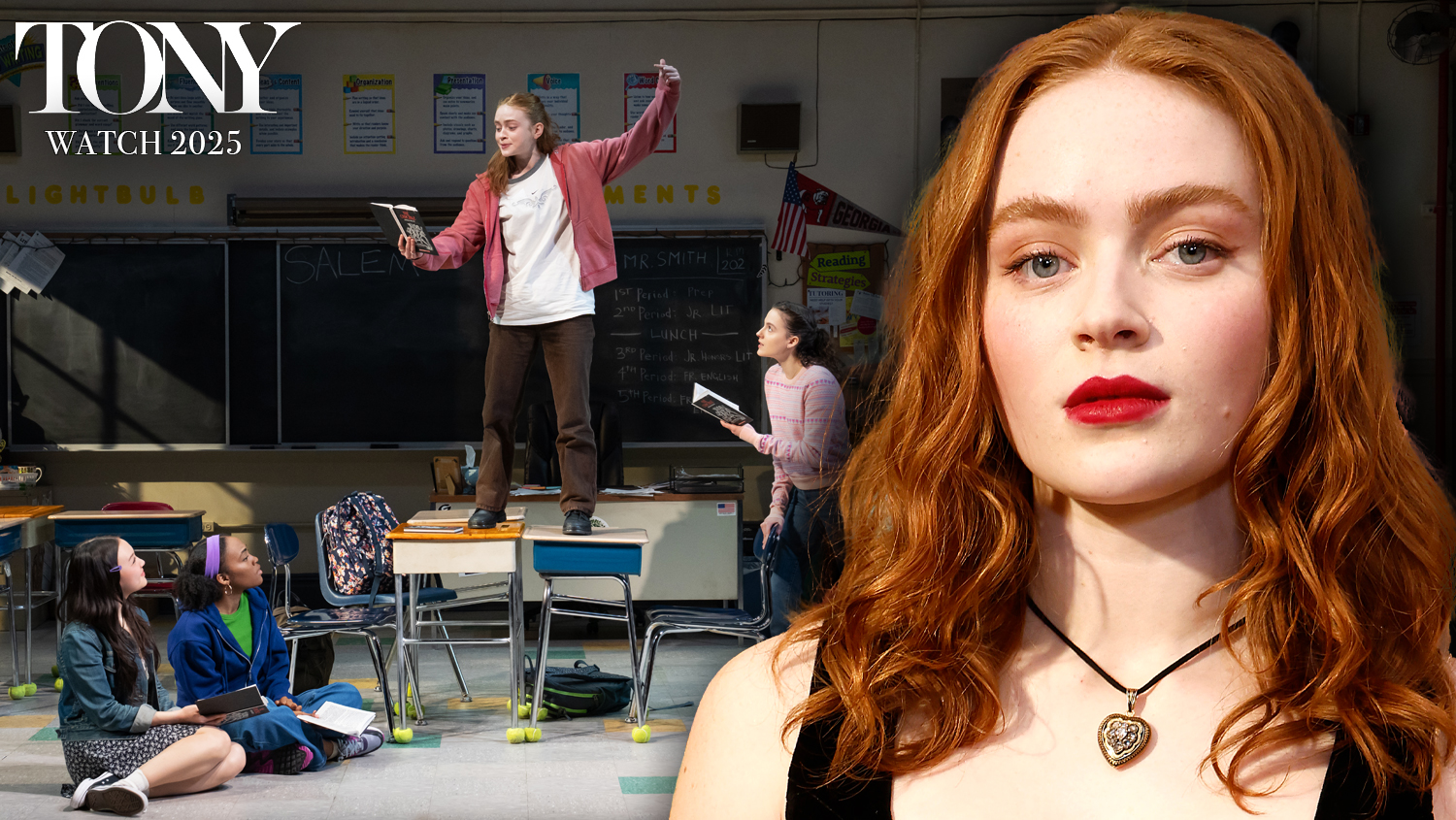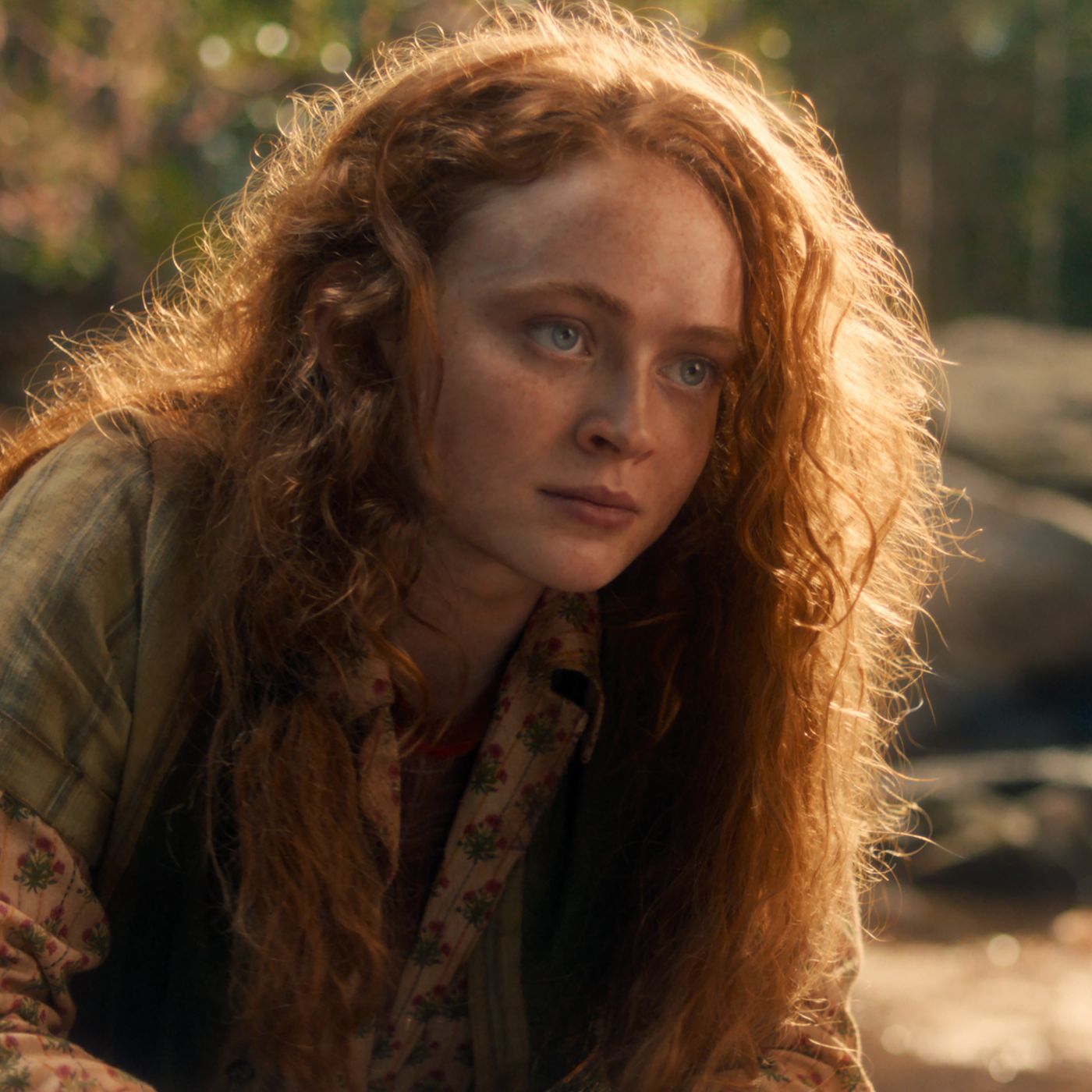
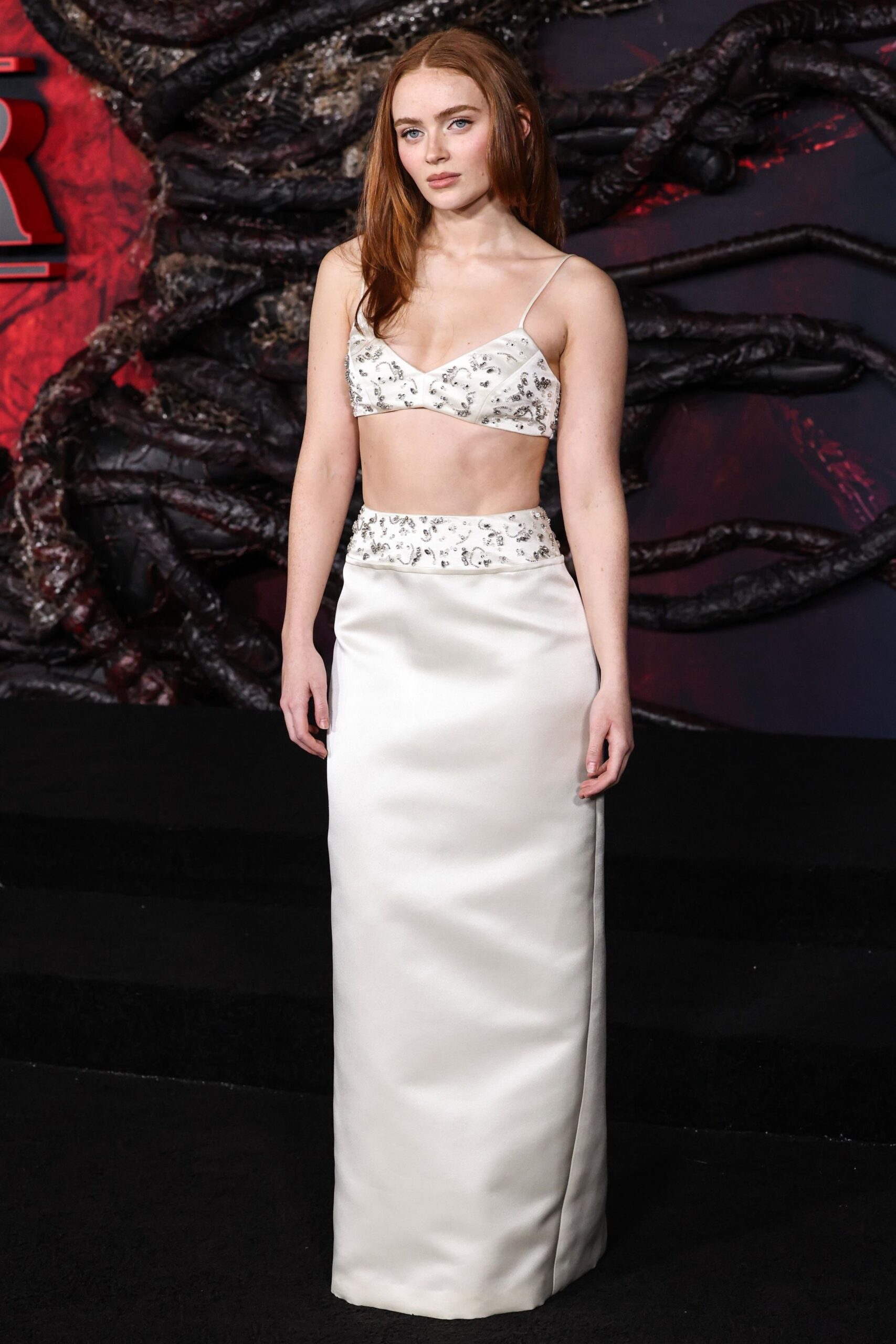

The skating rink at Rink-O-Mania is the wrong place for the bravest moment in modern television, and yet there it was. Max Mayfield, headphones clamped over her ears, Kate Bush’s “Running Up That Hill” swelling around her, sprints out of a graveyard and through a tear in reality while a creature named Vecna tries to claim her soul. The camera stays locked on her face. There is no dialogue, only terror and grief and the smallest flicker of resolve as her feet leave the ground and she floats toward a portal of light her friends have pried open. Audiences watched a teenager outrun her own death. A 1985 song that most of them had never heard climbed back to the top of the charts. And the actress at the center of it, Sadie Sink, stopped being the new kid in a beloved ensemble and became the reason people pressed rewind.
That scene, from the fourth season of Stranger Things in 2022, is the cleanest picture of who Sink is as a performer. She does her loudest work in silence. Long before she shared a screen with Tom Holland, before fashion houses were sending her down red carpets, she was a Texas theatre kid who understood that the truest emotion often arrives without a single line. The path from that understanding to a Marvel blockbuster is shorter than it looks, and it runs straight through the stage.
The Texas Theatre Kid Who Found Broadway First
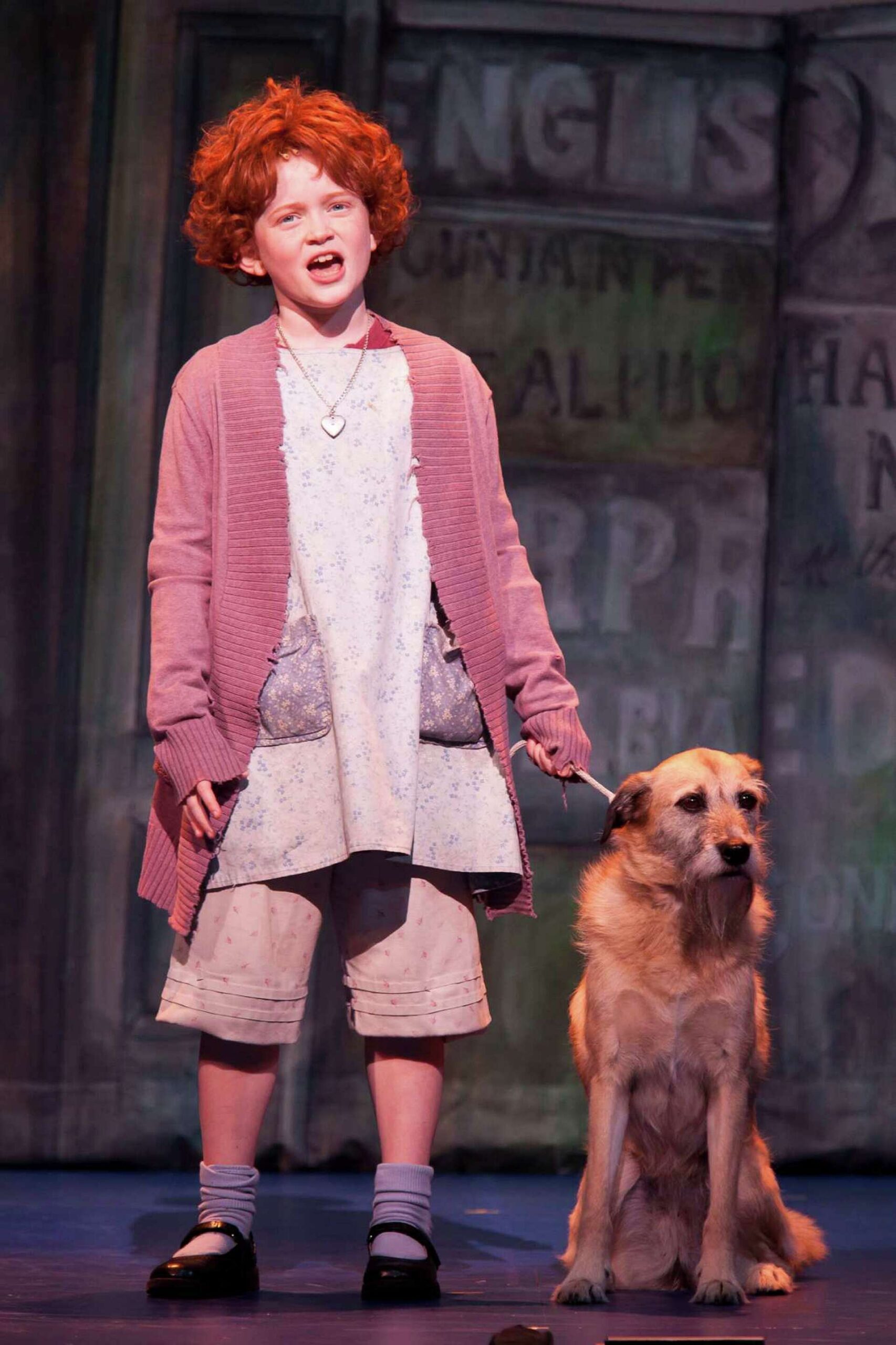
Sadie Elizabeth Sink was born on April 16, 2002, in Brenham, Texas, a small town better known for its ice cream than its movie stars. When she was seven, her mother enrolled her in acting classes in Houston, partly to channel the energy of a restless child. By nine she was a regular at Theatre Under the Stars, the Houston company where she cut her teeth in productions like White Christmas and, in 2012, the title role in a local staging of Annie.
The local Annie became a national one faster than anyone expected. At ten, Sink was cast in the 2012 Broadway revival of Annie, the role that pulled her family’s life toward New York. She performed in the show for roughly eighteen months, eight times a week, learning the brutal discipline of live theatre before most children her age had sat through a full school play. The stamina that work demands, the ability to hit a mark and deliver night after night with no second take, became the foundation of everything she did later.
Then came the role that proved she could hold her own beside legends. In 2015 she appeared in the Broadway production of The Audience, playing a young Queen Elizabeth II opposite Helen Mirren, who was playing the monarch in her later years. Sharing a stage with one of the great screen and stage actors of the last half century could have swallowed a thirteen-year-old whole. Instead it sharpened her. Sink has often pointed back to her theatre training as the thing that taught her how to be present, how to listen, how to act with her whole body rather than just her lines. Television and film would test that foundation. It never cracked.
Joining Stranger Things and Earning Her Place
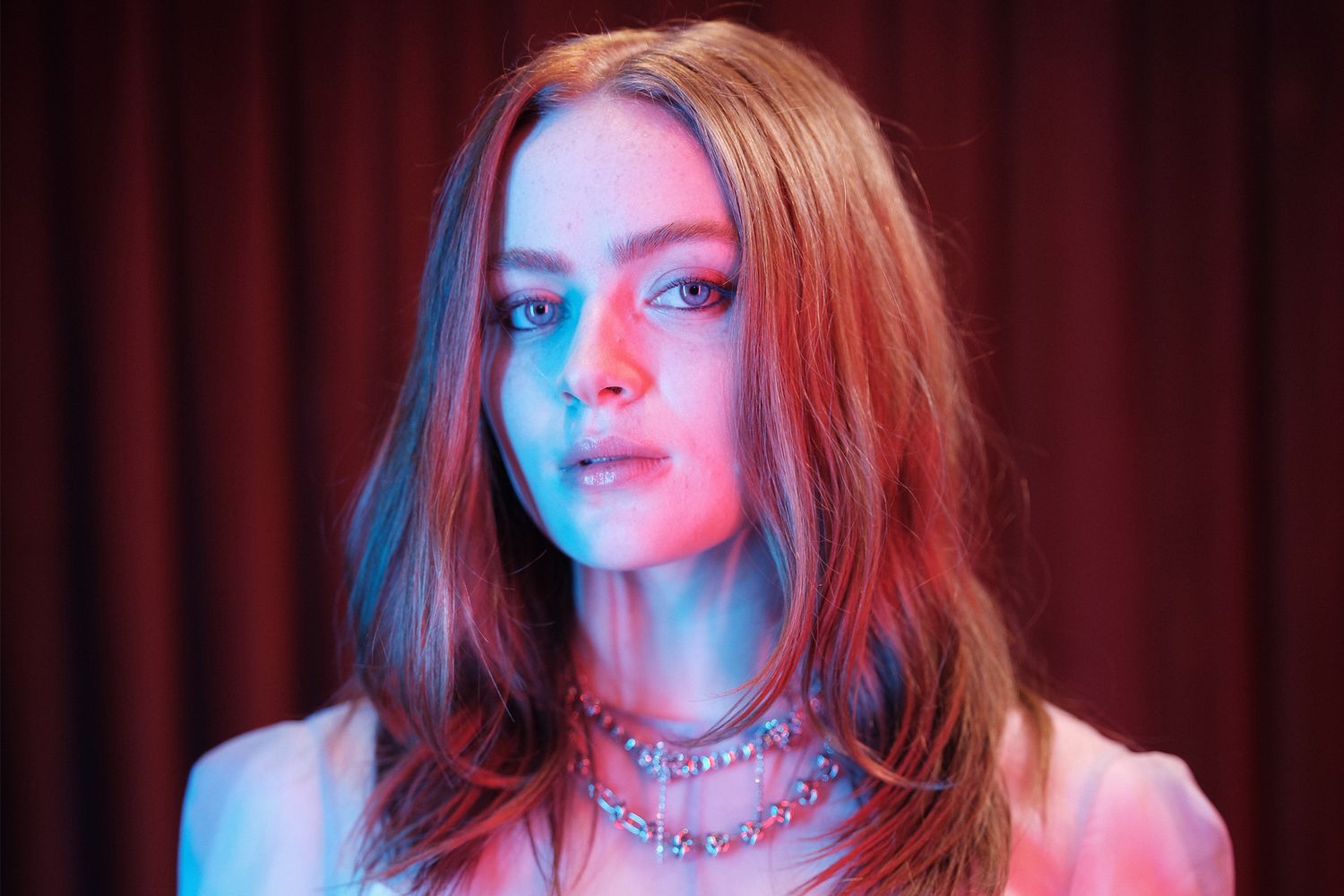
When Sink joined Stranger Things for its second season in 2017, the show was already a phenomenon. The original cast of kids had become overnight stars, and stepping into that world as a newcomer was a tall order. Her character, Max Mayfield, arrived in Hawkins as an outsider too, a skateboarding California transplant with a guarded edge and a complicated home life. The parallel was almost too neat. Max had to win over a tight-knit group that did not want her there, and so, in a sense, did Sink.
She did it by refusing to play Max as a love interest or a plot device. Across the seasons, Max grew into one of the show’s most layered characters, carrying storylines about grief, family dysfunction, and the loss of her stepbrother that gave the series some of its heaviest emotional weight. Sink brought a flinty vulnerability to the role, a sense of someone bracing for the next blow while pretending she was fine. By the time the fourth season rolled around, Max was no longer the new addition. She was the heart the writers reached for when they needed the audience to truly feel something.
The Moment That Broke the Internet
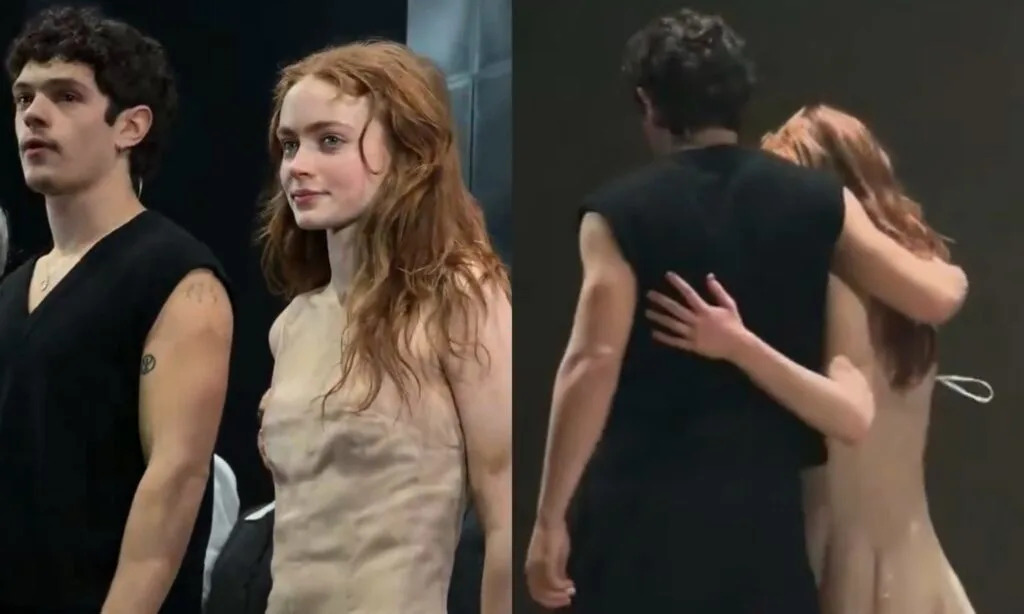
Everyone who follows Stranger Things knows the scene, and plenty of people who have never watched a single episode know the song. In the fourth season, Max becomes the target of Vecna, a villain who preys on his victims’ trauma and guilt. The only thing that can pull her back from his grip is the music she loves most, “Running Up That Hill (A Deal with God)” by Kate Bush, played loud enough to anchor her to the living world.
The sequence that follows is a masterclass in physical acting. Sink runs, falls, weeps, and claws her way toward the light while the song builds around her, and the show asks her to convey a lifetime of pain and the desperate will to survive it without speaking. It became one of the defining television moments of the decade. The cultural ripple was enormous. Kate Bush’s 1985 single, nearly four decades old, surged back onto charts around the world and introduced an entire generation to an artist they had never heard. For Sink, it was a turning point. She had always been respected within the ensemble. After that scene, she was a draw in her own right, the performer audiences singled out and the name casting directors started circling.
Proving the Dramatic Range in The Whale
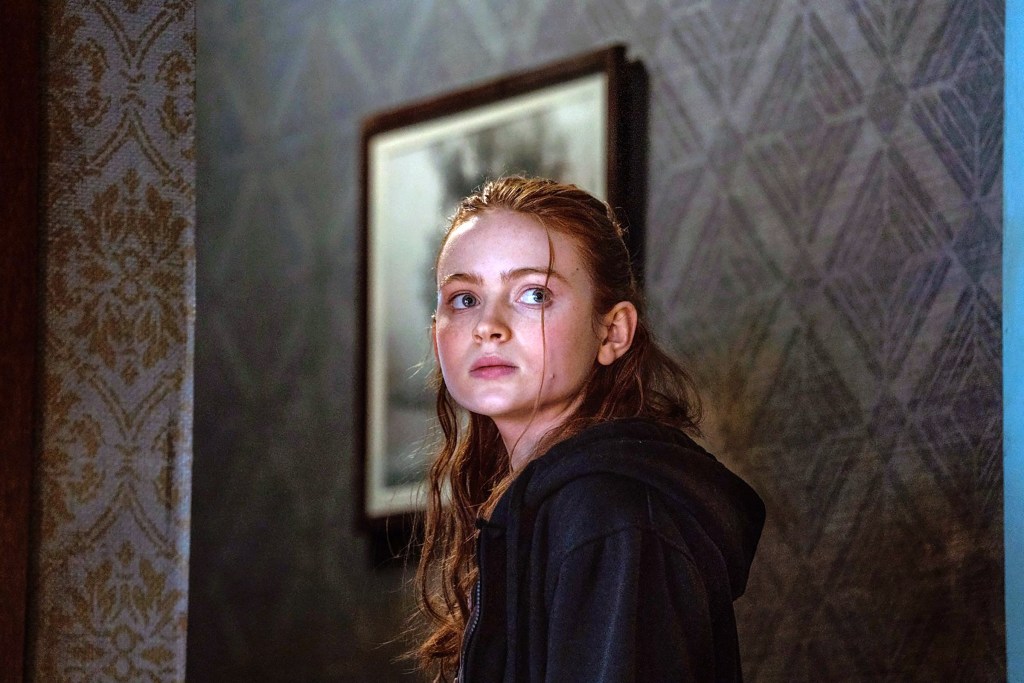
A viral genre moment can box an actor in. Sink spent the years around it making sure that did not happen. In 2022 she appeared in Darren Aronofsky’s The Whale as Ellie, the estranged, furious teenage daughter of a reclusive man played by Brendan Fraser in his Oscar-winning comeback. The role was the opposite of crowd-pleasing. Ellie is cruel, wounded, and almost impossible to like, and Sink played her without softening the edges or asking for sympathy she had not earned. It was a deliberate choice to take a hard, adult, deeply unglamorous part on a prestige film, and it announced that she intended to be taken seriously as a dramatic actor, not merely as a face from a hit series.
Her instincts for choosing material that stretched her showed up elsewhere too. In 2021 she starred opposite Dylan O’Brien in All Too Well: The Short Film, written and directed by Taylor Swift to accompany the ten-minute version of the song. The film leaned on Sink’s gift for conveying heartbreak in close-up, and it became a cultural event of its own. Then in 2025 she took the title role in O’Dessa, a Searchlight Pictures rock opera in which she had to sing professionally, almost daily, for the first time since childhood. The film itself drew mixed reviews, but Sink’s committed, full-throated performance was singled out as its strongest element, proof that she was willing to gamble on ambitious, strange projects rather than coast on safe ones.