Walk into any major Afrobeats concert in Lagos, London, or Houston, and a strange thing becomes obvious within the first three minutes. The headliner is not actually alone on that stage. Beside the star, often slightly behind and to the right, stands a figure with a microphone who is not singing the songs but is somehow indispensable to the performance. He yells “iyaa” at exactly the right moment. He cues the crowd to throw their hands up before the beat drops. He shouts the artist’s nickname between verses. And when the show ends, his name barely makes the lineup poster. That figure is the hype man, and the Afrobeats industry has quietly built one of the most sophisticated hype-man cultures in modern popular music.
What a Hype Man Actually Does
The job description sounds simple enough on paper. A hype man amplifies the live performance of the lead artist, fills in ad-libs that exist on the studio recording but cannot be physically performed by a single vocalist, and manages crowd energy during transitions. In practice, the role demands a stack of skills that takes years to develop.
A working Afrobeats hype man needs to know every song in the artist’s catalog down to the breath marks. He has to predict when the artist will want a call-and-response with the audience versus a quiet moment for vocal delivery. He has to read a crowd in seconds and decide whether to dial the energy up with a run of rapid-fire ad-libs or pull it back with a chant of the artist’s tag. And he has to do all of this while staying invisible enough that nobody in the audience ever thinks of him as the show.
That last skill is the hardest one. A great hype man makes the headliner look more powerful, more loved, and more in command than they actually are at any given moment. A bad one steals oxygen from the star and breaks the spell.
The Ad-Lib Library

Most Afrobeats records are layered with vocal flourishes that the lead artist recorded in the studio but cannot reproduce live without losing their main melody. The “uhh” before a chorus, the “iyaa” that punctuates a hook, the shouted “Mister Money” that opens half of Asake’s tracks, the “ehnn” that signals a beat switch. These ad-libs are not decoration. They are structural elements of the song.
Strip them out and the track feels naked. Try to sing them while delivering the main vocal and you sound like you are competing with yourself. So the hype man carries the ad-lib library on his back, learning every grunt and tag in the catalog and dropping them in with split-second timing.
The vocabulary is constantly evolving, and almost all of it arrives from the street rather than the label. Each artist maintains a signature tag that the hype man owns and repeats until the crowd owns it too. Olamide’s “Baddo” was carried for years by his hype crew before it became something fans would shout back unprompted. Asake’s “Mister Money” works the same way.
Where the Tradition Comes From

Two streams flow into the Afrobeats hype-man tradition, and ignoring either one misses how the role actually functions.
The Yoruba Praise Singer
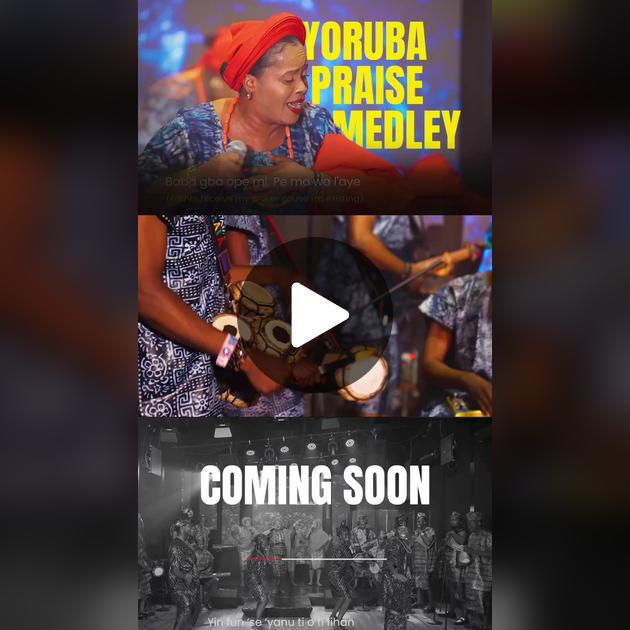
Long before microphones existed, Yoruba culture had the oriki praise singer, a specialist whose job was to attend the powerful, recite their lineage, exalt their accomplishments, and elevate their presence in any social setting. The oriki tradition rewards verbal dexterity, deep knowledge of the subject’s history, and the ability to escalate a crowd’s emotional state through repeated invocation of names and titles.
If you have ever attended a Lagos owambe and watched the live band’s vocalist shout the praise names of a wealthy guest until that guest produces a stack of cash to spray, you have witnessed the oriki tradition in commercial form. The hype man at an Afrobeats concert is doing something genealogically related. He is praising the artist, invoking the artist’s lineage in the scene, and demanding that the crowd acknowledge the figure on stage.
The American Hip-Hop Hype Man
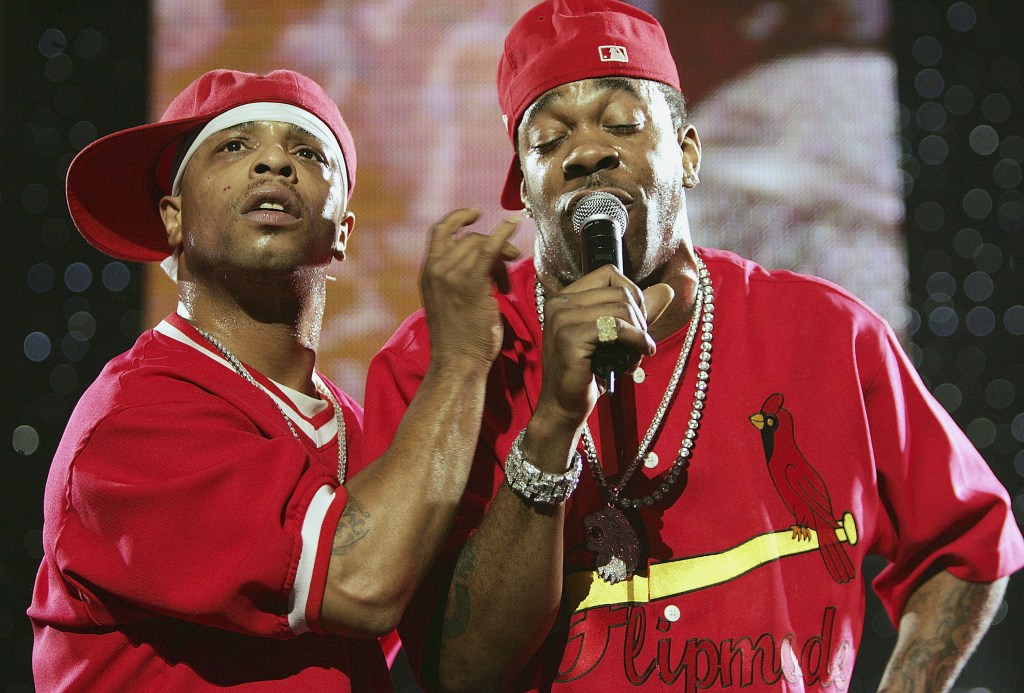
The other stream is direct and well-documented. Hip-hop in the 1980s and 1990s formalized the hype-man role through figures like Flavor Flav, who shadowed Chuck D in Public Enemy and turned hype work into a recognized artistic position. Spliff Star with Busta Rhymes, Memphis Bleek with Jay-Z, Tony Yayo with 50 Cent. The American hip-hop hype man was a recognized credit by the late 1990s, with his own performance vocabulary and his own pathway to solo recognition.
Afrobeats absorbed this template through the same channels that brought it everything else from hip-hop, which is to say MTV, mixtapes, and direct study by Lagos artists who grew up watching American rap performances on bootleg DVDs. The fusion produced something distinctive. The Afrobeats hype man borrows the American format but operates inside a Yoruba performance grammar, which is why his work feels more melodic, more communal, and more rooted in call-and-response than his American cousin.
The Major Players
A short tour of the most visible hype figures in contemporary Afrobeats helps clarify what the job looks like in practice.
Poco Lee
Poco Lee occupies a peculiar position because he is technically a dancer rather than a vocal hype man, but he functions as part of Wizkid’s hype operation when on stage. His viral moments during the “Essence” era, including the night Wizkid sprayed him cash mid-performance and Davido later matched it, turned him into a celebrity in his own right. Poco Lee represents the dancer-hype overlap, where stage presence and energy amplification matter more than verbal ad-libs. He has since attempted a music career of his own with mixed results, which is a common enough arc in the hype-to-artist pipeline that nobody in Lagos was surprised by either the attempt or the outcome.
DJ Tunez
DJ Tunez doubles as Wizkid’s hype guy on top of his DJ and production duties. The dual role is increasingly common in Afrobeats touring setups because labels prefer to pay one person who can do two jobs rather than two specialists. Tunez handles the deck work and also delivers Wizkid’s call-outs, which keeps the stage cleaner and the payroll smaller.
Davido’s Crew
Davido has operated for years with a rotating hype crew that has included B-Red, Sina Rambo, and various others drawn from his extended family and DMW signees. Davido’s performance style demands a lot of crowd interaction, and his crew structure means that any given show has multiple voices on stage shouting his tags and pumping the audience. The crew model is more expensive but more durable, since no single hype man becomes irreplaceable.
Asake’s Hype Team
Asake’s sound is built on layered vocal arrangements, with multiple voices stacked into the studio mix. Live, he relies on his hype guys to carry those upper and lower vocal layers so the song does not collapse into a single thin melody. The “Mister Money” tag that opens many of his records is reproduced live by his hype crew with the same intensity it has on record.
Olamide and the Baddo Era
Olamide has run a hype operation for over a decade, and his crew is partly responsible for embedding “Baddo” into Nigerian street vocabulary. When a tag transitions from artist-specific shorthand into general slang, it usually means the hype crew has done its job. Olamide’s longevity in the YBNL camp owes something to the consistency of his on-stage support.
Don Jazzy
Don Jazzy is the interesting outlier because he is primarily a producer rather than a performer, yet his “It’s Don Jazzy again!” tag at the front of countless Mavin records turned him into a producer-as-hype-man figure. The tag itself functions as a hype intervention, announcing the brand and amplifying the artist’s credibility before the song even starts. It is a model that producers from Sarz to Magicsticks have followed in their own ways.
DJ Big N
DJ Big N serves as the hype DJ at Mavin events, which is another version of the dual-role consolidation. He handles transitions, drops Mavin tags, and works as the unifying voice across multi-artist label showcases. Label-affiliated hype DJs are common in Afrobeats because they let the label maintain a consistent sonic identity across different artists on the same bill.