Walk into a Lagos beauty supply store in 2017 and ask for foundation in a deep ebony shade. Most attendants would shrug, gesture vaguely toward two or three drugstore brands, and suggest mixing two products together to get a colour that vaguely matched darker skin. That was the reality before September of that year, when a pop star from Barbados released a foundation line in forty shades and forced an entire industry to admit it had been failing dark-skinned customers for decades.
Rihanna did not invent inclusive beauty. She did not invent shade matching either. What she did was take the conversation, which had been simmering in beauty Twitter and Black beauty blogs for years, and detonate it on the global stage with a billion-dollar bomb. The aftershocks reached Lagos, Accra, Johannesburg, and Nairobi within months. African beauty entrepreneurs, many of whom had been arguing the same point for years, suddenly had a case study they could wave in front of investors and retail buyers.
The Forty Shades That Rewrote Foundation Math
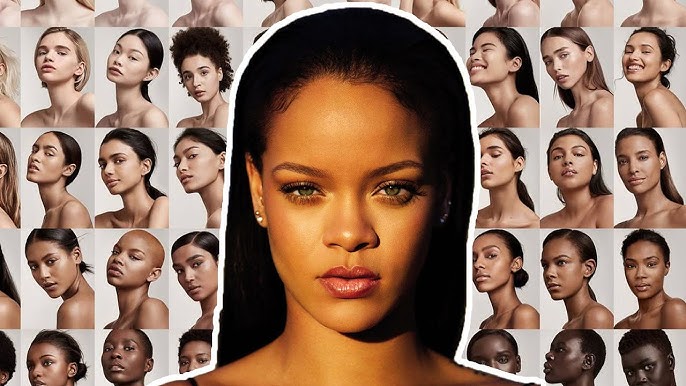
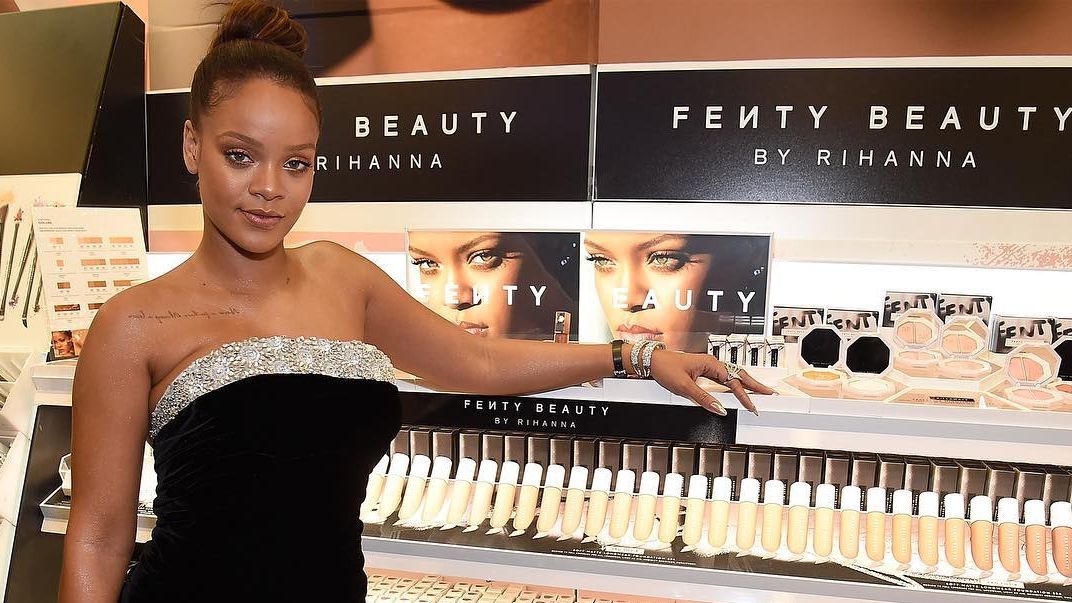
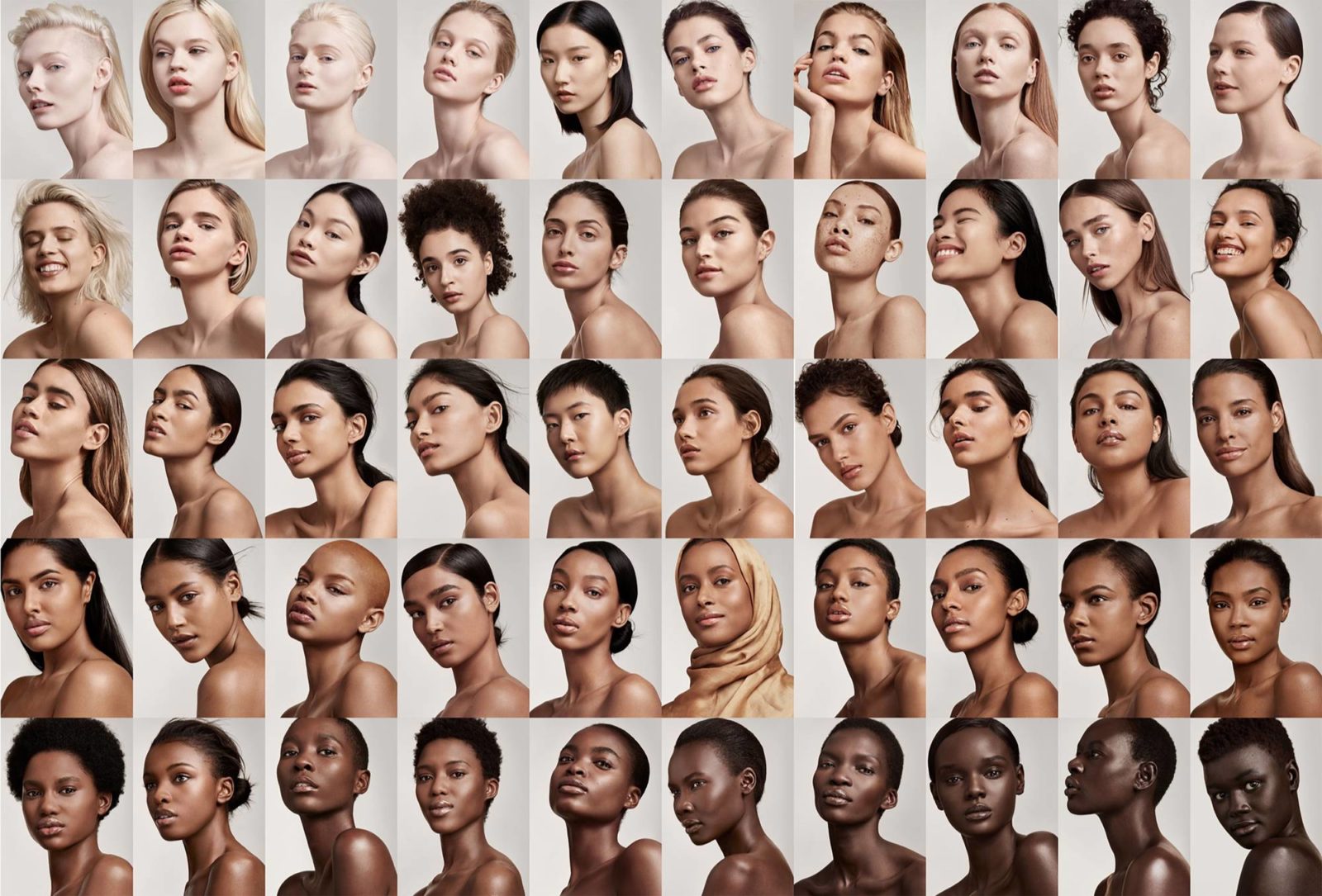
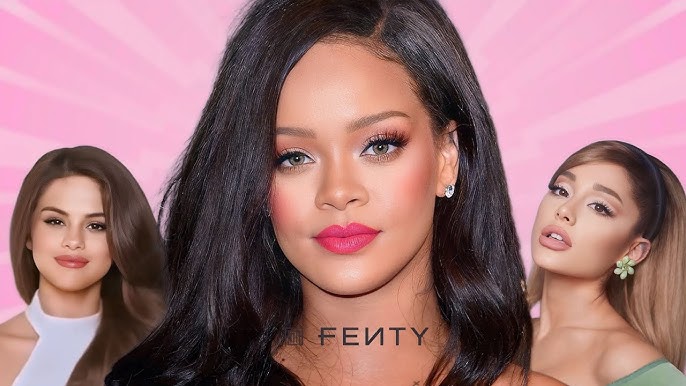
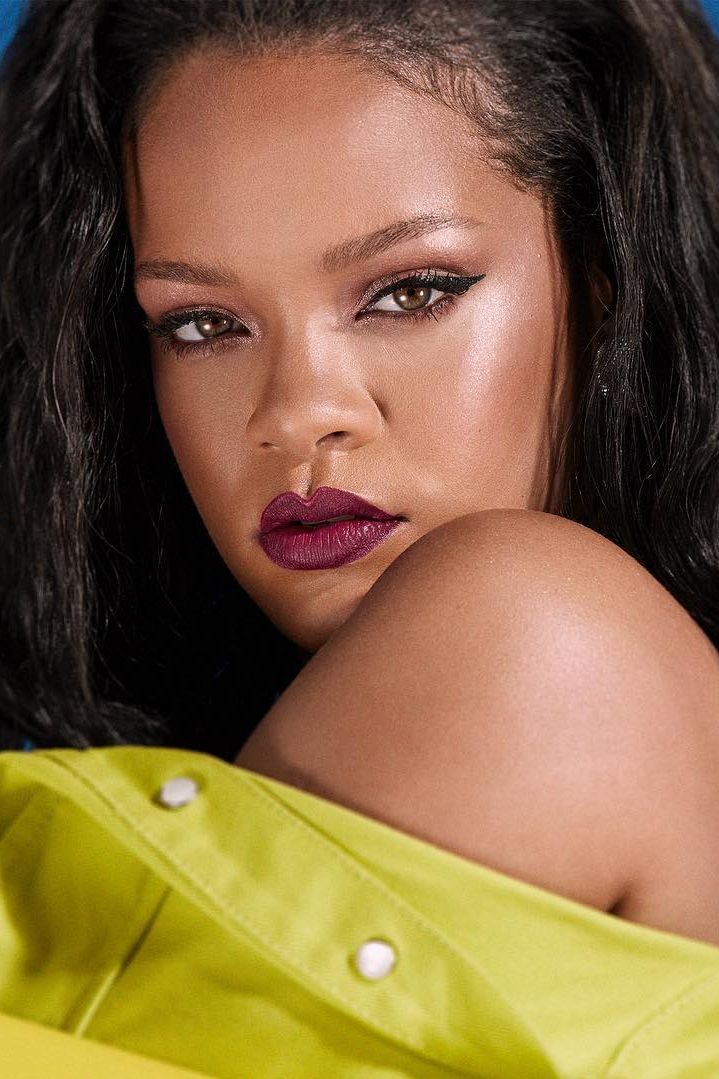
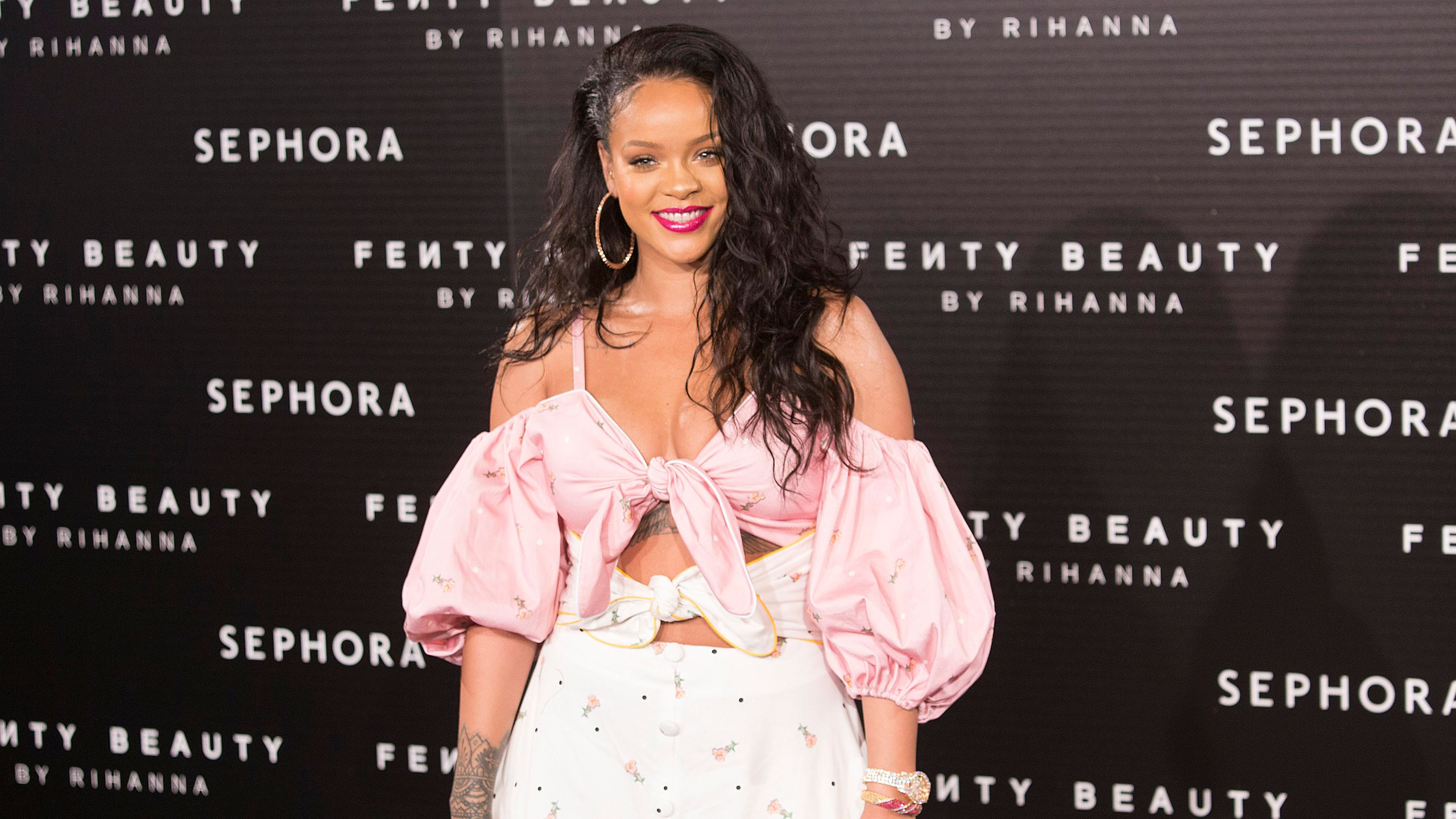
Fenty Beauty launched on 8 September 2017 with forty foundation shades, a number that has since expanded to over fifty. The deepest end of that range was widely reported to have sold out first in major markets, and fast. Beauty editors who had assumed the deep shades would sit on shelves while the lighter ones flew off were filing restock stories instead. The lighter shades, ironically, were the ones gathering dust.
That single data point did more for Black beauty representation than two decades of activism. Brands like MAC, NARS, and Estee Lauder had carried decent deep ranges for years, but the industry-wide assumption was that those shades were niche, low-volume products you carried for prestige reasons. Fenty proved the opposite. The deeper the shade, the faster it moved.
Why the Fenty Effect Landed Differently in Africa
In the United States and the UK, the Fenty effect mostly meant existing brands scrambling to add ten or fifteen new shades to their foundation lineups. Maybelline, L’Oreal, Revlon and CoverGirl all expanded their ranges in the years that followed, and the trade press treated Rihanna’s launch as the obvious trigger.
Across Africa, the story was different. The Fenty effect did not just mean shade extensions. It meant a generation of beauty entrepreneurs who had been pitching to skeptical investors for years finally had a number to wave around. Fenty Beauty was reportedly valued in the billions of dollars within a few years of launch, with the deep shades acting as the engine. Suddenly, every African beauty founder pitching a darker-skin-first product had a comparable to point at.
The OGs Who Were There Long Before Rihanna
Any honest history of African celebrity beauty has to start with Tara Fela-Durotoye. She opened House of Tara in 1998, before social media made beauty entrepreneurship a recognisable career path, before the term “celebrity beauty brand” existed as a marketing category. She trained makeup artists, opened beauty studios across Nigeria, and built a foundation range calibrated for Nigerian skin tones at a time when most local women were buying foreign brands and praying for a match.
By the time Rihanna launched Fenty, Tara had already spent nineteen years building the infrastructure that the rest of the Nigerian beauty industry would eventually scale on. House of Tara training schools produced thousands of certified makeup artists. Many of those artists went on to launch their own product lines after 2017, riding the wave Fenty created but standing on foundations Tara had poured.
Zaron and the Quiet Nigerian Powerhouse
Zaron Cosmetics, founded by Nigerian entrepreneur Oke Maduewesi, occupied a different lane. Less celebrity, more workhorse. Zaron built its reputation on affordable foundations and concealers that actually matched Nigerian skin tones, sold through a network of distributors across Lagos, Abuja, and Port Harcourt. After Fenty’s 2017 launch, Zaron expanded its range aggressively, adding deeper shades and reformulating older products to compete on a global standard.
Banke Meshida-Lawal, the makeup artist behind Faces by Banke, had been making celebrities look polished on red carpets and magazine covers since the early 2000s. Her product line, which expanded significantly in the late 2010s, leaned into the same insight Fenty exploited. Nigerian women had been mixing two foundations to get a match because brands kept refusing to make products for them. The fix was not chemistry. It was respect.
The 2020 Pivot and the Celebrity Beauty Wave
Toke Makinwa put her name on a beauty line at the turn of the decade. The Nigerian radio host turned vlogger turned media personality had spent years building an audience that trusted her opinions on lipstick, skincare, and what looked good under studio lights. Her product line was the logical next step. The launch was modest by Fenty standards, a few lip products and a handful of foundation shades, but the brand positioning was unmistakeable. Toke was doing what Rihanna had done. Building a beauty brand on top of a celebrity audience that already trusted her face.
That Toke launch sat inside a broader wave of African celebrity beauty pivots. Mercy Aigbe explored a beauty line briefly. Bobrisky, in his peak influence years, ran a skincare brand that became one of the most-talked-about beauty launches in Lagos despite the controversies surrounding the founder. Dimma Umeh, the YouTuber whose tutorials had taught a generation of Nigerian women how to actually apply foundation, built a content empire that beauty brands kept trying to partner with or replicate.
What the Celebrity Model Actually Sells
The Rihanna playbook was not just about putting a celebrity face on a product. It was about leveraging an existing audience relationship to bypass the trust-building phase that traditional beauty brands had to grind through. Pat McGrath had to spend decades building the McGrath name through editorial work before her own brand could fly. Rihanna got to skip that entire phase because two hundred million people already trusted her aesthetic.
African celebrity beauty founders ran the same play, with adjustments for local market reality. Toke Makinwa did not have two hundred million followers, but she had an extremely loyal Nigerian audience that bought what she recommended. That trust translated directly into beauty product sales, even when the products themselves were entering a crowded market.
The Diaspora Brands and the Pan-African Push
A cluster of diaspora-founded labels took a different route again, framing themselves less as Nigerian or Ghanaian products and more as celebrations of African heritage broadly. That positioning travelled well in Europe and North America, where the customer was often two generations removed from the continent and buying partly on identity.
Hanahana Beauty, founded by Ghanaian-American Abena Boamah-Acheampong, took the shea butter and natural skincare lane seriously. The brand built its early audience through small-batch product drops and aggressive content marketing on Instagram, leveraging the same direct-to-consumer playbook that powered Fenty’s early growth. Hanahana eventually landed shelf space at Sephora, a milestone that proved African-founded beauty brands could clear the bar for mainstream Western retail.