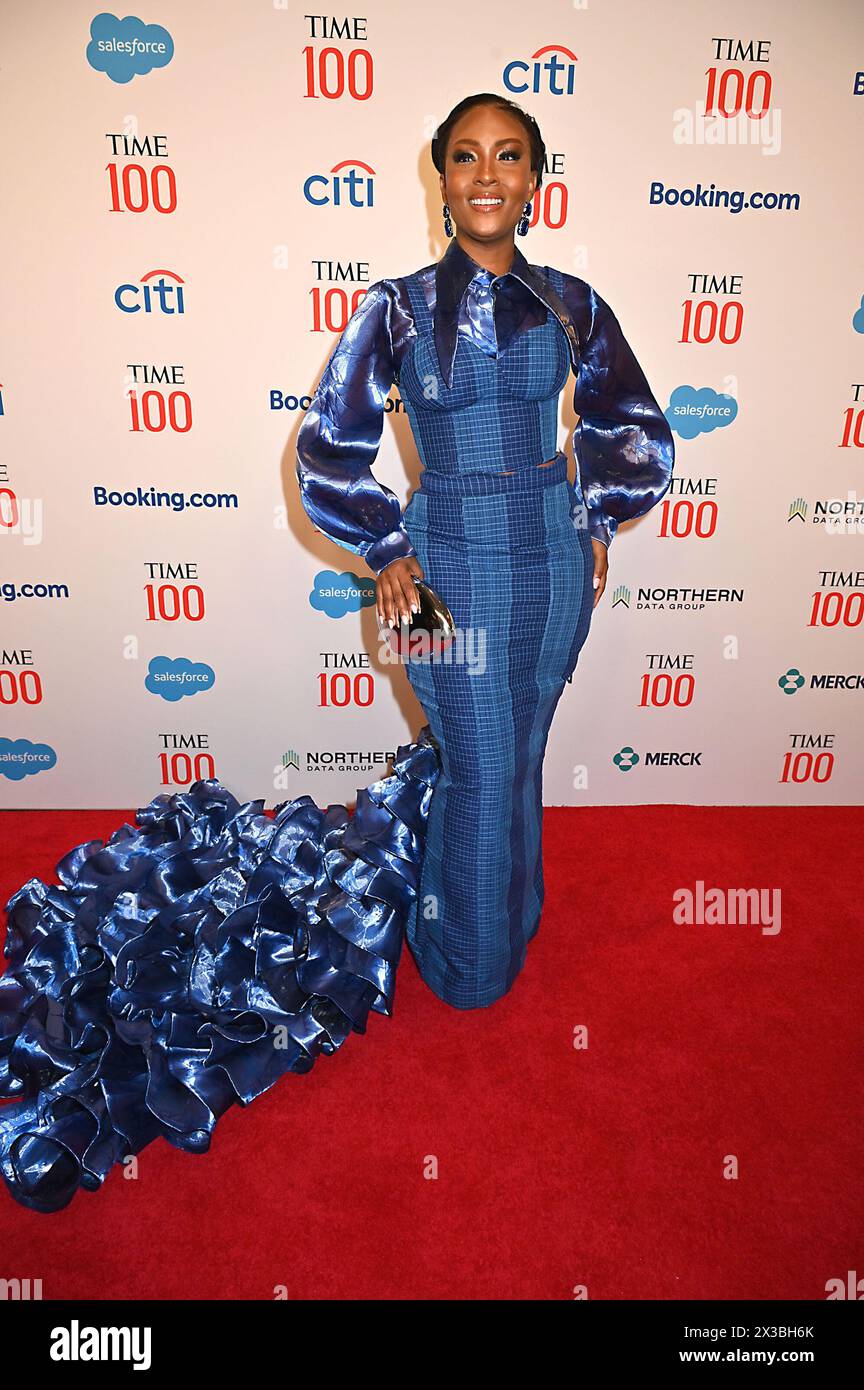
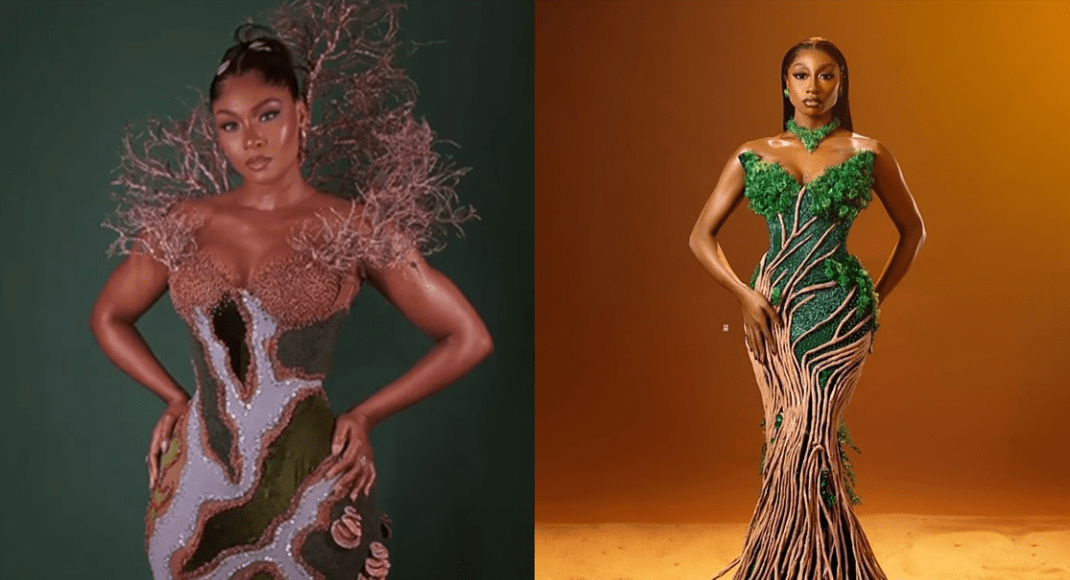
When the cameras find her on the AMVCA red carpet, the room seems to tilt slightly in her direction. The gown is usually architectural, the kind of look that trends within minutes of the first photograph hitting social media. Yet anyone who reduces her to that single frame misses the longer story. Behind the fashion moment sits a working actor with two consecutive Best Actress trophies, a production company of her own, a journalism degree, a stage-acting master’s, and a career that began far from Lagos in the theatre rooms of New York. The glamour is real, but it is the smallest part of the picture.
That gap between how Osariemen Martha Elizabeth Ighodaro is often seen and what she has actually built is the most interesting thing about her. Across two decades she has moved between American independent film, Nigerian television, prestige Nollywood drama, and live hosting without ever appearing to strain. The range is not an accident. It was assembled deliberately, role by role, by someone who trained for the work long before the trophies arrived.
From the Bronx to a National Crown
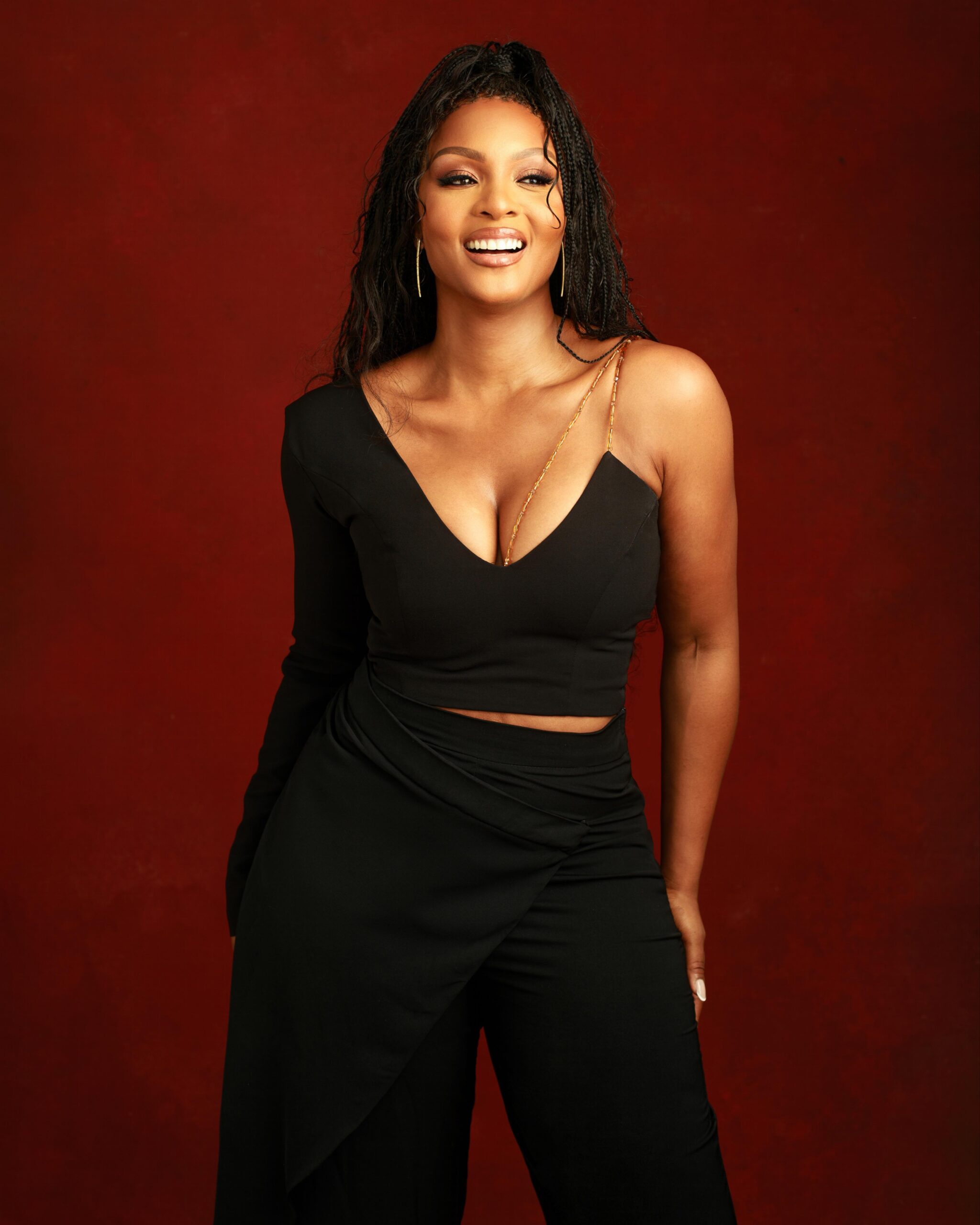
Born on 26 October 1983 in the Bronx, New York, she grew up as the American-born daughter of Nigerian parents of Edo origin. That dual inheritance, a childhood in the United States stitched to a Nigerian family identity, would later define almost everything about her screen persona. She could move between accents, cultures, and audiences because she had genuinely lived in both worlds.
The early path was academic before it was ever theatrical. She enrolled at Pennsylvania State University, where she studied Broadcast Journalism with minors in Entrepreneurship and Theatre. The combination is telling. Journalism gave her the polish and composure that hosting work would later demand, the entrepreneurship minor hinted at a businesswoman who would one day run her own company, and theatre was the seed of everything that followed. She did not stop there. She pressed on to earn a Master of Fine Arts in acting from the Actors Studio Drama School at Pace University, one of the most demanding conservatory programmes in American theatre. By the time she stepped onto any professional set, she had been formally trained as an actor in a way that many of her peers had not.
The pivot that pushed her into the public eye came in 2010, when she was crowned Miss Black USA. She was the first Nigerian-American to win the national title, a detail that mattered to a diaspora audience watching one of their own claim a major American stage. Pageantry can be a dead end for some winners, a single bright moment that fades. For her it functioned as a launchpad. The crown sharpened her public presence, expanded her network, and gave her a platform that she immediately put to use, both for her acting ambitions and for the malaria-focused charity work that would become a permanent thread in her life.
Building a Foundation in New York Before Nollywood
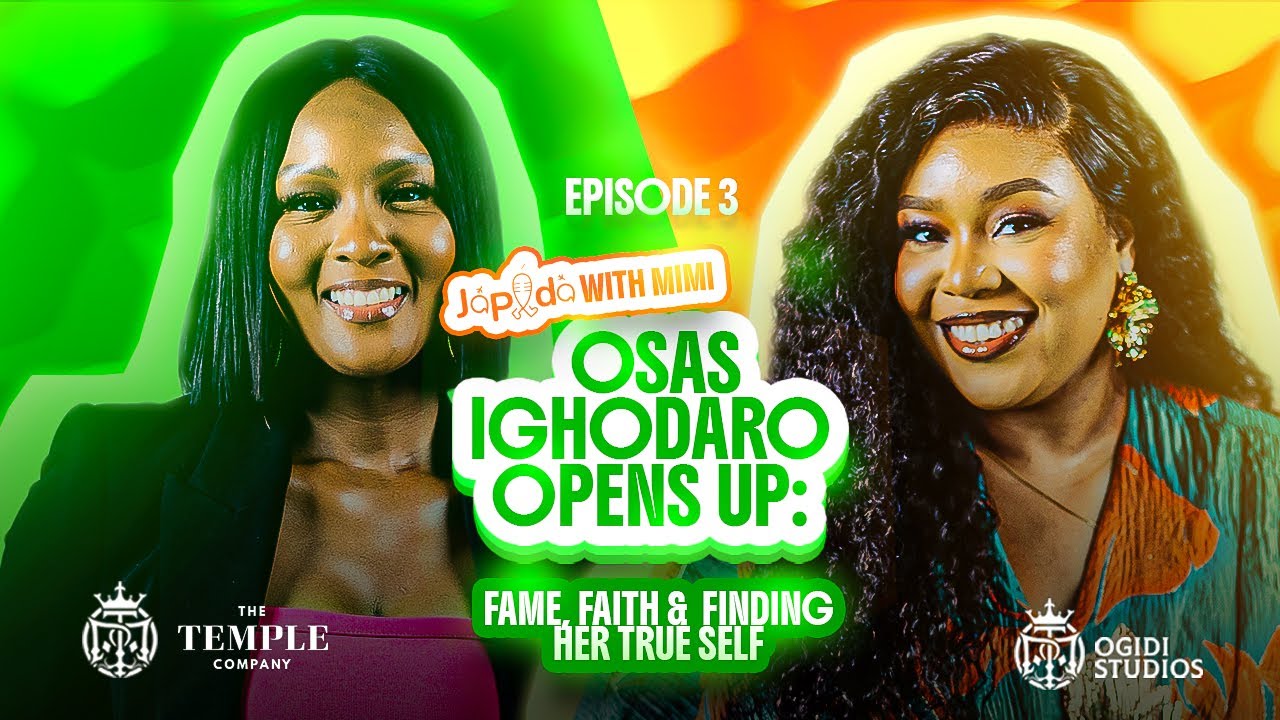
The version of her career that most Nigerian fans know begins around 2012. The version that actually built her did not. Long before she moved to Lagos, she was grinding through the unglamorous early tiers of the American industry, the place where most careers quietly end.
Her screen credits stretch back to the mid-2000s with small parts in projects like the Beyonce-led music drama “Cadillac Records,” along with television appearances on shows such as “Law & Order” and “Meet the Browns.” None of these were star-making roles. They were the apprenticeship, the years of auditions, bit parts, and stage productions that a conservatory-trained actor uses to learn the craft under real conditions. Her theatre work from this period is substantial and easy to overlook, with roles in stage productions ranging from August Wilson festivals to a Nigerian adaptation of “For Colored Girls.” That live-theatre discipline, the ability to hold a scene without a second take, is something audiences feel later even when they cannot name it.
This is the part of her story that gets compressed in most retellings, and it is the part that explains the rest. The poise that reads as natural on a Nollywood set was earned in front of small New York audiences years earlier. When she finally turned toward Nigeria, she did not arrive as a beauty queen hoping to act. She arrived as a trained working actor looking for a bigger stage on which to use skills she already possessed.
The Nollywood Breakthrough
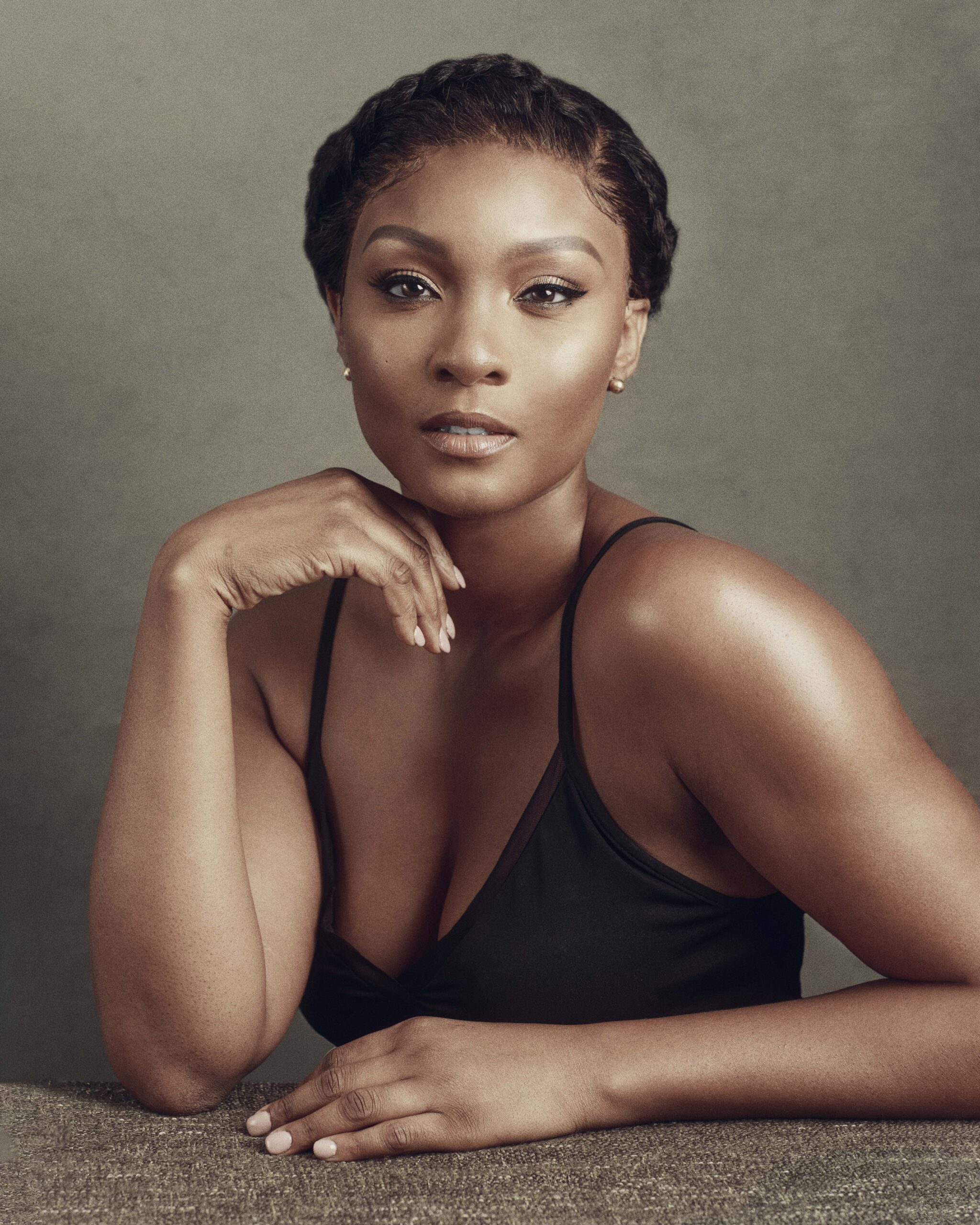
The move to Nigeria in 2012 was the decision that reframed everything. She joined the cast of “Tinsel,” the long-running soap that has served as a finishing school for a generation of Nigerian screen talent, playing the character Adanna. For a diaspora actor, “Tinsel” was the perfect entry point. It put her in front of a mass Nigerian audience daily, embedded her in the working rhythms of the local industry, and let viewers grow familiar with her face over time rather than all at once.
From that base she expanded quickly into film. She appeared in projects like “Gbomo Gbomo Express” and steadily climbed toward leading roles, building a reputation as a dependable, watchable presence who elevated whatever she was given. The credibility compounded. By 2018, in a striking marker of her commercial pull, she was reported as the highest-grossing Nollywood actress of the year, a ranking that placed her among the most bankable performers in one of the busiest film industries on the planet.
What makes the breakthrough notable is how little it relied on novelty. She was not famous for a scandal or a viral moment. She became central to Nollywood the slow, durable way, by being cast repeatedly, delivering consistently, and accumulating the kind of trust from directors and producers that turns a working actor into a fixture. In an industry that produces an enormous volume of films, being the name a serious project reaches for first is its own quiet form of power.
A Range That Refuses to Sit Still
The word that follows her most often is versatile, and the body of work earns it. Look across her filmography and the striking thing is how little it repeats itself. She has played the cold operator and the wounded romantic, the comic foil and the tragic lead, sliding between registers that defeat many actors who find one lane and stay in it.
In Kemi Adetiba’s hugely influential “King of Boys” universe she took on Sade Bello, stepping into one of the most ambitious political-crime sagas Nollywood has produced. In “Rattlesnake: The Ahanna Story,” a slick reimagining of a Nigerian classic, she delivered the performance that would win her a first major Best Actress award. She showed her comic and romantic range in the cross-cultural hit “Namaste Wahala,” a Nigerian-Indian love story that drew international attention for its bold blending of Nollywood and Bollywood traditions. She has worked in series television with “The Smart Money Woman,” in faith-driven prestige drama with “Man of God,” and in the franchise machinery of King of Boys spinoffs.