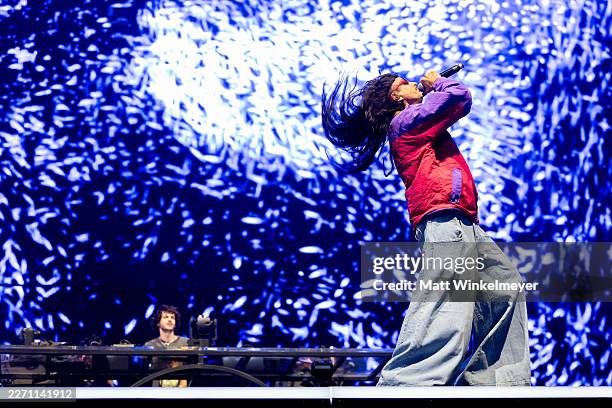

Oliver Tree Nickell carved out one of the most distinctive niches in modern pop music, blending alternative sounds with internet-savvy visual storytelling that captivated millions of fans worldwide. The eccentric artist, instantly recognizable by his signature bowl cut and quirky persona, transformed from an underground electronic music producer into a mainstream phenomenon whose songs like “Life Goes On” and “Miss You” dominated streaming platforms and social media feeds alike. His unique ability to straddle the line between serious musicianship and viral entertainment made him a defining figure of the internet age, where authenticity and absurdity often intersected in unexpected ways.
Tree’s tragic death at age 32 in a helicopter crash in Brazil has sent shockwaves through both the music industry and the broader digital entertainment landscape, where he had become as much a content creator as a recording artist. His sudden passing has prompted an outpouring of tributes from fans and fellow artists who recognized his singular contribution to contemporary pop culture. The loss is particularly poignant given that Tree had only recently hit his creative and commercial stride, suggesting that his most impactful work may have still been ahead of him. As the entertainment world grapples with this unexpected tragedy, his innovative approach to blending music with visual comedy and social media engagement stands as a blueprint for artists navigating the modern digital landscape.
Quick Facts / At a Glance
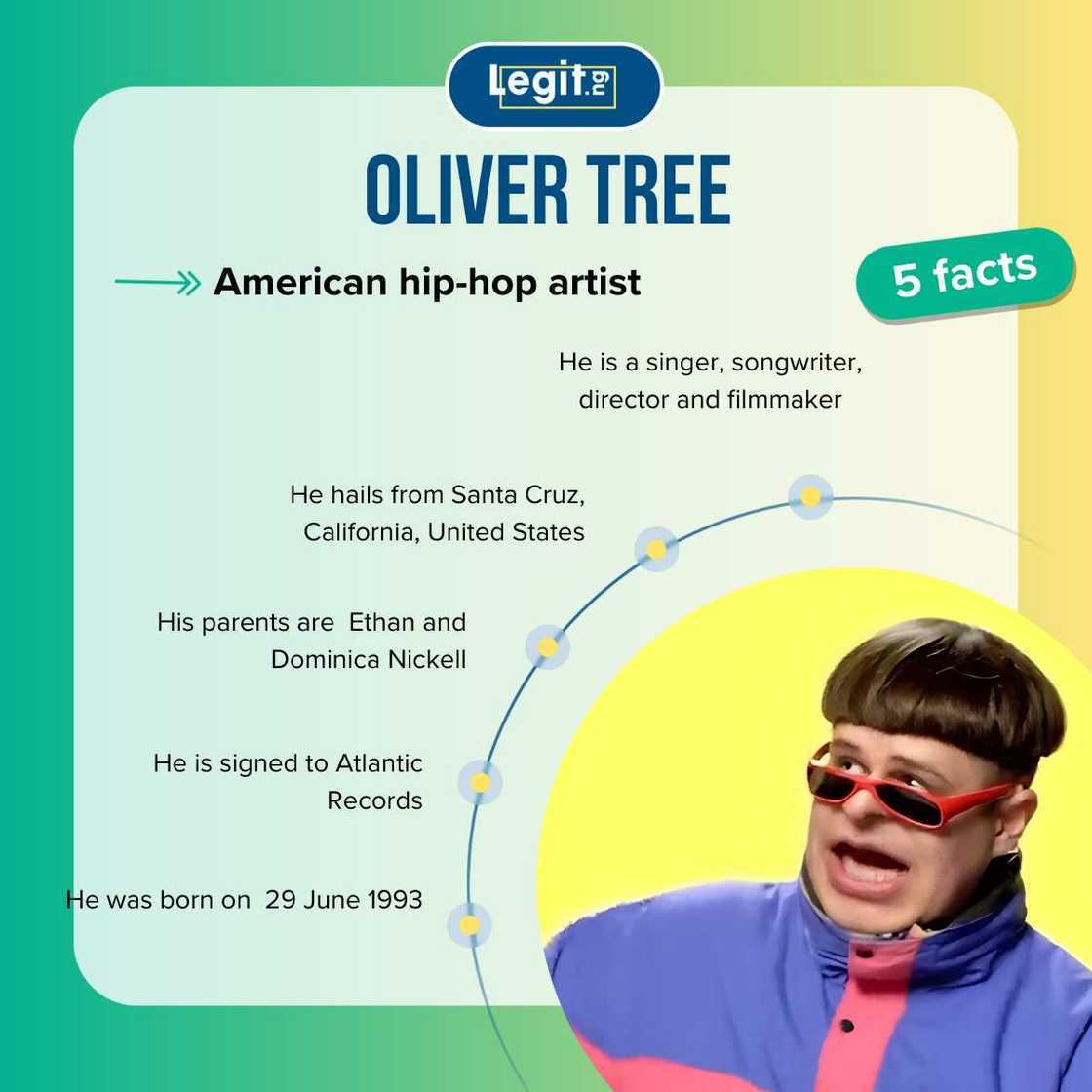
| Full Name | Oliver Tree Nickell |
| Date of Birth | June 29, 1993 |
| Place of Birth | Santa Cruz, California, USA |
| Nationality | American |
| Profession | Singer, Songwriter, Producer, Director |
| Known For | “Life Goes On,” “Miss You,” viral music videos, eccentric persona |
| Net Worth | Estimated at $4-6 million (2024) |
Early Life and Background

Oliver Tree Nickell was born on June 29, 1993, in Santa Cruz, California, a coastal city known for its laid-back surf culture and alternative music scene. Growing up in this creative environment likely influenced his later artistic sensibilities, as Santa Cruz had long been a haven for musicians, artists, and counterculture figures who valued individuality over conformity. His family background reportedly included exposure to various forms of creative expression, though Tree has been characteristically private about many details of his upbringing. The coastal California setting, with its blend of beach culture, tech industry proximity, and artistic communities, provided an ideal backdrop for someone who would later seamlessly blend different cultural elements in his work.
From an early age, Tree demonstrated an entrepreneurial spirit and creative ambition that would later define his career approach. He became interested in music production and performance during his teenage years, reportedly experimenting with electronic music software and developing his skills as both a vocalist and instrumentalist. His early exposure to internet culture and social media platforms shaped his understanding of how artists could build direct relationships with audiences, bypassing traditional industry gatekeepers. This digital-native perspective would prove crucial to his later success, as he intuitively understood how to create content that resonated across multiple platforms simultaneously.
Tree’s educational journey included time at California Institute of the Arts, where he studied music production and honed his technical skills. The prestigious arts school provided him with formal training in audio engineering and music theory, complementing his natural creativity with professional-level expertise. During his college years, he began developing the unique visual aesthetic that would later become his trademark, experimenting with different personas and artistic identities. His time at CalArts also connected him with other aspiring artists and producers who would become part of his creative network, establishing relationships that would prove valuable throughout his career.
The formative influences on Tree’s artistic development were notably diverse, ranging from electronic music pioneers to alternative rock bands to internet comedy creators. This eclectic mix of inspirations would later manifest in his genre-blending approach to music and his multimedia artistic vision. His early exposure to platforms like YouTube and SoundCloud taught him the importance of visual presentation alongside musical content, leading him to view his artistic output holistically rather than focusing solely on audio recordings. This comprehensive approach to artistry, combining music, visuals, and online engagement, would become central to his identity as a performer and content creator.
Career Beginnings
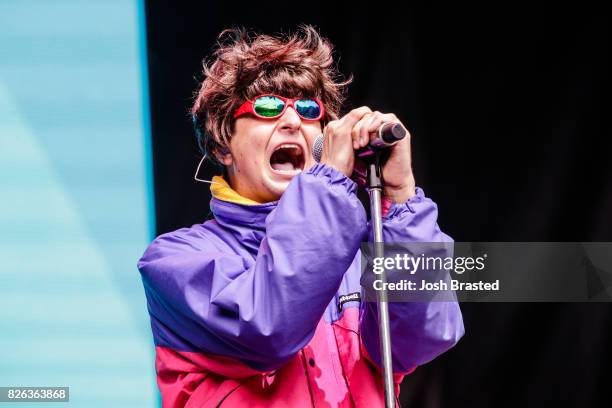
Tree’s entry into the music industry began in earnest during his late teens and early twenties, when he started releasing electronic music under various aliases and experimenting with different genres and styles. His early work demonstrated technical proficiency in production and an willingness to push boundaries, though it took time for him to develop the distinctive sound and persona that would later make him famous. These formative years involved significant experimentation with dubstep, electronic dance music, and alternative pop sounds, as he worked to find his unique voice in an increasingly crowded digital music landscape. His persistence during this period, releasing music consistently despite limited initial recognition, established the work ethic that would serve him throughout his career.
The development of his visual identity proved to be as important as his musical evolution during these early career years. Tree began experimenting with distinctive haircuts, clothing choices, and video concepts that would set him apart from other emerging artists in the alternative pop space. His decision to adopt the bowl cut hairstyle and eccentric fashion sense wasn’t merely aesthetic - it represented a calculated strategy to create a memorable brand that would be instantly recognizable across social media platforms. This attention to visual branding demonstrated his sophisticated understanding of how modern artists needed to operate as complete entertainment packages rather than just musical performers.
During this developmental phase, Tree also began building his skills as a video director and content creator, recognizing that artists who could control their own visual narrative would have significant advantages in the digital age. He invested time and resources into learning video production techniques, developing relationships with other creators, and understanding the algorithmic systems that determined content visibility on platforms like YouTube and Instagram. His early videos, while not yet viral sensations, showed a clear artistic vision and comedic sensibility that would later resonate with millions of viewers. This period of artistic and technical development, though challenging financially and emotionally, provided him with the diverse skill set that would prove essential to his later breakthrough success.
Rise to Fame
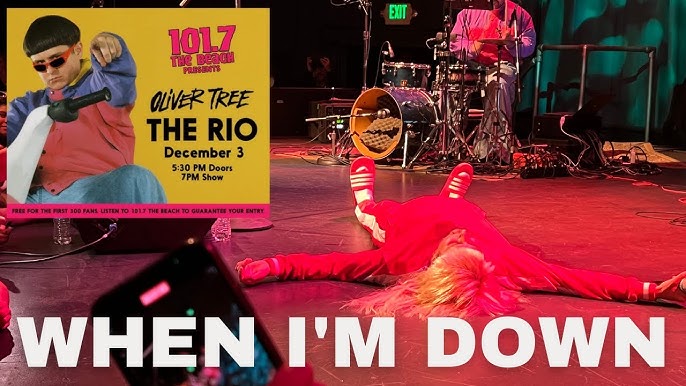
Tree’s breakthrough moment came with the release of “When I’m Down” in 2017, a track that perfectly encapsulated his unique blend of alternative pop melodies, electronic production, and quirky visual presentation. The accompanying music video, featuring Tree in his distinctive outfit performing unusual stunts and scenarios, quickly gained traction on social media platforms and introduced his eccentric persona to a broader audience. The song’s success demonstrated his ability to create music that worked both as serious alternative pop and as viral entertainment content, appealing to listeners who appreciated his genuine musical talent as well as those drawn to his comedic sensibilities. This dual appeal would become a hallmark of his artistic approach, allowing him to build a fanbase that spanned traditional music audiences and internet culture enthusiasts.
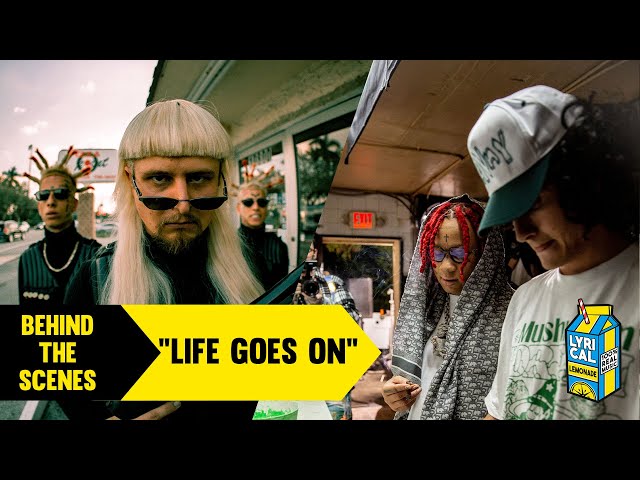
The momentum from his initial breakthrough accelerated with subsequent releases, particularly “Life Goes On,” which became his biggest commercial success and cemented his status as a major player in the alternative pop landscape. The track’s relatable lyrics about perseverance and moving forward, combined with its infectious melody and Tree’s characteristic visual treatment, resonated with audiences during a period when many people were seeking both entertainment and emotional connection. The song’s success on streaming platforms was matched by its viral presence on social media, where clips of Tree’s performances and music videos became popular memes and reaction content. This organic social media amplification demonstrated his intuitive understanding of how to create content that audiences wanted to share and remix.
Tree’s rise was further propelled by his strategic use of multiple platforms and his willingness to engage directly with fans through unconventional means. His appearances on podcasts, social media interactions, and collaborative content with other creators helped build a community around his artistic persona that extended far beyond traditional music fandom. He successfully cultivated an image as an artist who didn’t take himself too seriously while still delivering high-quality musical content, a balance that proved appealing to audiences skeptical of overly polished or corporate entertainment. His ability to maintain this authentic-yet-performative persona across different contexts - from music videos to interviews to social media posts - showed sophisticated understanding of modern celebrity and audience engagement.
By the early 2020s, Tree had established himself as a distinctive voice in alternative pop, with streaming numbers in the hundreds of millions and a devoted fanbase that eagerly anticipated each new release and video. His success represented a new model for artists in the digital age, demonstrating how creative individuals could build significant careers by combining musical talent with internet-savvy content creation and direct audience engagement. Major labels and industry figures took notice of his independent success, leading to increased opportunities for collaboration, touring, and mainstream media appearances. The trajectory of his career suggested that he was positioned to become one of the defining artists of his generation, making his tragic death all the more shocking to the entertainment industry and his millions of fans worldwide.