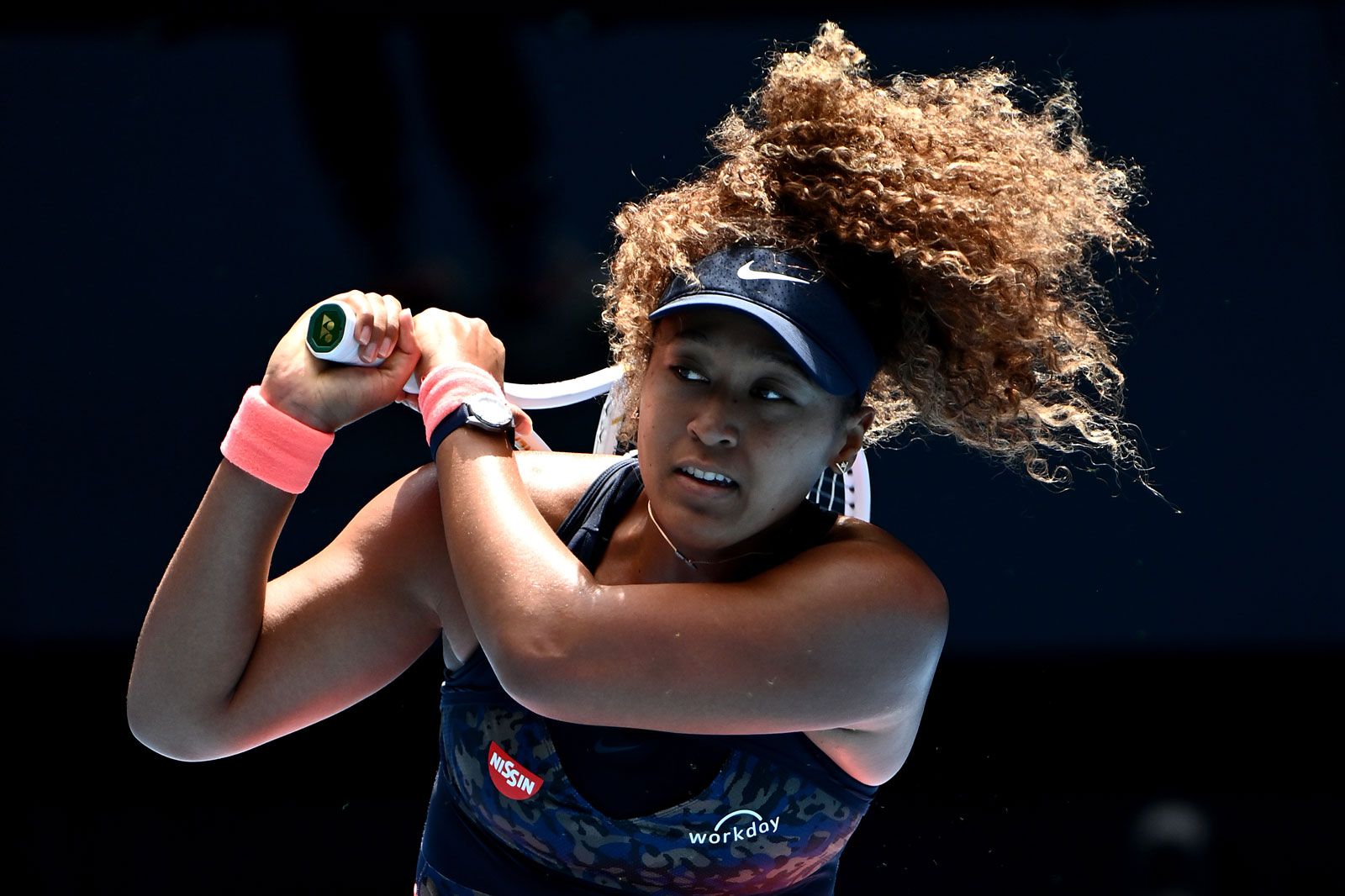

There are athletes who win, and then there are athletes who reshape the very conversation around what it means to compete. Naomi Osaka belongs firmly in the second category. Still in her twenties, she has already collected four Grand Slam singles titles, held the World No. 1 ranking, and been ranked the highest-paid female athlete in the world at her commercial peak. Most significantly of all, she walked away from the sport entirely when her mental health demanded it. That decision, made publicly and without apology, triggered a worldwide debate about the pressures placed on elite athletes and permanently altered how the sports world talks about psychological well-being. She did not simply survive that conversation; she led it.
Osaka keeps reminding people why her name belongs in the same breath as the greatest players of her generation. Her return to the tour after maternity leave has produced results against top-ten opposition and deep runs at hard court events, which is the evidence that matters most: her comeback is not merely sentimental, it is genuinely competitive. For the millions of fans who followed her struggles and celebrated her courage, each of those wins reads as something larger than a tennis result. It reads as a comeback that has been years in the making.
This biography traces the full arc of Naomi Osaka’s remarkable life, from a childhood shaped by two cultures and one father’s audacious tennis dream, through the electric Grand Slam victories that made her a global superstar, to the deeply personal battles that briefly pulled her from the sport she loves. It covers her cultural influence, her business ventures, her personal life, and the hard-won resilience that has brought her back to the biggest stages in tennis. Whether you are a longtime fan or encountering her story for the first time, the depth and complexity of Naomi Osaka’s journey makes for one of the most compelling narratives in modern sport.
Quick Facts / At a Glance
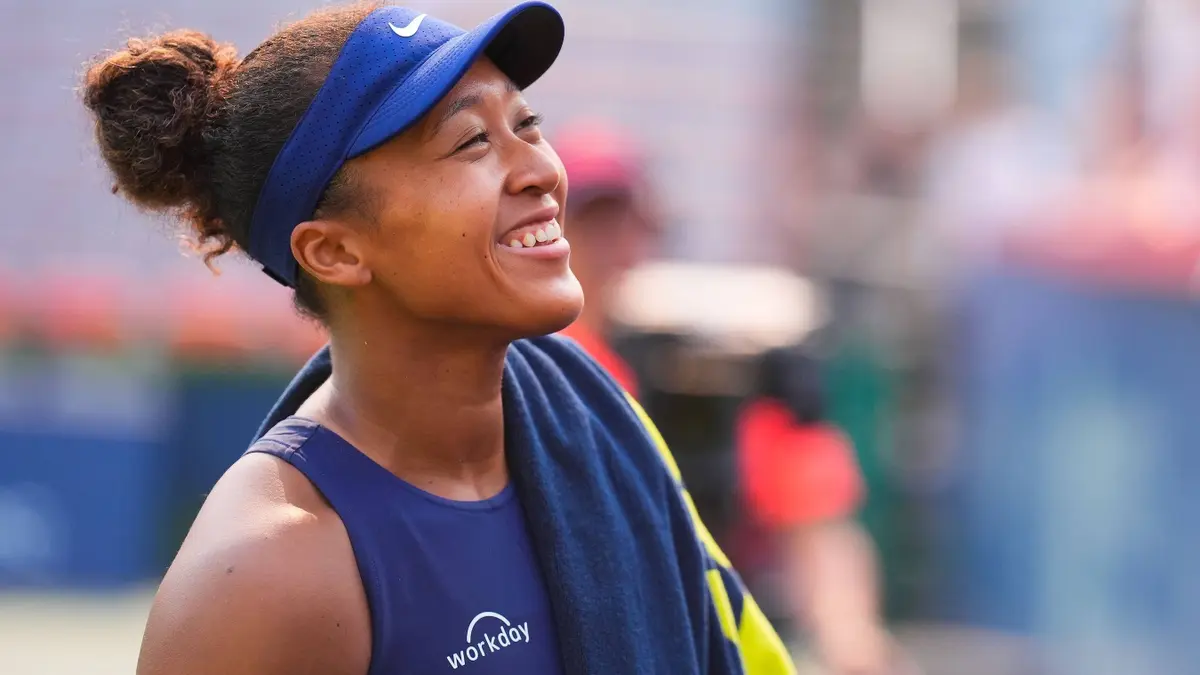
| Full Name | Naomi Osaka |
| Date of Birth | October 16, 1997 |
| Place of Birth | Osaka, Japan |
| Nationality | Japanese (also holds American heritage; competed under Japanese flag) |
| Profession | Professional Tennis Player |
| Known For | Four Grand Slam singles titles, World No. 1 ranking, mental health advocacy, cultural influence |
| Net Worth (estimated) | Reportedly in the range of $180-$200 million, though figures vary across sources |
Early Life and Background

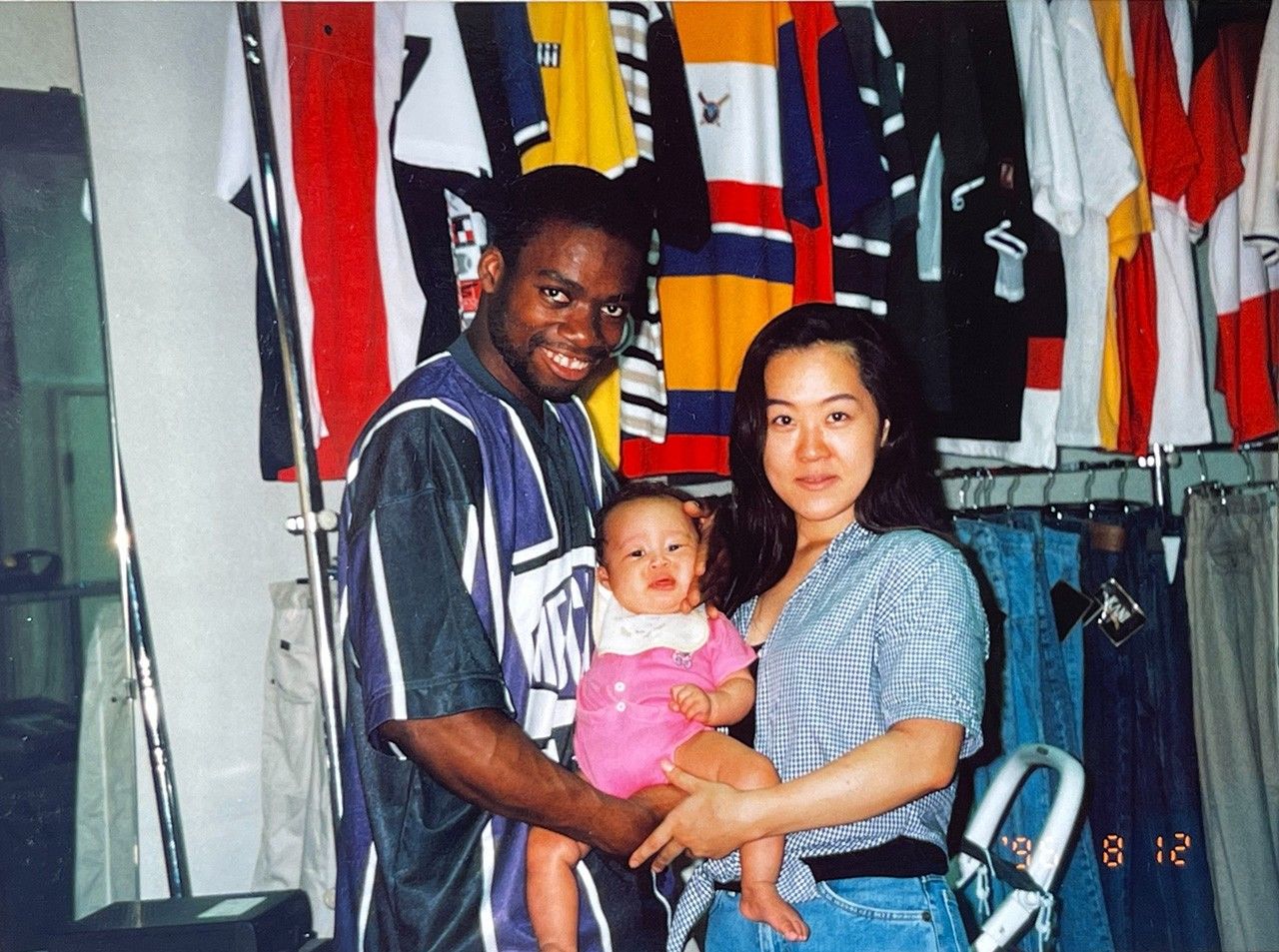
Naomi Osaka was born on October 16, 1997, in the city of Osaka, Japan, to a Japanese mother, Tamaki Osaka, and a Haitian-American father, Leonard Francois. Her parents met in Japan, and their relationship, and later their marriage, placed the family at an intersection of cultures that would profoundly define both Naomi and her older sister, Mari, who also pursued a professional tennis career. The family’s circumstances were modest, and Leonard Francois has spoken openly about the financial sacrifices the family made in the early years to support his daughters’ development as tennis players. That willingness to bet everything on a dream would prove to be one of the defining investments in sports history.
When Naomi was three years old, the family relocated to the United States, eventually settling in Florida, where the climate and the broader infrastructure for elite youth tennis provided the environment Leonard was looking for. His vision for his daughters was heavily influenced by the story of Richard Williams, who famously coached Venus and Serena Williams to tennis greatness largely on his own terms, outside the conventional academy system. Leonard adopted a similar philosophy, personally overseeing Naomi and Mari’s training from an early age rather than immediately enrolling them in established programs. It was an unconventional approach that drew its share of skepticism but would ultimately prove its worth in spectacular fashion.
Growing up biracial in the United States while maintaining strong ties to her Japanese identity gave Naomi an upbringing that was rich but also complicated. She has spoken in interviews about feeling caught between two worlds, never quite fully accepted in either Japanese or American cultural contexts, navigating questions of identity that many young biracial people face. Her Japanese heritage held deep meaning for her, and when the time came to choose which national flag she would represent professionally, she chose Japan. The decision carried significant implications, since it meant she would compete at the Tokyo Olympics representing the country of her birth. That choice said a great deal about how she understood herself and where she felt her deepest sense of belonging.
Naomi’s formal education was largely conducted through homeschooling, a common arrangement for young athletes whose training schedules make traditional schooling difficult to maintain consistently. Her childhood, by her own accounts, was consumed by tennis: early mornings, long practice sessions, and a father who was as much a coach as a parent. Despite the intensity of that upbringing, those who know the family describe a household that was warm and close-knit, with Tamaki Osaka providing a steadying maternal presence. The values instilled during those years, chiefly discipline, resilience, and a quiet but fierce commitment to excellence, would become the foundation of everything Naomi built in the years that followed.
Career Beginnings

Naomi Osaka turned professional in 2013 at the age of 15, entering a sport dominated by established champions and navigating the early stages of a professional career with relatively little fanfare. Her early results on the ITF and WTA circuits were promising rather than spectacular, the kind of steady, incremental progress that coaches and scouts note but that rarely attracts mainstream attention. She was developing her game on hard courts, refining the powerful flat groundstrokes and devastating serve that would eventually become her signature weapons, but the journey from promising junior to credible tour-level competitor is rarely swift or smooth, and Osaka’s early years were no exception.
What set her apart even in those early seasons was the sheer weight of ball-striking she could produce. Tennis observers who watched her practice sessions and early matches consistently remarked on her shot-making ability and the pace she could generate from the baseline, particularly on her forehand side. Her serve was also developing into a genuine weapon, capable of ending points outright at a frequency unusual for a teenager still finding her professional footing. Physically, she was already presenting opponents with problems that required specific preparation, even if the consistency to convert that raw talent into match wins at the highest level was still being developed through competitive experience.
Her breakthrough on the world stage began to take shape in 2016, when she defeated Serena Williams, then still one of the dominant forces in women’s tennis, at the Bank of the West Classic in Stanford. The result reverberated through the tennis world for obvious reasons: Serena Williams was not a player who fell to unheralded teenagers without it meaning something. For Osaka, the victory was more than a headline; it was validation that the hours invested on practice courts in Florida had been building toward something real. She would later describe her admiration for Serena in deeply personal terms, and the complexity of competing against her idol while also needing to defeat her became one of the recurring emotional threads of Osaka’s early career narrative.
Through 2016 and 2017, Osaka continued to climb the rankings, earning respect across the tour as a player capable of defeating anyone on a given day, even if the consistency required to sustain elite-level results across entire tournaments was still being forged. She was learning the physical and mental demands of a full professional schedule: the travel, the pressure, the media obligations, and the relentless competition that defines life on the WTA Tour. These were formative years that shaped not only her tennis but her character, and the experiences she accumulated during this period would prove essential context for everything that came next.
Rise to Fame


The moment that transformed Naomi Osaka from a respected tour professional into a global superstar came at the 2018 US Open, and it arrived wrapped in circumstances so emotionally charged that the match itself became one of the most discussed in tennis history. Osaka defeated Serena Williams in the final, the very player she had idolized since childhood, to claim her first Grand Slam title at 20 years of age. The match was overshadowed by a series of code violations issued to Williams and the subsequent dispute between Williams and chair umpire Carlos Ramos, which led to an extraordinary scene of boos raining down from a crowd that was overwhelmingly supporting the American legend. Osaka won the trophy in tears, visibly distressed by the atmosphere, and the image of her sitting in the champion’s chair with her visor pulled over her face became one of the most iconic sporting photographs of the decade.
The complexity of that moment was almost novelistic in its layers. A young Japanese-American woman of Haitian heritage had defeated her childhood hero in one of the most controversial Grand Slam finals ever played, in front of a hostile crowd, in New York. Media coverage around the world struggled to contain the full significance of what had happened. For many observers, the optics of the crowd’s reaction raised pointed questions about race, gender, and whose pain receives public sympathy in sports arenas. Osaka herself handled the chaos with a dignity that was remarkable for a 20-year-old in her first major final, and her composure in that moment revealed a character that would earn her enormous admiration far beyond tennis audiences. She was gracious toward Williams and apologetic to a crowd she had never asked to upset.
She did not allow that turbulent debut to define her. Six months later, at the 2019 Australian Open, Osaka captured her second Grand Slam title, defeating Petra Kvitova in a three-set final that required genuine mental strength after she dropped the second set. The victory elevated her to World No. 1 in the WTA rankings, making her the first Asian player of either sex to hold the top ranking in singles tennis. The significance of that milestone was not lost on Japan, where she had become a source of enormous national pride, nor on the global sports community, which was increasingly recognizing that one of the most fascinating careers in the sport was just beginning to reveal its full scope.
Two further Grand Slam titles followed at the 2020 US Open and the 2021 Australian Open, cementing her status as one of the defining players of her era. Her game, built on aggressive baseline play and a serve among the most powerful in women’s tennis, proved particularly suited to hard courts, and she accumulated her four majors entirely on that surface. Between titles, she became a presence far beyond the tennis court, gracing magazine covers, launching business ventures, lighting the Olympic cauldron at the Tokyo 2020 Games in one of the most emotionally resonant moments of the entire Olympics, and accumulating a commercial profile that reflected just how broadly her appeal had spread. By the early 2020s, Naomi Osaka was not merely a tennis champion; she was a cultural phenomenon whose influence touched sport, fashion, business, and social advocacy in ways that very few athletes of any generation have managed to achieve.
Her rise was also notable for what it represented symbolically in Japan, a country where mixed-race identity has historically been a complex and sometimes fraught subject. Osaka’s emergence as Japan’s greatest tennis player, and one of its most famous citizens globally, forced a national conversation about identity and belonging that had cultural significance well beyond sport. She navigated that spotlight with increasing confidence, speaking more openly over time about her Japanese heritage, her experiences of navigating dual identity, and her pride in representing a country she loves even when its relationship with her complicated existence was not always simple. In doing so, she became not only a champion but a figure whose meaning to millions of people extends far beyond any scoreline or ranking position.
Major Career Achievements
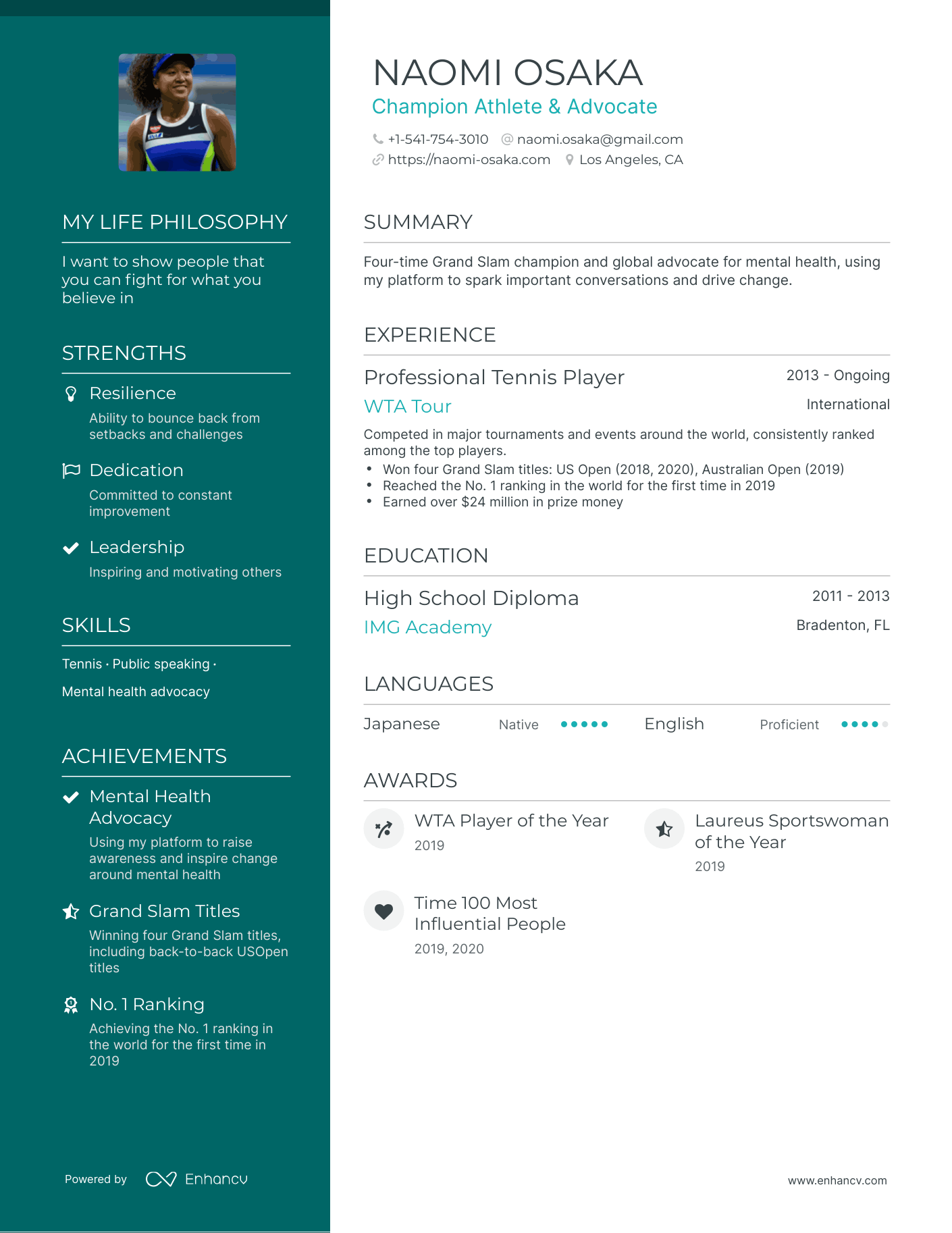
When measuring Naomi Osaka’s career achievements, the numbers alone tell an extraordinary story. She has captured four Grand Slam singles titles at the 2018 US Open, the 2019 Australian Open, the 2020 US Open, and the 2021 Australian Open, and along the way became the first Asian player to hold the World No. 1 ranking in singles and one of the most decorated players of her generation. Her back-to-back US Open titles in 2018 and 2020 demonstrated not just raw talent but an ability to perform at an elite level under the most intense pressure the sport can produce. Each of those Slam victories carried its own weight and narrative, cementing her place in the record books long before she had reached her mid-twenties.