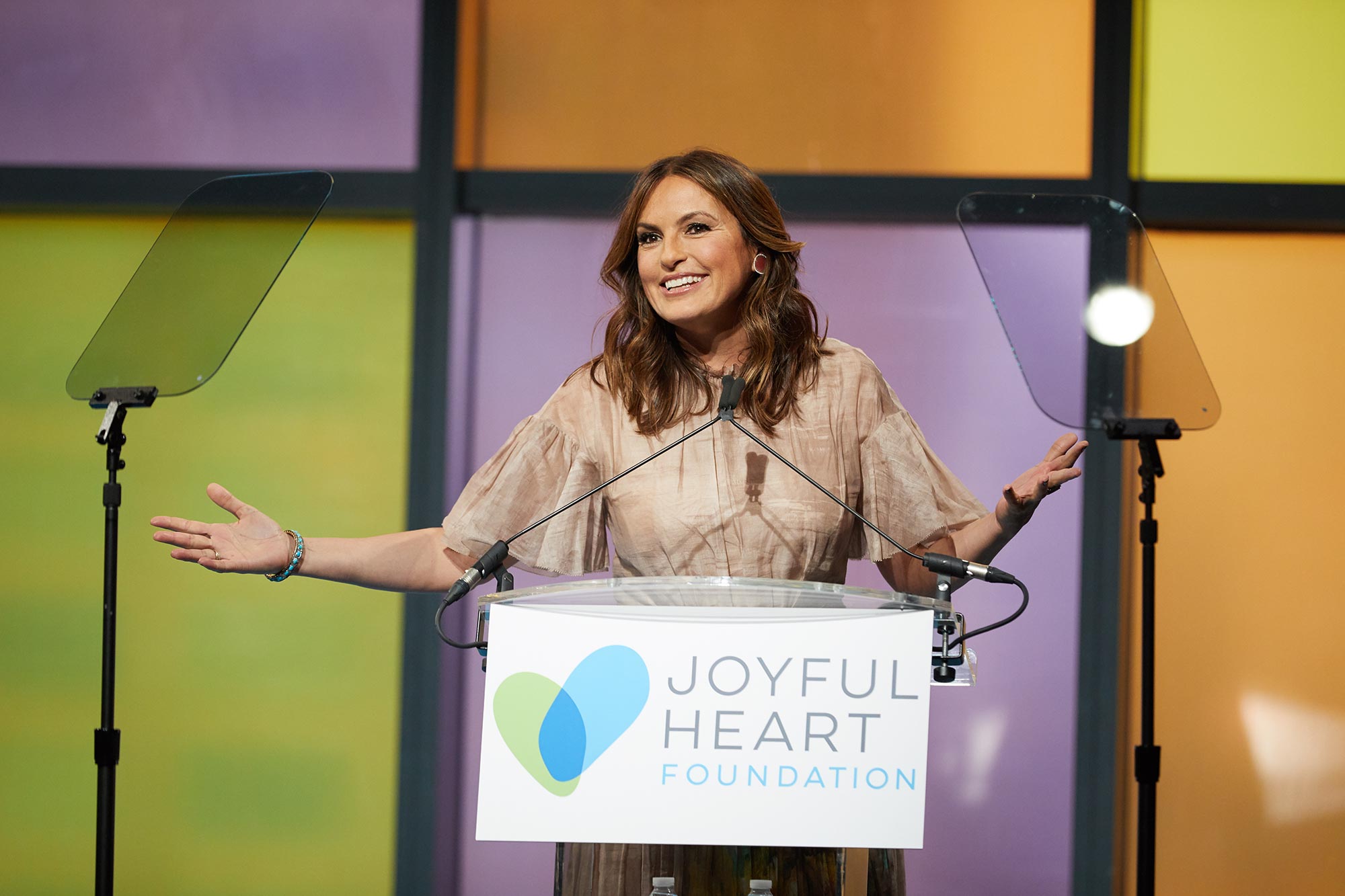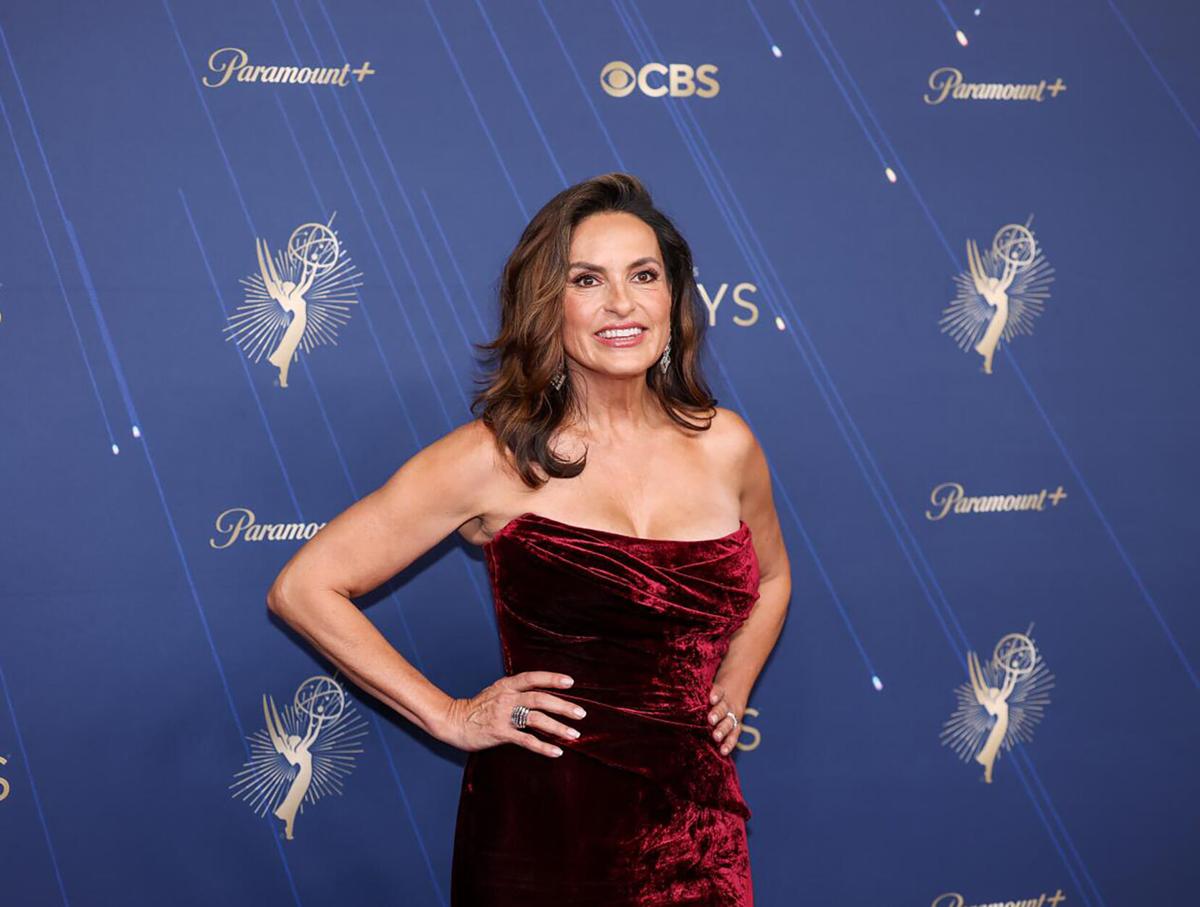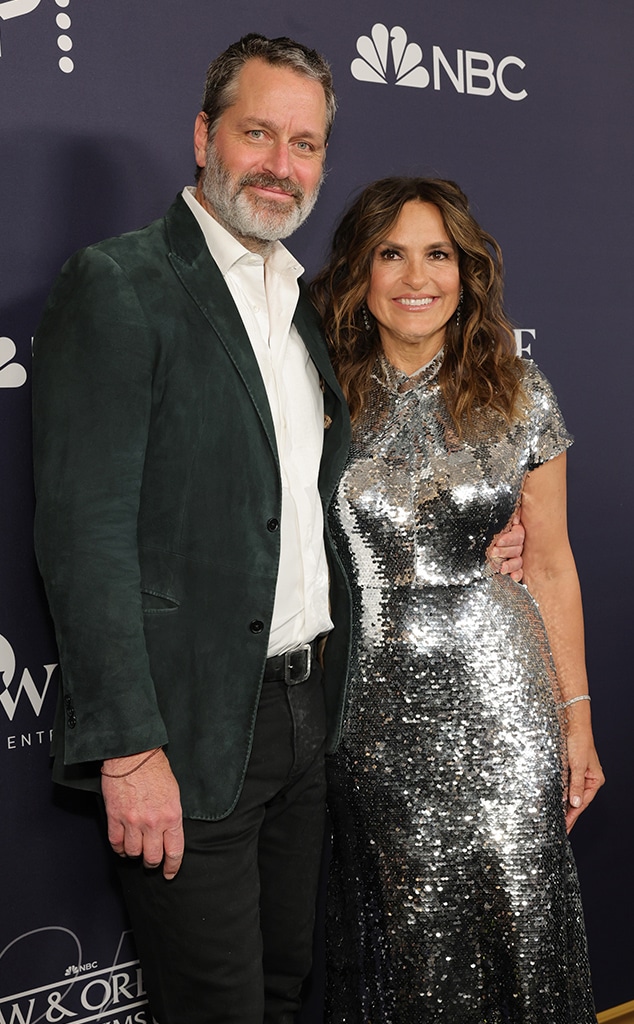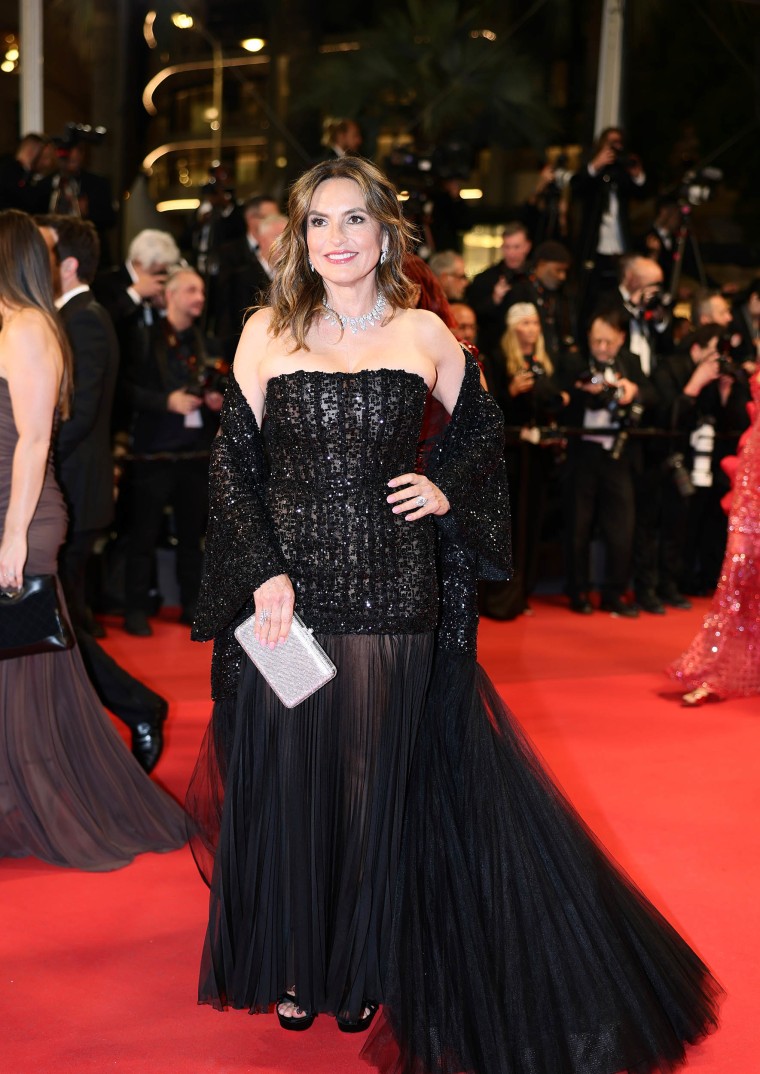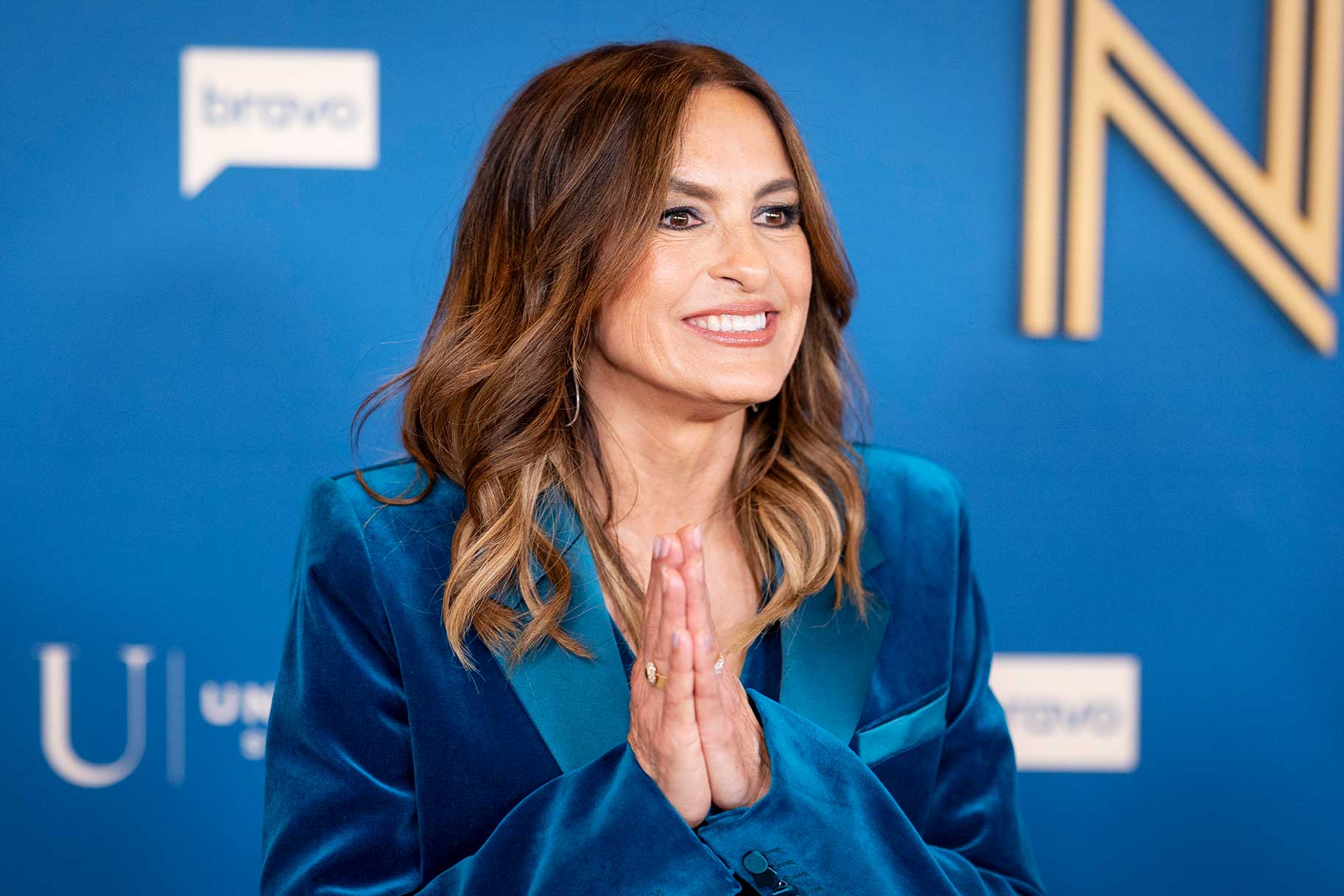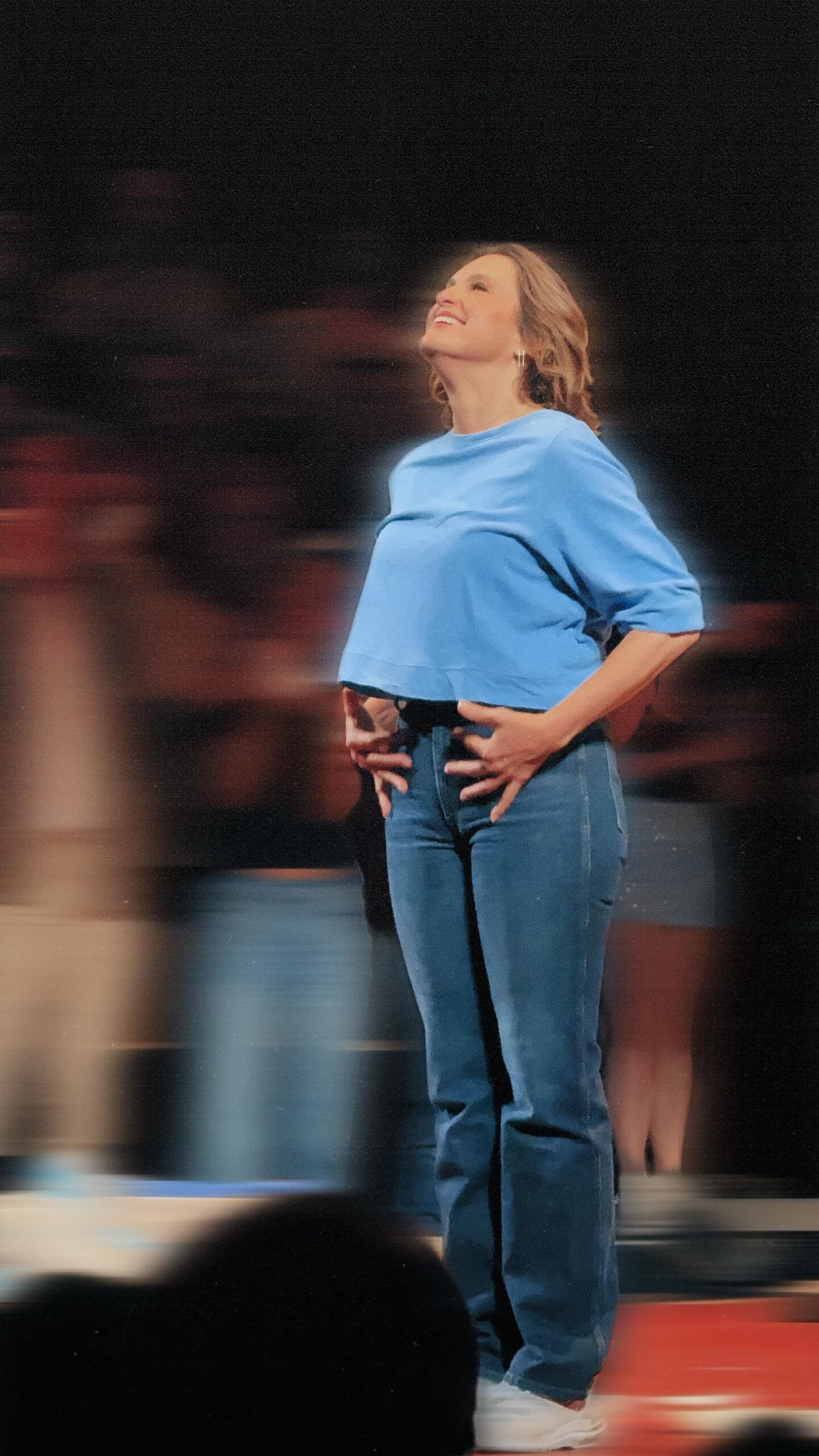
There are few figures in modern American television who have managed to do what Mariska Hargitay has done. She has built a career so enduring, so anchored in moral purpose, that the line between the character she plays and the woman she is has become almost beautifully blurred. For more than two decades, she has inhabited the role of Detective Olivia Benson on NBC’s Law & Order: Special Victims Unit, transforming what could have been a standard procedural crime character into one of the most culturally significant women on American television. She is a Golden Globe winner, a Primetime Emmy Award winner, and a humanitarian whose real-world advocacy for survivors of sexual assault and domestic violence has saved and changed countless lives. In an industry that routinely discards women as they age, Hargitay has only grown more powerful, more respected, and more relevant with every passing year.
Her standing inside the industry was underlined when she was named host of the 2026 Primetime Emmy Awards, the first woman handed that job in roughly 15 years. The announcement generated immediate excitement across entertainment circles, and for good reason. Hargitay brings to a ceremony the rare combination of genuine industry credibility, warm charisma, and a track record of commanding large audiences, which is exactly the mix awards producers spend years hunting for. It is, by any measure, a fitting honor for a woman who has spent her career at the very heart of American television. To understand why it feels so earned, though, you have to go back to the beginning: to a childhood defined by tragedy, to a young woman who fought to forge her own identity in the long shadow of a Hollywood legend, and to the quiet determination that would eventually make her one of the most beloved figures in the entertainment world.
This comprehensive biography traces the full arc of Mariska Hargitay’s remarkable life: her origins as the daughter of screen goddess Jayne Mansfield, her formative years shaped by loss and resilience, her early struggles to establish herself as a serious actress, her historic run on SVU, and the passionate humanitarian work that has defined her legacy beyond the screen. Whether you are a longtime fan or encountering her story for the first time, what follows is the complete picture of a woman who turned personal pain into profound purpose.
Quick Facts / At a Glance
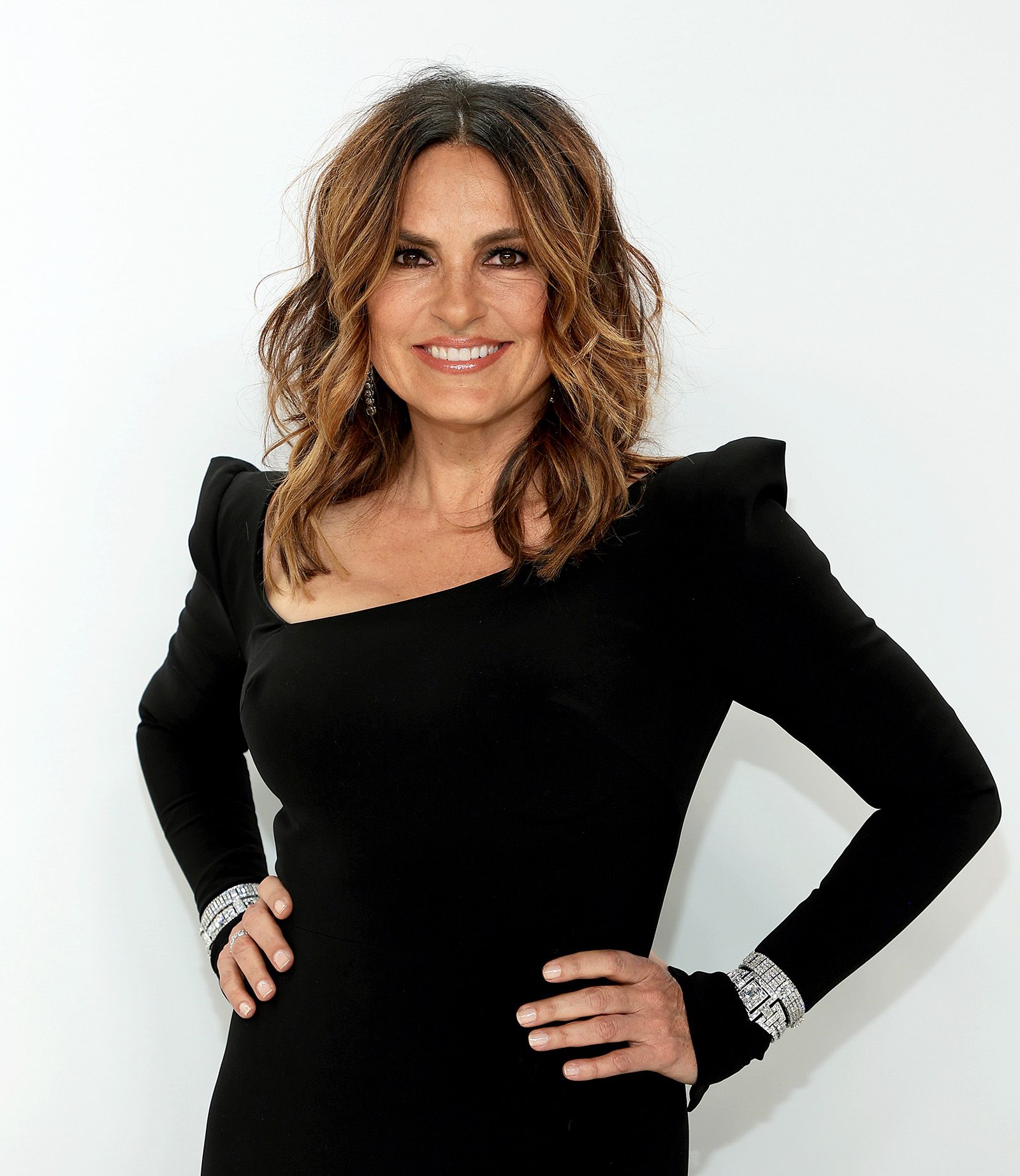
| Full Name | Mariska Magdolna Hargitay |
| Date of Birth | January 23, 1964 |
| Place of Birth | Santa Monica, California, USA |
| Nationality | American |
| Profession | Actress, Producer, Activist |
| Known For | Detective Olivia Benson on Law & Order: SVU; founder of the Joyful Heart Foundation |
| Net Worth (estimated) | Reportedly estimated at around $100 million |
Early Life and Background
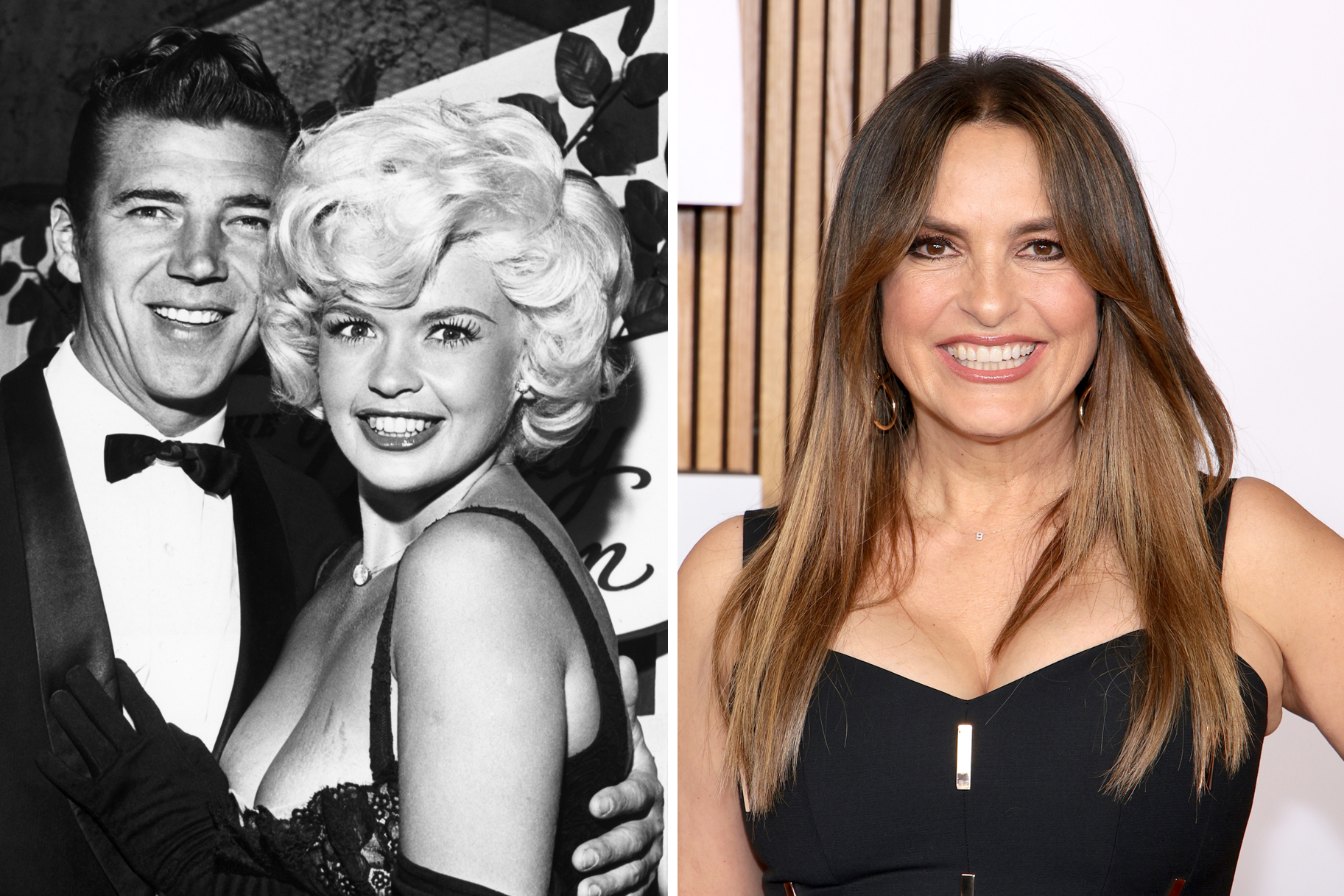
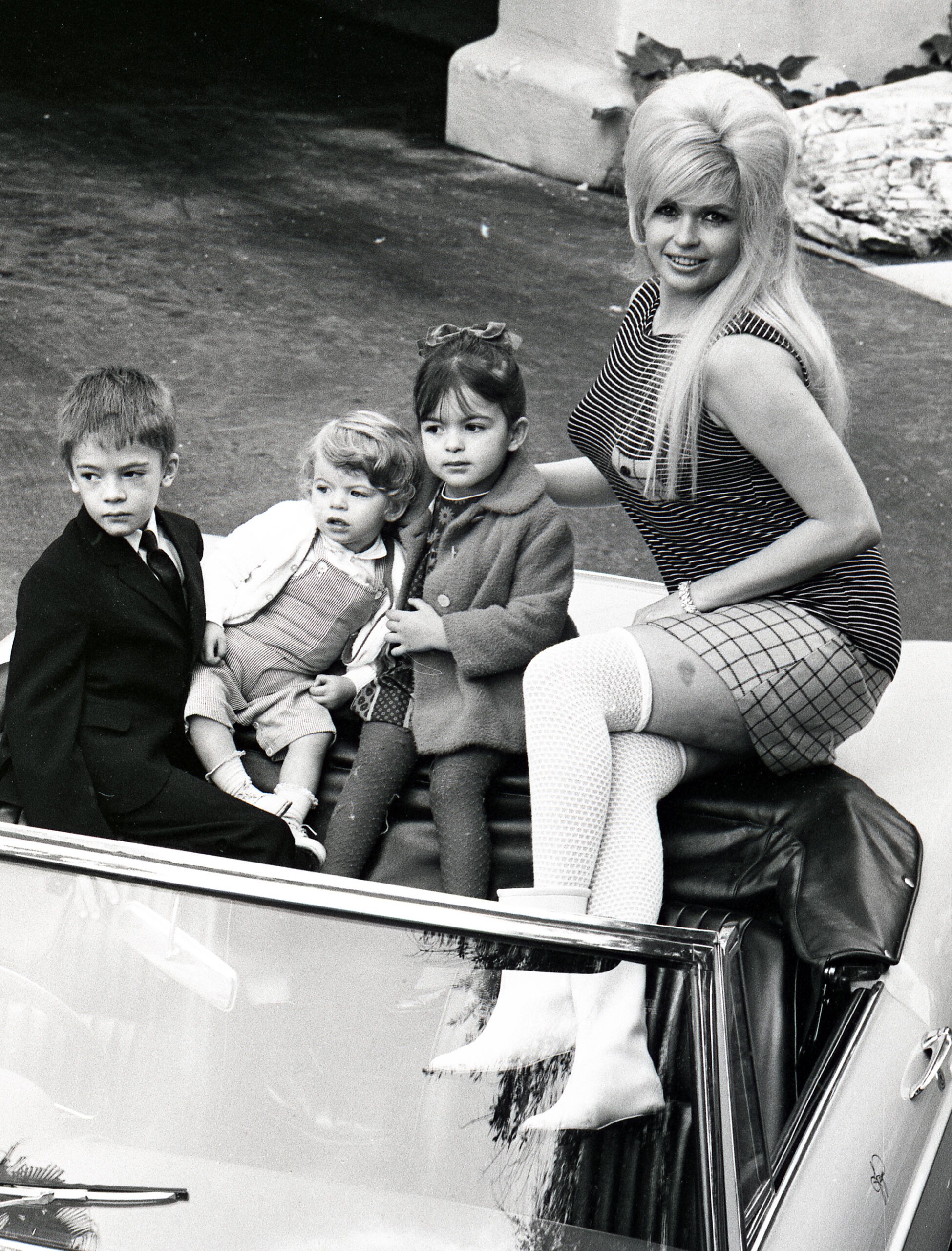
Mariska Magdolna Hargitay was born on January 23, 1964, in Santa Monica, California, into a household that was, by any definition, extraordinary. Her mother was Jayne Mansfield, one of the most photographed and celebrated sex symbols of the 1950s and 1960s, a platinum blonde bombshell who rivaled Marilyn Monroe for tabloid attention and public fascination. Her father was Mickey Hargitay, a Hungarian-born bodybuilder who had won the title of Mr. Universe in 1955 and later carved out a modest acting career of his own. Mariska was the third child born to this glamorous, turbulent union, arriving into a world of flashbulbs, Beverly Hills excess, and the peculiar fishbowl existence that came with being the offspring of two bona fide celebrities. From the very beginning, her life was anything but ordinary.
The defining trauma of Mariska’s early life came when she was just three years old. In June 1967, Jayne Mansfield was killed in a devastating car accident on a Louisiana highway. Mariska was in the vehicle at the time, asleep in the back seat, and survived the crash along with her siblings. She has spoken in interviews about having no conscious memory of the accident itself, but the psychological weight of losing her mother at such a formative age shaped her in ways that would take decades to fully process. Growing up without Jayne Mansfield left a complicated void in Hargitay’s life, an absence that was not only maternal but the loss of a presence, a guide, a mirror, one that she has addressed publicly with extraordinary candor and grace over the years. It is impossible to understand the depth of her later work with survivors of trauma without first understanding that she was herself a child survivor of sudden, catastrophic loss.
Following Jayne Mansfield’s death, Mariska and her siblings were raised primarily by their father, Mickey Hargitay, who eventually remarried. By most accounts, Mickey was a devoted and loving parent who worked hard to provide stability for his children in the aftermath of their mother’s death. The Hargitay household was shaped by Mickey’s Hungarian roots and his deep Catholic faith, values that appear to have left a lasting impression on Mariska, who has spoken warmly of her father throughout her adult life. Mickey Hargitay passed away in 2006, and Mariska has consistently cited him as one of the most important people in her life. His influence was steady, principled, and quietly strong, which stands in interesting contrast to the dazzling, volatile world her mother had represented.
Mariska grew up in Los Angeles, navigating adolescence with the added complexity of having a famously deceased mother whose image was everywhere, on posters, in film retrospectives, in the cultural memory of an entire generation. She attended Marymount High School in Los Angeles and went on to study at UCLA’s School of Theater, Film and Television, where she trained formally in the craft she had decided to pursue. These years of her young adulthood appear to have been a time of genuine searching, a young woman trying to define herself on her own terms rather than simply as Jayne Mansfield’s daughter. That particular struggle, the fight for an identity distinct from a powerful parent’s legacy, would become one of the quiet but persistent themes of her early career.
Career Beginnings

Like many young actors in Los Angeles in the early 1980s, Mariska Hargitay’s entry into the entertainment industry was gradual and at times unglamorous. She began her career with the kind of small television appearances and bit parts that are the standard fare for newcomers trying to build a resume and get noticed. One of her earliest brushes with public attention came when she competed in the Miss Beverly Hills USA pageant in 1982, finishing as a runner-up. It was a moment that carried an undeniable layer of irony, because here was Jayne Mansfield’s daughter competing in a beauty pageant, inevitably inviting comparisons to a mother she barely knew. To her credit, Hargitay appeared largely unbothered by the spotlight such comparisons generated, using whatever attention came her way as a stepping stone rather than a stumbling block.
Her early television work included guest appearances on a number of popular shows throughout the mid-to-late 1980s, including Falcon Crest, Downtown, and ER, among others. These were the kinds of roles, small and often forgettable in isolation, that nonetheless gave a developing actor the chance to learn their craft in front of a camera, to understand pacing and presence and the particular discipline that television demands. She also had a recurring role on the short-lived series Tequila and Bonetti in 1992, and appeared in a handful of film projects during this period. None of these early projects made her a star, and some have been largely lost to the passage of time, but they were essential chapters in her professional formation.
What is striking about Hargitay’s pre-SVU career is how persistent she was in the face of what amounted to modest success at best. There was no single breakout moment, no overnight transformation from unknown to household name. She worked steadily and seriously, building her technique and her network without the benefit of her mother’s name opening major doors. If anything, being Jayne Mansfield’s daughter was a double-edged legacy that could as easily invite skepticism as opportunity. Casting directors and producers in those years were as likely to see her surname as a novelty as they were to recognize the genuine talent behind it. That she continued to pursue serious acting work rather than cashing in on celebrity-adjacent opportunities speaks to the focused ambition that would eventually carry her to the top of her field.
Rise to Fame
The turning point in Mariska Hargitay’s career came in 1999, when she was cast as Detective Olivia Benson in the newly commissioned NBC series Law & Order: Special Victims Unit, a spin-off of the long-running flagship crime drama created by Dick Wolf. The role was, in retrospect, an almost perfect alignment of actress and character. Olivia Benson, a detective who worked sex crimes cases with passionate dedication and a deep personal investment in the suffering of victims, seemed to call for precisely the combination of emotional depth, steely resolve, and quiet vulnerability that Hargitay possessed in abundance. Producer Neal Baer and the show’s creative team recognized early on that they had found something genuinely special in her, and the character was developed with increasing richness and complexity as the series gained its footing.
SVU premiered in September 1999 and was not an immediate overnight sensation, but it built its audience steadily through strong storytelling, compelling performances, and a willingness to tackle difficult social issues with a seriousness that distinguished it from lighter procedurals. Hargitay’s Olivia Benson quickly emerged as the emotional heart of the show. Her personal history, including a backstory that revealed she was the product of her mother’s rape, gave her a singular connection to the victims she fought for. The resonance between Hargitay’s own real-life history of loss and trauma and Benson’s fictional journey of pain transformed into purpose was not lost on viewers, and it lent her performance an authenticity that was difficult to manufacture and impossible to ignore.
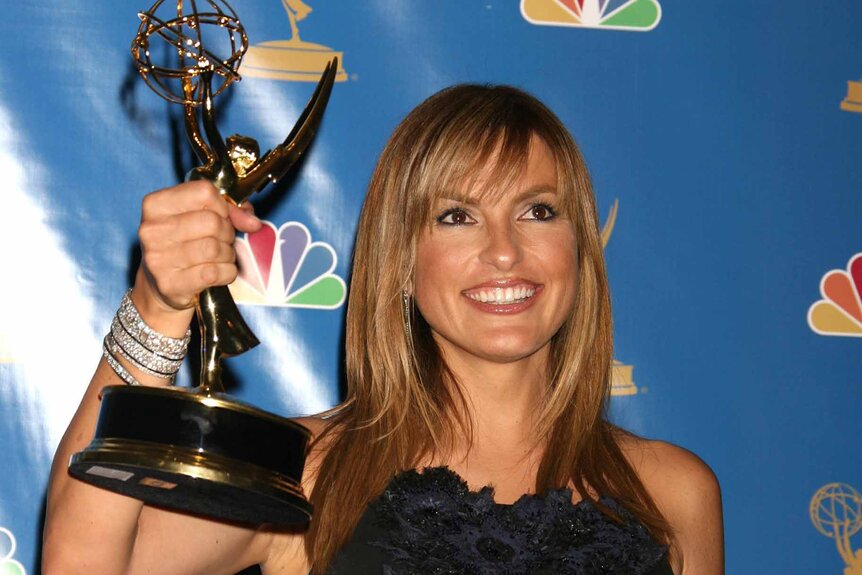
The recognition from the industry was not long in coming. Hargitay received her first Primetime Emmy nomination for Outstanding Lead Actress in a Drama Series in 2004, and won the Golden Globe Award for Best Actress in a Drama Series in 2005, a victory that announced her arrival on the very highest tier of television acting. She went on to win the Primetime Emmy Award for Outstanding Lead Actress in a Drama Series in 2006, cementing her status as one of the finest dramatic performers of her generation. These were not merely career milestones. They were statements. A woman who had spent years in the periphery of Hollywood’s attention had, through sustained excellence and the transformative power of the right role, placed herself at the absolute center of the conversation.
What made Hargitay’s rise particularly remarkable was the longevity it promised and ultimately delivered. Many actors enjoy a moment of peak recognition only to see their careers plateau or decline in the years that follow. Hargitay’s trajectory was different. As SVU continued season after season, she only deepened her hold on the role and on her audience. The show became one of the longest-running primetime drama series in American television history, and Olivia Benson became one of the most recognizable and beloved characters in the medium’s modern era. Fan mail poured in from survivors of sexual assault who credited the show, and specifically Hargitay’s portrayal of Benson, with giving them the courage to report their assaults or seek help. That reality, the genuine impact of her performance on real people’s lives, would soon inspire her to take her advocacy far beyond the fictional precinct of SVU.
By the mid-2000s, Mariska Hargitay had completed one of the more quietly remarkable transformations in modern entertainment history, moving from the daughter of a tragic Hollywood icon, struggling to be seen on her own terms, to an award-winning actress and emerging cultural force whose influence extended well beyond the boundaries of her television series. The combination of her talent, her personal history, and the profound subject matter of her work had produced something that television rarely achieves: a performer and a role that genuinely mattered, not just as entertainment, but as a mirror held up to some of the most urgent and painful realities of contemporary life. Her rise was complete. What she chose to do with that platform would define the second and arguably more meaningful chapter of her remarkable story.