
How Nigerian Fashion Designers Are Now Dressing Hollywood Celebrities
Image: Vocal Media
Lifestyle

How Nigerian Fashion Designers Are Now Dressing Hollywood Celebrities

Arianne ColeArianne Cole··10 min read
Ad SpaceArticle Top - 728x90
Advertisement

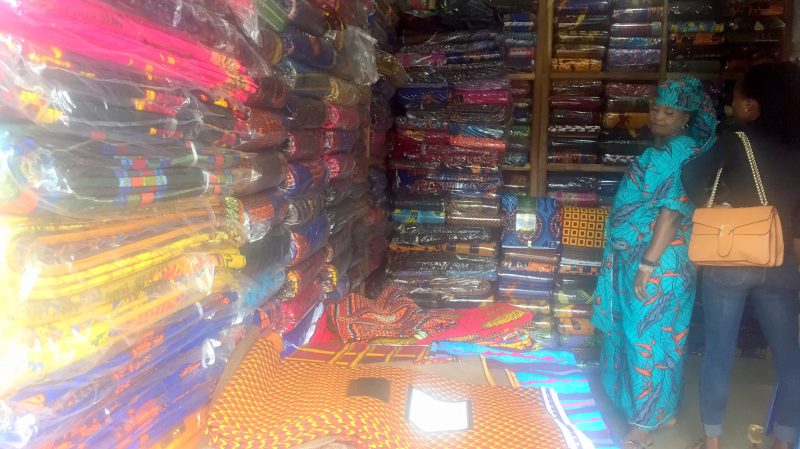
The shift started with a fabric nobody in international fashion took seriously. In 2005, Lisa Folawiyo founded Jewel by Lisa in Lagos with a simple insight that turned out to be radical: take Ankara, the wax-print cotton most Nigerians associate with their mothers’ church clothes, hand-bead it, cut it like a luxury shift, and photograph it as though it belonged in any city in the world. Her workshop did the beading by hand, thousands of sequins at a time. The label travelled, the clothes were picked up by international stockists, and Folawiyo became one of the first Nigerian names an American editor could write about without hedging. The door she pushed open has not closed since.

What followed over the next two decades is visible on red carpets, in luxury department stores, in the credits of major films and in international press coverage. A loose generation of Nigerian designers, some trained in London or Antwerp, some entirely self-taught in Lagos, has moved from curiosity to working part of the celebrity dressing economy. The clothes get borrowed. The clothes get bought. The clothes get screenshotted and pulled again for the next press run.

The Lagos Workshop That Changed The Fabric
How Nigerian Fashion Designers Are - The Lagos Workshop That Changed The Fabric

To understand the shift, it helps to start with Folawiyo, because many Nigerian designers with an international clientele cite her as the unlock. The intervention was not to abandon Ankara in favour of European fabric, which was the conventional route to being taken seriously abroad. It was to treat Ankara itself as couture material and charge accordingly.

That reframing had an effect beyond her own order book. Once one Lagos label had demonstrated that an African print could carry a luxury price and a luxury finish, the argument that West African textiles were inherently craft rather than fashion became much harder to make in a buying meeting. Her work has since been shown in museum collections as well as stocked by international retailers, a dual track that very few labels of any origin manage. The workshop still operates out of Lagos. The beading is still done by hand.

Maki Oh and the Michelle Obama Cosign
How Nigerian Fashion Designers Are - Maki Oh and the Michelle Obama Cosign

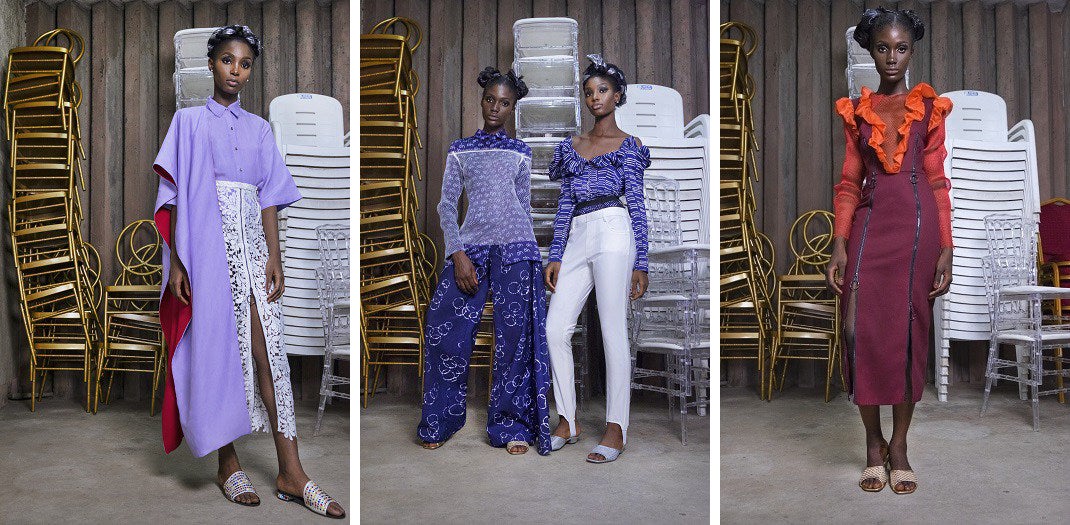
If Folawiyo opened the door, Amaka Osakwe walked through it carrying something stranger. Her label, Maki Oh, launched in 2010 and built its identity on adire, the indigo-resist dye tradition of the Yoruba. Where Folawiyo polished Ankara into glamour, Osakwe leaned into texture and craft, producing collections that looked like they belonged in a museum vitrine as much as on a body. She was a finalist in the first edition of the LVMH Prize.

The Michelle Obama moment came in 2013, when the First Lady wore a Maki Oh blouse during a trip to South Africa and the photographs travelled. Solange Knowles wore the label. So did Lupita Nyong’o, in her year of inescapability after Twelve Years a Slave, often enough that the relationship read as a quiet endorsement.

Osakwe never set up a New York showroom and never relocated. The clothes were made in Lagos and shipped to stylists who increasingly understood that a Maki Oh credit on a red carpet read as taste rather than novelty. Through most of the 2000s, an African designer credit on an American celebrity read as a political statement, a gesture, sometimes a favour to a stylist friend. By the mid 2010s, thanks largely to Folawiyo and Osakwe, it had started to read as fashion.

Duro Olowu and the Crossover Generation
How Nigerian Fashion Designers Are - Duro Olowu and the Crossover Generation

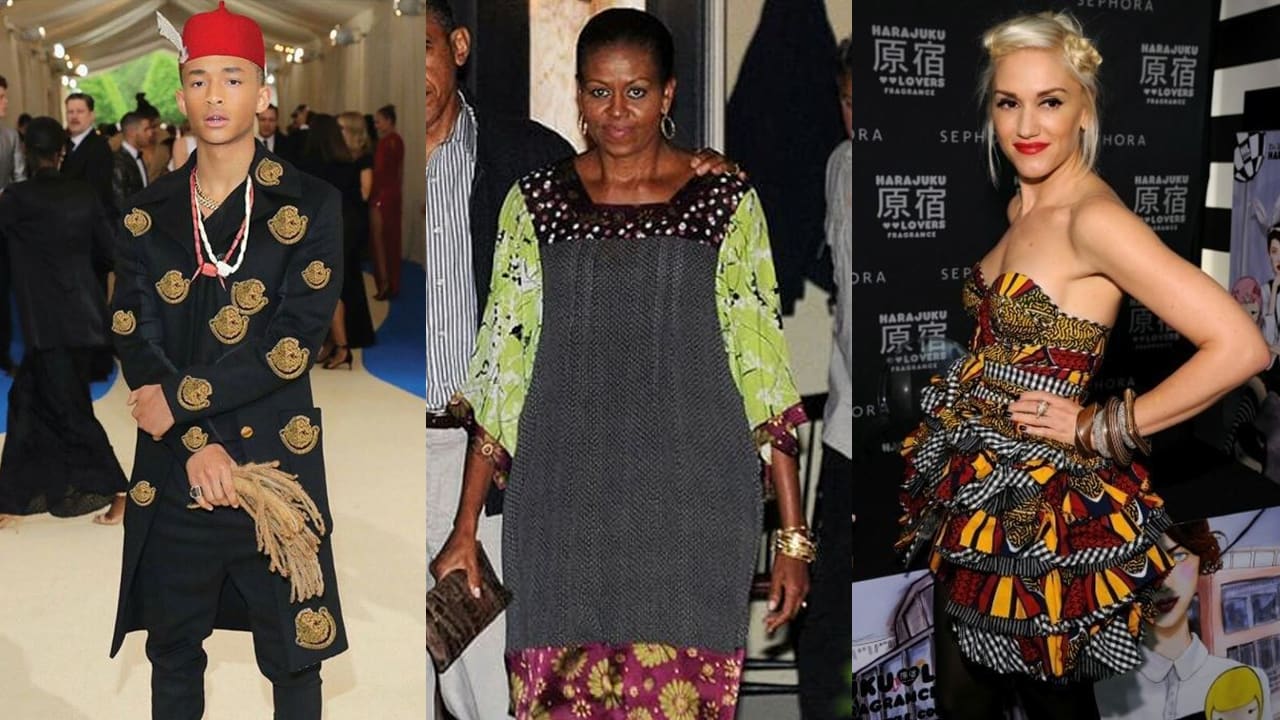
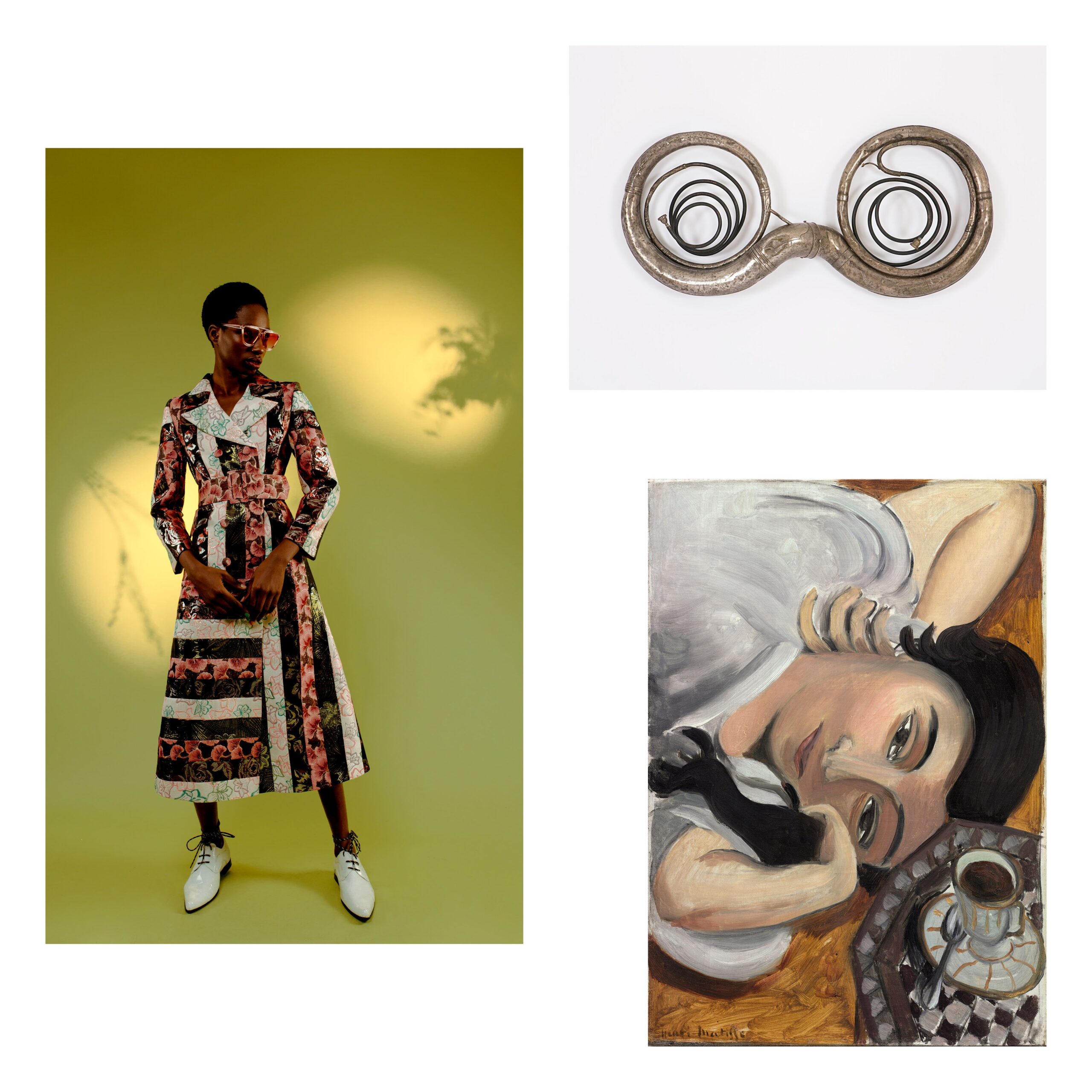
Duro Olowu is the Nigerian-British designer who proves the category is wider than a single city. Born in Lagos, trained in London, Olowu built his label around print-mixing and a bohemian silhouette that found its best-known ambassador in Michelle Obama, who wore him repeatedly across both terms, including on overseas trips where every garment carried a diplomatic reading. The Olowu dress became a visual marker of the Obama style era, and his name travelled with it into the kind of editorial coverage usually reserved for European houses.

Olowu’s reach extends past celebrity dressing. He curated the exhibition Duro Olowu: Seeing Chicago at the Museum of Contemporary Art Chicago and has been the subject of features in the international press. His prominence helped recalibrate how that press talks about Nigerian fashion. He is rarely qualified as African in his coverage. He is described as a designer, then a Londoner, then sometimes Nigerian. That ordering matters more than it looks.

The Swim and Resort Lane
How Nigerian Fashion Designers Are - The Swim and Resort Lane

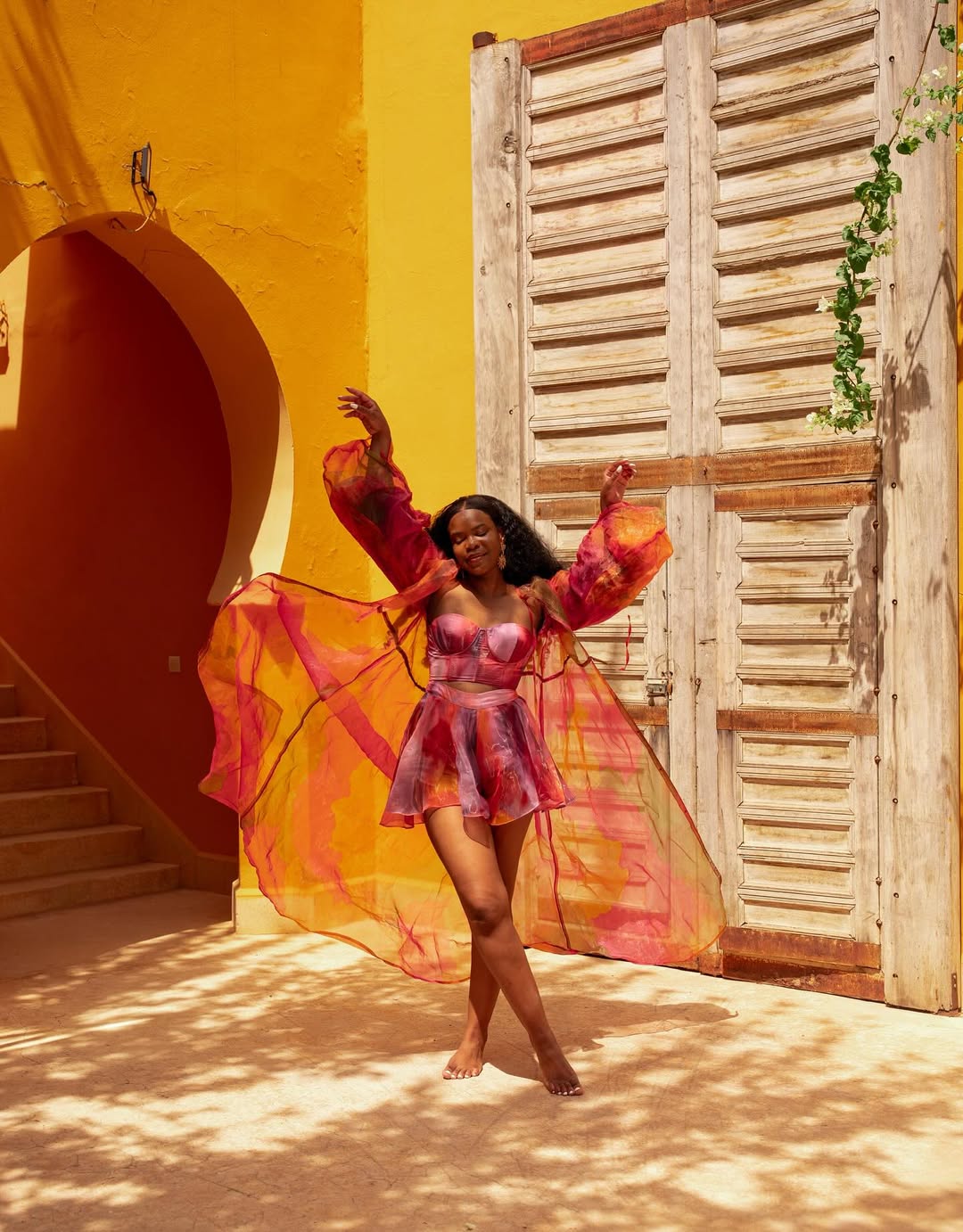
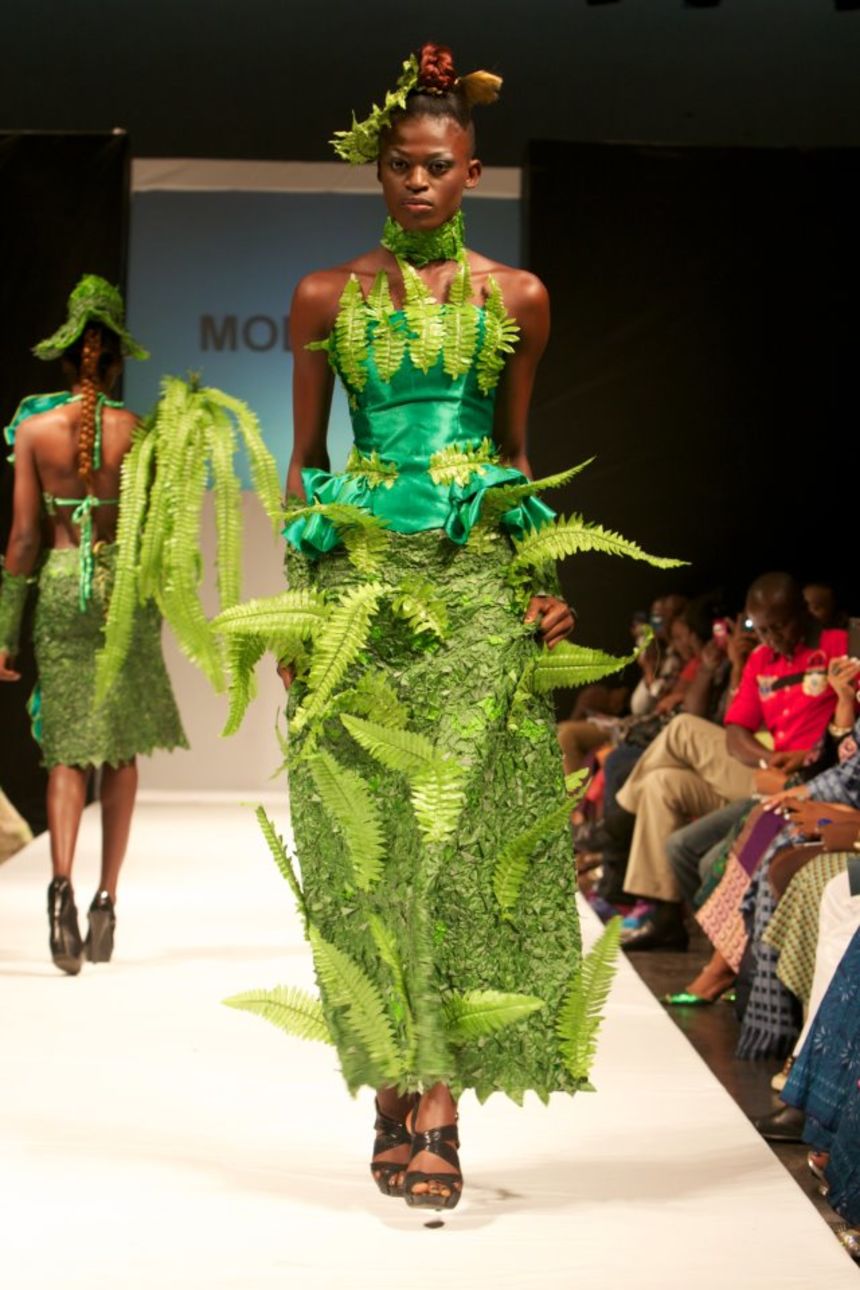
Andrea Iyamah took a different path into the same conversation. Her swimwear and resortwear label, founded in 2011, built a following on social media before crossing into celebrity placements and international stockists.

What Iyamah worked out ahead of her contemporaries is that swim and resort is a category where African pattern and silhouette translate without friction. A one-piece with a draped hip and a West African print does not need to be explained to an American customer the way a beaded gown might. It is a swimsuit. It is also beautiful. The business runs largely on direct-to-consumer e-commerce at contemporary rather than couture price points, which keeps it within reach of the customer who sees a piece on a celebrity and wants the same one that week. That accessibility is a strategic choice, not a compromise, and it has made resort one of the most reliable export categories for Nigerian design.

Tia Adeola and the Younger Customer
How Nigerian Fashion Designers Are - Tia Adeola and the Younger Customer

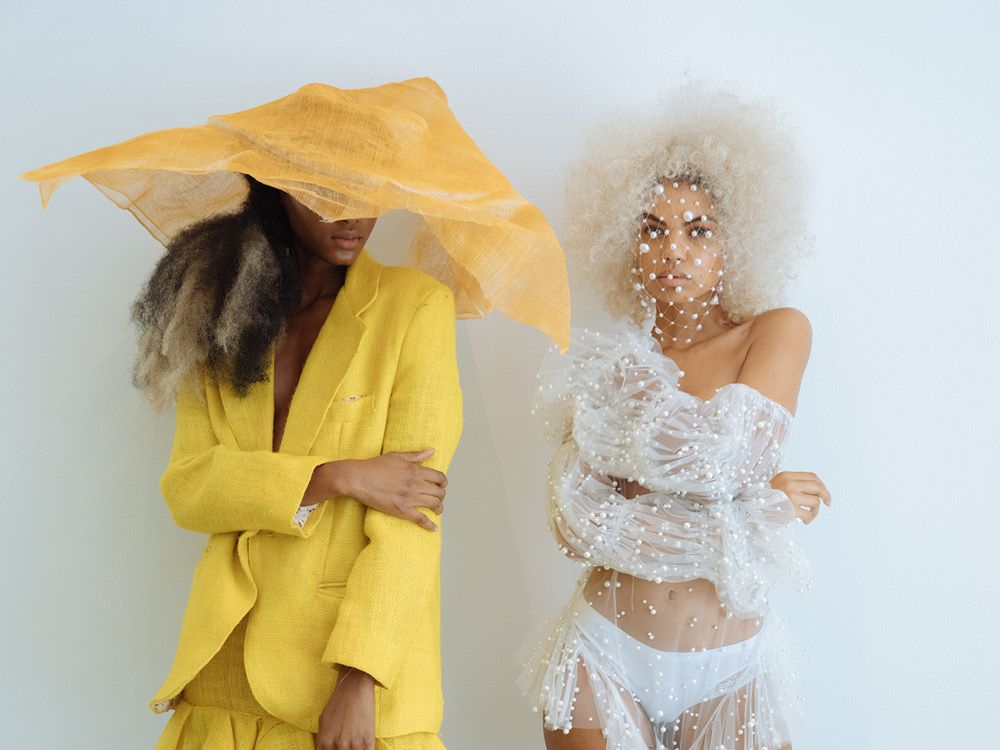
Tia Adeola, who launched her label as Slashed by Tia and now designs under her own name, brought the Nigerian-designer pipeline to a younger and louder customer. Her ruffled sheer pieces landed on SZA, Gigi Hadid and Kali Uchis through the back half of the 2010s, and her New York Fashion Week debut was covered by Vogue. The aesthetic is more downtown than uptown, more festival than gala, and the placements followed accordingly. An Adeola dress on a music star is a different cultural transaction from a Maki Oh look on a First Lady, but it counts the same in the ledger of who is dressing whom.

Adeola is also based in New York, and she represents a wing of the Nigerian fashion conversation that operates from the diaspora, with showrooms and stockists inside the American market. That wing has grown quickly. Designers once described as Nigerian and stocked in Lagos boutiques are now often described as Nigerian-American and stocked in Los Angeles, Brooklyn and Houston.

Kenneth Ize and the Paris Debut
How Nigerian Fashion Designers Are - Kenneth Ize and the Paris Debut

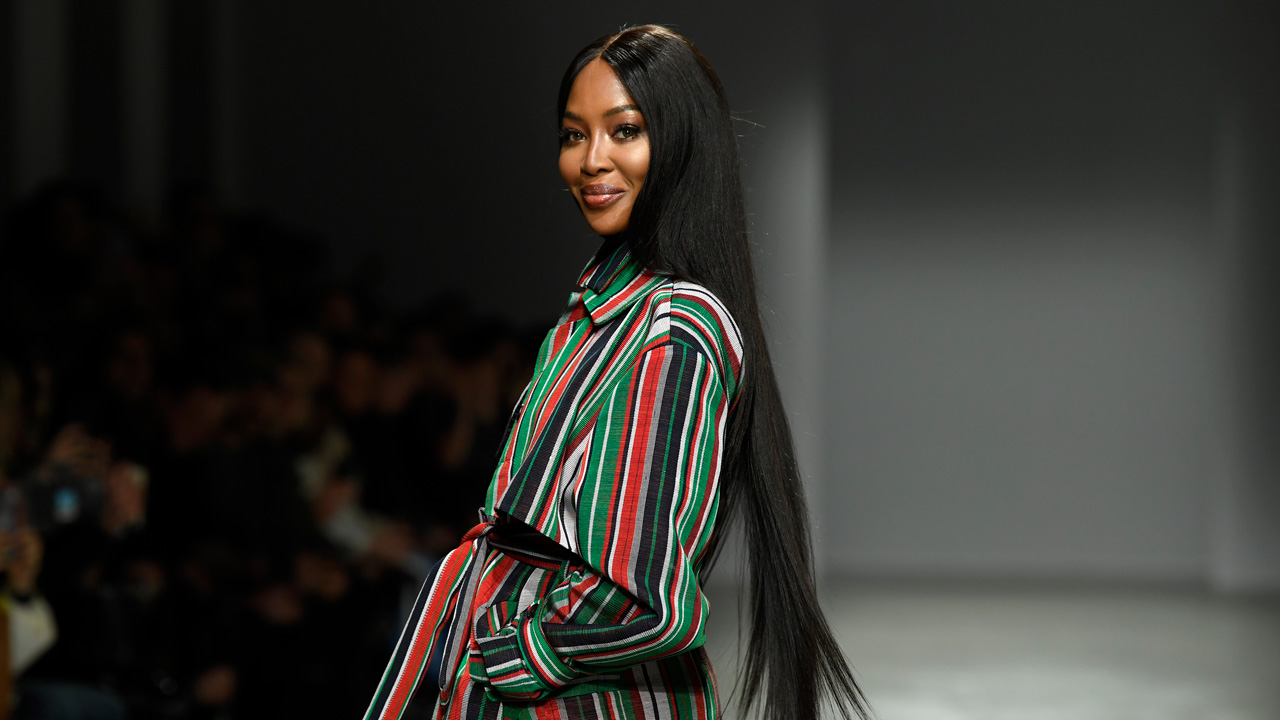
The Kenneth Ize moment is the most precisely documented in this story. In February 2020 he showed on the official Paris Fashion Week schedule, and Naomi Campbell, a longstanding champion of his work, closed the show in a striped belted trench coat. WWD noted at the time how rare it is for a Paris debut to put Campbell on the runway at all, and read the casting as a signal of African fashion’s rising weight internationally. That same year he was named a winner at Arise Fashion Week in Lagos.

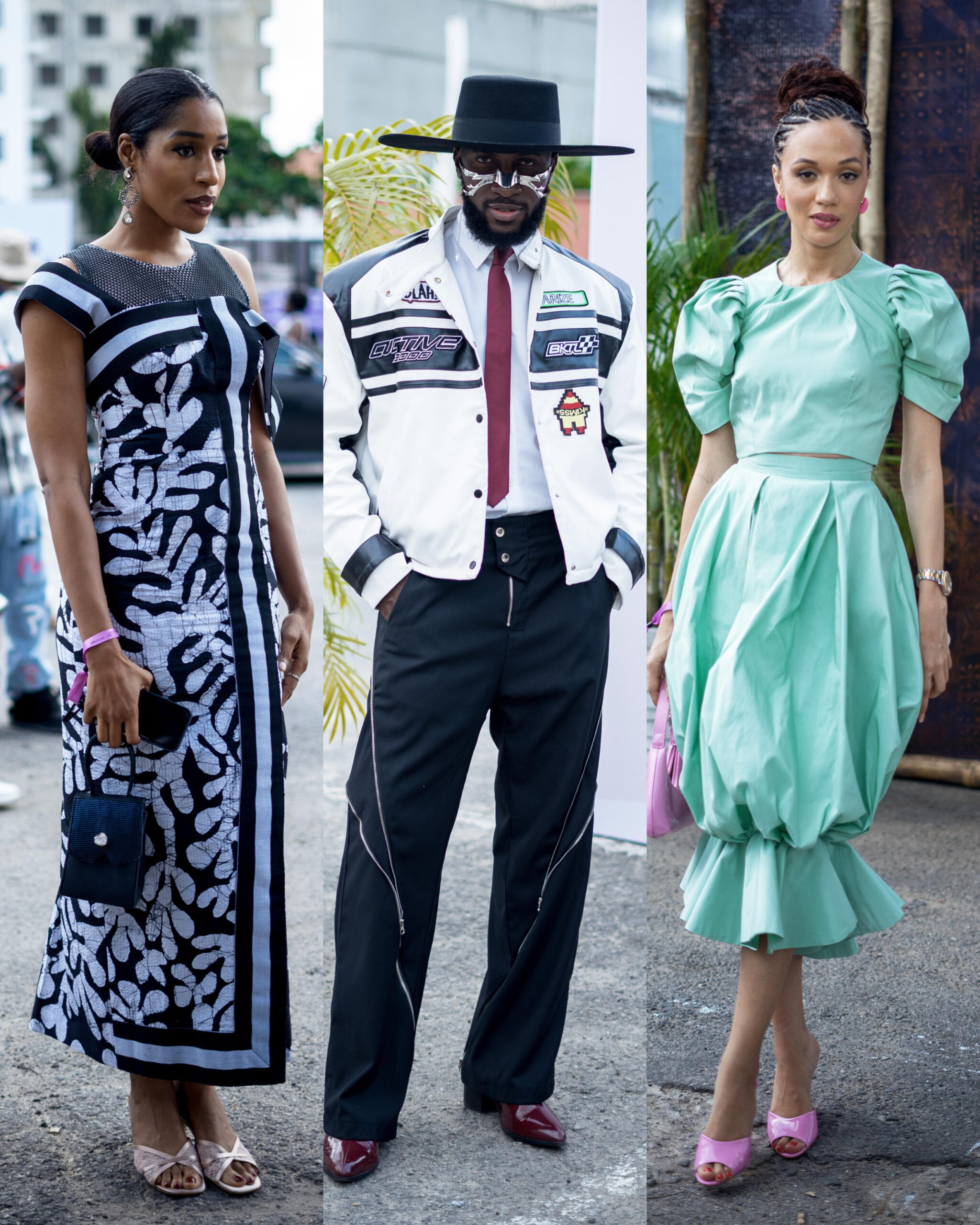
Aso oke is the traditional Yoruba weave, historically reserved for weddings and ceremony, produced on narrow looms in weaving towns including Iseyin. Ize commissions weavers directly and turns the cloth into ready-to-wear sold through international luxury retailers. His customer list is private, as couture client lists usually are, but the pieces have surfaced on enough carpets and editorial shoots to confirm what the front row already knew. The clothes are being worn.

Ad SpaceIn-Article - 300x250
Advertisement

The Nollywood Route

Not all of the international visibility runs through American celebrities. Some of it runs through Nollywood. When Genevieve Nnaji became the first Nigerian to direct a Netflix Original with Lionheart, the press tour that followed put Nigerian talent in front of audiences who had never encountered the industry before, and the clothes worn on those carpets travelled with the coverage.

That route matters because it is a parallel market. A Nigerian designer dressing a Nigerian star at an international film festival is doing different cultural work from the same designer dressing an American star at a gala, but both deliver the same outcome, which is a Lagos label seen by an audience that is not Nigerian. For designers in the formal and bridal end of the market, the film route is often the more realistic one.

Orange Culture and the Menswear Press

Adebayo Oke-Lawal launched Orange Culture in 2011 with a proposition the international press picked up faster than the local one: a Nigerian menswear label built around gender-fluid silhouettes and emotional vulnerability in the styling. The clothes are tunics that read as dresses, prints that read as paintings, suiting cut to look soft rather than hard. The press response was immediate and disproportionate to the label’s size, and he has featured in international menswear coverage and prize shortlists since.

The celebrity dressing came in waves, musicians more than actors, editorial more than red carpet, but the cumulative effect installed Orange Culture as the answer whenever an international publication wanted to discuss progressive African menswear. The label still operates out of Lagos, and Oke-Lawal still gives interviews about the difficulty of finding manufacturers who will execute his cuts without arguing. The work is harder than the press makes it look.

Deola Sagoe, Tiffany Amber, and the Old Guard

Before there was a Lagos Fashion Week, a handful of designers built the path. Deola Sagoe has been showing internationally since the early 2000s and has a long history of dressing prominent African clients. Folake Folarin-Coker opened Tiffany Amber in the late 1990s and is widely credited as one of the first African designers to show on the New York schedule. Adebayo Jones built a reputation in the British press long before any of the current generation was sketching.

These designers do not get the pop-star placements. They get something more durable, which is the credibility of having held the door open for two decades while the industry caught up. When younger Nigerian designers describe their lineage, these are the names they cite.

Lagos Fashion Week as the Infrastructure

None of the celebrity dressing would scale without the trade infrastructure around it, much of which runs through Lagos Fashion Week. Founded by Omoyemi Akerele in 2011, it now draws international buyers and press alongside the domestic industry. Buyers come to place orders. Press come to file features. Casting agents come to scout, and the models who emerge from Lagos have become a visible presence on European runways.

The week also runs Fashion Focus, a designer development programme whose alumni have gone on to international prize shortlists. The pipeline is not informal anymore. It has grants, mentorships, showroom slots abroad during fashion week, and structured introductions to the buyers who matter. A Nigerian designer finishing that programme has a materially different on-ramp to the international market than a designer who launched a label cold in 2010.

Wakanda Forever and the Yoruba Reference

The costume work in Black Panther: Wakanda Forever, designed by Ruth E. Carter, drew openly on West African aesthetic traditions, including beadwork, head coverings and the construction of ceremonial garments. The film won Carter a second Academy Award for Costume Design, making her the first Black woman to win two Oscars in any category.

The screen costumes are not Nigerian designer pieces. They are Hollywood costume design drawing on African craft traditions, and the distinction matters. But the effect on how those aesthetic systems are perceived, as luxury-grade reference material rather than regional decoration, is real and ongoing. Nigerian designers had been making that argument in interviews for years before a two-time Oscar winner made it on screen.

The Department Store Category

Some of the clearest evidence of the shift is administrative rather than glamorous. Major international retailers now buy African design as a curated category, with dedicated rail space, e-commerce filters and buyers who know the difference between a hand-beaded Ankara piece, an adire print and a resort cut. Fifteen years ago that classification did not meaningfully exist in Western department store buying.

That taxonomy is a small thing on paper. It is also the thing that determines whether a Lagos designer’s pieces appear in front of a customer who is not already searching for them. The merchandising decision to name the category is the merchandising decision to take it seriously.

The Visual Album Effect

The other accelerant has been film and visual album projects that credit African designers at scale rather than using them as accents. When a project of that size names the labels in its costume credits, the designers involved spend the following months fielding orders from customers who had never heard of them and now have a wishlist assembled from screen captures. The specific credit lists vary from project to project and are worth checking against the official credits rather than social media roundups, which routinely attribute looks to the wrong label.

The arc, though, is clear. A Lagos workshop that started by convincing one international editor to take a wax print seriously now sits inside an industry where a Nigerian credit on an American star is unremarkable enough that the trade press barely flags it.

What A Nigerian Credit Means Now

That is what the last two decades have built. A press room where a stylist can say the dress is Maki Oh, or Kenneth Ize, or Lisa Folawiyo, and the writers nod and type it into the caption without needing the designer explained. The work left to do is commercial rather than cultural: production capacity, financing, and the logistics of filling a wholesale order from Lagos on an international delivery schedule. The recognition part is finished.

Ad SpaceIn-Article - 300x250
Advertisement
Share
Get the recap

Loved this story? Get more like it.

Join readers who get our weekly entertainment recap - the stories worth your time, delivered every Friday.

No spam. Unsubscribe anytime. By signing up you agree to our Privacy Policy.

How Nigerian Fashion Designers A... | Sidomex Entertainment