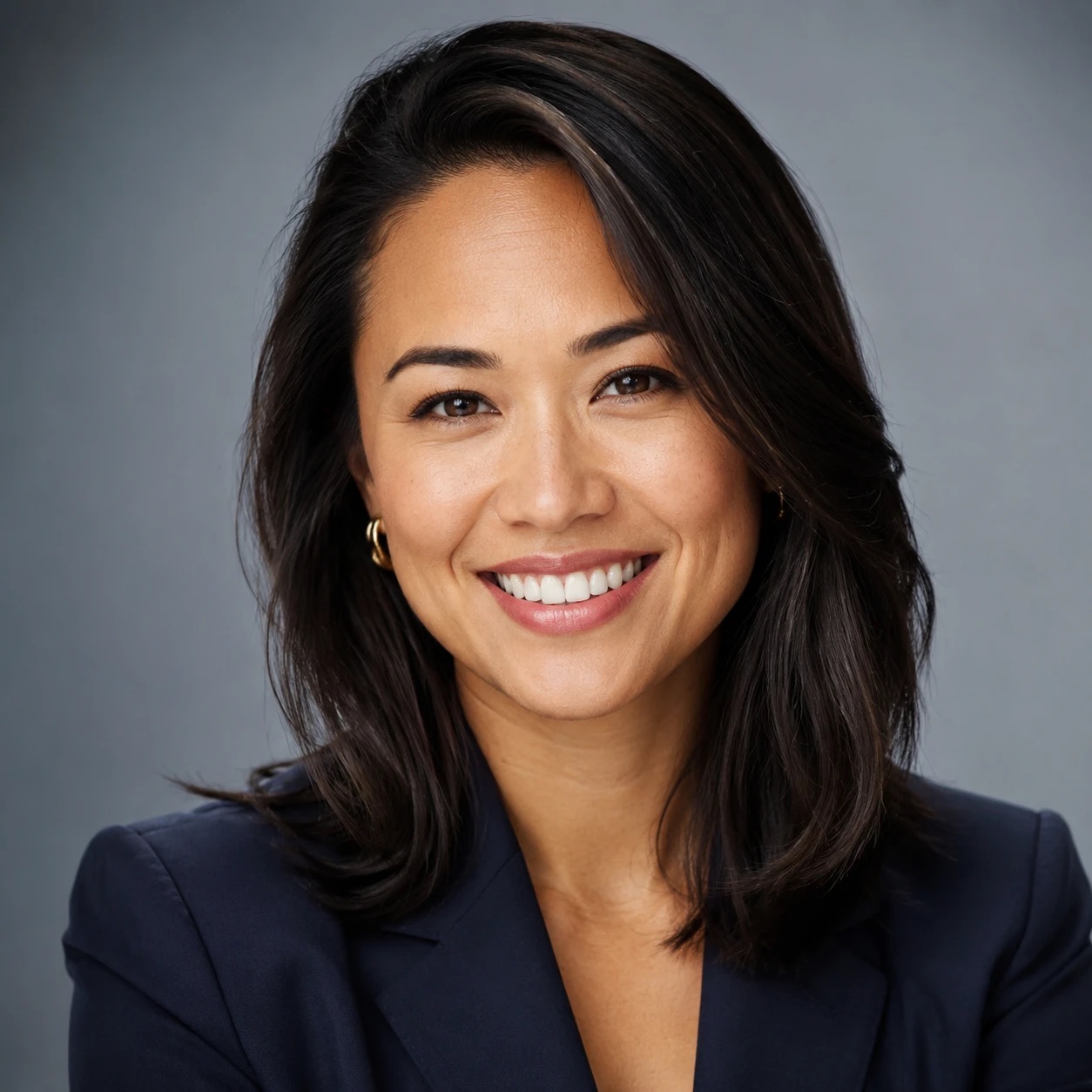
Twenty years of Nigerian celebrity style is twenty years of a country figuring out how to dress itself for the world. The 2005 reference points were Channel O and grainy magazine pages. By 2025 the same culture is dressing models for Vogue covers and sitting front row at Paris Fashion Week. The ranking below is about whose look bent the room, whose photographs got copied at weddings in Surulere and Ikeja, and whose era you can still date from a single outfit.
1. Genevieve Nnaji
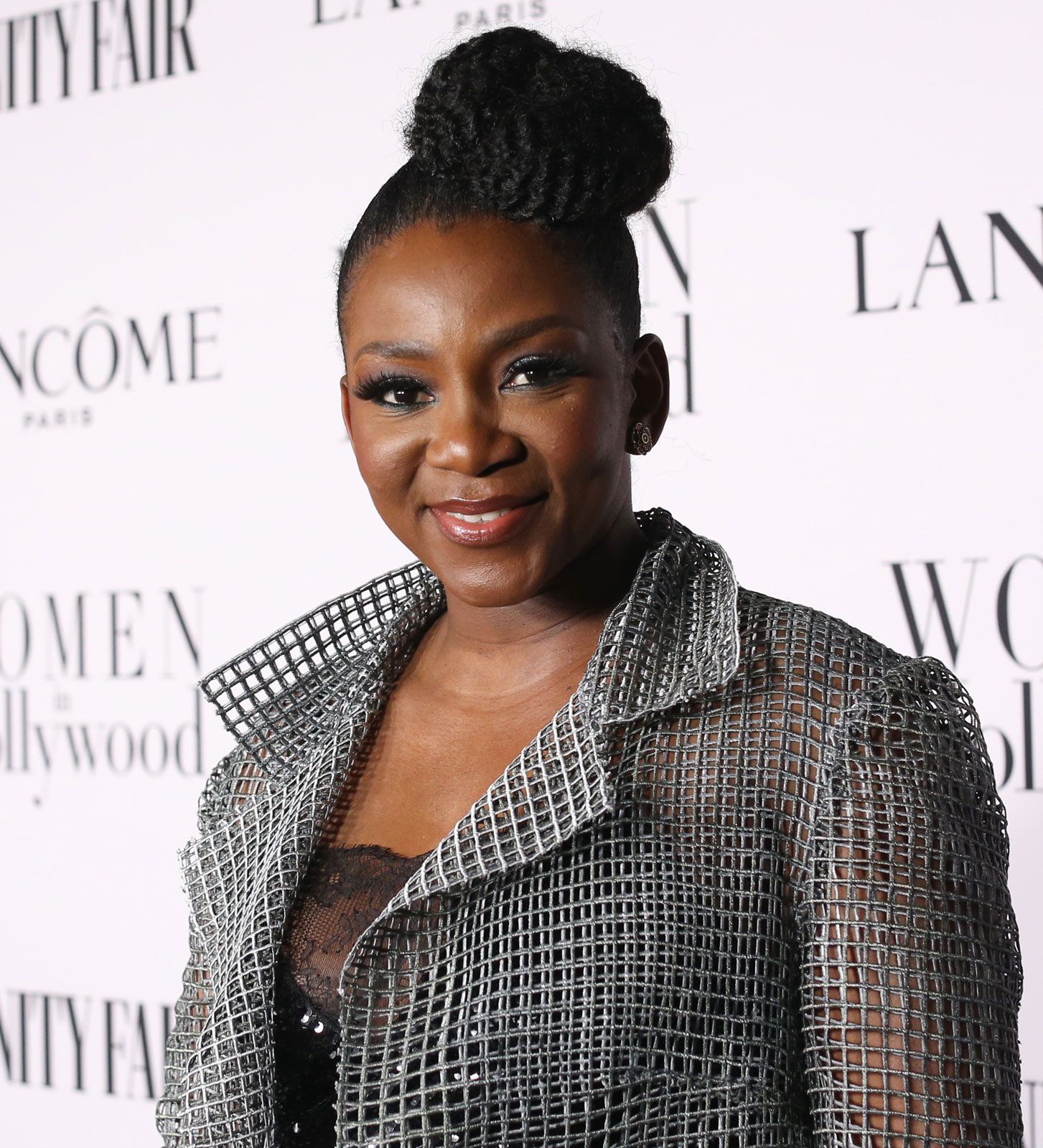
Place her at the top and the argument basically writes itself. Genevieve has been the constant. While trends rotated through bling, swag, normcore, and quiet luxury, her silhouette stayed long, clean, and unhurried. The famous 2018 TIFF appearance for Lionheart in that olive sculpted gown told the global press what Lagos had been saying for fifteen years. Her older red carpet work, the structured peplums and head wraps from the early Nollywood AMVCA years, taught a generation of stylists that Nigerian elegance does not need to shout. Tailors in Wuse and Lekki still get walked in with phones open to her photos.
2. Tiwa Savage
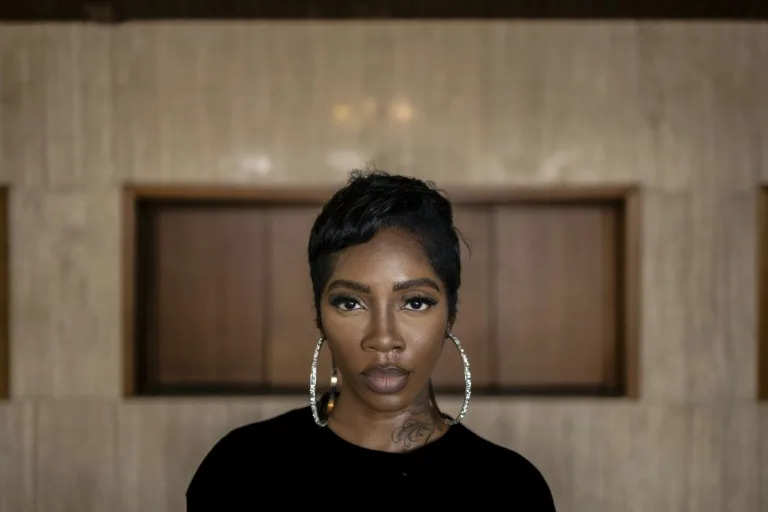
Tiwa is the reason “red carpet event” became a category Nigerians take seriously. Long before Afrobeats women had global stylists on retainer, she was arriving at the Headies in custom Mai Atafo, then flipping to thigh-slit gowns at the BET Awards, then pivoting to oversized prints for her Water and Garri rollout. The 2021 sheer black moment, the 2020 Beyonce Black Is King embroidered look, the matriarchal aso oke headpieces at her Savage Records launches: each appearance functioned as a thesis. Tiwa proved a Nigerian woman could be commercial, sensual, and culturally specific in the same outfit.
3. Wizkid
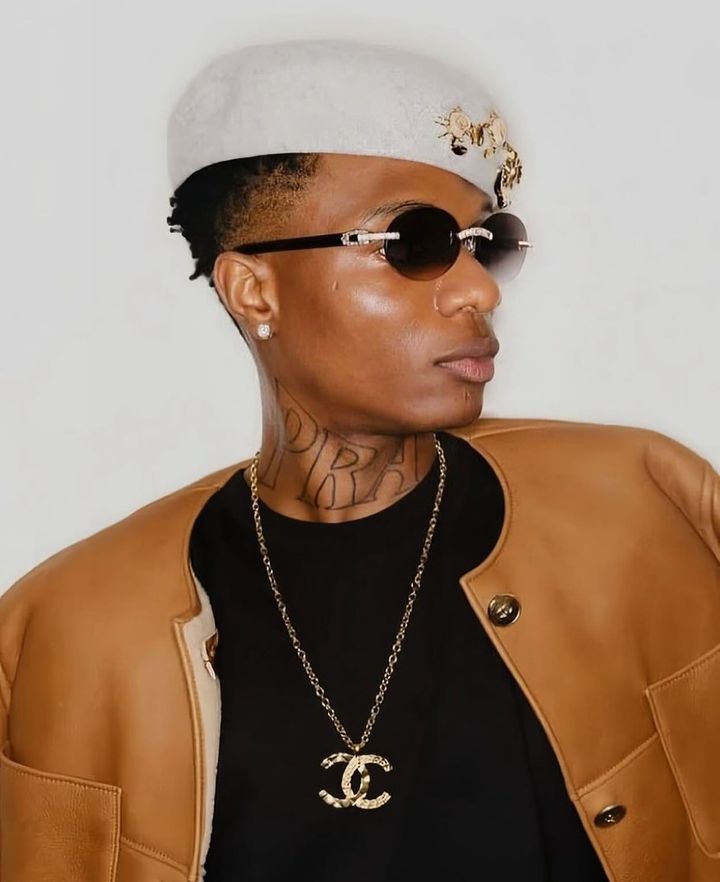
The Wizkid arc is the most important style transformation of the last two decades. Holy Controversy era Ayo was Roca Wear chains, fitted snapbacks, and skinny jeans. Made in Lagos era Ayo is a man in a brown cashmere coat with no shirt underneath. Somewhere between those points he stopped trying to look expensive and started looking expensive. The bucket hats, the wide leg trousers, the Bottega green moment, the bare chest under a tailored blazer: every choice has been studied by stylists from Surulere to Atlanta. He made minimalism feel like a flex in a culture that historically rewarded maximalism.
4. Burna Boy
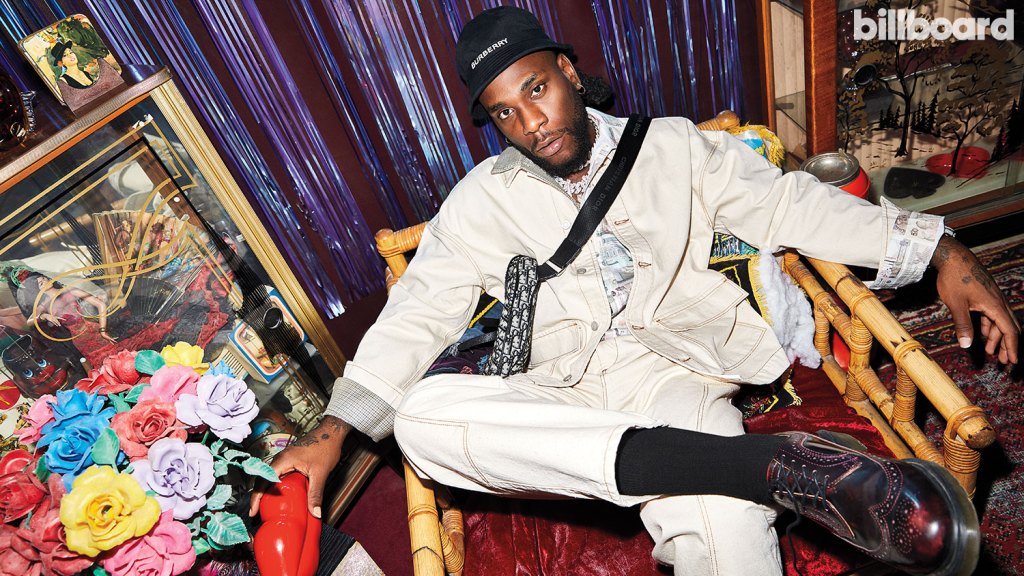
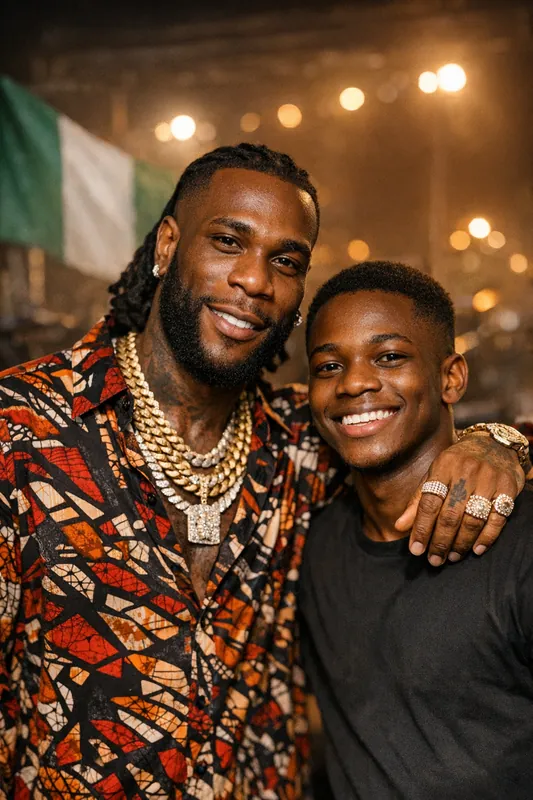
If Wizkid drained the color, Burna Boy poured it back in with interest. Versace baroque shirts unbuttoned to the navel, head-to-toe leather in Lagos heat, Gucci floral suits at the Grammys, custom Ozwald Boateng for the Madison Square Garden moment: he turned the maximalist Lagos boy aesthetic into something a Paris atelier had to sew. The 2023 Renaissance era when he started layering luxury logo pieces with Yoruba agbada cuts pushed the conversation forward again. African Giant is not just an album title. It is a dress code.
5. Tems
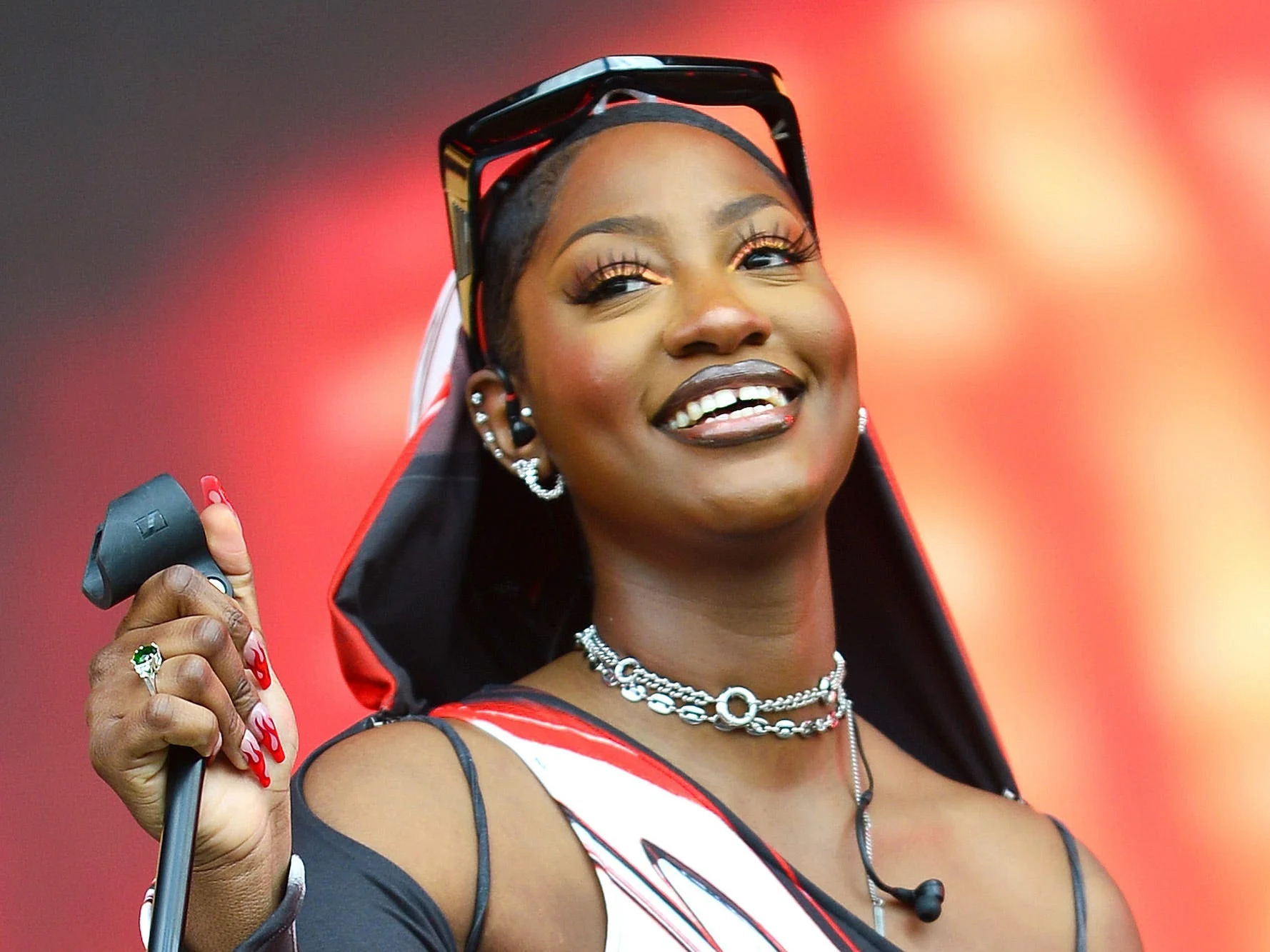
A late entry on the timeline who rearranged it on arrival. Tems showed up around 2020 in oversized blazers, no makeup, asymmetric tailoring, and a refusal to be styled like a “female artist.” That refusal turned into the look. The 2023 Oscars white Lever Couture gown that briefly blocked the screen, the Robert Wun moments, the constant rotation of African designers like Lisa Folawiyo and Andrea Iyamah: she made it cool to dress like sculpture. Younger Nigerian women in Abuja and Port Harcourt now ask for “Tems silhouette” by name.
6. D’banj
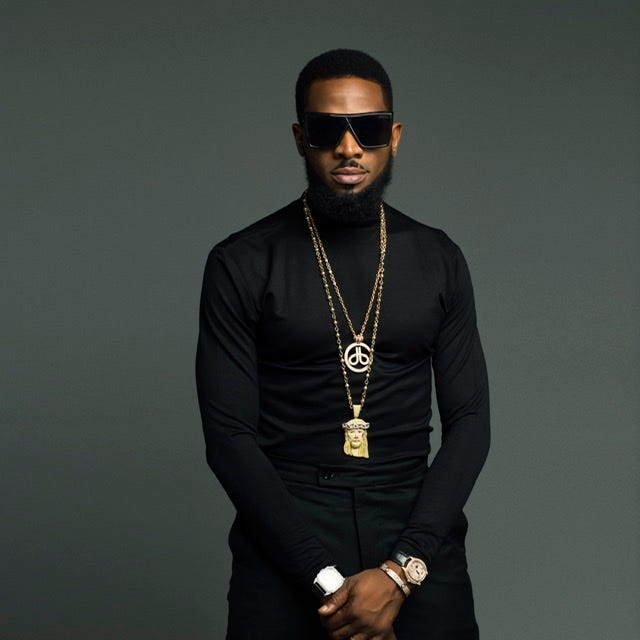
For a stretch between 2007 and 2012, D’banj was the most photographed Nigerian on the continent, and what he wore mattered. The Koko Master era was sunglasses indoors, leather pants, harem trousers, the famous red Kokolette jackets, and a Michael Jackson level commitment to a uniform. He brought a pop-star sense of costume to Nigerian music when most of his peers were still performing in jeans and tees. The look has aged into a meme in places, but the influence is undeniable. Asake and Rema both owe him.
7. 2Baba Idibia
2Face, then 2Baba, set the template for African male casual style in the mid-2000s. Loose denim, fitted polos, the famous bandana phase, gold accents kept tasteful, sunglasses that looked lived-in rather than borrowed. He never tried to dress like an American rapper, which is exactly why his look traveled. Two decades later you can still spot the 2Baba blueprint on Lagos Island uncles who got married in 2008 and never updated the wardrobe because they did not need to.
8. Toke Makinwa
Toke turned Nigerian celebrity styling into a personal brand the way Olivia Palermo did for New York. Schiaparelli surrealist gold, custom Atafo gowns at her book launches, the pink Valentino moment, the 2023 AMVCA black gown that broke Instagram for forty-eight hours: each look was deliberate, photographed from three angles, and captioned with a one-liner. She made Nigerian high fashion social-media literate. Younger broadcasters and influencers from Powede Lawrence to Mihlali Ndamase pull from her playbook.
9. Asake
Newer wave, but the wave is enormous. Asake walked in around 2022 with grills, gold chains, sheer mesh tops, leather chaps, and a confidence to mix Yoruba apala iconography with hyperpop street styling. The Lonely at the Top rollout outfits, the O2 Arena pearl-embroidered agbada, the bleached braids paired with Rick Owens boots: he is dressing like a Yoruba mystic who shops in Tokyo. No one else on the current scene is mining traditional Nigerian costume with this much imagination.
10. Davido
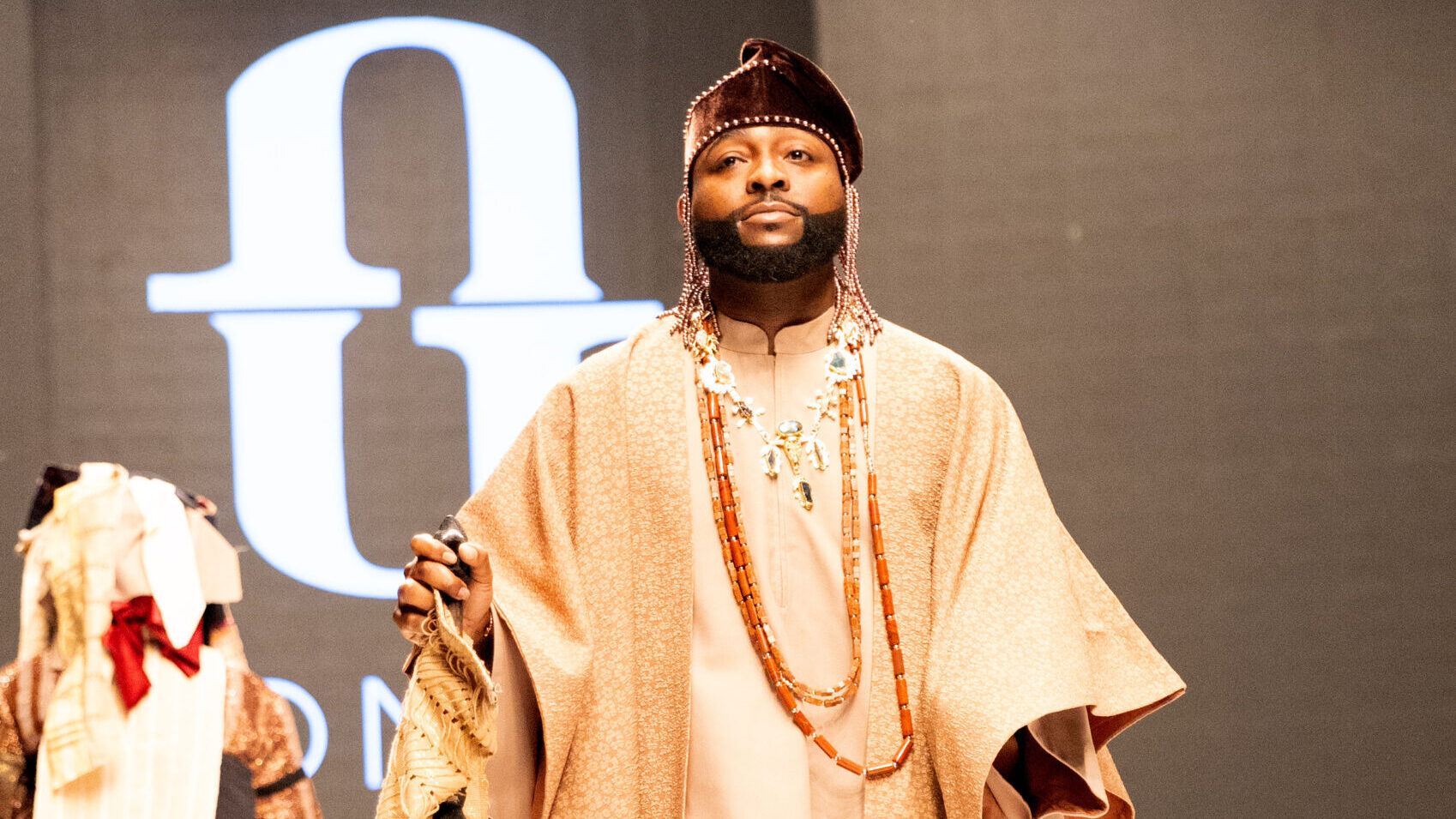
The 30 Billion Gang aesthetic was its own language. Patek Philippe on the wrist, custom Amiri jeans, a Balenciaga hoodie, sneakers no one in Lagos could find in stock, and a complete refusal to dress down. Then came the ABS era around 2022 when he reset his body and started wearing fitted Tom Ford suits and unbuttoned silk shirts, which functionally rebranded him from boy mogul to grown man. The Timeless rollout looks were the most consistent of his career. Davido sells aspiration in a way no Nigerian celebrity has done at his scale.
11. Funke Akindele
The Jenifa actress is the answer to anyone who claims Nigerian style is only red carpet. Funke turned ankara dresses, bold gele, and tailored bubu into a business-chic uniform that connected with the actual market women, traders, and small-business owners watching her films. The Battle on Buka Street press tour wardrobe was a master class in storytelling through fabric. Her public-life wardrobe, which blends formal dignity with Yoruba textile heritage, set a template Nigerian women in visible professional roles now follow.
12. Adesua Etomi-Wellington
Girl-next-door luxury is a hard register to hit. Adesua hits it cleanly. Soft pastels, knife-pleat skirts, neat blouses, minimal jewelry, hair almost always in a low updo or natural curls. Her wedding to Banky W was a styling event, with the Mai Atafo gown setting off two years of imitation across Lagos events. She represents the Nigerian woman who reads, who works, who married well, and who dresses like all of that without quoting any of it.
13. Banky W
Olubankole Wellington spent the 2010s being the best dressed Nigerian man at any indoor event in Lagos. Three-piece suits, contrast lapels, pocket squares folded properly, knit polos with chinos for the music videos. He is the bridge between Old Lagos suiting culture and the post-Afrobeats wave. When younger artists started taking tailoring seriously around 2018, Banky was already eight years deep into the practice.
14. Adekunle Gold
A revivalist disguised as a pop singer. Adekunle Gold built his early image entirely around mid-century African dapper, double-breasted suits, bow ties, round Cuban-collar shirts, and high-waisted trousers. He then pivoted, around the Catch Me If You Can era, into Hawaiian shirts, beaded chest pieces, and a kind of beach-elder cool. The transformation worked because the discipline never broke. Every outfit is composed, even when it is loud.