When Lykke Li's "I Follow Rivers" Found Its Way to Drake: A Musical Journey Through Time
Music

When Lykke Li's "I Follow Rivers" Found Its Way to Drake: A Musical Journey Through Time

Jalen RossJalen Ross··5 min read
Advertisement

Table of Contents

The Unexpected Connection Between Swedish Indie and Hip-Hop Royalty

When Lykke Li

In the ever-evolving landscape of contemporary music, few stories capture the magic of cross-genre pollination quite like the journey of Lykke Li’s “I Follow Rivers.” When the Swedish indie-pop sensation first released this haunting track in 2011, she could hardly have imagined it would eventually find its way into the hands of one of hip-hop’s biggest stars more than a decade later. The song’s appearance on Drake’s recent project represents more than just a sampling credit – it’s a testament to how authentic music transcends boundaries, genres, and time periods. For Lykke Li, hearing her creation recontextualized by the Canadian superstar felt less like coincidence and more like the natural evolution of a song that has always seemed to possess its own gravitational pull.

The collision between Scandinavian indie sensibilities and North American hip-hop culture might seem unlikely on paper, but it reflects the increasingly fluid nature of modern music consumption and creation. Artists today draw inspiration from a global palette of sounds, and the barriers between genres continue to dissolve as streaming platforms make diverse musical traditions more accessible than ever. Lykke Li’s distinctive voice and atmospheric production style have long appealed to listeners far beyond the indie rock sphere, making this crossover moment feel both surprising and inevitable.

The Making of a Breakout Moment

When Lykke Li

“I Follow Rivers” emerged during a pivotal period in Lykke Li’s artistic development, marking her transition from promising newcomer to internationally recognized artist. The track, with its hypnotic repetition and raw emotional intensity, captured something universal about longing and devotion that resonated far beyond its Swedish origins. Built around a deceptively simple structure, the song’s power lies in its ability to create an almost trance-like state through repetition and Li’s distinctive vocal delivery. The production, handled with minimalist precision, allows space for the song’s emotional weight to fully manifest, creating an atmosphere that feels both intimate and expansive.

Lykke Li performing I Follow Rivers
Image: Beats Per Minute

The song’s initial success was driven largely by word-of-mouth and the growing influence of music blogs and streaming platforms in breaking new artists. Unlike traditional radio hits, “I Follow Rivers” built its audience gradually, finding its way into film soundtracks, television shows, and DJ sets across multiple genres. This organic growth pattern proved crucial to its longevity, as the song developed a devoted fanbase that continued to discover and share it years after its initial release. The track’s ability to work equally well as background atmosphere and focused listening experience made it a versatile tool for music supervisors and DJs alike.

A Song’s Global Journey

When Lykke Li

What makes “I Follow Rivers” particularly fascinating is how it has maintained relevance across different musical eras and scenes. The song found new life through various remixes and covers, each interpretation highlighting different aspects of its emotional core while introducing it to new audiences. Electronic music producers embraced its hypnotic qualities, while acoustic covers emphasized its folk-influenced storytelling elements. This adaptability speaks to the strength of the song’s foundational composition – a melody and sentiment robust enough to support multiple interpretations without losing its essential character.

Lykke Li performing live on stage
Image: YouTube

The track’s journey through different musical communities also reflects broader changes in how music travels in the digital age. Rather than following traditional promotional pathways, “I Follow Rivers” spread through recommendation algorithms, curated playlists, and social media sharing. Each new context in which the song appeared – whether in a European club, an American coffee shop playlist, or a film soundtrack – added another layer to its cultural meaning. By the time it reached Drake’s attention, the song had already proven its cross-cultural appeal through years of grassroots adoption.

Advertisement

The Drake Factor

When Lykke Li

Drake’s decision to incorporate elements of “I Follow Rivers” into his work represents more than just sampling – it’s a recognition of the song’s enduring emotional power and its potential to enhance his own artistic narrative. Known for his ability to identify and recontextualize diverse musical elements, Drake has consistently demonstrated an ear for finding unexpected connections between different genres and eras. His use of Lykke Li’s material fits perfectly within this pattern, showing how contemporary hip-hop continues to expand its sonic vocabulary by drawing from global sources.

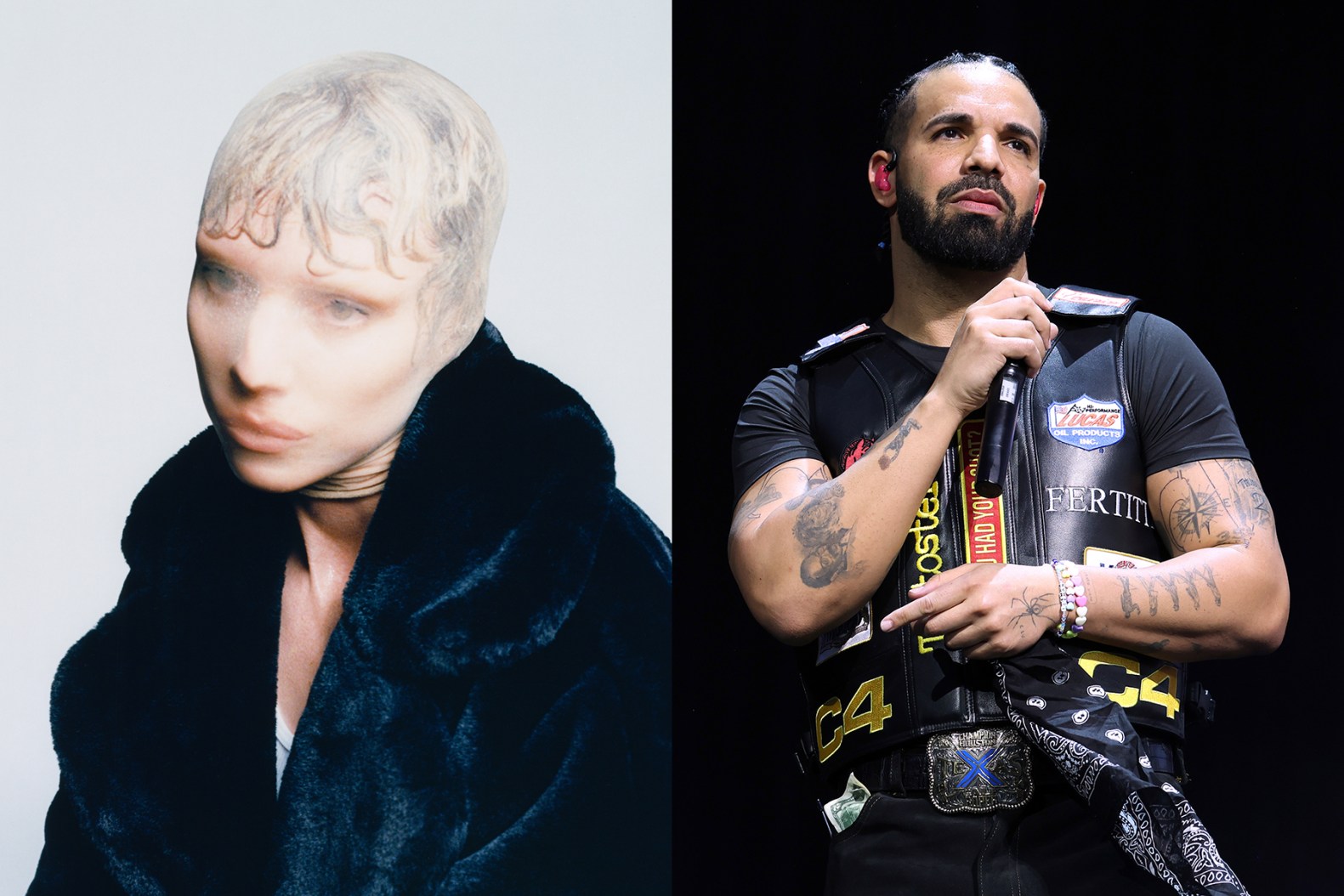
Drake performing on stage
Image: Wikipedia

For Lykke Li, seeing her work embraced by an artist of Drake’s stature validates the universal appeal she always believed her music possessed. The collaboration – even in the form of sampling – represents a meeting of two distinct artistic visions that somehow complement each other despite their different origins and intentions. This kind of cross-pollination has become increasingly common in today’s music landscape, where artists are more willing to experiment with unexpected combinations and influences.

Musical Evolution and Cross-Genre Pollination

When Lykke Li

The connection between Lykke Li and Drake also highlights how modern artists navigate the complex landscape of influence and inspiration. Both artists have built their careers on their ability to absorb diverse musical traditions and synthesize them into something distinctly their own. Li’s work has always drawn from multiple sources – Swedish folk traditions, American soul music, electronic production techniques, and indie rock sensibilities – creating a sound that defies easy categorization. Similarly, Drake has built his reputation on blending hip-hop with R&B, pop, and international sounds from dancehall to UK drill.

This mutual appreciation for genre-blending suggests that the pairing was perhaps more natural than it initially appeared. Both artists share a willingness to be vulnerable in their music, exploring themes of love, loss, and emotional complexity with unflinching honesty. While their delivery methods differ significantly – Li’s ethereal indie approach versus Drake’s melodic rap style – their underlying emotional honesty creates a common ground that makes their musical connection feel authentic rather than opportunistic.

The Lasting Power of Authentic Music

The story of “I Follow Rivers” and its journey to Drake’s project ultimately speaks to the enduring power of authentic musical expression. In an industry often driven by trends and market calculations, songs that emerge from genuine emotional places tend to have the longest shelf life and the broadest appeal. Lykke Li’s original creation succeeded not because it fit neatly into existing categories, but because it expressed something real and universal that listeners could connect with regardless of their musical preferences or cultural background.

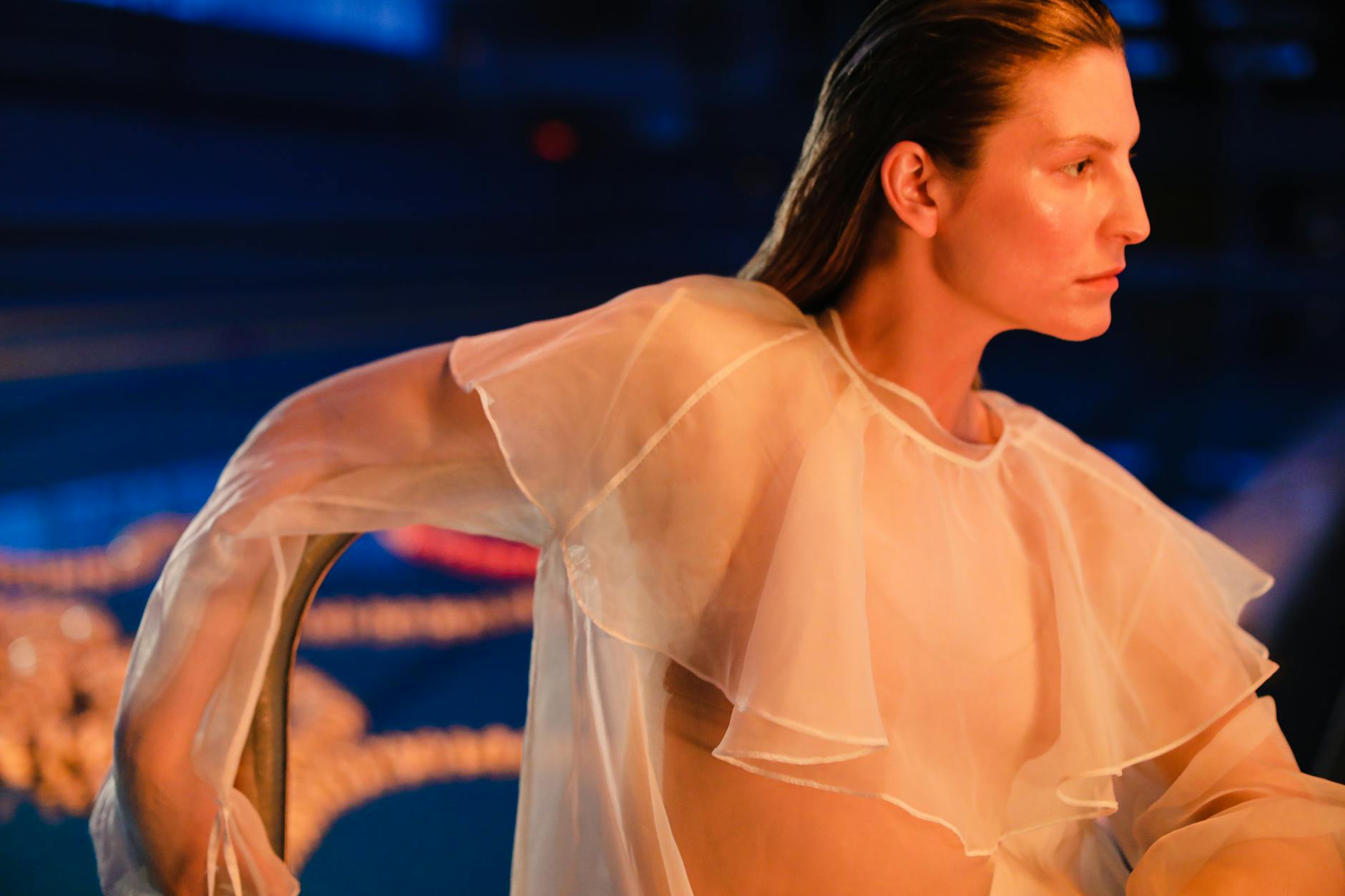
Lykke Li artistic evolution through the years
Photo by cottonbro studio / Pexels

As both artists continue to evolve in their respective careers, this moment of intersection serves as a reminder of music’s power to create unexpected connections across genres, generations, and geographical boundaries. The fact that a song born in Sweden’s indie scene could find new life in North American hip-hop more than a decade after its creation demonstrates the increasingly interconnected nature of global music culture. For Lykke Li, watching her song take on “a life of its own” represents the ultimate artistic achievement – creating something that transcends its original context to become part of the broader musical conversation. In an era where musical boundaries continue to blur and artists draw inspiration from an ever-expanding global palette, stories like this remind us that great music will always find a way to reach the listeners who need to hear it, regardless of the path it takes to get there.

Advertisement
Share
Get the recap

Loved this story? Get more like it.

Join readers who get our weekly entertainment recap — the stories worth your time, delivered every Friday.

No spam. Unsubscribe anytime. By signing up you agree to our Privacy Policy.

When Lykke Li's "I Follow Rivers... | Sidomex Entertainment