Table of Contents
- A Powerful Partnership Emerges
- The Conceptual Depth of “Many People”
- Ema Onigah’s Rising Alternative Voice
- LADIPOE’s Legacy of Lyrical Excellence
- Impact on the Nigerian Music Landscape
A Powerful Partnership Emerges
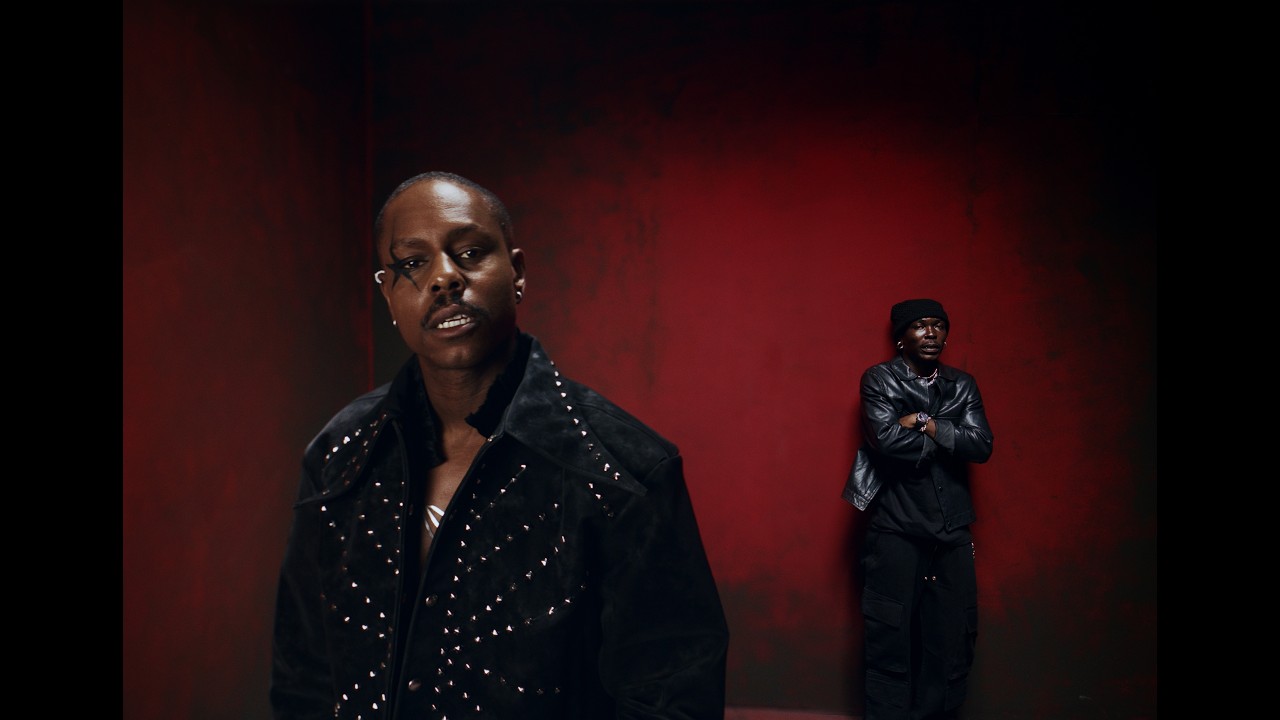
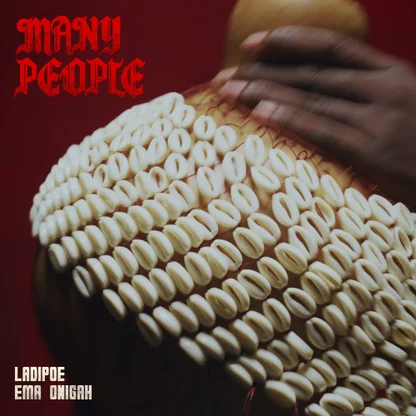
In an era where superficial collaborations dominate the airwaves, LADIPOE and Ema Onigah have crafted something refreshingly substantial with their new single “Many People.” The track represents more than just another musical partnership - it’s a carefully constructed piece of social commentary that showcases both artists’ commitment to meaningful artistry. The Mavin Records rapper, known for his intellectual approach to hip-hop, has found an ideal collaborator in Onigah, whose alternative sensibilities bring a unique texture to the project. This union signals a growing trend among Nigerian artists who are prioritizing artistic depth over commercial formulas, creating music that challenges listeners while still maintaining accessibility.
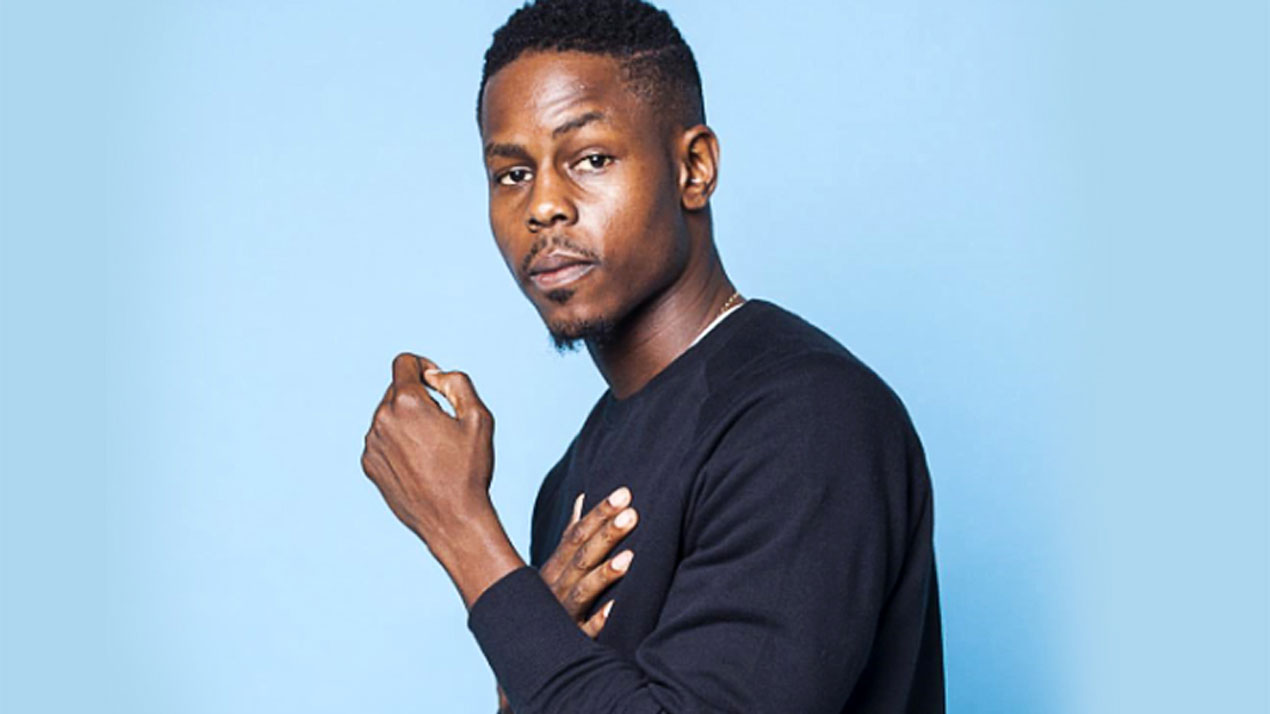
The collaboration emerges at a particularly relevant moment in Nigerian entertainment, where industry politics and social pressures have become increasingly scrutinized. Both artists have built reputations for speaking truth through their music, making their partnership feel both natural and necessary. The timing of “Many People” couldn’t be more appropriate, as the Nigerian music industry continues to grapple with questions of authenticity, commercial pressure, and artistic integrity. Their combined voices offer a nuanced perspective on these complex issues, avoiding the typical binary narratives that often characterize such discussions.
The Conceptual Depth of “Many People”
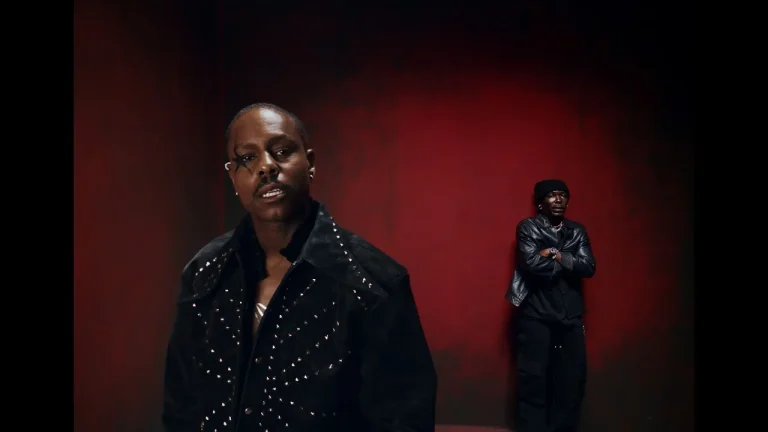
“Many People” stands as a sophisticated examination of social dynamics that plague both the entertainment industry and society at large. The track’s conceptual framework addresses the exhausting nature of dealing with public opinion, industry hypocrisy, and the constant pressure to conform to external expectations. LADIPOE’s signature analytical style shines through as he dissects these themes with surgical precision, while Onigah’s alternative approach adds emotional resonance to the intellectual framework. The song’s structure allows both artists to explore different facets of the same central theme, creating a multi-dimensional listening experience that rewards repeated attention.
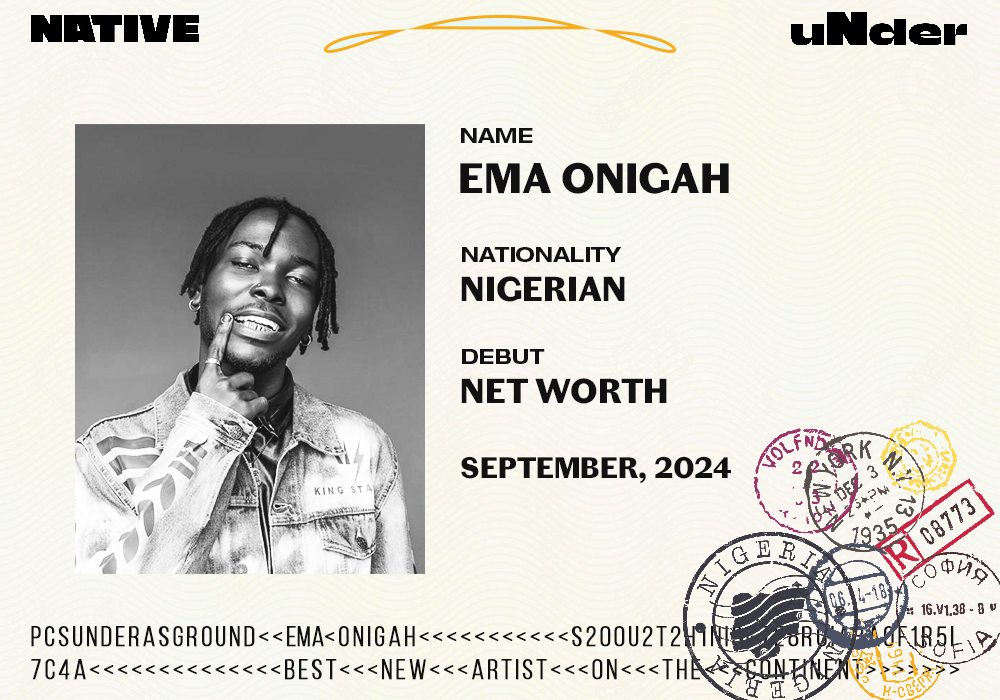
The production choices support the weighty subject matter without overwhelming the lyrical content, demonstrating a mature understanding of how music and message can work in harmony. The track operates on multiple levels - functioning as both a personal catharsis for the artists and a broader commentary on societal pressures that many listeners will recognize. This dual functionality speaks to the sophistication of the songwriting and the artists’ ability to transform personal experiences into universal themes. The result is a piece of music that feels both intimate and expansive, personal yet politically aware.
Ema Onigah’s Rising Alternative Voice
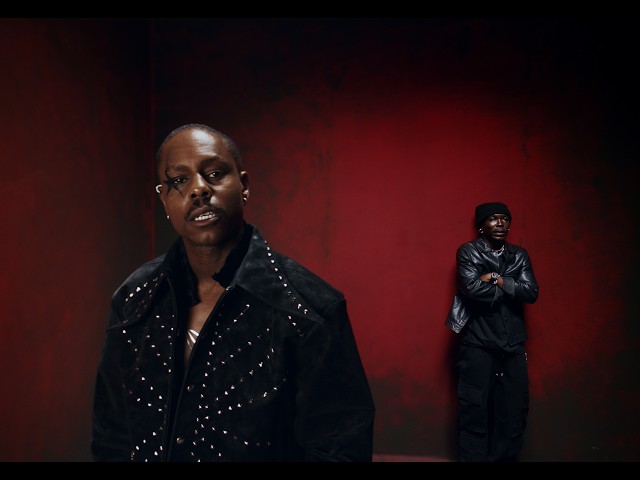
Ema Onigah brings a distinctive alternative perspective to “Many People” that complements LADIPOE’s more traditional hip-hop approach while maintaining her own artistic identity. Her contribution to the track showcases the growing influence of alternative music within Nigeria’s broader musical landscape, where artists are increasingly willing to experiment with unconventional sounds and themes. Onigah’s artistic vision aligns perfectly with the track’s conceptual ambitions, as she navigates the complex emotional terrain that accompanies social criticism with remarkable skill. Her vocal delivery and lyrical approach add layers of vulnerability to the track’s analytical framework, creating a more complete emotional experience.

The collaboration represents a significant moment for Onigah’s career trajectory, positioning her alongside one of Nigeria’s most respected lyricists while maintaining her unique artistic voice. Her ability to hold her own creatively alongside LADIPOE speaks to her growing confidence as an artist and her commitment to meaningful musical expression. This partnership could signal the beginning of more cross-pollination between Nigeria’s mainstream and alternative music scenes, potentially opening doors for other unconventional artists to find broader platforms for their work.