The Cultural Impact of Kingdom Hearts: How Disney Gaming Changed Entertainment Crossovers
Tristan Melo··9 min read
Ad SpaceArticle Top - 728x90
Advertisement
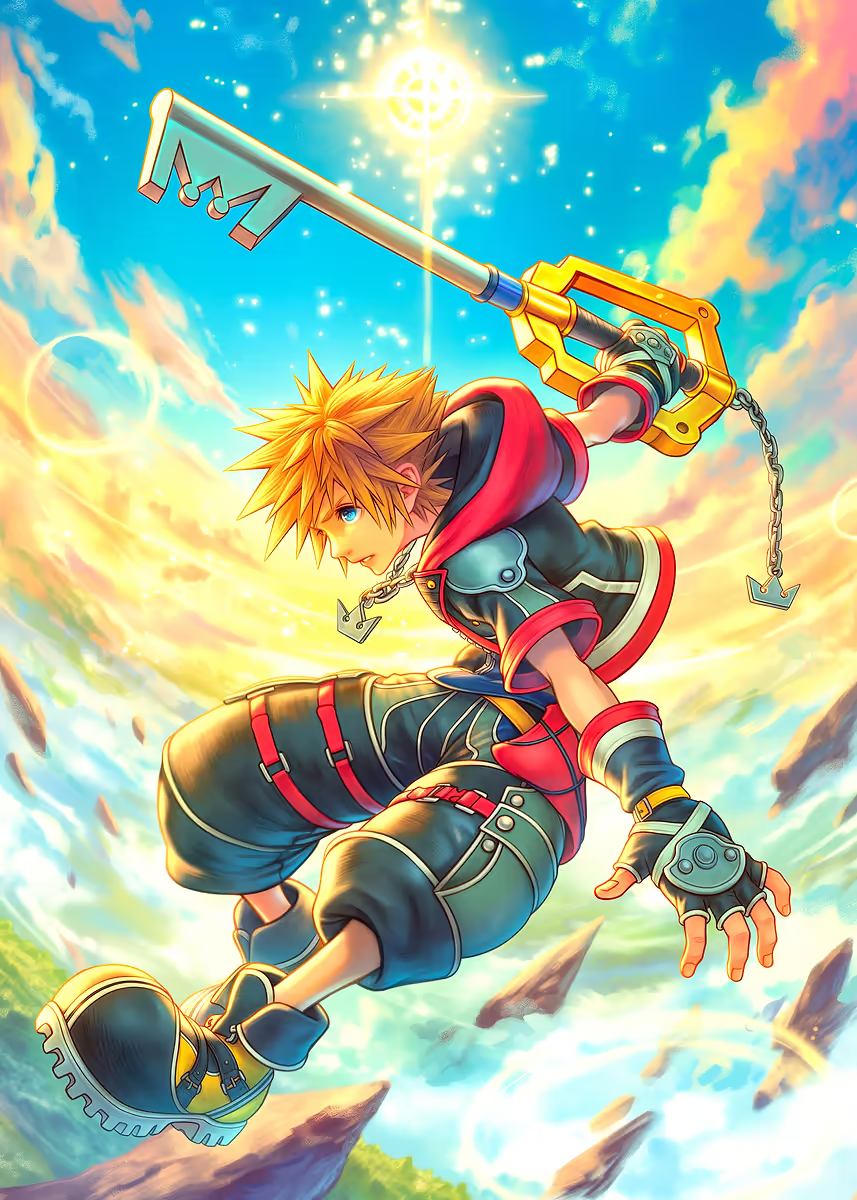
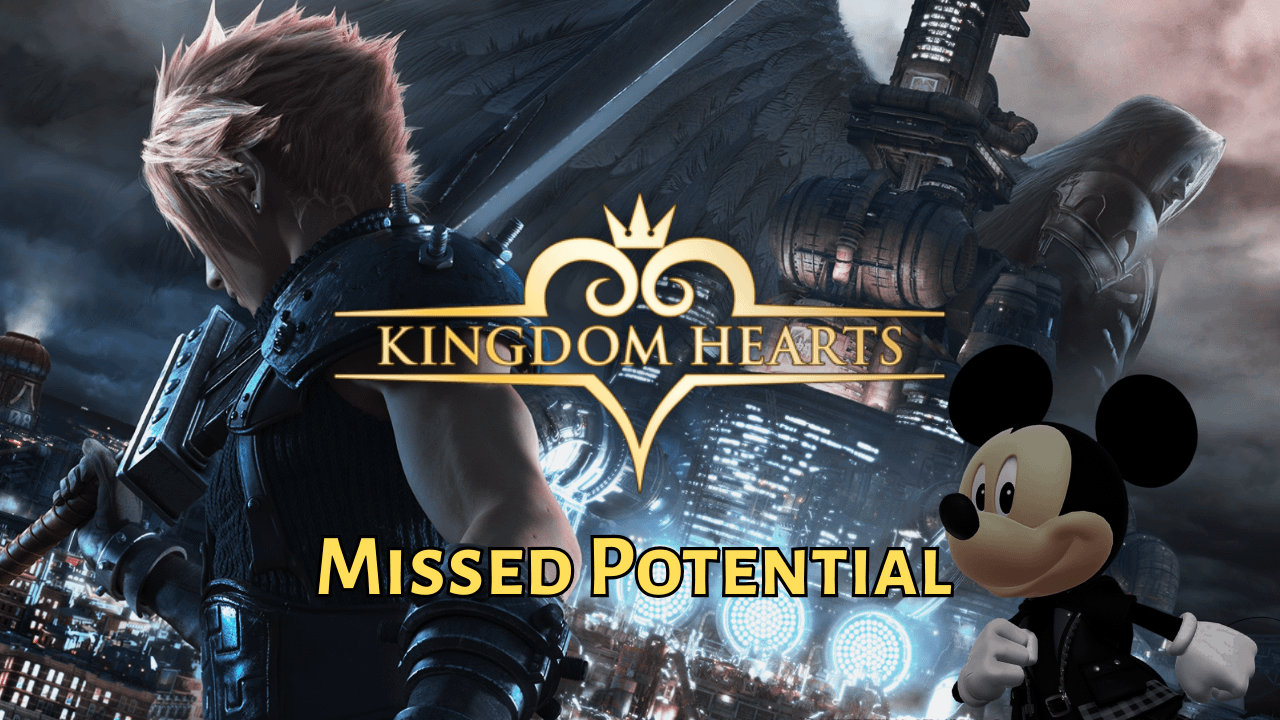
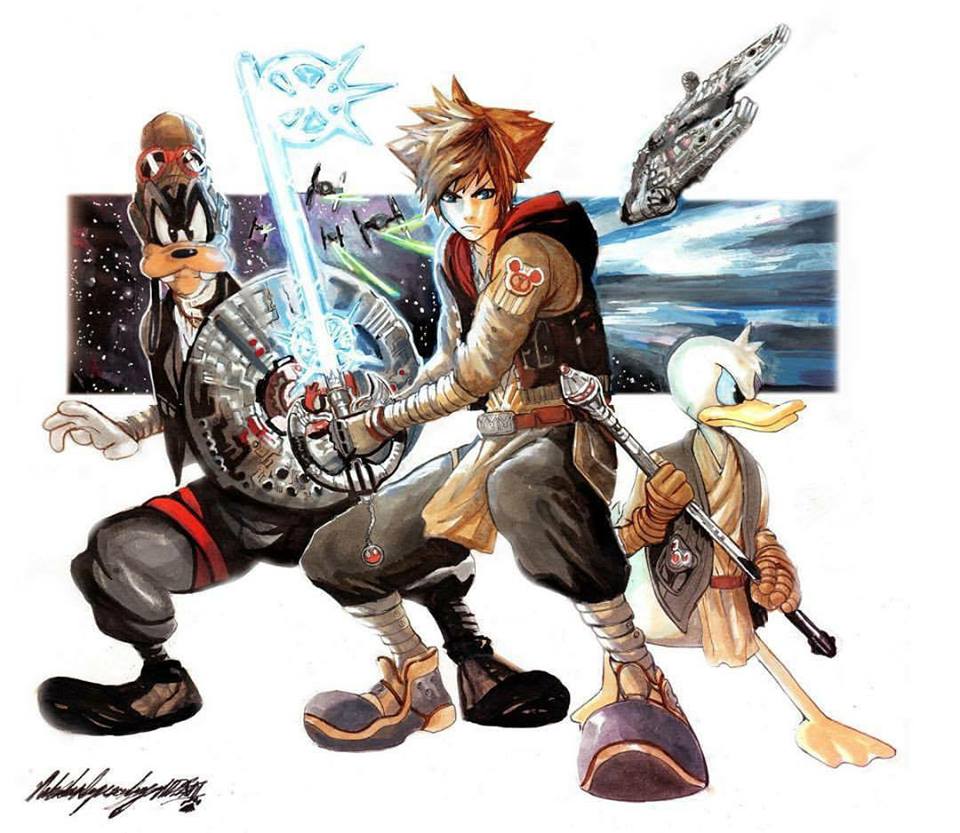
Picture the pitch meeting. A short-tempered duck in a wizard’s hat, a clumsy dog standing upright in a knight’s tunic, and a spiky-haired teenager with a key shaped like a giant skeleton key, all swinging weapons side by side against an army of shadow monsters, while a brooding swordsman lifted straight out of a Japanese role-playing epic watches from the sidelines. On paper, that combination should have been laughed out of the room. Donald Duck has been a Disney slapstick fixture since 1934. Cloud Strife belongs to the moody, melodramatic universe of Final Fantasy. Putting them in the same frame sounds like a corporate accident, the kind of thing that happens when two companies share a logo and nobody reads the fine print.
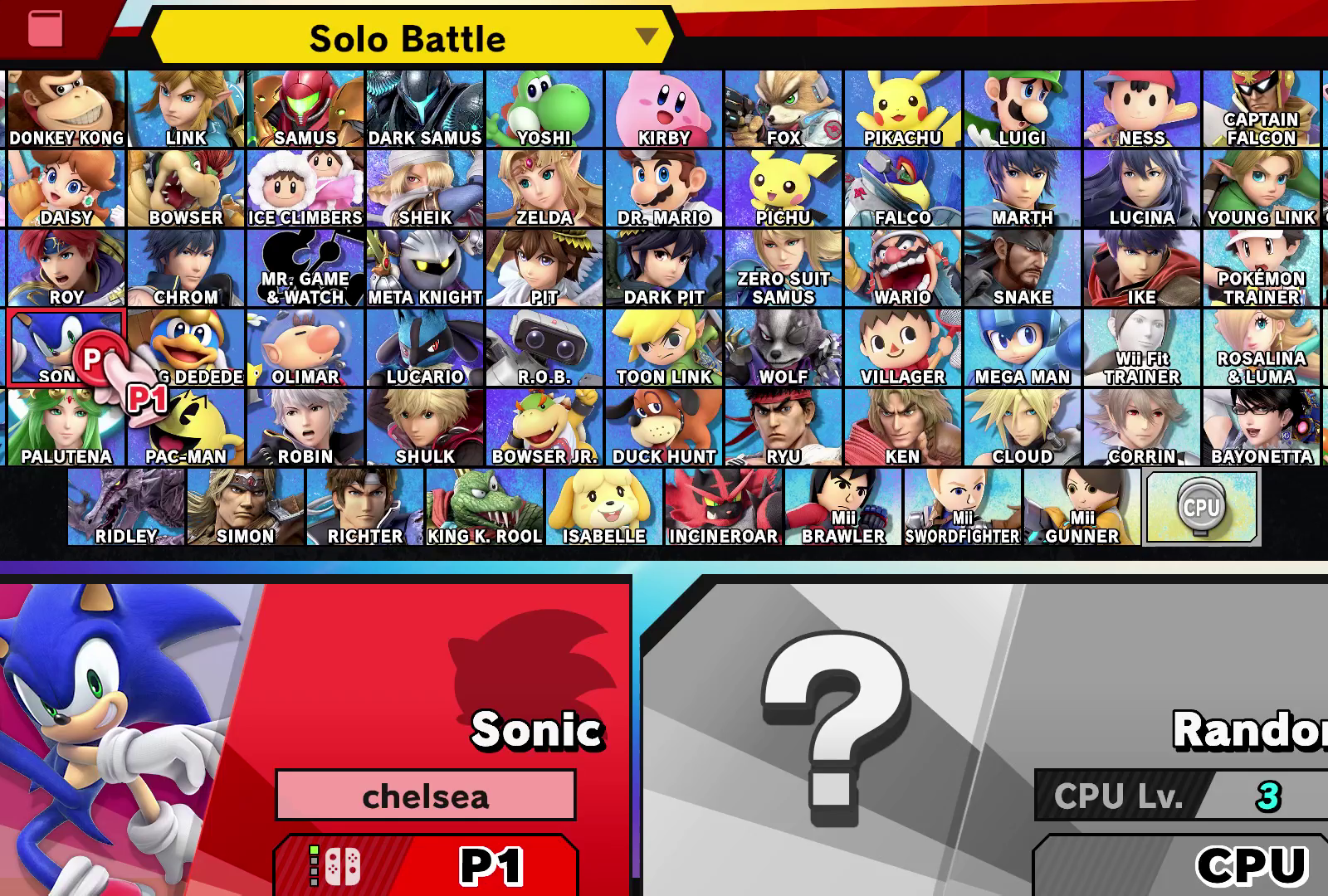
Instead, it became one of the most beloved game franchises of its generation, a fusion so improbable that it accidentally wrote the rulebook for an entire era of entertainment. More than two decades later, the crossover is no longer the punchline. It is the business model. Fortnite drops Marvel heroes next to anime icons, the Marvel Cinematic Universe stitches dozens of films into one timeline, and Super Smash Bros. lets Mario trade punches with Sonic and a Final Fantasy hero. All of it feels normal now. Kingdom Hearts got there first, and it did so when almost nobody believed the math could work.
The crossover that should not have worked
Before Kingdom Hearts, the wall between cute and serious in gaming was thick and rarely crossed. Disney games were children’s products, colorful and weightless. Final Fantasy games were sprawling, emotionally heavy adventures aimed at teenagers and adults who wanted complex stories and turn-based strategy. The two audiences barely overlapped, and the two visual languages clashed badly. One side traded in pratfalls and primary colors. The other dealt in tragic backstories and silver-haired antiheroes.
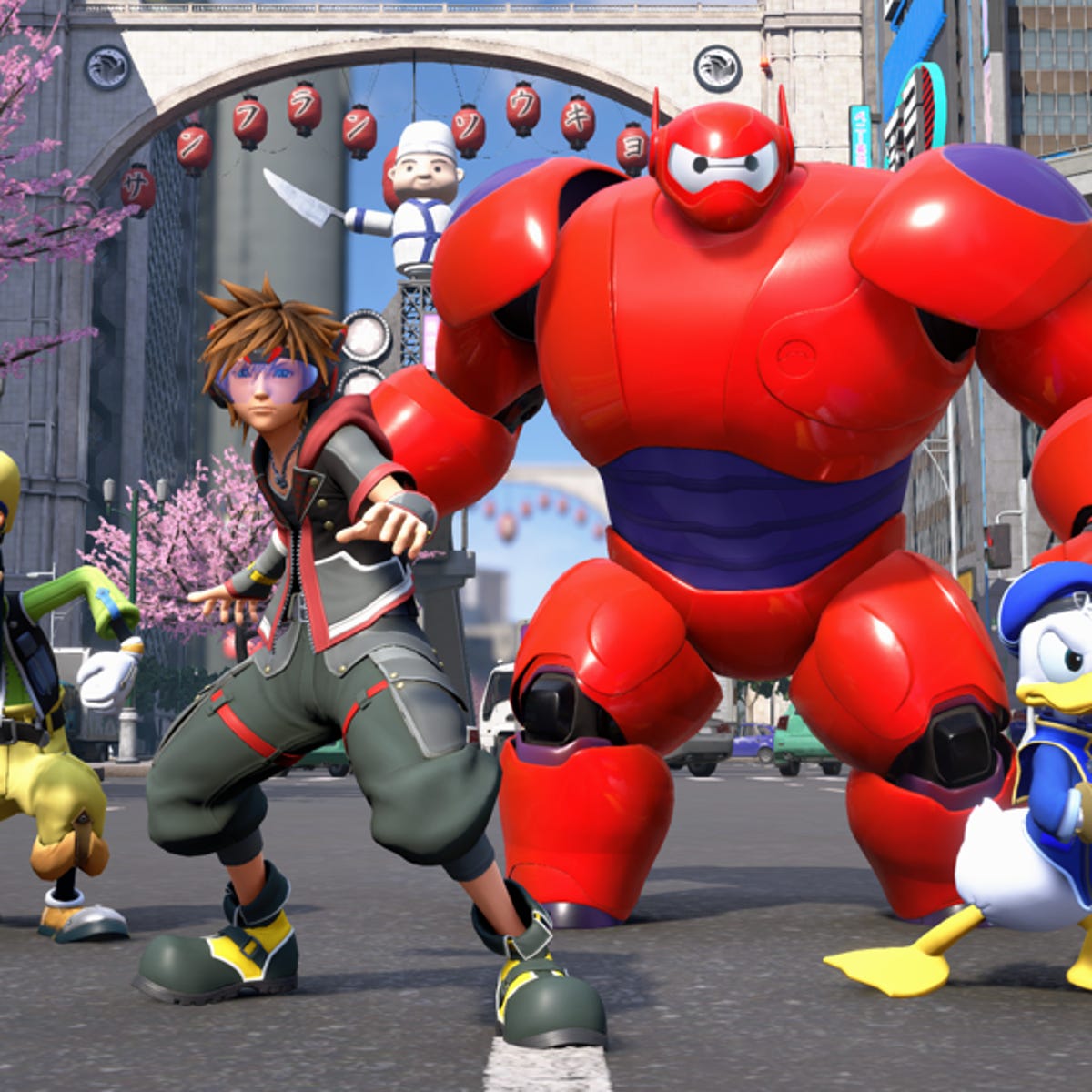
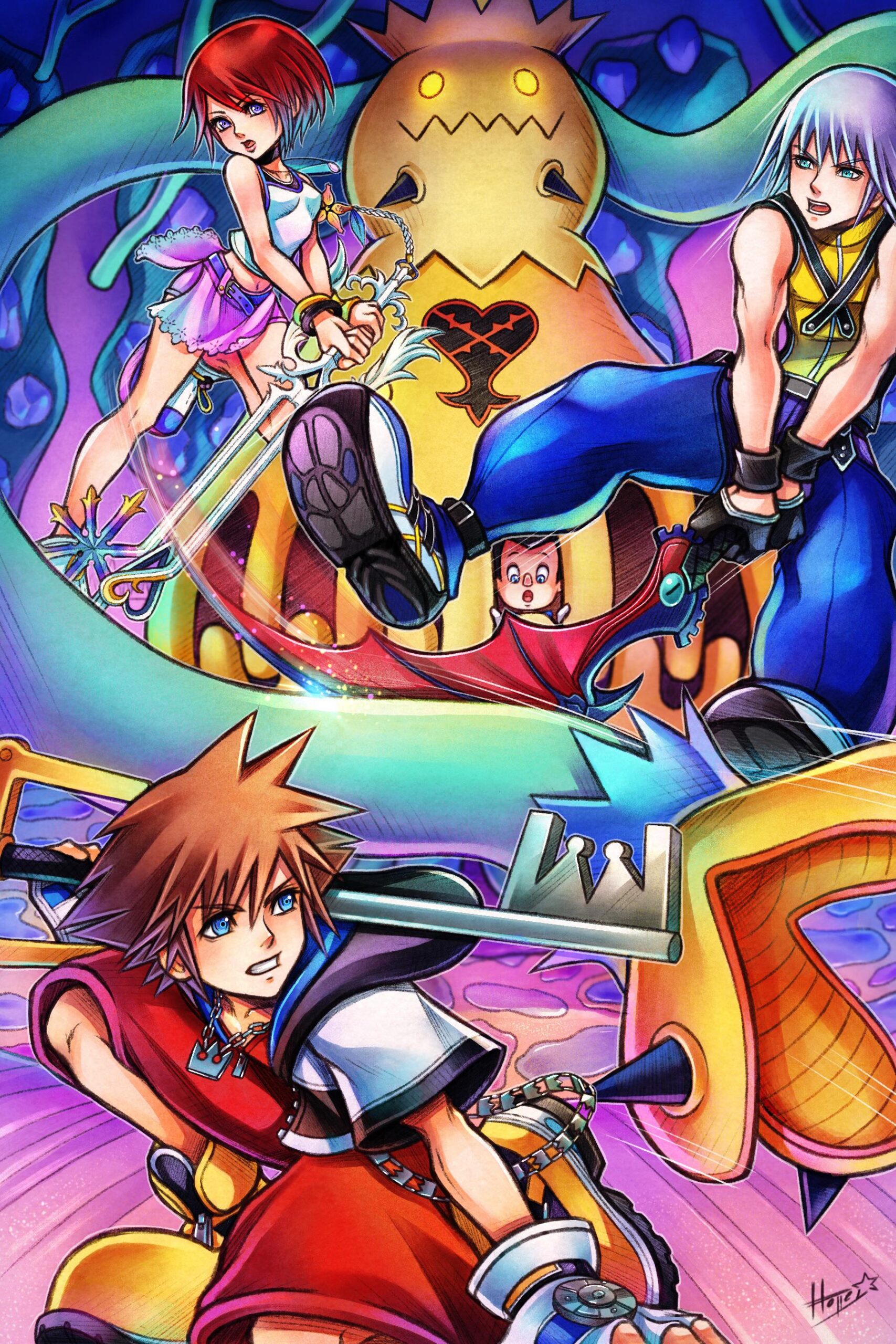
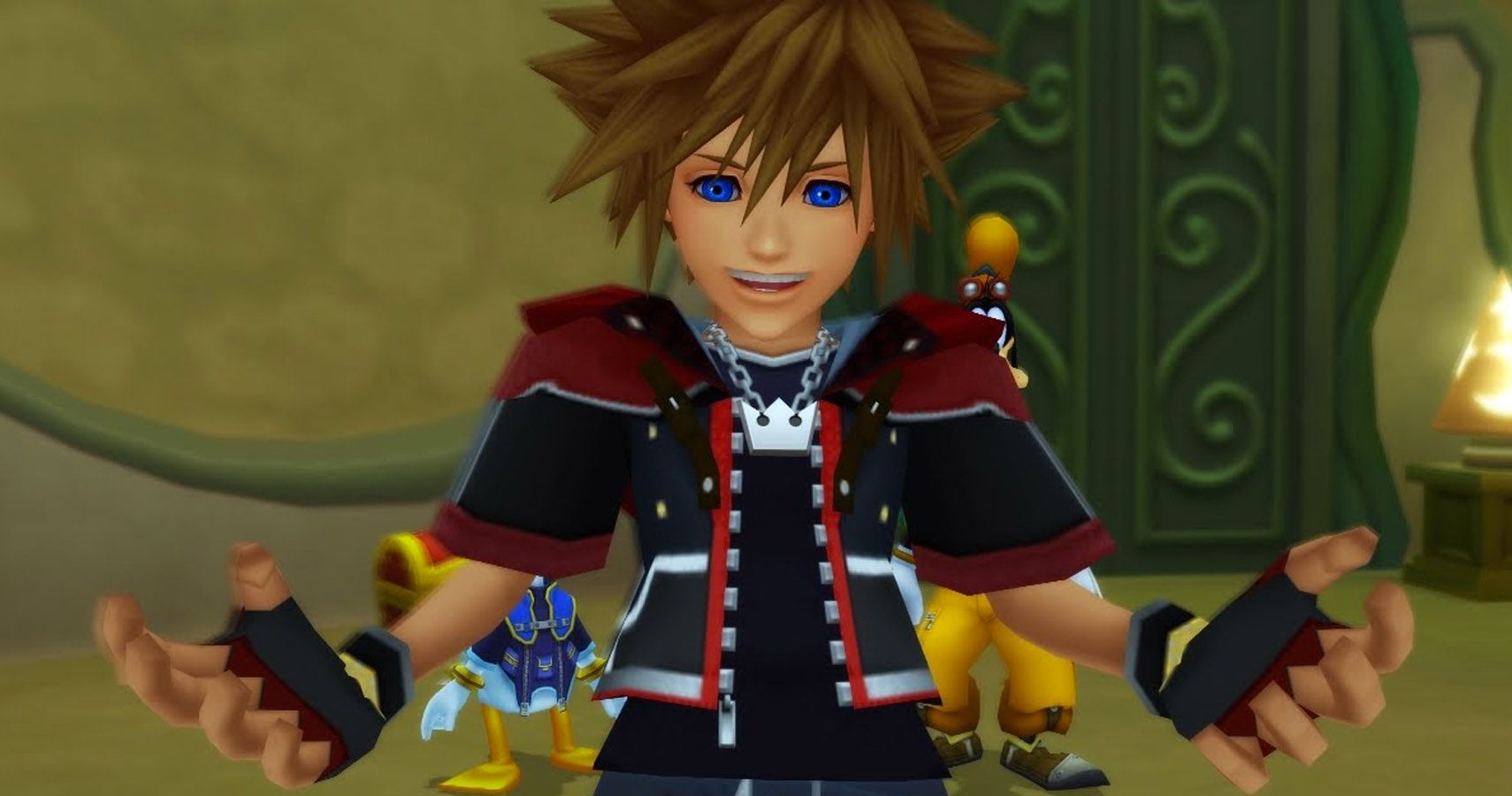
The genius of Kingdom Hearts was refusing to treat that clash as a problem. The game leaned into the absurdity until it stopped being absurd. A player would guide the hero, a cheerful island kid named Sora, through Disney’s Tarzan jungle one hour and into a moody original world full of existential dread the next. The tonal whiplash should have been jarring. Somehow it became the appeal. Children recognized the Disney faces. Older players stayed for the surprisingly dark themes of loss, memory, and identity. The franchise pulled off the rare trick of meaning something different to a ten-year-old and a twenty-five-year-old at the same time.
The elevator pitch heard round the world
The origin story has become gaming folklore, and like most folklore it has been polished smooth over the years. The most repeated version holds that the whole franchise was born in an elevator. According to accounts from the development team and later interviews, the seed was planted when Square producer Shinji Hashimoto crossed paths with a Disney executive. Square and Disney had previously worked out of the same building in Japan, which made the chance encounter possible.
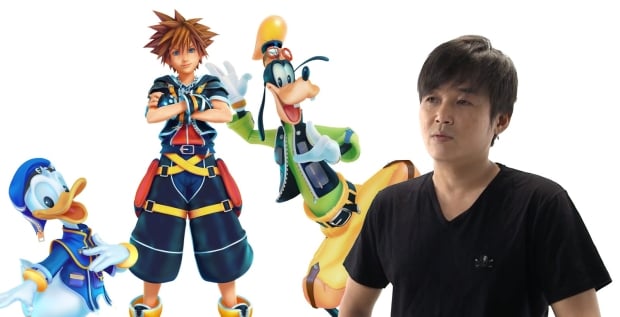
The reality is slightly less cinematic than the legend. Director Tetsuya Nomura has clarified in interviews that the elevator conversation was closer to a casual “it would be great to work together sometime” than a formal proposal. Nomura himself was not even present for that exchange, despite years of retellings that put him in the elevator. The deeper origin came from a separate discussion between Hashimoto and Final Fantasy creator Hironobu Sakaguchi, who were musing about building a game with the free three-dimensional movement of Super Mario 64. They concluded that only characters as universally beloved as Disney’s could go toe to toe with Mario’s appeal. Nomura, overhearing the conversation, volunteered to direct, and the producers handed him the project.
Development began in February 2000. The first Kingdom Hearts launched in Japan on March 28, 2002, for the PlayStation 2, with Nomura directing. What started as a loose idea about Mickey Mouse and movement turned into something far stranger and far more ambitious than anyone in that building could have predicted.
Why Disney plus Final Fantasy hit so hard
The emotional grip of Kingdom Hearts came from a calculated risk. Disney worlds carry built-in nostalgia. Walking into a faithful recreation of Aladdin’s Agrabah or The Nightmare Before Christmas as a playable character was, for a certain generation, a small dream made interactive. The familiarity disarmed players and lowered their guard. Then the original storyline, populated by Nomura’s own brooding cast, hit them with themes of separation, sacrifice, and the fear of losing the people you love.
That contrast is why the series landed with such force. A purely Disney game would have felt slight. A purely Final Fantasy spinoff would have felt like more of the same. The combination created a tonal range no single franchise could match alone. Sora’s journey to find his lost friends gave the colorful world tour an emotional spine. The Disney cameos gave the heavy themes a lightness that kept them from becoming oppressive. Players got the comfort of childhood icons and the gut-punch of a story willing to break their hearts, often within the same chapter.
The music that made people cry
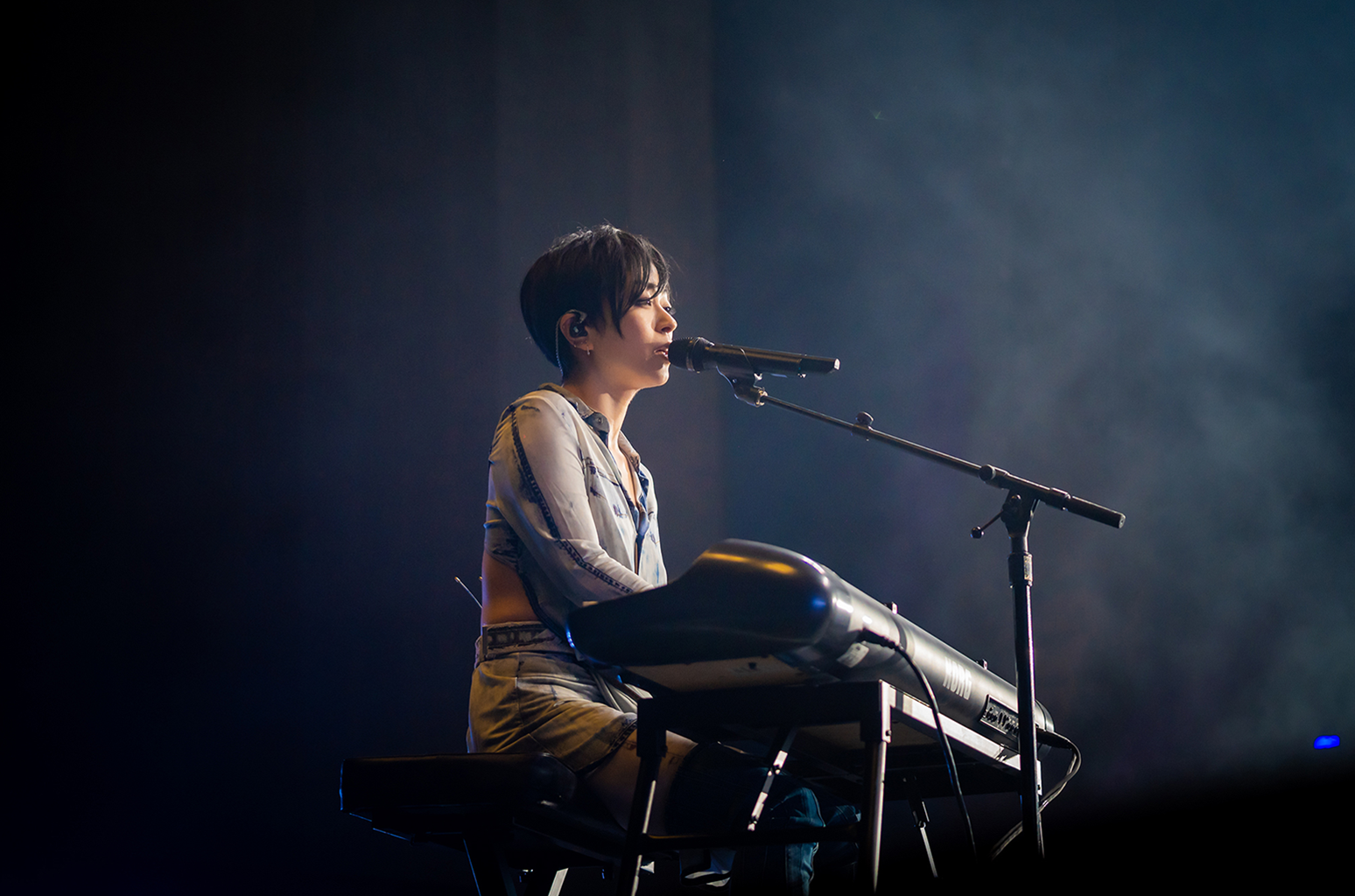
No account of the franchise’s emotional pull is complete without its theme songs, and credit belongs largely to one artist. Japanese American singer Utada Hikaru, one of Japan’s best-selling musicians, provided the vocal identity of the series. Nomura wanted Utada and only Utada for the original theme, and the artist delivered two versions of each song, one in Japanese and one in English for international audiences.
The first game’s theme was “Hikari” in Japan, rerecorded as “Simple and Clean” for the rest of the world. The sequel, Kingdom Hearts II in 2005, brought “Passion,” reworked into English as “Sanctuary.” The development concept framed the first song as a “dawn” and the second as a “dusk,” a thoughtful pairing that mirrored the darkening tone of the sequel. For a generation of players, those opening notes are inseparable from the memory of being young and emotionally wrecked by a video game about Disney characters. The songs did real cultural work, traveling beyond the games into the wider pop awareness of millions who never picked up a controller.
Ad SpaceIn-Article - 300x250
Advertisement
The plot nobody can summarize
Here is where affection meets exasperation. Kingdom Hearts has one of the most notoriously convoluted storylines in entertainment, a timeline so tangled that explaining it to a newcomer has become its own comedy genre. The series did not release in tidy numbered order. Between the main entries came a flood of spinoffs on handheld systems and mobile phones, each adding crucial plot threads, new characters with confusingly similar names, and twists involving time travel, hearts split across multiple bodies, and a villain whose master plan spans roughly a dozen games.
Try to summarize it and you end up sounding unhinged. There are characters who are other characters, hearts that wear other people’s faces, and a numbering system that includes titles like 358/2 Days and Birth by Sleep that arrive nowhere near where their names suggest. Longtime fans wear this chaos as a badge of honor. The convoluted lore became part of the brand identity, a shared inside joke that bonds the community. Newcomers are met with elaborate flowcharts and pleading explainer videos. The plot is genuinely hard to follow, and yet the difficulty itself became a point of pride, a sign that you were truly inside the circle.
The generation it raised
Kingdom Hearts arrived at a precise moment for a specific audience. Kids who grew up on the Disney Renaissance films of the 1990s were hitting their teenage years right as the PlayStation 2 became the dominant console. The series caught them at the exact crossover point in their own lives, when they were too old to admit they still loved animated movies but not yet ready to leave them behind. The franchise gave them permission to keep one foot in childhood while exploring the heavier emotional terrain of growing up.
That timing built a fiercely loyal fanbase that has stayed with the series for more than twenty years. These were not casual players. They were the kind of fans who memorized the lore, debated the timeline, and waited years between major releases without losing faith. The series became a generational touchstone, a shared cultural reference for a cohort that is now well into adulthood and, in many cases, introducing the games to their own children. Few franchises manage to grow up alongside their audience this completely.
How it predicted the crossover age
The most striking thing about Kingdom Hearts in hindsight is how clearly it forecast where entertainment was heading. In 2002, blending two unrelated intellectual properties into one product felt like a novelty stunt. Today it is the central strategy of the most valuable franchises on earth. The Marvel Cinematic Universe turned interconnected crossover storytelling into the most lucrative model in film history. Fortnite became a digital meeting ground where characters from rival companies coexist as a matter of routine, from superheroes to rappers to anime stars. Super Smash Bros. built an entire fighting series around the joy of seeing icons who should never meet trade blows.
Kingdom Hearts ran that experiment first, and it did so under far harder conditions. Marvel owns its characters. Fortnite licenses guest stars one at a time. Kingdom Hearts had to convince Disney, one of the most protective rights holders in the world, to let an outside studio take its crown jewels and place them inside a melancholy Japanese role-playing game. That it succeeded at all was remarkable. That it produced something fans treasured rather than tolerated proved a thesis the rest of the industry would spend the next two decades catching up to. The modern crossover economy, in which every property is a potential guest in every other property, owes a quiet debt to a game that paired Donald Duck with a Final Fantasy hero and made it sing.
The long wait and Kingdom Hearts IV
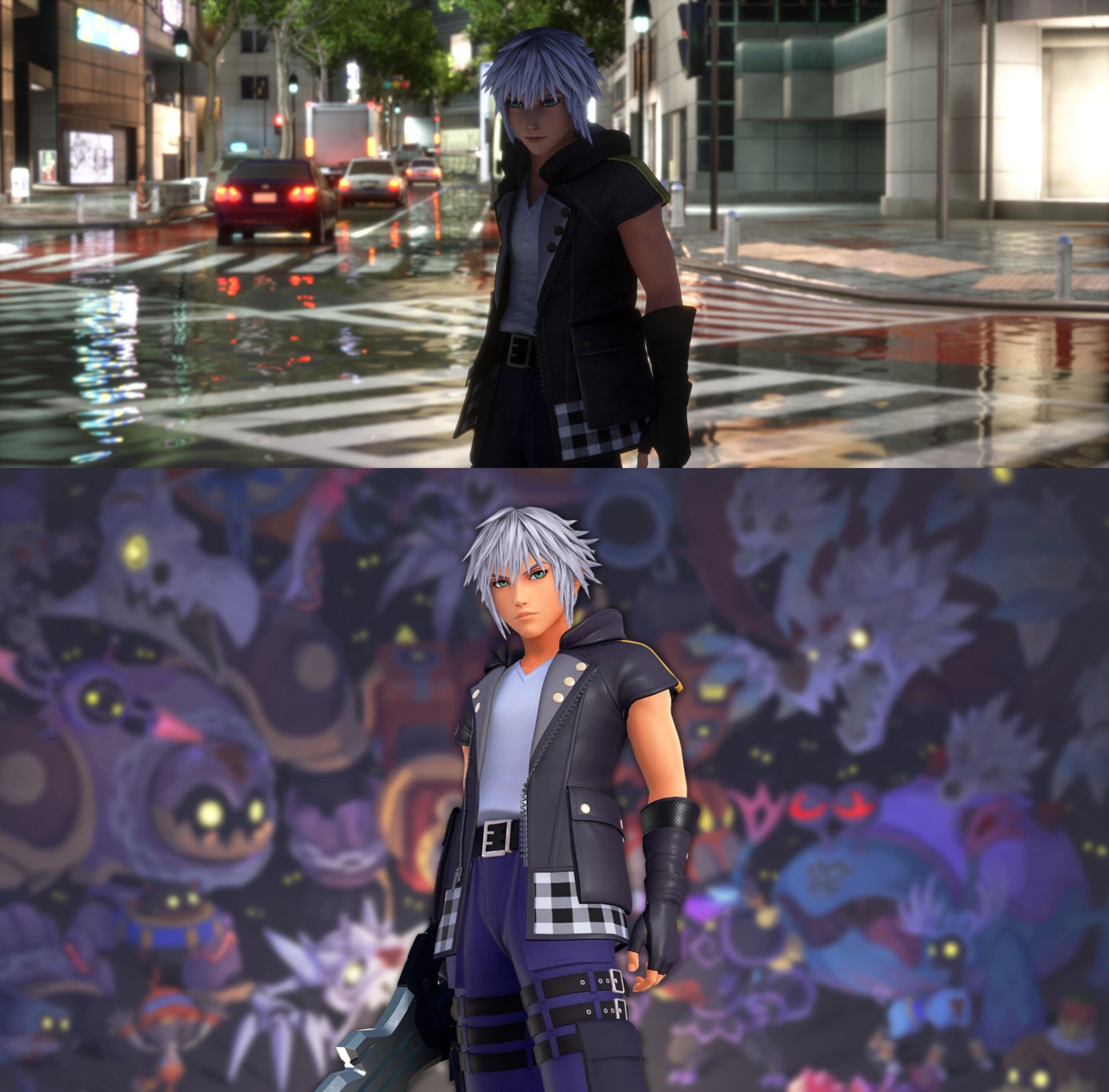
The third numbered mainline entry, Kingdom Hearts III, arrived in 2019, finally closing a saga that had been building across seventeen years and a dizzying pile of side stories. Then came the announcement fans had been waiting for. In April 2022, timed to the franchise’s twentieth anniversary, Square Enix revealed Kingdom Hearts IV with a trailer showing a strikingly photorealistic art style and a mysterious new setting called Quadratum.
As of 2026, Kingdom Hearts IV remains in active development with no confirmed release date. Director Tetsuya Nomura has periodically reassured the community, stating in late 2025 that development was progressing on schedule. The wait has been long enough to test even this patient fanbase, especially after the cancellation of the mobile spinoff Kingdom Hearts Missing-Link in May 2025. The franchise has kept the faithful fed with periodic updates and screenshots. Fresh footage surfaced during a Nintendo Direct showcase in June 2026, offering another glimpse of the photorealistic Sora, a returning cast of familiar faces, and a slice of gameplay in Quadratum, though Square Enix has still declined to name a launch window. The game is confirmed for current-generation hardware, and the steady drip of “kingdom hearts 4” searches shows the appetite has not cooled.
Why it still matters
A franchise that has shipped more than 38 million units worldwide, according to figures Square Enix reported in late 2025 (up from the 36 million milestone confirmed after its 2022 fiscal year), is no niche curiosity. Kingdom Hearts III alone moved 6.7 million copies, making it the fastest-selling entry in the series. Those are the numbers of a genuine cultural institution, not a one-off experiment that got lucky.
The deeper legacy is not measured in sales, though. It lives in the way entertainment now assumes that any two beloved things can be combined, and that audiences will reward the combination rather than reject it. That assumption was a gamble in 2002. A small team bet that a generation raised on Disney would follow those characters into stranger and sadder places, set the journey to the voice of Utada Hikaru, wrapped it in a story too complicated to explain, and trusted players to love it anyway. They were right. Every crossover that followed, every shared universe and guest-starring icon, walks through a door that a duck in a wizard’s hat and a boy with a giant key pushed open first.
Ad SpaceIn-Article - 300x250
Advertisement
Share
Get the recap
Loved this story? Get more like it.
Join readers who get our weekly entertainment recap - the stories worth your time, delivered every Friday.
No spam. Unsubscribe anytime. By signing up you agree to our Privacy Policy.