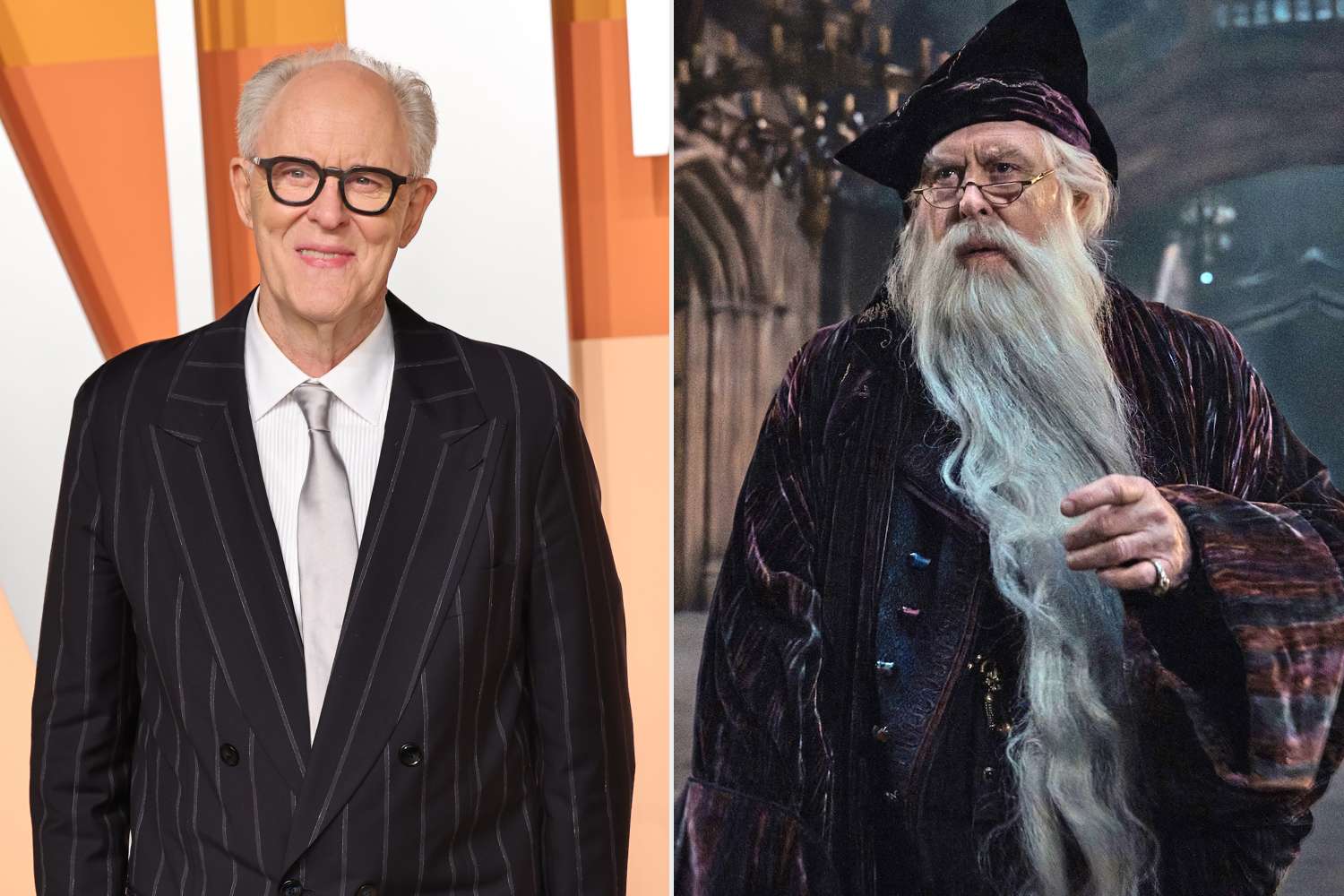

Six Emmy Awards, three competitive Tony wins, two Oscar nominations, two Golden Globes, a Laurence Olivier Award, more than eighty films, eight published children’s books, three music albums and one of the most chilling serial killers in television history. That is not a typical actor’s resume. That is the spread of a single career, and it belongs to a man who, at the age when most performers are settling into honorary tributes and lifetime-achievement montages, was instead landing the role he calls the last great chapter of his life. John Lithgow turned 80 on October 19, 2025, and the strangest thing about that milestone is that he has rarely been busier, or more in demand, than he is right now.
Most careers narrow with age. The parts get smaller, the offers thin out, the work drifts toward voice cameos and elder-statesman walk-ons. Lithgow’s career has done the opposite. Across the last fifteen years he has played a child-murdering psychopath, a wartime British prime minister, the most powerful man in conservative American media, a corrupt cardinal scheming for the papacy, and a disgraced literary giant wrestling with his own poison. Now he is stepping into Albus Dumbledore for a generation of viewers who will never have known the role belonged to anyone else. To understand how an actor reaches 80 in the middle of a renaissance rather than at the end of a victory lap, you have to go back to the start, and to a body of work so varied it almost defies the idea of a single performer.
A Resume That Should Not Fit One Actor
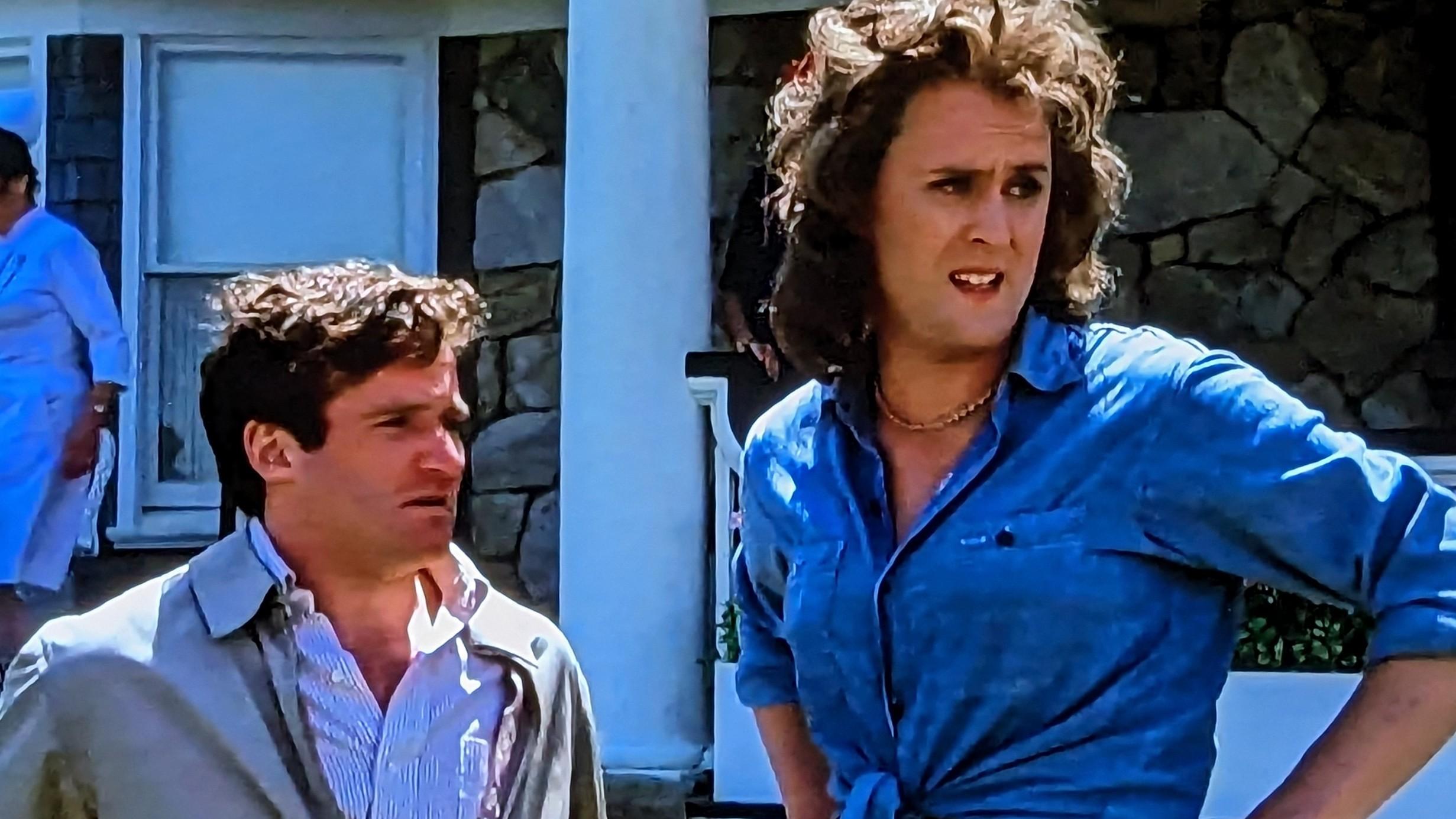
Run the highlights end to end and they read like the credits of an entire repertory company rather than one man. There is the Oscar-nominated turn as Roberta Muldoon, the transgender former football player in The World According to Garp. There is the lonely banker Sam Burns in Terms of Endearment, which earned a second consecutive Academy Award nomination. There is the alien commander Dick Solomon, the goofball leader of 3rd Rock from the Sun, a role that landed three Emmys. There is Arthur Mitchell, the Trinity Killer, the role that gave Dexter its most frightening season. There is Winston Churchill in The Crown, Roger Ailes in Bombshell, Cardinal Tremblay in Conclave.
The range is not just between comedy and drama. It is between hero and monster, between Broadway musical leading man and arthouse character actor, between Shakespeare and Saturday-morning children’s songs. Few performers can claim to have been genuinely terrifying and genuinely beloved in the same decade. Lithgow has built an entire career out of the gap most actors fall into, and audiences have followed him across all of it.
The Theatre Kid Who Went to Harvard
He was born into the work. John Arthur Lithgow grew up around the theatre as the son of Arthur Lithgow, a producer and director of Shakespeare festivals across the American Midwest. He went on to Harvard, where he studied not as a drama major in some conservatory sense but as a serious student who happened to be magnetised by the stage. After graduating he won a Fulbright Scholarship to the London Academy of Music and Dramatic Art, spending two formative years in Britain absorbing a kind of technical rigour and classical discipline that would underpin everything he did afterward.
That training paid off almost immediately. In 1973 he made his Broadway debut in David Storey’s The Changing Room, playing an English rugby player, and won the Tony Award for Best Featured Actor in a Play for it. He was barely out of his twenties and already a Tony winner. The stage, not the screen, was his first home, and it is worth remembering that as his later film fame grew, because the theatre would eventually come back around to define the climax of his story.
The Chameleon Decades
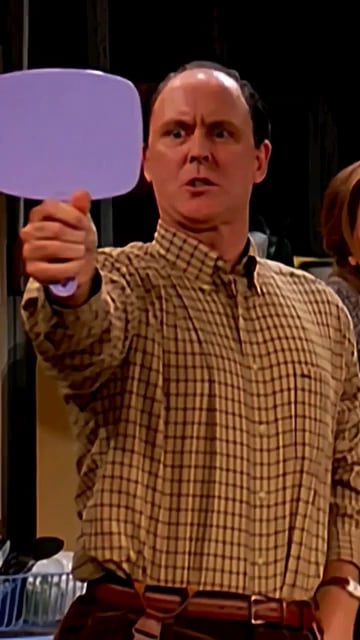
The decades that followed established the central fact of Lithgow as a performer: you could put him in anything. He earned back-to-back Oscar nominations in the early 1980s, first for Garp, then for Terms of Endearment, in roles that could hardly have been more different from each other. He menaced an airplane cabin in Twilight Zone: The Movie. He played villains, fathers, eccentrics, preachers, professors. He could be the warm centre of a film or the unsettling edge of it.
Then came the swerve almost no one saw coming. After two decades as a respected dramatic actor, Lithgow took the lead in 3rd Rock from the Sun, a broad network sitcom about aliens posing as a human family, and turned his Dick Solomon into one of the great comic creations of 1990s television. The physical commitment was total, the timing impeccable, and the Emmys followed: three wins for the role. An actor who had spent years being taken seriously proved he could be ridiculous on purpose, and win awards for that too. It is exactly this refusal to stay in one lane that set up everything to come.
The Villain Renaissance
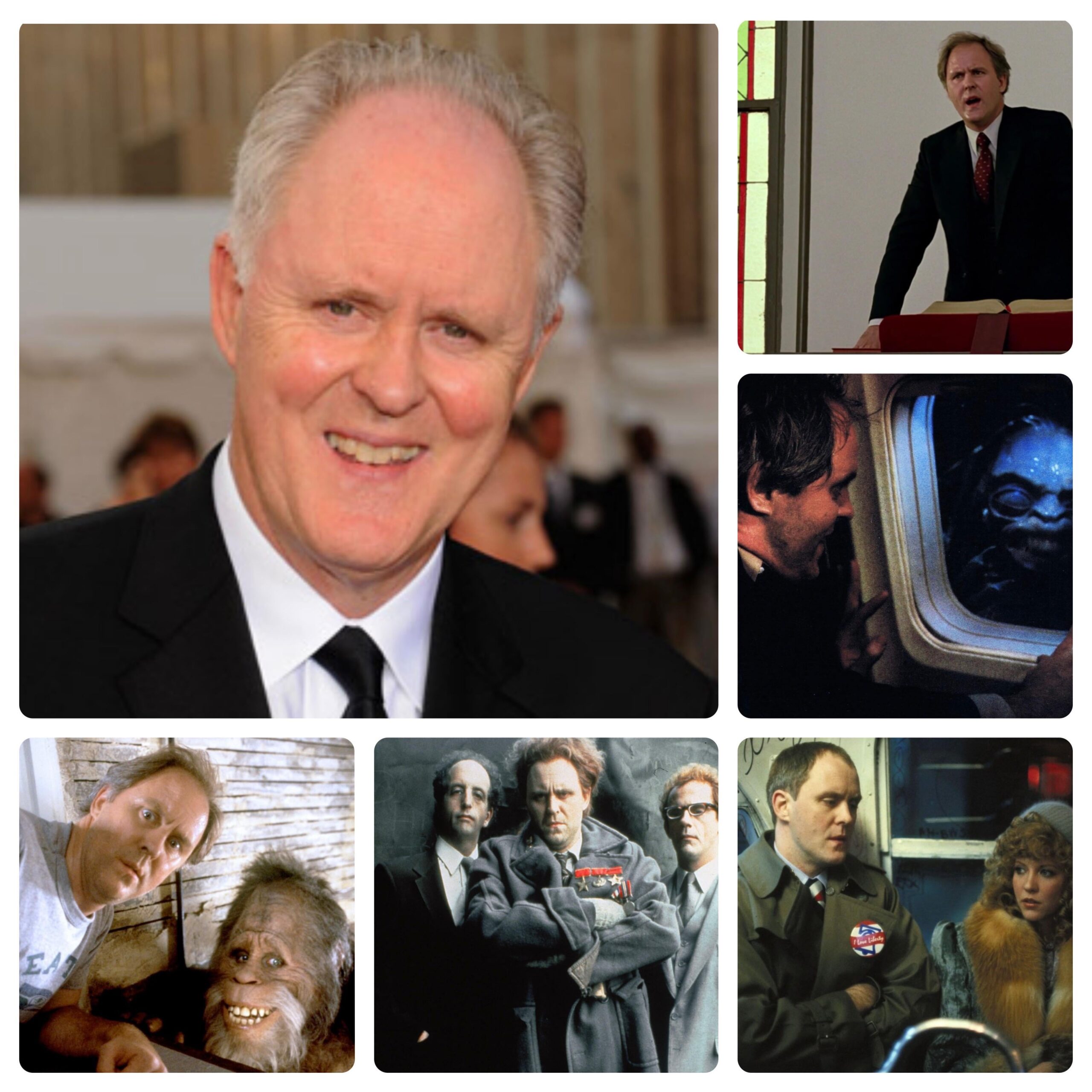
If there is a single hinge in Lithgow’s late career, it is the moment he started saying yes to monsters. In 2009 he joined Dexter as Arthur Mitchell, the Trinity Killer, a suburban family man who is secretly a decades-long serial murderer. The performance was a masterclass in quiet horror, a man so ordinary on the surface that his evil felt genuinely possible, and it remains for many viewers the best season the show ever produced. It won Lithgow an Emmy and a Golden Globe, and it reintroduced him to a younger audience as someone capable of real menace.
From there the prestige villains and power players kept coming. He played Winston Churchill in the first season of Netflix’s The Crown, a towering, vulnerable portrait of a fading lion that won him another Emmy in 2017. He played Roger Ailes in Bombshell, disappearing under prosthetics to embody the Fox News chairman at the centre of a sexual-harassment scandal. The throughline was authority, often corrupted authority, and Lithgow brought to each of them a frightening intelligence and an actor’s refusal to simplify. None of his monsters are cartoons. That is precisely what makes them land.
Conclave and the Awards-Season Return
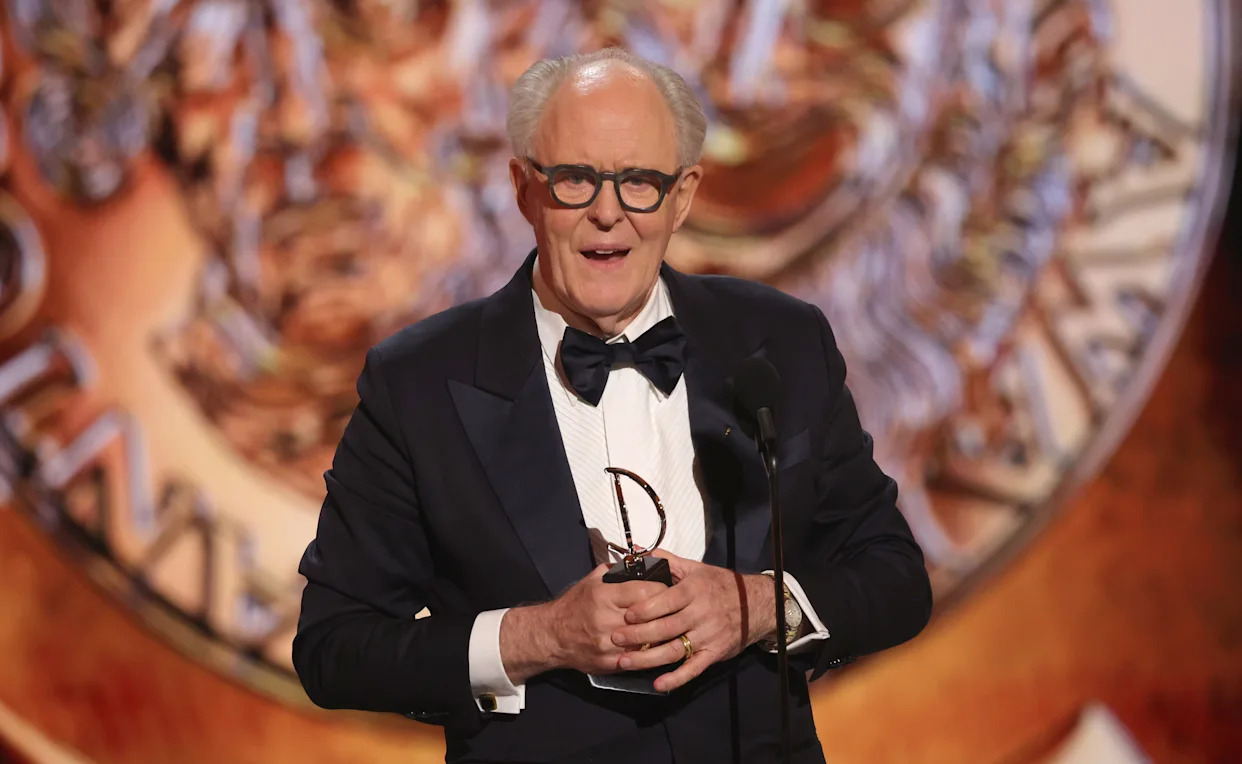
In 2024 he stepped into Conclave, Edward Berger’s tense Vatican thriller about the secretive election of a new pope. Lithgow played Cardinal Joseph Tremblay, a smooth Canadian moderate whose ambition curdles into manipulation as the voting drags on. In a cast stacked with heavyweights, his Tremblay was one of the film’s most quietly dangerous figures, a man whose politeness is a weapon. Conclave became one of the most talked-about films of the awards season, and Lithgow, by then nearly 80, was once again at the centre of the conversation rather than the margins of it.