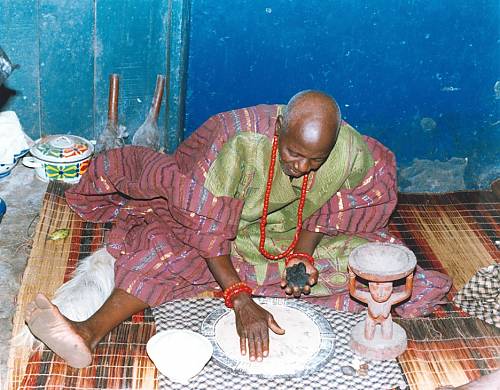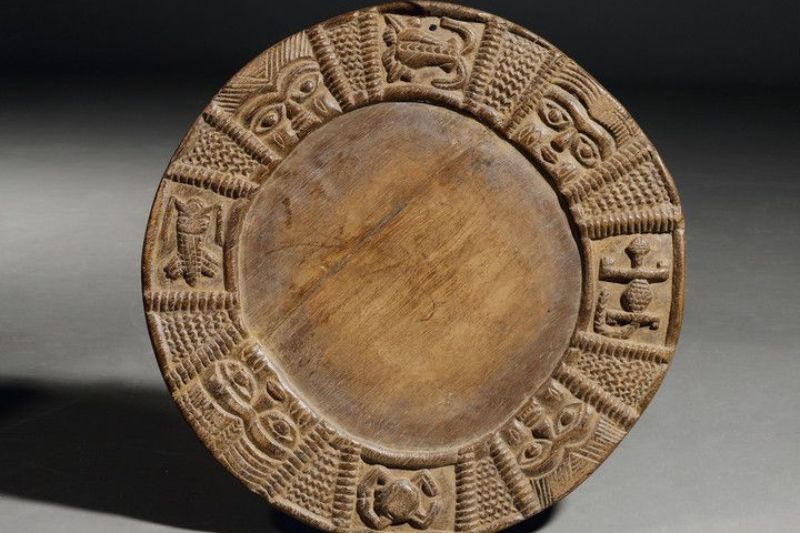
The ifa religion is a rich spiritual tradition that has been practiced for thousands of years by the Yoruba people of West Africa. Today, it continues to influence the lives of many, offering guidance, wisdom, and a deep connection to nature, ancestors, and the divine.
Imagine waking up every day with a sense of purpose and connection to something much larger than yourself. For many people, the Ifa religion offers exactly that. This ancient belief system is not just about rituals and gods; it is about living in harmony with the world and honoring the wisdom of those who came before us.
In this article, we will take a closer look at the Ifa religion-its long history, its important beliefs, and how it continues to shape the lives of modern Yoruba people. We will use simple language so that anyone can understand and enjoy learning about this fascinating tradition.
Brief History of Ifa Religion
The Ifa religion has its roots in the early days of the Yoruba people, who live in parts of Nigeria, Benin, and Togo. This spiritual tradition has been passed down from generation to generation through storytelling, songs, and rituals. Long before modern technology, the Yoruba used these traditions to explain the world around them and to make sense of life’s mysteries.
In the early days, the Ifa religion was a way to understand nature and to seek answers about life and destiny. The ancient Yoruba believed that every part of the world had a spirit, and they used divination, a form of seeking knowledge through symbols and signs, to talk to these spirits. Over time, this practice grew into a complex system of beliefs and rituals that continues to be important today.
Even though the ifa religion has been around for thousands of years, it is not stuck in the past. Many modern practitioners use traditional rituals alongside new ideas, showing that this ancient wisdom still has much to offer in today’s busy world.
The Core Beliefs of Ifa Religion
To understand the ifa religion, it is helpful to look at its three main parts. These parts form the foundation of Yoruba spirituality and guide how people live their lives.
Olodumare: The Supreme Creator
At the very top of the ifa religion is Olodumare, the supreme creator. Olodumare is the source of all life and the one who holds the universe together. People believe that all other gods and spirits receive their power from Olodumare. This idea teaches that there is one ultimate force in the world that creates and maintains order, giving people a sense of unity and purpose.
Orisa/Orisha: The Divine Spirits
Below Olodumare are the Orisa, also called Orisha. These are the divine spirits that take care of different parts of the world. For example, some Orisa look after water, while others are responsible for thunder or love. Each Orisa has its own personality and special powers. By honoring these spirits, followers of the ifa religion seek help, protection, and guidance in their daily lives. For many, the Orisa are like close friends or family members who are always there to lend a hand.
Ancestors: Honoring the Past
Another very important part of the ifa religion is the belief in the power of ancestors. Yoruba people believe that those who have passed away still live on in spirit and can guide and protect their descendants. Honoring ancestors means remembering the wisdom of past generations and keeping their memory alive through rituals and stories. This connection with the past gives people strength and a sense of belonging.
Modern Practices in Ifa Religion
Even though the ifa religion is very old, it is not just a part of history. Many people still practice it today, adapting ancient rituals to fit modern life. Modern practitioners of the ifa religion often combine traditional rituals with contemporary ideas to create a living, breathing spiritual practice.
Daily Life and Rituals
For many Yoruba people, the day starts with prayers and offerings to Olodumare, the Orisa, and the ancestors. These morning rituals help set a positive tone for the day and remind them to be grateful for what they have. People might say a short prayer when they wake up or light a candle as a symbol of hope and guidance. This simple act of starting the day with positive thoughts can have a big impact on a person’s mood and outlook.
In modern cities and towns, you can still find community gatherings where people come together to celebrate the ifa religion. These gatherings often include drumming, dancing, and storytelling. They are a way for people to share their culture and keep the old traditions alive in a world that is constantly changing.

The Role of Divination
One of the most famous practices of the ifa religion is divination. Divination is a way of seeking answers from the divine using symbols, signs, and sometimes special tools like cowrie shells. A priest, often called a Babalawo, leads the divination process. He interprets the messages from the gods and ancestors, providing advice on important matters like health, relationships, and work. This practice has been passed down for generations and remains an important part of Yoruba spirituality.
Today, even young adults who live far from the traditional Yoruba lands are discovering the value of divination. With online resources and digital communities, the wisdom of the ifa religion is reaching a wider audience than ever before.
Embracing New Ideas
While many aspects of the Ifa religion remain unchanged, modern practitioners are not afraid to embrace new ideas. For example, some people are blending traditional rituals with modern meditation techniques or using social media to share inspirational messages.
This blend of old and new makes the Ifa religion a dynamic and evolving tradition. It shows that while the roots are ancient, the branches can reach into the future.
Interesting Facts About Ifa Religion
Here are some simple, interesting facts about the ifa religion that you might not know:
- The ifa religion is one of the oldest systems of divination in the world. Its methods have been used for centuries to help people make important decisions.
- A key tool in the practice of ifa religion is the Opele, a chain-like instrument used in divination to interpret the messages of the gods.
- Many Yoruba people believe that the wisdom of the ifa religion can help bring balance and harmony to their lives.
- The tradition of the Ifa religion has spread beyond West Africa. In countries like Brazil and Cuba, elements of Yoruba spirituality have mixed with local traditions to create unique religions.
- Even though modern life is very different from ancient times, many young people are rediscovering the ifa religion as a way to connect with their roots and find peace in a hectic world.
These facts show that the ifa religion is not only rich in history but also relevant in today’s world.
Embracing Yoruba Culture Through Ifa Religion
The ifa religion is a major part of Yoruba culture. It influences everything from art and music to language and everyday customs. Here’s how embracing the ifa religion can help you connect with Yoruba culture:
Cultural Expression
Yoruba art is full of symbols that come from the ifa religion. You will see these symbols in sculptures, masks, and paintings. They tell stories of the gods, the ancestors, and the natural world. Music and dance, too, are deeply influenced by the ifa religion. Traditional drumming is not only entertaining but also serves a ritual purpose, creating rhythms that are believed to connect people with the divine.