How Nigerian Talent Agencies Work and the Stars They've Built From the Ground Up
Tristan Melo··10 min read
Ad SpaceArticle Top - 728x90
Advertisement
Walk into a recording session at a Lekki studio on any given Tuesday and you will likely meet three people who all claim to “manage” the artist in the booth. One handles bookings. One handles the label paperwork. The third negotiates brand deals over WhatsApp at midnight. None of them have a formal title that means the same thing it means in Los Angeles or London. That confusion is not a bug. It is the actual structure of the Nigerian talent business, and it explains why a teenager from Ajegunle can go from singing covers on Instagram to headlining the O2 Arena inside a few years while another equally talented artist signs a contract and disappears for five years.
The Nigerian talent agency does not look like CAA or WME. Those American giants split their business into clean lanes: agents book the work, managers shape the career, and lawyers paper the deals. Lagos collapses all three into a single hustling operator, often the founder of a record label, who signs the artist, releases the music, takes the booking calls, and sometimes also owns the publishing. The result is a generation of stars who were built by men and women whose business cards say “CEO” because no other title captures what they actually do.
Mavin Records and the Don Jazzy Model
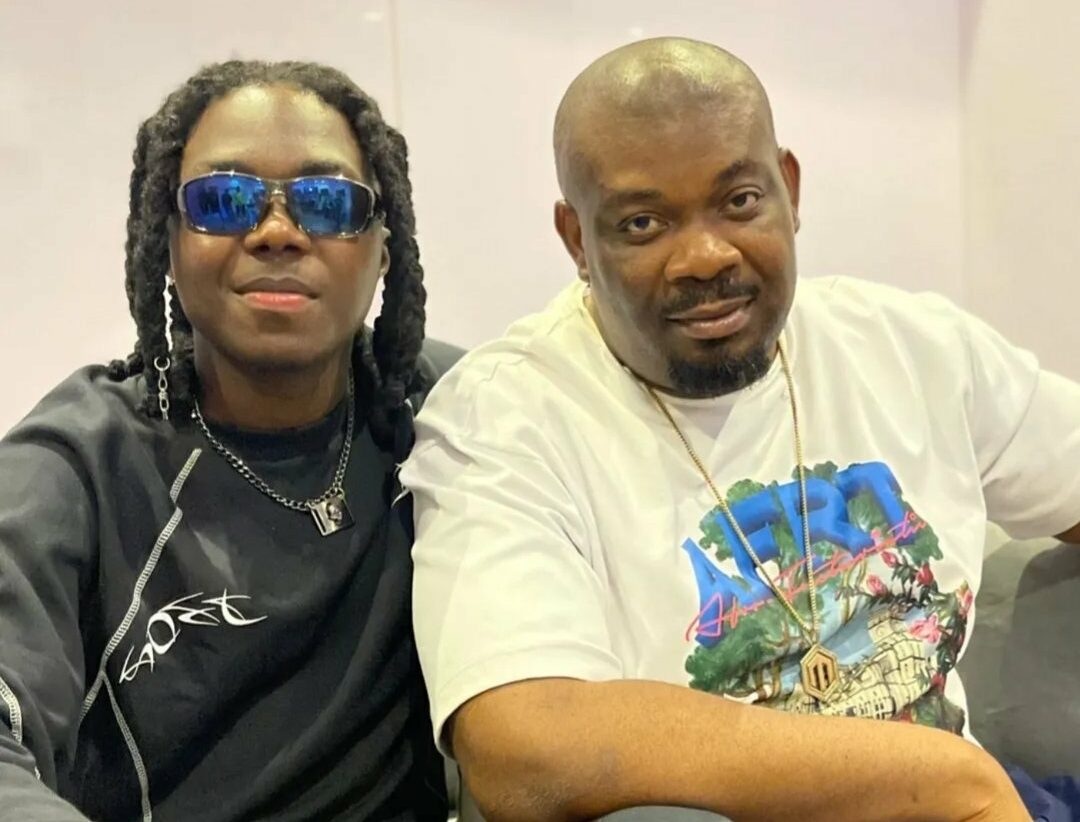
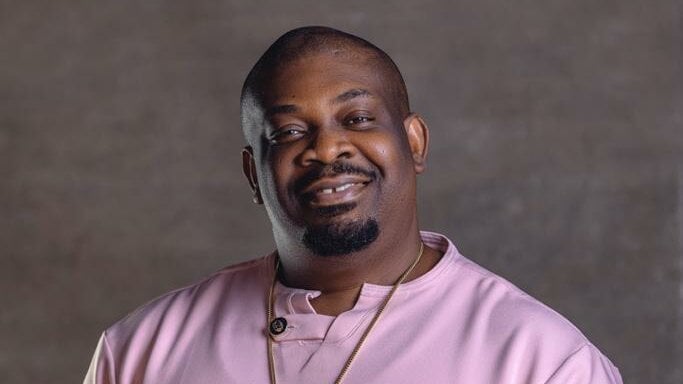
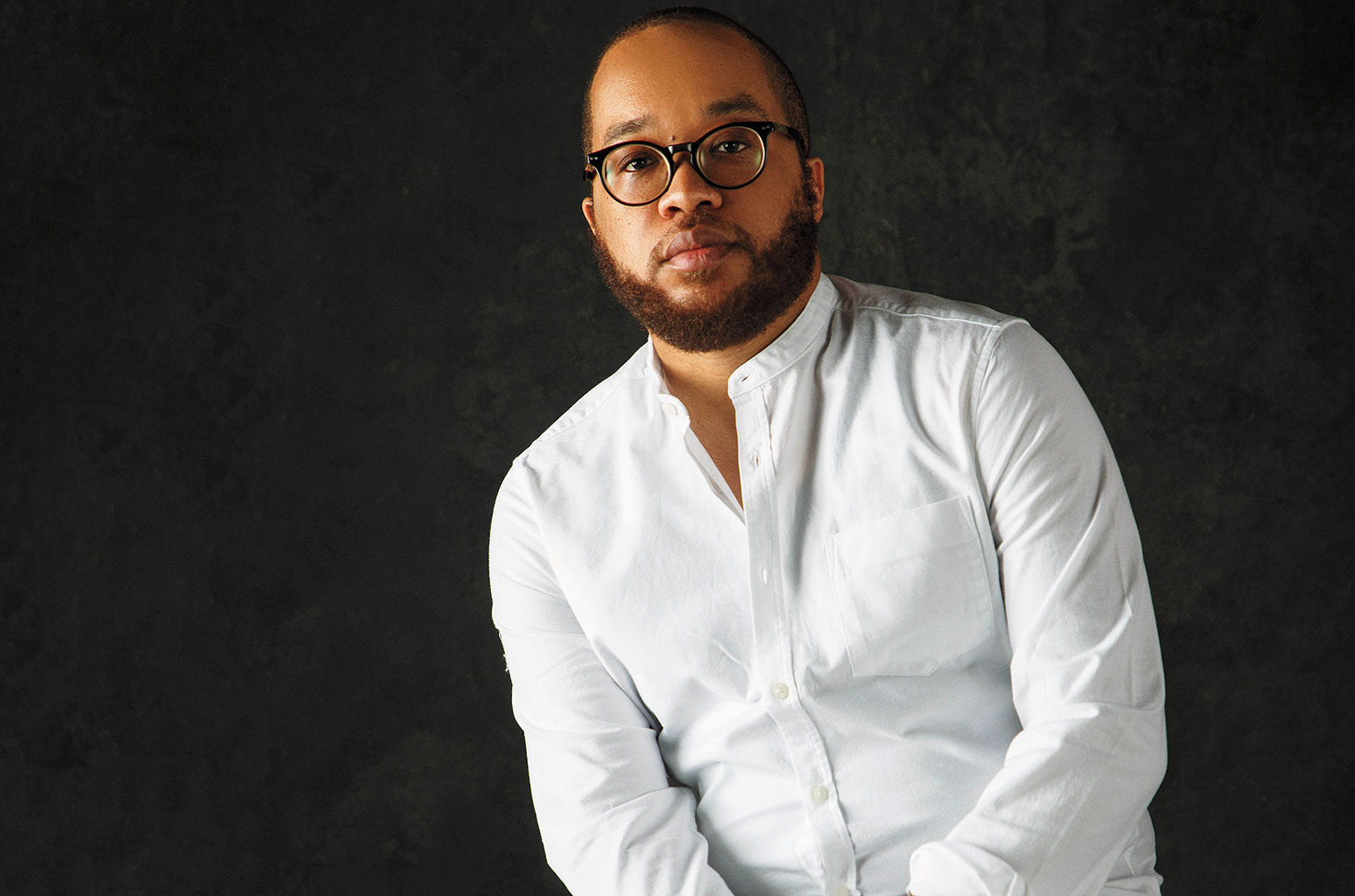
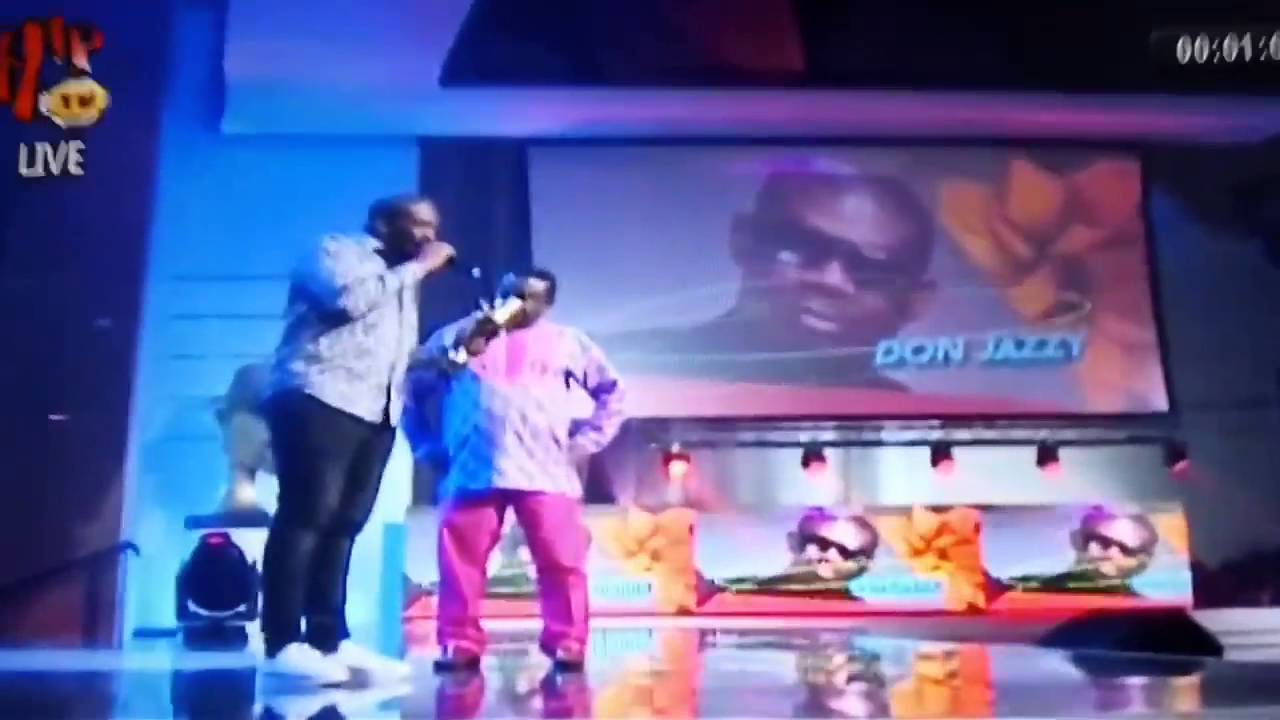
The closest thing Nigeria has to a homegrown William Morris is Mavin Records, the imprint Michael Collins Ajereh built after the breakup of Mo’Hits Records in 2012. Don Jazzy did not just start a label. He built an artist factory with a development pipeline, a producer bench, and a brand partnerships team that operates more like a Korean K-pop agency than a traditional Nigerian label. Tiwa Savage was part of the founding roster alongside Wande Coal, Dr SID, and D’Prince, and her ascent to global recognition validated the model. After her came Korede Bello, D’Prince (already a Mo’Hits veteran), Reekado Banks, Di’Ja, Crayon, Rema, Ladipoe, Ayra Starr, Bayanni, Magixx, and Boy Spyce.
The Mavin development model is unusual for Nigeria because it treats signing as the beginning rather than the end. A new signee spends months in vocal training, songwriting camps, image consultations, and choreography rehearsals before the public hears a single note. Rema was put through a development period before “Dumebi” landed in 2019, and the length of that runway has never been publicly documented. That kind of patience requires capital, which is why Universal Music Group acquiring a majority stake in Mavin Global in 2024 read less as a financial windfall and more as a vindication of the methodology. Don Jazzy built something an American major was willing to pay for.
YBNL Nation and the Olamide Pipeline
Where Mavin runs on systems, YBNL Nation runs on instinct. Olamide Adedeji started the imprint in 2012 and turned it into the most reliable star-spotting machine in Yoruba-language rap and Afropop. He signed Lil Kesh out of the Lagos street-rap scene. He signed Fireboy DML in 2018, before the wider industry had registered the voice. Adekunle Gold came through YBNL before going independent. Then came the move that rewrote the rules: Olamide signed a relatively unknown Asake in 2022 and put him straight onto the single “Omo Ope,” and inside about a year Asake was selling out the O2 Arena.
YBNL operates closer to an artist-development company than a traditional 360 deal label. Olamide takes equity, provides production resources, lends his audience, and then steps back to let the artist drive. The deals are not the iron-clad multi-album commitments common at Mavin. They are more like incubator agreements with clear exit ramps, which is why so many YBNL alumni leave on good terms and continue to collaborate. Adekunle Gold still hops on YBNL records. Fireboy still credits Olamide in interviews. The brand outlasts the contract.
Chocolate City and the Cautionary Tale
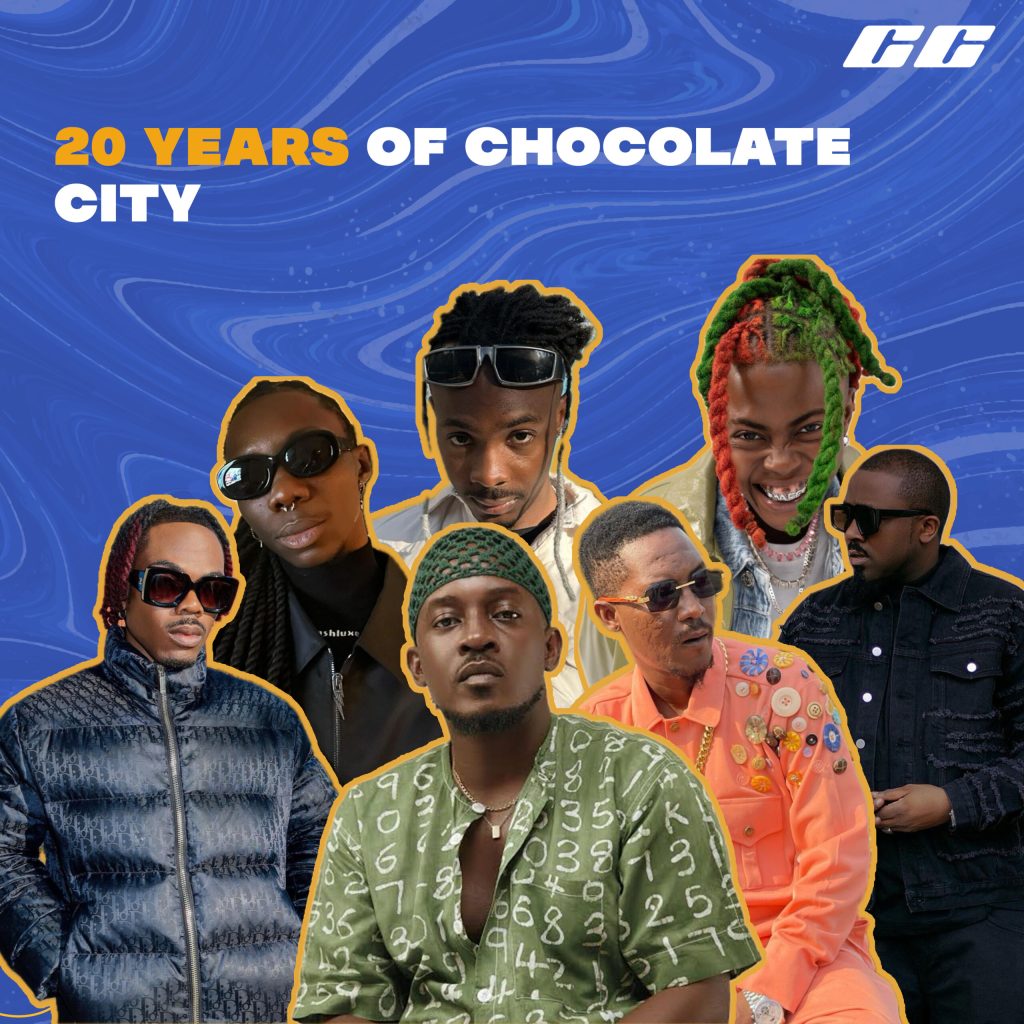
Chocolate City Music, founded in 2005 by Audu Maikori with Paul Okeugo and Yahaya Maikori, was the prestige label of the late 2000s. M.I Abaga, Ice Prince, Brymo, Jesse Jagz, Pryse, and Victoria Kimani all moved through its roster. The label modernized contracts in a market where most artists were still signing on cocktail napkins, and it brought corporate sponsorship money into rap at a scale that had not existed before. Then the cracks showed. Brymo’s public exit in 2013, with accusations and counter-accusations flying through Lagos newspapers, became the case study every Nigerian artist lawyer now references when negotiating exit clauses. Jesse Jagz left, came back, left again. By the time Chocolate City signed a worldwide distribution partnership with Warner Music Group in 2019, it had become a story about what happens when artists outgrow the structure that signed them.
The Chocolate City experience taught the industry two things. First, sophisticated contracts mean nothing without sophisticated relationships. Second, a label that cannot evolve from a roster of three superstars to a roster of fifteen mid-tier earners will eventually run out of runway. M.I Abaga ran the label as CEO for a stretch, an experiment in artist-led management that produced mixed results and a lot of internal lessons that other Nigerian labels quietly absorbed.
Starboy Entertainment and the Founder-Artist Hybrid
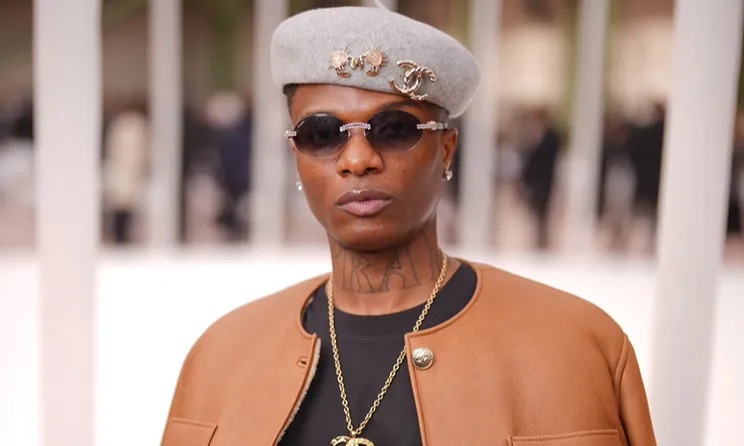
Wizkid launched Starboy Entertainment in 2013 and completed his exit from Empire Mates Entertainment the following year, but EME is where his story actually starts. Banky W signed Ayodeji Balogun to EME in 2009, when the artist was 19, and shepherded the release of “Holla at Your Boy.” The Banky W mentorship is one of the cleanest examples of Nigerian talent development working as designed. By the time Wizkid built his own imprint, he had absorbed enough of the playbook to launch L.A.X, then later Terri and others, while keeping his own career under his direct control.
Starboy is technically a label but functionally a brand vehicle. The signings have been selective rather than aggressive, and the imprint exists more to extend Wizkid’s universe than to compete with Mavin or YBNL for raw artist count. This founder-artist hybrid model has become the default for any A-list Nigerian musician who wants leverage in negotiations with majors. Davido did it with DMW. Burna Boy did it with Spaceship Entertainment. Tiwa Savage has run her own company since leaving Mavin. The logic is straightforward: own the upside on the next generation rather than handing it back to whichever multinational currently distributes your music.
DMW and the Family Office Approach
Davido Music Worldwide launched in 2016 and quickly became the loudest roster in Lagos. Mayorkun, Peruzzi, Dremo, B-Red, and Lil Frosh all came through DMW. The label has the energy of a family business, in part because several signees actually are family or near-family to Davido. Peruzzi served as the in-house hitmaker for years before going independent. Mayorkun was picked up after Davido spotted a cover he had posted on social media, and became one of the most consistent hitmakers of the late 2010s. Lil Frosh’s tenure ended in 2020 when DMW terminated his contract following publicly reported assault allegations, which he denied, a moment that forced the label to address conduct in a way Nigerian labels rarely had to before.
Ad SpaceIn-Article - 300x250
Advertisement
DMW operates less like a structured talent agency and more like a family office with a music division. Deals are warmer, less papered, more dependent on personal relationships. That works beautifully when relationships hold and creates messy public splits when they do not. The Peruzzi exit was handled cleanly. Others have been less smooth. The lesson the wider industry has drawn from DMW is that founder-driven labels with thin contractual layers can move fast in good times and rupture loudly in bad ones.
Aristokrat Records and the Mid-Tier Workhorses
Aristokrat Records handled some of Burna Boy’s earliest releases, including the 2012 single “Like to Party,” before he moved on and built his own operation. Aristokrat sits in the tier of Nigerian labels that almost made it to the top table, and it demonstrated that an imprint without a celebrity founder could compete for signings against the Don Jazzy and Olamide gravitational pulls, at least for a window of time. The pattern it ran into is the one that recurs across this market: an artist outgrows the structure, the structure does not evolve fast enough, and the parting is professional but final. The mid-tier imprints matter precisely because that churn is where most Nigerian careers actually happen, well below the handful of rosters that get written about.
emPawa Africa and the Accelerator Model
Mr Eazi launched emPawa Africa in 2018 as something genuinely new. Rather than signing artists to long-term deals, emPawa selected 100 emerging African artists, gave each a $3,000 grant to shoot a music video, and provided distribution and mentorship without taking ownership of masters. Joeboy emerged from the first emPawa class and became one of the breakout Afropop voices of the early 2020s. J.Derobie out of Ghana similarly used emPawa as a launchpad. The accelerator model treats Mr Eazi less as a label owner and more as a venture capitalist investing in talent the way a Y Combinator partner invests in startups. emPawa takes smaller equity stakes, retains optionality, and lets artists go independent when they are ready. The model has been studied across the continent and echoed by smaller imprints in Nairobi and Accra. Whether it can produce a generational superstar at the Wizkid or Burna Boy tier remains the open question.
Spaceship and the Mother-Manager Phenomenon
Bose Ogulu manages Burna Boy. She is also his mother. Spaceship Collective, the umbrella company she founded and runs behind Burna Boy’s Spaceship imprint, has been credited with the strategic patience that took Damini Ogulu from a buzz act with “Like to Party” in 2012 to a Grammy-nominated album with “African Giant” and then to stadium headline shows. The Bose Ogulu approach is the antithesis of the Lagos hustle. She negotiates slowly, and she refuses bookings that feel beneath the brand. The clearest public glimpse of that posture came in 2019, when Burna Boy objected to the size of his name on the Coachella lineup poster and his mother issued a statement afterwards, an episode that became industry folklore.
The mother-manager phenomenon is not unique to Burna Boy. Several Nigerian artists rely on family members for management, partly because the trust deficit in the wider industry makes blood relations the safest bet for handling money. The downside is the lack of professional management infrastructure to lean on when the artist scales beyond what family can handle. Spaceship has built that infrastructure progressively, adding lawyers, agents, and brand partnership specialists as Burna Boy’s career has demanded.
The Director, the Influencer Agency, and the Other Lanes
TG Omori does not sing. He directs music videos, and he has become one of the most powerful figures in the Nigerian visual economy because his management team treated him like an artist from the start. The “Boy Director” brand is widely reported to command fees that rival mid-tier artists, though no rate card has ever been published, and his agency-style representation has set a precedent for other technical creatives, from producers to choreographers to stylists.
Parallel to the music agency world sits the influencer agency tier, a cluster of Lagos shops that have built rosters of social media talents and sell them to brands as a package. These agencies tend to operate closer to the American model, with clearer commission structures, written contracts, and dedicated brand partnership teams. Commission rates are not published, but agents who work both sides describe the influencer market charging at least as much as the music side, with full-service representation priced at the top of the range. The structural point is that representation has become a business in its own right rather than something an artist’s cousin does on the side.
The Indie Artist and the Self-Manager
The most interesting development of the last five years has been the rise of the artist who refuses to sign. Asake self-managed for years before YBNL. Omah Lay built early momentum independently before his KeyQaad deal with Sire Records. Tems controls her own masters through Leading Vibe Limited. The Nigerian indie wave has been enabled by direct-to-fan distribution platforms, by social media discovery loops that no longer require label radio promotion budgets, and by the cautionary tales of every artist who signed a 360 deal and never recovered the publishing.
The 360 deal, which takes a percentage of touring, merchandise, brand deals, and music in addition to the recordings, is increasingly seen as a relic. Newer variants carve touring revenue back out of the arrangement. The label-services deal, where the artist owns masters and pays the label for distribution and marketing, has become the preferred structure for any artist with leverage. The mid-tier artist without leverage still signs the old deals, which is where the “no formal contract” problem lives. Verbal agreements and handshake splits still dominate the lower rungs of the Nigerian talent economy, and every year produces a fresh batch of lawsuits that could have been avoided with a single paragraph of paperwork.
What the Stars Were Actually Built On
The agencies and labels covered above share a common feature that gets buried in the contract talk. Every one of them was built by an operator who saw talent before it was obvious. D’Prince heard Rema on a social media freestyle and brought him into Mavin. Olamide heard Asake before the wider industry did. Banky W signed Wizkid when nobody outside Lagos was paying attention. Mr Eazi found Joeboy through an online submission. The Nigerian talent infrastructure is sophisticated where it needs to be and casual where the casualness creates speed. A demo can travel from an unknown phone in Surulere to a label boss’s WhatsApp inside an afternoon. That speed is the unfair advantage Lagos has over Los Angeles, and it is why the next Burna Boy is almost certainly being heard right now in a one-bedroom apartment somewhere off Allen Avenue, on a producer’s laptop, with a notepad full of half-finished hooks beside the bed.
Ad SpaceIn-Article - 300x250
Advertisement
Share
Get the recap
Loved this story? Get more like it.
Join readers who get our weekly entertainment recap - the stories worth your time, delivered every Friday.
No spam. Unsubscribe anytime. By signing up you agree to our Privacy Policy.