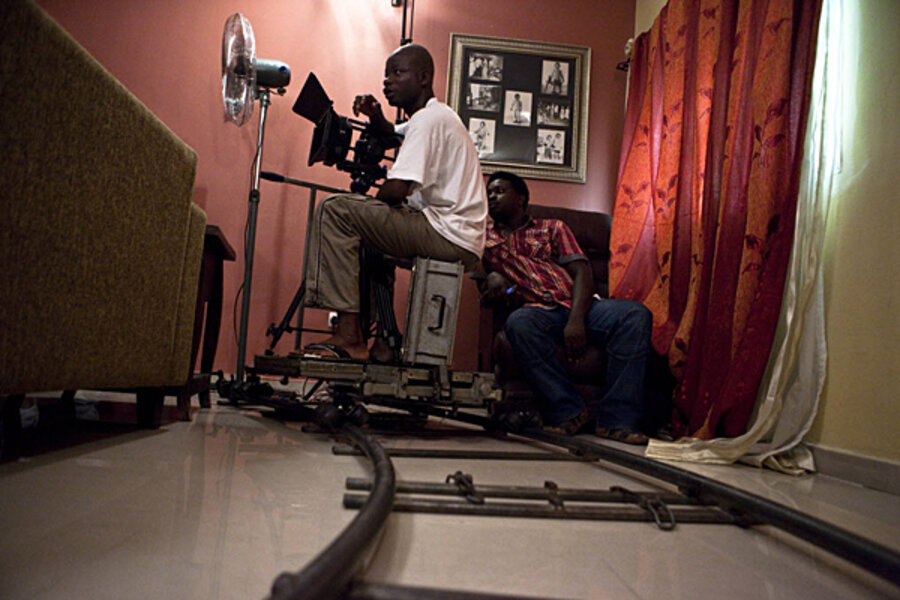


Francis Duru: The Nollywood Legend Who Defined a Generation
Movies

Francis Duru: The Nollywood Legend Who Defined a Generation

Nova PatricksNova Patricks··11 min read
Advertisement

Somewhere in the mid-1990s, a young actor with a sharp jaw and a dangerous stare picked up a script for a film that would become one of the most talked-about titles Nollywood had produced to that point. The character was named Ahanna. The film was Amaka Igwe’s “Rattlesnake,” and the role asked for something the young industry had rarely demanded of its leading men: a criminal who could be charming and terrifying in the same breath, a man the audience would root for even as he descended. Francis Duru took that part and made it feel lived-in. By the time the credits rolled on that 1995 release, he was no longer an up-and-coming face who had drifted through smaller projects. He was a name. Three decades later, that performance still gets passed around on Nigerian social media as a reference point for what golden-era Nollywood acting looked like before the industry knew it was building something permanent.

That a single role from 1995 can still anchor a man’s reputation tells you how rare the early breakthroughs were, and how few of the actors who shaped Nollywood’s first decade are still standing, still working, and still respected. Francis Duru is one of them. In June 2026, his name surged back into headlines, and the reason behind that surge says as much about the chaos of the modern attention economy as it does about the man himself.

From Cameroon to the University of Port Harcourt
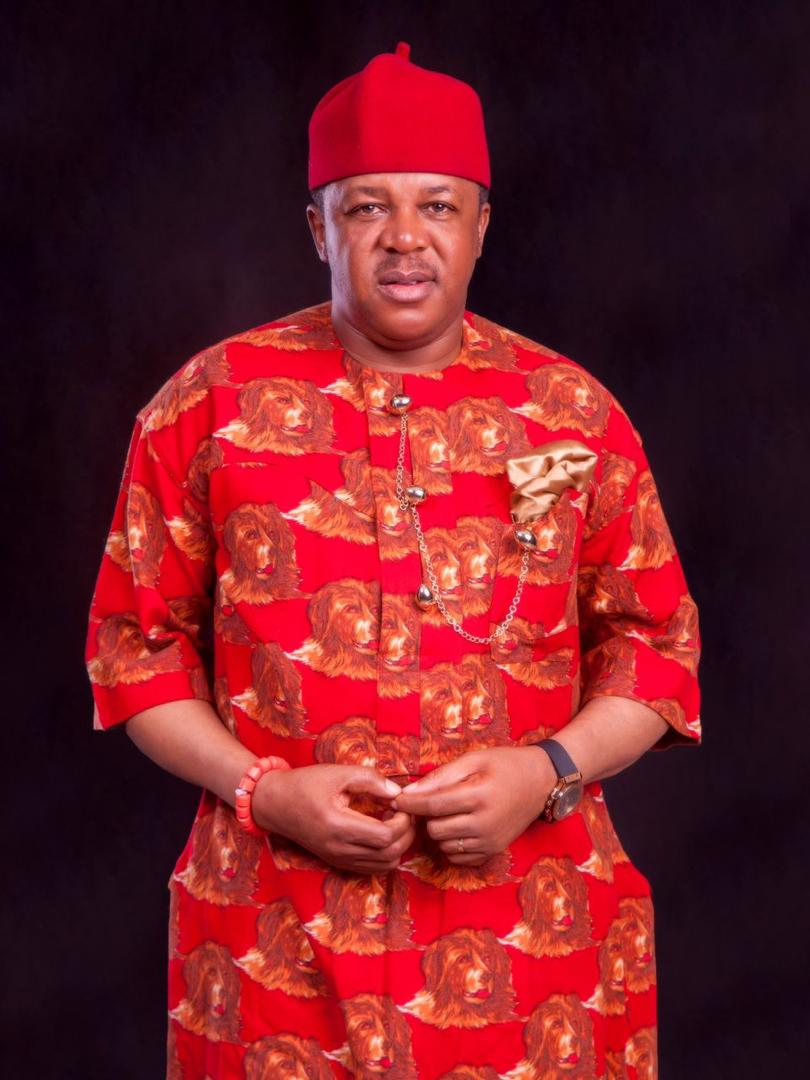
Francis Duru - From Cameroon to the University of Port Harcourt

Francis Ogide Duru was born on 27 July 1969 in Cameroon, to Nigerian parents whose roots lie in Imo State, in the southeastern heartland of Igbo Nigeria. He spent his early years across the border, receiving both his primary and secondary education in Cameroon before crossing into Nigeria to chase a university degree. That detail matters more than it might seem. Many of the actors who built Nollywood came to the screen through theatre training, and Duru’s path ran straight through one of the country’s most respected drama programmes.

He applied to the University of Port Harcourt in Rivers State and was accepted to study Theatre Arts. In 1996 he walked away with a B.A. in the discipline, a formal grounding in stagecraft, voice, and character work that separated him from the wave of natural talents who learned on set. Port Harcourt also gave him something else that would last far longer than a degree. It was there that he met Adokiye, the woman he would later marry, who studied at the same institution. The University of Port Harcourt, in other words, gave Francis Duru both his craft and his family, two things that would define the rest of his life.

The Path Into Nollywood
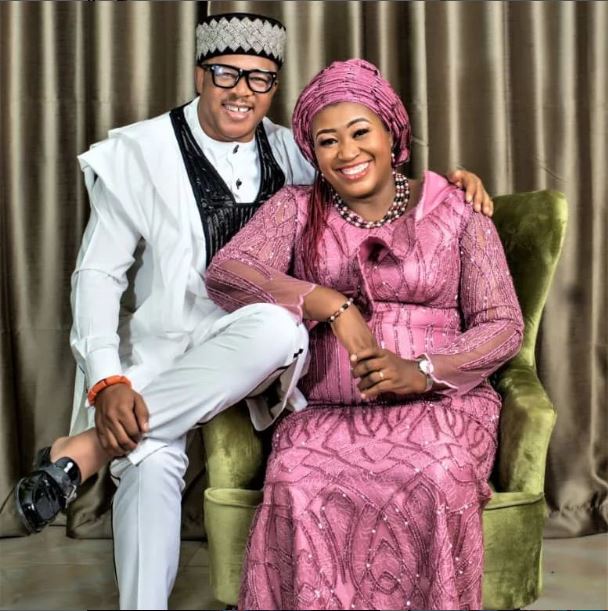
Francis Duru - The Path Into Nollywood

Duru did not arrive fully formed. His first screen credit came in 1989 with a film titled “Missing Mark,” directed by the late Ndubuisi Oko. He was a young man taking a small step into an industry that did not yet have a name, in a country where home-video filmmaking was still finding its feet. That early appearance did little for his profile. He remained, by the honest reckoning of his own career timeline, an up-and-coming actor for several years, taking what work came and learning the rhythms of a business that was inventing itself in real time.

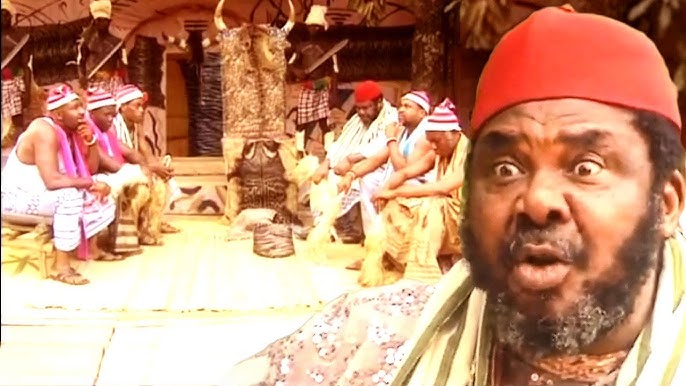
The turn came in 1995. When Amaka Igwe, one of the most important creative forces in early Nollywood, cast him as Ahanna in “Rattlesnake,” she handed him a character that demanded range and gave him a platform that reached households across the country. Often described as one of Nollywood’s earliest serious attempts at the action genre, the film became a cultural touchstone, and Ahanna became the role that announced Francis Duru as a leading man. The character has outlived the film’s release year by decades, cited again and again whenever Nigerians debate the most memorable figures the industry has produced.

The Golden-Era Roles
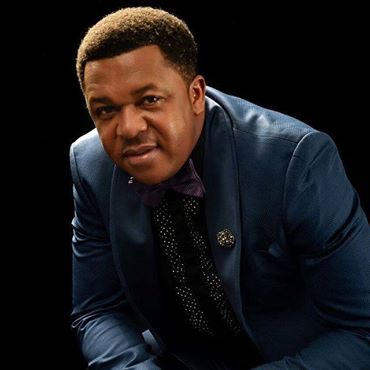
Francis Duru - The Golden-Era Roles

What followed “Rattlesnake” was the kind of relentless output that defined Nollywood’s golden age, a period when actors moved from set to set with barely a pause and the home-video market devoured everything the industry could produce. In 1997 Duru appeared in “Blood Money” as Jude, a film that leaned into the ritual-wealth anxieties that gripped a generation of Nigerian audiences. As the late 1990s rolled into the 2000s, he stacked credits at a pace that reads almost impossibly today, with multiple titles a year and the willingness to anchor everything from melodrama to romance to the grittier morality tales that were the genre’s bread and butter.

The mid-2000s were a particularly dense stretch. He moved through films like “Cold War,” “Clash of Interest,” “Upside Down,” and a string of romance-driven projects under titles such as “Sound of Love” and “Soul Engagement,” often shouldering lead and supporting roles in quick succession. This was the engine room of golden-era Nollywood, an industry running on volume, instinct, and a small core of dependable performers who could make a thin budget feel like real cinema. Francis Duru was exactly that kind of reliable centre. Producers knew that if they handed him a part, he would deliver something an audience would believe.

The Range and the Craft
Francis Duru - The Range and the Craft

The mistake people sometimes make with veteran actors is to freeze them in the role that made them famous. Ahanna was a hardened, magnetic anti-hero, but Duru’s filmography refuses to sit in one register. His theatre training gave him a control over tone that let him slide between menace and warmth, between drama and the broad comic timing that Nigerian audiences love. He has played counsellors and pastors, fathers and fraudsters, headmasters and inspectors, and the throughline across all of it is a steadiness, a sense that the man on screen has thought about who he is playing rather than simply showing up to say the lines.

That adaptability is the reason his career did not stall when the industry changed underneath him. As Nollywood shifted from the home-video model into the cinema-and-streaming era that some call “New Nollywood,” Duru moved with it rather than against it. He turned up in the 2018 comedy “Merry Men: The Real Yoruba Demons” as Inspector Jack, sharing the screen with a younger, glossier generation of stars. He took the role of Pere in the 2023 film “Blood Vessel,” a Netflix-era project that placed him squarely inside the modern, internationally distributed Nigerian cinema that grew out of the very industry he helped build. An actor who debuted in 1989 and was still landing roles in streaming-era productions more than thirty years later is not coasting on nostalgia. He is working.

His craft has been recognised formally as well. At the 2020 Best of Nollywood Awards, he won Best Actor in a Lead Role in the Igbo-language category for his performance in “Mboputa,” a reminder that his strongest work has never been confined to a single language or a single era of the industry. Earlier, in 2010, he had been nominated for Best Actor in a Supporting Role at the Africa Movie Academy Awards, one of the continent’s most prestigious film honours.

The Elder Statesman Years
Francis Duru - The Elder Statesman Years

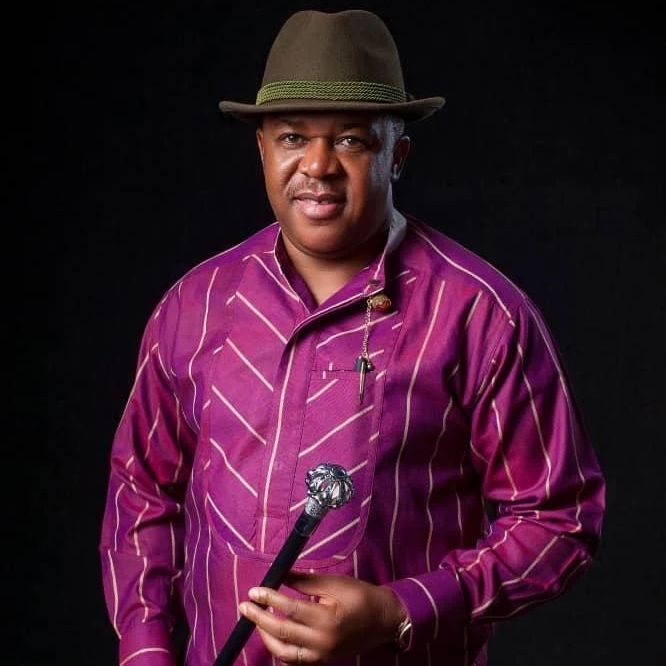
There comes a point in a long career when an actor stops being measured by his next role and starts being measured by his standing. Francis Duru reached that point years ago. Among the old guard of Nollywood, the cohort that turned a scrappy home-video trade into a globally recognised film industry, he is treated as a respected elder, one of the figures younger actors point to when they talk about the foundations they are building on.
Advertisement

He has not been shy about that role, either. In interviews over the years he has spoken pointedly about the difference between the actors of his generation and some of the talent that followed, arguing that too many newcomers chase fame faster than they build the craft that sustains a real career. Coming from a man who spent years as an up-and-coming actor before his breakthrough, and who earned a theatre-arts degree before the cameras ever found him, the critique carries weight. It is the voice of someone who paid for his skills the long way.

That seniority was formalised in 2010, when Duru was appointed interim president of the Actors Guild of Nigeria, the body that represents the country’s screen performers. Leading the AGN, even on an interim basis, placed him at the centre of the industry’s politics and its welfare questions, the messy and unglamorous work of trying to organise a profession that had grown faster than its institutions. It was a different kind of role from anything a script could offer, and it cemented his position as a figure the industry trusted with more than just performances.

Behind the Screen

Francis Duru - Behind the Screen

Duru’s life has never been confined to the soundstage. He has spent significant energy on advocacy and humanitarian work, partnering with local and international organisations on causes tied to children’s education and welfare. His collaborations have included work connected to UNICEF and USAID, alongside African development initiatives. In 2007 that off-screen commitment was honoured when he received a United Nations Ambassador of Peace award, recognised specifically for his positive influence on young people. It is a side of his career that rarely trends, but it speaks to the kind of public figure he has chosen to be, one who treats his fame as a platform rather than a trophy.

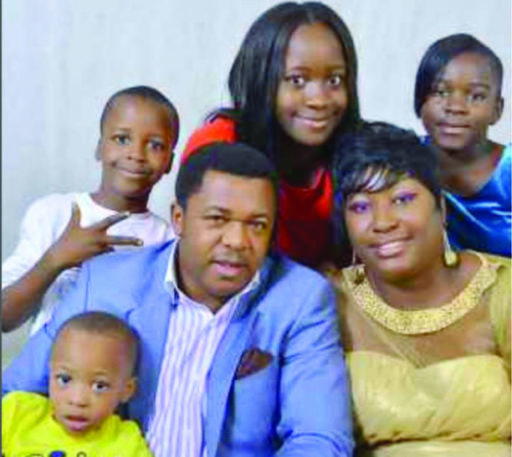
His personal life, by Nollywood standards, has been notably steady. He married Adokiye, his University of Port Harcourt sweetheart, in 2003, and the couple have four children. That stability has not spared him from grief. In recent years, Duru endured the devastating loss of his teenage son, a tragedy that drew an outpouring of support from across the Nigerian entertainment community and that he has spoken about as a turning point in how he sees life. It is the kind of private sorrow that no career achievement softens, and it has shaped the more reflective public figure he has become.

What Is Driving the Attention Now

The reason Francis Duru’s name spiked in June 2026 has nothing to do with a new film, an award, or a comeback. It has to do with a lie. A video began circulating on social media earlier that month, presenting the actor in a frail, alarming state and pushing the claim that he was critically ill, possibly battling a terminal condition. The clip spread quickly, and the panic it generated was real. Fans, friends, and colleagues reacted with concern, and some who watched it began publicly praying for him, convinced they were witnessing the decline of a beloved veteran.

Duru shut it down himself. In a video posted to his Instagram page on 19 June 2026, the 56-year-old actor addressed the rumours directly and forcefully. He thanked supporters for their prayers but made clear that the footage did not reflect his actual health. “I have never been that sick and will never be that sick,” he said, dismissing the viral clip as a fabrication. He reserved his sharpest words for the people behind it, describing them as “merchants of darkness” whose aim was to harvest social-media traffic from a false health scare rather than to report anything true. Nigerian outlets including Leadership, Per Second News, and Talk Talk Nigeria carried his denial, and fact-checking platforms had already flagged a separate piece of misinformation about him earlier in the year, a false claim that he had joined the Nigerian Army, which TheCable and Dubawa both debunked.

The episode is, in its own grim way, a measure of his stature. Hoax merchants do not fabricate illness videos about forgotten actors. They target figures whose names still move people, whose well-being a large audience genuinely cares about. That the rumour travelled so fast, and that his rebuttal made headlines across the Nigerian press, confirms what the old films already told us. Decades after Ahanna, Francis Duru remains someone the country watches.

His Place in Nollywood History

To understand where Duru sits in the story of Nigerian cinema, you have to remember what the industry looked like when he started. There was no Netflix deal waiting at the end of a strong performance, no festival circuit, no global press writing thinkpieces about Nollywood as the second-largest film industry on earth. There were VHS tapes, tight budgets, and a small group of actors willing to bet their careers on a medium nobody yet took seriously. The artists of that first wave were not just performing. They were proving that Nigerian stories, told by Nigerian faces, could command a mass audience. Francis Duru was in that founding cohort, and his breakthrough in one of the era’s defining films makes him part of the bedrock the modern industry stands on.

His significance is not only historical. By continuing to work into the streaming era, appearing in cinema releases and Netflix-distributed projects, he forms a living bridge between the home-video pioneers and the polished, internationally ambitious Nollywood of today. Younger Nigerian actors who book global roles are walking through doors that performers like Duru helped pry open, in films most of the world never saw but that built the audience and the appetite everything since has fed on.

What Endures

Strip away the viral noise of June 2026 and what remains is a career that has lasted more than thirty-five years on the strength of craft, consistency, and a refusal to be defined by any single chapter. Francis Duru is a theatre-trained actor who became a golden-era icon, an industry elder who once led its guild, a humanitarian honoured by the United Nations, and a husband and father who has carried both joy and devastating loss in full public view. He is also, demonstrably, very much alive and very much working, whatever the hoax merchants would have people believe.

The roles will keep coming, because directors still want what he offers, that grounded credibility that makes an audience forget it is watching a performance. The respect will stay, because it was earned over decades rather than handed over in a season. And somewhere, someone will press play on “Rattlesnake” again, watch a young Ahanna prowl across the screen, and understand exactly why this man’s name still carries the weight of a generation that built Nollywood from nothing.

Advertisement
Share
Get the recap

Loved this story? Get more like it.

Join readers who get our weekly entertainment recap - the stories worth your time, delivered every Friday.

No spam. Unsubscribe anytime. By signing up you agree to our Privacy Policy.

Francis Duru: The Nollywood Lege... | Sidomex Entertainment