
Folarin Balogun: The Nigerian-Born Star Leading America's Soccer Revolution
Entertainment

Folarin Balogun: The Nigerian-Born Star Leading America's Soccer Revolution

Miki AndersonMiki Anderson··9 min read
Advertisement

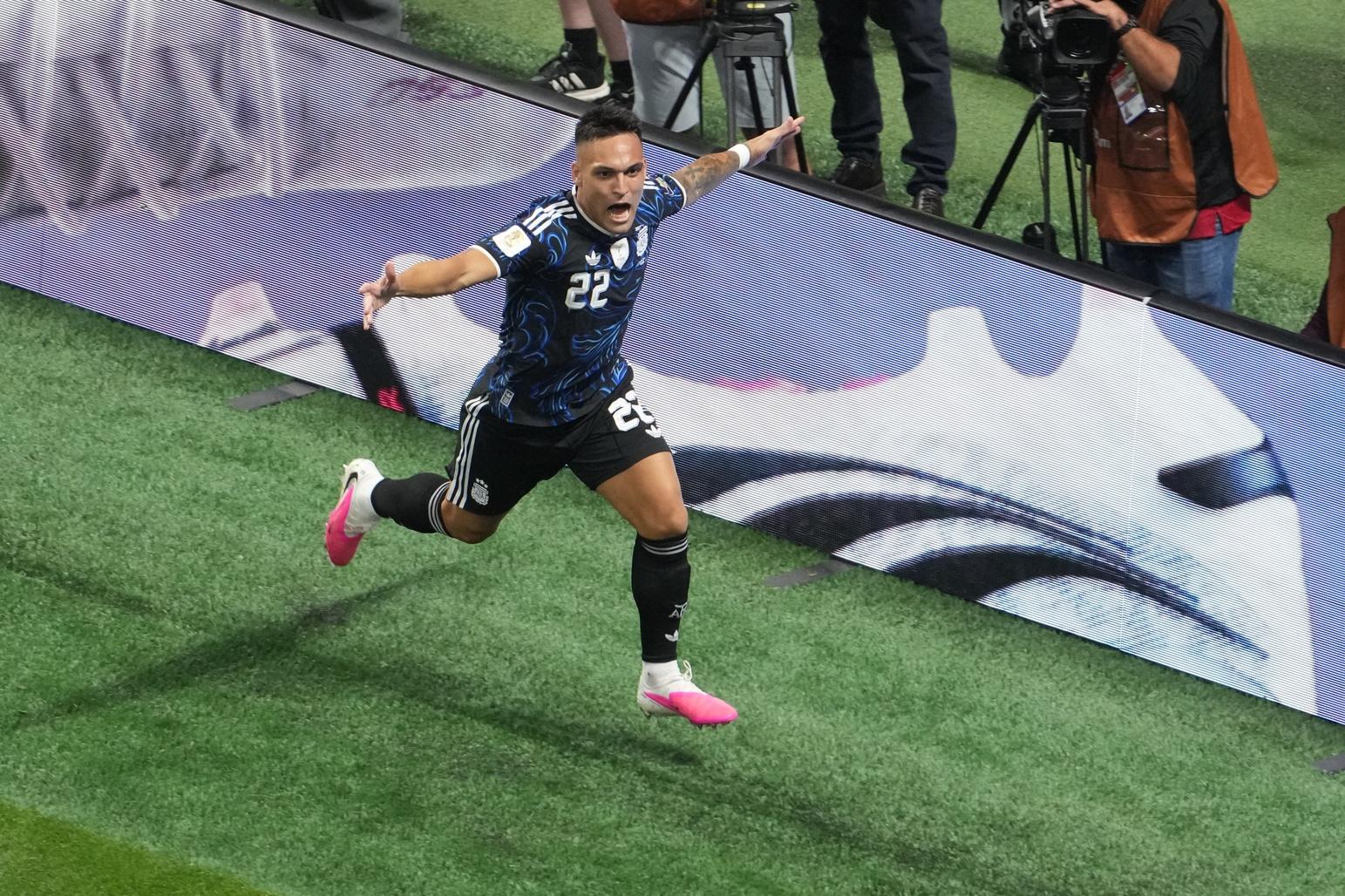
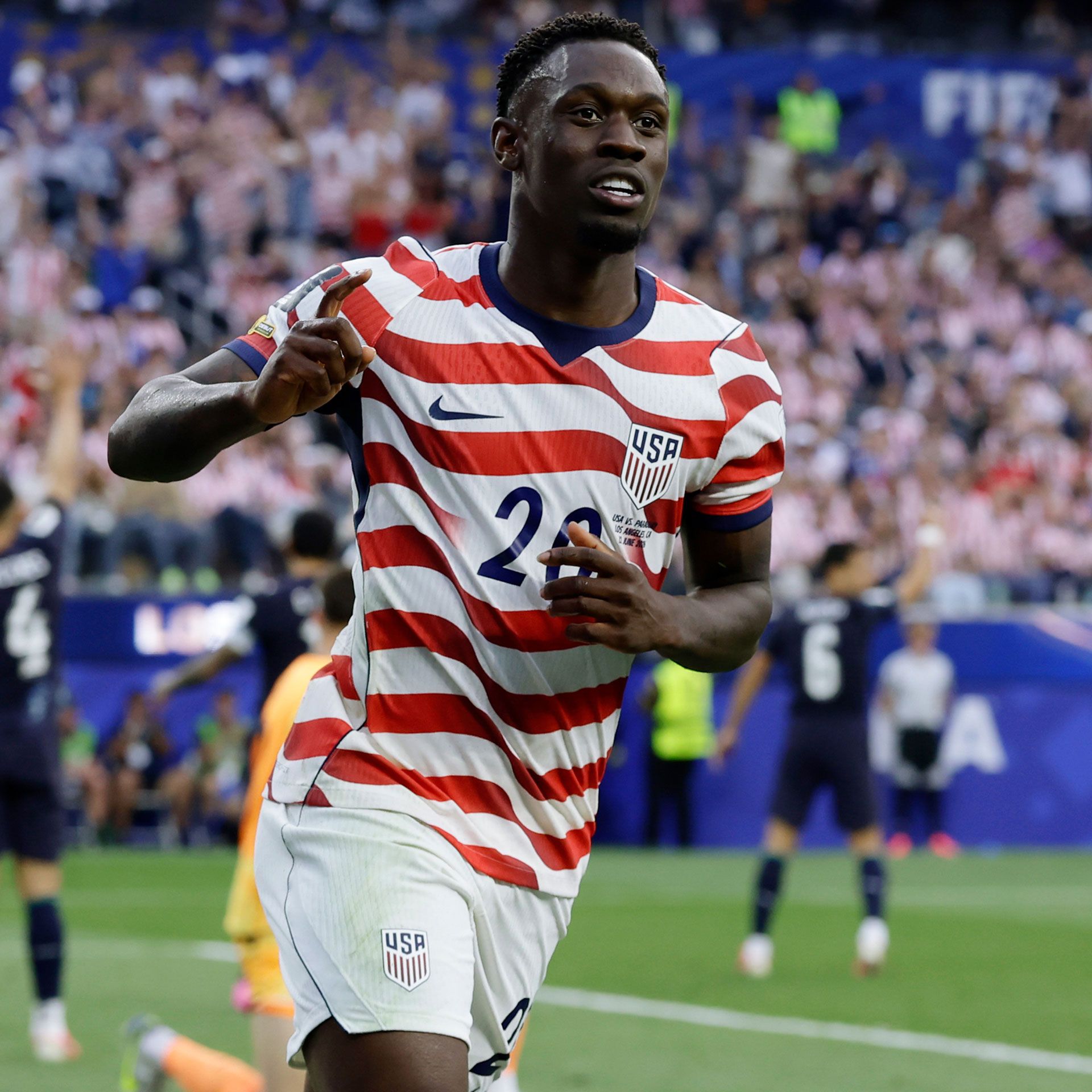
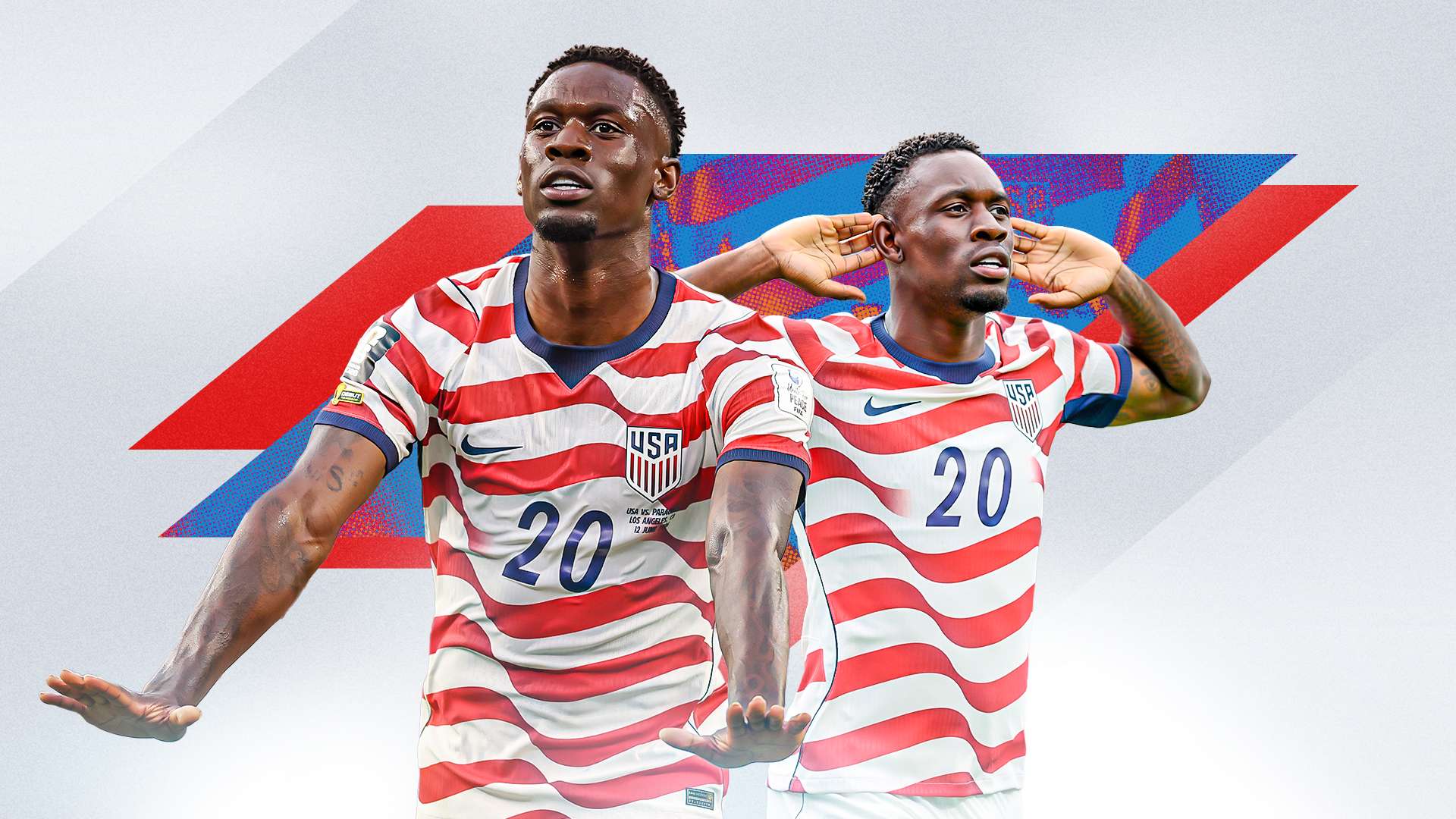
Thirty minutes into the United States’ opening match of the 2026 World Cup, a stadium in Inglewood, California rose as one. The striker peeled away from a Paraguayan defender, met the ball at the edge of the box, and finished low and clean. Then, moments before halftime, a slid pass from Malik Tillman freed him again, and this time he curled it into the top-left corner. Two goals on the biggest stage soccer offers, in front of 70,492 people at SoFi Stadium, scored by a forward who carries three countries inside a single surname. The crowd chanted for an American hero who was born in Brooklyn by something close to an accident, raised in London by Nigerian parents, and shaped into a footballer in the youth halls of a Premier League giant. The story of Folarin Balogun is the story of how identity, in modern soccer, is never as simple as the flag on the shirt.

That June night in 2026 is why his name surged across search engines and social feeds. Balogun became the first United States player to score multiple goals in a single World Cup match since 1930, the very first tournament. The 4-1 demolition of Paraguay announced a striker who had been quietly assembling the pieces for years, and it placed the Nigerian-heritage forward at the center of America’s most ambitious soccer moment in a generation. To understand why that moment landed the way it did, you have to go back to the beginning, and the beginning starts with a flight that never took off.

A birth in Brooklyn that nobody planned
Folarin Balogun - A birth in Brooklyn that nobody planned

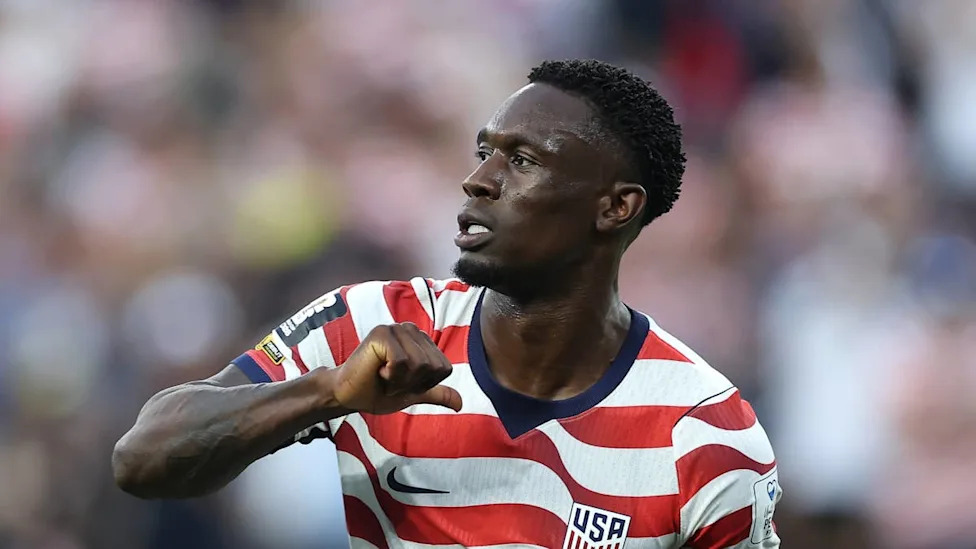
Folarin Jerry Balogun was born on 3 July 2001, in Brooklyn, New York. His parents, Ben and Florence Balogun, were not Americans building a life in the city. They were Londoners on holiday. As the story has been told and retold, Florence was roughly seven months pregnant when the family tried to fly home, and airline staff refused to let her board after recognizing how far along she was. Grounded in New York, the family stayed, and Folarin arrived on American soil. An American passport followed, almost as a footnote to a travel mishap.

The family returned to London soon after, and that is where Balogun was raised. His parents both came from the Yoruba-speaking communities of western Nigeria, and that heritage threaded through the household the way it does for so many Nigerian families abroad: in language, in food, in the names that carry meaning. Folarin, a Yoruba name, would later become one of the most discussed in American soccer. But for the boy growing up in London, none of the geopolitics of eligibility mattered yet. There was only the game, and there was a lot of the game.

The Arsenal academy years
Folarin Balogun - The Arsenal academy years

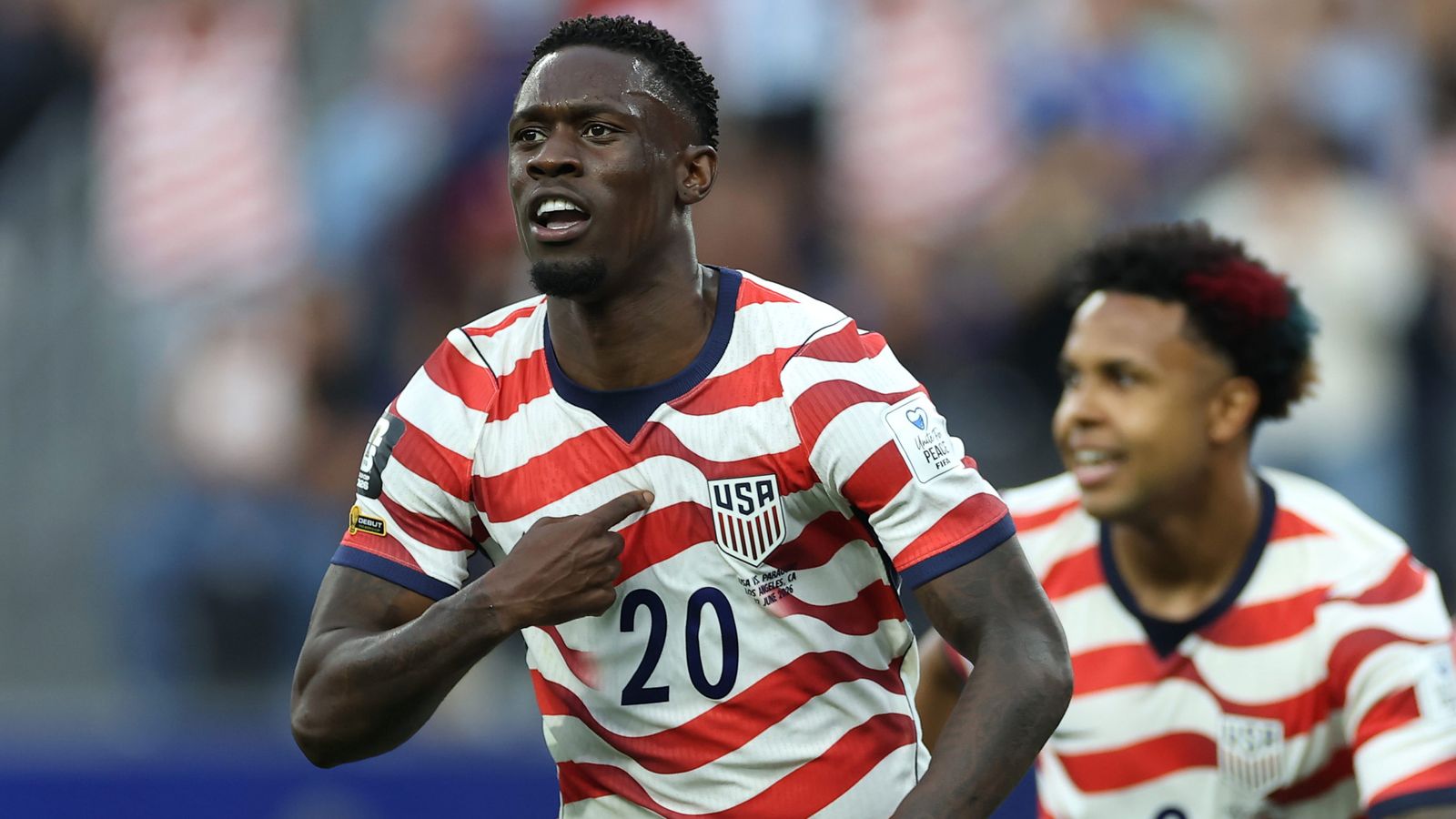
Balogun signed with Arsenal’s academy at the age of eight. For more than a decade, the North London club was his footballing home, the place where a quick, instinctive finisher was sharpened year by year through the youth ranks. He moved up through the age groups with the kind of scoring reputation that gets coaches whispering, and in 2019 he signed his first professional contract with the club.

The hard truth of Arsenal, though, is that it is a crowded house at the top. Balogun got minutes in cup competitions and flashes in the Premier League, enough to show the finishing was real, but not enough to anchor a career. A young striker can spend years at a big club waiting for a door that never opens. The smart ones find a way to force the issue somewhere else. For Balogun, that somewhere else was France.

The Reims explosion
Folarin Balogun - The Reims explosion

In the summer of 2022, Arsenal sent Balogun on a season-long loan to Stade de Reims in France’s Ligue 1. It was meant to be a developmental year. It turned into a breakout that rewrote his trajectory entirely.

Balogun did not ease into Ligue 1. He attacked it. Goals came in bunches, and the numbers climbed until they became impossible to ignore. He finished the 2022-23 campaign with 21 league goals across 37 appearances, a tally that placed him among the division’s most prolific scorers and announced him as one of the brightest young finishers in Europe. Along the way he became the youngest player to reach 16 goals in a debut Ligue 1 season since the early 1960s, the kind of statistical marker that signals something genuine rather than a hot streak. A loan that was supposed to be a quiet apprenticeship had instead made him a wanted man.

The Monaco move
Folarin Balogun - The Monaco move

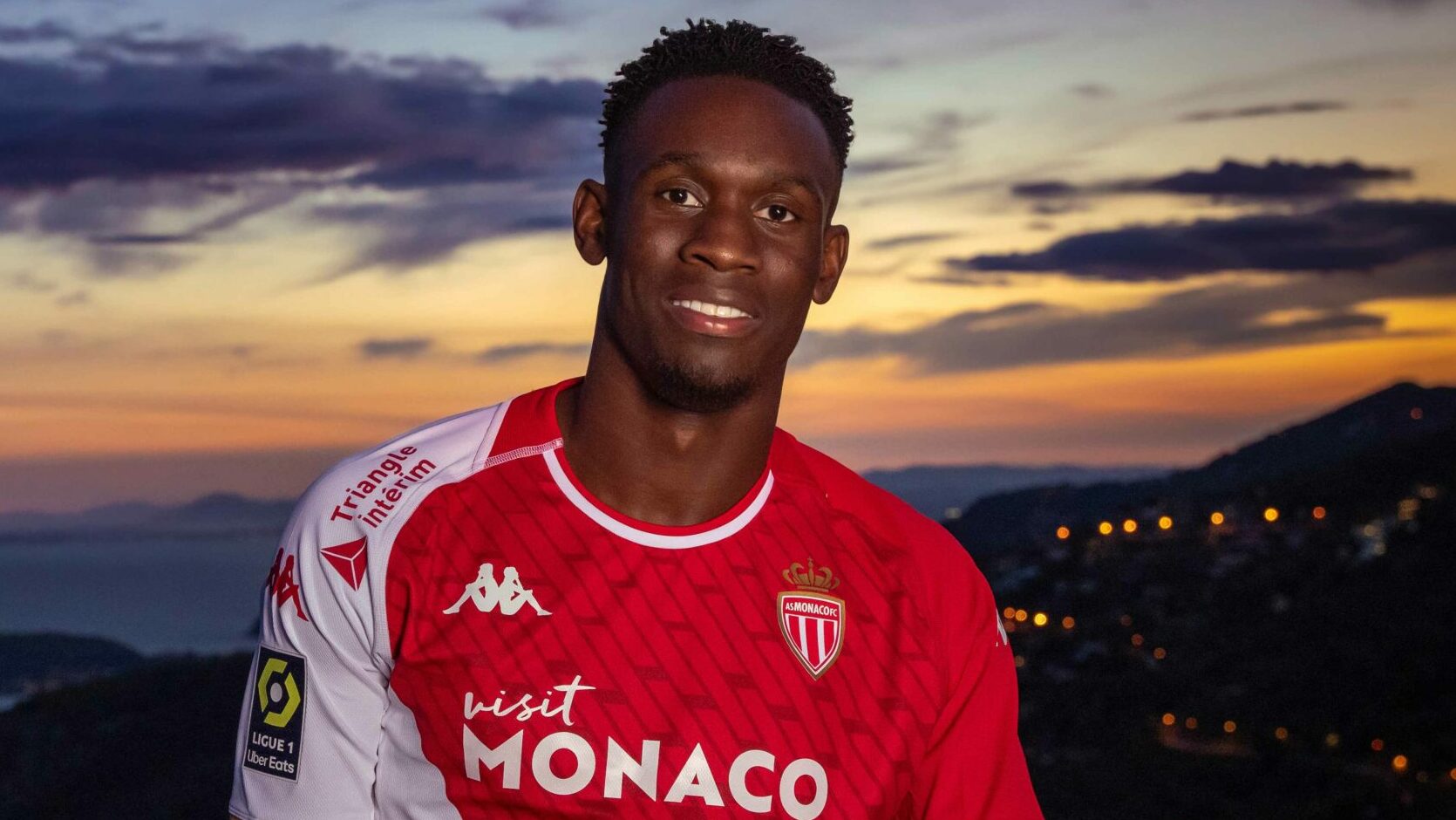
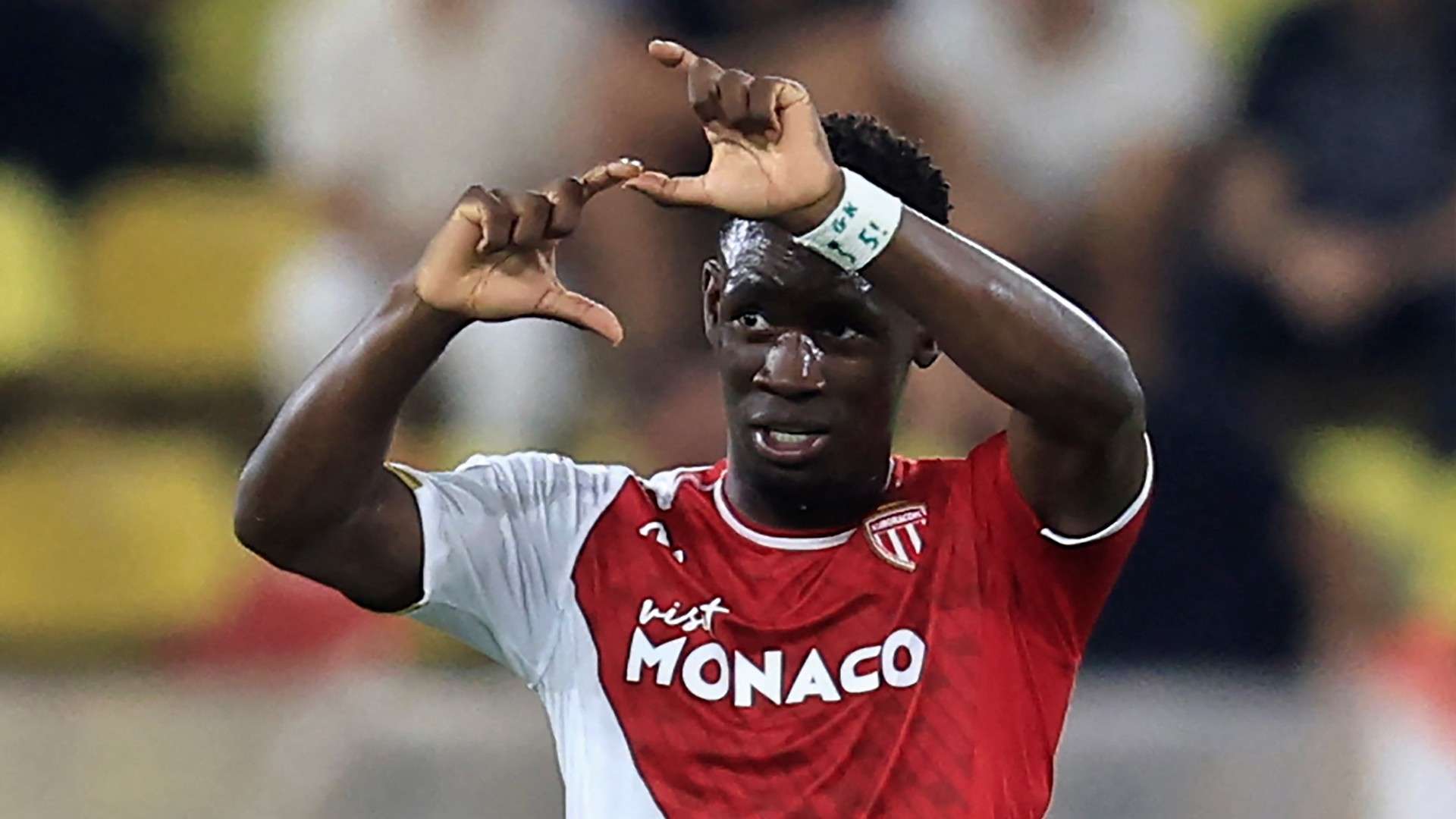
That kind of season changes the conversation. By August 2023, Balogun had left Arsenal permanently and signed for AS Monaco, the Ligue 1 club where he remains as of 2026. The reported fee placed the transfer among the more significant moves of that window, a sum that reflected both his Reims output and his obvious ceiling. The decision to stay in France rather than chase a return to the Premier League was telling. Balogun chose regular football and a defined role over the prestige of a bigger badge and a smaller part. It was a striker betting on himself, and on minutes.

At Monaco he settled into the rhythm of a featured center forward, the player a team is built to feed rather than the one fighting for scraps. The move gave him Champions League nights, a platform in one of Europe’s top five leagues, and the steady diet of competitive games that a young forward needs to grow. By the time the 2026 World Cup arrived, he was arriving at it as an established Ligue 1 striker, not a prospect.

The three-nation decision
Folarin Balogun - The three-nation decision

Here is where the surname does its heaviest lifting. By blood and by birthplace, Balogun was eligible for three national teams. The United States, through the accident of his Brooklyn birth. England, through his upbringing and his years in the youth system there. Nigeria, through his Yoruba parents and the heritage that filled his childhood home.

All three wanted him, and for a stretch it was one of the more closely watched tug-of-war stories in international soccer. Balogun had represented England at youth level in official competition, which meant switching nations required a formal process. He applied to FIFA for a one-time change of association, and on 16 May 2023, that switch was approved. He committed his international future to the United States.


Advertisement

It would be easy to frame that choice as cold calculation, and his critics in England and Nigeria did exactly that. The fairer reading is more human. Balogun has spoken about feeling the genuine pull of American support, including a moment during time spent in Orlando when the warmth of US fans landed on him fully. He held an American passport. He had even appeared for the United States at under-18 level earlier in his youth career, so the connection was not invented for convenience. Faced with three legitimate homes, he picked the one that wanted him most visibly and offered him a clear path to lead a line at a World Cup on home soil. He made his senior USMNT debut against Mexico in the CONCACAF Nations League in June 2023, weeks after the switch was confirmed.

Choices like this rarely please everyone, and they are not supposed to. A player with three flags inside him was always going to disappoint two fan bases no matter what he decided. What matters is that the decision was his to make, made through the proper channels, and made with a clear sense of where he felt the strongest pull.

What he means for the USMNT and a home World Cup

Folarin Balogun - What he means for the USMNT and a home World Cup

The timing of Balogun’s emergence could hardly be better for American soccer. The United States co-hosted the 2026 World Cup alongside Canada and Mexico, the first time the men’s tournament had been staged across three nations and the first time it had come to American soil since 1994. A host nation needs a focal point up front, a player who can turn promising buildup into goals, and for years the USMNT had talent in midfield and on the wings while searching for a reliable finisher to complete the picture.

Balogun answered that question in the most emphatic way possible. Drawn into Group D alongside Paraguay, Australia and Turkey, the United States opened in Los Angeles and ran out 4-1 winners, with Balogun’s brace the centerpiece of the night and Christian Pulisic pulling Paraguay’s defense apart around him. For a team carrying the weight of host-nation expectation, a striker delivering on the opening night is exactly the kind of statement that settles nerves and lifts a tournament. The road ahead ran on through Australia and Turkey in the group stage, but the opener gave the United States something it had badly wanted: a number nine playing like one.

There is a larger meaning too. American soccer has spent decades trying to convert raw enthusiasm into elite results, and a home World Cup is the kind of generational accelerant that can pull a sport into the mainstream for good. A young, charismatic striker scoring goals on the sport’s grandest stage is the sort of figure who turns casual viewers into fans and gives a new wave of American kids a forward to imitate. Balogun, by chance an American and by choice an American, has become a face of that push.

The Nigerian heritage and the Super Eagles’ what-if

For Nigerian fans, the celebration in Los Angeles came with a private ache. Balogun is, by parentage, a son of Nigeria. In another version of this story, that finishing instinct belongs to the Super Eagles, leading the line for a nation that has produced a long lineage of gifted forwards and always hungers for the next great striker. The “what if” is real, and it stings precisely because the talent is real.

It also fits a pattern that Nigerian football knows well. The Nigerian diaspora has long supplied talent to other national teams, with players of Nigerian descent featuring for England, France and beyond. Each one represents both a source of pride and a quiet loss, evidence of how much ability the Nigerian bloodline produces and how often the structures of where a player is born and raised pull that ability elsewhere. Balogun is now among the most prominent examples, a striker whose Yoruba name is sung by American crowds.

None of that erases the heritage. Balogun’s story is, at its root, a Nigerian story, the tale of a Yoruba family in London whose son became a star. That he wears red, white and blue does not change where his parents came from or the culture that raised him. For Nigerian audiences, the pride and the regret can coexist, and they do.

The player and the profile

What kind of forward is he, underneath the citizenship debate? The book on Balogun is consistent. He is a sharp, mobile finisher who thrives on movement inside the box, the kind of striker who lives on the shoulder of the last defender and punishes a half-second of hesitation. The Reims season proved he could carry a goal tally over a full campaign, not just flash in moments, and the Monaco years gave that finishing a sturdier all-round game to sit on top of.

The two-goal World Cup opener was the natural extension of all of it. The first goal showed the predator instinct, the second the technical quality, a curled finish into the far corner that only confident strikers attempt at that moment. For a 24-year-old leading a host nation’s attack, it was a coming-of-age performance delivered exactly on schedule.

Balogun arrived at this point by an unlikely route. A flight he never caught put him in Brooklyn. A childhood in London under Nigerian parents shaped who he is. An Arsenal academy and a French breakout made him a footballer worth fighting over. A decision in May 2023 set his international course. And a June night in Los Angeles in 2026 turned all of it into something the wider world could finally see. Three countries have a claim on Folarin Balogun. On the night America most needed him, he answered for one of them, and gave the other two a reason to keep wondering what might have been.

Advertisement
Share
Get the recap

Loved this story? Get more like it.

Join readers who get our weekly entertainment recap - the stories worth your time, delivered every Friday.

No spam. Unsubscribe anytime. By signing up you agree to our Privacy Policy.

Folarin Balogun: The Nigerian-Bo... | Sidomex Entertainment