
Table of Contents
- An Unlikely Connection in Milan
- The Beautiful Game Meets Beautiful Music
- Rising Above the Noise
- Home Soil, Big Dreams
- Building Bridges Through Art and Sport
An Unlikely Connection in Milan

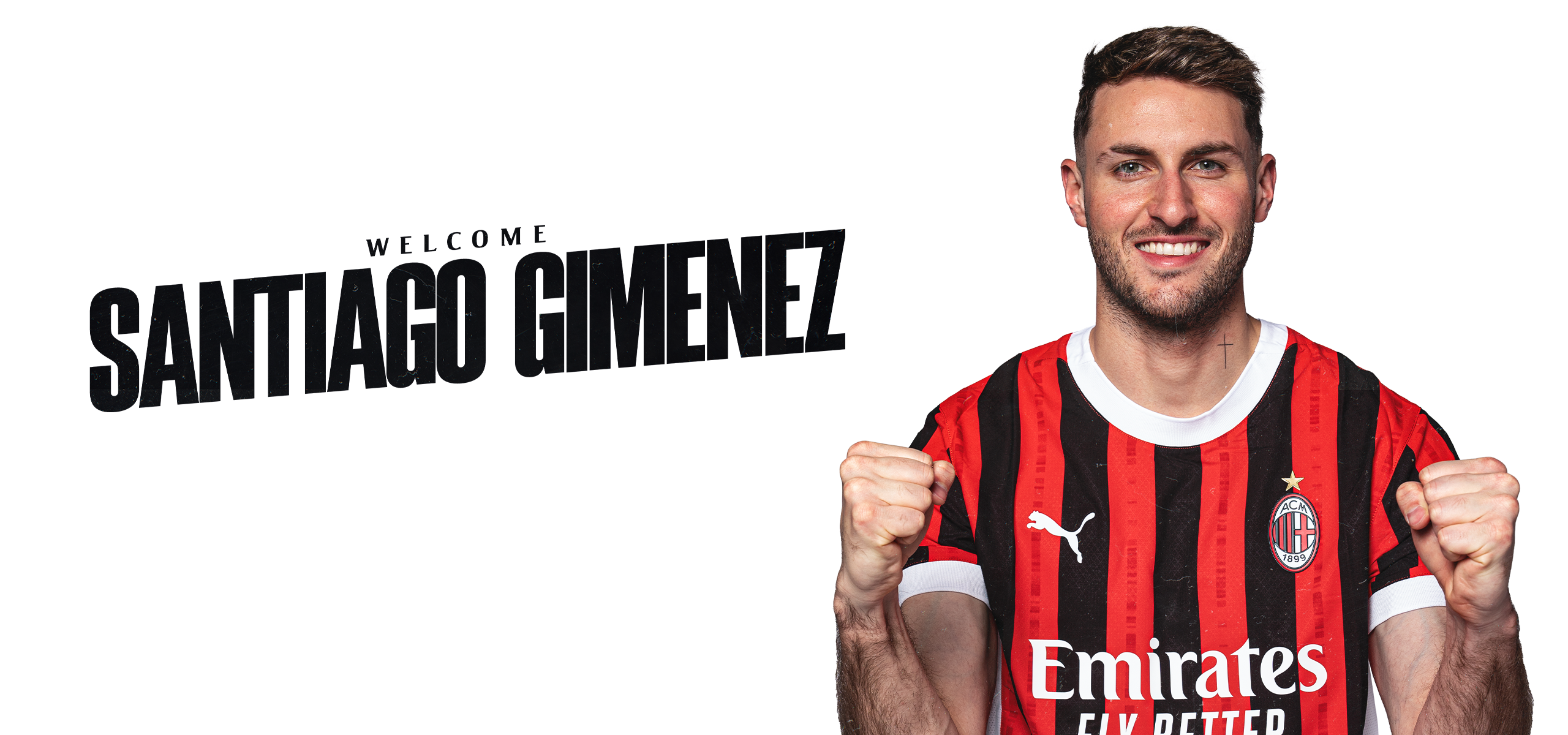
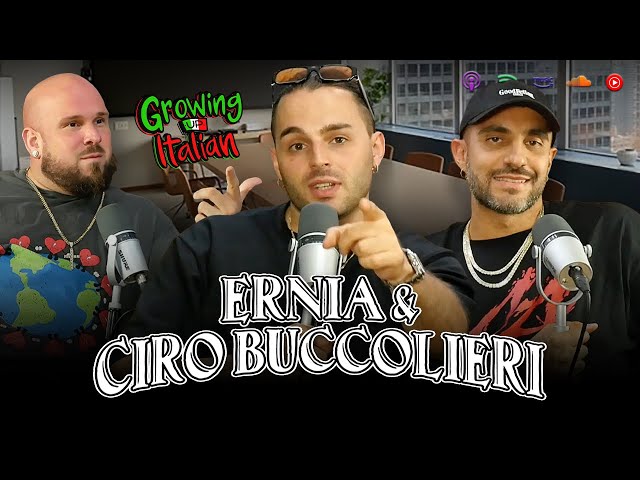
In the bustling heart of Milan, where fashion meets football and art collides with athletics, an unexpected friendship has blossomed between two rising stars from completely different worlds. Ernia, the Italian rapper whose introspective lyrics have captured the hearts of millions across Europe, recently sat down with Santiago Giménez, the promising Mexican striker who has been making waves at AC Milan. Their conversation, conducted just months before the 2026 FIFA World Cup kicks off on Mexican soil, revealed surprising parallels between the worlds of music and football. Both artists in their respective fields, they discovered common ground in their journeys of perseverance, passion, and the relentless pursuit of excellence. What began as a casual meeting arranged by mutual friends quickly evolved into a deep discussion about life, ambition, and the weight of representing one’s country on the world’s biggest stages.

The meeting took place at a quiet café in Milan’s Navigli district, far from the prying eyes of paparazzi and the pressure of their respective careers. Ernia, whose real name is Matteo Professione, arrived dressed casually in streetwear that reflected his underground hip-hop roots, while Giménez sported the relaxed demeanor of someone comfortable in his own skin despite the enormous expectations placed on young footballers today. The chemistry between them was immediate, with both acknowledging how their paths, though different, had led them to similar crossroads in their careers. Milan, the city that never sleeps when it comes to culture and sport, provided the perfect backdrop for their conversation about dreams deferred, obstacles overcome, and the sweet taste of success earned through years of grinding in relative obscurity.
The Beautiful Game Meets Beautiful Music

As their conversation unfolded, both Ernia and Giménez began drawing unexpected parallels between creating music and playing football at the highest level. The Italian rapper, known for tracks like “Superclassico” and his collaborations with major European artists, explained how the rhythm of his verses mirrors the tactical flow of a well-executed football match. Giménez, whose father Christian Giménez was also a professional footballer, nodded in understanding as he described the improvisational nature of finding space in the penalty box, comparing it to how a rapper finds the perfect pocket in a beat. Both disciplines require years of practice, an intuitive understanding of timing, and the ability to perform under immense pressure when millions of eyes are watching. The striker revealed how he often listens to Italian rap, including Ernia’s music, before matches to get into the right mindset, appreciating the raw emotion and authenticity that characterizes the genre.
Their discussion touched on the creative process behind their respective crafts, with Ernia describing how he channels personal struggles into his lyrics while Giménez talked about visualizing goal-scoring opportunities during quiet moments of meditation. Both emphasized the importance of staying true to their roots while adapting to new environments - Ernia’s evolution from underground battle rapper to mainstream success, and Giménez’s transition from Mexican football to the tactical sophistication of Serie A. The mental aspect of their professions became a recurring theme, with both acknowledging how criticism and praise can equally throw an artist or athlete off balance if they’re not grounded in their core values and surrounded by the right support system.
Rising Above the Noise

The conversation took a more serious turn when both opened up about the obstacles they’ve faced in their respective journeys to success. Ernia spoke candidly about the early days of his career when he was performing in small venues across Northern Italy, often to crowds that could barely fill a classroom, while working odd jobs to make ends meet. His breakthrough came through persistence and an unwavering belief in his unique voice within the Italian rap scene, which had been dominated by more commercial sounds. Giménez shared his own struggles with living up to his father’s legacy while carving out his own identity as a footballer, dealing with the pressure of being labeled as just another “football son” rather than being recognized for his individual talents. Both spoke about the loneliness that comes with pursuing excellence, the sacrifices required to reach elite levels, and the importance of maintaining perspective when success finally arrives.
Their stories of overcoming adversity resonated deeply with each other, particularly their shared experience of being misunderstood by critics and fans alike during crucial developmental periods. Ernia recalled radio stations refusing to play his earlier work because it didn’t fit conventional formats, while Giménez remembered coaches who doubted his physicality for European football despite his technical skills and footballing intelligence. Both emphasized how these setbacks ultimately strengthened their resolve and forced them to develop thicker skin and clearer vision about their long-term goals. They discussed the importance of having mentors who believed in them when others didn’t, and how maintaining connections to their communities - whether Milan’s hip-hop scene or Mexican football culture - kept them grounded during the most challenging periods of their careers.