The Elephants of West Africa - How Cote d'Ivoire Built One of the Continent's Great Football Stories
Miki Anderson··9 min read
Ad SpaceArticle Top - 728x90
Advertisement
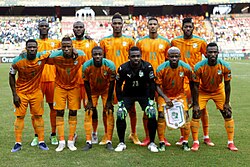
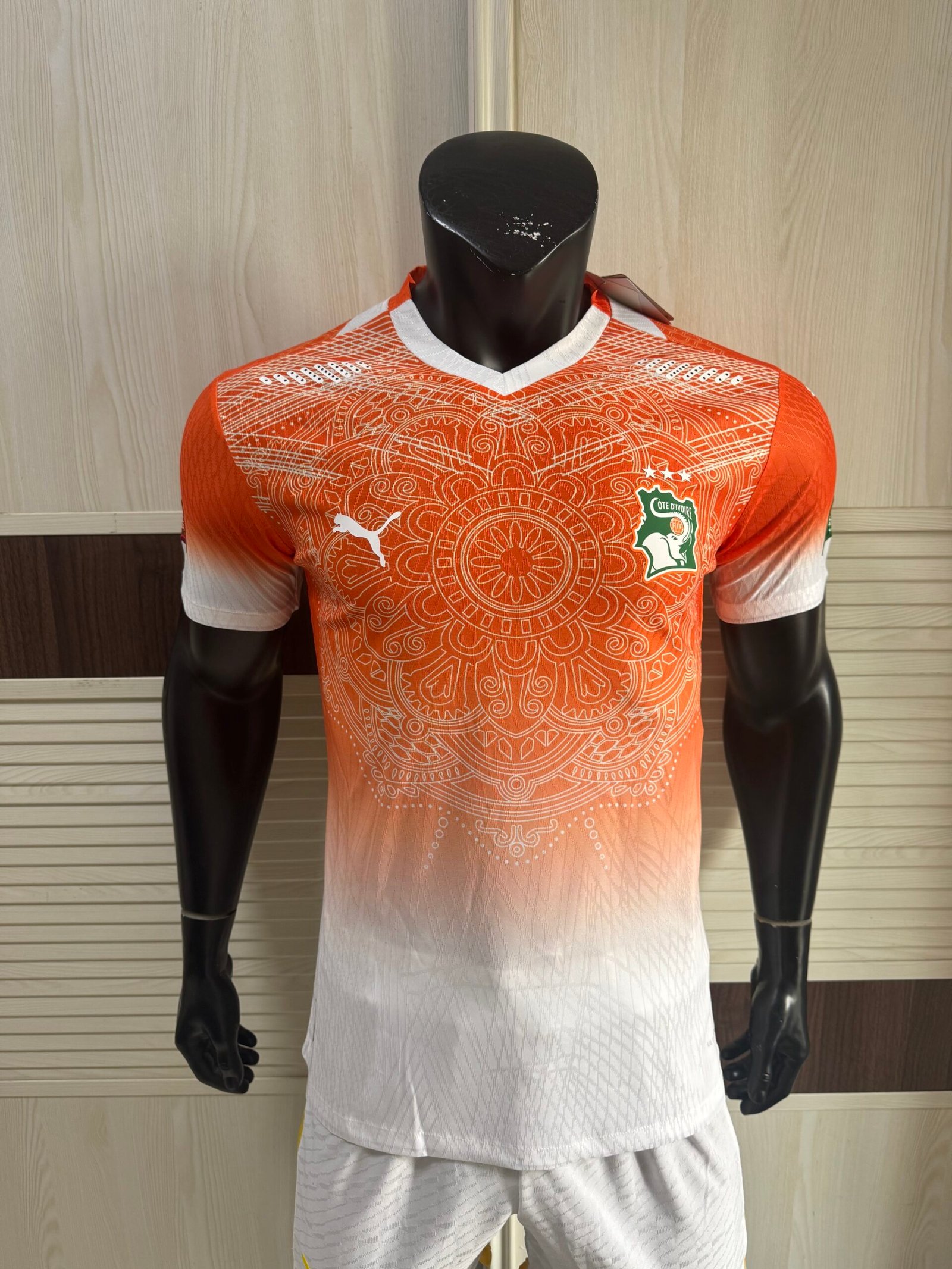
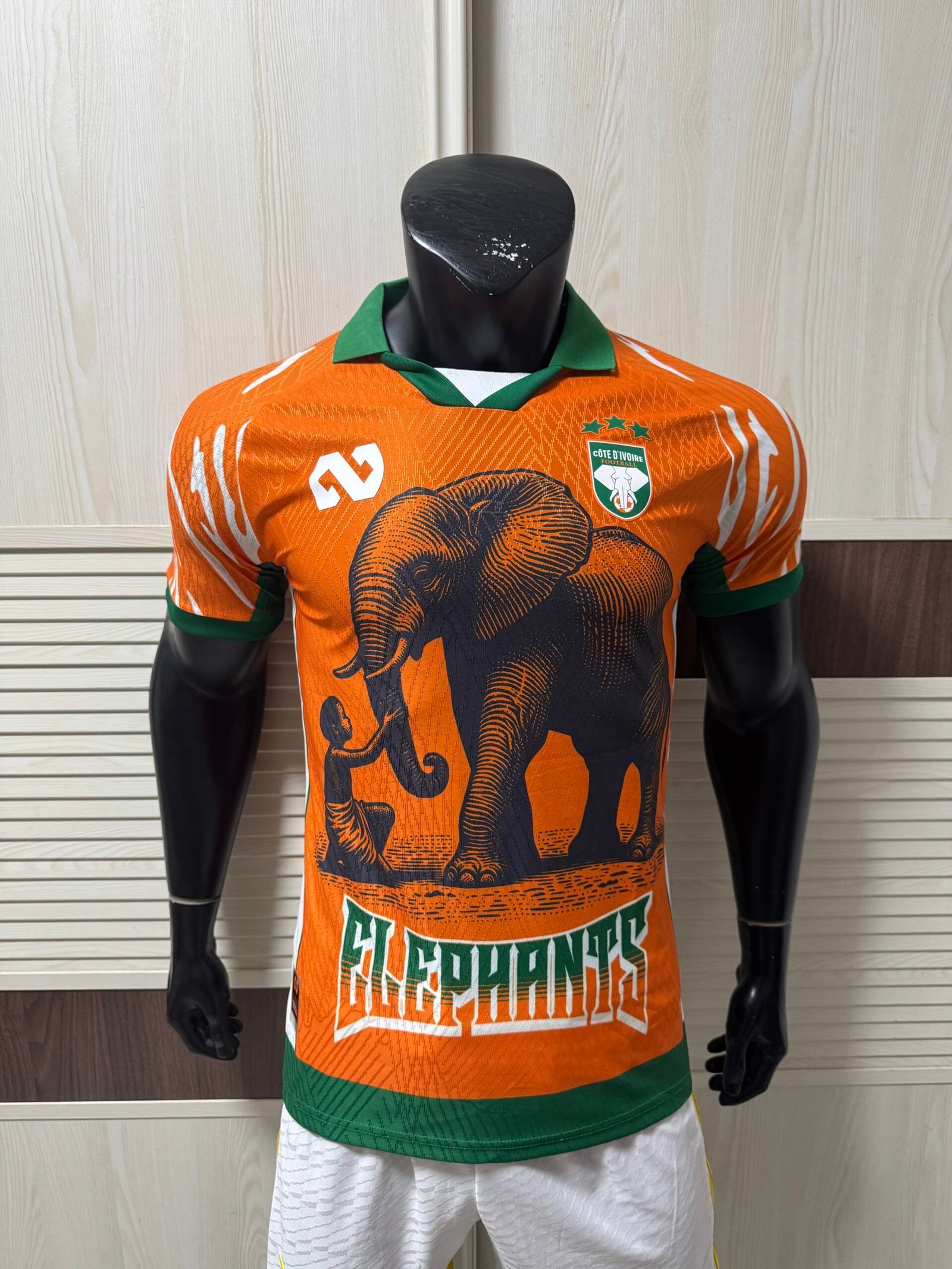
Few national teams carry a nickname as fitting as Les Elephants. The image is heavy, unhurried, impossible to ignore once it starts moving. That is a reasonable way to think about Cote d’Ivoire’s arc in African football over the past three decades. Progress came in slow, thunderous stages, then arrived all at once on a February night in Abidjan that reduced grown men to tears and turned a stadium into something closer to a cathedral. This is the story of how a mid-sized West African nation, one of the more populous on the continent, willed itself into a permanent seat at Africa’s top table.
For readers who follow the game from Lagos, London, or anywhere in the diaspora, the Ivorian journey is worth understanding on its own terms. It is not simply a tale of one golden generation. It is a story about heartbreak that lasted years, a change of direction that almost nobody predicted, and a coach who rewrote the rules of who gets to lead a national team to the sport’s biggest stage.
Before The Elephants Roared
The foundation was laid earlier than most casual fans remember. Cote d’Ivoire’s first continental crown came at the 1992 Africa Cup of Nations in Senegal, and it arrived in the most nerve-shredding way imaginable. The final against Ghana went the full distance and then some, ending in a penalty shootout that stretched to an 11-10 scoreline before the Ivorians finally prevailed. Every outfield player and both goalkeepers took a spot-kick. For a generation of Ivorian supporters, that shootout became folklore, the kind of match parents describe to children who were not yet born.
What followed, though, was a long stretch of near-misses and quiet rebuilding. The country hosted the tournament back in 1984, when Cameroon lifted the trophy, so Cote d’Ivoire had long been part of the continent’s footballing furniture without dominating it. There were also earlier runs to the final without the fairy-tale ending, and the team twice finished as tournament runner-up in the years that followed, in 2006 and 2012, both times falling at the last hurdle. Through the 1990s and into the early 2000s, the Elephants were competitive without being feared. Talent existed, but the collective machinery that turns talent into trophies had not yet clicked into place. That would change with the emergence of a group of players who now occupy a near-mythical status in the country.
The Drogba Generation And The Weight Of Expectation
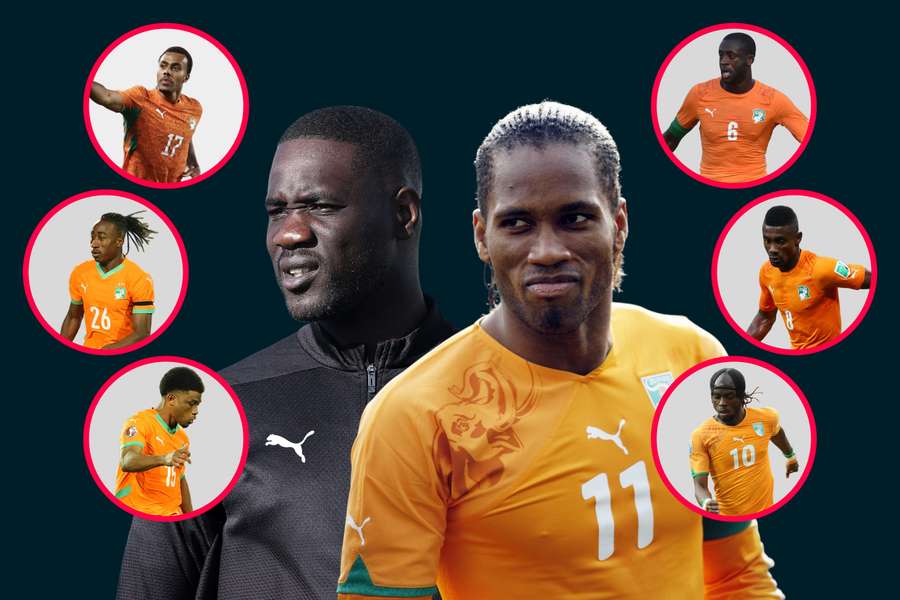
Any conversation about Ivorian football eventually arrives at Didier Drogba. The striker became more than a footballer for his country; he became a symbol, a unifying figure during a period of deep national tension. His personal appeal for peace during a fraught political moment is one of the most cited examples anywhere of an athlete using his platform to move a nation. On the pitch, he was a colossus, and around him assembled a squad that many still consider the strongest Cote d’Ivoire has ever produced.
The names read like a who’s who of mid-2000s European football. Yaya Toure anchored midfield with a rare blend of power and elegance, a player who would go on to win the African Footballer of the Year award four years running. His brother Kolo Toure organised the defence. Salomon Kalou, Gervinho, and others gave the side depth and menace across the front. This was, by common consensus, a genuinely world-class group.
And yet the World Cup story of that generation is one of the sport’s more poignant chapters. The Elephants reached three consecutive finals - 2006, 2010, and 2014 - and failed to escape the group stage in any of them. Their debut in 2006 came in what was widely described as a group of death, drawn alongside Argentina, the Netherlands, and Serbia and Montenegro. They lost narrowly to both European heavyweights before beating Serbia to record a first-ever World Cup win, but the draw had been brutal. In 2010, the luck did not improve, with Brazil and Portugal blocking the path in another loaded section.
The cruelest exit came in 2014. Handed arguably their most navigable draw, Cote d’Ivoire needed only a draw against Greece to advance and led in the second half, before conceding a late penalty that sent them home. It was the sort of ending that lingers. A generation that should have graced a World Cup knockout round never did, and the phrase golden generation acquired a bittersweet edge whenever Ivorian fans used it.
Continental Redemption And A Second Star
If the World Cup remained elusive, the African Cup of Nations offered a route to vindication, and the wait for a second title finally ended in 2015. Under French coach Herve Renard in Equatorial Guinea, Cote d’Ivoire returned to the final and, in an almost surreal echo of 1992, faced Ghana again with the trophy decided on penalties. This time the shootout finished 9-8 in the Elephants’ favour. Renard had by then built a reputation as something of a specialist at winning the tournament, and he added Ivorian gold to his collection.
That 2015 triumph mattered enormously because it gave the Drogba-era core the reward their talent deserved, even as the World Cup drought continued. It closed a long gap since the first title and confirmed that the country could finish the job when it mattered most on the continental stage. For a squad that had absorbed so much disappointment, lifting the cup in Bata was a form of closure.
Ad SpaceIn-Article - 300x250
Advertisement
The Miracle On Home Soil
Nothing in Ivorian football, though, compares to what happened when the country hosted the tournament for the delayed 2023 edition, played on home soil. The event was scripted like a coronation, and for a stretch it looked more like a public unravelling. The Elephants stumbled badly in the group stage, most memorably in a heavy defeat that left their qualification hanging by the thinnest of threads. French coach Jean-Louis Gasset was dismissed mid-tournament, and the host nation’s fate temporarily rested on results in other groups. They eventually crept into the knockout rounds as one of the best third-placed sides, a qualification so improbable it felt borrowed rather than earned.
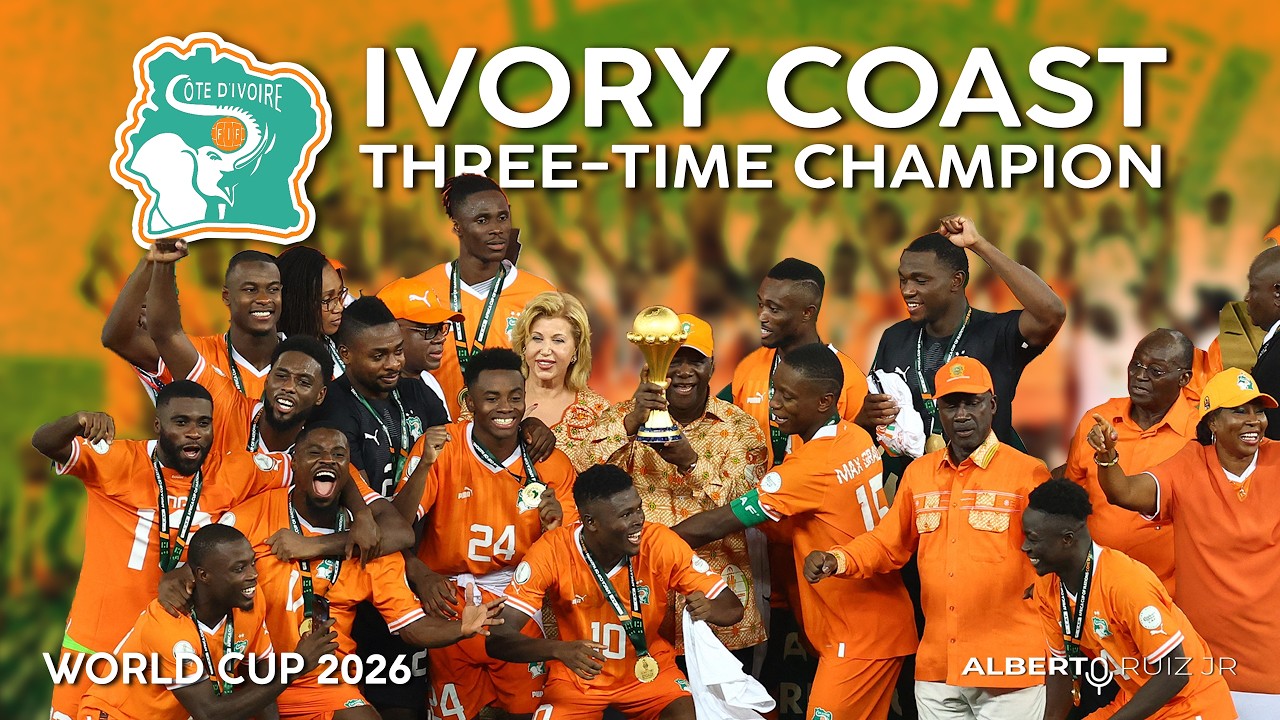
What came next has already entered the realm of legend. The federation handed interim charge to Emerse Fae, a former Ivory Coast international who had been working as an assistant. Under his caretaker leadership, a team that had looked finished transformed into an unstoppable force. They edged reigning champions Senegal on penalties, outlasted Mali after extra time in a match where they played much of the second half a man down, and ground past DR Congo in the semi-final. Then came the final against Nigeria’s Super Eagles at the Alassane Ouattara Stadium in Abidjan.
Nigeria took the lead. The home crowd held its breath. And then Cote d’Ivoire came back, Franck Kessie levelling from a Simon Adingra corner before the decisive moment arrived through a player whose personal story deserves its own retelling. Sebastien Haller, who had been diagnosed with cancer not long before, undergoing surgery and chemotherapy, scored the winning goal to complete one of football’s most remarkable comeback narratives - both for the team and the man himself. The 2-1 win made Cote d’Ivoire champions for a third time, and it did so as hosts, a feat no African nation had managed at the tournament since Egypt in 2006. The team that nearly went out in the group stage had won the whole thing. Fae, unsurprisingly, was kept on and handed the job permanently.
The New Elephants Take Shape
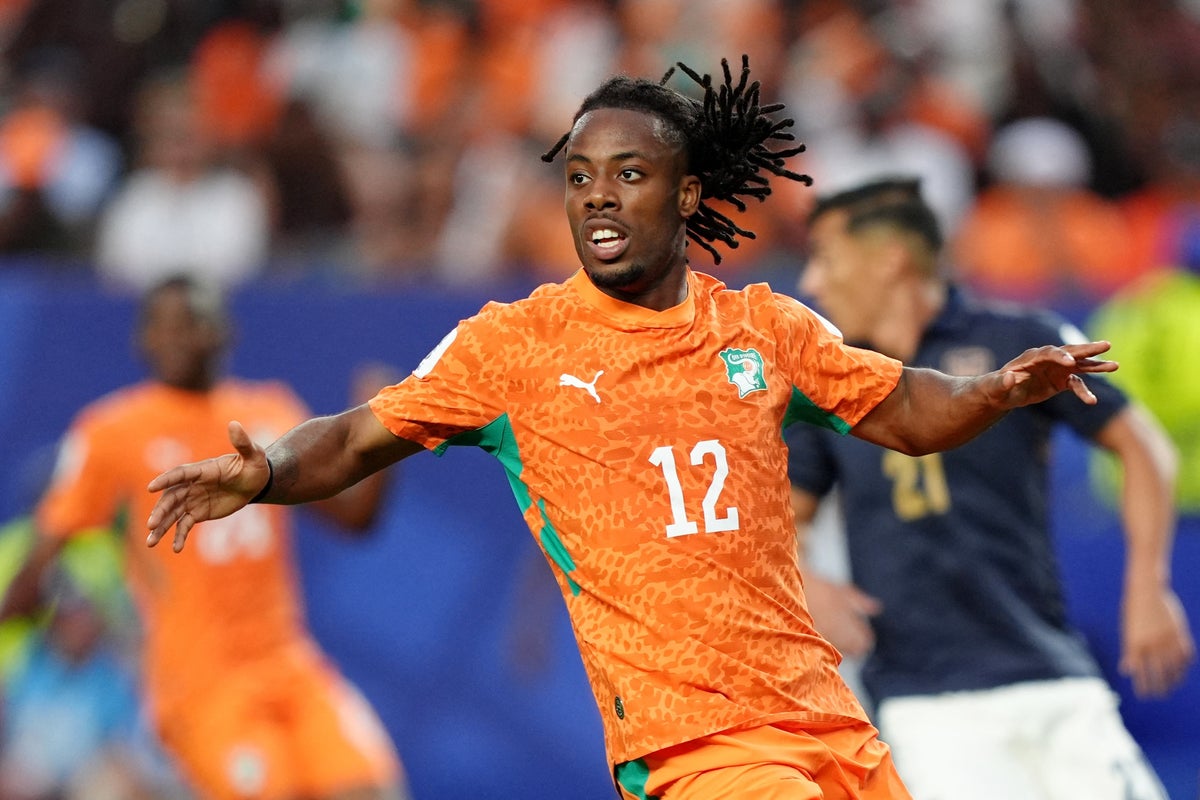
The squad that carries the badge now is a different animal from the Drogba group, and in some ways a more balanced one. Haller and Kessie remain senior reference points, while the attack has been refreshed by pace and directness. Simon Adingra, who made his name in English football, was among the players who lit up the 2023 triumph. Amad Diallo of Manchester United offers unpredictability in the final third, and Nicolas Pepe, once one of the most expensive African players in history, has featured in the wider pool of attacking options. Squad selections naturally change from one camp to the next, so any individual’s involvement should be read as a snapshot rather than a guarantee.
The defensive spine has quietly become one of the more admired in Africa. Evan Ndicka, a mainstay at Roma, and Wilfried Singo have given the team a physical, modern backbone, complemented by other technically comfortable defenders operating in strong European leagues. In midfield, alongside the experience of Kessie and Seko Fofana, the country continues to produce ball-winners and progressors who thrive under pressure. Exact squad compositions naturally shift ahead of any tournament, and any lineup should be treated as provisional rather than fixed, but the depth across positions is real and rare for the continent.
What stands out about this iteration of the Elephants is temperament as much as talent. The 2023 run proved the group could absorb chaos and still find a way, winning knockout tie after knockout tie in the toughest possible circumstances, a psychological asset that the more gifted earlier generation arguably lacked when the biggest moments arrived. Continuity has helped too. Keeping Fae in charge after the triumph, rather than reaching once more for a big-name foreign appointment, gave the players a settled identity and a manager who understood the dressing room from the inside. Whether that resilience translates onto the World Cup stage is one of the more compelling questions in African football, and it is a fair bet that neutral supporters across the continent will be watching closely.
What The 2026 Stage Means For Abidjan
Cote d’Ivoire secured qualification for the expanded 2026 World Cup, ending a 12-year absence from the finals, and did so in emphatic fashion. According to FIFA and widely reported qualifying records, the Elephants topped their CAF group unbeaten, sealing their ticket with a comfortable win over Kenya in a decisive fixture and posting one of the strongest defensive records of the entire African campaign. Emerse Fae, the man who arrived as a mid-tournament stand-in, guided the team to the game’s grandest stage, a milestone widely reported as the first time a local Ivorian coach has led the nation there.
That detail carries weight beyond the numbers. For decades, African federations often reached for European coaches when the stakes were highest, and Fae’s journey from assistant to caretaker to permanent boss to World Cup qualifier is a quiet argument for trusting homegrown expertise. It is the sort of story that resonates well beyond Cote d’Ivoire’s borders, in dressing rooms and federations across the continent watching to see whether the model holds.
The tournament itself will be the sternest test of whether this Ivorian team can do what the golden generation could not, which is win a knockout match at a World Cup. It would be unwise to make firm predictions, and the honest position is that the draw, form, and fitness of key players will shape everything once the finals begin. Nobody in Abidjan is short on ambition, but Ivorian fans have learned the hard way to temper expectation with patience. The country has spent three decades turning heartbreak into hardware, and the group now representing it has already delivered a night that most nations only dream about.
A Nation That Learned How To Finish
The through-line of Cote d’Ivoire’s story is not raw talent, because the country has produced world-class players for a long time. The through-line is the long, painful education in how to convert brilliance into trophies. The 1992 shootout hinted at it. The Drogba years showed how much talent alone could not guarantee. The 2015 title proved the lesson had started to land. And the 2023 miracle, born out of near-elimination and completed by a cancer survivor’s goal, showed a team that had finally internalised how to win when everything was falling apart around it. Whatever the next chapter holds, the Elephants have already earned their place among the continent’s genuine footballing forces, and they carry the confidence of a nation that knows, at last, how to finish what it starts.
Ad SpaceIn-Article - 300x250
Advertisement
Share
Get the recap
Loved this story? Get more like it.
Join readers who get our weekly entertainment recap - the stories worth your time, delivered every Friday.
No spam. Unsubscribe anytime. By signing up you agree to our Privacy Policy.