
Table of Contents
- Breaking News: Industry Icon Seeks Medical Care
- The Architect of Modern Music
- Transforming the Entertainment Landscape
- Active Leadership in His Nineties
- Music Community Rallies Around Legend
- A Legacy That Spans Generations
Breaking News: Industry Icon Seeks Medical Care
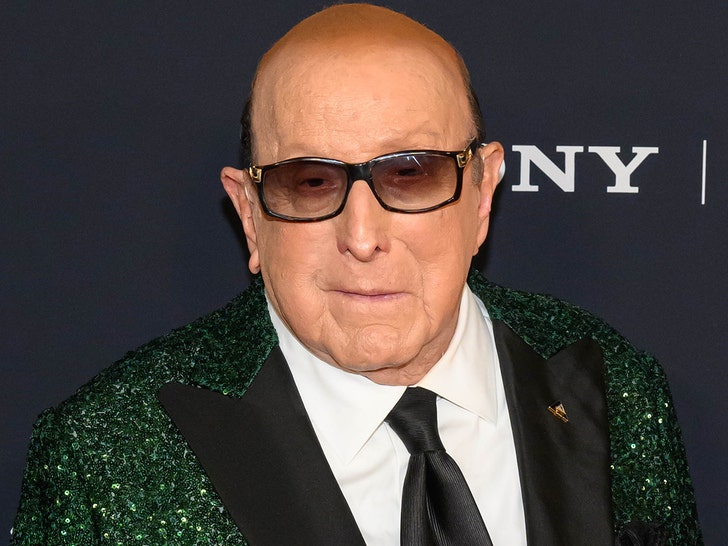
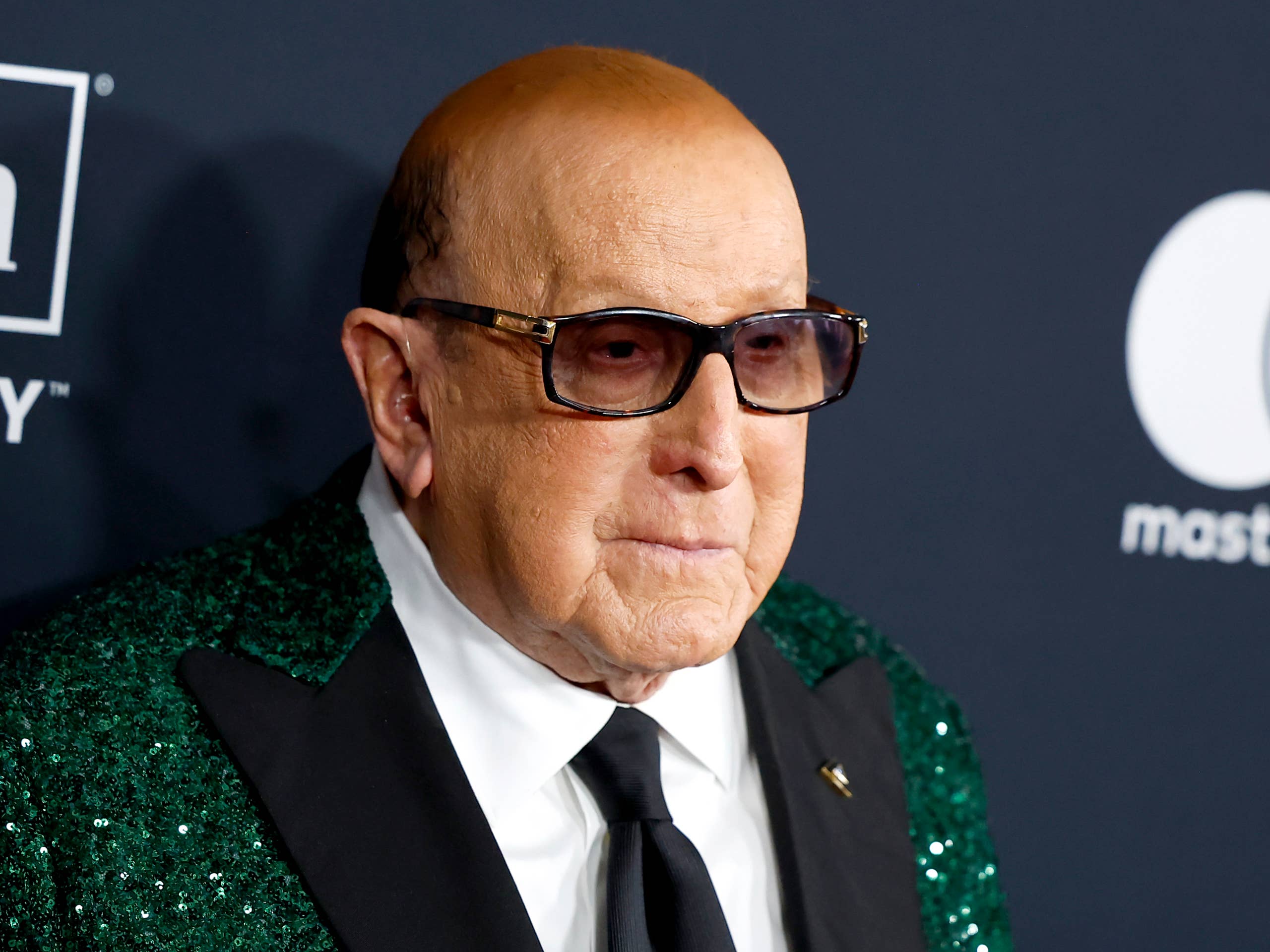
The music world is holding its collective breath as news breaks that Clive Davis, the legendary 94-year-old music executive, has been hospitalized in New York City due to respiratory complications. The man who discovered and nurtured countless superstars throughout his six-decade career is currently receiving medical attention, though specific details about his condition remain private out of respect for his family. Davis, whose influence on popular music cannot be overstated, has been a towering figure in the entertainment industry since the 1960s, making this health scare particularly significant for an industry that owes much of its modern structure to his vision and leadership.
Sources close to the situation indicate that Davis was admitted to a New York medical facility after experiencing breathing difficulties, a concerning development given his advanced age. The timing of this hospitalization is particularly poignant as the music industry continues to grapple with the loss of several iconic figures in recent years, making Davis’s health a priority concern for artists, executives, and fans worldwide. His representatives have requested privacy during this time while emphasizing that he is receiving the best possible care from a team of medical professionals. The entertainment community, from established superstars to emerging artists, has been quietly sending well-wishes and support to the man who helped shape their careers and the industry itself.
The Architect of Modern Music
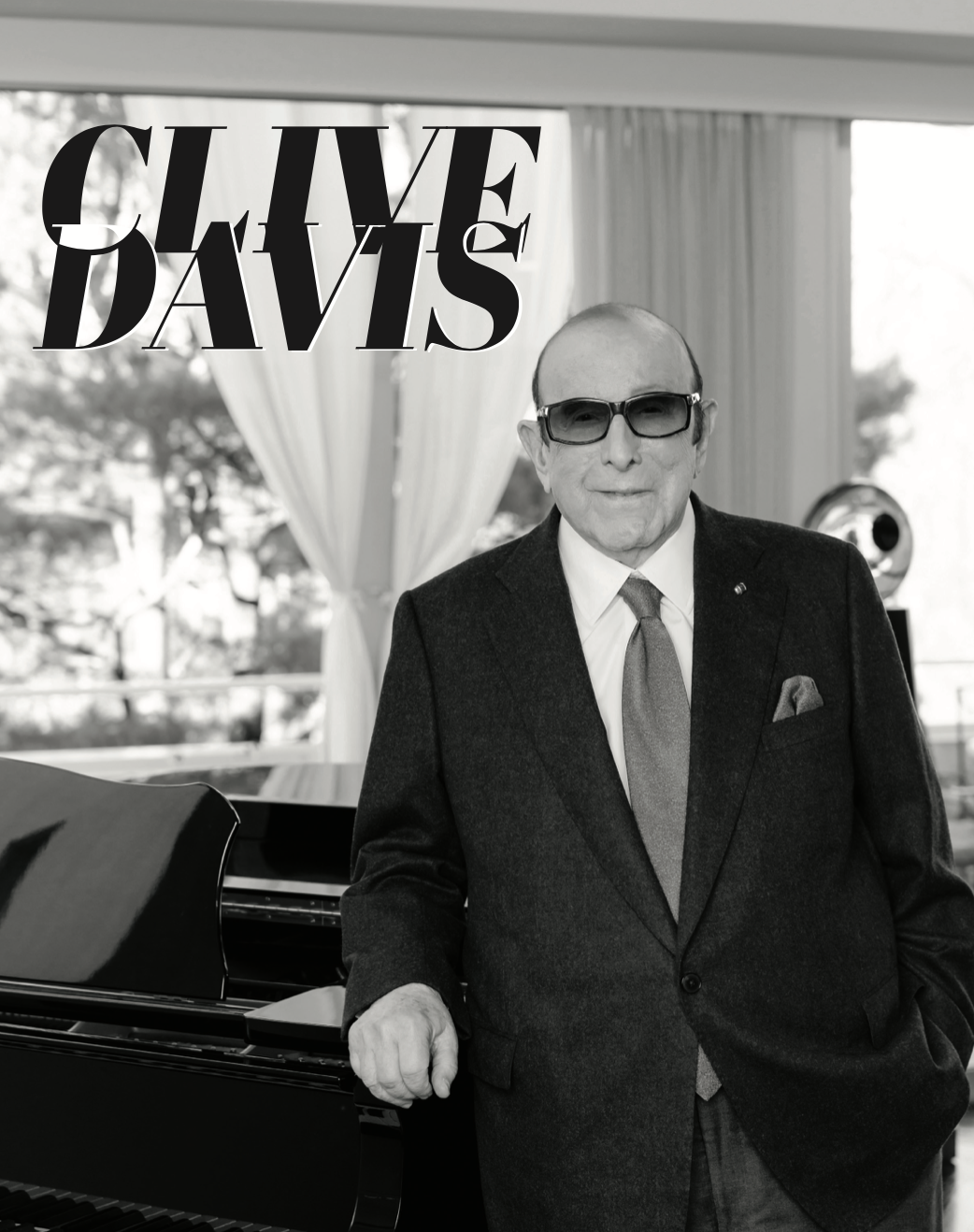
Clive Davis’s journey from Harvard Law School graduate to music industry titan reads like a Hollywood screenplay, filled with bold decisions, incredible discoveries, and transformative moments that redefined popular culture. His career began in the legal department of Columbia Records in the 1960s, but it was his keen ear for talent and understanding of cultural shifts that propelled him to become one of the most successful executives in entertainment history. Davis didn’t just sign artists; he crafted careers, understood market dynamics, and possessed an almost supernatural ability to predict what audiences wanted before they knew it themselves. His approach to artist development was revolutionary, focusing not just on immediate commercial success but on building sustainable, long-term careers that could weather changing musical trends.

The breadth of Davis’s influence becomes clear when examining the roster of artists he discovered, developed, or significantly advanced during their careers. From rock legends like Bruce Springsteen and Santana to pop superstars like Whitney Houston and Alicia Keys, Davis demonstrated an remarkable ability to recognize talent across genres and generations. His work wasn’t limited to any single musical style; instead, he approached the industry with an open mind and sophisticated understanding of how different sounds could connect with diverse audiences. This genre-agnostic philosophy allowed him to remain relevant and successful throughout massive shifts in popular music, from the rock revolution of the 1960s through the digital transformation of the 2000s and beyond.
Transforming the Entertainment Landscape
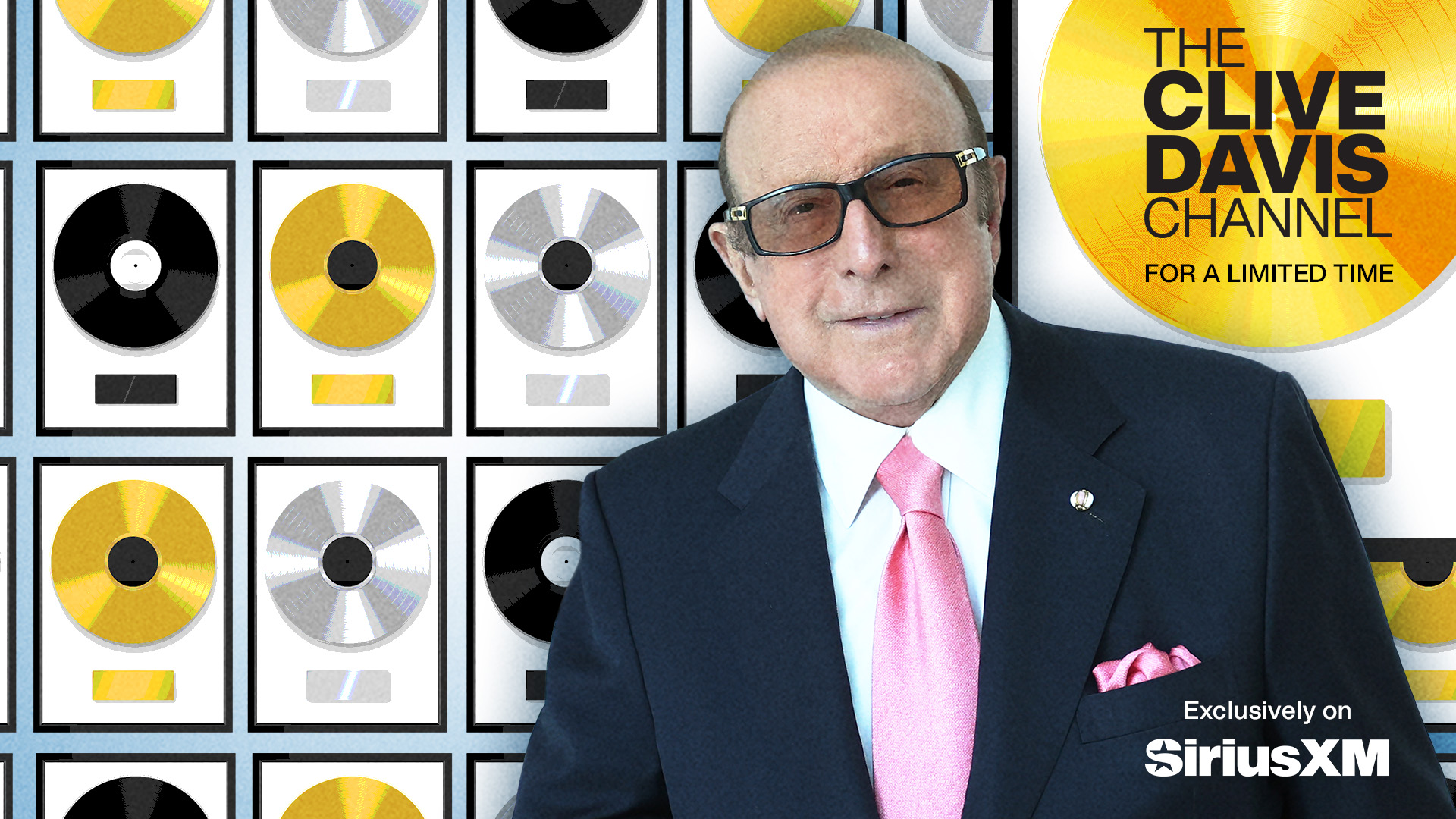
Davis’s impact on the music industry extends far beyond individual artist signings; he fundamentally altered how record labels operate, how talent is developed, and how the business adapts to changing consumer preferences. His tenure at various major labels, including Columbia Records, Arista Records, and later J Records, was marked by consistent innovation in marketing strategies, artist development programs, and cross-genre collaboration that became industry standards. Davis understood early on that successful music careers required more than just good songs - they needed strategic planning, brand development, and careful cultivation of public image. This holistic approach to artist management influenced countless other executives and helped establish many of the practices that continue to define modern music business operations.
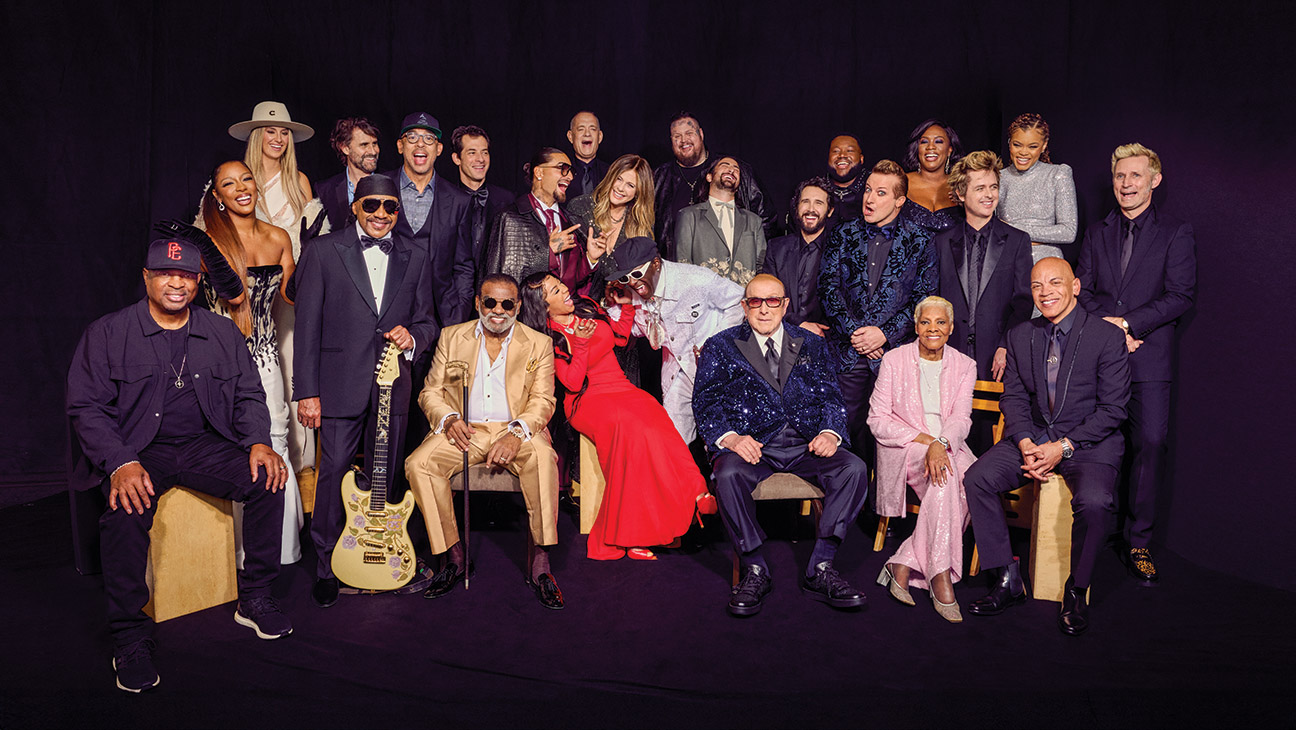
The numbers tell only part of Davis’s story, but they’re impressive nonetheless: five Grammy Awards, induction into the Rock and Roll Hall of Fame, and oversight of careers that generated billions in revenue across multiple decades. More significantly, his influence shaped the careers of artists who themselves became cultural institutions, creating a ripple effect that continues to influence new generations of musicians and industry professionals. Davis’s famous pre-Grammy parties became legendary networking events where deals were made, collaborations were born, and industry relationships were forged, demonstrating his understanding that music success required both artistic excellence and strategic relationship building.
Active Leadership in His Nineties
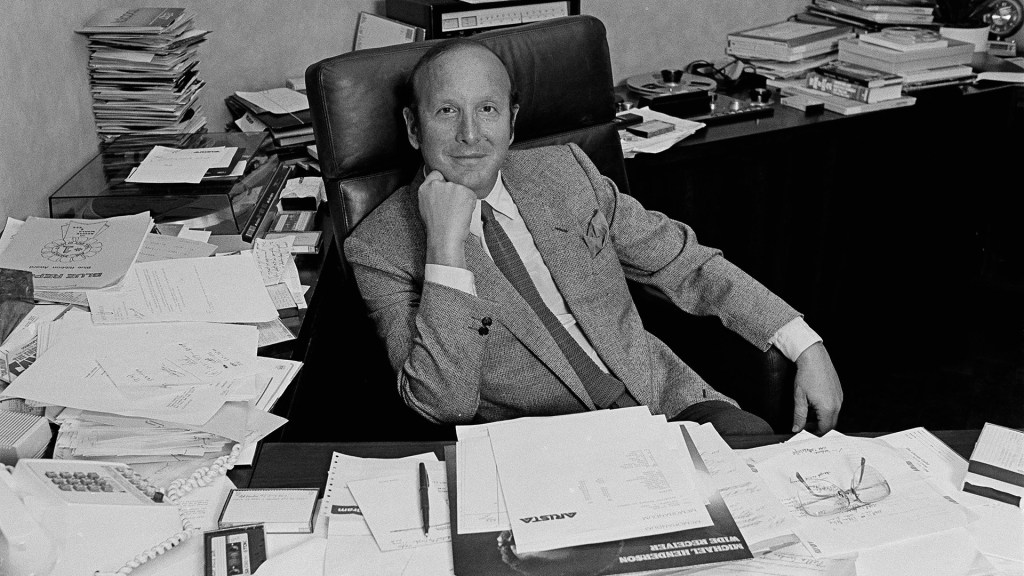
Remarkably, Davis remained actively involved in the music industry well into his nineties, attending events, mentoring younger executives, and continuing to offer guidance on major industry decisions. His longevity in such a rapidly changing business speaks to both his adaptability and his deep understanding of the fundamental principles that drive successful entertainment ventures. Even as streaming services revolutionized music consumption and social media transformed how artists connect with fans, Davis continued to provide valuable perspective on navigating industry changes while maintaining focus on quality and artistic integrity. His presence at industry events and continued involvement in major label decisions demonstrated that his expertise remained highly valued by contemporary music executives.