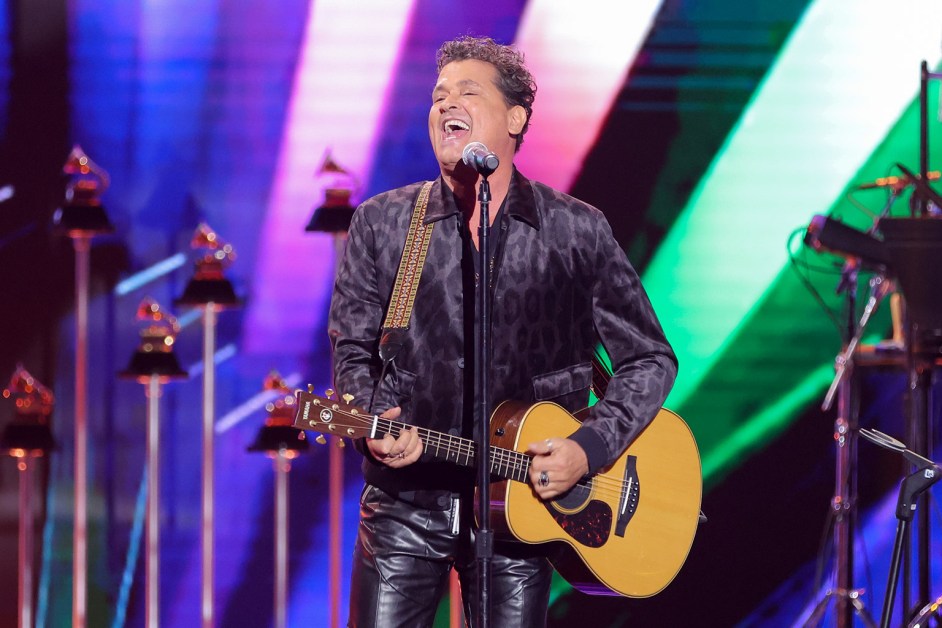

Carlos Vives and Silvestre Dangond Ignite Colombia's FIFA World Cup 2026 Celebration in Mexico
Music

Carlos Vives and Silvestre Dangond Ignite Colombia's FIFA World Cup 2026 Celebration in Mexico

Jalen RossJalen Ross··7 min read
Advertisement

Table of Contents

Colombia Takes the World Stage Early

Carlos Vives and Silvestre Dangond - Colombia Takes the World Stage Early

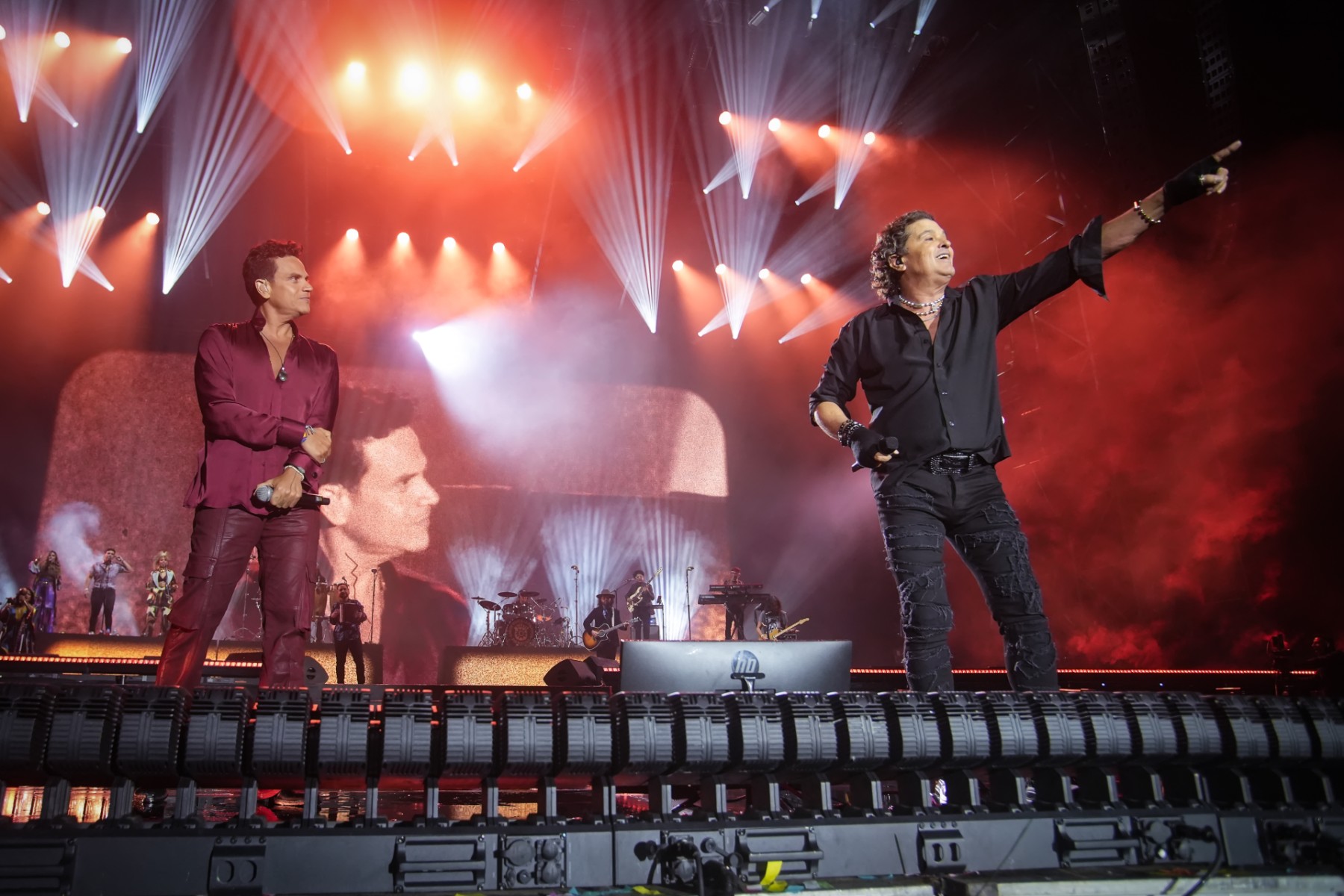
When FIFA awarded the 2026 World Cup to the United States, Canada, and Mexico in a landmark joint hosting decision, the football world took notice. But Colombia, one of South America’s most passionate footballing nations, had no intention of waiting for kick-off to make its presence felt. In what turned out to be a spectacular cultural statement, Colombia rolled out an unforgettable musical celebration at GNP Seguros Stadium in Mexico City – a venue that will serve as one of the host cities during the tournament. The event was a bold declaration that Colombia’s identity stretches far beyond its players and its tactics; it lives and breathes in its music, its rhythm, and its people. And few gatherings have made that point more powerfully than this one.
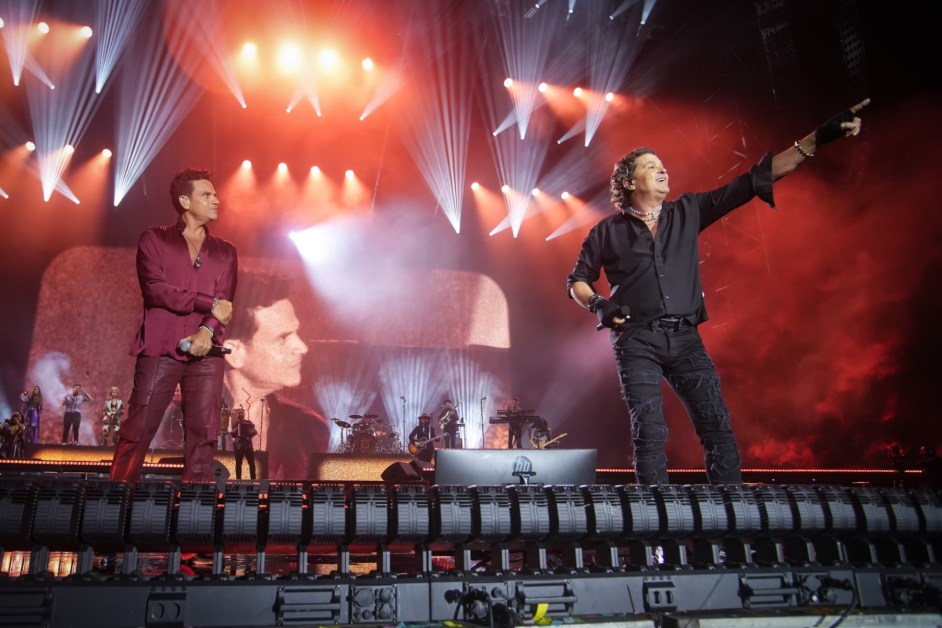
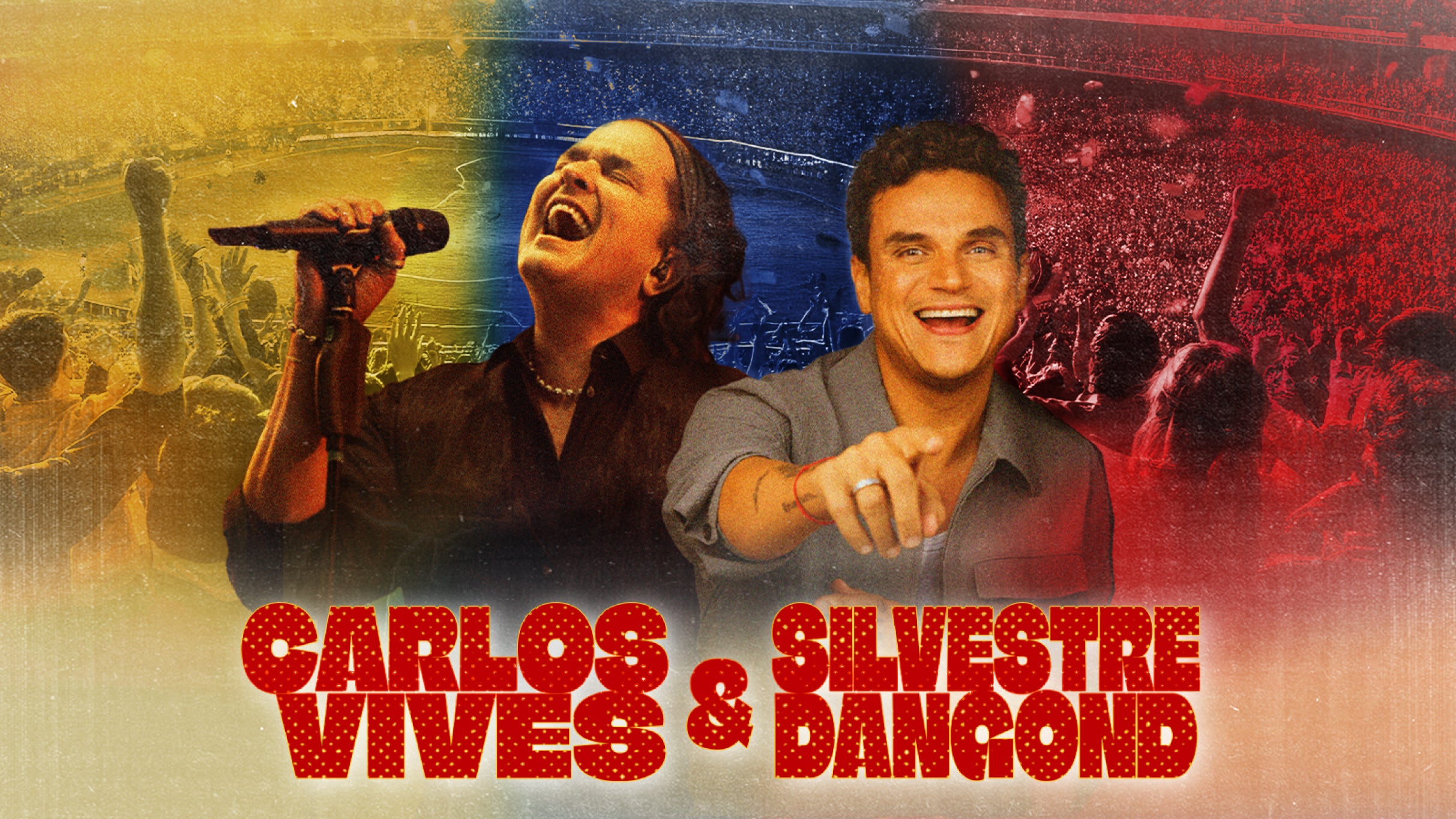
Carlos Vives and Silvestre Dangond performing at Colombia World Cup celebration
Image: Billboard

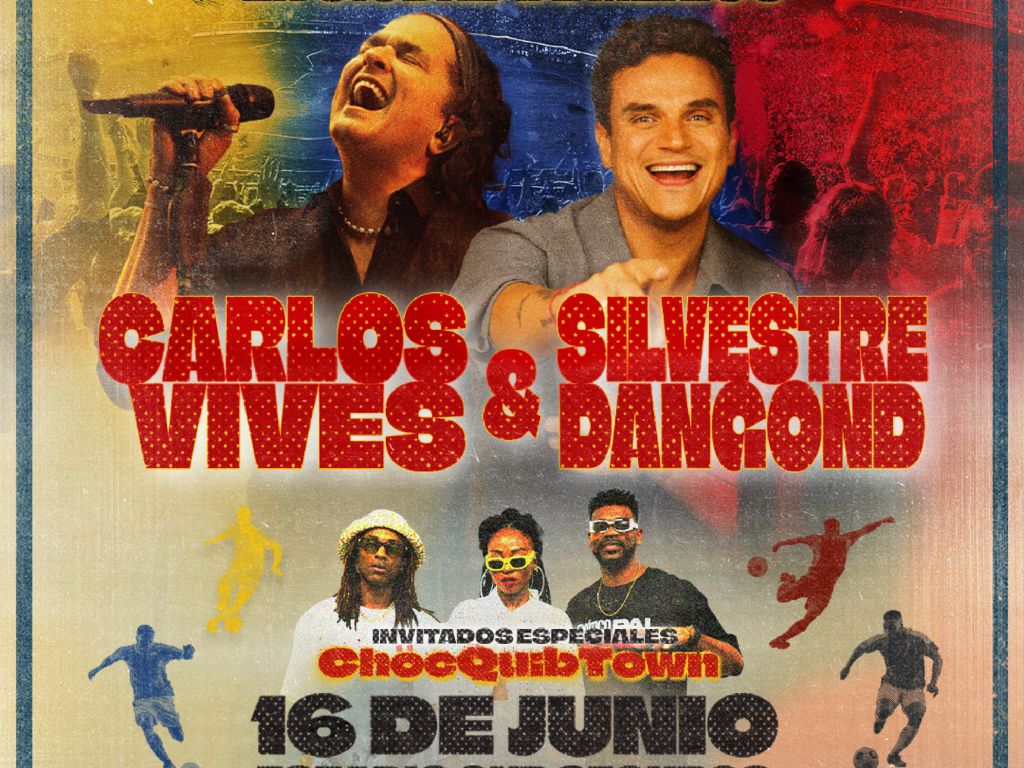
The lineup assembled for this occasion read like a greatest hits list of Colombian musical culture. Carlos Vives, the man who arguably made vallenato a global conversation, took center stage alongside Silvestre Dangond, the younger king who has carried that tradition forward with his own fiery, modern twist. Rounding out the evening was ChocQuibTown, the Afro-Colombian collective from the Chocó region whose music blends hip-hop, funk, and traditional Pacific Coast sounds into something entirely their own. Together, these three acts represented not just the breadth of Colombian music but also the diversity of the country’s cultural identity – something that resonates deeply for a nation heading into its first World Cup campaign with serious ambitions on the pitch.

Carlos Vives: The King of Modern Vallenato
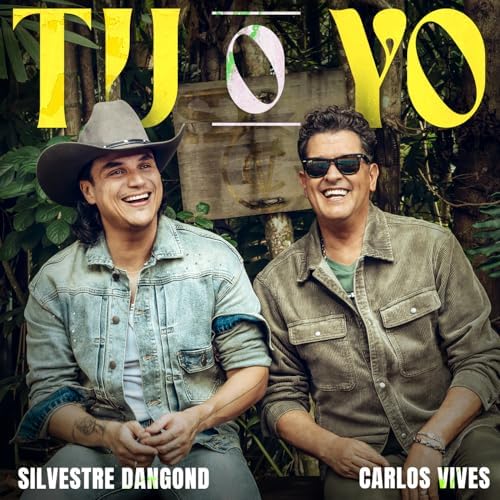
Carlos Vives and Silvestre Dangond - Carlos Vives: The King of Modern Vallenato

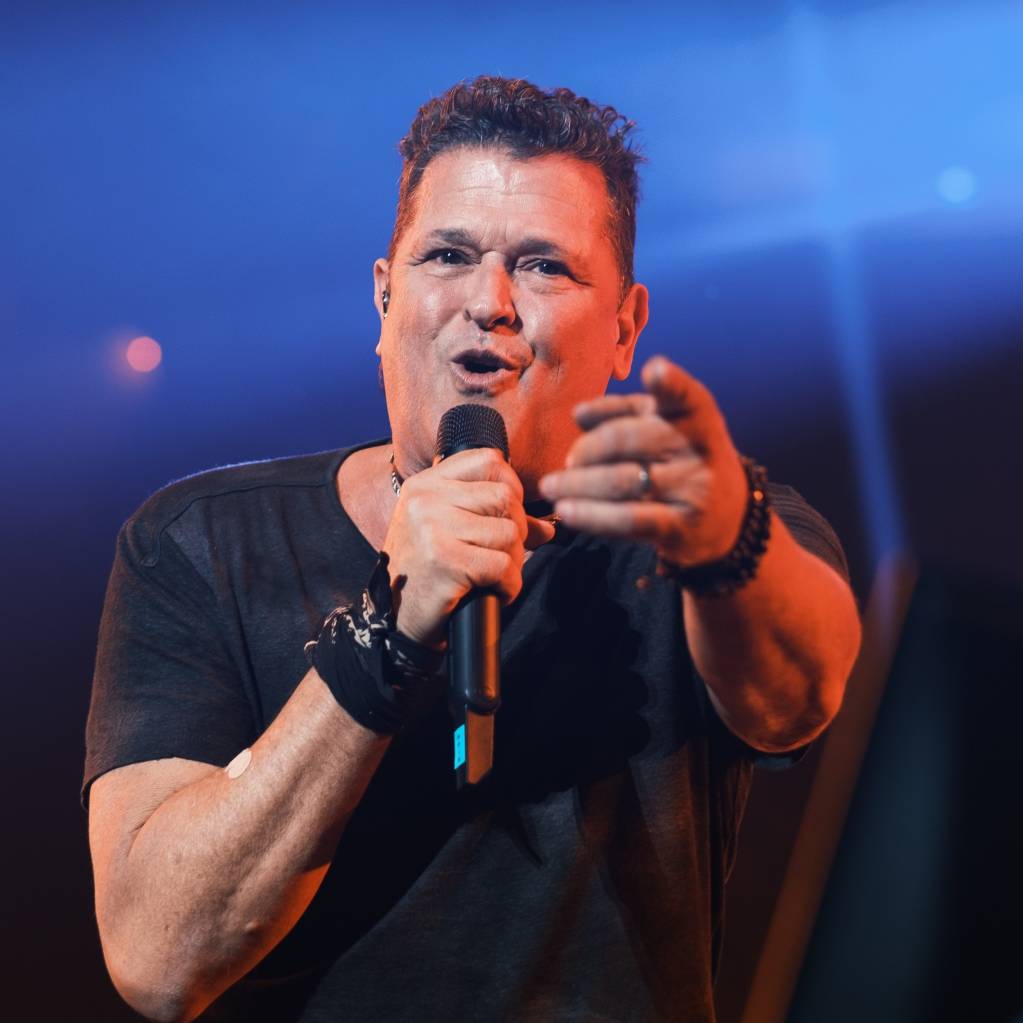
If you need to understand why Carlos Vives was the obvious headline choice for a Colombian cultural showcase of this magnitude, just look at his legacy. The Santa Marta-born singer and actor transformed vallenato – a traditional folk genre native to Colombia’s Caribbean coast – into an internationally celebrated sound without ever stripping away its roots. His 1993 breakthrough album Clásicos de la Provincia rewired how the world heard Colombian music, and in the decades since, Vives has earned multiple Grammy and Latin Grammy Awards, collaborated with artists across continents, and performed on stages that span from Bogotá to Barcelona. He is, by any metric, one of the most significant Latin artists of his generation.
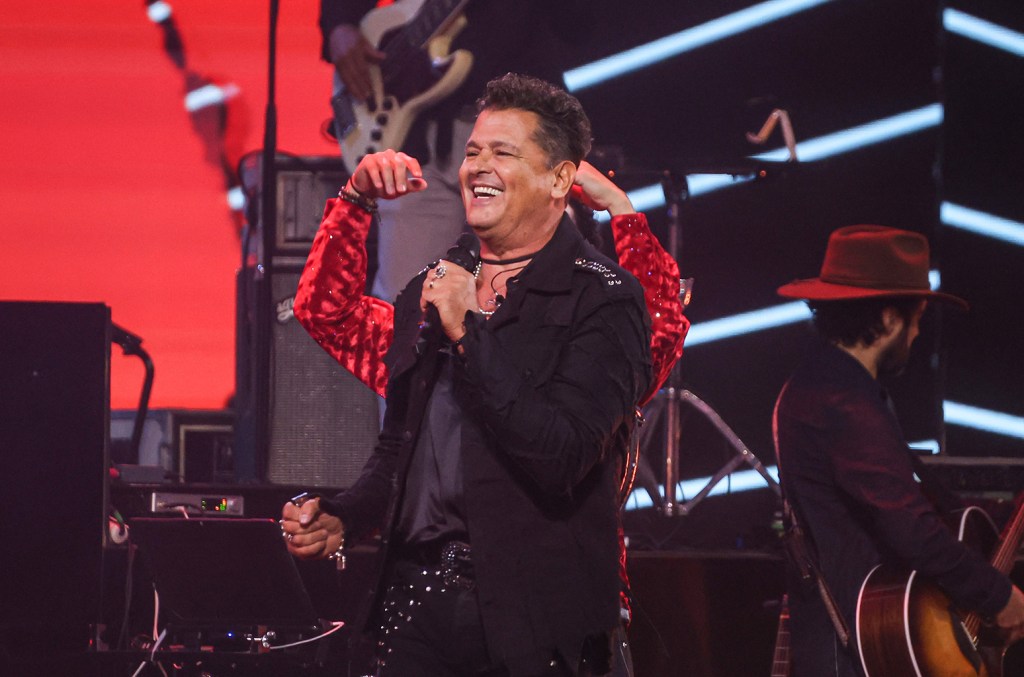
Carlos Vives on stage performing vallenato music
Image: Billboard

At GNP Seguros Stadium, Vives did exactly what he always does – he turned a concert into a communal experience. His setlist reportedly drew from across his rich catalog, giving the crowd in Mexico City a taste of the accordion-driven rhythms, the Caribbean percussion, and the infectious energy that have made him a beloved figure not just in Colombia but across Latin America and beyond. There is something uniquely emotional about watching Carlos Vives perform on a stage that carries this kind of national significance. His music has always carried a sense of place and pride, and on a night tied to the World Cup – arguably the single biggest stage in global sport – that emotion was amplified tenfold. For Colombian fans in attendance, it must have felt like a homecoming of sorts, even while standing on Mexican soil.

Silvestre Dangond Brings the Fire
Carlos Vives and Silvestre Dangond - Silvestre Dangond Brings the Fire

Where Carlos Vives represents the elder statesman of vallenato’s modern era, Silvestre Dangond is the genre’s restless, electrifying future. Born in Urumita, La Guajira, Dangond grew up surrounded by the musical tradition that defines the Colombian Caribbean, and he has spent the better part of two decades pushing that tradition into bold new territory. He is one of the best-selling vallenato artists alive, with a discography that has consistently topped Latin charts and earned him a fanbase that spans both hemispheres. Dangond has a stage presence that commands attention – part raw charisma, part technical brilliance, and entirely passionate about where he comes from.
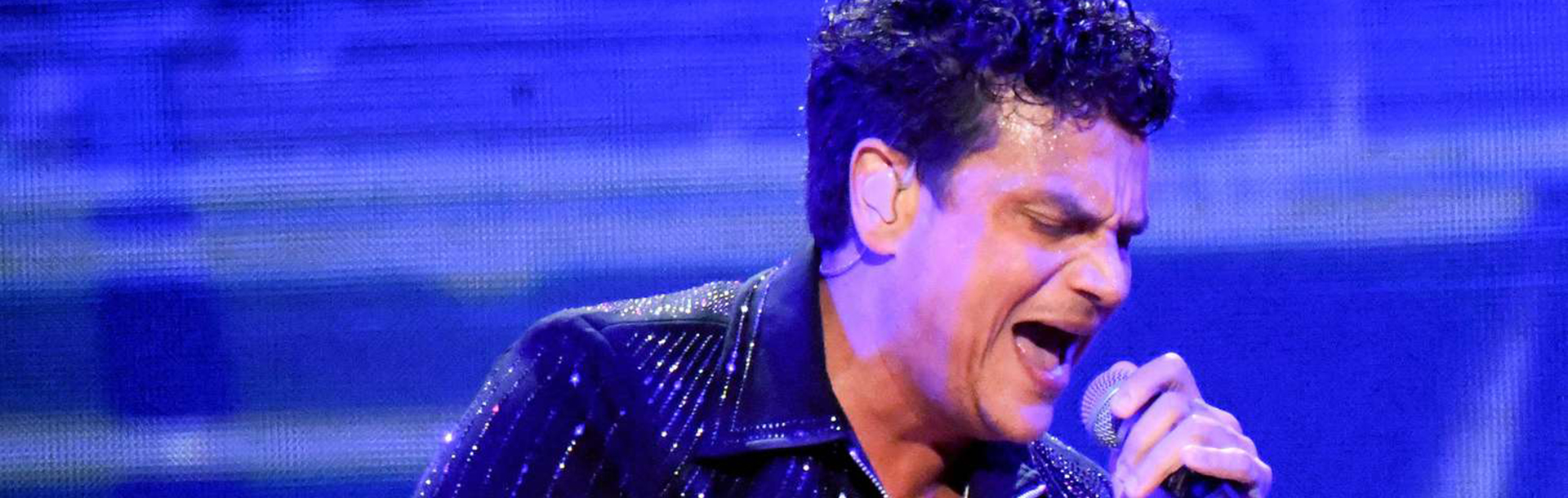
Silvestre Dangond performing vallenato on stage
Image: Boletos Express

His inclusion in this World Cup celebration alongside Carlos Vives was more than symbolic – it was a generational statement. The two artists represent a continuum in Colombian music, a passing of the torch that has never really been a clean handoff because both men have continued to thrive simultaneously. Seeing them on the same stage, in the same city, for the same cause, was the kind of moment that Colombian music fans will talk about for years. Dangond’s high-energy performances are known for turning stadiums into dance floors, and there is every reason to believe that GNP Seguros Stadium was no different on this occasion. When Silvestre takes the microphone, the music stops being background noise and starts being the main event.

Advertisement

ChocQuibTown Adds Afro-Colombian Soul to the Night

Carlos Vives and Silvestre Dangond - ChocQuibTown Adds Afro-Colombian Soul to the Night

ChocQuibTown have always been the kind of act that reminds you how wide and deep Colombian music actually runs. The group – formed in Quibdó in the heart of the Chocó department – emerged in the mid-2000s with a sound that had no neat category. They blended the traditional rhythms of Colombia’s Pacific coast, the region’s Afro-Colombian musical heritage, with hip-hop cadences and funk grooves, creating music that felt completely organic rather than manufactured. Their 2010 hit De Donde Vengo Yo became one of those crossover moments that introduced the world to a side of Colombia rarely spotlighted, and their Grammy Latino win that same year confirmed that the music industry had no choice but to sit up and pay attention.

ChocQuibTown performing on stage
Image: The City Paper Bogotá

Having ChocQuibTown on this bill was a curatorial masterstroke. Their presence ensured that the night did not become a one-note celebration of a single musical tradition. Colombia’s cultural identity is diverse, layered, and deeply tied to its Afro-Colombian communities, particularly along its Pacific coast – and ChocQuibTown are among the most visible ambassadors of that culture in the global music space. In a World Cup context, where the eyes of the world will eventually turn to Colombia’s squad and its supporters, having a group that so authentically represents a different but equally valid slice of the country’s soul sends a powerful message. This is not a monolithic nation with one sound; it is a country of rhythms, histories, and people that defy easy definition.

GNP Seguros Stadium: A Perfect Stage for a Historic Moment

Carlos Vives and Silvestre Dangond - GNP Seguros Stadium: A Perfect Stage for a Historic Moment

GNP Seguros Stadium – formerly and still popularly known as Estadio Azteca – carries a weight of football history that is almost unmatched anywhere on earth. It is the only stadium to have hosted two FIFA World Cup finals, in 1970 and 1986, and it witnessed Diego Maradona’s iconic performance against England in that 1986 tournament, including the infamous Hand of God and one of the greatest individual goals ever scored. The stadium has since undergone significant renovation and rebranding as part of Mexico’s World Cup 2026 preparations, receiving the GNP Seguros naming rights as part of that modernization. Hosting a Colombian musical extravaganza at this venue, in the lead-up to a World Cup that Azteca will once again serve, felt entirely appropriate.

For Mexican audiences, the evening offered a chance to engage with Colombian culture ahead of what promises to be a summer of international football celebrations across the country. Mexico is one of the most passionate football nations in the world, and its fans have a long, complicated, and deeply affectionate relationship with the World Cup tournament. Filling one of football’s most storied venues with the sounds of vallenato and Afro-Colombian hip-hop created a cultural exchange that felt genuine and joyful. Music has always been the universal language that crosses borders before the first whistle is even blown, and this event leaned into that truth completely.

Why Music and the World Cup Are Inseparable

The relationship between the FIFA World Cup and music is one of the most enduring partnerships in global entertainment. From Ricky Martin’s La Copa de la Vida in 1998 to Shakira’s Waka Waka in 2010 – which remains one of the best-selling World Cup anthems in history – the tournament has consistently produced cultural moments that outlast the football itself. Colombia’s own Shakira, of course, is deeply embedded in that history, having performed at two separate World Cup ceremonies and turned both into global spectacles. The tradition of music wrapping itself around football’s biggest stage is not incidental; it reflects how deeply both art forms tap into collective human emotion.

What Carlos Vives, Silvestre Dangond, and ChocQuibTown did at GNP Seguros Stadium fits perfectly within that tradition while also being distinctly, proudly Colombian. Rather than a generic celebration with international pop acts, Colombia chose to send its own musical ambassadors – artists whose work is rooted in the specific geography, history, and culture of the country. That decision speaks to a growing confidence within Latin American nations to define their own cultural narratives on the world stage rather than chasing external validation. As the World Cup 2026 draws closer, expect more of these cultural moments to unfold, with music leading the charge and reminding everyone that football – at its best – is about far more than what happens on the pitch. It is about who a people are, what they celebrate, and how loudly they are willing to sing.

Advertisement
Share
Get the recap

Loved this story? Get more like it.

Join readers who get our weekly entertainment recap - the stories worth your time, delivered every Friday.

No spam. Unsubscribe anytime. By signing up you agree to our Privacy Policy.

Carlos Vives and Silvestre Dango... | Sidomex Entertainment