The Business of Nollywood: How Nigeria's Film Industry Makes Its Money
Miki Anderson··11 min read
Ad SpaceArticle Top - 728x90
Advertisement
By film count alone, Nigeria’s movie industry sits second in the world. It puts out more titles every year than Hollywood. It trails only India’s Bollywood. Yet for all that volume, the money flowing through Lagos and Asaba sets does not look anything like the cash machines in Los Angeles or Mumbai. The economics are smaller, scrappier, more fragmented across formats, and far more dependent on a handful of breakout hits to subsidise the long middle.
Mapping how that money actually moves means tracing four overlapping eras at once: the dying-but-not-dead direct-to-disc Asaba model, the cinema renaissance that started in the 2010s, the streaming licensing gold rush that arrived with Netflix, and the slow climb into international co-production. Each layer pays differently. Most films touch two or three.
From Idumota to the Multiplex
Through the 1990s and into the 2000s, the Nigerian film business ran on a market-stall logic. Producers shot quickly on video, sometimes finishing a feature in a week, then handed master tapes to distributors clustered around the Idumota market in Lagos and the Upper Iweka district in Onitsha. Asaba became the production capital because labour was cheap, locations were available, and turnaround times were brutal.
Distributors paid producers a flat fee for the master, then duplicated VHS and later VCDs and DVDs for sale across West Africa. A successful film could move tens of thousands of legitimate copies and many multiples of that in piracy. Margins were thin for the producer, fat for the distributor, and the system rewarded speed over polish. It is what built the household names of early Nollywood and what put the industry on the global map.
That model died for two reasons. Piracy cratered the per-disc economics by the late 2000s, and broadband mobile reached enough Nigerian households by the mid-2010s that watching films at home no longer required a physical disc at all. The Asaba market did not vanish. It still services Igbo-language productions, gospel and inspirational films, and a long tail of low-budget romance and family dramas distributed through both physical sales and YouTube. It just stopped being where the prestige money lived.
The Cinema Renaissance
Silverbird Cinemas opened its first multiplex in Lagos in 2004. Filmhouse, Genesis and later EbonyLife Cinemas followed. By the early 2010s, Nigeria had enough modern screens to make a theatrical release commercially viable, at least in the major cities. That changed which films got made and which producers got funded.
The pivotal moment came in 2016, when “The Wedding Party,” made by the ELFIKE Film Collective of EbonyLife, FilmOne, Inkblot and Koga Studios, grossed about ₦452 million at the Nigerian box office on the numbers reported through Cinema Exhibitors Association of Nigeria channels. Variety reported that the Nigerian box office took around ₦3.5 billion across the whole of 2016, so a single title accounted for a meaningful slice of the national take. It established that a Nollywood film could pull serious cinema money in its home market. The sequel followed in 2017. Niyi Akinmolayan, Kemi Adetiba, Kunle Afolayan and a wave of producer-directors started building films for the multiplex rather than for the disc market.
The economics of that pivot are straightforward and brutal. After government taxes and exhibitor fees, distributors and producers in the market describe the split between cinema chain and rights holder as landing in the neighbourhood of fifty-fifty, with the exact terms varying by chain and by title. A typical theatrical run lasts about four weeks in major centres, with the strongest performance concentrated in the first ten days. Producers chase the December and Easter release windows because that is when family audiences turn out in volume, and Q4 holiday slots in particular have become the most contested real estate on the Nigerian calendar.
The Funke Akindele Era
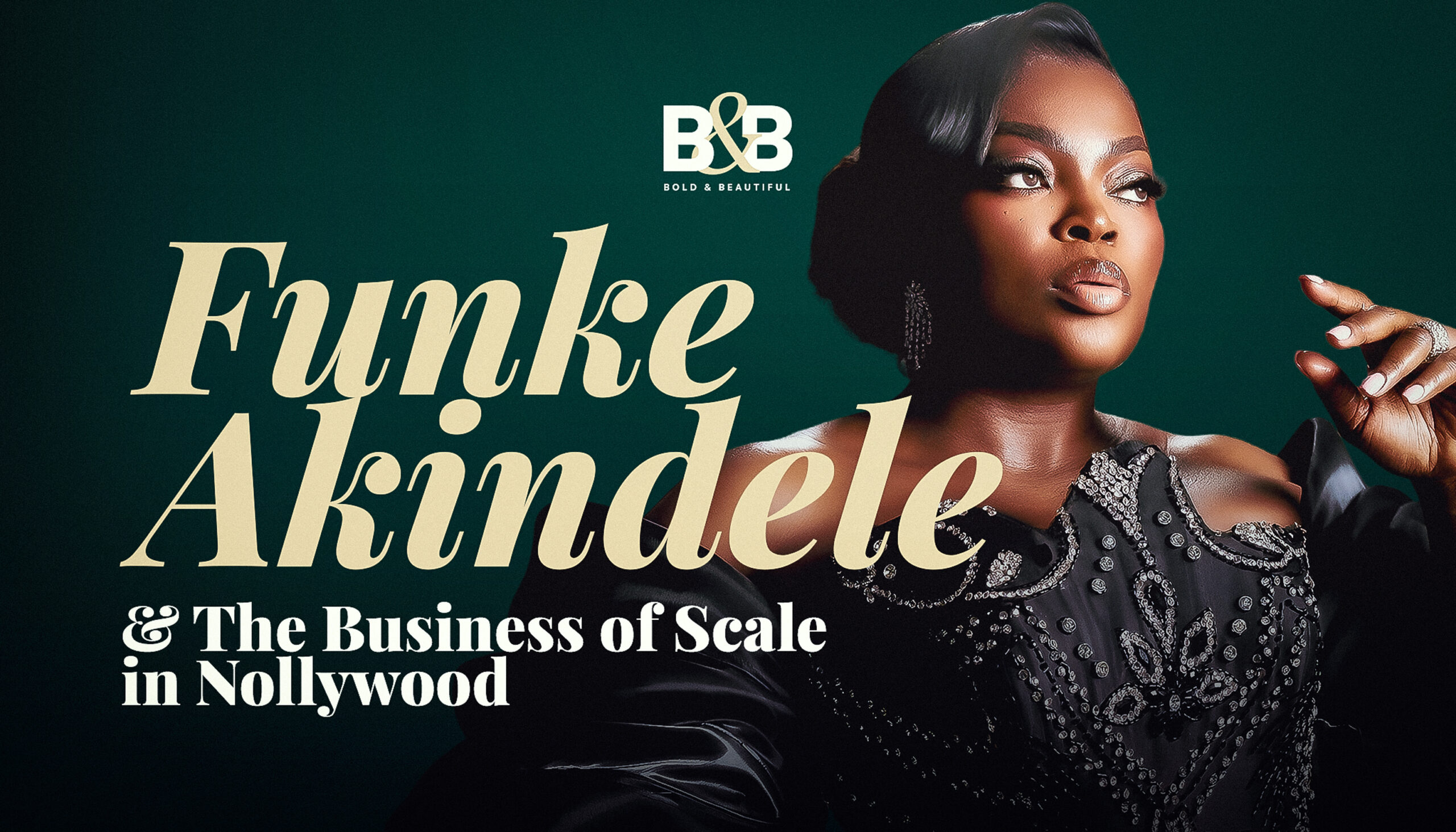
If The Wedding Party proved the ceiling could be cracked, Funke Akindele blew the roof off entirely. Working through her own company, the Funke Akindele Network, she has produced the three biggest local runs the market has seen, each reported through the exhibitors’ association numbers that the Nigerian trade press tracks.
Film
Release
Reported Nigerian gross
Battle on Buka Street (co-directed with Tobi Makinde)
December 2022
about ₦668 million
A Tribe Called Judah (co-directed with Adeoluwa Owu)
December 2023
about ₦1.4 billion, the first Nollywood film past ₦1 billion
Everybody Loves Jenifa
December 2024
past ₦1 billion
Three films above 600 million Naira from a single producer-director-star inside three years is unprecedented in the Nigerian market. It reset expectations for what a hit can do and who can carry one. It also exposed how concentrated the cinema upside really is. In any given year, the top five or six titles capture a disproportionate share of total box office, and most of the hundred-plus theatrical releases never come close to recouping their costs through screens alone.
The math is unforgiving. Work the fifty-fifty exhibitor split backwards, add marketing and distribution on top, and the rule of thumb producers quote is that a film has to gross something like two and a half times its production budget at the box office before it breaks even on screens alone. The majority of Nollywood theatrical releases do not get there. They survive instead on the second and third revenue streams sitting on the other side of the release.
Streaming and the Netflix Cheque
The streaming era arrived in earnest when Netflix acquired Genevieve Nnaji’s “Lionheart” in 2018, the platform’s first Nigerian original film. Within a few years Netflix had signed multi-title deals with EbonyLife, Anthill Studios, FilmOne and others. What those deals paid has never been disclosed by the platform or the producers, and the dollar figures that circulate in industry conversation are not documented, so this piece does not put a number on them. What is clear from the pattern of commissioning is that a directly commissioned or co-financed original was worth considerably more to a producer than a catalogue licence.
That buying environment has shifted with the broader pullback in global streaming spend since 2023. Netflix tightened its Nigerian commissioning slate, leaning more on licensed library titles than on new originals. Producers who built business models around guaranteed Netflix backstops in 2021 and 2022 found the door narrower by 2025. The deals still exist, but the per-title cheques are smaller and the volume is lower than the boom-era peak.
Prime Video Nigeria launched its local push with a catalogue strategy, licensing a broad slate of older Nollywood titles alongside selected new productions, trading lower per-title value for breadth. Showmax, operated through MultiChoice, leans into its African-first identity and competes for both English-language Nollywood titles and indigenous-language productions that the global platforms typically pass on.
For a producer with a finished film, the streaming sale increasingly determines whether the project breaks even. A mid-budget title that underperforms on screens can still get into profit if a platform licence lands behind it. A title that misses on both counts is in trouble, and there is no third window large enough to rescue it.
Ad SpaceIn-Article - 300x250
Advertisement
YouTube and the Long Tail
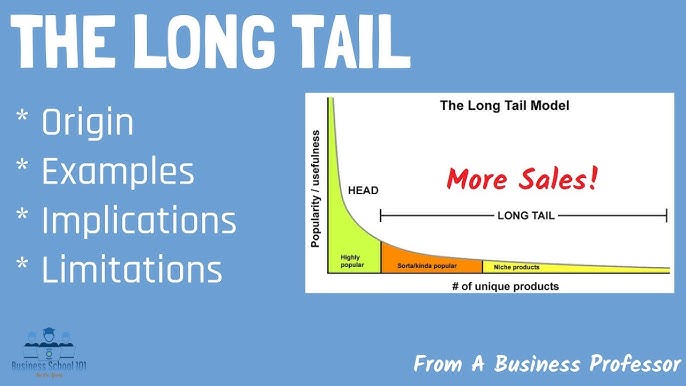
Below the prestige tier sits the YouTube economy, which has quietly become one of the most important distribution channels for mid and lower-budget Nollywood. Channels operated by producers, distributors and aggregators monetise full-length films through ad revenue, sometimes pulling tens of millions of views on a single title. The per-view payouts are modest by Western standards but stack up across a deep catalogue.
IrokoTV, once the dominant Nollywood streaming destination, wound down its Africa-facing subscription business in 2022 to concentrate on diaspora markets, with founder Jason Njoku saying publicly that local advertising and subscription numbers no longer supported the cost base. The pivot ceded ground to smaller independent operators and to producer-run channels that handle their own uploads. For Asaba-tradition films that never reach a multiplex screen or a global streamer, YouTube is now effectively the entire distribution stack.
What It Costs to Make a Nollywood Film
Production budgets in the Nigerian industry span a very wide range and are almost never published, so any precise band should be treated with suspicion. In broad terms, a no-frills direct-to-streaming or direct-to-YouTube title can be shot for a few tens of millions of naira. A mid-tier theatrical release costs a multiple of that. Prestige projects with major stars, premium locations and a full marketing campaign run into the hundreds of millions, and period pieces and effects-heavy productions push higher still. The gap between the bottom and the top of that range is the single clearest fact about the industry’s economics.
Acting fees are closely guarded and there is no published scale in Nigeria, so the numbers that circulate for individual stars are rumour rather than reporting. What the structure looks like is clearer than what it pays. A very small group of bankable leads, the Funke Akindele and Genevieve Nnaji bracket, can move a film’s opening weekend on their name alone and are priced accordingly. A second tier of recognisable working actors sits well below them. Below that the rate falls away sharply, and much of the cast on a mid-budget production is engaged per day with no residual participation of any kind.
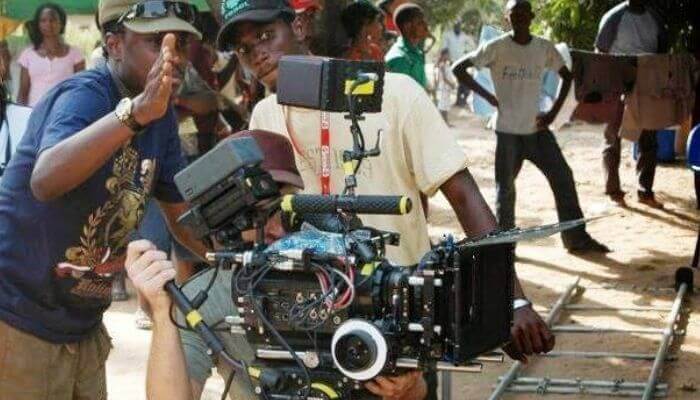
Director fees on commercial projects are negotiated as a share of the budget for established names, with separate producer fees layered on top when the director is also producing. Below the line, the picture is harsher. Lagos crew rates have risen through the 2020s as union organising has gained traction, but a meaningful share of Nollywood crew work still runs on casual-labour terms with limited benefits, irregular call sheets, and payment delays that producers privately acknowledge as a chronic problem.
Where the Money Comes In Before Cameras Roll
Production financing in Nigeria has historically been the bottleneck. Banks remain wary of film as collateral, because there is no reliable way to secure a loan against a title whose revenue depends on a four-week cinema run. Project Act Nollywood, the federal intervention fund administered with the Bank of Industry, was set up to provide structured production financing and a loan window for producers, and it has supported a slate of titles, though uptake and disbursement have been uneven and the facility has been criticised inside the industry for being hard to access. Lagos State has at various points offered location and permitting support to productions shooting in the state. Beyond that, most Nigerian films are still financed by their producers, by private investors and by presold rights.
International co-production has filled some of the gap. European public film funds and cultural institutes have brought structured financing into African projects, typically in exchange for distribution rights in the partner territory, and the Berlinale, Cannes and Toronto markets have all become active hunting grounds for Nigerian producers chasing that capital. The specific terms of individual co-production deals are rarely published, but the direction of travel is not in dispute: co-production has moved from a festival curiosity to a working financing route.
Brand sponsorship and product placement remain the most reliable supplementary revenue source for commercial Nollywood. Telecoms, beverage, fast-moving consumer goods and banking brands have all anchored placements inside major productions, sometimes covering meaningful portions of the marketing spend in exchange for on-screen integration. The Funke Akindele films have been particularly aggressive on this front, weaving sponsor brands into the texture of the story rather than treating them as bolt-on insert shots.
The Studio Players
Mo Abudu’s EbonyLife sits at the centre of the prestige-end ecosystem. The company built out its own Lagos production and venue operation, and has produced or co-produced a deep slate of theatrical, streaming and television projects. In February 2021 Sony Pictures Television announced an exclusive first-look deal with EbonyLife Media for scripted series, building on a partnership the two had struck in 2018. EbonyLife has also announced development arrangements with Netflix, AMC Networks and Westbrook Studios, which together make it the Nigerian producer with the deepest bench of international development relationships.
FilmOne Entertainment handles distribution and production inside Filmhouse Group, which also owns the Filmhouse Cinemas chain, giving the group a position on both sides of the theatrical business and a hand in major titles including the Wedding Party films. Inkblot has carved out the contemporary-comedy lane. Anthill Studios, founded by Niyi Akinmolayan, has focused on effects-capable productions and built one of the more technically ambitious slates in the industry. The Funke Akindele Network, her own production company, has effectively become a market force through the strength of her director-star-producer triple role.
MultiChoice’s broader role in the ecosystem extends well beyond Showmax. Its Africa Magic channels remain a significant licensee of catalogue Nollywood titles, providing producers with a meaningful second-window revenue stream after the theatrical and streaming runs have played out. The MultiChoice Talent Factory has trained a steady pipeline of crew and creatives across Anglophone Africa, addressing one of the chronic capacity constraints on the industry.
The Lionheart Benchmark
When Netflix acquired “Lionheart,” it did more than write a single cheque. It signalled that a Nigerian film could be carried globally without an American studio attached, that the platform model could distribute African work directly to a worldwide audience, and that the licensing rates available for premium African content were closer to international floors than to the catalogue prices Nollywood had historically commanded. Every major streaming deal since has been negotiated against that benchmark.
Which model holds is the open question in every Lagos production office. The streaming pullback has forced producers to diversify rather than rely on a single platform cheque to greenlight a project. Theatrical exhibition has matured but remains concentrated in a handful of cities, leaving the broader Nigerian audience underserved on screens. Co-production with international partners has become a serious financing path rather than a sideshow.
Funke Akindele has shown what a producer-driven hit machine can do inside the local market. EbonyLife has shown what a studio-scale operation can build with international partners. The Asaba ecosystem has shown that a high-volume, low-cost layer can survive every disruption thrown at it. The Lagos prestige tier, the streaming licensing market, the YouTube monetisation layer and the disc-and-download Asaba trade now sit in parallel rather than in sequence, each feeding different audiences and different producer profiles.
The reality underneath all of it is that Nollywood remains a hit-driven business sitting on top of a very long tail of titles that do not make money. The billion-Naira films pay for the dozens that quietly underperform. The breakout streaming deals subsidise the catalogue licences that barely cover a producer’s lunch. What has changed is that there are more places for a Nigerian film to find an audience than at any previous point in the industry’s history, and more financing structures than have ever been available before. Whether the revenue per title scales with that opportunity, or whether the same money simply gets spread across more films, is the question every producer in Lagos is working on.
Ad SpaceIn-Article - 300x250
Advertisement
Share
Get the recap
Loved this story? Get more like it.
Join readers who get our weekly entertainment recap - the stories worth your time, delivered every Friday.
No spam. Unsubscribe anytime. By signing up you agree to our Privacy Policy.