Somewhere between the 2018 acquisition of “Lionheart” and the 2023 explosion of “The Black Book” onto Netflix’s global top ten, Nollywood stopped being the world’s third-largest film industry by volume and started becoming something stranger: a supply chain. Movies that once shot in three weeks on budgets producers describe in the low tens of millions of naira now shoot for months on budgets in the hundreds of millions, framed for a Netflix gloss aesthetic that did not exist in Lagos a decade ago. The cameras changed. The actors changed. The contracts changed. Most importantly, the money changed, and so did who controls it.
What follows is a working map of how Nollywood’s economics shifted once American and South African streamers walked through the door, who gained, who lost, and where the cracks are already showing.
How Streamers Walked Into Lagos
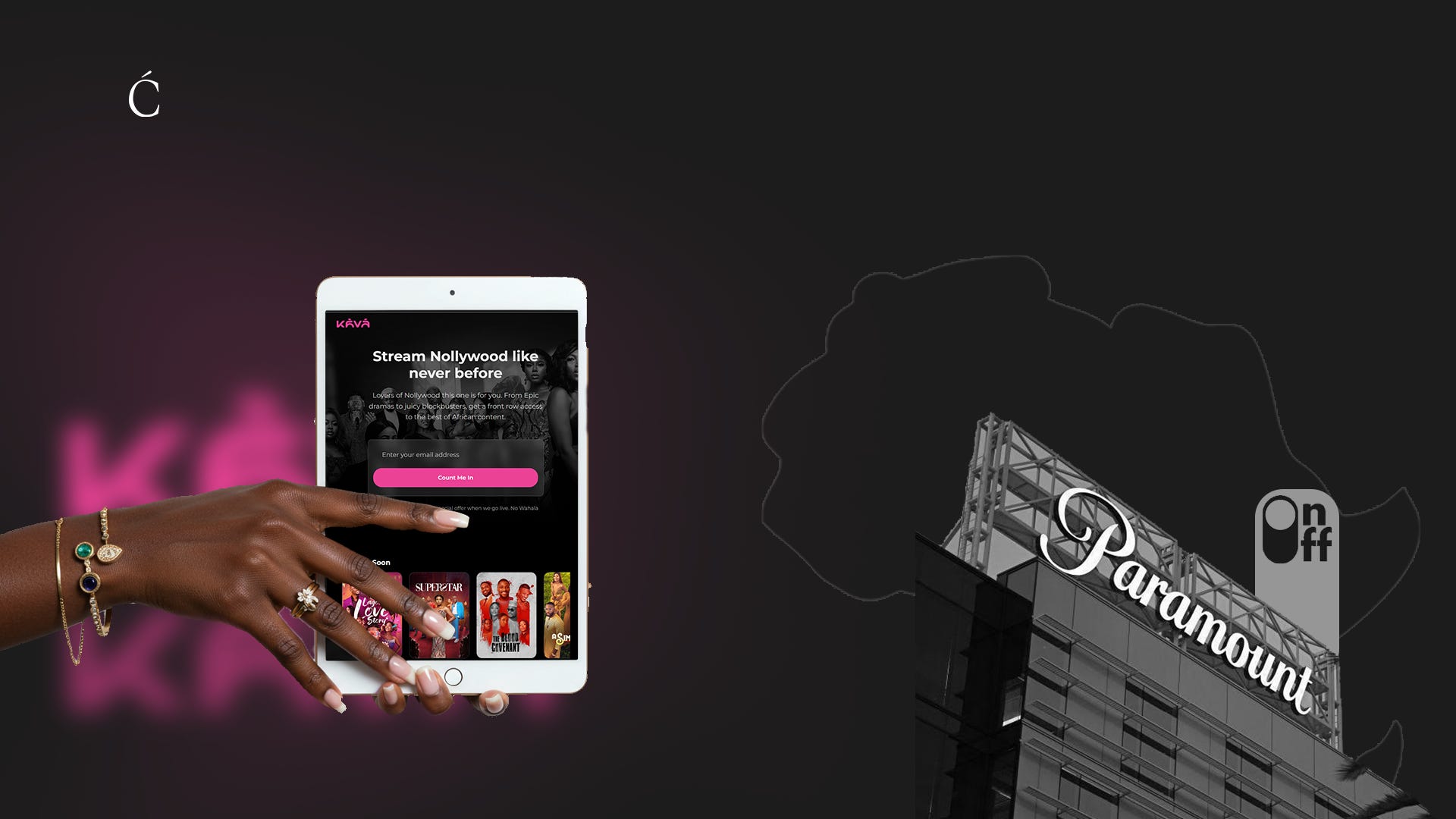
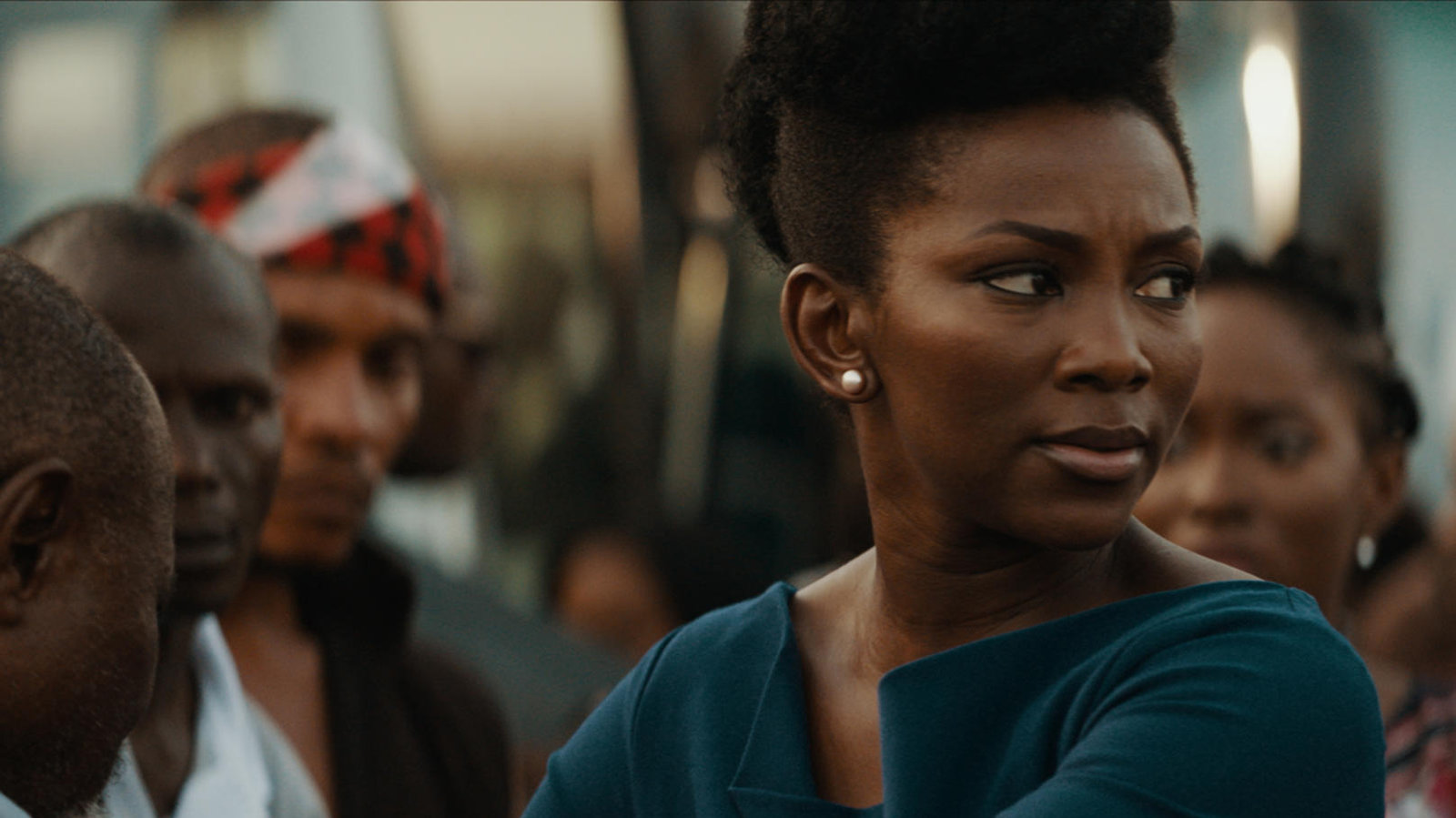
Netflix arrived in Nigeria in 2016, but for the first four years it operated mostly as a passive licensing buyer, picking up finished films from producers who had no other path to a global audience. The pivot happened in 2018, when Netflix paid for the worldwide rights to Genevieve Nnaji’s “Lionheart” out of Toronto. That deal, the first major acquisition of a Nigerian film by a global SVOD platform, did two things at once: it gave Nnaji a wide release no Nigerian cinema chain could match, and it told every producer in Lagos that there was a new buyer in town with deeper pockets than Silverbird, Filmhouse and Genesis combined.
By 2020, Netflix had assembled a dedicated content team for sub-Saharan Africa and started signing output deals. Kunle Afolayan signed a multi-year, multi-film arrangement that put titles like “Anikulapo” and “Aníkúlápó: Rise of the Spectre” under the Netflix banner. EbonyLife, run by Mo Abudu, signed its own multi-title deal that produced “Blood Sisters” and “Òlòtūré: The Journey,” among others. Mo Abudu’s pitch was not subtle: she was offering the platform a slate, not a single film.
Prime Video showed up later but with a similar playbook, acquiring back catalogues from Inkblot, Anthill Studios and FilmOne, then commissioning originals like “Gangs of Lagos” in 2023. Showmax, owned by MultiChoice, the same group that runs DStv and the Africa Magic channels, was already on the ground through its parent’s decades-old satellite footprint. Its bet was different: rather than chase one-off film deals, Showmax commissioned longer-arc series like “The Real Housewives of Lagos” and the Nigerian version of “The Wife,” then doubled down on the format as the MultiChoice group moved to widen its sports and entertainment offering through a DAZN partnership.
Each platform staked out a different lane. Netflix wanted prestige films with global crossover potential. Prime wanted volume and brand recognition. Showmax wanted episodic loyalty inside a continent it already understood through pay-TV. The result was a three-way bidding environment that, almost overnight, made certain Nollywood properties worth ten times what they would have fetched at a Surulere DVD plant in 2014.
The iROKO Footnote
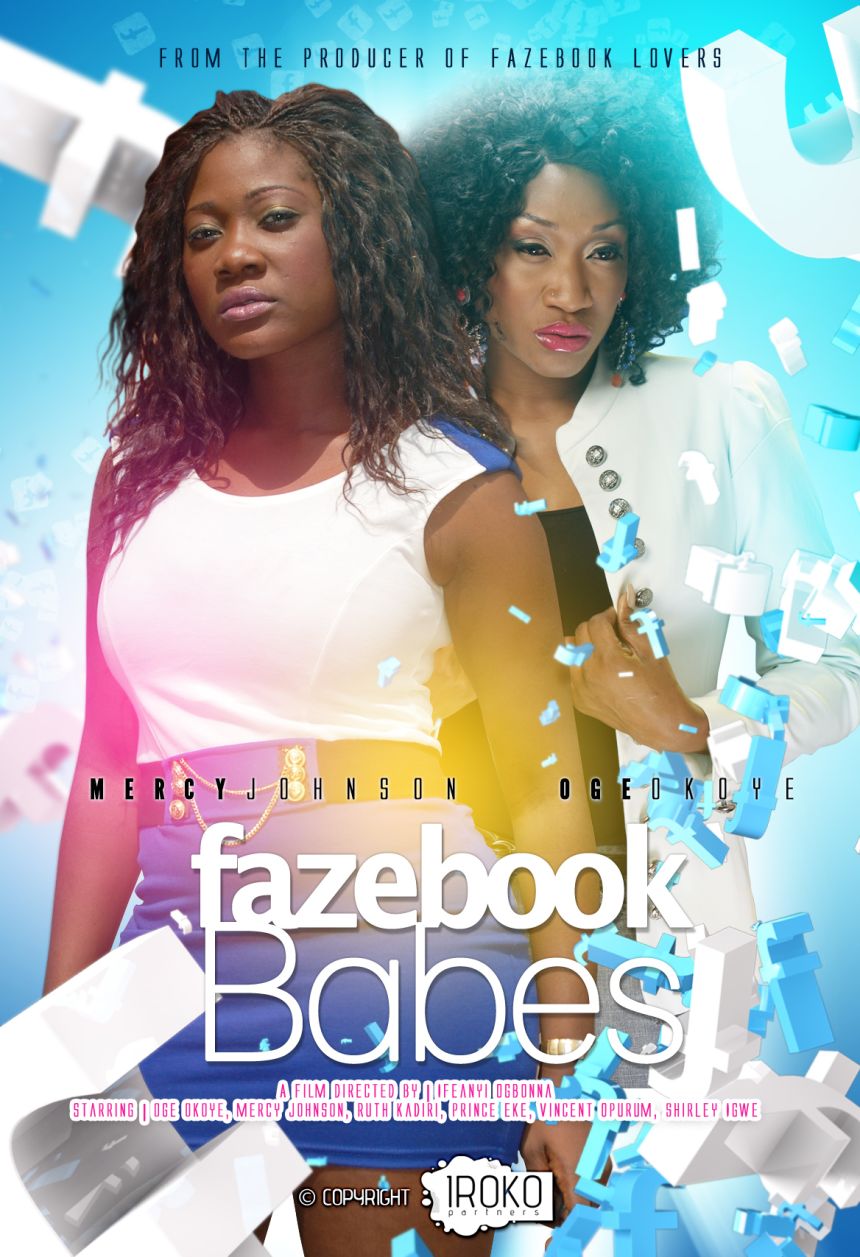
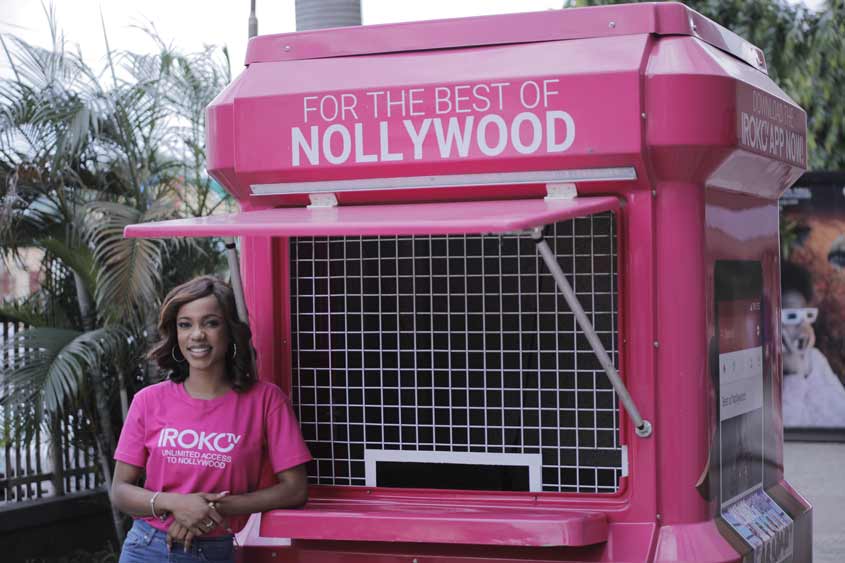
None of this happened in a vacuum. Jason Njoku’s iROKO TV, launched in 2010, was the original Nollywood streaming bet, packaging Yoruba and Igbo-language films for a diaspora audience on YouTube and then its own platform. By 2020, iROKO had scaled down its African operations, citing low ARPU and unfavorable mobile data costs, and pivoted to a smaller subscription base abroad. The infrastructure iROKO built, including content acquisition workflows and subtitle pipelines, became the quiet template that Western platforms later adapted. The company that proved the model could not afford to keep running it once the giants arrived.
The Money: What a Nollywood Film Actually Earns Now
Cinema in Nigeria has always been a brutal place to recoup. Theatrical revenue is split roughly down the middle: 50 percent goes to the cinema chain, and the remaining 50 percent is divided again between the distributor and the producer, with marketing and print costs coming out of the producer’s share before anyone sees a kobo. A film like “King of Boys: The Return of the King,” which had a strong cinema run, still needed its Netflix tail to justify Kemi Adetiba’s full budget.
Streaming changed the arithmetic, but not always in the producer’s favor.
A typical Netflix license for a finished Nigerian film, according to industry figures shared in trade press and at AFRIFF panels, lands somewhere between $300,000 and $2 million depending on cast, director and global appeal. That is a wide band, and the spread tells the story. A Genevieve Nnaji, a Kunle Afolayan, a Mo Abudu production with a name star sits near the top. A mid-tier comedy with a regional cast sits near the bottom. Original commissions, where Netflix funds the film outright in exchange for first-window rights and often broader IP control, can run higher, but the producer typically gives up backend participation and sometimes territorial rights forever.
On the streaming originals side, producers and line producers describe a margin somewhere in the region of a third to a half of the production fee, with the streamer keeping the rest of the value as outright ownership of the asset. Nobody publishes those terms, and the percentage moves with how badly the platform wants the title. There is no DVD residual. There is no syndication royalty. The film exists on the platform, makes the platform money through subscription retention, and the producer’s relationship with the work effectively ends at delivery.
The 90-Day Exclusive Window
What replaced the old cinema-to-DVD-to-AIT free-TV pipeline was a new sequence: a 6 to 12 week theatrical window at Filmhouse and Silverbird, followed by a 90-day exclusive Netflix or Prime window, followed by a slower drift to Africa Magic or YouTube. That exclusivity period is where the platform extracts its value. For three months, a subscriber who wants to watch “The Black Book” has only one place to go. After that, the rights typically loosen, but by then the cultural moment has passed and the film has done its work as an acquisition tool.
The “Black Book” itself is the cleanest case study. Editi Effiong’s revenge thriller hit Netflix in September 2023 and reached the global top ten non-English films list within days, with reported viewing figures running into the tens of millions of hours in its first month. Netflix did not release Nigerian-specific revenue figures, but the licensing deal, plus the discovery value the film generated for the platform across Africa, is widely understood to have paid for itself many times over. For Effiong, the upside was reputational rather than financial, and that gap between platform value and creator value is the single most contested issue in the Nigerian industry right now.
The Production Standard: Six-Month Shoots and the Netflix Gloss
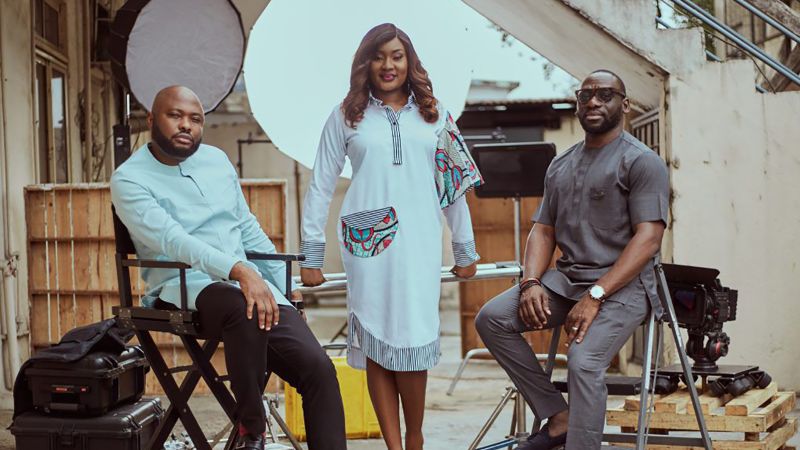
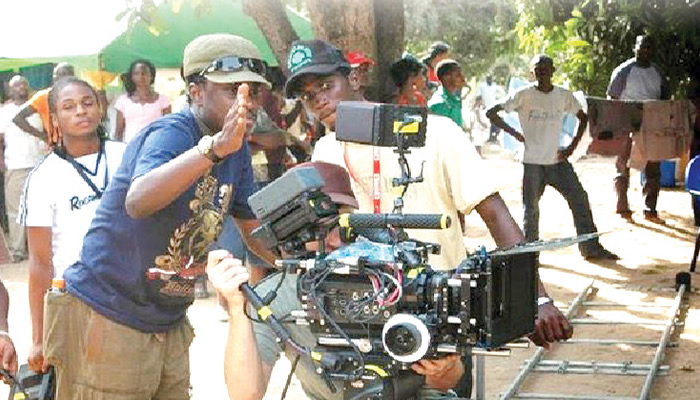
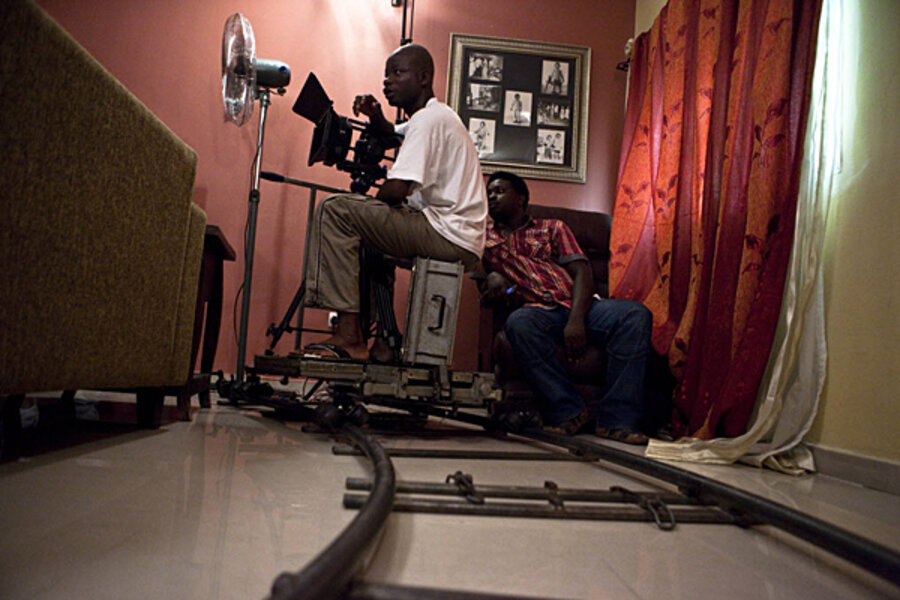
Before 2018, the median Nollywood feature shot in roughly three weeks, often on a single location with a borrowed DSLR rig, edited on a laptop in a Surulere flat. Producers who worked through that era describe budgets clustering somewhere around ₦20 million for a respectable mid-tier film, with the truly threadbare end of the market running nearer ₦5 million. Post-Netflix, the floor for a film with any chance of being acquired or commissioned is widely described as having moved into the hundreds of millions of naira. Kunle Afolayan’s “Aníkúlápó” reportedly came in north of ₦400 million. EbonyLife productions routinely push higher.
The money is not all going to talent. Most of it is going to time and gear. A film aiming for the Netflix slate now shoots for four to six months, not three weeks. Cameras have moved from Canon 5Ds to RED, ARRI and Sony Venice rigs. Sound is recorded properly on set rather than dubbed in post. Production designers are credited and paid. Color grading happens in Lagos or, increasingly, in Johannesburg and London facilities, and the resulting look, a high-contrast, desaturated, cinematic palette that critics have nicknamed the Netflix gloss, has become the visual signature of the new Nollywood.