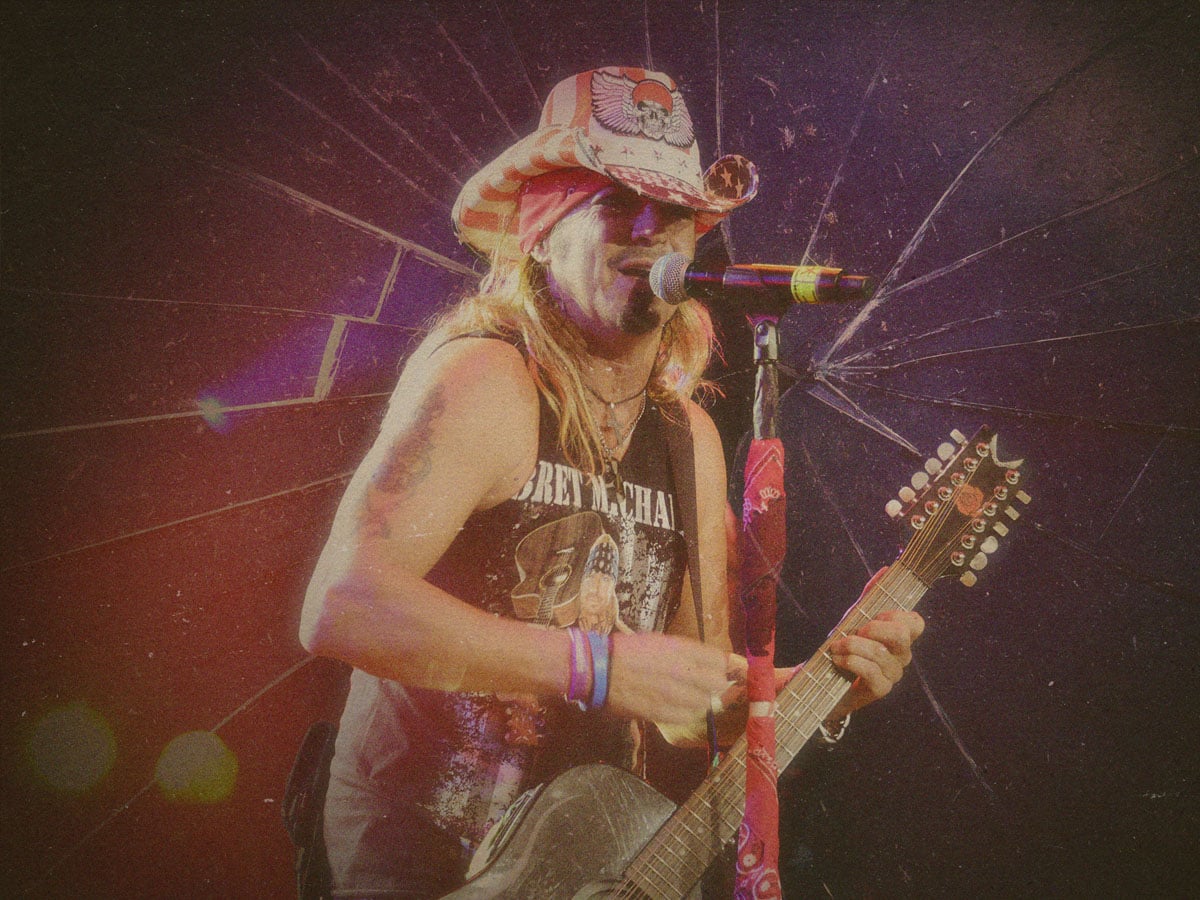

Few rock stars have lived as many lives as Bret Michaels. The bandana-wearing frontman who turned Sunset Strip swagger into stadium anthems somehow became the same guy who handed roses to reality TV contestants two decades later, then survived a brain hemorrhage that should have ended him, then walked back onto stadium stages selling out arenas across America. Yet here he is in 2026, still touring, still wearing the bandana, still very much alive in every sense of the word.
Bret Michaels in 2026: The Survivor Still Standing
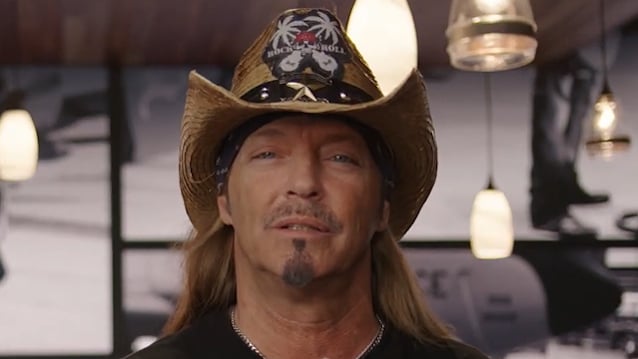
These days the 62-year-old splits his time between the road and his Arizona ranch, where he has spent most of the last decade raising his daughters and managing a body that has tried to kill him more than once. His Parti-Gras tour, which he launched as a festival-style traveling roadshow featuring multiple classic-rock acts, has become a steady summer fixture. He still tours with the Bret Michaels Band on solo dates, still reunites with Poison for major stadium runs, and still squeezes in television appearances whenever the right opportunity arrives.
His advocacy work continues through the Bret Michaels Life Rocks Foundation, which raises money for diabetes research, childhood illness causes, and veterans’ organizations. His older daughter Raine Elizabeth, now in her mid-twenties, has built a notable modeling career of her own, including multiple Sports Illustrated Swimsuit features that introduced a new generation to the Michaels family name. His younger daughter Jorja Bleu, born in 2005, is now navigating early adulthood largely outside the spotlight, which appears to be by design.
The man who once symbolized hair-metal excess has, against all expectations, settled into the role of survivor, dad, and elder statesman of an era that refuses to die quietly.
Pennsylvania Roots and the Birth of Poison

Born Bret Michael Sychak on March 15, 1963, in Butler, Pennsylvania, the future frontman grew up in a region better known for steel mills than glam rock. His childhood was shaped by a diagnosis that would define his entire life: Type 1 diabetes at age six. That diagnosis arrived decades before continuous glucose monitors and insulin pumps, when managing the disease required constant vigilance and finger pricks multiple times a day. It also planted the seed of something else, a stubborn refusal to let his condition limit him.
By his late teens he was playing in local bands around Mechanicsburg, Pennsylvania, where in 1983 he co-founded the group that would become Poison alongside drummer Rikki Rockett and bassist Bobby Dall. They called themselves Paris at first, a name they would soon discard. Within months the band loaded everything they owned into a van and drove west to Los Angeles, chasing the Sunset Strip scene that was already exploding around clubs like the Whisky a Go Go and the Roxy.
Los Angeles in 1983 was the right city at the right time. The glam-metal scene was finding its commercial footing, and a wave of bands with teased hair, spandex, and pop hooks was about to crash over American radio. Poison was poised to ride that wave once guitarist C.C. DeVille joined in 1985, completing the classic lineup that would sell tens of millions of records.
The 1986-1988 Explosion
When “Look What the Cat Dragged In” arrived in 1986, Poison did not look like a band that would dominate American rock radio. The album cover, with all four members in heavy makeup, was so androgynous that retailers reportedly mistook them for a girl group. But the songs were undeniable. “Talk Dirty to Me” became a Top 10 hit, and “I Want Action” pushed the band into heavy MTV rotation at exactly the moment MTV was the single most powerful tastemaker in music.
The follow-up, 1988’s “Open Up and Say Ahh!” turned them from rising act to genuine superstars. “Nothin’ But a Good Time” became the era’s definitive party anthem. Then came the song that would outlive every passing musical fashion: “Every Rose Has Its Thorn.” A stripped-down acoustic ballad inspired by a long-distance breakup Michaels endured while on tour, it climbed to number one on the Billboard Hot 100 in December 1988 and stayed there for three weeks. It remains one of those songs that anyone over the age of forty can still sing the chorus to without warning.
Poison would go on to sell more than 30 million records worldwide. For a few brilliant years they were one of the biggest rock acts on the planet.
Living With Type 1 Diabetes on Tour
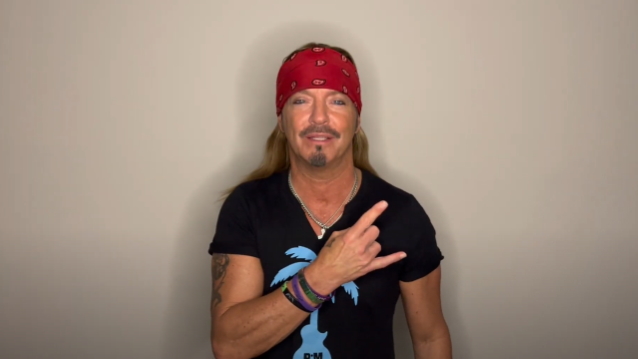
Beneath the spectacle, Michaels was managing an autoimmune disease that demanded constant attention. Touring with diabetes in the 1980s meant calculating insulin doses while flying through time zones, eating road food that could spike blood sugar without warning, and recovering from late-night shows that disrupted any chance of a stable schedule. He has spoken in countless interviews about checking his blood sugar before going onstage, about the close calls, about the times his hands shook so badly he could barely play guitar.
What separated Michaels from many rock stars of his era was his willingness to be public about it. He became one of the most visible faces of Type 1 diabetes advocacy, partnering with the American Diabetes Association and using his platform to educate fans about the difference between Type 1 and Type 2 diabetes, a distinction that the general public still routinely confuses.
The 1990s Decline and the C.C. DeVille Incident
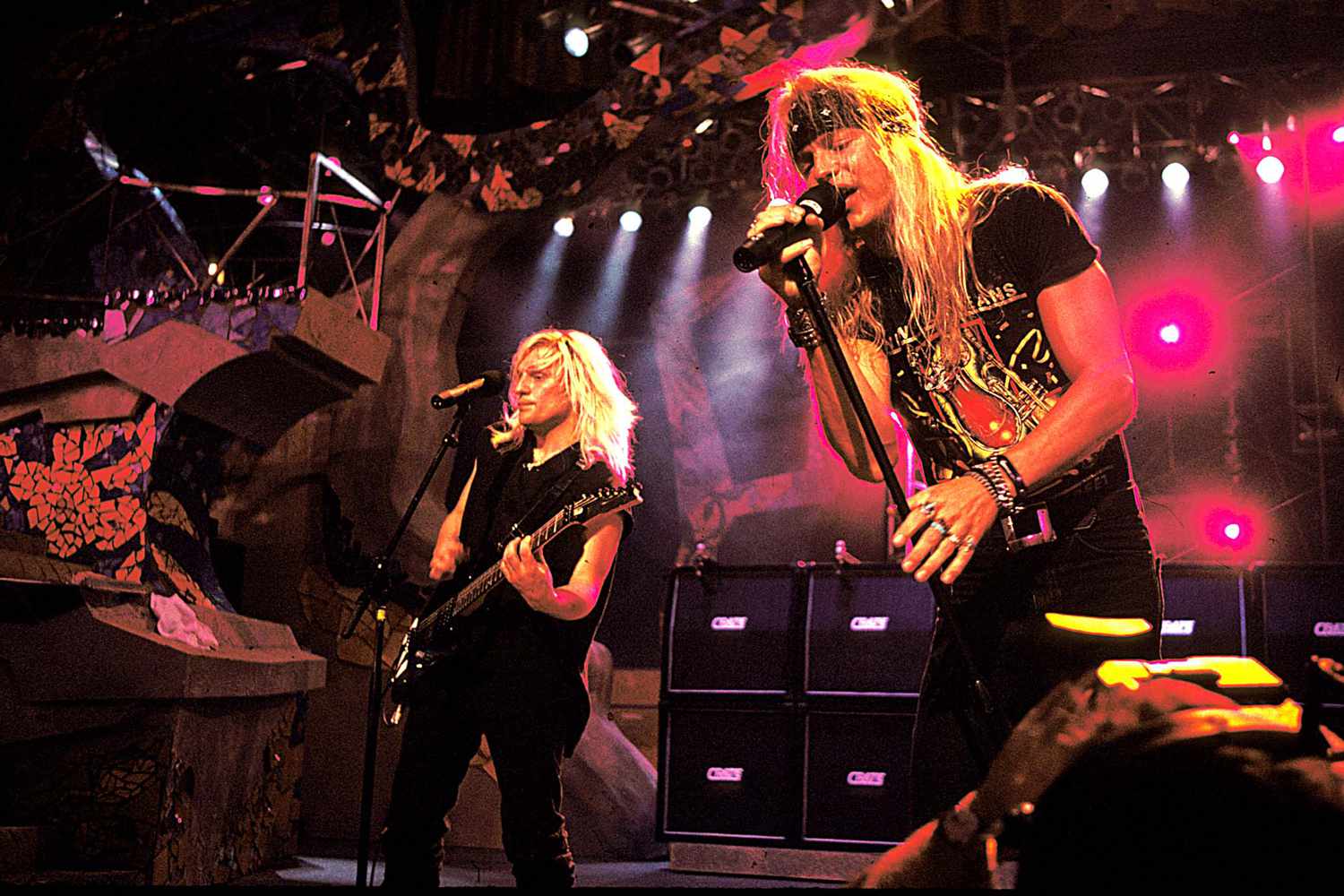
Then grunge arrived. Nirvana, Pearl Jam, Soundgarden, and Alice in Chains made the cheerful hedonism of glam metal feel suddenly embarrassing. Radio stations dropped hair-metal acts almost overnight. Poison’s 1990 album “Flesh and Blood” still went multi-platinum, but the cultural ground was shifting under their feet.
The 1991 MTV Video Music Awards became a public turning point. C.C. DeVille’s performance with the band that night went badly wrong, with DeVille reportedly playing the wrong song and struggling visibly through his guitar parts. Backstage tensions erupted into a physical altercation between DeVille and Michaels. DeVille was effectively out of the band by 1992, replaced by Richie Kotzen and later Blues Saraceno during what longtime fans tend to call the lost years.
Poison continued releasing music throughout the decade, but the audience had moved on. By the late 1990s the band was largely a nostalgia act playing smaller venues, with album sales a fraction of what they had been a decade earlier. The classic lineup eventually reunited in 1999, but the commercial moment was clearly behind them.
The Solo Years and Country-Rock Pivot
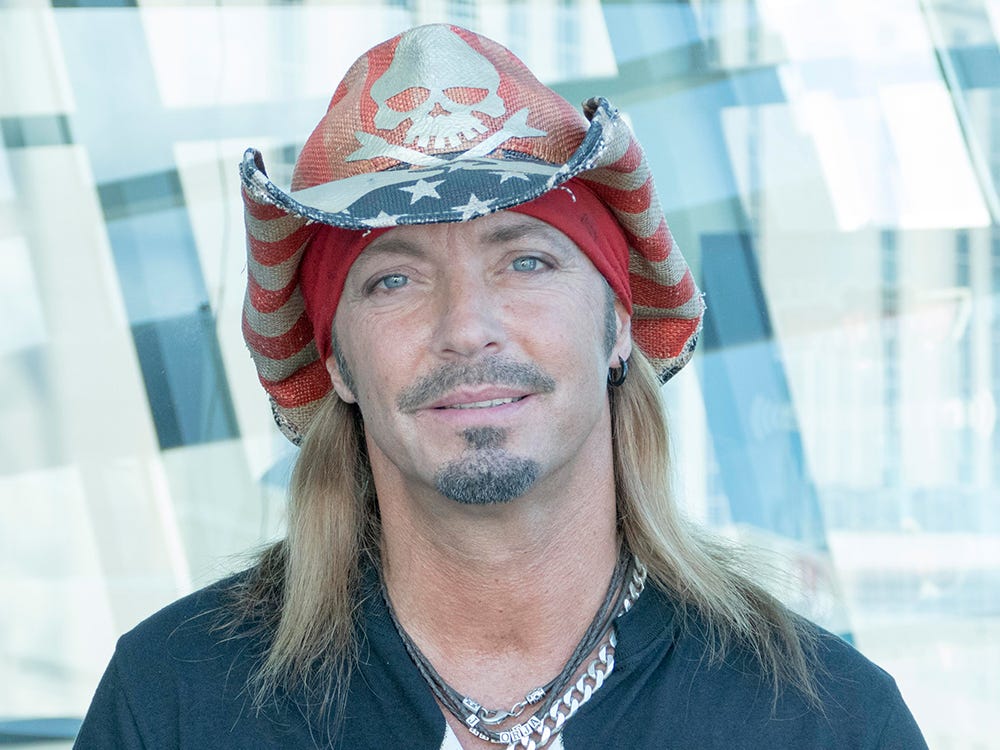
Through the early 2000s Michaels worked the lower-tier touring circuit with the Bret Michaels Band, leaning into a sound that blended his rock catalog with country and Southern-rock influences. He released solo albums that found modest success with his core fan base, and he kept up a punishing tour schedule playing state fairs, county festivals, and casino venues across America.
It was honest work for an aging rock star, but nobody outside his existing fan base was paying much attention. Then VH1 called.
Rock of Love and the Reality TV Resurrection
In 2007, VH1 premiered “Rock of Love with Bret Michaels,” a dating competition show in the mold of “The Bachelor” with the volume turned up to eleven. Twenty-five women competed for Michaels’ affections in a Hollywood mansion, surviving weekly elimination ceremonies in which he handed each remaining contestant a pass backstage to a fictional concert.