
Best Nollywood Movies of All Time: 25 Films Every Fan Must Watch
Movies

Best Nollywood Movies of All Time: 25 Films Every Fan Must Watch

Nova PatricksNova Patricks··12 min read
Ad SpaceArticle Top - 728x90
Advertisement

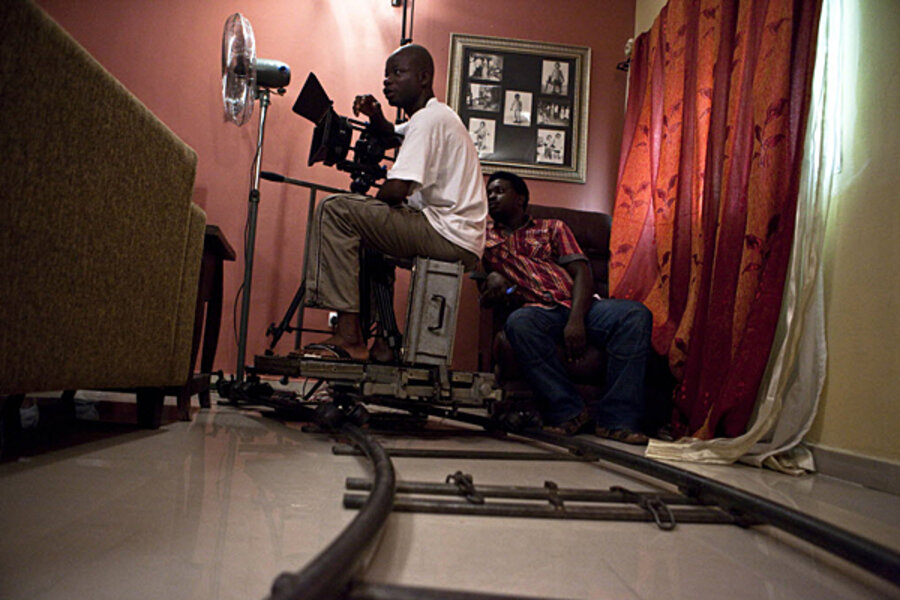
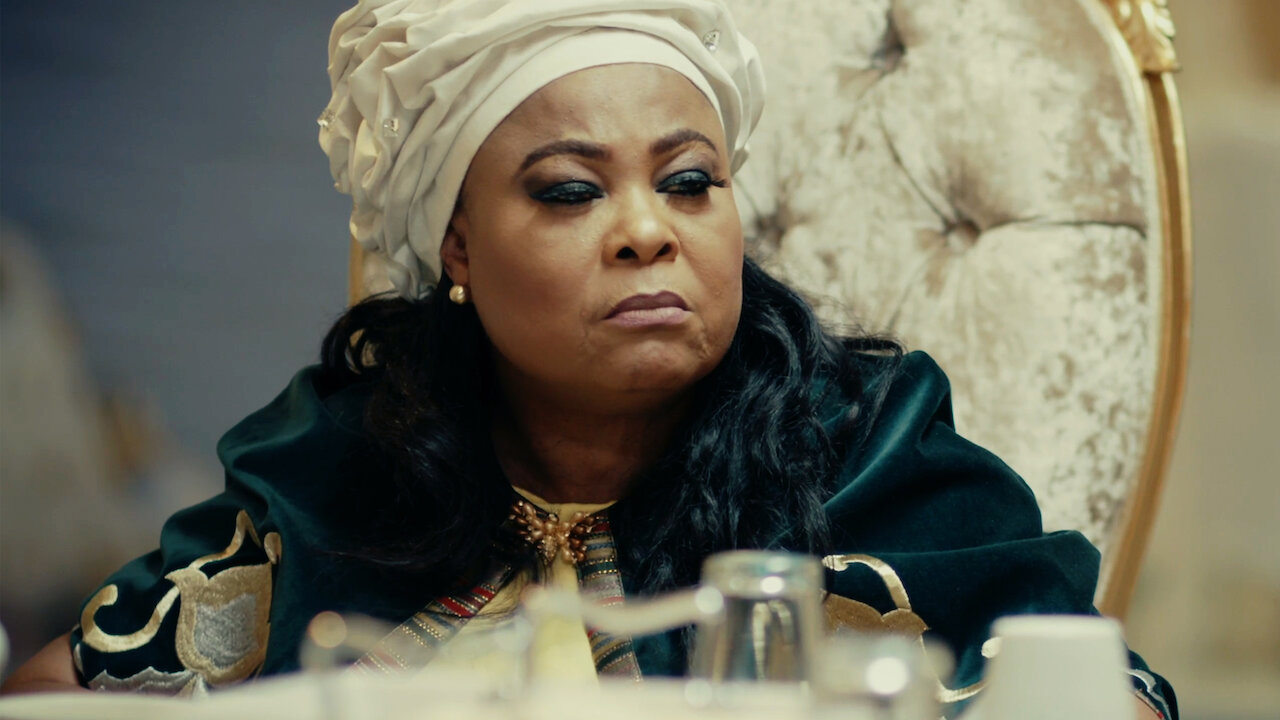
Picking a definitive Nollywood canon is a fight worth having. Three decades of output, multiple aesthetic waves, and a thousand straight-to-video gems mean any list is a starting argument rather than a settled verdict. The 25 films below cut across the industry’s foundational VHS era, its theatrical “New Nollywood” reset, and the streaming-fuelled boom of the 2020s. Some made history at the box office, some travelled to Sundance, Berlin and Toronto, and a few simply refused to leave the cultural bloodstream. This is a Sidomex editorial selection rather than an industry ranking, and the numbering runs chronologically, from the VHS pioneers forward, rather than from best to worst.

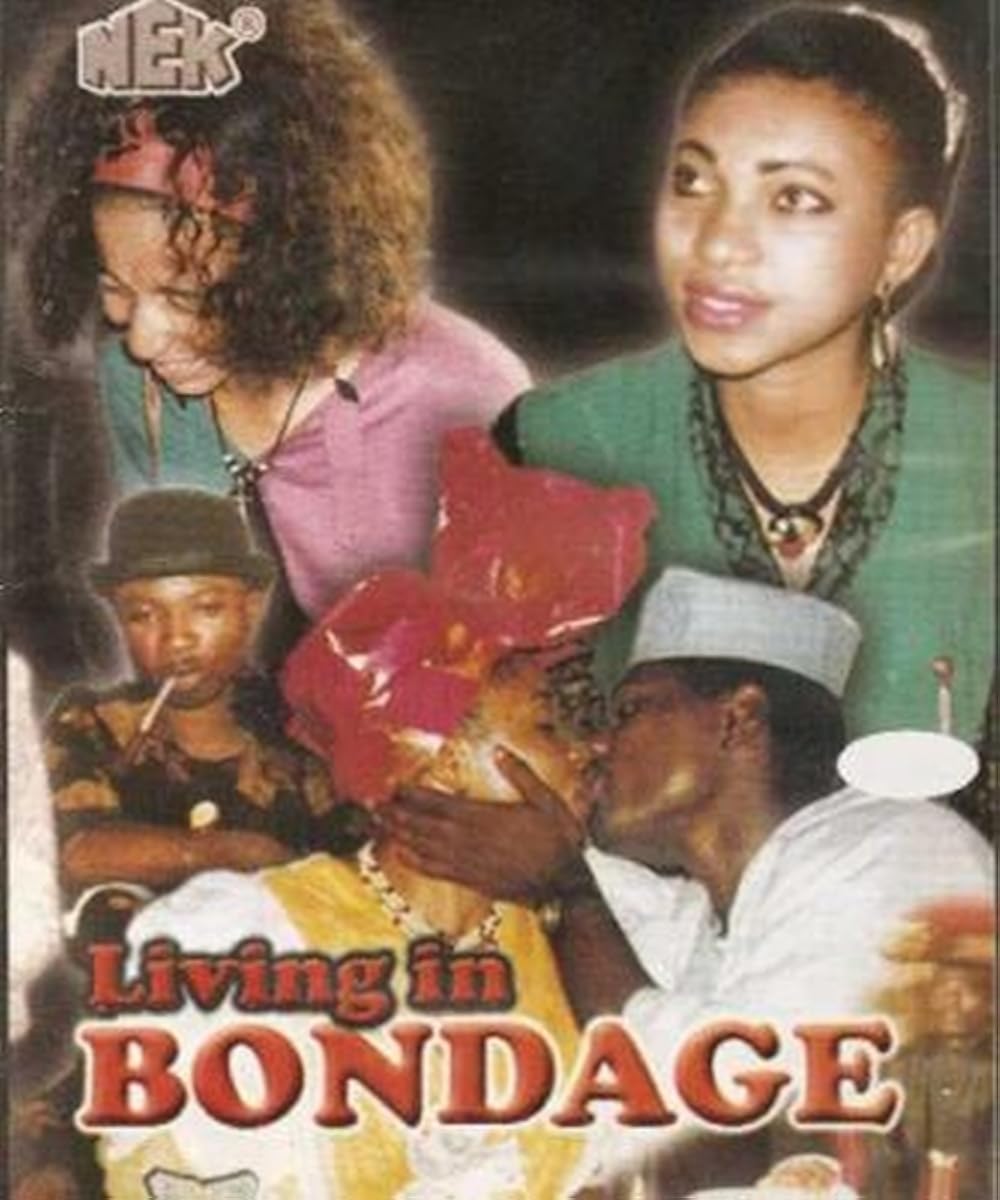
1. Living in Bondage (1992)
Best Nollywood Movies of All - 1. Living in Bondage (1992)

Written and produced by Kenneth Nnebue, with Okechukwu Ogunjiofor sharing the writing credit and Chris Obi Rapu directing, the tale of Andy Okeke selling his wife for occult wealth is the cornerstone myth of Nollywood. Shot on video in Igbo with subtitles, it reportedly sold in the hundreds of thousands of copies, with published estimates varying widely, and it proved that direct-to-cassette drama could carry an industry. Kenneth Okonkwo’s haunted turn as Andy still sets the template for the morally ruined Nollywood lead. Without this film there is no Nollywood, no Surulere video market boom, no later renaissance. It belongs at the head of every serious watchlist.

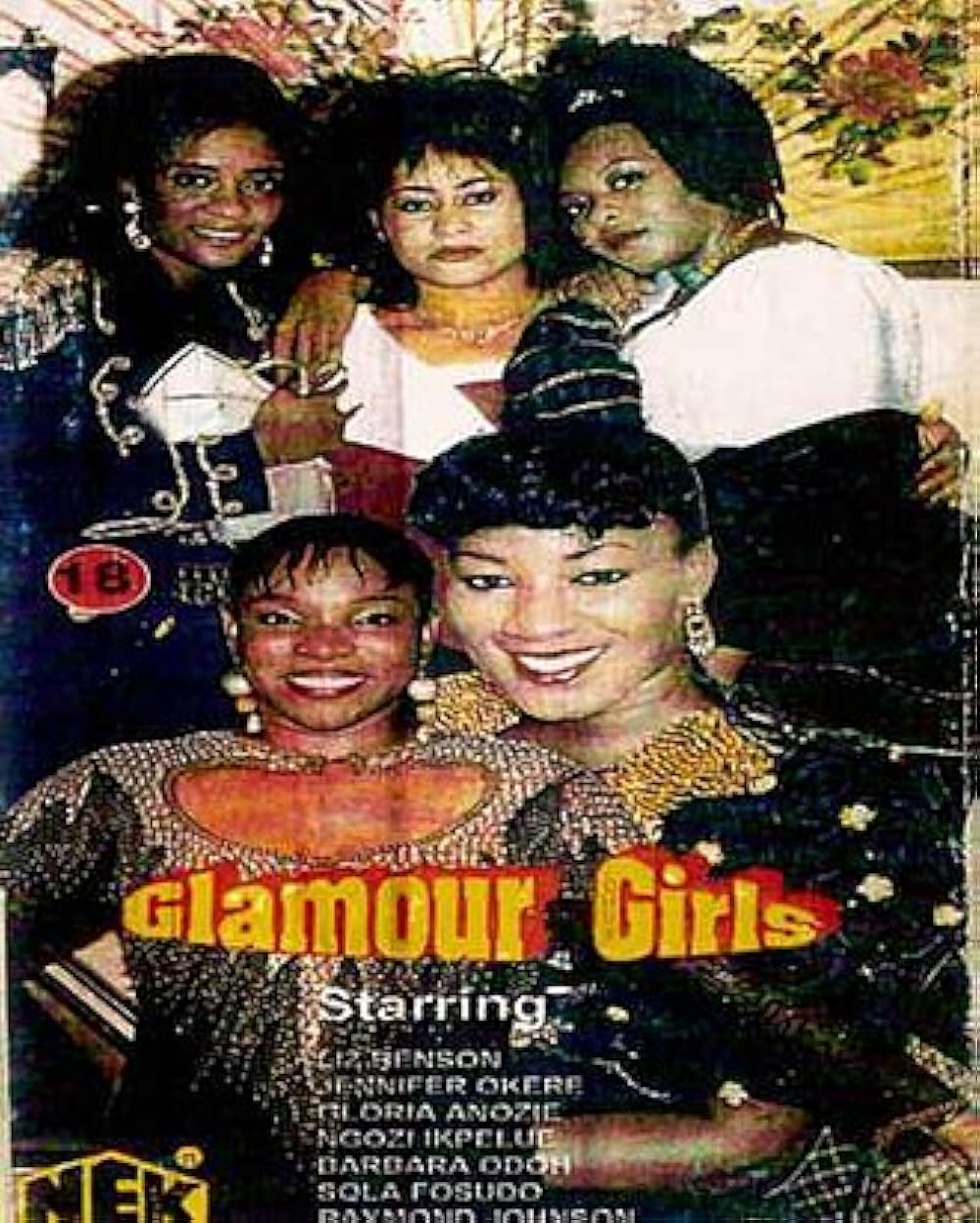
2. Glamour Girls (1994)
Best Nollywood Movies of All - 2. Glamour Girls (1994)

Two years after Living in Bondage, Nnebue switched languages and gears, writing and producing an English-language drama, directed by Chika Onukwufor, about high-end Lagos sex work and the women navigating it. Liz Benson, Eucharia Anunobi, Ngozi Ezeonu and Dolly Unachukwu headline a cast that gave the industry its first true ensemble of glamorous female leads. The sequel “Glamour Girls 2: The Italian Connection” pushed the story into international trafficking territory and made the films a phenomenon. Netflix’s 2022 reboot, directed by Play Network’s Bunmi Ajakaiye, reintroduced the title to a streaming-era audience.

3. Domitilla (1996)
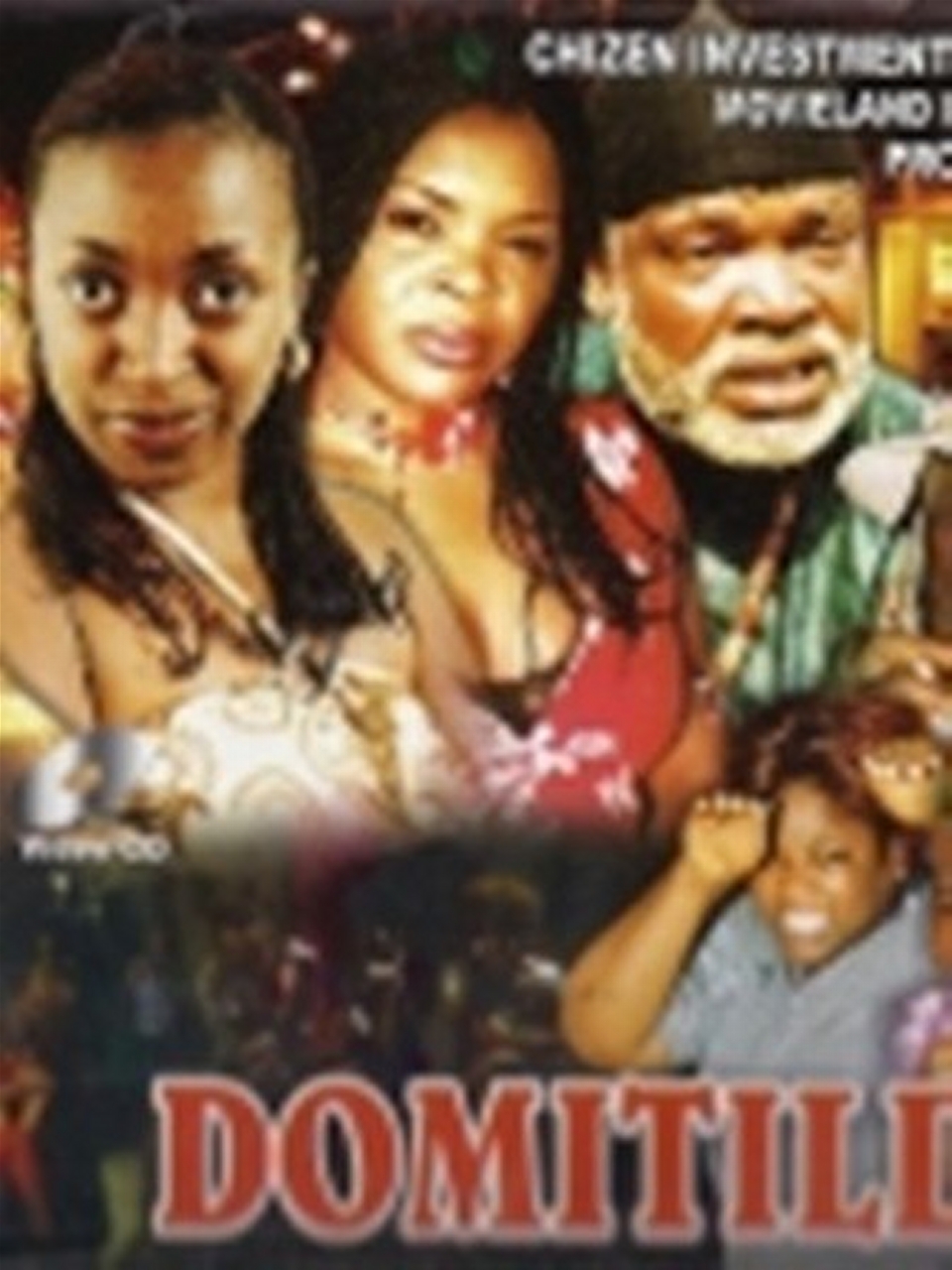
Best Nollywood Movies of All - 3. Domitilla (1996)

Zeb Ejiro’s drama follows a Lagos sex worker trying to claw her way to dignity. Anne Njemanze’s title performance, supported by Sandra Achums, Ada Ameh and Kate Henshaw, turned Domitilla into shorthand for the wounded but defiant Lagos woman, and the name has stayed in circulation long enough to end up in a trademark dispute decades later. Beyond its commercial run, Domitilla showed that Nollywood could handle social realism without losing melodramatic pull. It is one of the earliest VHS-era films a serious fan should track down, sitting in the same conversation as Living in Bondage for foundational impact.

4. Issakaba (2000)
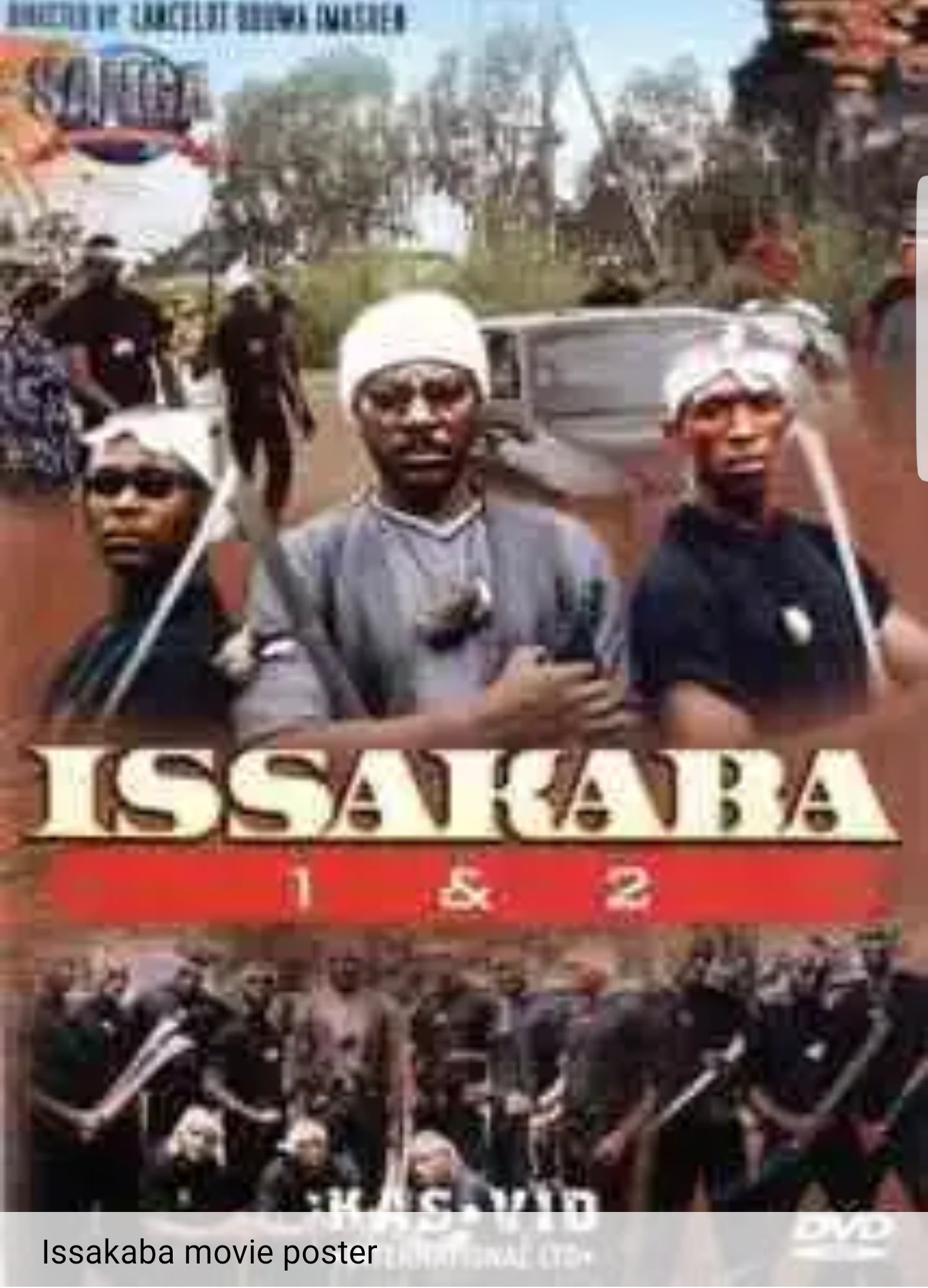
Best Nollywood Movies of All - 4. Issakaba (2000)

Lancelot Oduwa Imasuen’s four-part vigilante saga, released across 2000 and 2001, dramatised the real Bakassi Boys of Aba and Onitsha, casting Sam Dede as Ebube, the conflicted leader fighting armed robbers when the state had failed. Amaechi Muonagor, Chiwetalu Agu, Pete Eneh, and a deep bench of southeast actors gave it weight. Issakaba was one of the most widely circulated titles of the early 2000s and burned the question of vigilante justice into the popular imagination. Its grain, its market scenes, and Dede’s coiled intensity capture an era of Nigerian anxiety better than any newspaper archive.

5. Osuofia in London (2003)
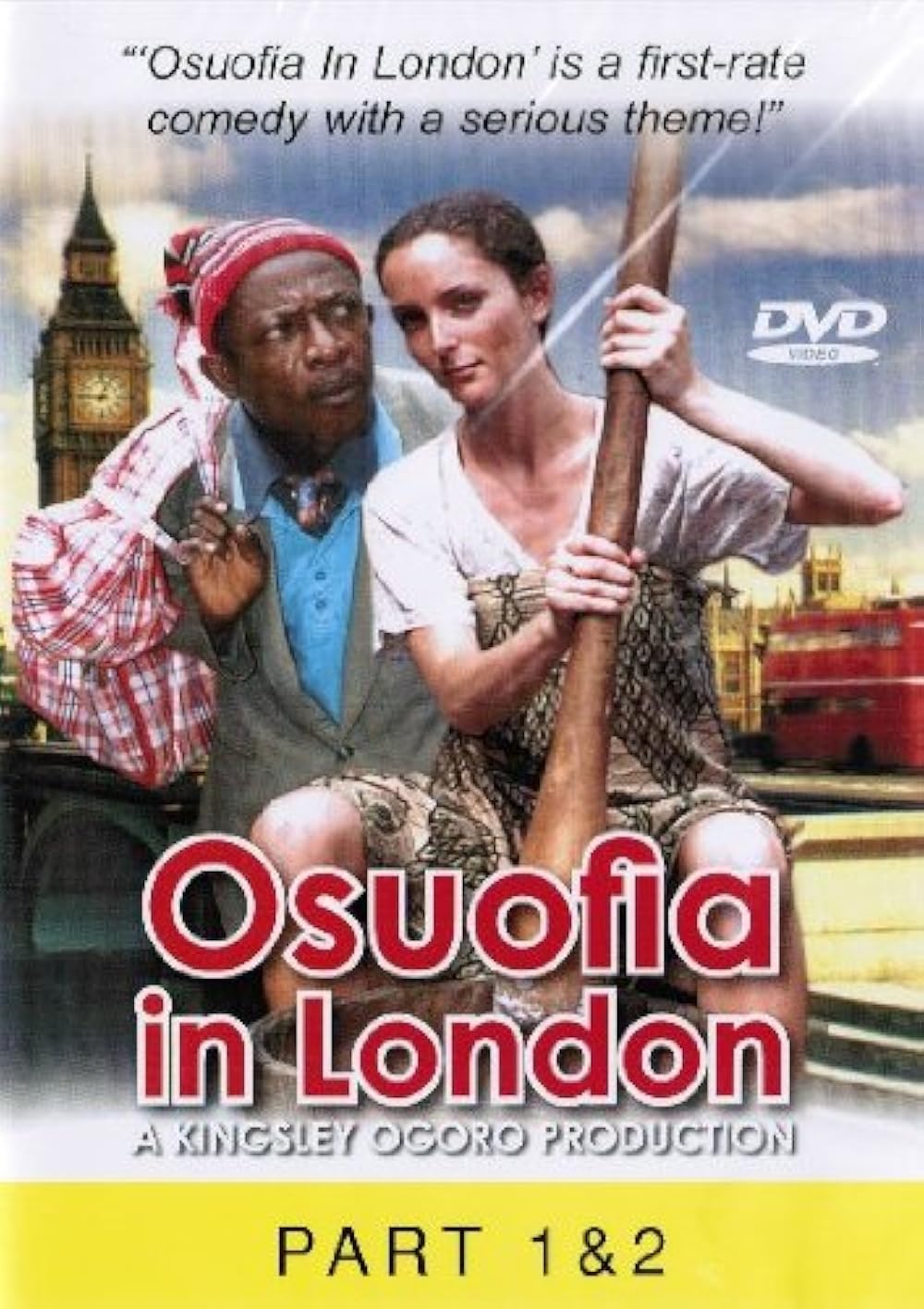
Best Nollywood Movies of All - 5. Osuofia in London (2003)

Kingsley Ogoro’s comedy sent Nkem Owoh, already beloved from village comedies, to London to claim an inheritance. The fish-out-of-water gags about cold weather, white in-laws, and confused customs officers turned the film into the biggest Nollywood comedy of its era. The sequel followed almost immediately. Owoh’s performance is so specific, all squint and side-eye, that the character escaped the film and became a national reference point. Two decades later, “Osuofia” is still the shorthand for any Nigerian abroad doing battle with foreign etiquette.

6. The Figurine (2009)
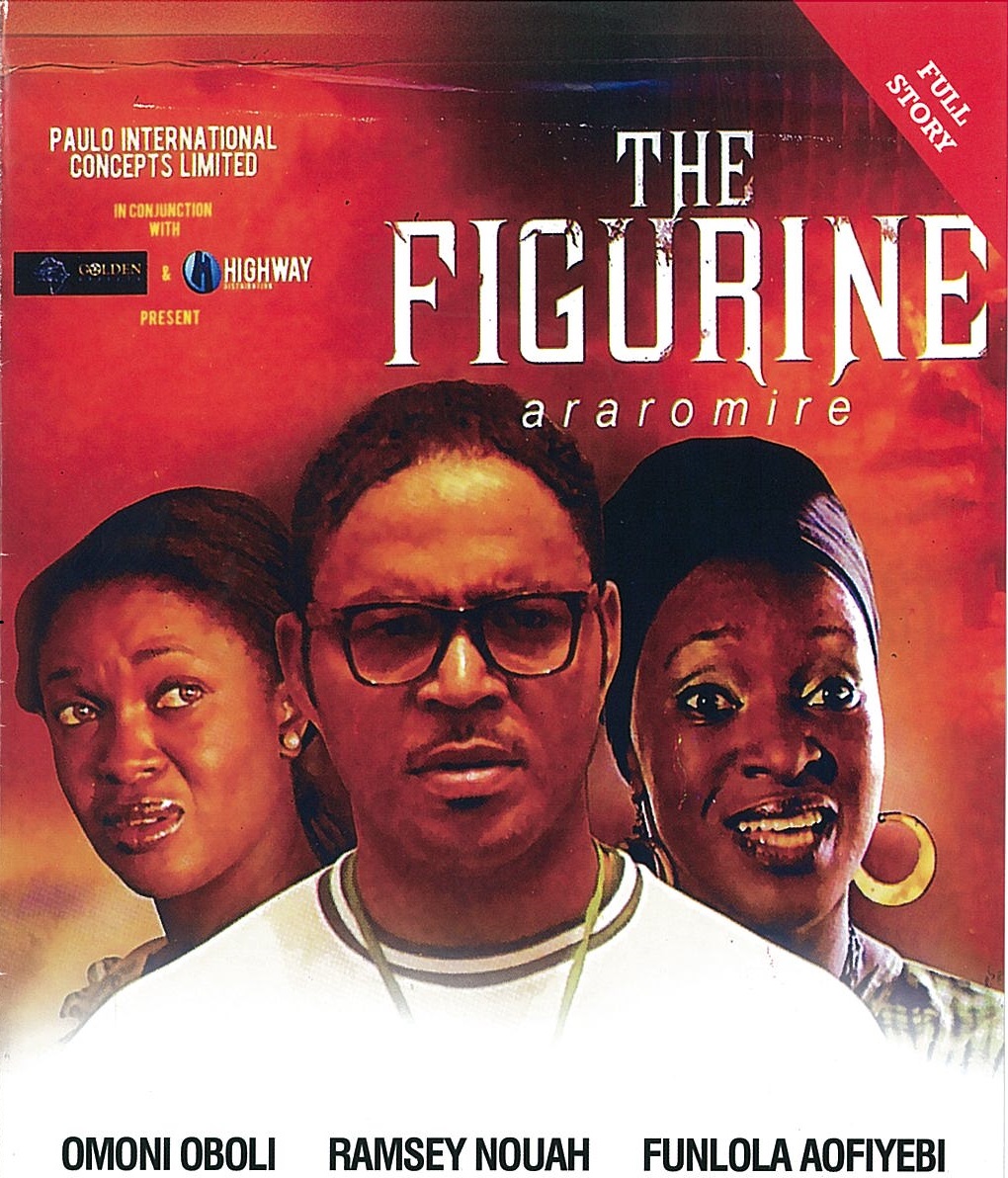
Best Nollywood Movies of All - 6. The Figurine (2009)

Kunle Afolayan’s psychological drama about two friends who find a Yoruba goddess statue in an abandoned shrine is widely treated as the official start of “New Nollywood.” Shot on film, scored properly, and edited with patience, it held cinema screens for an unusually long run and swept the 2010 African Movie Academy Awards with five wins including Best Picture, with Ramsey Nouah taking the lead actor prize. Ramsey Nouah and Afolayan himself anchor the cast. After The Figurine, the conversation about Nollywood’s craft ceiling permanently changed.

7. Phone Swap (2012)

Afolayan returned in lighter mode with this romantic comedy about two strangers, played by Wale Ojo and Nse Ikpe-Etim, who accidentally swap phones at an airport and end up living each other’s lives for a weekend. The premise is sitcom simple, but the execution, with sharp dialogue from Kemi Adesoye and confident widescreen photography, raised the bar for mainstream Nollywood comedy. Phone Swap proved New Nollywood could be commercial without sacrificing finish. Joke Silva and Lydia Forson turn supporting parts into scene-stealers.

8. Confusion Na Wa (2013)

Kenneth Gyang’s woven Lagos drama follows a lost phone, a married man’s affair, and a chain of small choices that ripple into tragedy. It won Best Film at AMAA 2013 and became a critical favourite for proving Nollywood could handle Altman-style multi-strand storytelling. Ramsey Nouah, OC Ukeje, and Tunde Aladese give performances stripped of melodrama. Ali Nuhu rounds out the ensemble, and the title, an everyday Nigerian lament, frames Lagos itself as the antagonist. Confusion Na Wa is the film to put in front of anyone who thinks Nollywood cannot be subtle.

9. Half of a Yellow Sun (2013)

Biyi Bandele’s adaptation of Chimamanda Ngozi Adichie’s Biafra novel cast Chiwetel Ejiofor, Thandiwe Newton, Anika Noni Rose, and Onyeka Onwenu in a sweeping wartime love story. The production scale, with period costuming and battle sequences, was unprecedented for a Nigerian film. Censorship delays kept it off domestic screens for months, which only sharpened debate around it. Bandele’s careful restraint, rather than spectacle, is what holds the film together. He went on to direct Elesin Oba: The King’s Horseman, which premiered at Toronto weeks after his death in 2022, and Half of a Yellow Sun remains the cornerstone of his screen legacy.

10. October 1 (2014)

Kunle Afolayan’s pre-independence thriller drops Sadiq Daba’s Inspector Danladi Waziri into a remote western town to solve a string of murders before October 1, 1960. Tunde Babalola’s script weaves colonialism, religion, and rural Yoruba politics into a genuine whodunit. Daba’s quiet, deeply lived performance carries the film, and the period production design treats 1960 Nigeria with care rather than nostalgia. October 1 is the strongest argument that Nollywood can do prestige genre work, and remains one of the most rewatchable Nigerian films of the decade.

11. 76 (2016)

Izu Ojukwu spent years getting this period drama right, and it shows. Set against the failed February 1976 coup that killed General Murtala Mohammed, the film follows a young officer, played by Ramsey Nouah, and his pregnant wife, played by Rita Dominic, as suspicion closes in. Real military cooperation, archive-grade costuming, and a restrained Ojukwu lens make 76 feel unlike anything else in Nollywood. Dominic’s performance, all clenched hope and silent dread, may be the best of her career. The film had its world premiere in the Lagos-focused City to City programme at the 2016 Toronto International Film Festival, with Chidi Mokeme and Ibinabo Fiberesima also in the cast.

12. The CEO (2016)

Afolayan’s corporate thriller gathered five expatriate executives at a Lagos retreat where one will be chosen as the new CEO, and one starts turning up dead. The pan-African cast, Wale Ojo, Hilda Dokubo, Angelique Kidjo, and Jimmy Jean-Louis among them, signalled Nollywood’s hunger to play on a continental stage. Backed by Air France, the film was screened on flights before its theatrical run, an unusual distribution swing for the industry. It is not Afolayan’s tightest work, but its ambition and sleek finish made the rest of the industry recalibrate what Nollywood could attempt.

13. Lionheart (2018)

Genevieve Nnaji’s directorial debut, in which she also stars, follows Adaeze Obiagu as she fights to save her father’s failing transport company alongside an unwelcome uncle, played by Nkem Owoh. Pete Edochie, Phyno, and Onyeka Onwenu fill out a cast that feels generational. Netflix acquired the film at the 2018 Toronto International Film Festival, making it the platform’s first Nigerian original. A subsequent Academy Awards disqualification over its English-language dialogue sparked a global conversation about what counts as a foreign-language film. The work itself is warm, controlled, and quietly radical.

Ad SpaceIn-Article - 300x250
Advertisement

14. King of Boys (2018)

Kemi Adetiba’s three-hour political crime epic gave Sola Sobowale the role of her career as Eniola Salami, a Lagos businesswoman and gang matriarch whose empire is fraying. Adesua Etomi-Wellington, Reminisce, and Paul Sambo round out a cast built for spectacle. The film’s runtime drew complaints and then admiration once audiences settled in. A 2021 Netflix sequel series, “King of Boys: The Return of the King,” extended the saga across seven episodes. Sobowale’s tearful, snarling monologues are now Nigerian cinema’s most-quoted set pieces.

15. Oloture (2019)

Kenneth Gyang directed and Mo Abudu’s EbonyLife produced this drama about Ehi, an undercover journalist embedded in a Lagos sex-trafficking ring. Sharon Ooja plays the title role with bruised stillness, surrounded by Omoni Oboli, Blossom Chukwujekwu, and Beverly Osu. Inspired by Tobore Ovuorie’s real investigative reporting, the film generated legal pushback as well as critical acclaim after its 2020 Netflix release. Oloture refuses easy catharsis. Its closing minutes, set on a Sahara crossing, are some of the most quietly devastating in modern Nollywood.

16. Living in Bondage: Breaking Free (2019)

Ramsey Nouah’s directorial debut returned to Andy Okeke’s world 27 years later, this time following his son Nnamdi as the cult’s hooks sink into a new generation. Kenneth Okonkwo reprises his original role alongside Nouah, Kanayo O. Kanayo, and Swanky JKA. The film took home seven AMVCAs in 2020 from eleven nominations and grossed more than 160 million Naira theatrically. Crucially it managed the hardest trick in cinema, honouring a foundational text without embalming it. The sequel reads as both legacy project and confident piece of contemporary filmmaking.

17. Eyimofe (This Is My Desire) (2020)

Twin brothers Arie and Chuko Esiri made their feature debut with this two-part Lagos drama following Mofe, an engineer played by Jude Akuwudike, and Rosa, a hairdresser played by Temi Ami-Williams, each saving to leave Nigeria. Shot on 16mm, the film premiered at the 2020 Berlin International Film Festival and was later picked up by the Criterion Collection in 2022, reported as the first Nigerian film to receive that honour. Its observational patience and refusal to romanticise migration mark a quiet shift in what Nollywood arthouse can look like.

18. Citation (2020)

Kunle Afolayan and writer Tunde Babalola tackled campus sexual harassment through Moremi Oluwa, a postgraduate student played by Temi Otedola, who files a complaint against her professor, played by Jimmy Jean-Louis. The film moves between Nigeria, Senegal, and Cape Verde, and drew one of the largest Nigerian audiences Netflix had recorded for a local original at the time, although the platform does not publish title-level figures. Otedola’s debut performance carries a tribunal-room final act that rewrites how Nollywood handles institutional accountability. Joke Silva and Ini Edo support with characteristic precision.

19. Anikulapo (2022)

Kunle Afolayan’s Yoruba-language epic stars Kunle Remi as Saro, a wandering weaver who is killed and resurrected by a mythical bird, then must reckon with the cost of his second life. The lush Oyo Empire setting, deep-cut Yoruba mythology, and Bimbo Ademoye’s performance as Arolake gave the film a cultural reach few recent Nollywood titles have matched. A 2024 Netflix series extension, “Anikulapo: Rise of the Spectre,” continued the story. The title, meaning “one who carries death in a pouch,” is now a household phrase across southwestern Nigeria.

20. Brotherhood (2022)

Jade Osiberu produced and co-wrote this crime drama, sharing the screenplay credit with Abdul Tijani-Ahmed, and Ugandan filmmaker Loukman Ali directed. Twin brothers, played by Tobi Bakre and Falz, end up on opposite sides of the law in Lagos, with Basketmouth, OC Ukeje, and Toni Tones filling out the supporting cast. The film grossed close to 330 million Naira at the Nigerian box office, the highest Nollywood figure of 2022 until Battle on Buka Street arrived in December. Its action sequences, tight, sweaty, and locally grounded, signalled a confident new chapter for genre work in the industry.

21. Battle on Buka Street (2022)

Funke Akindele and Tobi Makinde co-directed this comedy-drama about two rival half-sisters running competing buka restaurants on the same Lagos street. Akindele headlines a cast that includes Mercy Johnson Okojie, Bimbo Ademoye, Tina Mba, and Nkem Owoh, the kind of stacked ensemble Nollywood now mounts with confidence. The film became the highest-grossing Nollywood release of all time at its 2022 release, earning over 668 million Naira before being overtaken a year later. Its blend of slapstick, melodrama, and food-as-love language made it a Christmas season phenomenon.

22. Mami Wata (2023)

C.J. “Fiery” Obasi’s black-and-white folkloric drama, shot in rural Benin Republic and performed largely in West African Pidgin, follows two sisters fighting for the soul of a coastal village pulled between the water deity Mami Wata and a band of outsiders promising progress. Evelyne Ily Juhen, Uzoamaka Aniunoh, and Rita Edochie anchor the cast. Cinematographer Lilis Soares won the World Cinema Dramatic Special Jury Award for cinematography at the 2023 Sundance Film Festival, and the film has been widely reported as the first Nigerian title to screen in that competition. The images, rather than the plot turns, are what viewers carry out of the cinema.

23. Jagun Jagun (2023)

Femi Adebayo produced this Yoruba historical epic through his Euphoria360 Media and cast himself as the warlord Ogundiji, with Lateef Adedimeji as Gbotija, the young warrior who challenges him. Tope Adebayo and Adebayo Tijani co-directed, and Bukunmi Oluwasina, Odunlade Adekola, and Fathia Balogun fill out the cast. Released on Netflix in August 2023, it climbed the platform’s non-English charts in multiple territories. Its sword choreography, drumming, and Yoruba incantation work outclassed expectations and made Jagun Jagun the new benchmark for what a streaming-era Yoruba epic can deliver.

24. A Tribe Called Judah (2023)

Funke Akindele’s heist comedy about Jedidah Judah and her five sons, each fathered by a different man, staging a robbery to raise the money their mother needs for a kidney transplant shattered records. The film grossed over 1.4 billion Naira at the Nigerian box office in early 2024, becoming the first Nollywood release to cross the billion-Naira mark. Akindele, Timini Egbuson, Tobi Makinde, Olumide Oworu, and Genoveva Umeh play the central family with affection and grit. It is the rare commercial juggernaut that also earns its emotional final act.

25. The Black Book (2023)

Editi Effiong’s revenge thriller follows Paul Edima, a retired enforcer played by Richard Mofe-Damijo, who returns to violence after his son is framed and killed by a corrupt police squad. Ade Laoye, Sam Dede, Bimbo Akintola, Alex Usifo, and Iretiola Doyle round out a deep ensemble. The Netflix release spent three weeks inside the platform’s global top ten for English-language titles, peaking at number three, an unprecedented run for a Nigerian original. Mofe-Damijo, all weathered grief and economical violence, anchors a film that treats bereavement rather than gunplay as its real engine.

How to Argue With This List

Twenty-five slots cannot hold three decades of an industry that releases more titles in a year than most countries manage in a decade, and reasonable fans will want Thunderbolt, Saworoide, Ije, The Wedding Party, Omo Ghetto: The Saga, or King of Thieves in place of something above. That is the point of publishing a selection rather than a verdict. What the chronology does show is a clear line of descent: the VHS melodramas taught Nollywood how to reach an audience without cinemas, the New Nollywood theatrical wave taught it craft and patience, and the streaming era gave both a global shelf. Watch five titles from across those three phases and the arguments about ranking matter far less than the arc they trace.

Ad SpaceIn-Article - 300x250
Advertisement
Share
Get the recap

Loved this story? Get more like it.

Join readers who get our weekly entertainment recap - the stories worth your time, delivered every Friday.

No spam. Unsubscribe anytime. By signing up you agree to our Privacy Policy.

Best Nollywood Movies of All Tim... | Sidomex Entertainment