Bebe Rexha Clears the Air on Olivia Rodrigo Comparisons: 'I'm Actually Happy for Her'
Music

Bebe Rexha Clears the Air on Olivia Rodrigo Comparisons: 'I'm Actually Happy for Her'

Jalen RossJalen Ross··7 min read
Advertisement

Table of Contents

Bebe Sets the Record Straight

Bebe Rexha Clears the Air - Bebe Sets the Record Straight

In an entertainment climate where female artists are constantly pitted against each other – by fans, critics, and the media alike – Bebe Rexha just chose a different path. The Albanian-American pop star recently addressed the ongoing comparisons between herself and Olivia Rodrigo, and rather than leaning into the rivalry narrative that the internet seems so hungry to create, she shut it down with something far more refreshing: genuine warmth. “I’m actually happy for her,” Rexha has said, signaling that she has no interest in turning someone else’s success into her own grievance. It was the kind of statement that sounds simple on the surface but carries a lot of weight when you consider the pressures that women in pop music navigate every single day.
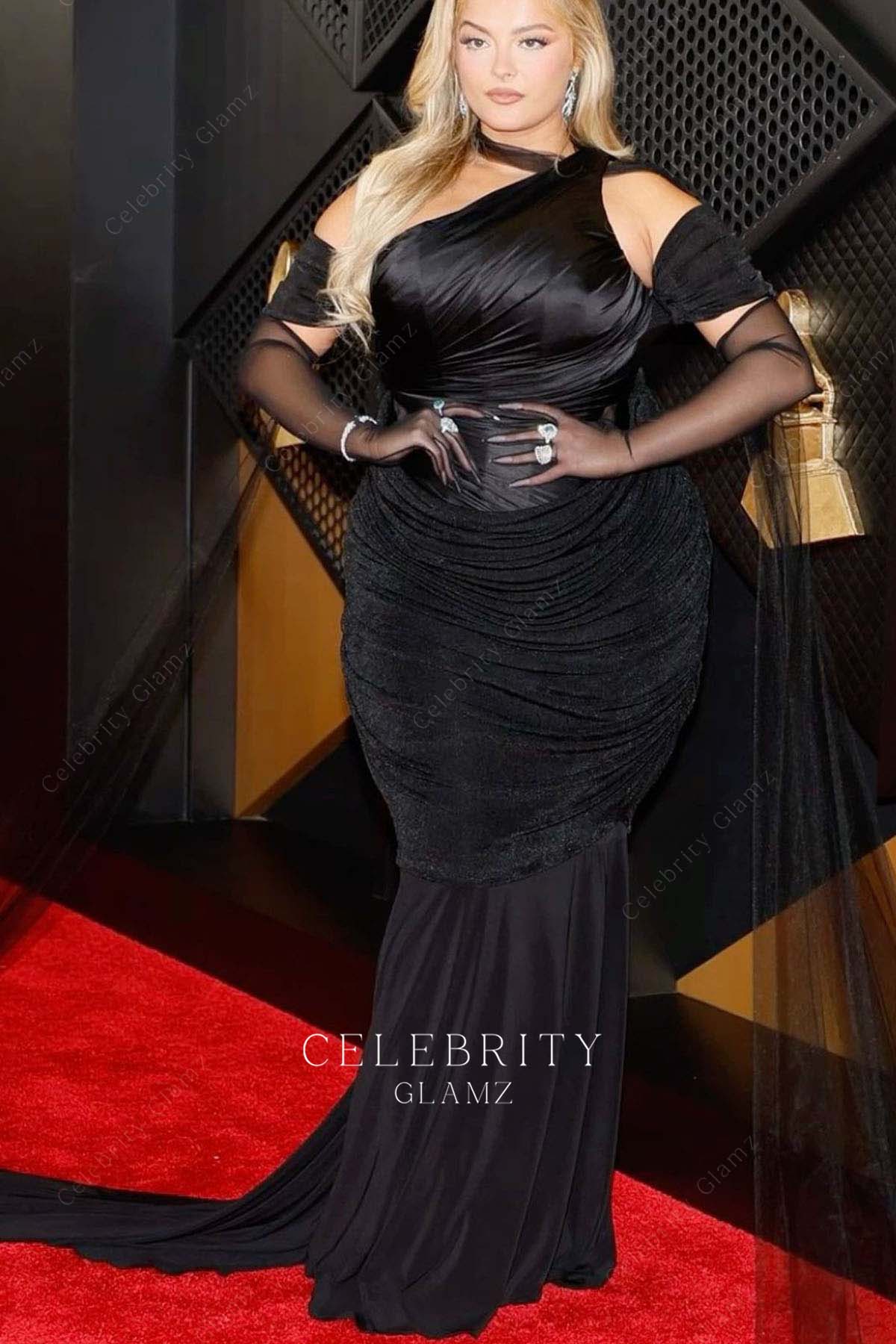
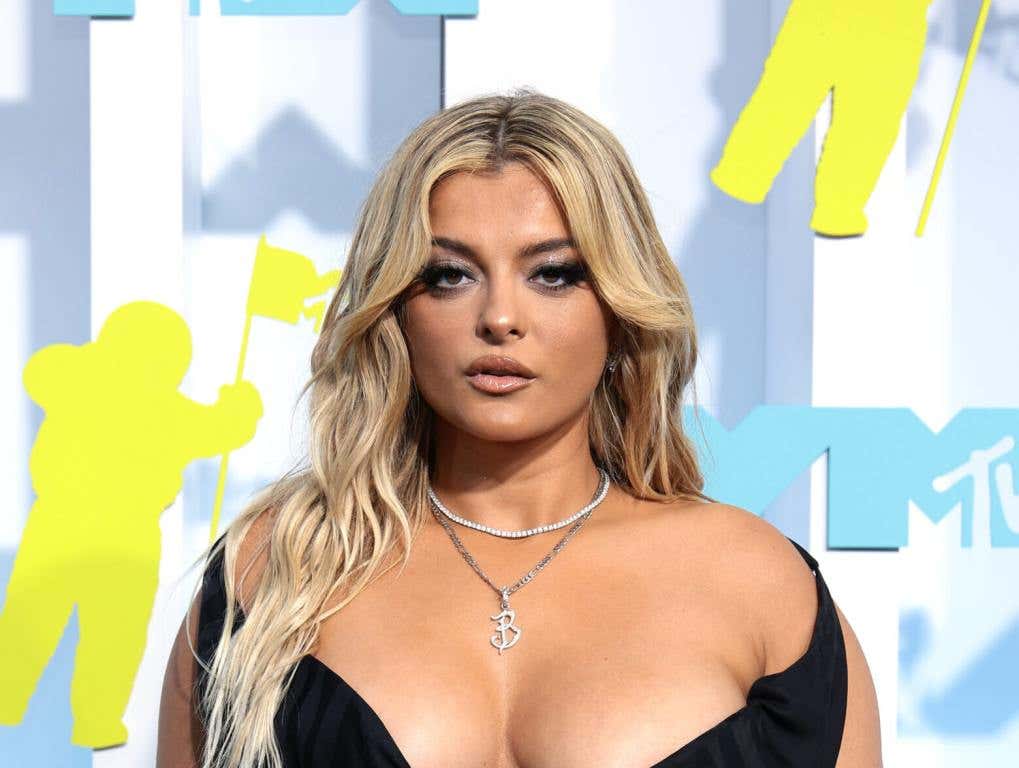
Bebe Rexha at a red carpet event
Image: Celebrity Glamz

Rexha has never been the type of artist to shy away from hard conversations. Over the years, she has spoken candidly about ageism in the music industry, body image pressures, and the way female artists are treated differently than their male counterparts. So when comparisons to Rodrigo started making the rounds, it wasn’t entirely surprising that she had something to say. What was notable, though, was how she chose to say it – not with defensiveness or bitterness, but with a level of self-assurance that only comes from an artist who genuinely knows her own worth. That kind of clarity is earned, not performed.

A Comparison That Took on a Life of Its Own
Bebe Rexha Clears the Air - A Comparison That Took on a Life of Its Own

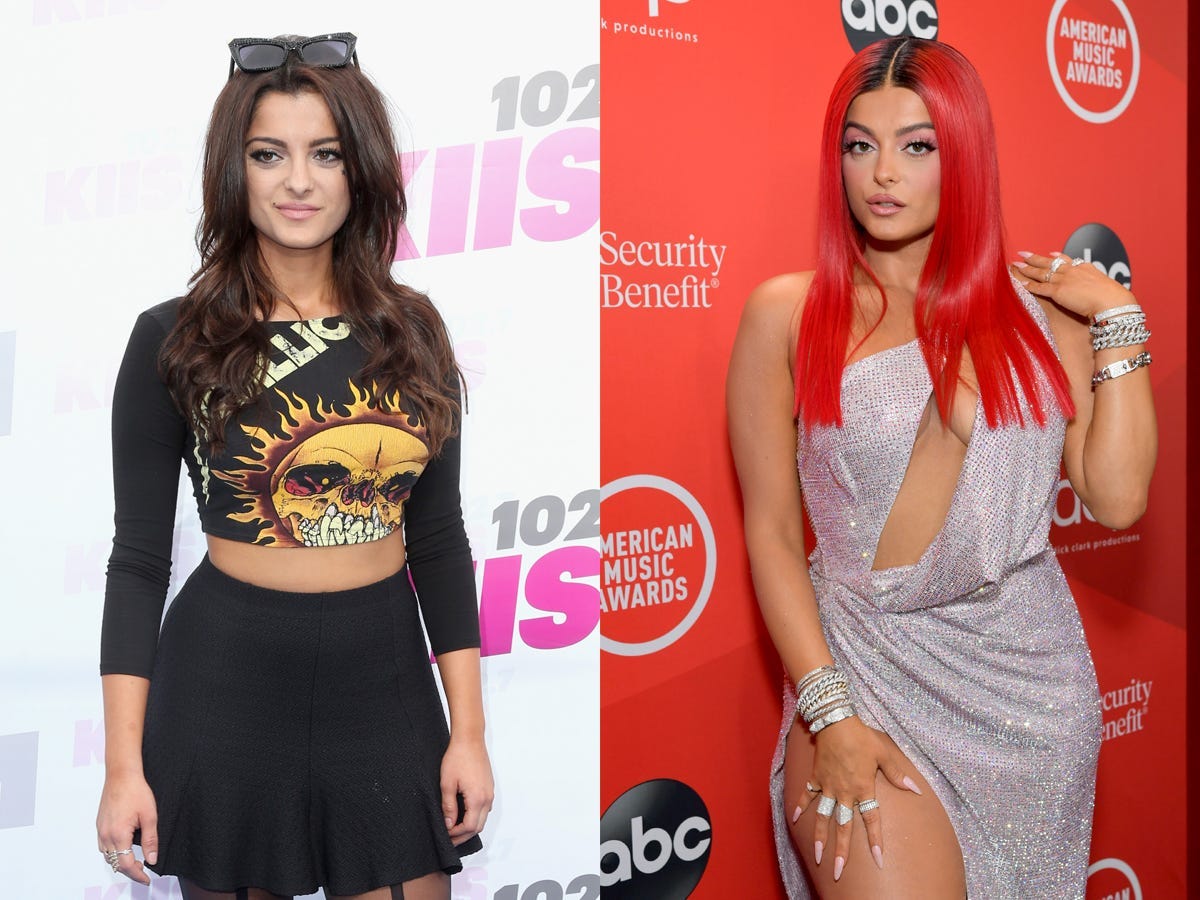
The comparisons between Bebe Rexha and Olivia Rodrigo have been floating around online for a while now, largely driven by surface-level similarities that music fans love to latch onto. Both are powerful vocalists with a gift for emotional pop songwriting. Both have built loyal, passionate fanbases that are fiercely protective of their favorite artist. And in a pop landscape that loves a clean narrative, it was almost inevitable that some corners of the internet would decide these two women occupy the same lane and that one had to be winning at the expense of the other. That logic, of course, is flawed – but it’s the kind of flawed logic that spreads fast on social media, and it clearly reached a point where Rexha felt it was worth addressing directly.
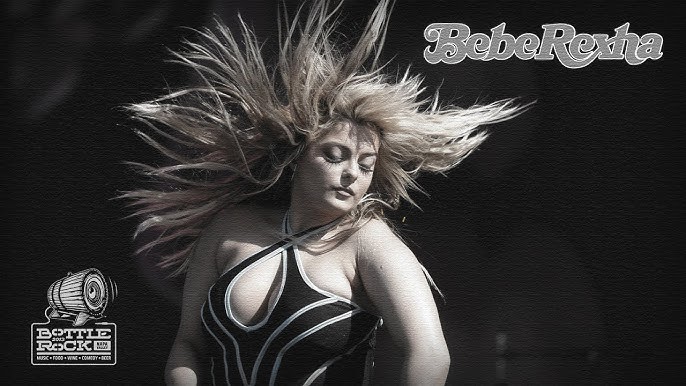
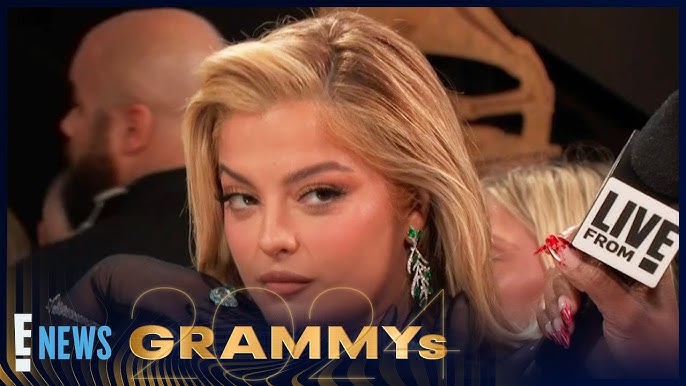
Bebe Rexha in a music video
Image: YouTube

What makes this particular comparison interesting is that it reveals something broader about how we talk about women in pop music. When two male artists operate in similar sonic territory, the conversation tends to be about influence and evolution. When two female artists do the same, the conversation almost immediately turns competitive. It’s a double standard that has been called out repeatedly within the industry, and Rexha’s response – choosing grace over conflict – is in many ways a quiet but firm rejection of that whole framework. She’s essentially saying that she doesn’t accept the premise of the comparison in the first place.

Bebe Rexha: The Career Behind the Name
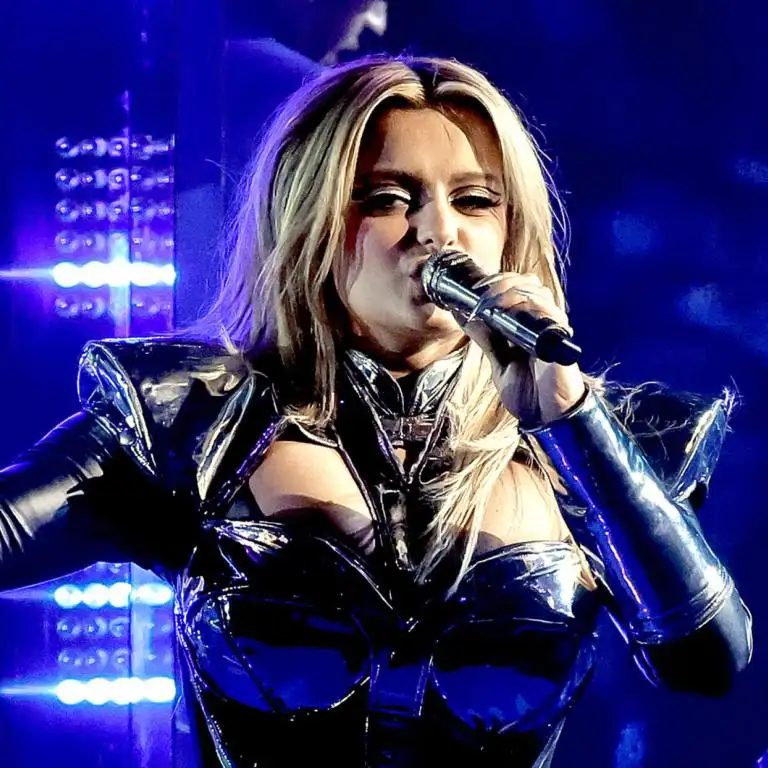
Bebe Rexha Clears the Air - Bebe Rexha: The Career Behind the Name

To fully appreciate where Rexha is coming from, it helps to understand the kind of career she has built and the battles she has fought along the way. Born Bleta Rexha in Brooklyn, New York, to Albanian immigrant parents, she broke into the industry as a songwriter before stepping into the spotlight as a performer. She co-wrote “The Monster” for Eminem and Rihanna, a Grammy-winning collaboration that gave her serious credibility in the songwriting world before most people even knew her face. From there, she carved out her own space in pop and country-pop crossover territory, scoring massive hits like “Meant to Be” with Florida Georgia Line – a song that sat at number one on the Billboard Hot Country Songs chart for a record-breaking 50 weeks. That is not a footnote in pop history. That is a defining achievement.
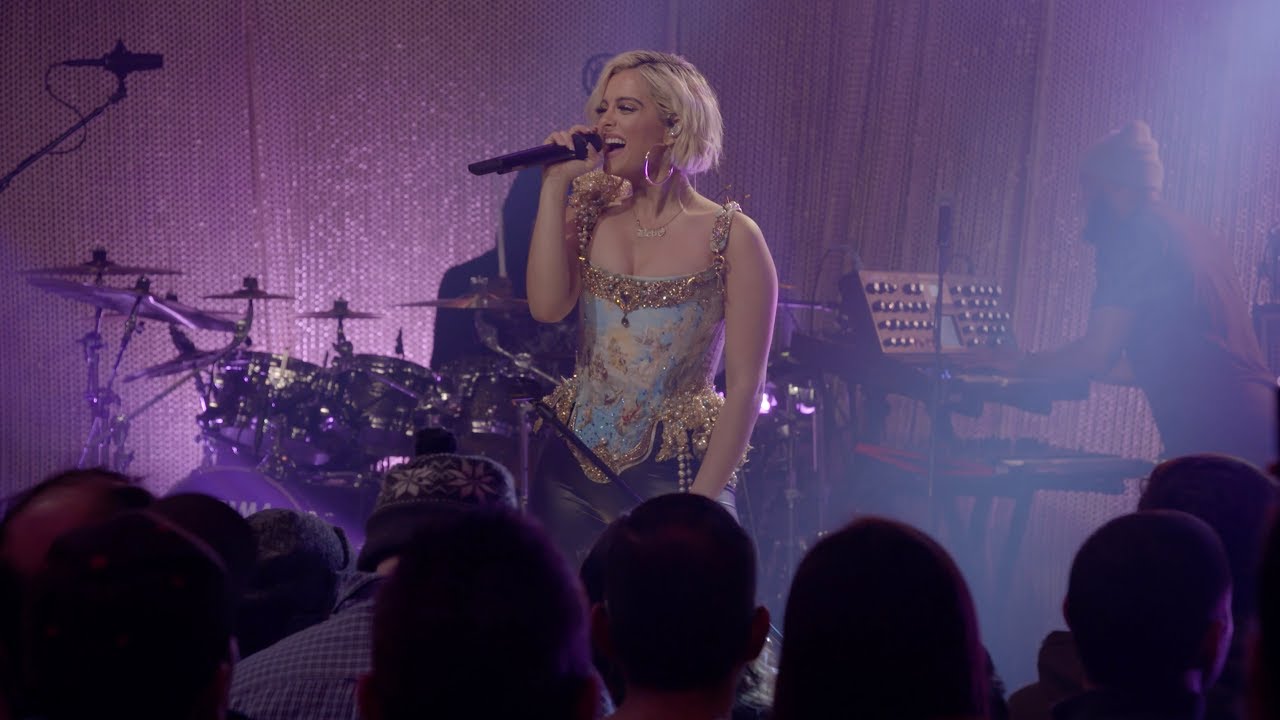
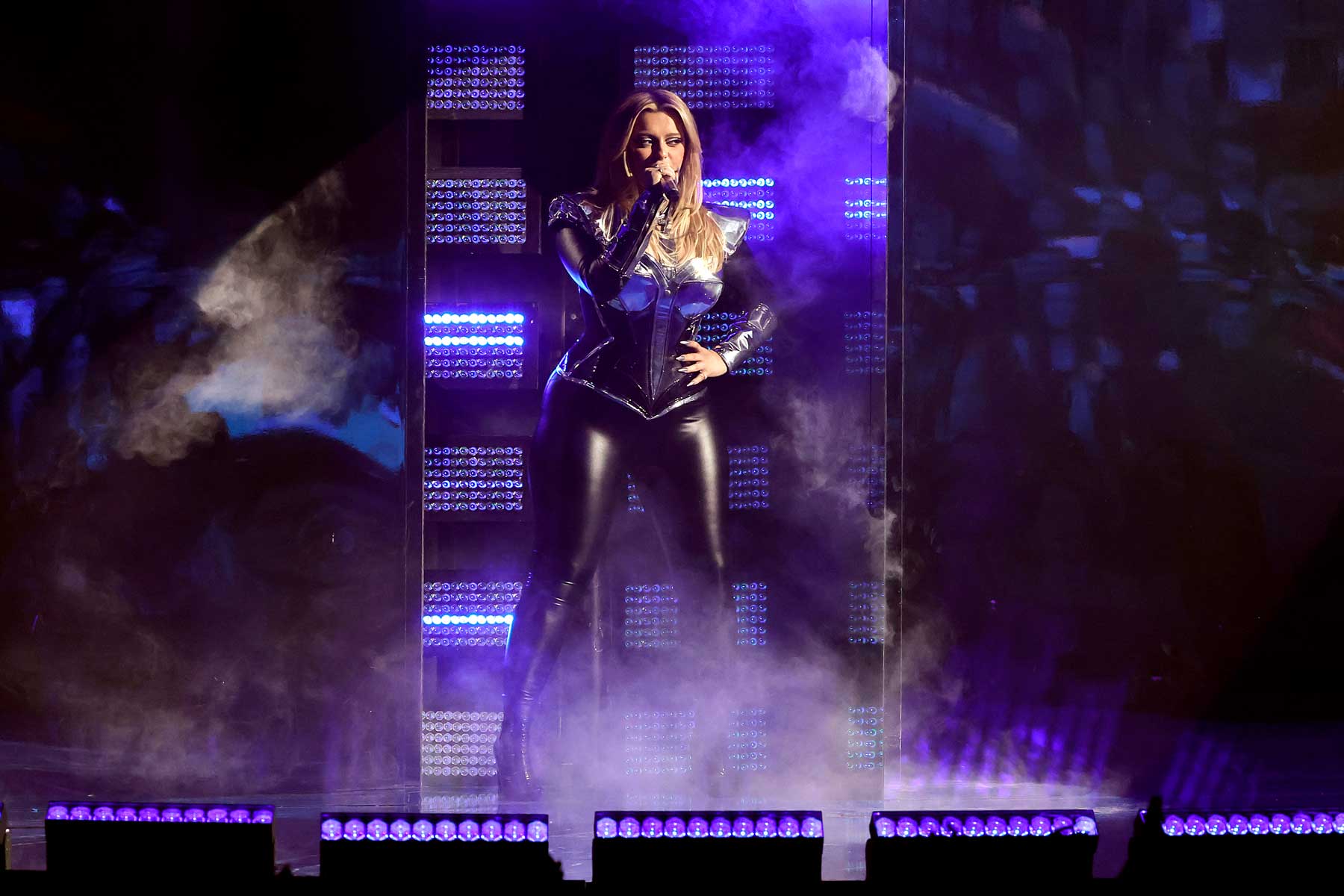
Bebe Rexha performing live on stage
Image: YouTube

Her debut album Expectations arrived in 2018 and further cemented her reputation as a vocalist with genuine emotional depth. Then came Better Mistakes in 2021, a more personal and sonically adventurous project that showed her willingness to evolve. Along the way, she has been open about her bipolar disorder diagnosis, using her platform to destigmatize mental health conversations at a time when that kind of honesty from a pop star still felt rare. More recently, she drew global attention in 2023 when a concertgoer threw a phone at her during a live performance in New York, injuring her beneath her eye. Even that incident – painful and jarring as it was – she handled with a kind of directness that became a broader conversation about fan behavior at concerts. Rexha is not a passive figure in her own story. She never has been.
Advertisement

Olivia Rodrigo and the Weight of Comparisons

Bebe Rexha Clears the Air - Olivia Rodrigo and the Weight of Comparisons

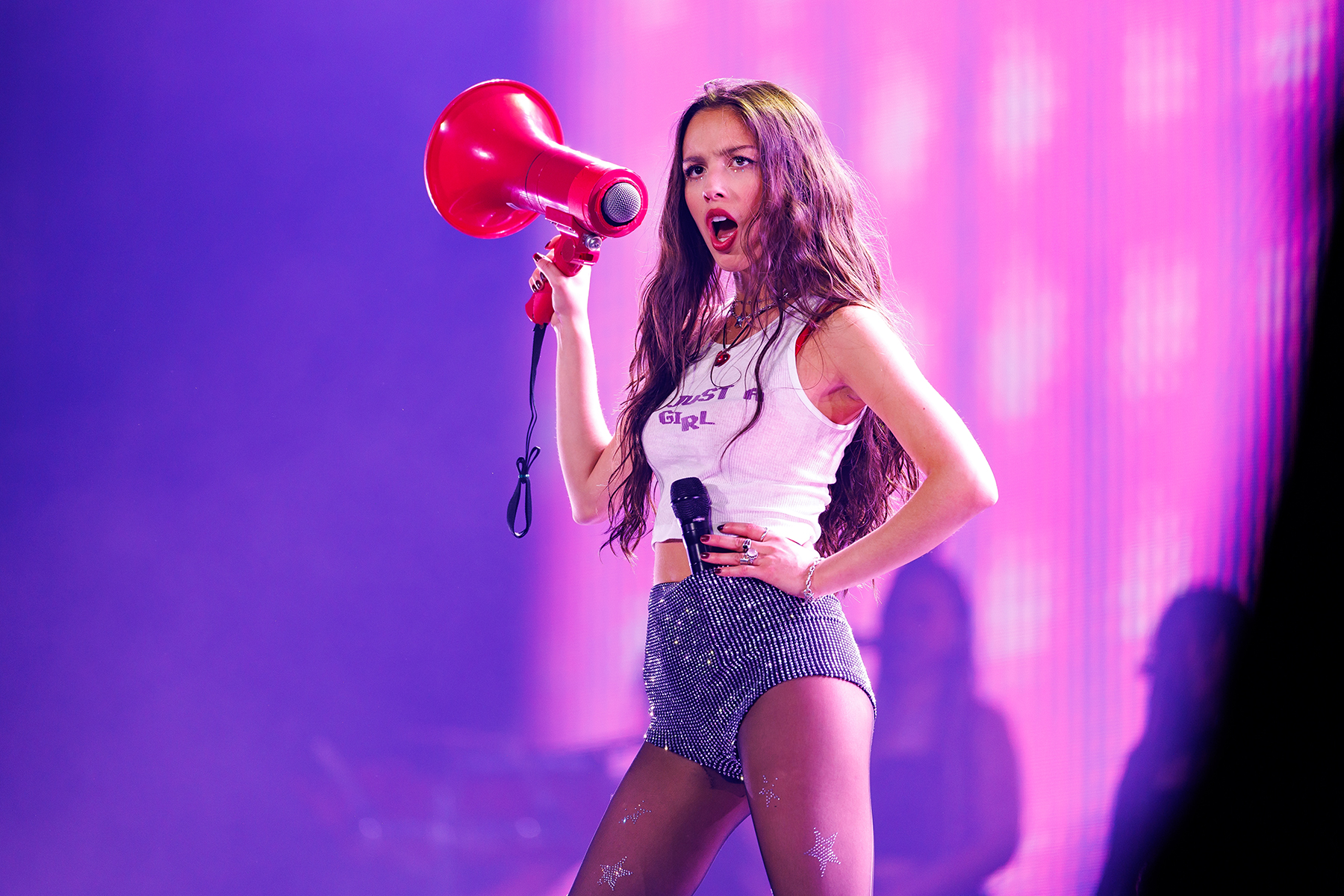
It’s also worth acknowledging that Olivia Rodrigo, on the other side of this equation, is no stranger to comparisons herself. Since her debut single “drivers license” turned the pop world upside down in early 2021, Rodrigo has had to navigate her own set of unwanted parallels – most famously, the ongoing conversation about her musical similarities to Taylor Swift and Paramore, which even resulted in songwriting credits being adjusted. She has largely handled those situations with maturity, even as they continued to follow her through the release of SOUR and into her sophomore album GUTS in 2023. Rodrigo is only in her early twenties and is already operating at a level of commercial and critical success that most artists spend entire careers chasing. She is, by any objective measure, a generational talent.

Olivia Rodrigo performing on the Guts Tour
Image: Rolling Stone

The fact that Rexha is “actually happy” for Rodrigo suggests she sees what most clear-eyed observers see: that Rodrigo’s success doesn’t diminish anyone else’s. Pop music is not a zero-sum game, even though the conversation around it often treats it like one. There is room for multiple women to be powerful, successful, and distinct all at the same time – and the fact that two artists might share a few sonic or emotional touchpoints is not a competition, it’s just the natural ecosystem of a genre. Rexha seems to understand this instinctively, and her public stance is a small but meaningful push against the tired narrative that women in music must always be rivals.

Women in the Music Industry: The Bigger Conversation

Bebe Rexha Clears the Air - Women in the Music Industry: The Bigger Conversation

Rexha’s comments land at a moment when the conversation about how women are treated in the music industry has never been louder or more urgent. From discussions about ageism – she has previously called out the industry’s tendency to sideline female artists once they hit a certain age – to the ongoing debate about how female artists are categorized and marketed differently than men, there is a structural problem that individual acts of solidarity can’t fix on their own but can absolutely help illuminate. Rexha has been one of the more consistent voices in this conversation, not just when it’s convenient or when she has a project to promote, but as a recurring theme in how she speaks about her experience. That consistency gives her words credibility.

Bebe Rexha speaking at a press interview
Image: YouTube

The music industry – particularly the pop sector – has a long history of manufacturing competition between women as a marketing tool and a media hook. From Madonna versus Whitney Houston in the 1980s to Britney versus Christina in the early 2000s, these narratives are constructed, amplified, and then treated as organic when they’re often anything but. Social media has only intensified this dynamic, giving fandoms the tools to turn any perceived slight or stylistic overlap into a full-blown war. In that context, a public figure choosing to step off that particular battlefield and simply say “I’m happy for her” is a small act of resistance with real cultural resonance. It reframes the narrative before it can take root.

What This Moment Really Means

At the end of the day, what Bebe Rexha did here wasn’t complicated, but it was meaningful. She looked at a comparison that could easily have been weaponized – by herself, by her fans, by the media – and refused to let it become a wound. That kind of emotional intelligence is something the music industry genuinely needs more of, especially when it comes to how women interact with each other in public spaces. It doesn’t erase the real tensions that exist in the industry, and it doesn’t mean the systemic issues Rexha has spent years talking about are somehow resolved. But it does model a different way of engaging – one that prioritizes self-confidence over competition, and solidarity over drama.

For fans of both artists, this should be a moment worth celebrating. Bebe Rexha has a body of work that stands entirely on its own merits, and Olivia Rodrigo is a once-in-a-generation pop phenomenon who has redefined what it means to be a young woman making confessional pop music in the streaming era. Neither of them needs to lose for the other to win. Rexha knows that. Now the conversation just has to catch up. In a pop culture landscape that still loves a good rivalry, choosing to be genuinely happy for someone else might just be the most radical thing an artist can do.

Advertisement
Share
Get the recap

Loved this story? Get more like it.

Join readers who get our weekly entertainment recap - the stories worth your time, delivered every Friday.

No spam. Unsubscribe anytime. By signing up you agree to our Privacy Policy.

Bebe Rexha Clears the Air on Oli... | Sidomex Entertainment