The Afrobeats Songs With the Most Interesting Lyrics: Meaning, Storytelling and Wordplay Ranked
Jalen Ross··11 min read
Ad SpaceArticle Top - 728x90
Advertisement
Chart positions lie. Streaming counts measure how often a song gets played, not how carefully it was written. Anyone who has decoded a Burna Boy Pidgin couplet at 2 a.m. or argued about what Asake meant on a chorus knows the gap between popularity and craft is enormous.
What follows is a ranking built around one question: which songs reward the listener who actually pays attention? Storytelling discipline, wordplay density, social commentary, Pidgin and Yoruba layering, and the willingness to risk a difficult subject all count. Pure vibe songs, no matter how huge, do not.
1. Falz “This Is Nigeria” (2018)
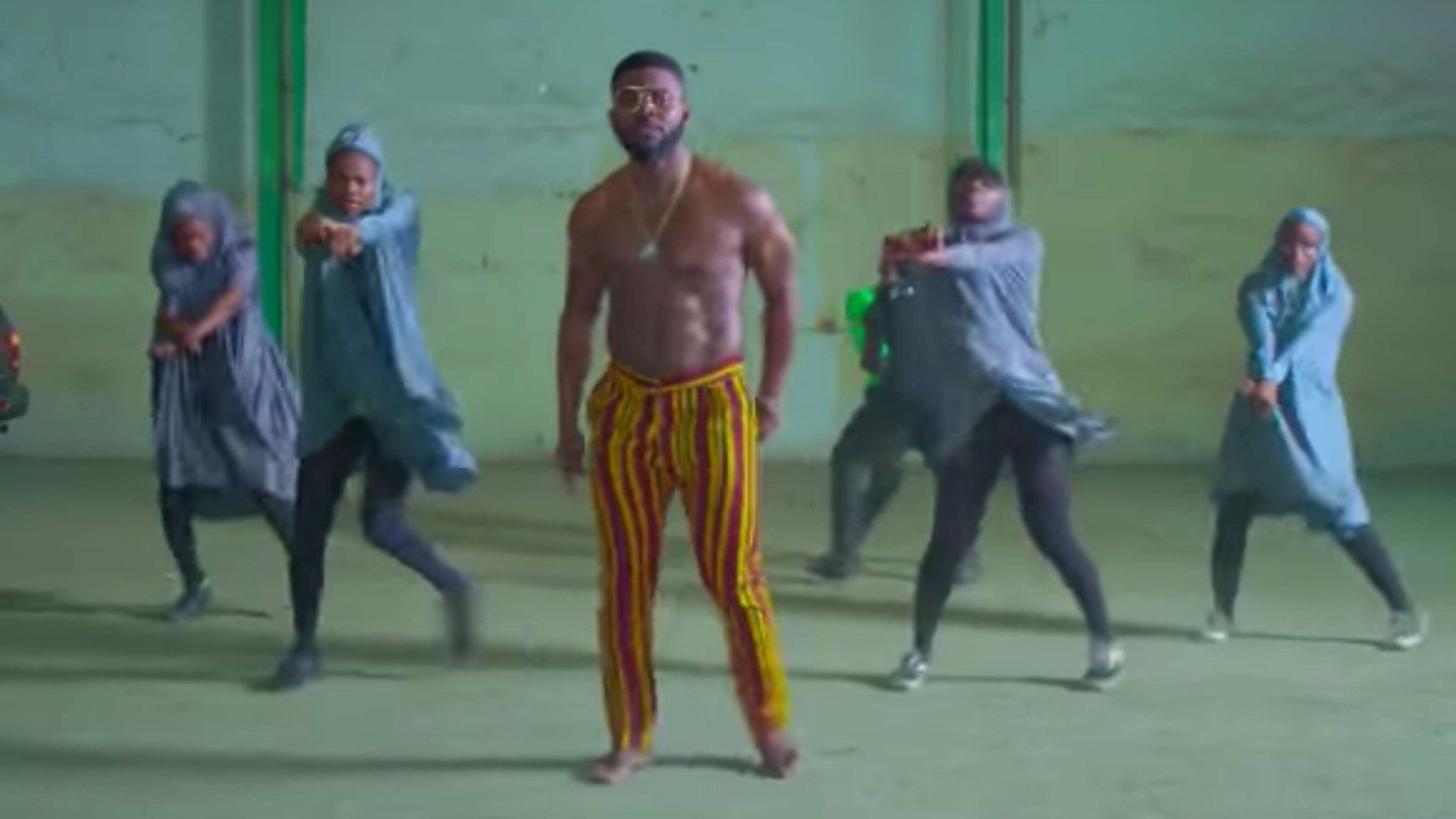
No conversation about Afrobeats as literature gets going without this record. Built on the bones of Childish Gambino’s “This Is America” but refusing to be a knockoff, Falz turns four minutes into a syllabus on Nigerian dysfunction. Power outages, fake pastors, internet fraud, SARS brutality, the kidnapped Chibok girls, fuel scarcity, herdsmen violence: every line lands on a real headline. The wordplay tightens around verbs that double as accusations. The punchlines double as court filings, each one naming an offence while sounding like a joke.
The structural choice that elevates the writing is the refusal to resolve. Falz never offers a hopeful pivot. The Muslim Rights Concern called for the song to be banned. The Broadcasting Commission flagged it. That reaction proved the lyrics were doing what good political writing is supposed to do, which is to make the people being described uncomfortable enough to respond.
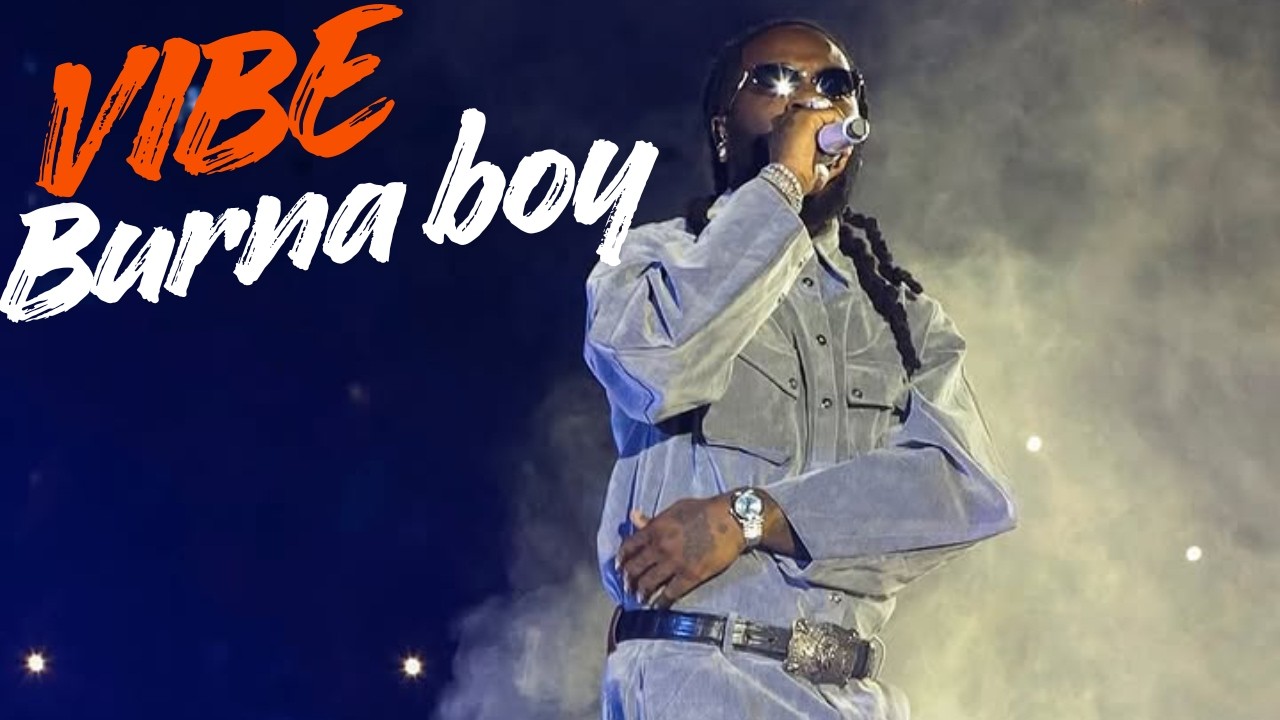
2. Burna Boy “Ye” (2018)
Easy to underrate because it sounds like a vibe song. The track became Burna’s commercial breakout, helped along by a Kanye West album of the same name dropping the same week. But the words are heavier than the groove suggests. The whole song sits on a single generational anxiety, rendered in Pidgin so compact that English needs three sentences to carry what one bar delivers. He wants to make serious money. He does not want to die young chasing it. Nothing in the writing pretends those two wishes sit comfortably together.
The genius of the writing is how Burna refuses to moralize. He admits he gets high, admits he wants money, admits he is scared of the same hustle that might kill him. Nothing is preached at the listener. The Pidgin compresses what would take three English sentences into half a bar. The resigned shrug that later became the hook of “Last Last” is already present here in spirit, years before it got a song of its own.
3. Asake “Lonely at the Top” (2023)
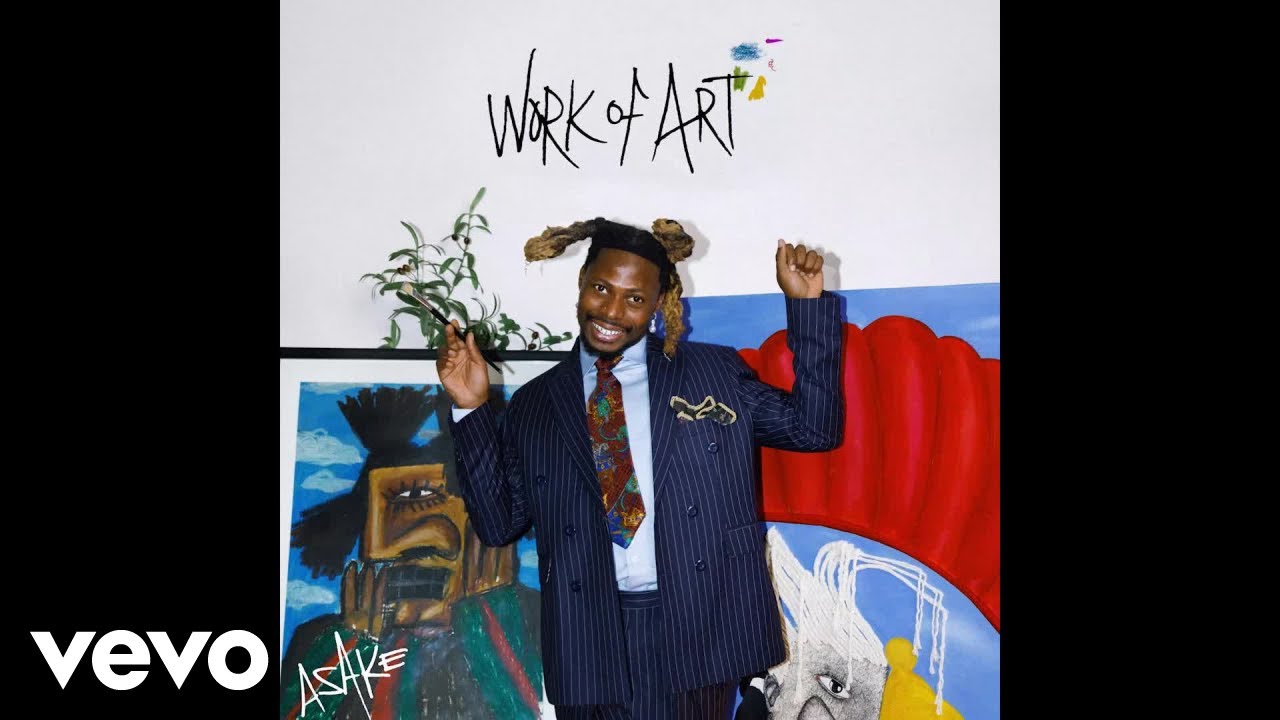
A meta record about the strangeness of becoming famous very fast, written by someone in the actual middle of becoming famous very fast. Asake released this when he had been a household name for barely eighteen months. The Yoruba layering is what makes it remarkable. English-only listeners get a melancholy melody and a clear hook. Yoruba listeners get a second song running underneath the first, where Asake addresses former friends, former doubters, and the spiritual cost of sudden visibility.
The title phrase works on three levels at once: the literal complaint, the boast buried inside it that he reached the top in the first place, and the older Yoruba wisdom about elevation creating isolation. Few mainstream Afrobeats records carry that much weight in a chorus most listeners hum while driving.
4. M.I. Abaga “Crowd Mentality”
Before Afrobeats globalized, M.I. was building a case that Nigerian rap could carry the weight of social criticism without softening its delivery for radio. “Crowd Mentality” is the strongest sustained argument from that era. The track interrogates groupthink in a country where mob action, religious conformity, and political loyalty often override individual judgment. M.I. writes in dense, multi-syllabic English rhyme schemes that demand replay. Lines fold back on themselves. A reference to a Bible verse sits next to a reference to a Lagos market scene, and both function as evidence in the same indictment.
What makes the writing endure is the refusal to flatter the audience. M.I. is not telling listeners they are smart for agreeing with him. He is suggesting that they, too, are part of the crowd he is describing.
5. Tems “Higher” (2020)
What opened the song to widespread analysis was a casual flip of a gendered expectation. Most romantic Afrobeats writing puts the man in pursuit and the woman in response. Tems writes from the other chair entirely, unhurried, doing the inviting rather than the waiting, and the energy of the lyric is generous rather than possessive. The posture quietly rewrites who gets to extend hospitality in a love song, and it does it without ever announcing that a rewrite is underway.
The jazz-leaning production gives the words room to breathe. Tems is not rapping or rushing. She is letting each phrase land at conversational pace, which forces the listener to notice the writing rather than the runs.
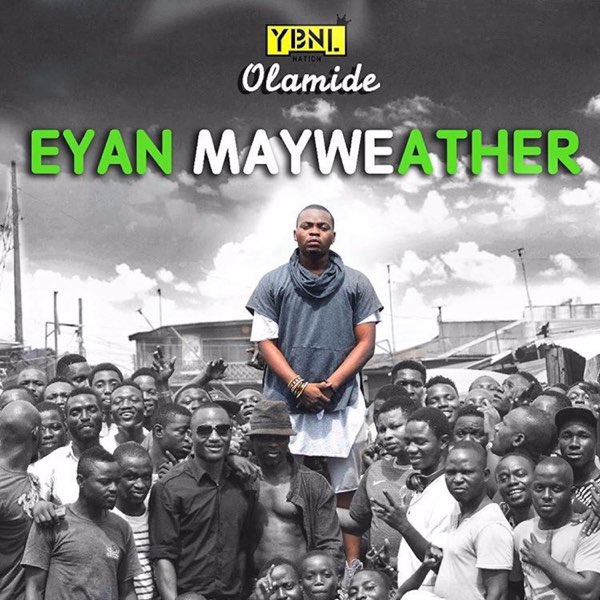
6. Olamide “Eyan Mayweather”
Braggadocio in Yoruba-leaning Afrobeats is its own discipline. Olamide is the modern master. “Eyan Mayweather” translates roughly as “the human Mayweather,” a comparison to the undefeated boxer that the entire song then earns. The lyrical density is the point. Olamide stacks Yoruba proverbs, English boasts, slang neologisms he basically invented, and references to street-level Lagos hustle into bars that move faster than the average listener can decode in one pass.
What separates this from generic flex writing is the specificity. Olamide names rivals without naming them, refers to actual local conflicts, and embeds Yoruba cultural references that reward listeners who grew up on his side of the language barrier. The song is in conversation with a whole tradition of Yoruba bragging poetry stretching back generations.
7. Burna Boy “Last Last” (2022)
The Toni Braxton “He Wasn’t Man Enough” sample gave the song its instant familiarity. The writing gave it its staying power. The hook reads like resignation and defiance at the same time. He has been hurt, he names igbo and shayo as the treatment, and the whole country is invited to apply the same remedy to whatever ails it. The song became a national coping mechanism precisely because the writing left room for any kind of pain.
The word “breakfast” is doing real work in the chorus. In Nigerian slang, to chop breakfast is to be dumped, and the craft is in turning heartbreak into a scheduled meal that everybody eventually sits down to eat.
8. Falz “Sweet Boy”
Generational satire dressed as a club record, released in 2018 as the official anthem of the Sweet Boys Association, the mock fraternity Falz built out of a running joke. The “sweet boy” archetype is the well-groomed, brand-conscious young Nigerian man who performs success online whether or not he actually has it. Falz catalogues the type with surgical precision: the cologne, the fake watch, the calculated dating profile, the social media performance. The writing borrows from older Nigerian comedic traditions of character sketch, where a single song builds a recognizable type the audience already knows but has never heard described this cleanly.
The satire works because Falz refuses to position himself outside the joke. He is one of the sweet boys, or at least close enough to it to write the song without contempt.
Ad SpaceIn-Article - 300x250
Advertisement
9. 9ice “Gongo Aso” (2008)
Older than the modern Afrobeats wave but the lyrical foundation a lot of current Yoruba-leaning writing builds on. “Gongo Aso” is essentially a stack of Yoruba proverbs reshaped into a hook. The phrase itself riffs on a traditional saying about announcement and noise. 9ice writes the way village elders speak, compressing accumulated wisdom into rhythmic phrases that older listeners recognize from family gatherings and younger listeners absorb through repetition.
Without “Gongo Aso,” the proverb-heavy lyricism of Asake, the late Mohbad’s introspective Yoruba writing, and a half-generation of Yoruba pop would have a different ceiling.
10. Adekunle Gold “Pick Up”
A prayer in pop form. The song addresses God directly, but never collapses into worship music. Adekunle Gold writes about waiting on heaven the way a frustrated employee writes about waiting on a manager who is not picking up the phone. The conceit is playful and the execution sincere. The central conceit sounds funny on first listen and becomes genuinely moving by the third. The whole tradition of Nigerian gospel meeting Nigerian pop runs through this song, and few records hold that meeting more elegantly.
11. Tems “Free Mind” (2020)
Where “Higher” subverts gendered expectation, “Free Mind” goes inward. The lyric is a slow argument with the listener’s own anxiety. The title phrase reads as a refusal of advice and a request for psychological room. Tems writes in the second person without ever specifying who the second person is, which lets the song become a private conversation between the listener and whoever they need to push away. The jazz harmonies underneath the writing are not decoration. They are the breathing room the lyric demands.
12. Rema “Charm”
Underneath the uptempo melody is a small philosophical knot about attraction, identity, and whether what someone finds magnetic about you is the real you or a version they invented. Rema is in his early twenties and writing about the kind of question that usually shows up in songwriters two decades older. The hook sounds light. The verses, on close read, are not.
13. Davido “Aye”
A masterclass in saying the unfashionable thing inside a party record. The argument of the song is that money is not the whole of life and that love outranks the material scoreboard, which is an odd position for the son of a billionaire to take and a bolder one for that reason. Davido writes it in a mix of Yoruba and Pidgin that keeps the sentiment from tipping into sermon. The video did the rest, staging the case in a rural setting rather than a Lekki penthouse. Ten years on, the record still gets played at Nigerian weddings by people who have never once thought about what the lyric is arguing, which is its own kind of writing success.
14. Sound Sultan “Bushmeat”
Sound Sultan worked in a Nigerian satirical tradition where the lyric appears to be about one thing and is actually about something the singer cannot afford to name directly. “Bushmeat” reads as a song about hunting and food. It is also a song about predation, exploitation, and the way the powerful consume the powerless. The coded political writing is in the lineage of Fela Kuti, who built half his catalog on the same technique. Sound Sultan did it without the international apparatus Fela had, which makes the craft, in some ways, even more impressive.
15. Cobhams Asuquo “Ordinary People”
Cobhams writes from a position most Nigerian songwriters do not occupy. Blind from birth, classically trained, equally comfortable in gospel, pop, and orchestral writing, he treats lyrics as architecture rather than ornament. “Ordinary People” is a sustained meditation on dignity, on the worth of lives that never make headlines. The writing is plain on the surface and rigorous underneath, the way the best hymn writing tends to be.
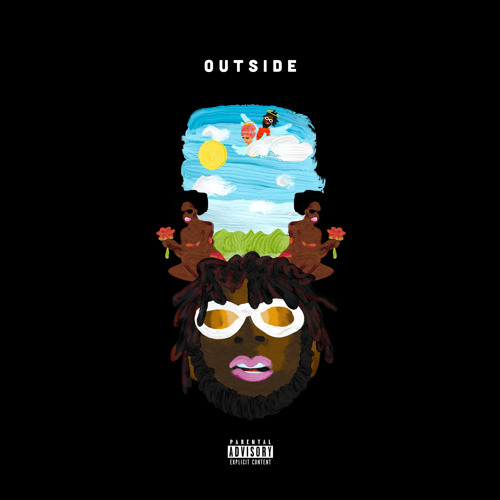
16. Burna Boy “Anybody”
Inner-city storytelling at scale. The hook anchors the song on a Yoruba command that translates roughly as “leave me alone.” Around that hook, Burna sketches a Lagos street ecology of hustlers, threats, and small wins that add up to survival. The writing trusts the listener to assemble the scene from fragments rather than spoon-feeding the plot.
17. Naira Marley wordplay
The legal trouble, the controversies, and the social anxieties around Marlian culture are real. Setting those aside for a moment, the lyrical craft is undeniable. Naira Marley builds songs out of Yoruba slang most non-Lagos listeners had to look up. He invents phrases that become national vocabulary within weeks of release. The wordplay density per bar, on his strongest tracks, sits with the best Yoruba lyricists of the era.
18. Vector vs M.I.
The 2019 exchange of diss tracks between Vector and M.I. became a case study in modern Nigerian rap writing. Both rappers stacked multi-syllabic rhymes, deep cultural references, and personal jabs into verses that fans transcribed and annotated online for weeks. The battle reminded a generation that Afrobeats sits next to a rap tradition that is just as old and, in some ways, even more lyrically demanding.
19. Mode 9
The hardest pure-technical rapper Nigeria has produced. Mode 9’s writing rewards listeners who care about internal rhyme schemes, metaphor stacking, and the kind of bar-by-bar craft that defined American underground rap in the early 2000s. Most casual Afrobeats listeners never encountered him because his work never courted radio. The lyricism remains a benchmark anyway.
20. Tope Alabi gospel writing
Nigerian gospel rarely gets included in lyrical rankings, which is a mistake. Tope Alabi writes Yoruba praise music with a theological precision and metaphorical reach that most Afrobeats secular writing does not attempt. The songs are built on layered references to scripture, traditional Yoruba spirituality, and personal testimony, sometimes in the same verse. Listeners who grew up in Nigerian churches know lines from her catalog the way other listeners know hooks from Wizkid records.
21. Wizkid “Joro” (2019)
Cleaner Pidgin romantic writing than the surface suggests. The double meanings stack quickly: “joro” itself plays on the Yoruba word, on a slang reference to deception, and on the kind of teasing courtship language Lagos couples actually use. Wizkid is not usually celebrated as a lyricist. On “Joro” he deserves to be.
22. Mohbad “Peace”
Written from inside a situation the writer could not name outright, and heavier now than it was on release. Mohbad builds the song around a single request rather than a complaint, which is what keeps it from collapsing into self-pity. The Yoruba and Pidgin sit close to speech, the melody stays plain, and the restraint does the work that a more elaborate arrangement would have buried. Whatever a listener knows or does not know about the circumstances behind it, the writing holds up on its own terms as a study in how little a lyric needs in order to land.
What the Ranking Actually Rewards
Read the list back and a pattern surfaces that has nothing to do with genre. Almost every record here refuses to translate itself. Asake does not gloss the Yoruba. Burna does not simplify the Pidgin. Falz does not explain the headline he is referencing. Each of them trusts that the listener who needs the second layer will go looking for it, and that the listener who does not will still have a song. That refusal is expensive in commercial terms and it is the single clearest marker of a writer rather than a hitmaker.
The other pattern is compression. Pidgin and Yoruba both allow a writer to fold a full argument into half a bar, and the best Afrobeats lyricists exploit that ruthlessly. An English-language pop song would need a verse to do what a well-built Pidgin hook does in six words. This is why the genre reads as light to listeners outside it and as dense to listeners inside it, and why the gap between those two readings is where all the interesting writing lives.
Play any of these records for someone who does not speak the language and they will hear a good song. Play it for someone who does and watch the second reaction arrive a beat late, after the meaning catches up. That delay is the whole craft.
Ad SpaceIn-Article - 300x250
Advertisement
Share
Get the recap
Loved this story? Get more like it.
Join readers who get our weekly entertainment recap - the stories worth your time, delivered every Friday.
No spam. Unsubscribe anytime. By signing up you agree to our Privacy Policy.