
Table of Contents
- The Power of Movement in Healing
- Ugandan Pioneers Leading the Way
- Kenyan Innovators Breaking Barriers
- South African Success Stories
- From Local Impact to Global Recognition
- The Future of Movement-Based Social Change
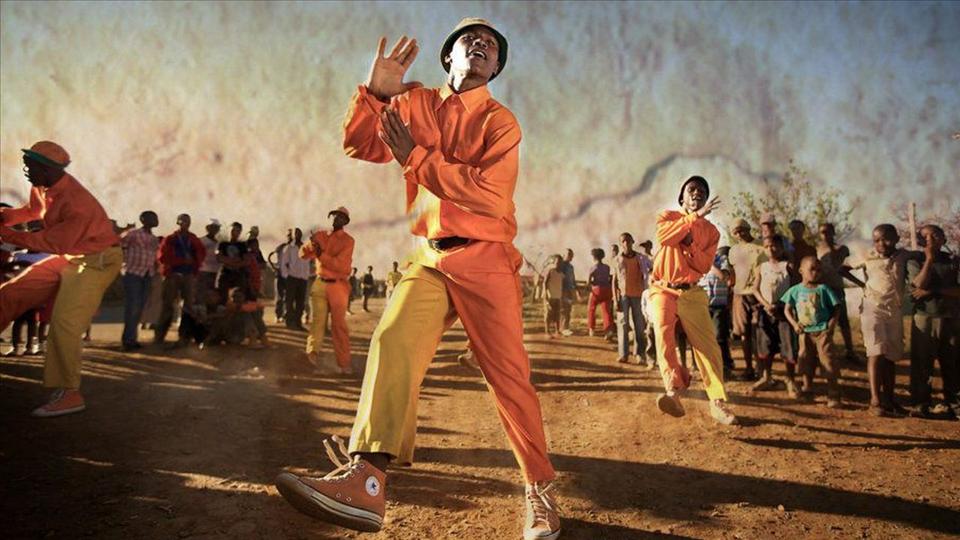
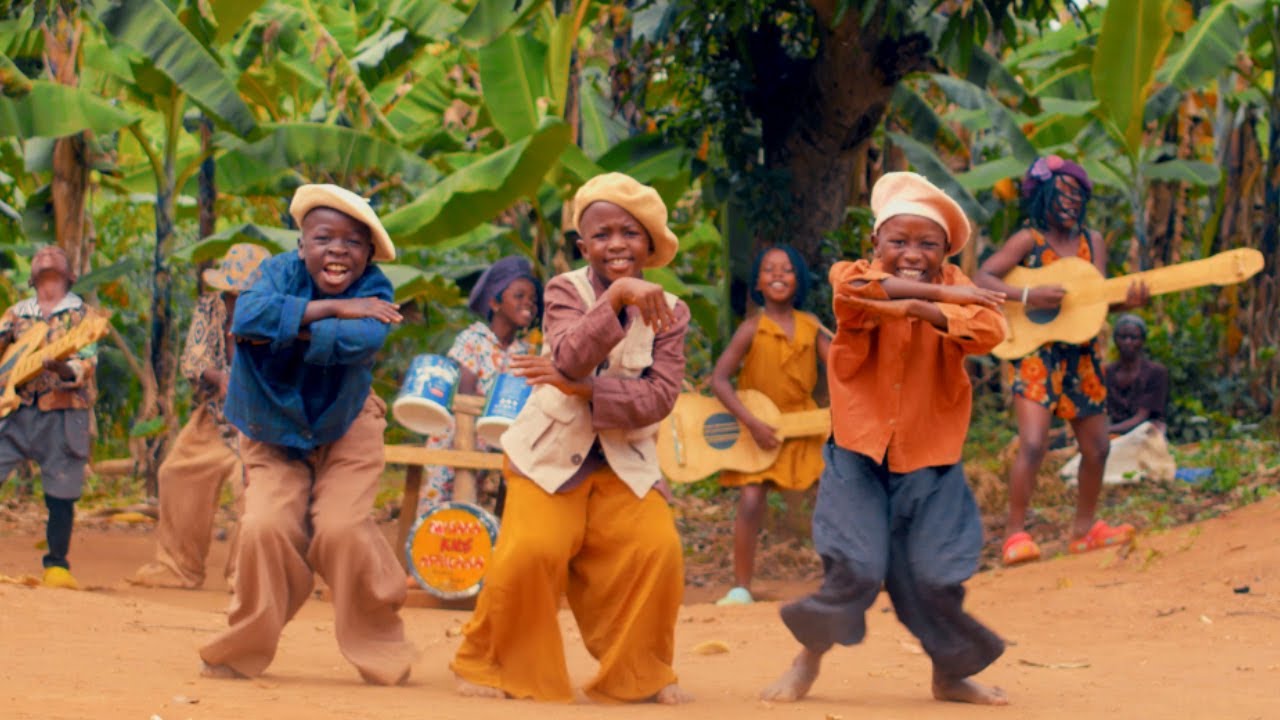
As the world observes Children’s Day, a powerful movement is taking root across Africa that transforms lives through the universal language of dance. While entertainment often focuses on the glitz and glamour of celebrity culture, some of the most impactful stories emerge from grassroots organizations using creative expression to address society’s most pressing challenges. Across the continent, innovative dance collectives are proving that rhythm and movement can be more than entertainment - they can be lifelines for vulnerable children facing homelessness, displacement, and trauma. These groups are redefining what it means to use artistic platforms for social good, creating safe spaces where young people can find stability, education, and hope through the transformative power of dance.
The Power of Movement in Healing
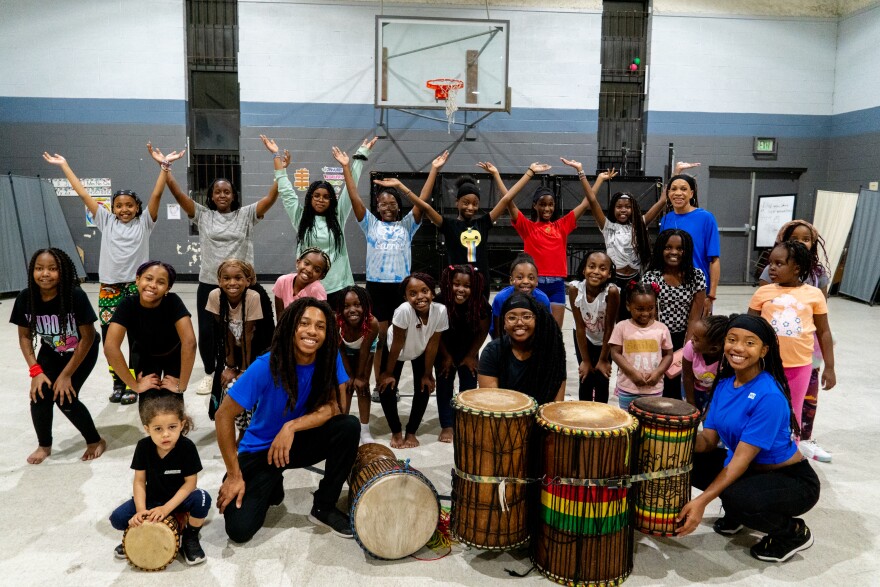
The concept of using dance as a healing tool isn’t new, but African organizations have pioneered approaches that blend traditional cultural practices with modern therapeutic techniques. Dance therapy has long been recognized in clinical settings for its ability to help individuals process trauma, build self-esteem, and develop emotional regulation skills. For children who have experienced displacement, family separation, or extreme poverty, dance provides a non-verbal outlet for expression that transcends language barriers and cultural differences. The rhythmic nature of movement helps regulate the nervous system, while group dancing builds crucial social connections and trust. These programs recognize that vulnerable children often carry trauma in their bodies, and through guided movement, they can begin to release tension, rebuild confidence, and reconnect with joy.
What makes these African dance initiatives particularly powerful is their integration of indigenous cultural traditions with contemporary social work practices. Many programs incorporate traditional drumming, storytelling, and ceremonial dances that help children connect with their cultural heritage while processing their experiences. This approach acknowledges that healing happens not just through individual therapy but through community connection and cultural pride. The facilitators, often professional dancers who have experienced similar challenges, serve as living examples that circumstances don’t define destiny. Their presence demonstrates that artistic excellence and social consciousness can coexist, inspiring the next generation to see creative expression as both personal therapy and potential career path.
Ugandan Pioneers Leading the Way
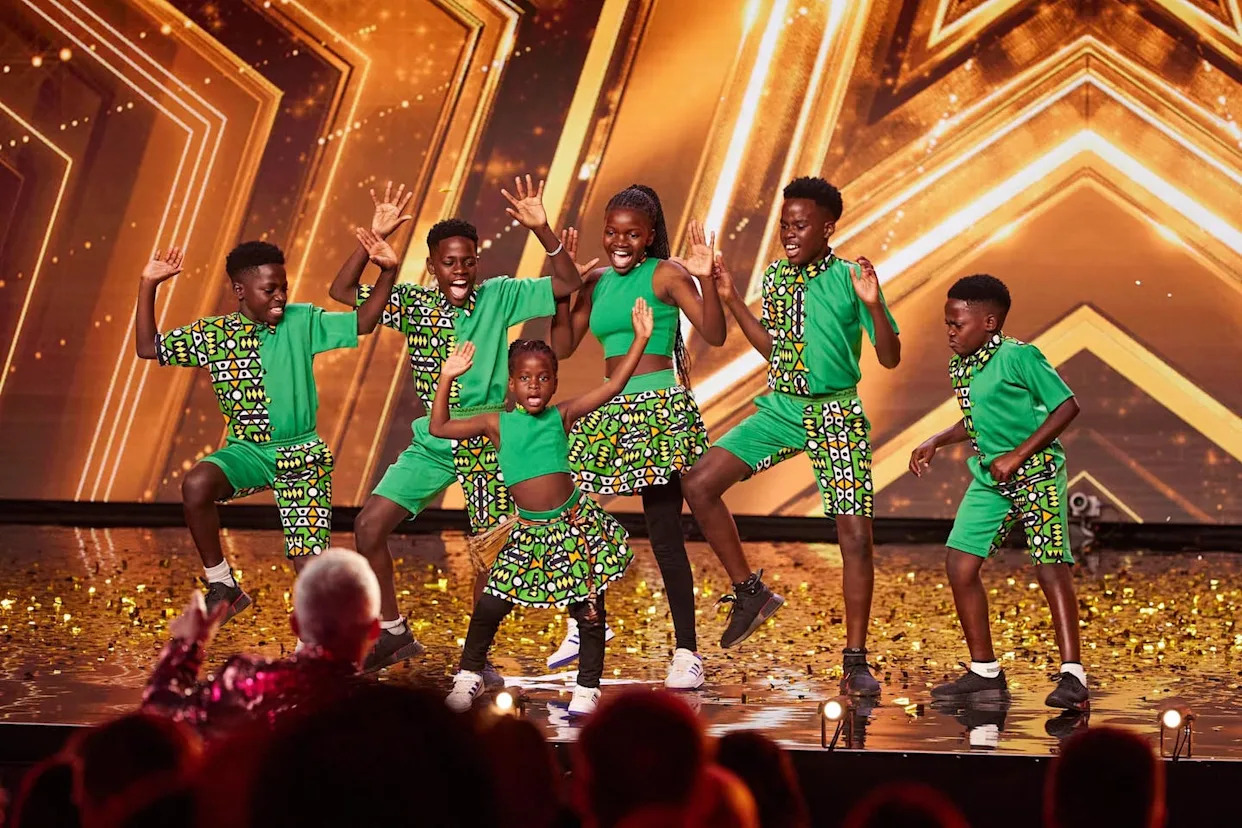
Uganda has emerged as a leader in dance-based youth intervention programs, with several organizations gaining international recognition for their innovative approaches. The country’s rich cultural dance traditions, combined with its experience managing refugee populations and displaced communities, has created fertile ground for programs that use movement as a tool for healing and empowerment. Organizations like the Kampala-based dance collectives have developed comprehensive programs that go beyond simple dance instruction to provide educational support, psychological counseling, and life skills training. These programs specifically target children from the city’s slums, refugee settlements, and those who have aged out of the traditional family structure.
The success of these Ugandan initiatives lies in their holistic approach to child development. Rather than viewing dance as merely recreational activity, these programs treat it as a cornerstone of comprehensive child welfare services. Participants receive academic tutoring, nutritional support, and healthcare alongside their dance training. The dance component serves as the initial draw that brings children into the program, but it’s the wraparound services that create lasting change. Many participants have gone on to pursue formal education, with some earning scholarships to international dance academies or universities. The programs also emphasize leadership development, training older participants to become mentors and instructors for newer arrivals, creating a sustainable cycle of support and growth.
Kenyan Innovators Breaking Barriers
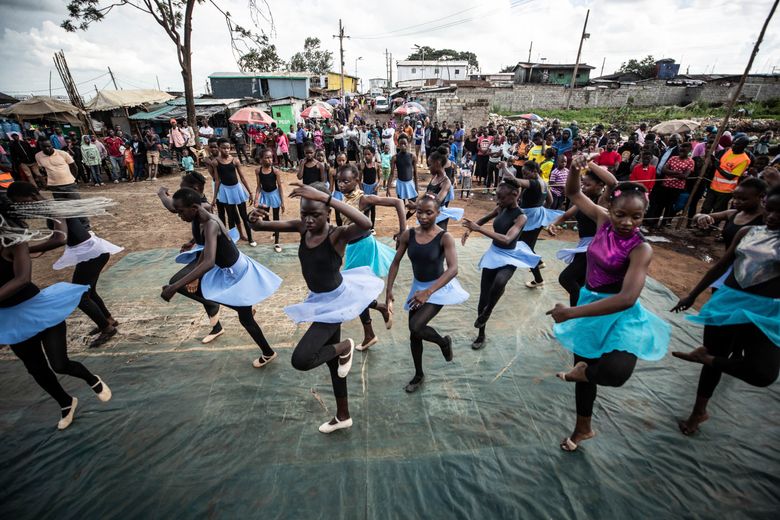
Kenya’s approach to dance-based child welfare programs reflects the country’s position as East Africa’s cultural and economic hub, with organizations leveraging technology and international partnerships to amplify their impact. Nairobi-based dance collectives have pioneered the use of digital platforms to document their participants’ journeys, creating powerful storytelling content that attracts global supporters and funding. These groups have been particularly successful in working with street children, using dance as an entry point to provide shelter, education, and family reunification services. The Kenyan model emphasizes the importance of performance opportunities, organizing regular showcases where participants can demonstrate their skills to audiences including potential sponsors, adoptive families, and educational institutions.
What sets Kenyan dance programs apart is their integration with the country’s growing film and entertainment industry. Several organizations have partnerships with Nollywood productions and local television networks, creating opportunities for participants to gain professional experience while still receiving support services. This connection to the entertainment industry provides concrete examples of how artistic skills can translate into economic opportunities. The programs also emphasize entrepreneurship, teaching participants to organize their own dance groups, manage finances, and market their services for events and celebrations. This business-minded approach ensures that participants develop practical skills alongside their artistic abilities, preparing them for sustainable independence as they transition into adulthood.