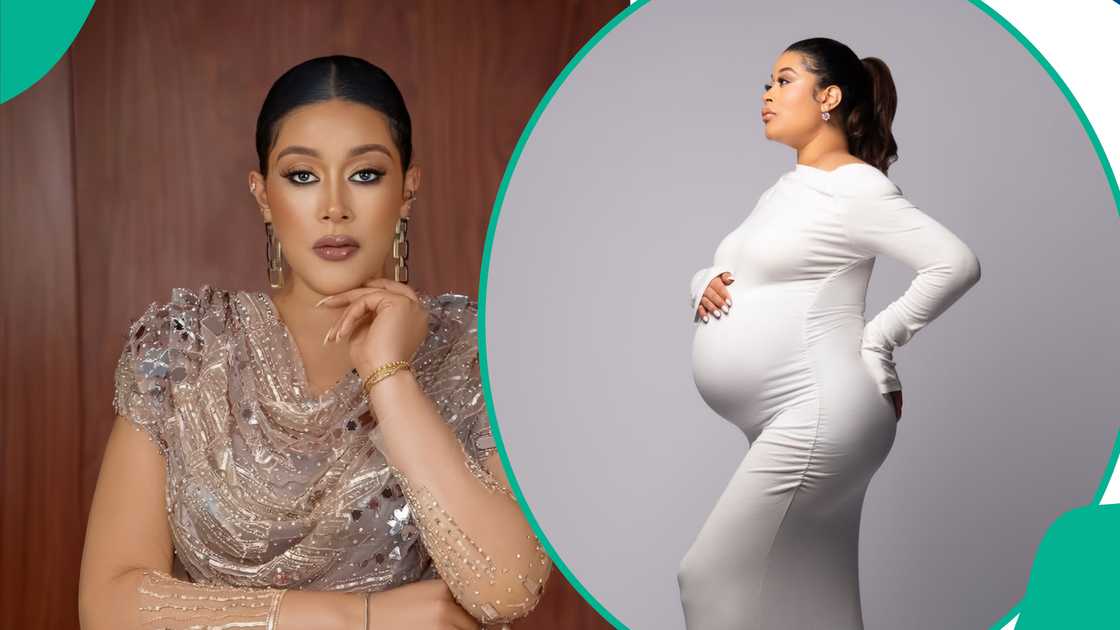
A burial in Lagos changed the shape of a life. When she was barely a year and a half old, her parents carried her from Queens, New York, back to Nigeria to bury her grandfather. The trip was meant to be temporary, a family obligation honoured and then folded back into an American childhood. Instead, the toddler stayed. She grew up in Lagos State under the care of her father, learning Yoruba in the schoolyards of Opebi, eating the food, absorbing the rhythms of a city she had not been born into. The girl who would one day become one of Nollywood’s most recognisable faces did not arrive in Nigeria as a star or even as a returnee. She arrived as a baby at a funeral, and the country quietly decided to keep her.
That early collision of two worlds, America and Nigeria, would define everything that came after. Adunni Ade has spent her career straddling identities that, on paper, should not fit together so neatly. She is the daughter of a German-Irish mother and a Yoruba Nigerian father, born on American soil, raised on Nigerian streets, fluent in the language of Lagos and the language of Hollywood-style ambition. The result is a screen presence that Nigerian audiences claim entirely as their own while still finding her a little exotic, a little hard to place. That tension has been her engine.
Two worlds, one identity
Adunni Ade was born on 7 June 1986 in Queens, New York. Her mother carried German and Irish heritage; her father was a Yoruba businessman from Nigeria. The marriage of those backgrounds gave her the light complexion and distinctive features that would later make her stand out in casting rooms, but it also gave her something less visible and more useful: a genuine claim to two cultures at once.
After that pivotal trip back for her grandfather’s burial, Ade was raised primarily in Lagos by her father. She attended Chrisland Primary School in Opebi for her early education and later completed her secondary schooling at Bells Comprehensive Secondary School in Ota, Ogun State. This was not the upbringing of a celebrity child shuttled between continents in business class. It was a Nigerian childhood, with all the texture that implies, and it is the reason her Yoruba is not a party trick but a first language.
Her father, a successful Lagos businessman, wanted his daughter to build something solid and practical. He steered her toward numbers, and she listened. When she returned to the United States in her late teens for university, she enrolled at the University of Kentucky and studied accounting. The choice tells you something about her family’s values and about her own early sense of herself: long before she was a performer, she was being shaped into someone who understood balance sheets, structure, and the business of getting paid. That training would matter more than anyone expected.
From spreadsheets to the runway
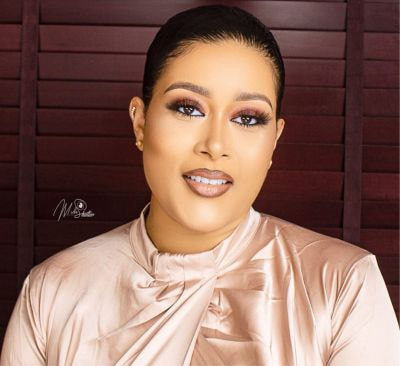
The accounting degree did not lead to a stage. It led, first, to a desk. Ade worked in the housing sector for the State of Kentucky, providing living assistance to people who needed it, and later for the State of Maryland, helping connect people to medical insurance through Medicare and Medicaid. It was steady, useful, unglamorous work, the kind of career a practical father would be proud of.
It also was not the life she wanted. Drawn to something with more colour and risk, Ade moved into fashion modelling, and that pivot eventually put her in front of cameras on “America’s Next Top Model.” Modelling did two things for her. It taught her how to perform in front of a lens, how to hold a frame and project a mood without a single line of dialogue. And it reconnected her to the idea that she could build a life out of being seen rather than out of processing paperwork. The runway was the bridge between the woman her father raised and the woman Nigeria would later celebrate.
The Nollywood breakthrough
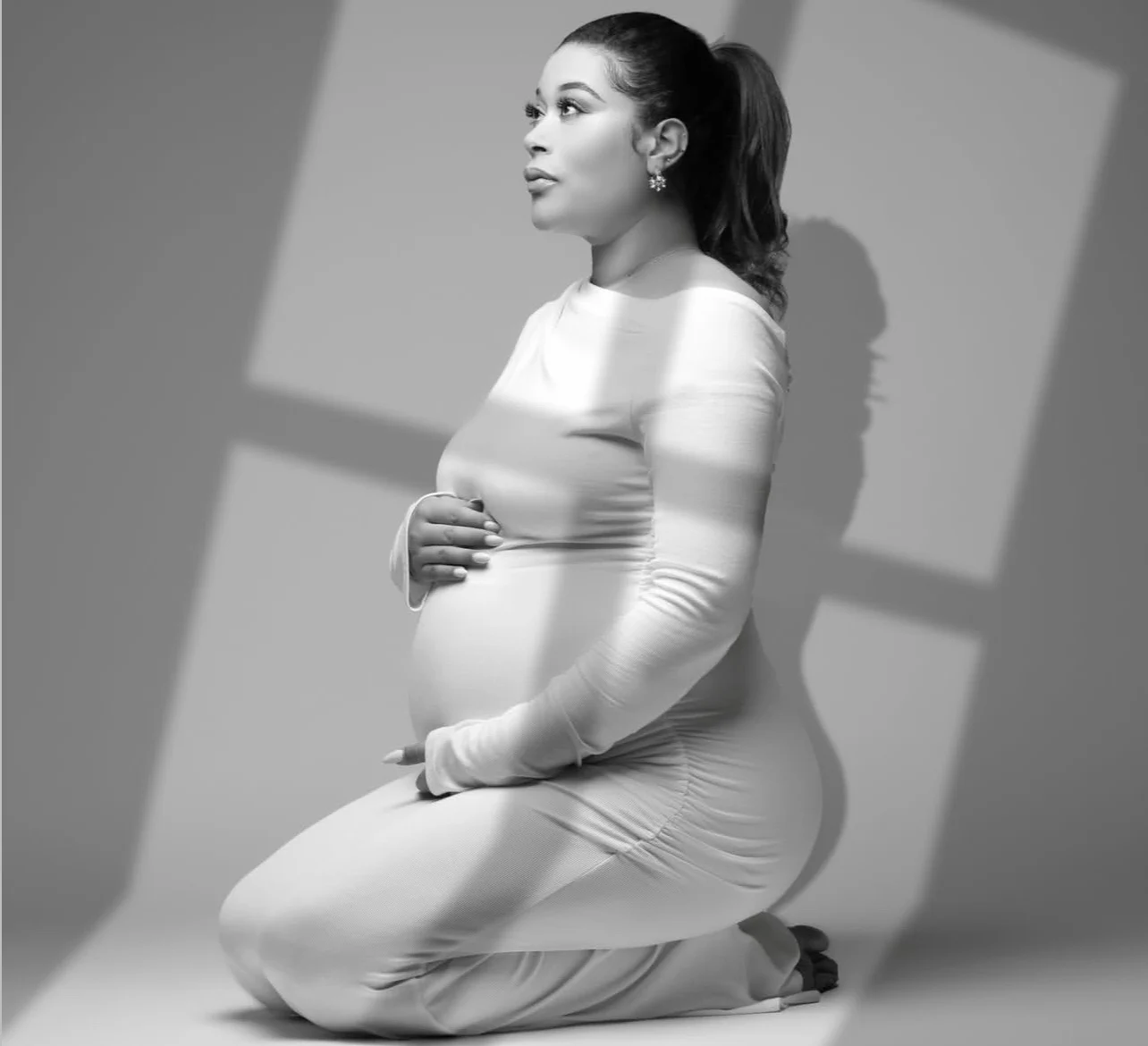
The decision that changed everything was the decision to come back. Ade returned to Nigeria as an adult, this time on her own terms, and walked into an industry that did not quite know what to do with her. She booked her first Nollywood role in 2013 in the Yoruba-language film “You or I,” credited under her birth name as the character Titi. By her own telling, she was extremely nervous on that first set, an outsider in some ways despite being a native speaker, unsure whether the industry would accept a woman who looked like her playing fully Nigerian roles.
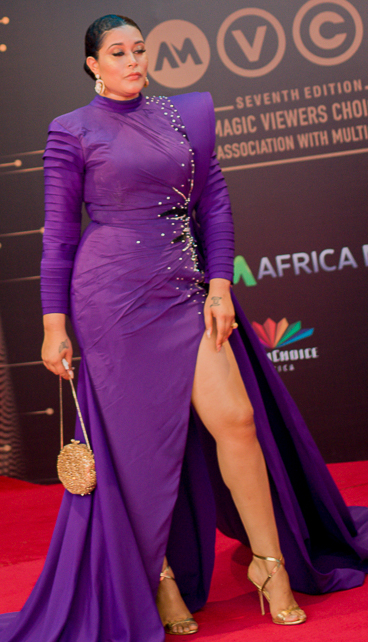
It accepted her quickly. In 2014, her comedy skit “Date Gone Bad” landed on YouTube and pulled in more than 170,000 views, an early signal that audiences responded to her on screen. The films followed in a steady stream. Her real critical breakthrough came with “It’s Her Day” in 2016, a role that earned her a nomination for Best Supporting Actress at the AMVCAs, Africa’s most prestigious film awards, in 2017. She also won Best Supporting Actress for the same film at the Lagos Film Festival. For an actress only three years into her career, that double recognition was a statement: she was not a novelty hire, she was a performer the industry took seriously.
From there the volume became staggering. Ade has now featured in well over 200 Nollywood productions across both the English and Yoruba arms of the industry, a body of work that includes “Ratnik,” “Ijogbon,” the Funmilayo Ransome-Kuti biopic, “Tokunbo,” and a long list of television and streaming titles. She has appeared in series including “Jenifa’s Diary” and “Sons of the Caliphate.” Few actors of her generation have worked as relentlessly or across as many registers.
The bilingual edge
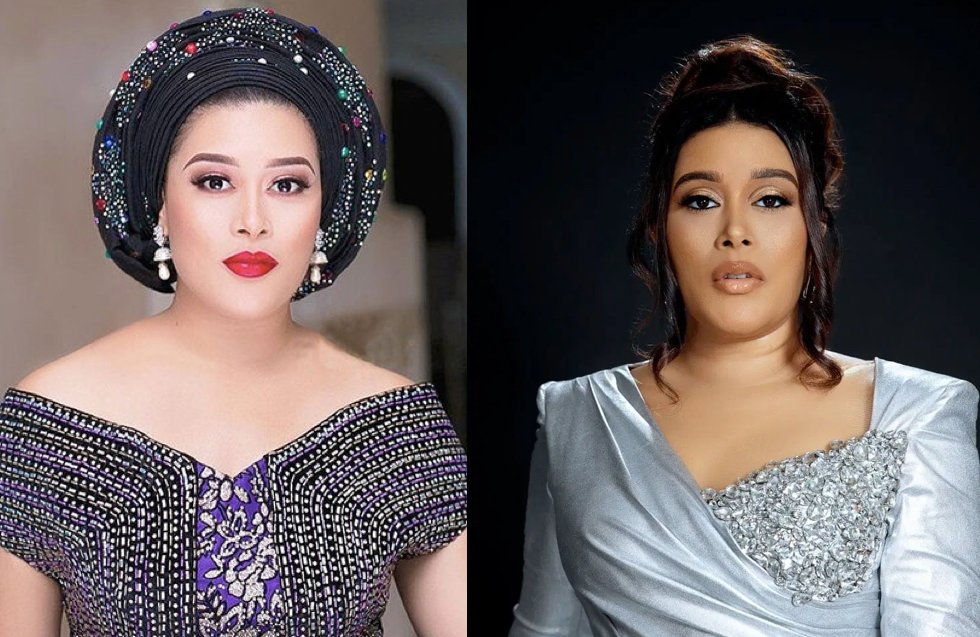
What separates Ade from many of her peers is not just talent or work ethic. It is range of a very specific kind. Nollywood is, in practice, at least two industries running side by side: the English-language productions that travel internationally and draw the prestige, and the Yoruba-language films that command enormous, loyal home audiences. Most actors live comfortably in one camp. Ade lives in both.
Because she grew up speaking Yoruba in Lagos, she can carry a Yoruba-language lead without subtitles or coaching, the dialogue landing with the cadence of someone who learned it as a child rather than a script. Because she was born and educated partly in America, she slips just as easily into the polished English of cinema-release Nollywood. Producers get two actresses for the price of one, and audiences on both sides feel she belongs to them. That bilingual fluency is the quiet structural advantage underneath her enormous filmography. It is the reason she rarely runs out of work.
Motherhood on her own terms
For years, the most personal and most public fact about Adunni Ade was that she was raising two sons, Ayden Young and D’marion Young, as a single mother. She has never been married, and she has spoken about that choice with unusual directness. She was in a long relationship with the father of her sons, an American named Michael Boyd, for roughly eight years before things fell apart. Rather than stay in something that no longer worked, she walked away, framing the decision as the healthiest path for herself and her children.