
Table of Contents
- Why This Tournament Is Different From Any Before It
- The Eight Countries That Made the Quarter-Finals
- Quarter-Final Fixtures and Results
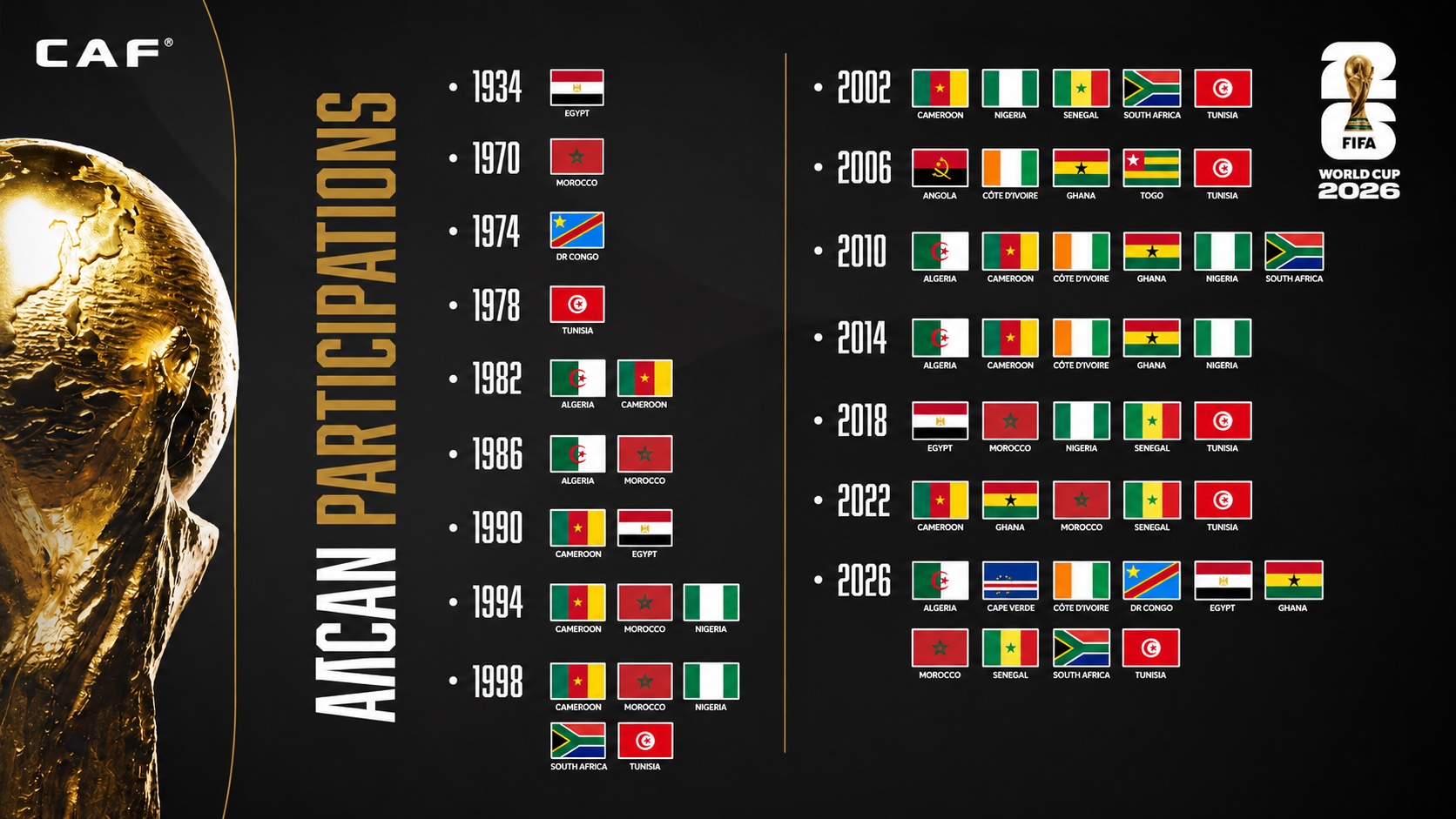
- Africa’s Historic 2026 Run and What It Represents
- What Happened to the Giants Who Didn’t Make It
- The Last Eight Standing: Power, Pride, and the Weight of a Continent
Why This Tournament Is Different From Any Before It
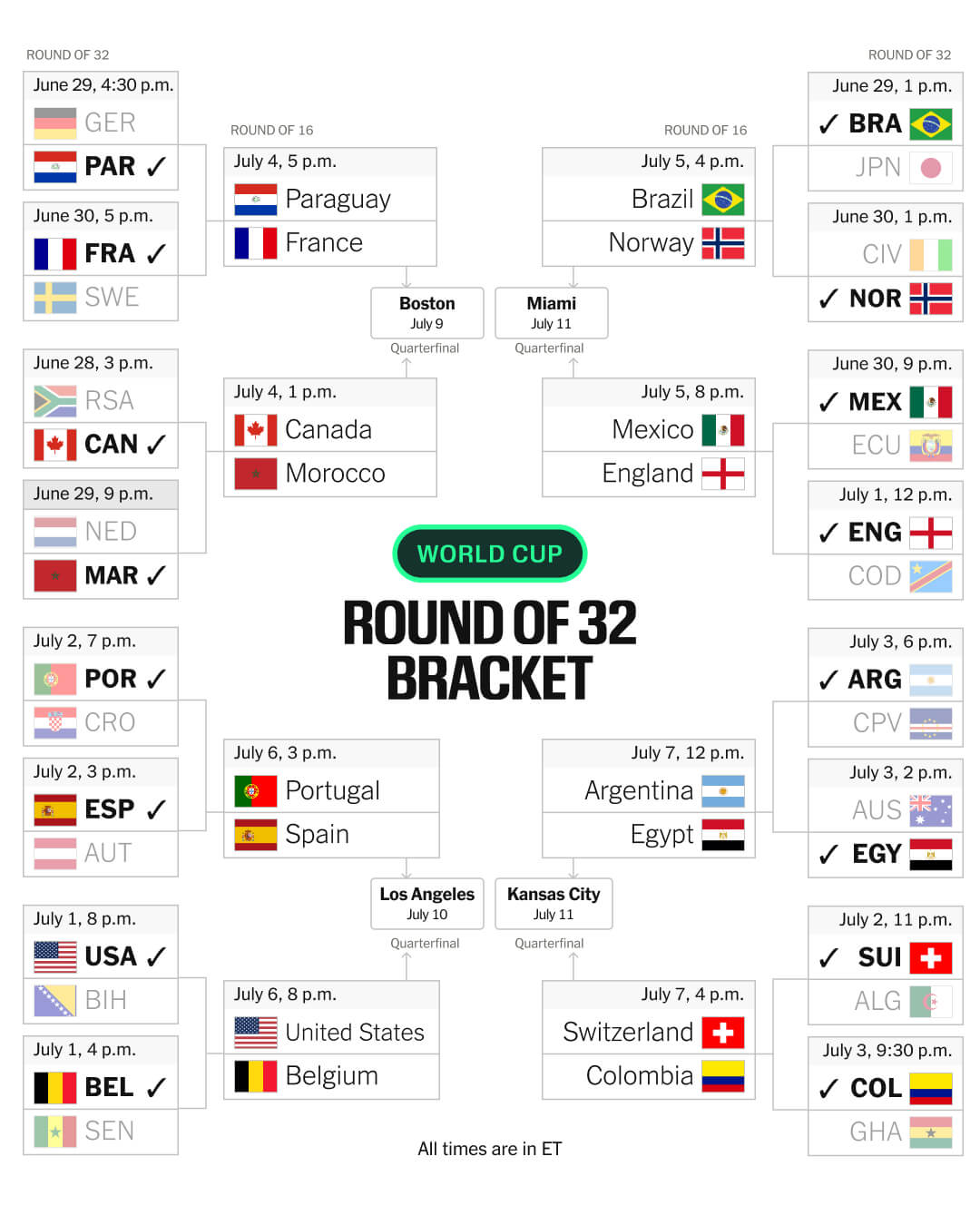
The 2026 FIFA World Cup was always going to be historic before a single ball was kicked. Expanded to 48 teams for the first time in the tournament’s history, co-hosted across the United States, Canada, and Mexico, and stretching from June 11 all the way through to the final on July 19, 2026, this is the biggest, most sprawling football tournament the world has ever seen. What nobody could have fully predicted, however, was just how wildly the knockout stages would scramble the conventional football order - and what that would mean for nations, continents, and fans who have spent decades waiting for their moment. The quarter-finals of the 2026 World Cup are not just a sporting event. They are a global cultural statement, and for African football fans especially, they carry a weight that no stats sheet can fully capture.
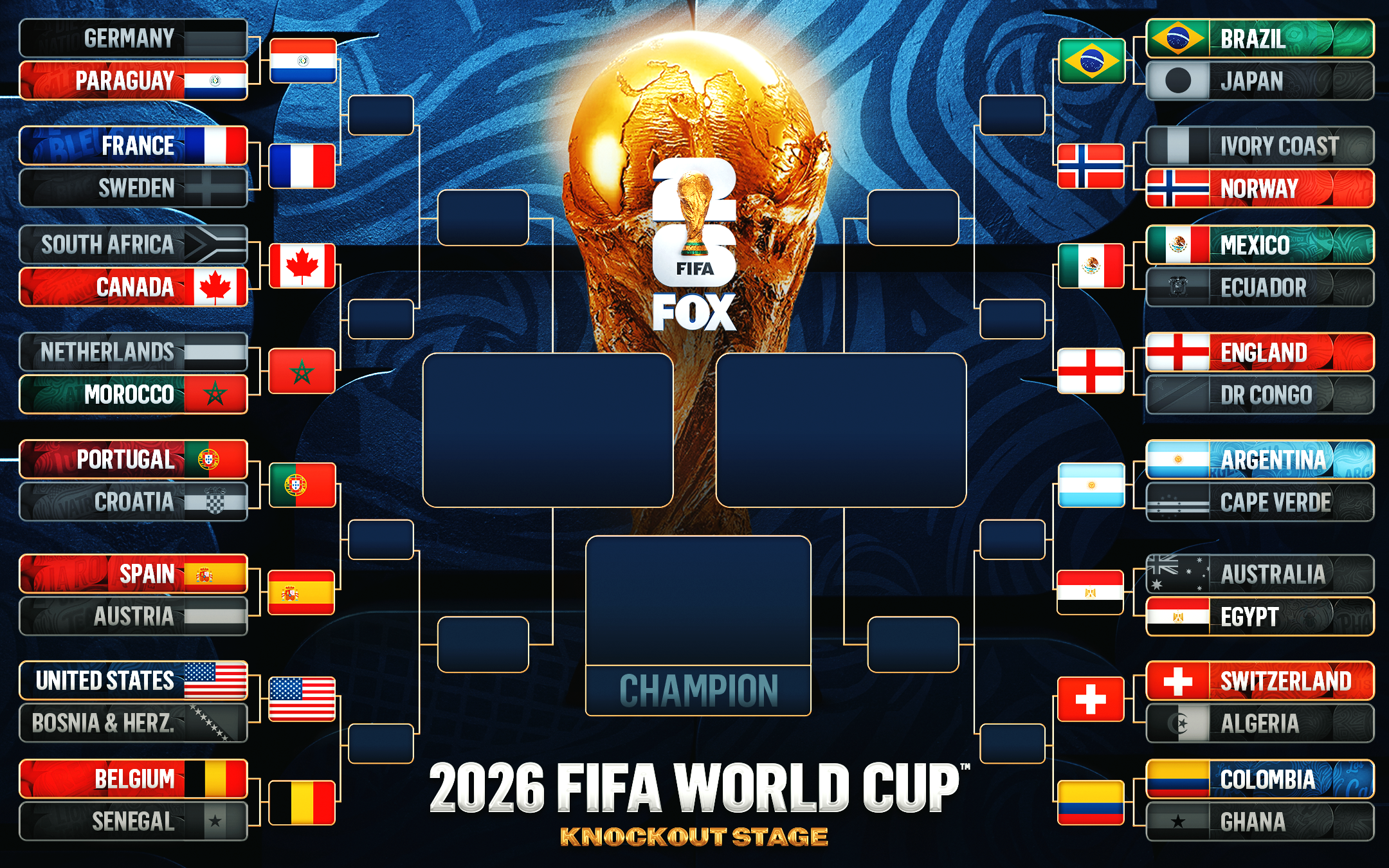
The expanded format gave six African nations an automatic berth compared to the previous five, and gave smaller footballing nations from CONCACAF, Asia, and beyond a genuine shot at progression. The round-of-32 knockout format that replaced the old round-of-16 structure added new drama, new upsets, and new narratives at every turn. By the time the quarter-final lineup crystallised, it was clear that this tournament had already rewritten several record books. For anyone following the journey from the group stage, the eight nations left standing in the last eight did not arrive by accident.
The Eight Countries That Made the Quarter-Finals
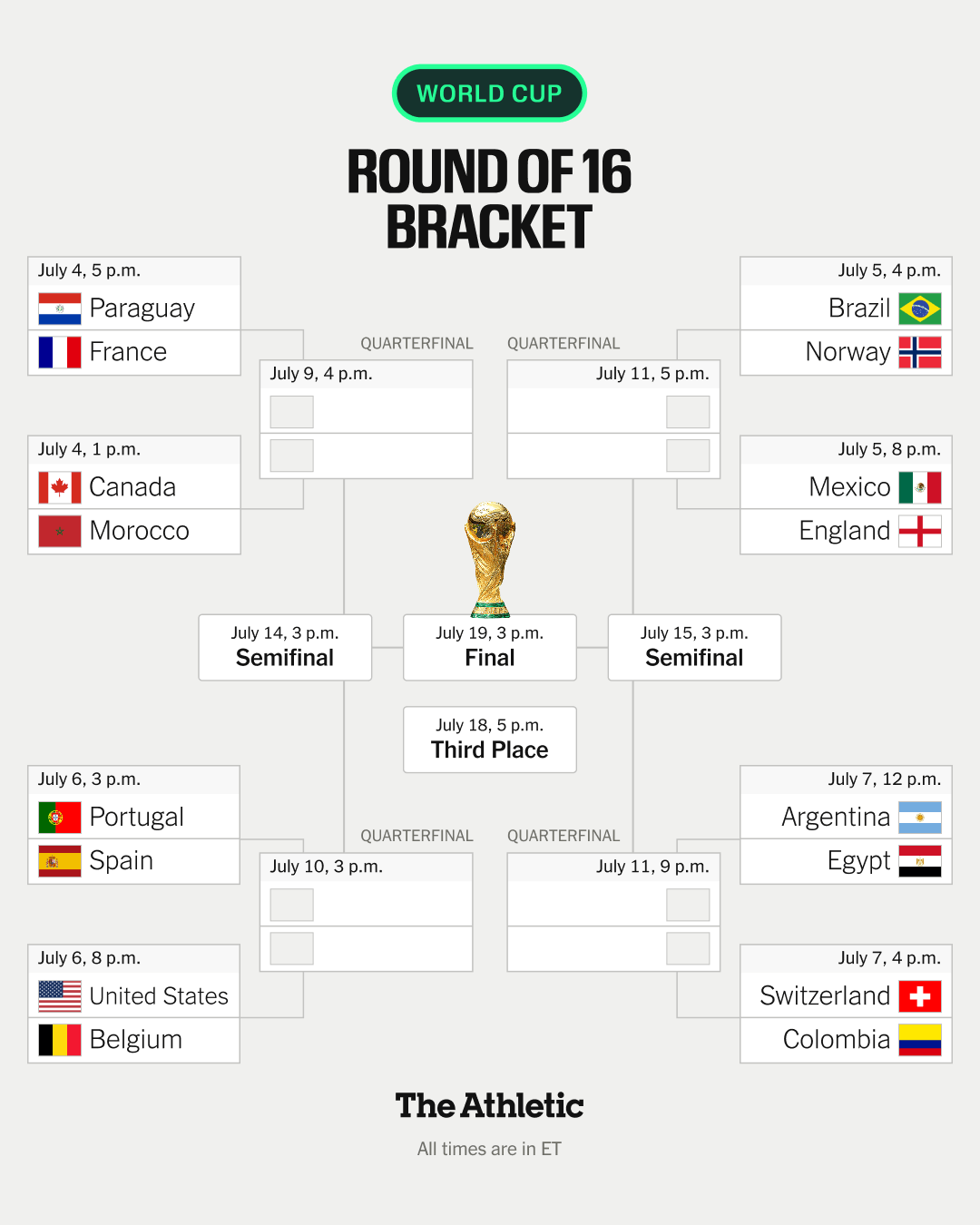
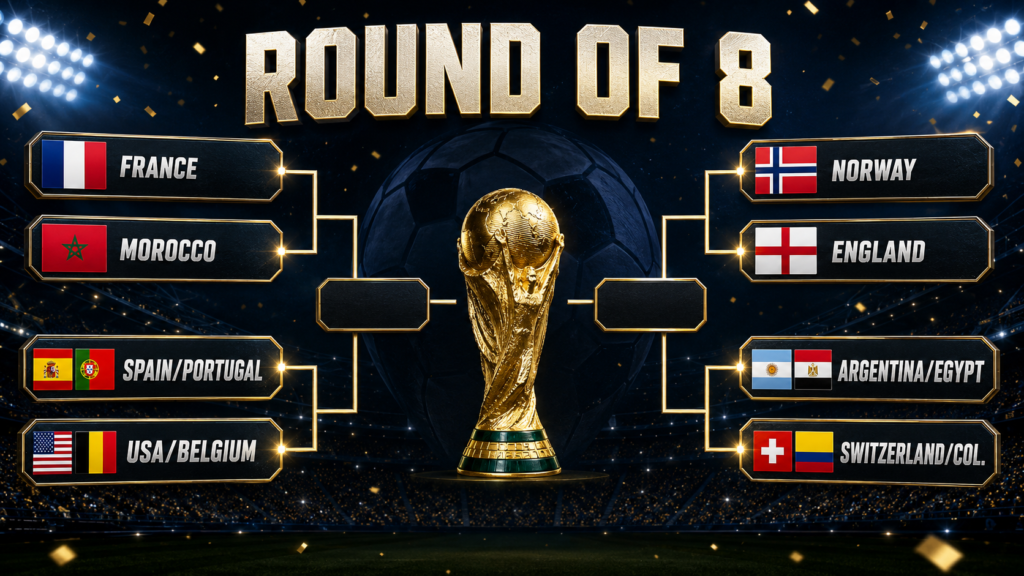
As of the quarter-final stage of the 2026 FIFA World Cup, the eight nations who have qualified through the knockout rounds represent a genuinely diverse cross-section of global football. Brazil, France, Argentina, and Portugal - the traditional heavyweights - have made the last eight, as broadly expected, though none of them had it particularly easy on the way. Brazil navigated a testing round-of-16 clash, France required extra time to dispatch a stubborn opponent, and Argentina leaned on moments of individual brilliance to keep their title defence alive. Portugal, powered by a generation of talent that goes well beyond Cristiano Ronaldo’s legacy, came through convincingly and look like genuine contenders for the trophy.
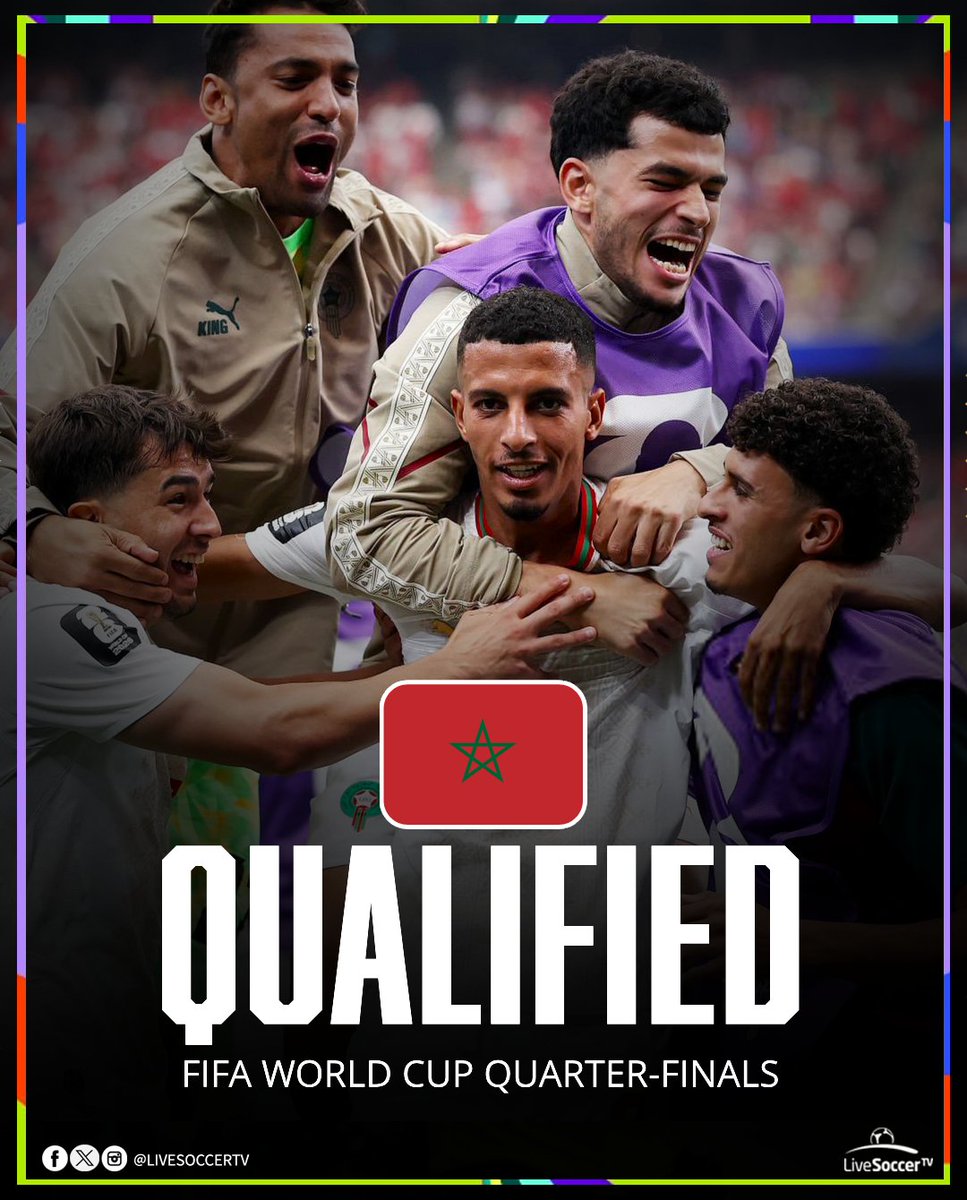
The other four spots, however, are where the real drama lives. Morocco - who stunned the world at Qatar 2022 by becoming the first African nation to reach a World Cup semi-final - have gone one further in 2026 and reached the quarter-finals again, continuing one of African football’s most extraordinary modern stories. Germany have returned to the business end of the tournament after their disappointing early exits in 2018 and 2022. Spain have looked tactically polished throughout and earned their place in the last eight with a brand of football that has been as exciting as it has been effective. Rounding out the eight is the United States, the co-host nation, whose quarter-final berth has ignited a football frenzy across North America that the sport has arguably never seen on American soil at this scale.
Quarter-Final Fixtures and Results
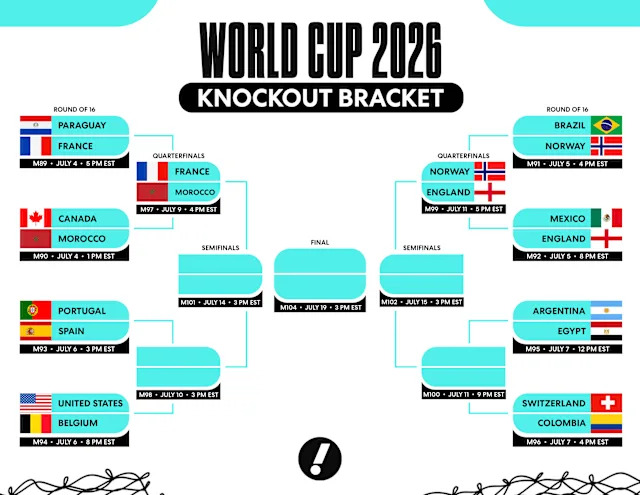
The 2026 World Cup quarter-final fixtures were drawn to produce four blockbuster matchups, with games played across several of the tournament’s marquee venues including MetLife Stadium in New Jersey, AT&T Stadium in Dallas, and the Rose Bowl in Los Angeles. The matchups are as follows: Brazil vs. Germany, a rematch that carries enormous symbolic weight given the infamous 7-1 semi-final result Germany handed Brazil at the 2014 World Cup in Belo Horizonte - a game Brazilians still refer to as the Mineirazo. France vs. Portugal is a tantalising Iberian-meets-Western-Europe clash that puts two of the continent’s most gifted squads on a collision course. Morocco vs. Spain is the tie generating the most noise globally, for reasons that go far beyond football. And Argentina vs. the United States is the match the tournament hosts dreamed of from the moment the draw was made.
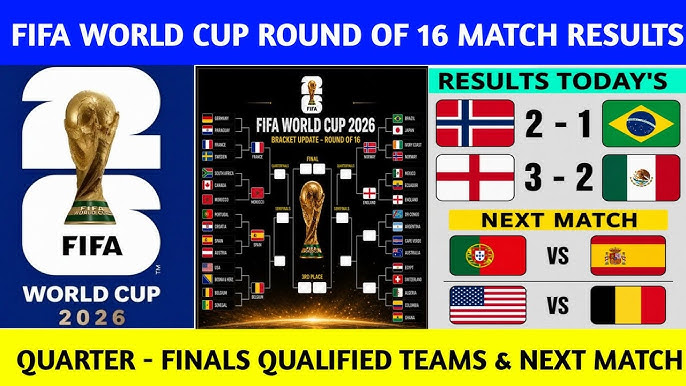
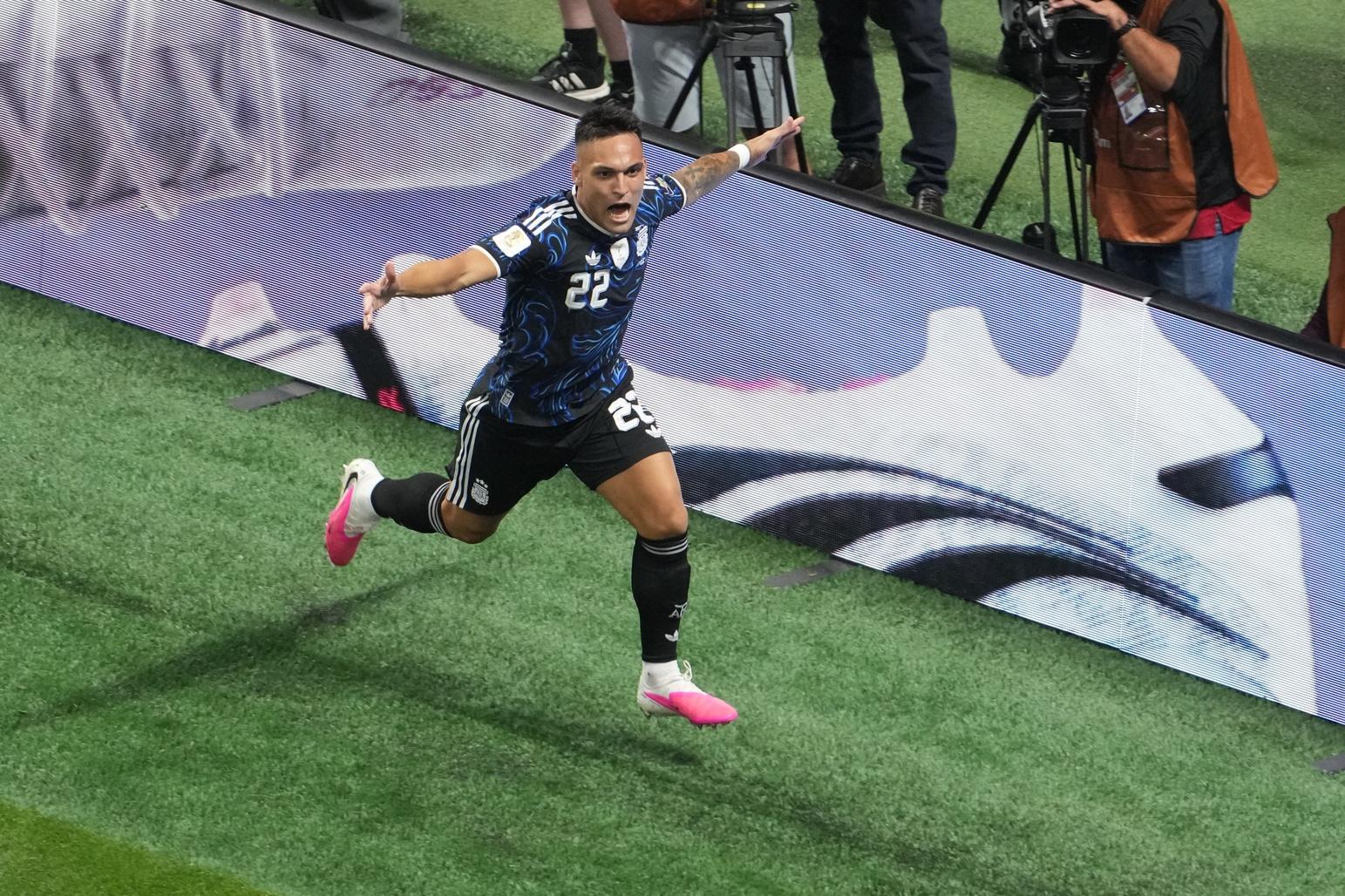
In terms of results, the quarter-finals have delivered everything neutral fans could have asked for. Brazil edged Germany in a tense, physical encounter that was decided by a narrow margin in regular time. France overcame Portugal in what many are already calling the match of the tournament, a five-goal thriller in which Kylian Mbappe and a resurgent Portuguese attack traded blows for 90-plus gripping minutes. Morocco defeated Spain in a result that has sent shockwaves through European football - and sent the African continent into celebrations that stretched from Casablanca to Lagos. Argentina dispatched the United States with the kind of ruthless composure that has defined Lionel Messi’s World Cup legacy, even as the American crowd inside the stadium pushed their team every step of the way.