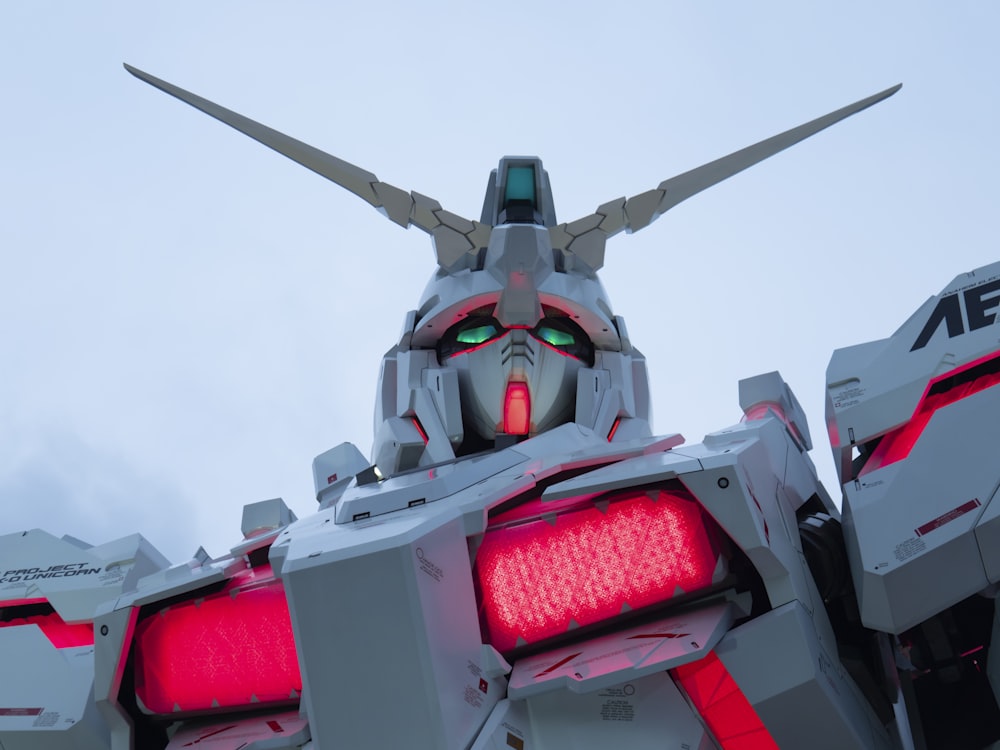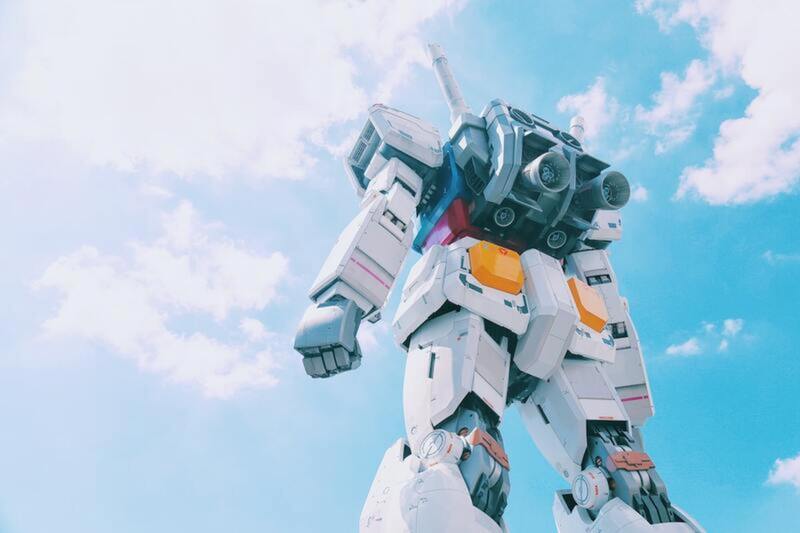
Japan’s perception of enormous robots was altered almost forty years ago when Mobile Suit Gundam first debuted there. Gundam is a popular Japanese science fiction media franchise that has been around since 1979. The series includes several television programs, motion pictures, and comics, all of which center on enormous robots known as “Gundams” and the pilots controlling them.
Today, Gundam is a major part of American anime series. It is considered the anime that defined the giant robot revolution. This article highlights how Gundam helped create a brand-new anime subgenre, altered how Westerners saw Japanese animation, and influenced future robotics technology.
Gundam Background
Giant robots had a particular meaning in Japanese entertainment in 1979. Mazinger Z and Battle Fever J, the first Super Sentai episode ever with its huge mech, gave the “Super Robot” subgenre a specific connotation. Before then, you could only find these fantastical mecha in cartoons and comic books for kids. That would change with Mobile Suit Gundam.
At that time, it was unheard of to deploy mechanical exosuits as military weapons. For this reason, Mobile Suit Gundam debuted with many controversies since viewers expected another huge robot anime without a new perspective on enormous robots. Nobody knew that Mobile Suit Gundam would inspire the development of the “Real Robot” genre. This genre still dominates how mecha are portrayed in Japan.
Gundam’s evolution with time
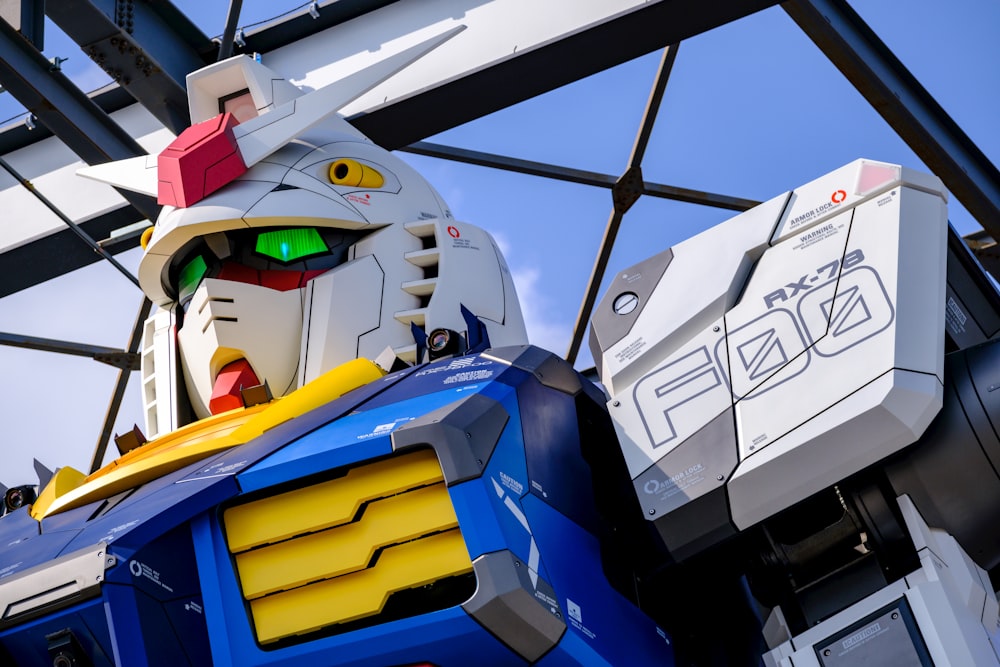
The anime television series Mobile Suit Gundam, produced by Yoshiyuki Tomino and Sunrise, marked the franchise’s start in 1979. Since then, Gundam has developed into one of the most popular and persistent brands in Japanese anime and manga annals. The brand has grown to encompass television shows, motion pictures, books, computer games, and comics.
The Universal Century series, which featured Mobile Suit Gundam (1979) and Mobile Suit Zeta Gundam (1985), marked the beginning of the Gundam series. The Future Century, After Colony, After War, Correct Century, Cosmic Era, Anno Domini, and Advanced Generation timelines are just a few alternative periods that have been created and evolved since the 1990s.
But despite its fame in Japan, Gundam wouldn’t take off in global popular culture until the introduction of Mobile Suit Gundam Wing in the mid-1990s. It was the first full-length television series to air on Cartoon Network’s Toonami afternoon programming block. This first Gundam animation to show on American television helped the series gain traction.
Mecha Merch
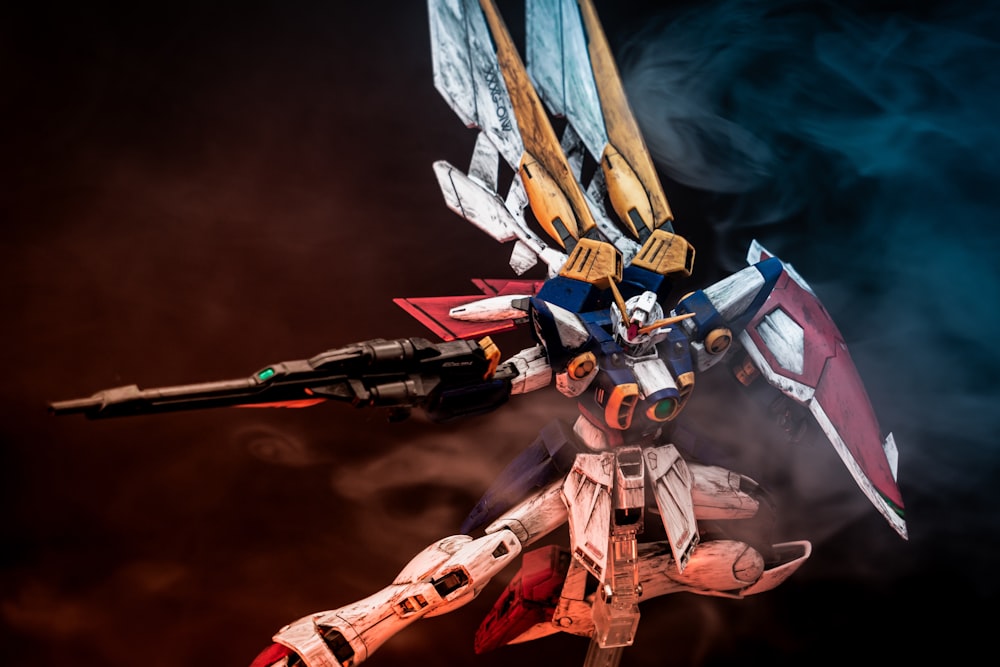
When Mobile Suit Gundam initially aired, they produced toys in the Chogokin die-cast metal model series to coincide with the anime launch. This changed when Bandai acquired the copyright to produce new toys based on the mechs in the series with his plastic model kits. Bandai’s Gundam model kits were unlike any other toys on the market. They came in three distinct colors and needed glue and paint to finish the model. As a result, they increased interest in Mobile Suit Gundam as they took flight.
Thanks to Bandai, Gundam gained popularity once more. This popularity contributed to the development of the Real Robot genre as a legitimate rival to Super Robot programs. The franchise continued with the release of Mobile Suit Zeta Gundam in 1985 and the creation of dozens of additional television shows and motion pictures based on the various Gundam world timelines.
The “Gunpla” version of Bandai’s Gundam miniatures has maintained its appeal in Japan. Mecha model kits are replacing more conventional model kits because they are more intricate and articulated because of advancements in manufacturing technology. You can find Gunpla mechs in several US stores, such as usagundamstore.
Powers that heroes possess
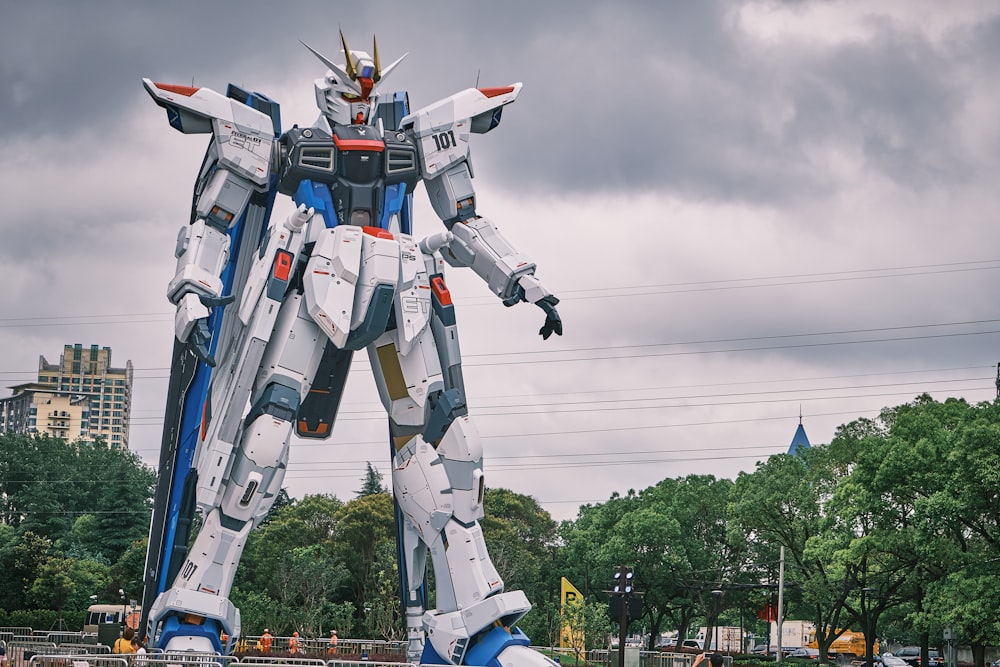
The Gundam series is renowned for showcasing a wide range of cutting-edge equipment and weapons. For example, the Gundam universe’s mobile suits are noteworthy for their potent weapons, innovative armor and shielding, and capacity to change into many forms.
Beam sabers, beam rifles, beam cannons, and Vulcan guns are other distinctive technology and weaponry commonly featured in the Gundam franchise. Some mobile suits may use specific unique powers, such as the “psycho frame” technology. The Gundam Exia employs this technology, enabling the pilot to notice and respond to incoming strikes at a superhuman level.