

Table of Contents
- Who Is WurlD? A Quick Refresher on the Genre-Bending Star
- Breaking Down “Contagious (Afrohouse Riddim)”
- What Is Afrohouse and Why Does It Matter Right Now?
- WurlD’s Signature Sound and What Sets Him Apart
- Why “Contagious” Could Be One of WurlD’s Standout Moments
Who Is WurlD? A Quick Refresher on the Genre-Bending Star

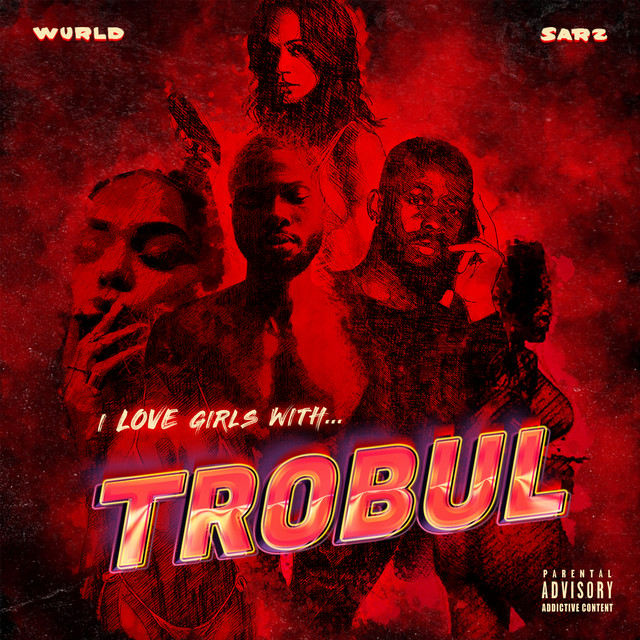
If you’ve been sleeping on WurlD, consider this your official wake-up call. Born Sadiq Onome Adeyemi, the Lagos-raised, internationally influenced singer and songwriter has long occupied a fascinating space in the African music landscape - one where Afrobeats, R&B, soul, and electronic music collide with unapologetic energy. He first gained widespread attention through his 2019 collaboration with Sarz on the joint project I Love Girls with Trobul, a record that turned heads across Nigeria and the diaspora for its refreshingly raw and emotionally honest approach to love and relationships. Since then, WurlD has been a consistent creative force, releasing music that feels deeply personal yet universally relatable. His voice - smooth, expressive, and effortlessly cool - has a way of pulling listeners into whatever emotional world he’s building, and his latest release proves he has no intention of slowing down.
What makes WurlD particularly compelling in an era dominated by formulaic pop production is his genuine commitment to genre exploration. He has never been content to stay in one lane, and that restlessness has rewarded both him and his audience with music that consistently surprises. With “Contagious (Afrohouse Riddim)”, he takes that exploratory spirit into Afrohouse territory, and the result is something genuinely exciting. It’s a track that feels joyful and introspective at the same time - a combination that only the most skilled songwriters manage to pull off convincingly.
Breaking Down “Contagious (Afrohouse Riddim)”

At its heart, “Contagious (Afrohouse Riddim)” is a love song - but not in the predictable, straightforward sense. WurlD approaches the subject with a kind of cautious wonder, as if he can hardly believe what is happening to him. The track centers on a man deeply captivated by a woman’s energy and presence, drawn in by something he struggles to fully articulate but cannot ignore. Her charm, her aura, her way of existing in the world - it all feels, as the title suggests, contagious. The more time he spends in her orbit, the deeper he falls, and the lyrics trace that gradual, beautiful surrender with honesty and warmth. There’s a vulnerability in the writing that feels earned rather than performed.

What gives the song its emotional depth is the undercurrent of self-reflection running beneath the romance. WurlD doesn’t just celebrate this woman - he also questions himself, wondering aloud whether this is truly love or whether, after a long period of searching and uncertainty, he has finally found something real. That internal dialogue between hope and doubt is what elevates “Contagious” above a simple feel-good track. It resonates because most people have been in that exact mental space at some point - standing on the edge of something meaningful, afraid to fully trust what they’re feeling. The Afrohouse production underneath these themes gives the whole thing an uplifting, almost euphoric quality that makes the emotional weight easier to carry. You want to dance and reflect at the same time, and that’s a rare achievement.
What Is Afrohouse and Why Does It Matter Right Now?
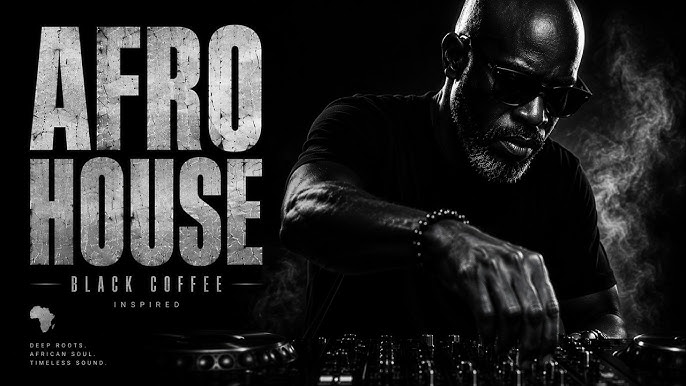
For listeners who might not be fully familiar with the subgenre, Afrohouse is exactly what it sounds like - a fusion of traditional African rhythms and percussion with the driving, pulsating energy of house music. Originating largely from South Africa, where artists like Black Coffee, Themba, and Enoo Napa have helped build it into a global phenomenon, Afrohouse has steadily grown from club-circuit staple to mainstream crossover sensation. Black Coffee’s Grammy win in 2023 for Best Dance/Electronic Album with We Dance Again was a major milestone for the genre’s global visibility, signaling to the wider world that African electronic music was not just a trend but a movement with serious artistic and commercial legs. The genre has a particular quality that distinguishes it from Western house music - it feels rootsy and spiritual even at its most danceable, grounded in something deeper than pure sonic pleasure.