
The Evolution of Asake - From Street-Hop to Afrobeats Stardom
Afrobeats

The Evolution of Asake - From Street-Hop to Afrobeats Stardom

Jalen RossJalen Ross··10 min read
Advertisement

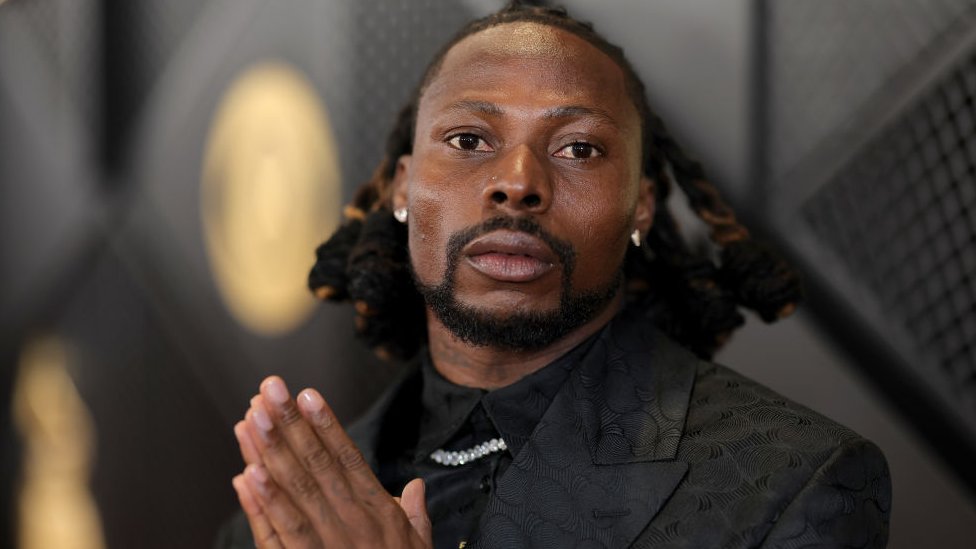
A boy named Ahmed Ololade grew up in the Ifako-Ijaiye area of Lagos, in the kind of neighbourhood where the soundscape changes from compound to compound. Fuji from one window. Highlife from another. Praise music on Sundays, hip-hop from teenage speakers, and the relentless commercial background of buses, generators and traders making their pitch. The boy who would become Asake absorbed all of it. By the time he started uploading music to Instagram around 2020, the soup of references in his head had been simmering for two and a half decades. What came out the other end did not sound like anything else in Nigerian pop. It sounded like everything in Lagos at once.

Asake’s commercial breakthrough between 2022 and 2024 has been one of the fastest in the modern Afrobeats era. Three albums in less than three years. A Travis Scott collaboration. A sold-out O2 Arena show. A break from his long-time label to launch his own. The trajectory has been steep enough to invite easy explanations – that he caught a lucky moment, that his producer carried him, that Olamide’s co-sign did the heavy lifting. None of the easy explanations hold up to close inspection. The Asake story is a study in deliberate construction, executed by an artist whose sound design has been the most carefully considered of anyone in his generation.

The Lagos kid
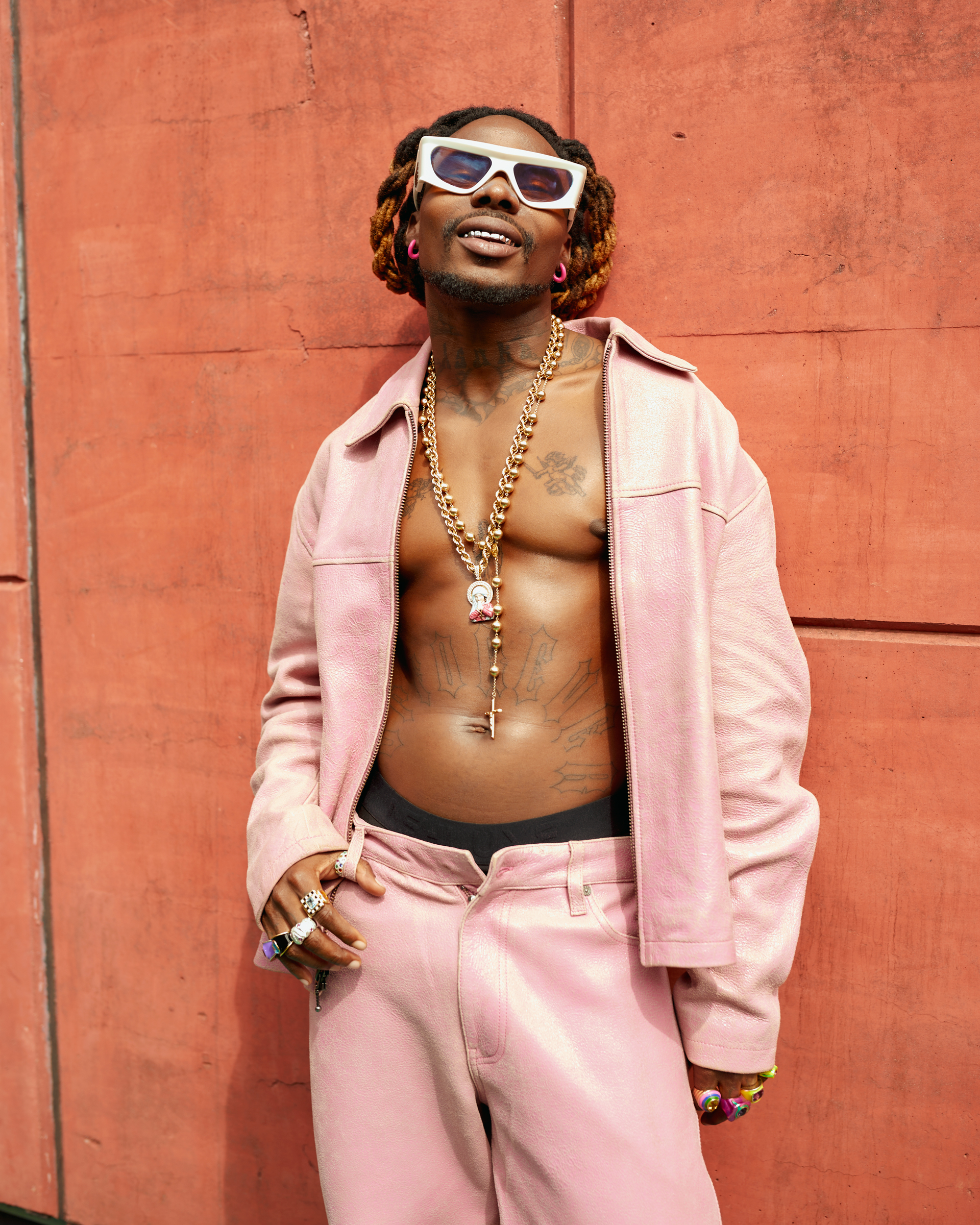
The Evolution of Asake - The Lagos kid

Ahmed Ololade was born on 13 January 1995 in Lagos. He grew up Yoruba Muslim in a city where the Muslim and Christian communities live in close, sometimes overlapping, social registers. He attended Obafemi Awolowo University in Ile-Ife, studying theatre arts, a course of study that several Nigerian musicians of his generation have credited as the practical training that prepared them for stage work. The theatre arts curriculum at Nigerian universities is heavy on movement, voice work, performance theory, and the practical staging of large-cast productions. Asake’s later live show, which has become one of the most visually arresting in Afrobeats, draws audibly on that training.

He began uploading music to social media in the late 2010s. A 2020 snippet of a song called Lady went viral on Instagram, drawing the attention of a small but committed early following. The track demonstrated the elements that would later become his signature – the choral arrangement, the percussive drive, the looped vocal hook layered against a Yoruba street-pop instrumental. It was a four-bar idea executed with the confidence of a finished record.

What was less visible at that point was how systematically he was thinking about sound design. Several interviewers have asked Asake about his methodology in the studio. The answers, given across multiple sessions, have been consistent. He records the vocal arrangements in layers, often multi-tracking himself across full choral parts, and works closely with his producer to build the instrumental around those vocal arrangements rather than the other way around. The choral approach is not decorative. It is the structural foundation of the songs.

The Olamide signing

The Evolution of Asake - The Olamide signing

The decisive professional turn came in early 2022. Olamide, the YBNL Nation label boss whose own catalogue had defined the Lagos street-pop register for the previous decade, signed Asake to YBNL. The signing produced almost immediate commercial results. Olamide appeared on the song Omo Ope, which became the breakout single. The Mr. Money EP followed in early 2022. The debut album Mr. Money With the Vibe arrived in September of the same year.

The Mr. Money With the Vibe album is the document worth lingering on. The record contained Sungba, Joha, Peace Be Unto You, Terminator, Nzaza, Muse and the closing track Sunmomi. Five of the tracks became Nigerian chart fixtures. Three crossed over to the broader African market. Two registered on the global Afrobeats charts in the second half of 2022 and into 2023. The album shaped, for an extended period, what a new Afrobeats record was expected to sound like.

The sonic template was clear. Layered Yoruba-language vocal hooks. Choral backing arrangements that occupied the structural space typically filled by harmonic instruments. Percussion-forward production. Amapiano log drums woven into fuji rhythmic patterns. Lyrical content that mixed street vernacular with religious imagery in a way that read as authentic rather than performative. The result was a record that was simultaneously familiar to Lagos audiences and novel to international ones.

The producer relationship

The Evolution of Asake - The producer relationship

The producer credit on most of the work is Magicsticks, the engineer who has been Asake’s primary collaborator from the breakthrough album forward. The Asake-Magicsticks partnership is the producer-artist relationship of this Afrobeats generation in the sense that the DJ Premier-Guru partnership was the relationship of mid-1990s hip-hop. The two have a sonic vocabulary that they have built and refined across now three albums and a growing catalogue of one-off releases.

Magicsticks’s contribution is visible in the layering decisions. The way the log drum is placed in the mix. The way the percussion stacks build across a song’s structure. The way the vocal harmonies sit against the instrumental rather than on top of it. These are mix and arrangement decisions, and they are consistent across the catalogue in a way that suggests deliberate craft rather than studio chance.

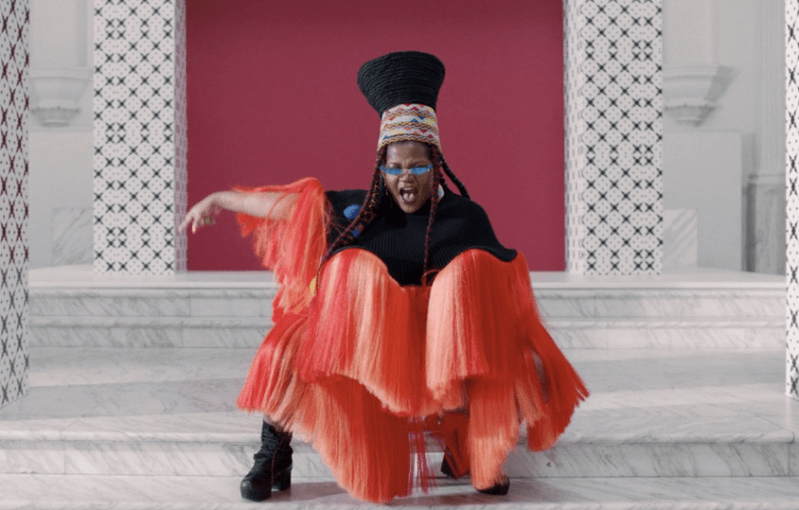
The video direction across the same period has been handled largely by TG Omori, the most visually distinctive director in current Nigerian music. TG Omori’s videos for Asake have leaned into religious and ritual imagery. White-robed choral groups. Candles. Symmetrical compositions referencing Yoruba religious aesthetic. The videos have been as important to the Asake brand as the songs themselves, and the consistency of visual direction across the catalogue has reinforced the sound’s identity.

The second album

The Evolution of Asake - The second album

Work of Art arrived in June 2023, less than a year after the debut album. The record contained Lonely at the Top, Yoga, Awodi, Amapiano (featuring Olamide), and the title track. The album debuted on the Billboard 200 and entered the UK chart. Yoga became the breakthrough international single, charting in multiple European territories and adding the kind of streaming numbers that re-rated Asake’s position in the global Afrobeats hierarchy.

Critically, the album was received as a confirmation rather than a leap. The sonic template established on Mr. Money With the Vibe was extended and refined rather than reinvented. Some reviewers read the continuity as a strength. Others suggested the artist was working within too narrow a sonic register. The debate that followed was the debate that follows any artist whose breakthrough sound is distinctive enough to be immediately recognisable. The question is always whether the sound is the artist’s signature or the artist’s ceiling.

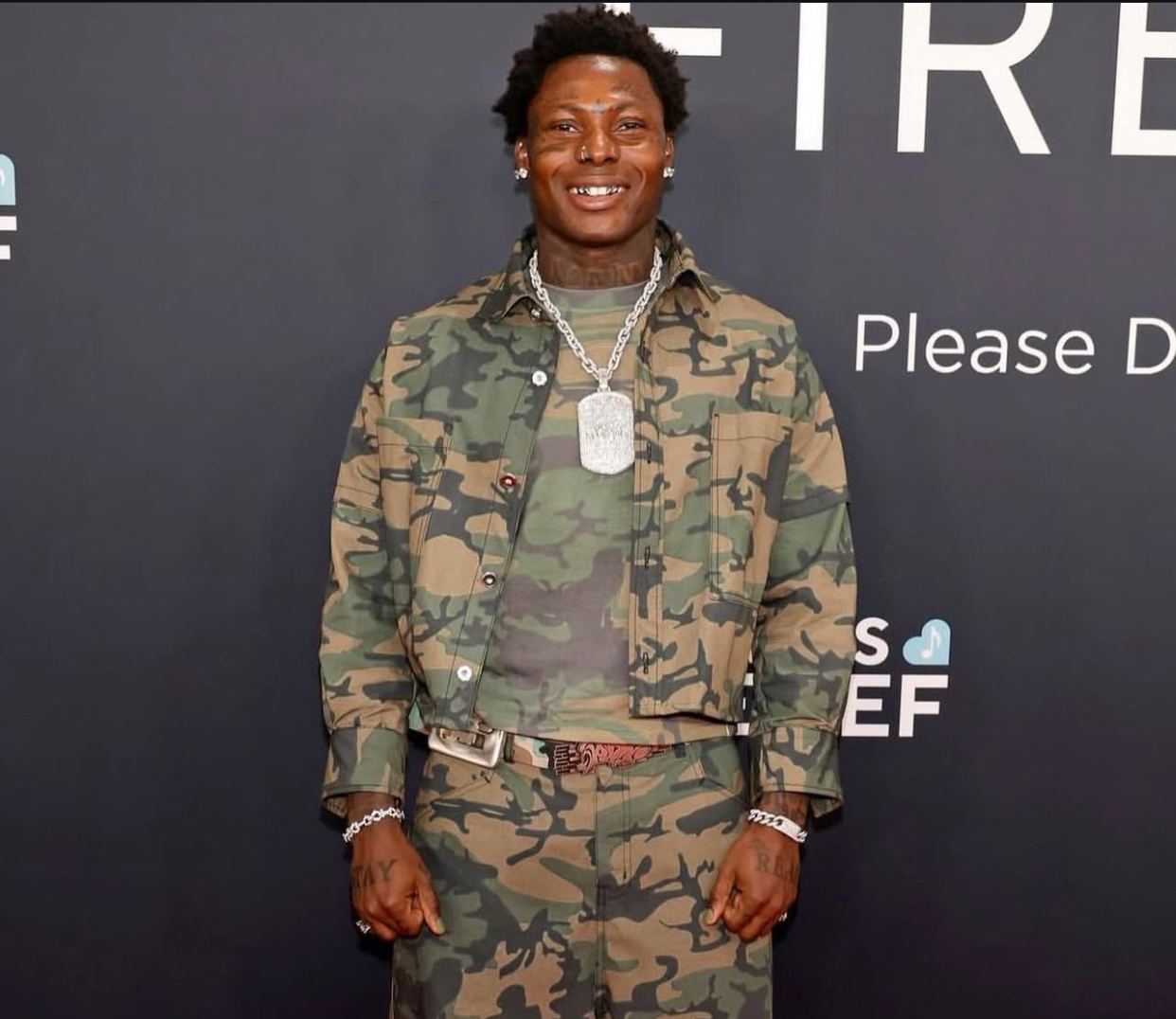
What the album also did was establish Asake as a live performer at a different scale. He sold out the O2 Arena in London in May 2023, becoming one of the first Afrobeats artists to do so. The show drew international press coverage and added concrete venue-scale evidence to the streaming numbers. The Asake live show by this point had developed into a fully staged production with backing choir, dancers, costume changes and lighting design.


Advertisement

Lungu Boy and the Travis Scott moment

The Evolution of Asake - Lungu Boy and the Travis Scott moment

The third album, Lungu Boy, arrived in August 2024. The record contained Active, the Travis Scott collaboration that became the album’s most discussed track. The placement of a Travis Scott feature on an Afrobeats album was not in itself unprecedented – Wizkid, Burna Boy and others had worked with American hip-hop figures across the previous decade – but the production approach on Active was distinctive. The song integrated Travis Scott’s voice into the choral arrangement structure rather than building a separate verse around him. The result sounded like a Travis Scott guest spot on an Asake record rather than the reverse, which is often the inverted dynamic of cross-Atlantic collaborations.

The album also extended Asake’s sonic range. Several tracks moved further into the Afro-house and amapiano territory. Others returned to the fuji-influenced register of the debut. The record was less unified than the previous two but more ambitious in its catalogue of moods. Critical reception was mixed. Commercial reception was strong.

The independence move

The Evolution of Asake - The independence move

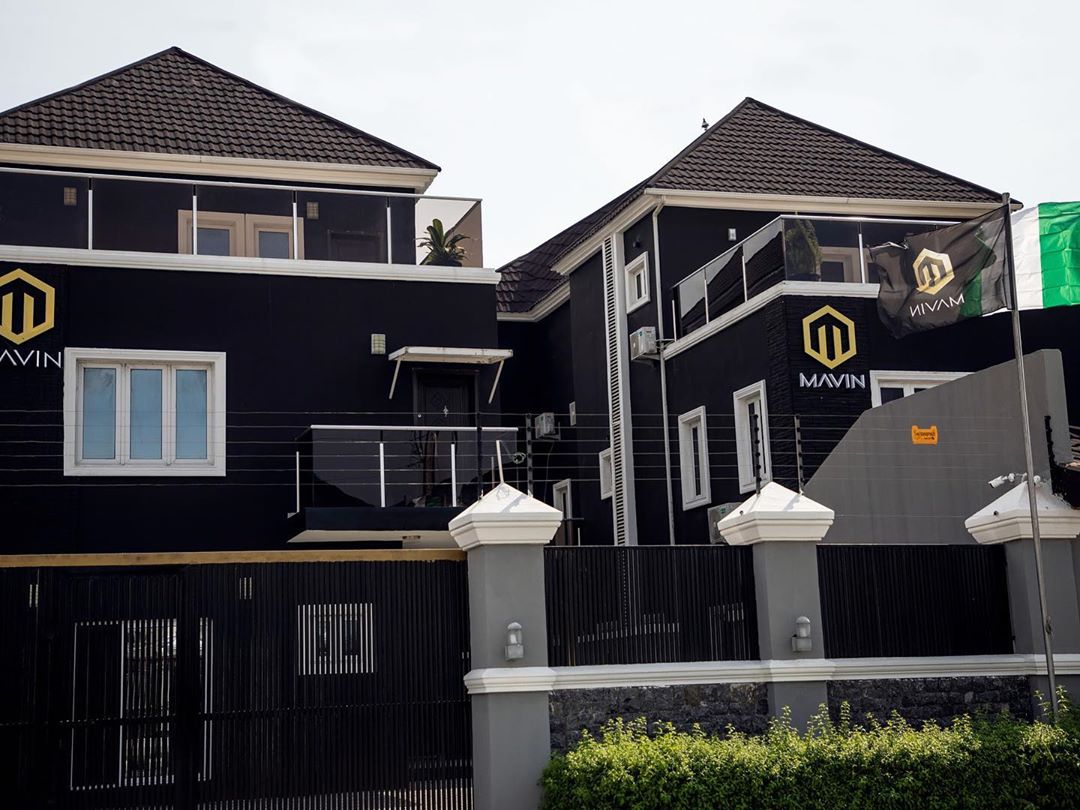
In late 2024, Asake announced that he was leaving YBNL Nation and launching his own label, Giran Republic. The move was framed publicly as a business decision rather than a creative breakup with Olamide. The departure timing – after three commercially successful albums and a global Travis Scott collaboration – was deliberate. The artist was leveraging the catalogue and the international standing to negotiate independence on his own terms.

The Giran Republic move is the latest in a recurring Nigerian music industry pattern in which artists exit major labels at the peak of their commercial leverage to build their own distribution infrastructure. Davido did a version of this with the DMW imprint. Wizkid runs his own Starboy label. Burna Boy operates Spaceship Records. The Asake exit fits the pattern. What will be specific to him is what the new label produces. The first Giran Republic releases will signal whether Asake plans to continue as the label’s primary artist or whether he intends to develop other acts in his own production register.

The religious imagery

The Evolution of Asake - The religious imagery

A piece on Asake’s catalogue cannot avoid the religious framing. The songs draw constantly on Yoruba Muslim and Christian religious imagery, sometimes within the same track. Peace Be Unto You is a salutation drawn from Islamic liturgical greeting. Several tracks feature choral arrangements that evoke Yoruba Christian worship. The video for Lonely at the Top includes ritual imagery that reads as drawn from Yoruba traditional religion.

The mix is not accidental. Asake has spoken in interviews about the religious diversity of his upbringing and the way Yoruba culture handles the coexistence of multiple faith traditions in single families and neighbourhoods. The aesthetic he has built draws on all of those traditions without strictly representing any. The result has been the subject of both academic interest and occasional public criticism, with some commentators arguing that the symbolism risks blurring religious distinctions in ways that can offend either community.

The artist’s response, where he has offered one, has been that the imagery is cultural rather than confessional, that the songs are not religious statements but expressions of a Yoruba aesthetic that has always integrated multiple religious vocabularies. The argument is defensible. It is also a specifically Lagosian one that may not always translate cleanly to international audiences operating with different assumptions about the relationship between art and religious symbolism.

The producer-of-his-generation case

The Evolution of Asake - The producer-of-his-generation case

The question of whether Asake is the defining Afrobeats artist of his cohort is now legitimately on the table. The case for is straightforward. Three albums in three years, all commercially significant. The most distinctive sonic signature of any active Nigerian pop artist under thirty. A global feature with Travis Scott. An O2 Arena headline. An independent label launched at the peak of his leverage. A producer relationship with Magicsticks that has yielded one of the most coherent catalogues of the streaming era.

The case against rests largely on the question of sonic range. The choral, percussion-forward template that defines Asake’s signature is distinctive enough that some critics argue it has not yet been pushed far enough beyond its initial form. Lungu Boy attempted some of that pushing. The verdict on whether the extensions worked has been mixed.

The other question is staying power. Afrobeats has produced multiple breakthrough artists across the last decade whose three-year peaks have given way to slower second acts. The artists who have built sustained careers – Wizkid, Davido, Burna Boy, Tiwa Savage, Olamide – have done so by adapting the sound and the public profile across multiple releases. Asake’s next album will be a meaningful test of that adaptation question.

Where the catalogue stands

What is already settled is that the Asake catalogue between 2022 and 2024 will be cited as one of the foundational documents of this Afrobeats moment. The albums will appear in every retrospective. The sonic template will be studied by producers working in the genre for the next decade. The live show will be referenced as a model for what an Afrobeats stadium production can be. The TG Omori videos will sit in the canon of African music video direction. The Magicsticks partnership will be analysed in academic papers and in industry interviews for as long as the genre is being seriously discussed.

What is not yet settled is what the artist does with the next decade. The Giran Republic launch. The fourth album. The post-Travis Scott collaboration cycle. The question of whether the choral template remains the signature or whether it gets rebuilt. The question of whether he can maintain the production quality outside the YBNL infrastructure. The question of whether the live show scales further. None of these answers are visible yet. All of them will shape the longer view.

A boy from Ifako-Ijaiye who absorbed every speaker in his Lagos neighbourhood made an album in 2022 that re-routed the sound of an entire genre. The sentence is the kind of summary that gets written about an artist after they are no longer making music, and yet here it sits, written about someone whose next album is still in the studio. That is the strange position Asake currently occupies. The retrospective view is already available. The active career still has decades to run. Whatever the next chapter sounds like, the first three have already done the work of putting Ahmed Ololade in the conversation that includes the artists his generation grew up listening to. That conversation does not happen by accident. It happens because the work earned it. The work earned it.

Advertisement
Share
Get the recap

Loved this story? Get more like it.

Join readers who get our weekly entertainment recap - the stories worth your time, delivered every Friday.

No spam. Unsubscribe anytime. By signing up you agree to our Privacy Policy.

The Evolution of Asake - From St... | Sidomex Entertainment