
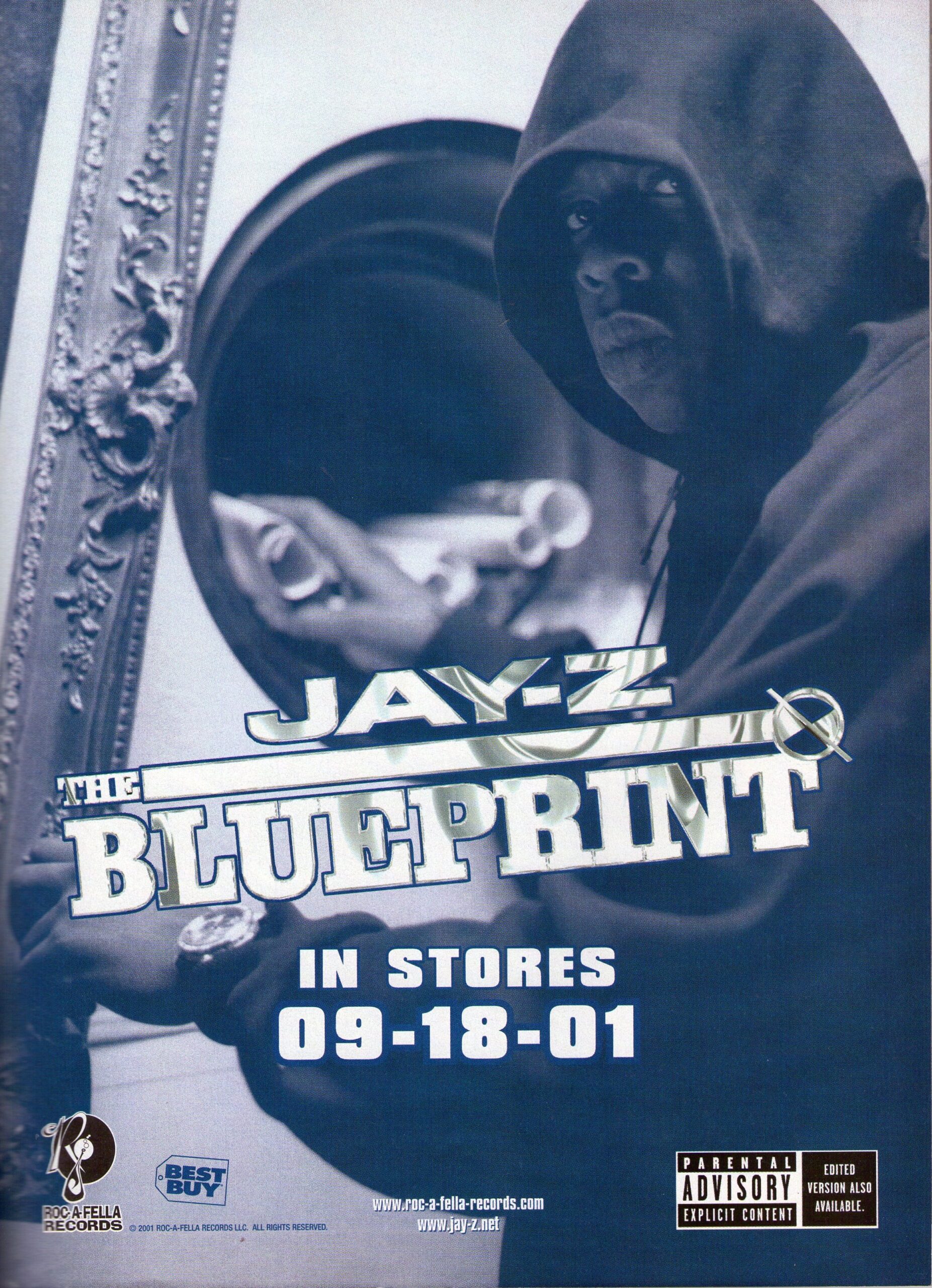
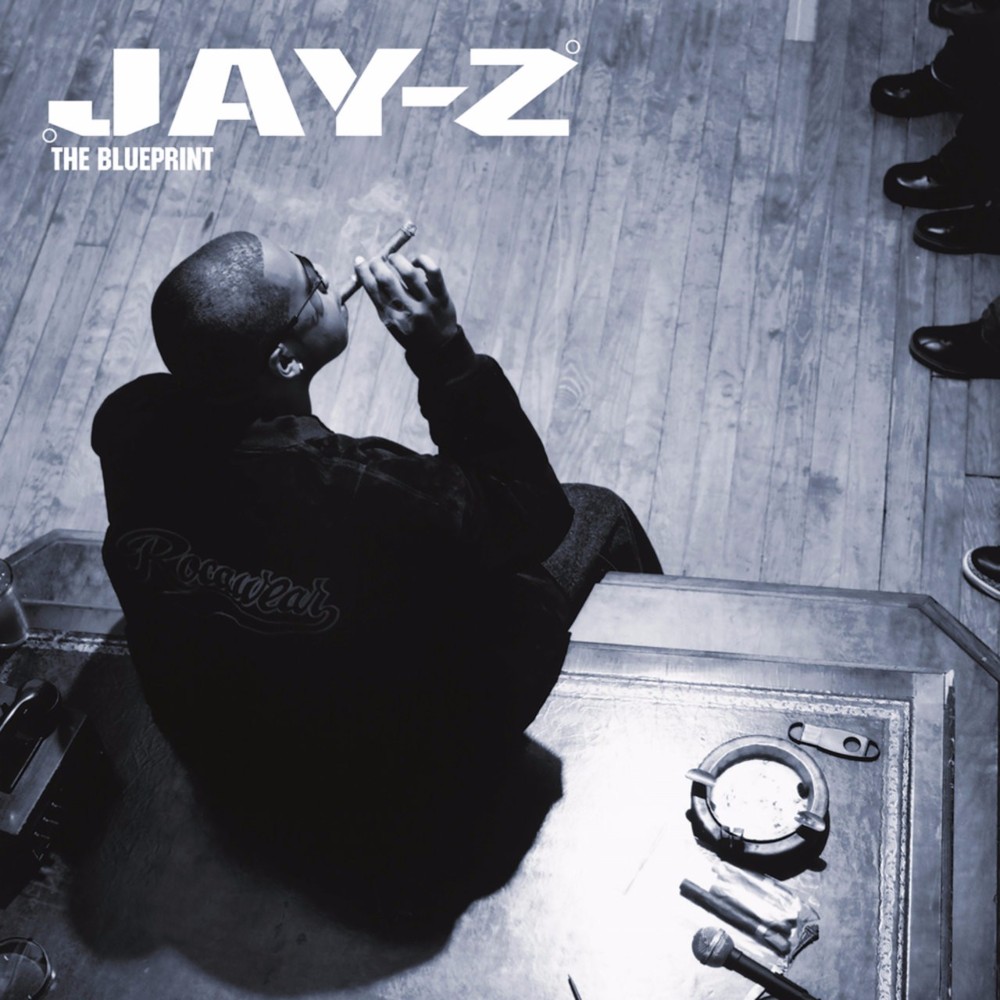
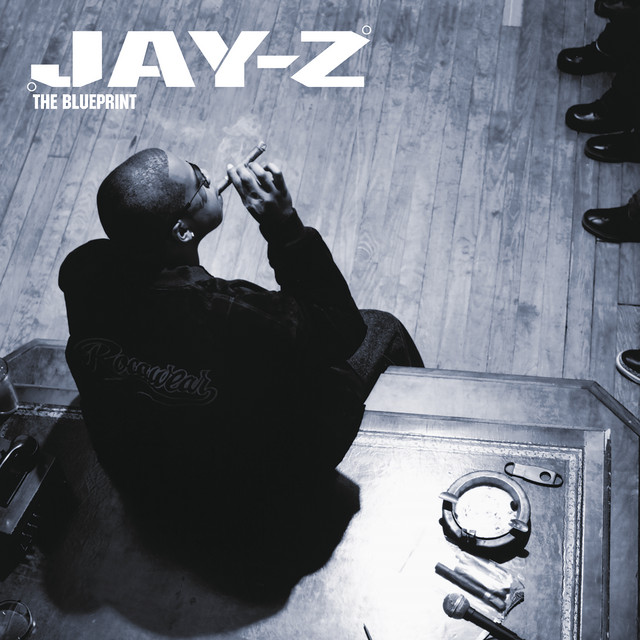
On September 11, 2001, twenty-five years ago, Shawn Carter walked into a world that was about to change forever and dropped the album that would redefine hip-hop production for a generation. The Blueprint hit shelves the same morning the towers fell. By the end of that week, somehow, against everything happening in New York and across the country, Jay-Z had moved 427,000 copies and landed at number one on the Billboard 200.
The date is a strange piece of music history, and people sometimes forget the album existed before it became tangled up in that morning. But The Blueprint was already finished. The marketing was already in motion. And the thirteen tracks Jay-Z had assembled with a young Chicago producer named Kanye West were about to change what mainstream rap sounded like for the next decade.
| The Blueprint - At 25 Years | |
|---|---|
| Release Date | September 11, 2001 |
| Artist | Jay-Z |
| Label | Roc-A-Fella / Def Jam |
| Lead Producers | Kanye West, Just Blaze, Bink, Eminem, Trackmasters |
| Genre | Hip-Hop |
| Tracks | 13 |
| Lead Single | “Izzo (H.O.V.A.)” |
| Only Guest Feature | Eminem on “Renegade” |
| First Week Sales | 427,000 copies, debuted at #1 |
| RIAA Certification | 3x Multi-Platinum |
| Library of Congress | Added to National Recording Registry, 2018 |
The World When The Blueprint Dropped
By the late summer of 2001, Jay-Z was already one of the biggest rappers alive. He had five albums behind him, a label he co-owned in Roc-A-Fella, and a clothing line in Rocawear that was printing money. Reasonable Doubt had given him critical respect five years earlier. Vol. 2… Hard Knock Life had given him a Grammy and Diamond status. He did not need this album to make his name.
What he needed was an answer. Nas had been quiet for years but the streets were stirring. There was tension between Queensbridge and Brooklyn that had been building since Jay’s I Declare War concert that summer, where he previewed “Takeover” with a verse aimed squarely at Prodigy of Mobb Deep. Nas was sitting in his catalog, watching. The beef was loaded but not yet fired.
The broader hip-hop scene in September 2001 was split. The shiny suit era was finally collapsing. Southern rap was rising on the back of OutKast’s Stankonia. Dr. Dre’s 2001 had reset West Coast production two years earlier. East Coast purists were waiting for someone to remind the country what New York sounded like. Jay-Z heard the gap and built an album to fill it.
The critical response was immediate. Rolling Stone gave it four and a half stars. The Source gave it a perfect 5 Mics rating, the magazine’s highest possible score and one of fewer than a dozen in the publication’s history at that point. Pitchfork, not historically a rap-friendly outlet, gave it a 9.0. There was no debate about quality in the room.
Why It Was Different in 2001
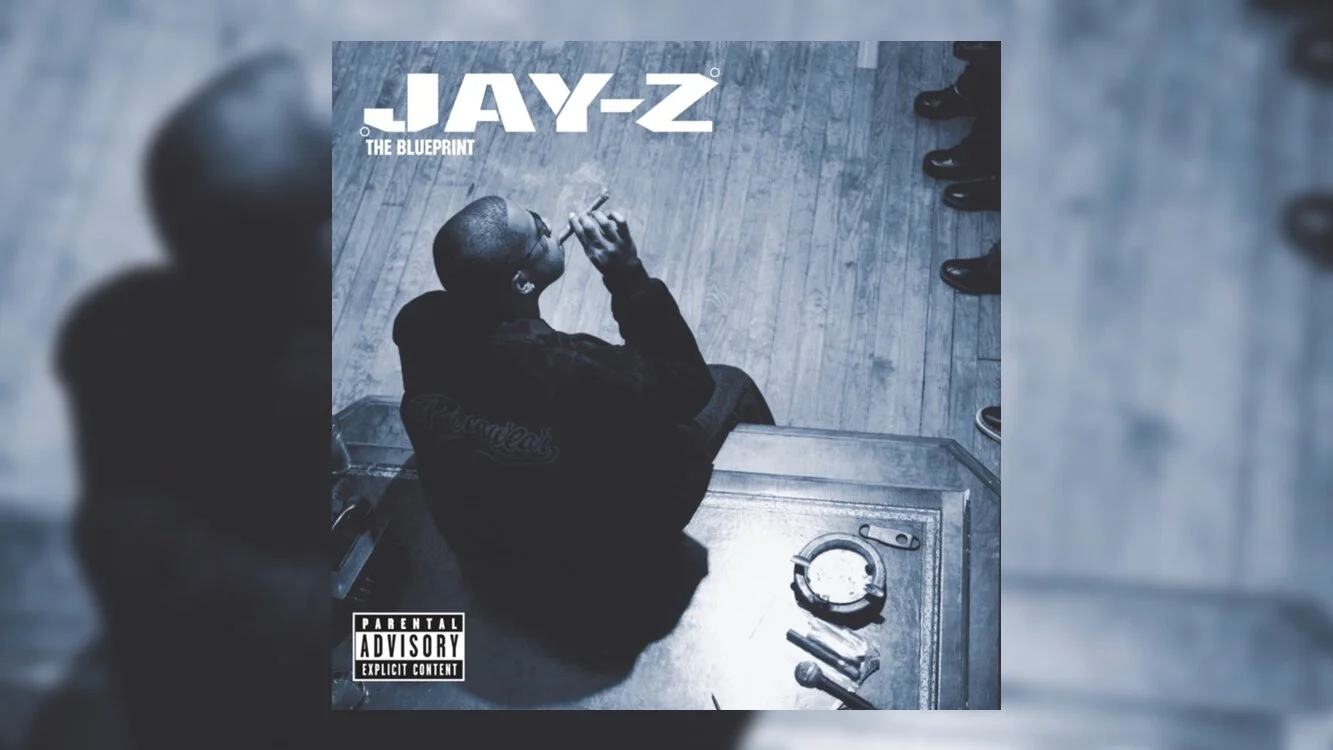
The thing that made The Blueprint sound different from every other rap album in stores that week was the sample. Specifically, the soul sample, sped up, pitched up, and chopped into something both nostalgic and alien. That sound did not exist in mainstream hip-hop before this record. Two years later, every album in the genre was trying to copy it.
Kanye West produced four tracks on the record: “Izzo (H.O.V.A.)”, “Heart of the City (Ain’t No Love)”, “Never Change”, and “Takeover”. This was the moment he became Kanye West. Before The Blueprint, he was a Chicago kid with beats and a hunger nobody outside Roc-A-Fella’s inner circle had to take seriously. After The Blueprint, every label in the country was calling. His 2004 solo debut The College Dropout would not have been possible without the credibility this album handed him.
Just Blaze handled the muscle. “Girls, Girls, Girls” and “Song Cry” sit on his beats, and they hit with a different weight than the Kanye records. Bink produced “The Ruler’s Back”. Eminem produced “Renegade”. Across thirteen tracks the album moved between soul-flip euphoria and harder, grimier moments without ever sounding stitched together. That cohesion, with that many producers in the room, is the part that still gets studied in production circles.
The Songs That Defined It
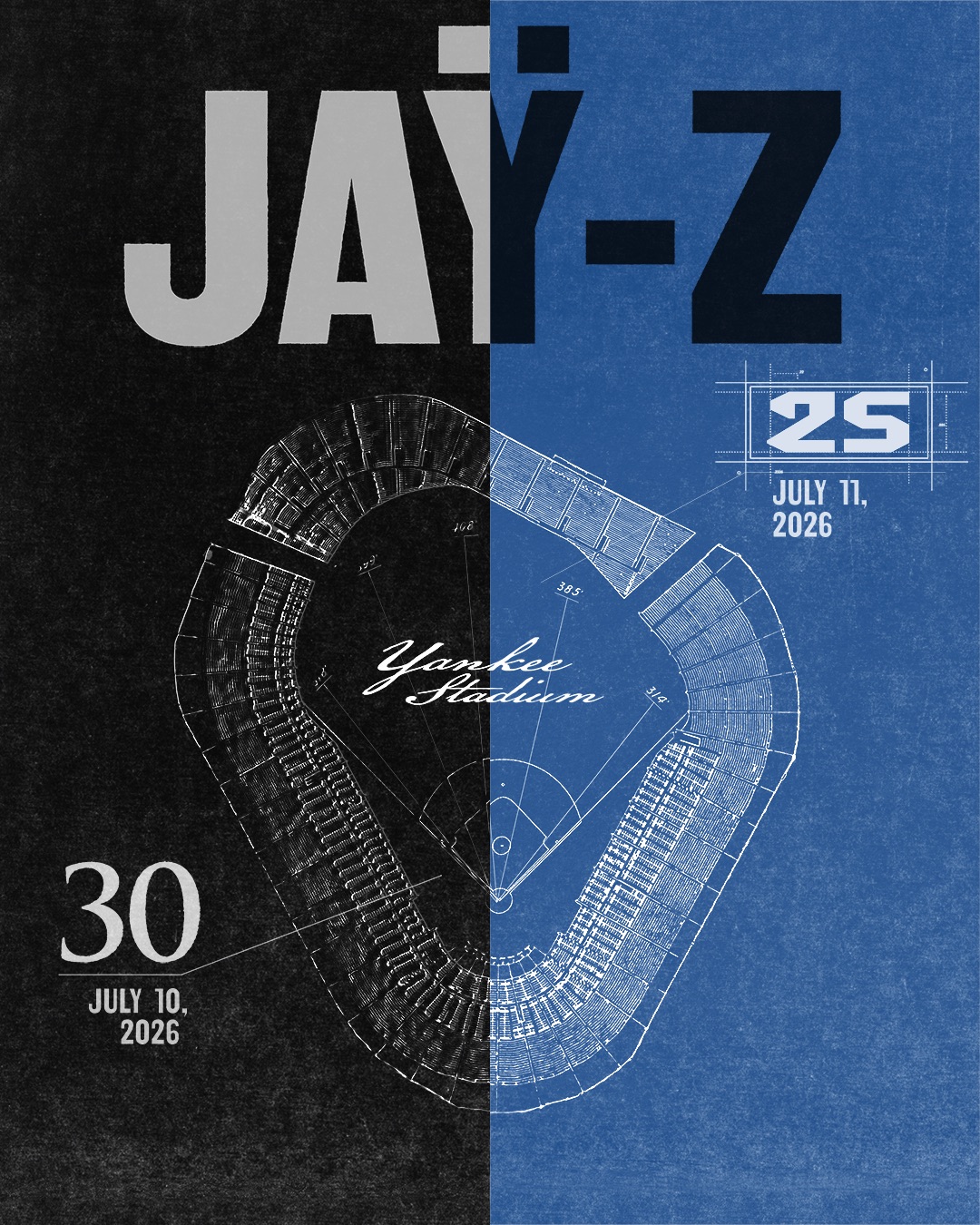
“Takeover”
The diss track that ended a decade-long cold war and started a year of public warfare. Jay-Z spends the first two verses dismantling Prodigy with photographic evidence and personal attacks. Then the third verse arrives and Nas’s name lands in the open. The line about “one hot album every ten year average” became the single sentence that forced Nas to respond with “Ether” three months later. Without “Takeover”, there is no “Ether”. Without that exchange, the modern rap-beef template does not exist.
“Izzo (H.O.V.A.)”
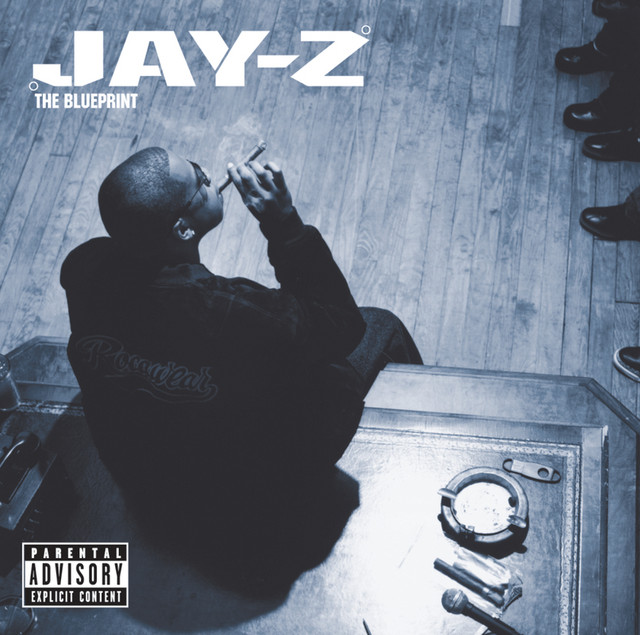
The Jackson 5’s “I Want You Back” chopped into a hook so simple it should not work. It worked. “Izzo” became Jay-Z’s first commercial smash with Kanye production and pushed the album into pop radio rotation. The single peaked at number eight on the Billboard Hot 100, the first top ten of Jay’s career. Every subsequent Kanye-Jay collaboration traces back to the moment this hook landed.
“Heart of the City (Ain’t No Love)”
Bobby Bland’s “Ain’t No Love in the Heart of the City” sped up and bent into a beat that sounds like a Sunday afternoon in Brooklyn. Jay raps about success and the loneliness inside it without ever sounding self-pitying. The track became a blueprint, no pun intended, for how Kanye would treat soul samples on his own albums.
“Renegade”
The only feature on the album, and the one that fans still argue about. Eminem produced the track and showed up with a verse that some critics, including Nas on “Ether”, claimed outshone Jay-Z on his own record. Whether you agree or not, “Renegade” is one of the rare moments in rap history where two artists at the absolute top of their game traded bars on equal footing.
“Song Cry”
The album’s emotional center. Jay raps about a relationship he ruined, and the regret is specific and unflinching in a way mainstream rap rarely allowed in 2001. Just Blaze’s beat samples Bobby Glenn’s “Sounds Like a Love Song” and the result is one of the most quoted hip-hop ballads ever recorded. “I can’t see ’em coming down my eyes, so I gotta make the song cry” still gets tattooed on people’s arms.
The Blueprint’s Legacy: 25 Years On
The album did three things that still shape hip-hop today. It launched Kanye West. It set the rules for modern rap beef through the Jay-Z and Nas exchange. And it proved that a soul-sample-heavy album could go platinum in an era of synth-driven production.