

The Great Return: Why A-List Stars Are Embracing Procedural TV Dramas Again
Entertainment

The Great Return: Why A-List Stars Are Embracing Procedural TV Dramas Again

Miki AndersonMiki Anderson··5 min read
Advertisement

Table of Contents

Hollywood’s relationship with television has come full circle in ways that would have seemed impossible just a decade ago. Where once A-list actors viewed procedural dramas as career death sentences – stepping stones for unknowns or landing pads for fading movie stars – today’s entertainment landscape tells a dramatically different story. The same formats that were once dismissed as “formulaic” and “beneath” serious talent are now attracting some of the industry’s most sought-after performers, and the reasons behind this shift reveal fundamental changes in how the entertainment business operates.

The Streaming Reality Check
Netflix streaming platform interface
Image: Netflix | Brand Assets

The streaming revolution promised unlimited creative freedom and prestige projects for everyone, but reality has delivered a more complex narrative. While platforms like Netflix, Amazon Prime, and HBO Max initially threw money at marquee names and passion projects, the economics of streaming have proven more challenging than anticipated. Many high-profile limited series and streaming exclusives, despite critical acclaim and celebrity involvement, struggle to find sustainable audiences or generate the cultural impact that traditional network television once commanded effortlessly. The result is an industry where even successful streaming projects can feel ephemeral, disappearing into the vast content libraries without the weekly appointment viewing that once made television a shared cultural experience.

This shift has coincided with streaming platforms becoming more selective about their investments, leading to increased competition for fewer prestige projects. Stars who once had multiple streaming offers to choose from are finding themselves in a more competitive marketplace, where the security of a network procedural’s multi-season commitment suddenly looks more appealing than the uncertainty of a limited series that might get lost in the algorithm. The weekly episodic format, once seen as restrictive, now offers something that many streaming projects cannot: guaranteed screen time and character development over multiple seasons.

The Procedural Renaissance
Law & Order series production still
Image: IMDb

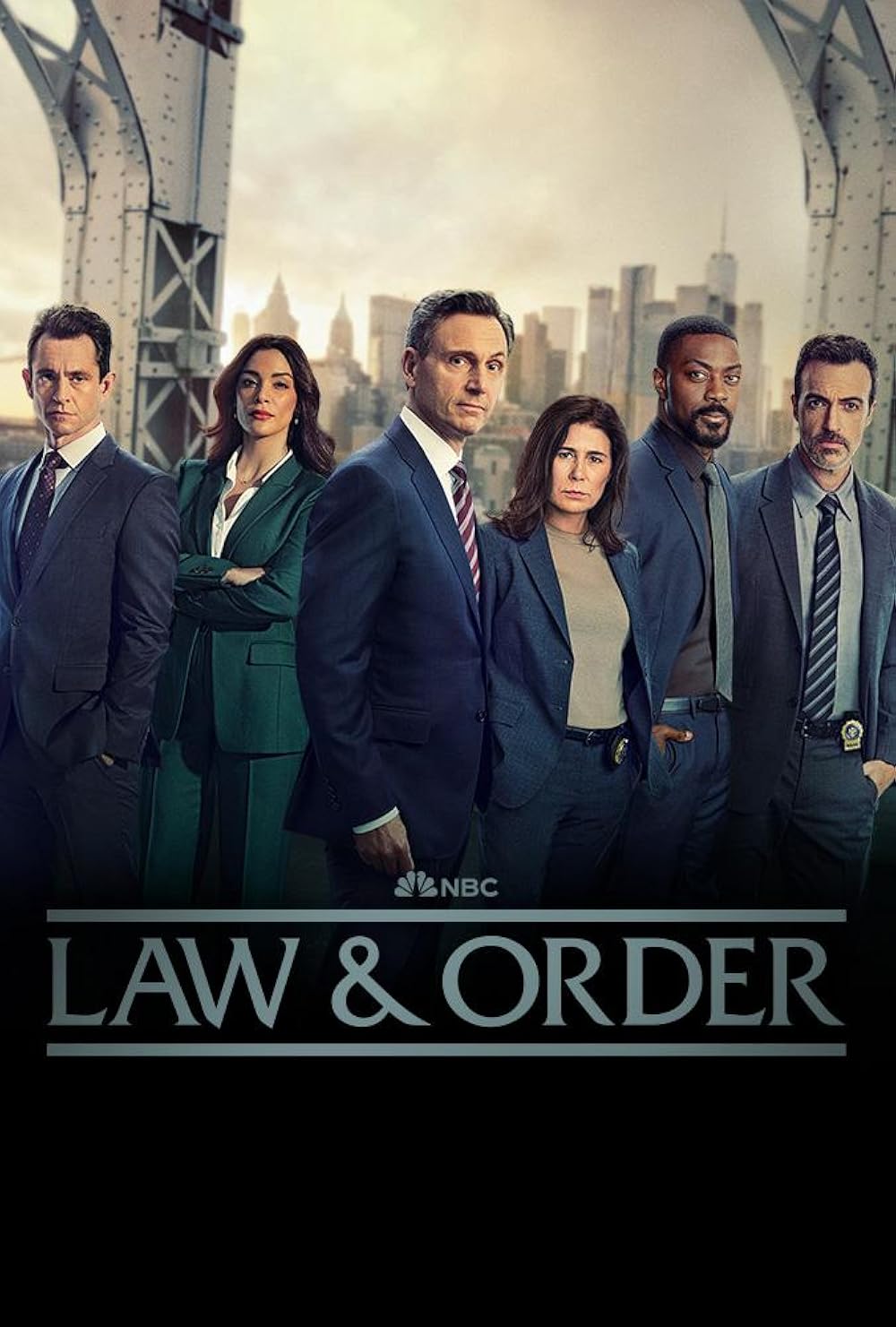
Procedural dramas like the various “Law & Order” franchises, “NCIS,” and medical shows have quietly maintained their dominance while the industry chased streaming glory. These shows continue to draw massive audiences, often outperforming flashier streaming content in total viewership and cultural staying power. The format’s reliability extends beyond ratings – procedurals offer actors steady work, predictable schedules, and the opportunity to develop characters over years rather than months. For performers who have experienced the feast-or-famine cycle of film careers or the brief commitment of limited series, the procedural model represents a return to television’s golden age of job security.

Moreover, modern procedurals have evolved significantly from their earlier iterations, incorporating more sophisticated storytelling techniques and character development while maintaining their accessible format. Shows are attracting top-tier writing talent and offering more complex roles than the straightforward “cop of the week” parts that once defined the genre. This evolution means that A-list actors aren’t necessarily stepping down when they join procedural casts – they’re often finding more substantial, long-term creative opportunities than what’s available in the increasingly crowded prestige television space.

Financial Security in Uncertain Times
Entertainment industry financial concept
Image: The Hollywood Reporter

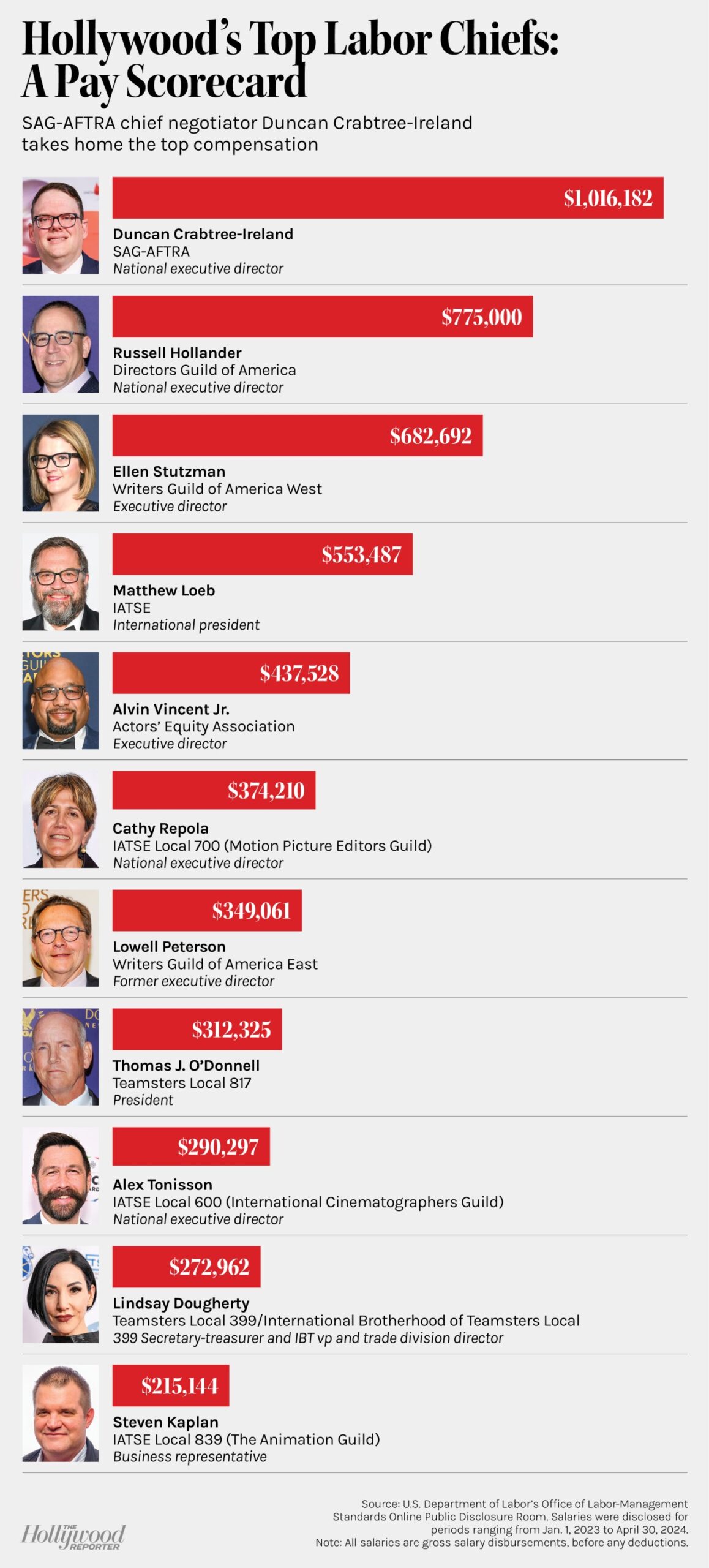
The financial realities of modern Hollywood cannot be understated in this shift toward procedural television. While streaming platforms initially offered impressive upfront payments, the residual and syndication revenues that traditionally sustained actors’ careers have largely evaporated in the digital era. Procedural network television, by contrast, still offers the potential for substantial long-term earnings through traditional syndication deals, international sales, and the kind of episode-by-episode payments that can add up to significant sums over a show’s run. For actors supporting families or looking to secure their financial futures, this represents a more stable career path than the unpredictable world of streaming content.
Advertisement

The economic impact extends beyond individual paychecks to career longevity itself. Procedural television creates recognizable characters that audiences follow for years, building the kind of sustained fan relationships that translate into other opportunities. An actor who becomes associated with a successful procedural character often finds doors opening in other areas of entertainment, from endorsement deals to production opportunities, that might not emerge from a critically acclaimed but briefly seen streaming project. This recognition factor has become increasingly valuable as the entertainment landscape becomes more fragmented and harder to navigate.

Finding Creative Fulfillment in Familiar Formats

TV drama series cast performance
Image: Apple

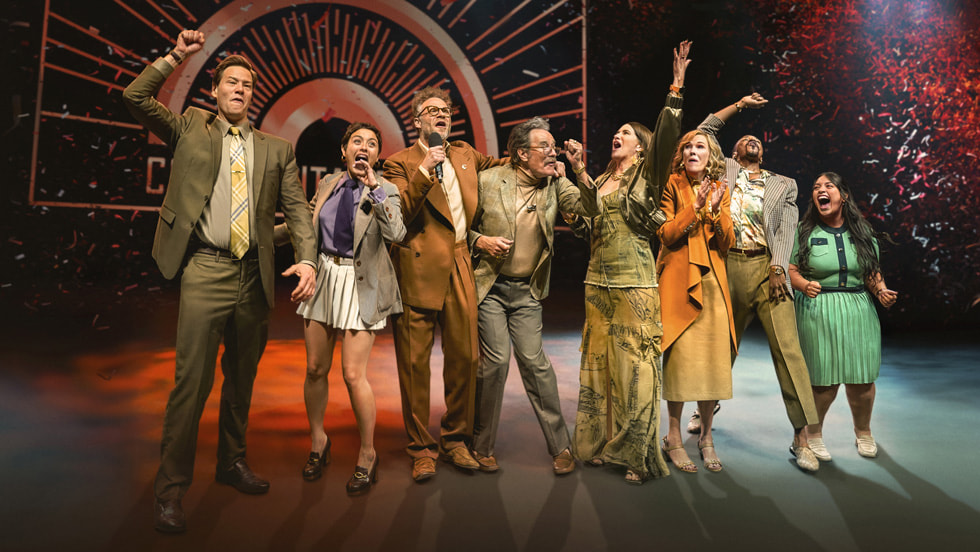
Contrary to earlier perceptions, many actors are discovering genuine creative satisfaction in procedural work. The format’s structure, rather than being limiting, provides a framework within which performers can explore character development over extended periods. Unlike film roles that wrap in a few months or limited series that conclude after one season, procedural television allows actors to inhabit characters for years, exploring different facets of personality and growing alongside their roles. This long-form character development has attracted performers who previously might have dismissed television work as creatively limiting.

The collaborative nature of television production has also evolved to become more actor-friendly, with many procedural shows now involving cast members in creative decisions and character development. This level of creative input, combined with the steady work environment and professional relationships that develop over multiple seasons, creates a work experience that many actors find more satisfying than the often chaotic and impersonal nature of big-budget film production. The result is a generation of performers who view procedural television not as a fallback option but as a preferred creative environment.

An Industry in Transformation

The Great Return - An Industry in Transformation

This return to procedural television reflects broader changes in how the entertainment industry operates and what audiences actually want to watch. While industry insiders spent years predicting the death of traditional television formats, viewers have consistently demonstrated their appetite for familiar, reliable entertainment. The success of reboots, continuations, and new entries in established procedural franchises suggests that audiences value the comfort and predictability of these formats, especially during uncertain times. For actors, aligning with audience preferences rather than industry trends has proven to be a smart career strategy.

The transformation also represents a maturation of the television medium itself. The stigma that once separated television from film work has largely disappeared, replaced by an understanding that different formats serve different purposes and offer different rewards. Procedural television’s emphasis on character consistency, professional collaboration, and long-term storytelling appeals to actors who have experienced the volatility of other entertainment sectors. As the industry continues to evolve, the renaissance of procedural television suggests that sometimes the most forward-thinking career move is embracing what has always worked, rather than chasing what seems trendy.

The shift toward procedural television ultimately reflects a broader recalibration of priorities within the entertainment industry. As streaming platforms mature and the initial gold rush subsides, both actors and audiences are rediscovering the value of formats that prioritize consistency, accessibility, and long-term engagement over flashy concepts and celebrity attachments. For the stars making this transition, the move represents not a step backward but a strategic adaptation to an industry where sustainability and audience connection matter more than critical acclaim or perceived prestige.

Advertisement
Share
Get the recap

Loved this story? Get more like it.

Join readers who get our weekly entertainment recap — the stories worth your time, delivered every Friday.

No spam. Unsubscribe anytime. By signing up you agree to our Privacy Policy.

The Great Return: Why A-List Sta... | Sidomex Entertainment