
Table of Contents
- The Unexpected Callout
- The Audio Posts Controversy
- Doja Cat’s Social Media History
- Musk’s Platform Changes
- Celebrity Reactions and Public Response
- What’s Next for the Feud
The Unexpected Callout
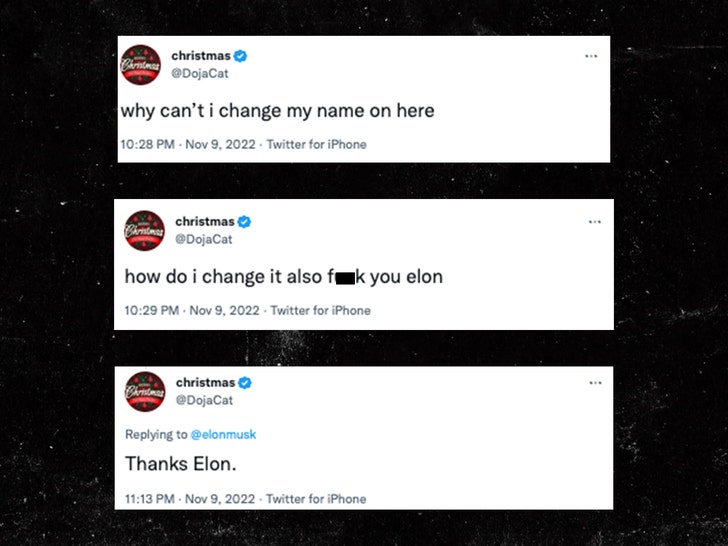
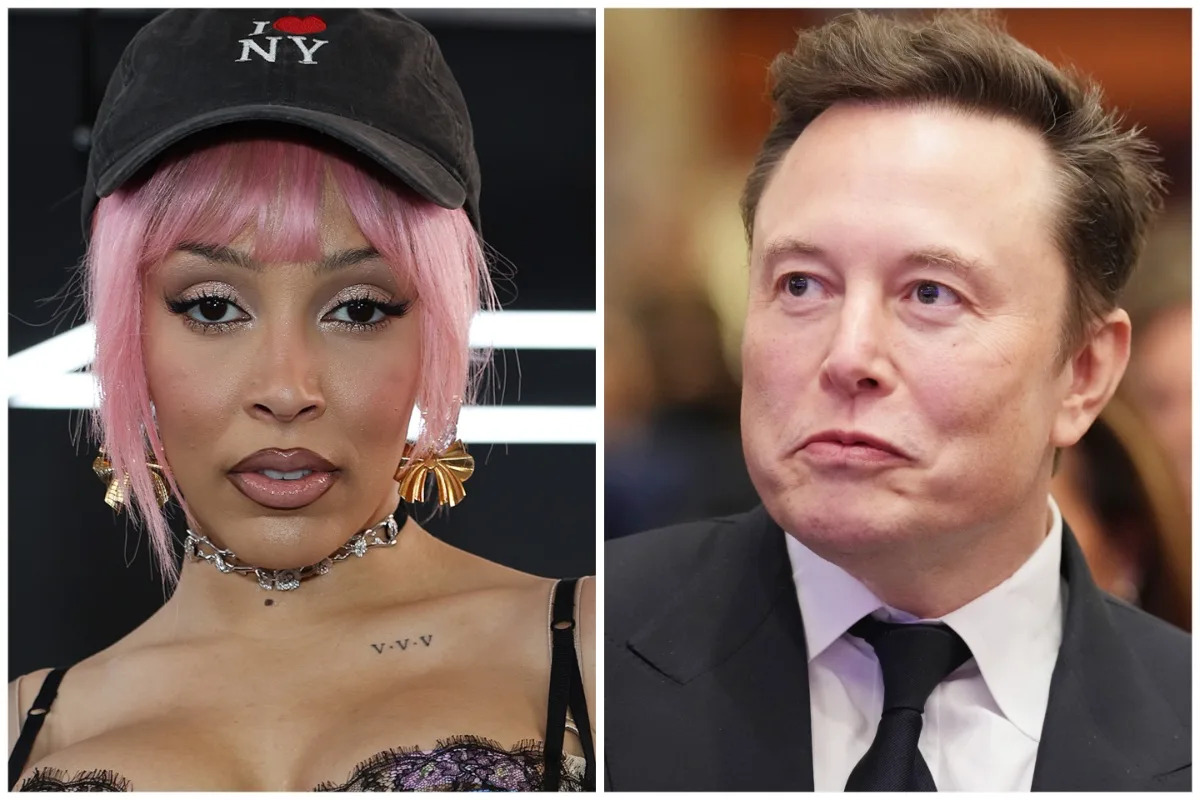
In what can only be described as one of the most creatively insulting celebrity callouts of recent memory, Doja Cat has taken direct aim at Elon Musk with a colorful descriptor that has the internet buzzing. The “Paint The Town Red” singer didn’t mince words when she publicly referred to the X owner as a “barrel chested Ewok” while simultaneously demanding the return of a popular platform feature. The unexpected comparison to the furry Star Wars creatures has quickly become a viral moment, showcasing Doja Cat’s trademark blend of humor and directness that has made her a social media darling. What makes this particular exchange even more intriguing is that it wasn’t just a random insult - it came packaged with a specific request that highlights ongoing tensions between users and the platform’s recent changes.
The Audio Posts Controversy
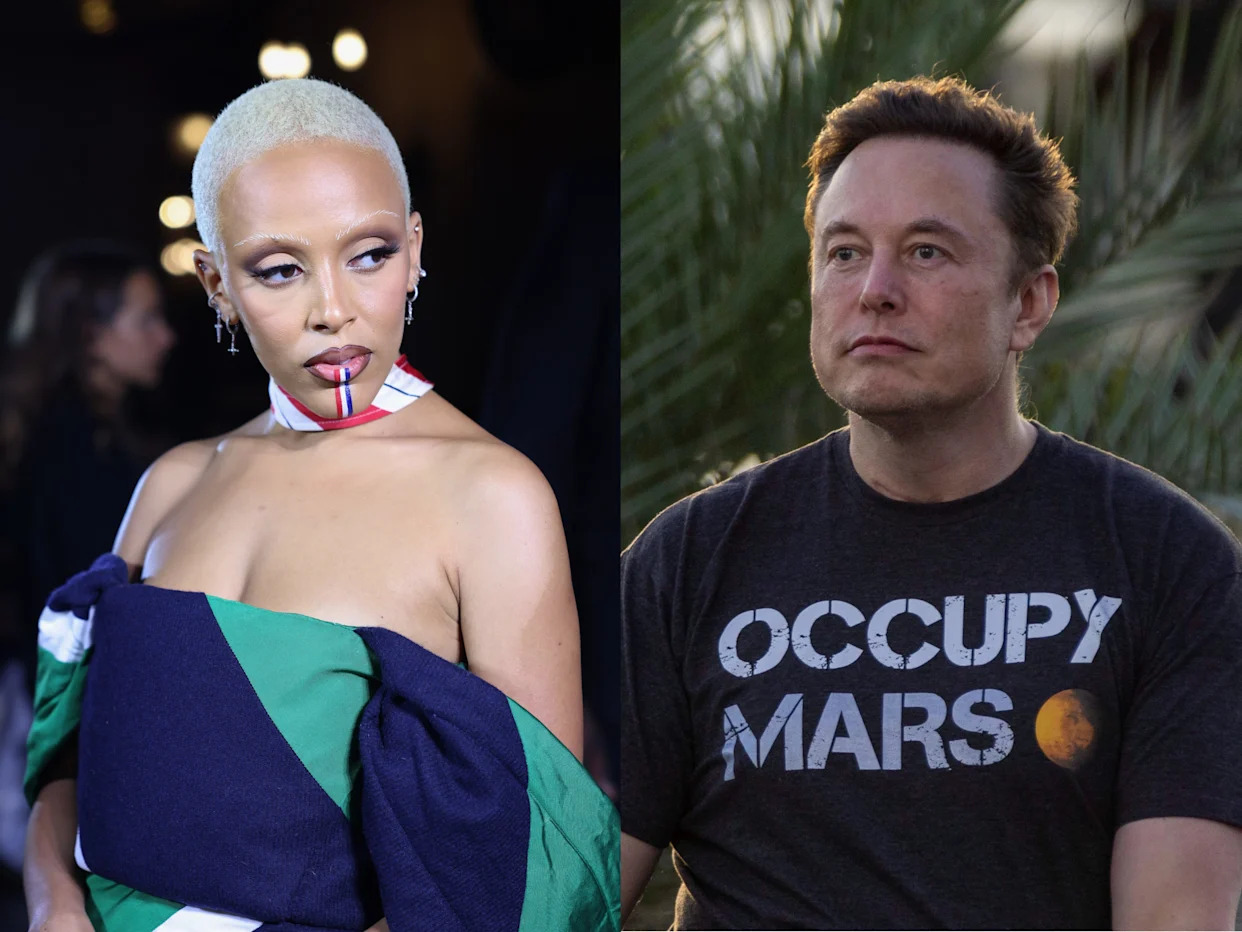
The catalyst for Doja Cat’s colorful critique stems from X’s decision to remove or alter its audio post feature, a functionality that allowed users to share voice recordings directly on the platform. This feature had gained popularity among artists, content creators, and everyday users who appreciated the more personal touch that audio content could provide over traditional text posts. The removal or modification of this feature has frustrated many users who had integrated it into their regular social media routines, particularly musicians like Doja Cat who used it to connect more intimately with their fanbase. Audio posts offered a unique middle ground between the formality of recorded videos and the limitations of text, allowing for spontaneous, authentic communication that many found appealing.
The timing of this feature’s removal has been particularly controversial given that many users had come to rely on it for various forms of expression and communication. For artists in particular, audio posts provided an opportunity to share snippets of unreleased music, give behind-the-scenes commentary, or simply chat with fans in a more personal way than traditional posts allowed. The frustration isn’t just about losing a feature - it’s about the pattern of changes happening on the platform without adequate user input or warning, leading to a growing disconnect between what users want and what the platform provides.
Doja Cat’s Social Media History
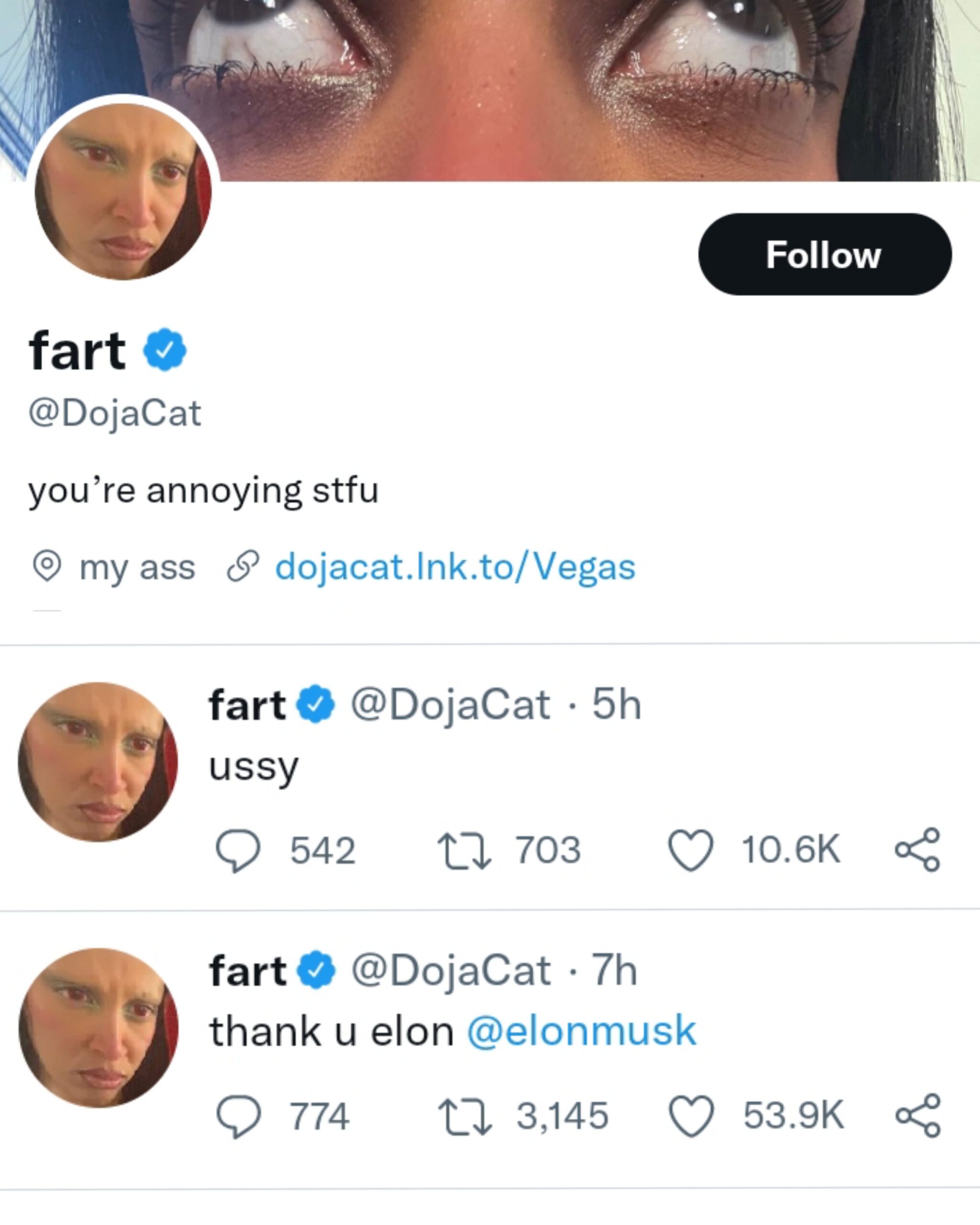
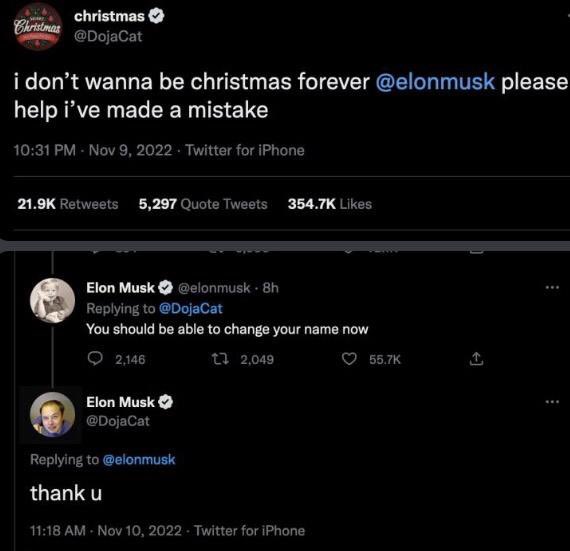
This latest outburst is entirely on-brand for Doja Cat, whose social media presence has become almost as famous as her music career. The Grammy-winning artist has built a reputation for her unfiltered, often hilarious online persona that ranges from witty observations to completely unhinged late-night posts that keep her fans constantly entertained. Her approach to social media stands out in an era where many celebrities maintain carefully curated, brand-safe online presences - Doja Cat seems to genuinely treat these platforms as extensions of her personality rather than marketing tools. This authenticity has endeared her to millions of fans who appreciate her willingness to be genuinely herself, even when that means calling one of the world’s richest men a Star Wars character.
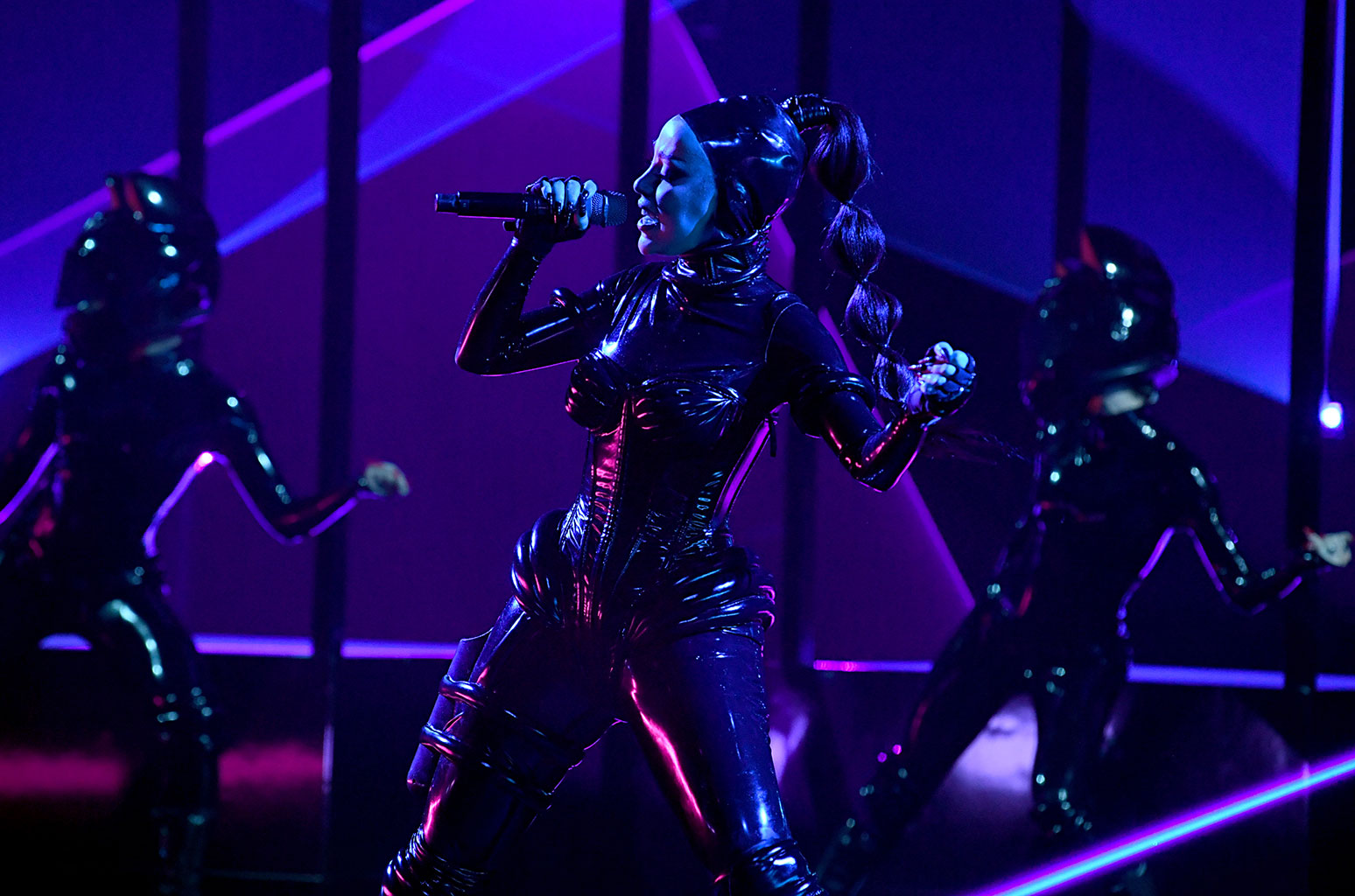
Her history of viral moments and controversial statements has proven that she’s not afraid to speak her mind, regardless of potential backlash or professional consequences. From her early days going viral on TikTok to her current status as a major pop culture influencer, Doja Cat has consistently used humor and irreverence as her primary tools of communication. This approach has occasionally landed her in hot water, but more often than not, it’s resulted in increased fan loyalty and media attention that most publicists couldn’t buy.
Musk’s Platform Changes
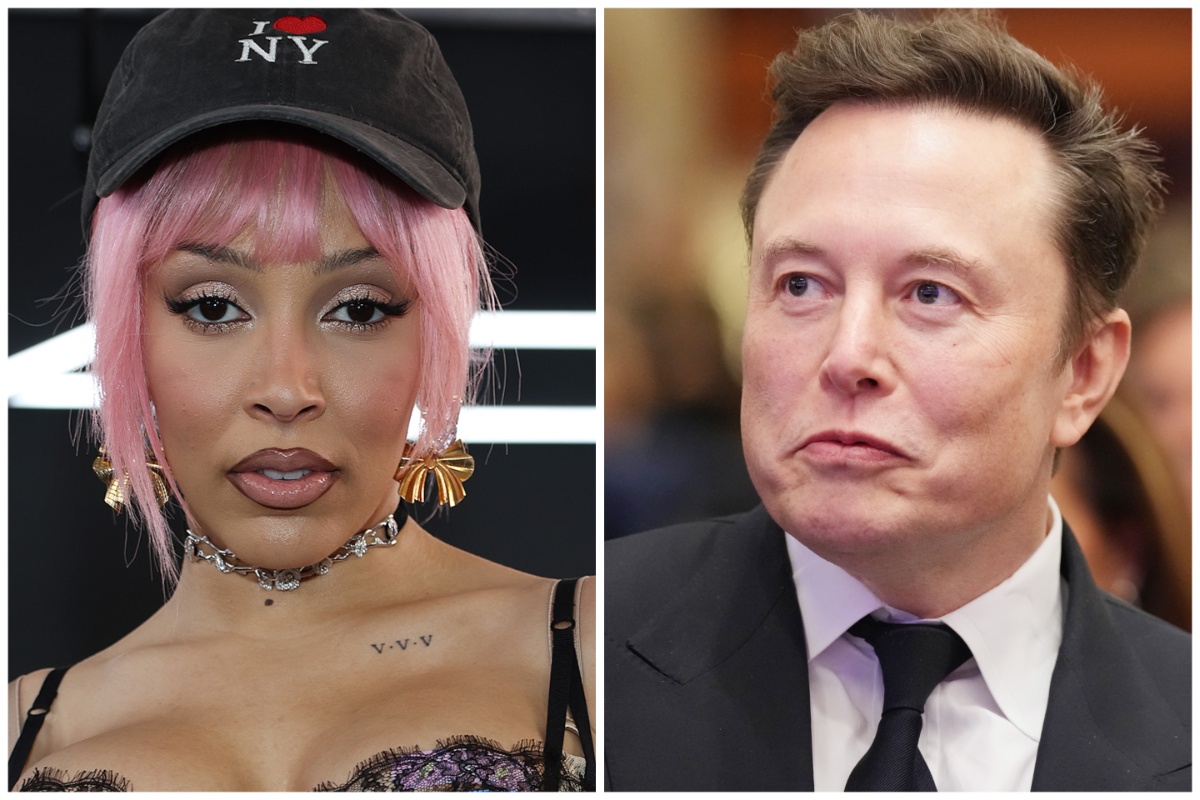
Elon Musk’s acquisition and subsequent overhaul of Twitter, now rebranded as X, has been a source of continuous controversy and debate since he took control of the platform. His management style has been characterized by rapid, sometimes seemingly arbitrary changes to features, policies, and even basic functionality that users had grown accustomed to over Twitter’s many years of operation. The audio post feature controversy is just one of many modifications that have left users feeling frustrated and disconnected from a platform they once considered home. Musk’s approach to user feedback has also been inconsistent, sometimes engaging directly with criticism and other times appearing to ignore widespread user concerns entirely.