Peabo Bryson's Influence on African R&B and Soul Music Culture
Jalen Ross··10 min read
Ad SpaceArticle Top - 728x90
Advertisement
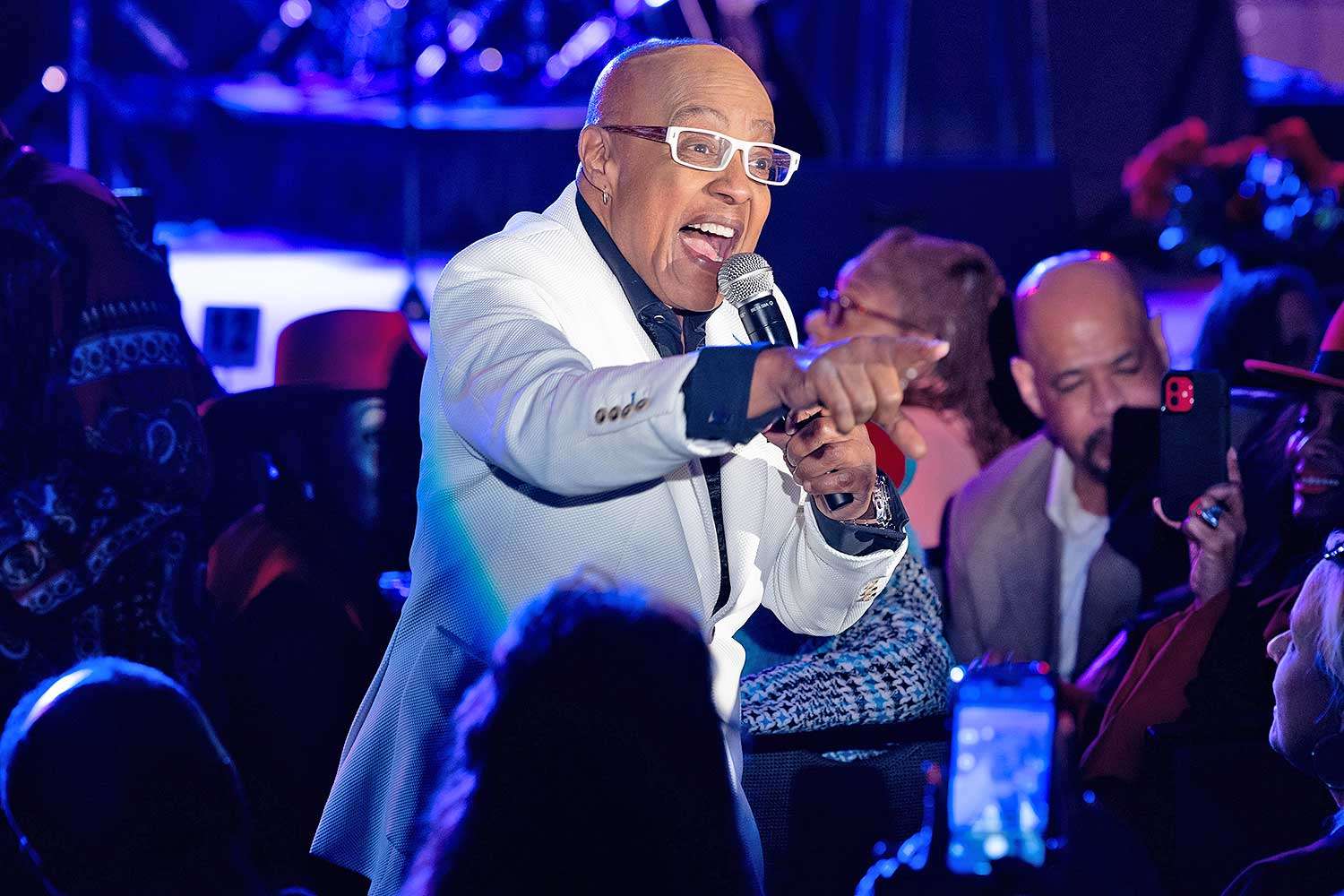
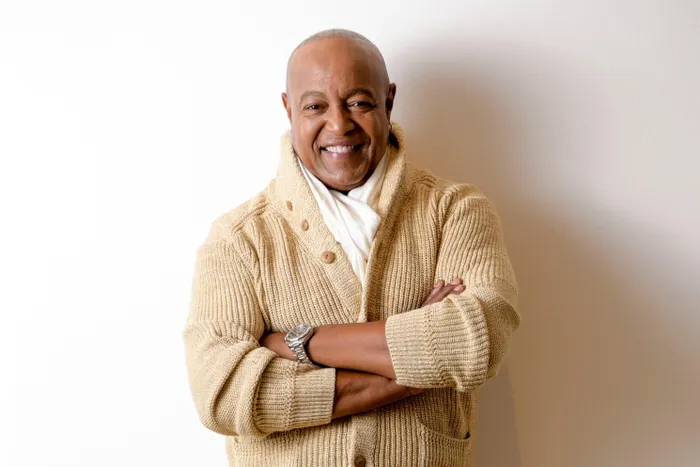
Somewhere in Lagos this weekend, a wedding band will strike up “Tonight, I Celebrate My Love” and nobody in the hall will need the lyrics. Aunties will sway. Couples married thirty years will exchange that look. The MC will not bother announcing the song because announcing it would be like announcing the national anthem. That is the strange, quiet power Peabo Bryson held over African romantic life for more than four decades, and it is worth sitting with now, because the voice behind it has gone silent. Bryson died on June 2, 2026, at the age of 75 in Marietta, Georgia, days after suffering a stroke. The tributes pouring in from America focus on his Disney duets and his Grammy wins. But there is a whole other chapter of his story that played out across Africa, in living rooms and banquet halls and late-night radio slots, and it deserves telling from this side of the Atlantic.
The Voice That Soundtracked a Generation of African Love Stories
Ask any Nigerian who came of age between the late 1970s and the early 2000s to name the soundtrack of romance, and Peabo Bryson’s name surfaces within the first three answers, usually alongside Lionel Richie and Luther Vandross. This was not an accident of taste. It was infrastructure.
In the 1980s and 1990s, Nigerian radio was a balladeer’s kingdom after dark. Federal and state stations built whole evening blocks around slow American soul, and the format survived deregulation when private stations like Raypower and Rhythm FM arrived in the 1990s. The late-night love-songs-and-dedications show became a Nigerian institution: a presenter with a velvet voice, a phone line for listeners to dedicate songs to their sweethearts, and a playlist drawn heavily from the American quiet-storm canon. Bryson’s catalogue, with its pleading tenor and unhurried arrangements, was tailor-made for that format. Songs like “If Ever You’re in My Arms Again,” which reached the American Top 10 in 1984, and the Roberta Flack duet “Tonight, I Celebrate My Love” from 1983 became dedication-show staples, requested so often that presenters could have queued them in their sleep.
Then there were the cassettes. Long before streaming, the Nigerian music economy ran on tapes, and the compilation cassette was its love language. Alaba market in Lagos churned out endless “Slow Jams,” “Love Ballads” and “Best of Soul” compilations, and Bryson tracks were near-permanent fixtures. A young man courting a woman in Ibadan or Enugu in 1992 did not write her a letter; he made her a tape, and the odds that side A contained Peabo Bryson were extremely high. That intimacy, multiplied across millions of households, is the kind of cultural penetration no marketing budget can buy.
Who Peabo Bryson Was: The Career Essentials
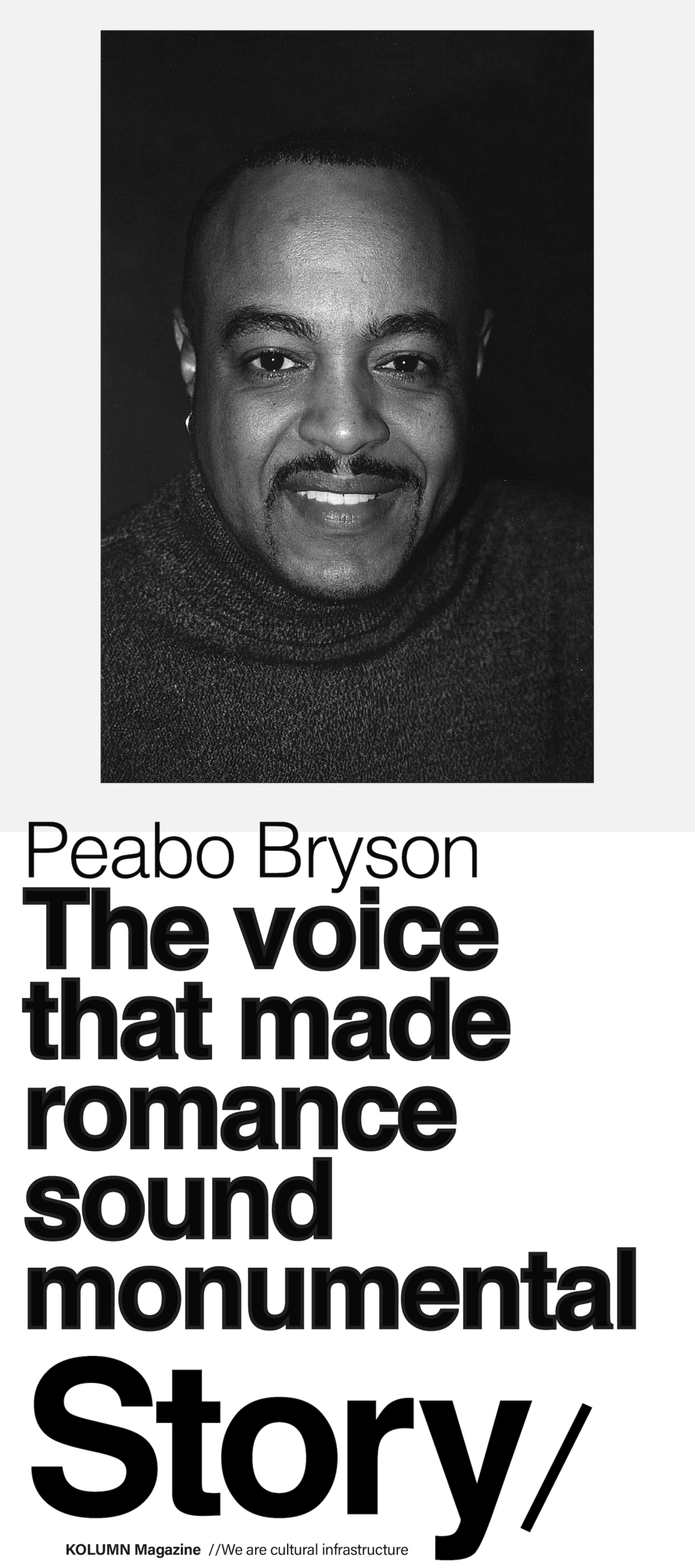
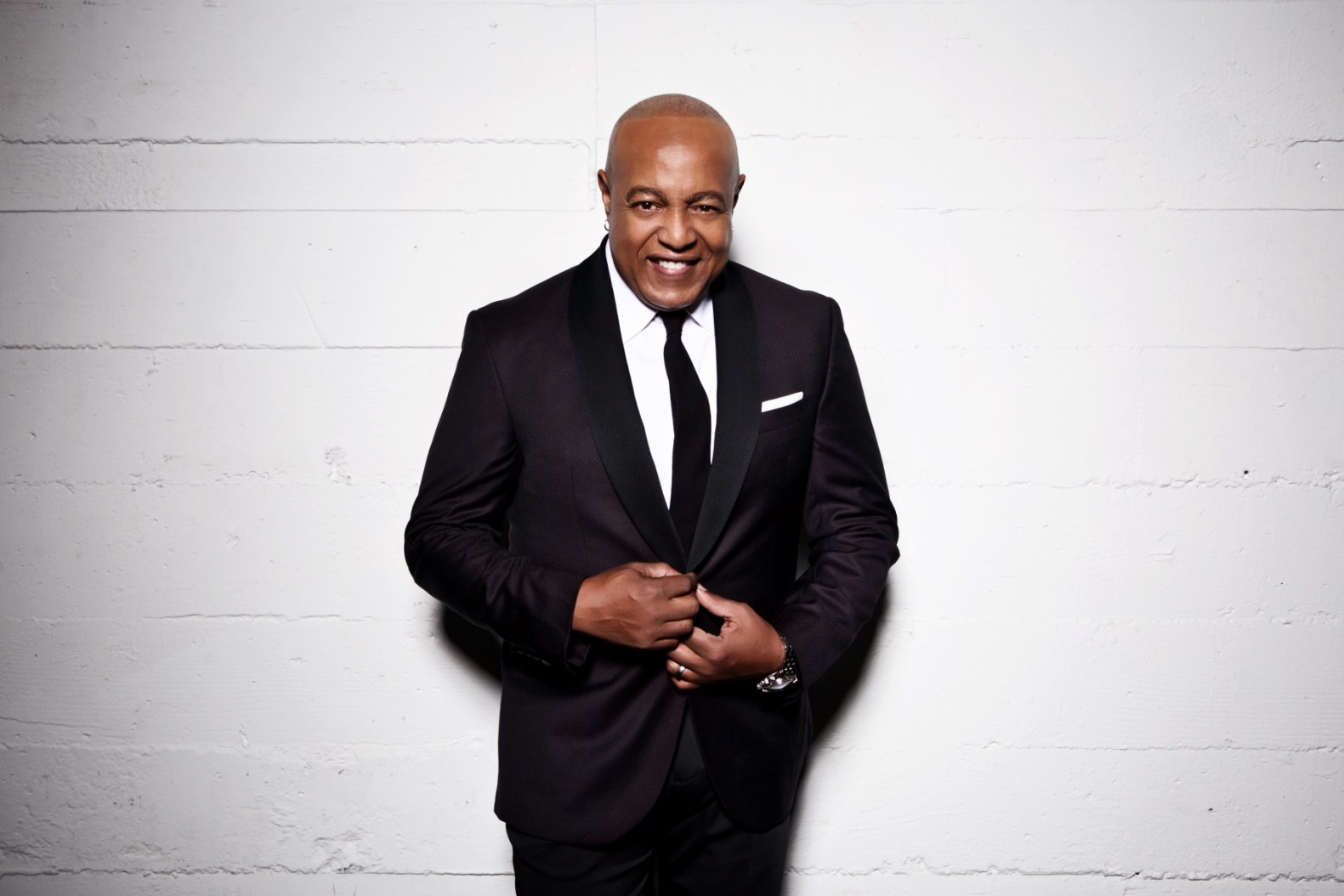
Peabo Bryson was born on April 13, 1951, in Greenville, South Carolina, and came up through the Southern soul apprenticeship that produced so many great voices, singing with regional groups before establishing himself as a solo act in the mid-1970s. Early albums positioned him as a romantic specialist, and by the early 1980s he had perfected a particular lane: the duet ballad, sung with a female counterpart, built around devotion rather than desire.
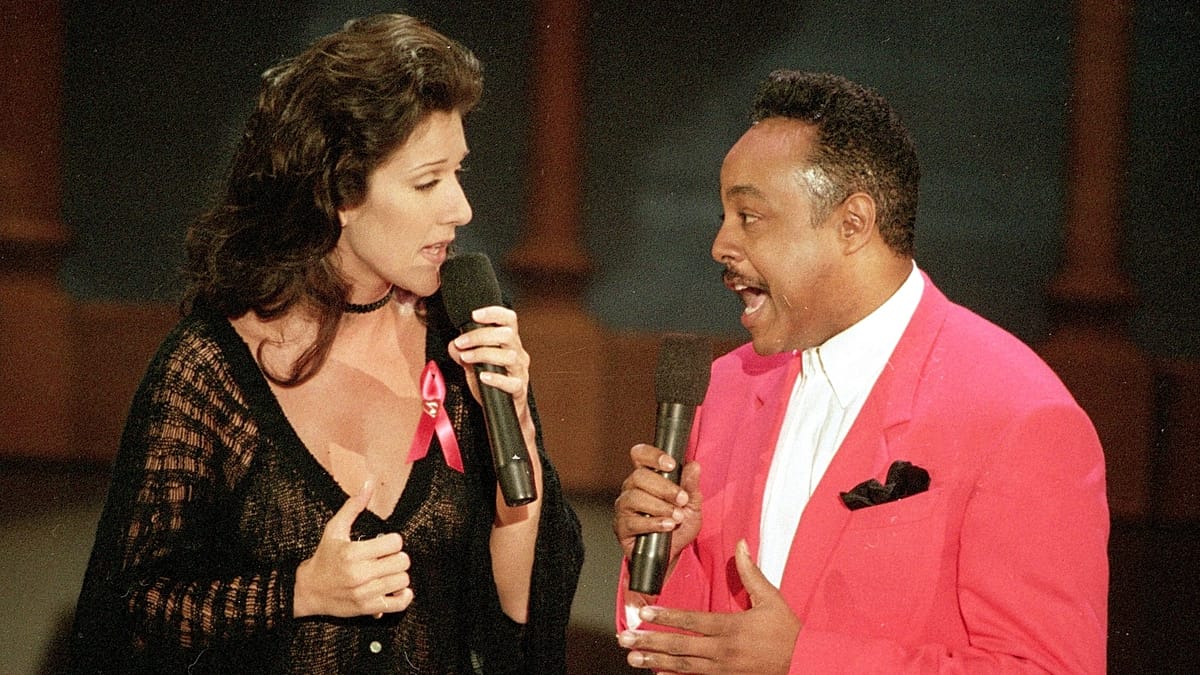
The hits tell the story. “Tonight, I Celebrate My Love” with Roberta Flack in 1983 gave him his first major international crossover. “If Ever You’re in My Arms Again” followed in 1984 as a Top 10 solo smash. Then came the Disney years, which turned a respected soul singer into a global household name. In 1991 he recorded “Beauty and the Beast” with Celine Dion for the animated film of the same name; the single reached the Billboard top ten and won Bryson his first Grammy, for Best Pop Performance by a Duo or Group with Vocal, at the 1993 ceremony. A year later he did it again with “A Whole New World” from Aladdin, this time alongside Regina Belle. That song topped the American charts, won the Academy Award for Best Original Song, and earned Bryson a second Grammy in the same duo-or-group category at the 1994 ceremony. Two consecutive Grammys, two of the most recognisable duets ever recorded, and a voice that could make a cartoon carpet ride feel like a sacrament.
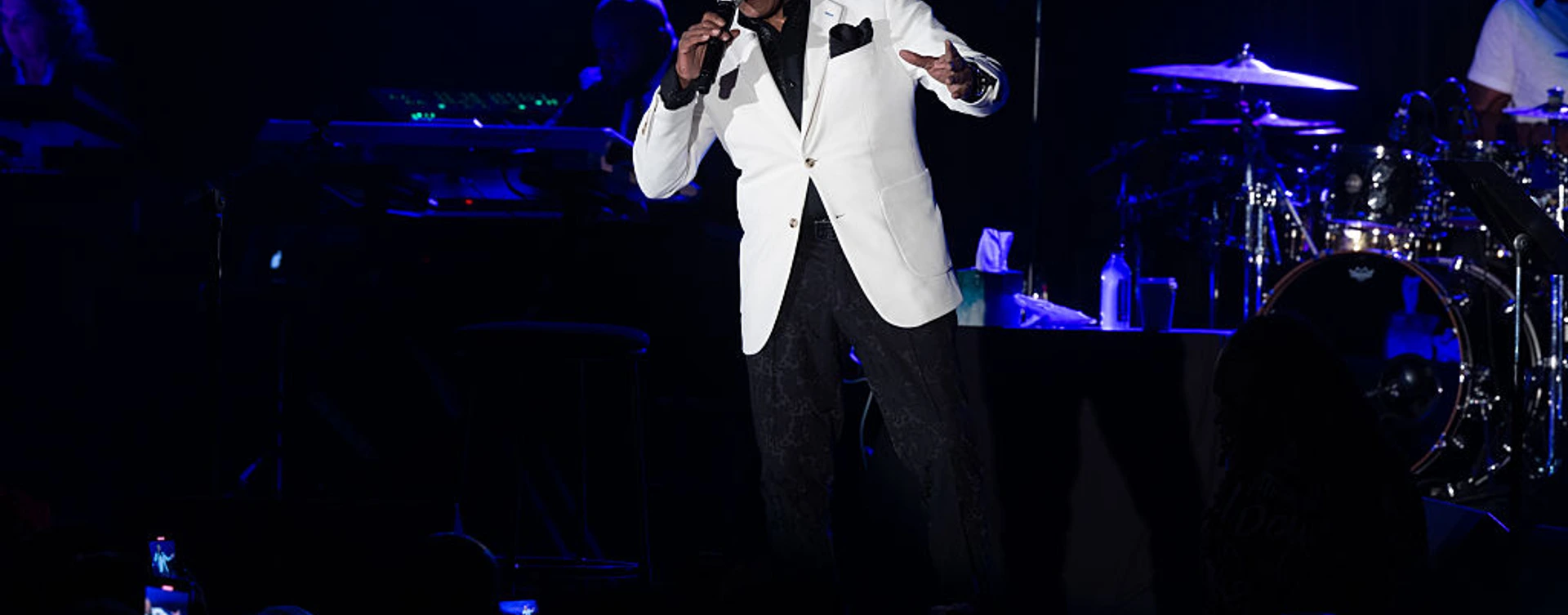
He survived a serious heart attack in 2019 and returned to the stage, touring steadily into his seventies. As recently as June 2025 he was performing at Emperors Palace in Johannesburg, South Africa, sharing a bill with fellow soul veterans, proof that the African market never stopped calling for him even after American radio had moved on. The stroke that ended his life came suddenly; his family announced he passed away peacefully on the evening of June 2, 2026, surrounded by loved ones.
The Duet as an Art Form, and Why Africa Embraced It
It is worth pausing on what Bryson actually did musically, because his specialty maps almost perfectly onto African romantic-music sensibilities.
The duet ballad is conversation set to melody: a man and a woman trading verses, building to a chorus sung together, the harmony itself acting out the union the lyrics describe. In Nigerian culture, where weddings are communal theatre and courtship has always had a performative, public dimension, this format lands differently than it does in the West. A Bryson-and-Flack duet is not just a song; it is a template for how love should sound when two people commit in front of witnesses. That is why these records colonised African wedding receptions so completely. The first dance, the couple’s entrance, the cake-cutting: each ritual demanded a soundtrack of mutual devotion, and the American duet catalogue supplied it ready-made.
Bryson’s vocal style mattered too. He sang with church-rooted technique, clean diction and an emotional restraint that erupted only at calculated moments. Nigerian listeners, raised on gospel choirs and highlife crooners, recognised the grammar instantly. The melisma, the held notes, the testimonial delivery: these were familiar tools, deployed in service of romance rather than worship. The distance between a Bryson ballad and a Sunday-morning solo at a Lagos church was, and remains, remarkably short. Many of the Nigerian vocalists who would later inherit the ballad tradition learned to sing in exactly those choirs.
How American Balladry Reached Lagos
The pipeline that carried Bryson’s music into African life had several channels, and each one shaped how his influence settled.
Ad SpaceIn-Article - 300x250
Advertisement
Radio came first, as described above, but television did heavy lifting too. The Disney connection should not be underestimated in the African context. “A Whole New World” and “Beauty and the Beast” entered millions of African homes through VHS tapes of the films, through school concerts where children performed the songs, through talent shows where contestants reached for them as vocal showcases. For a generation of African kids in the 1990s, Bryson’s voice was among the first adult male singing voices they consciously imitated, years before they knew his name or face.
Weddings institutionalised the music. The Nigerian wedding industry, now a multibillion-naira economy of planners, bands and DJs, built its slow-set repertoire on the American ballad canon, and live bands at Lagos and Abuja receptions still keep “Tonight, I Celebrate My Love” in active rotation. The “old school” set at any Nigerian owambe is a living museum of this era: Bryson, Vandross, Richie, Whitney Houston, Atlantic Starr. The crowd response to these songs, decades after their release, tells you the influence is not nostalgia alone. It is inheritance, passed from parents who courted to these records to children who grew up hearing them at every family function.
And then there is cover culture. Nigerian talent shows, from the church harvest concert to the television singing competition, have always treated the American soul ballad as the ultimate test of vocal seriousness. An Afrobeats hit can be performed; a Peabo Bryson song must be sung. Contestants on Nigerian Idol and its predecessors reached for this repertoire precisely because it exposes everything: pitch, breath control, emotional honesty. The ballad became the proving ground, and the proving ground shaped the singers.
The Nigerian Inheritors: Dakolo, Praiz, Drille and the Ballad Bloodline
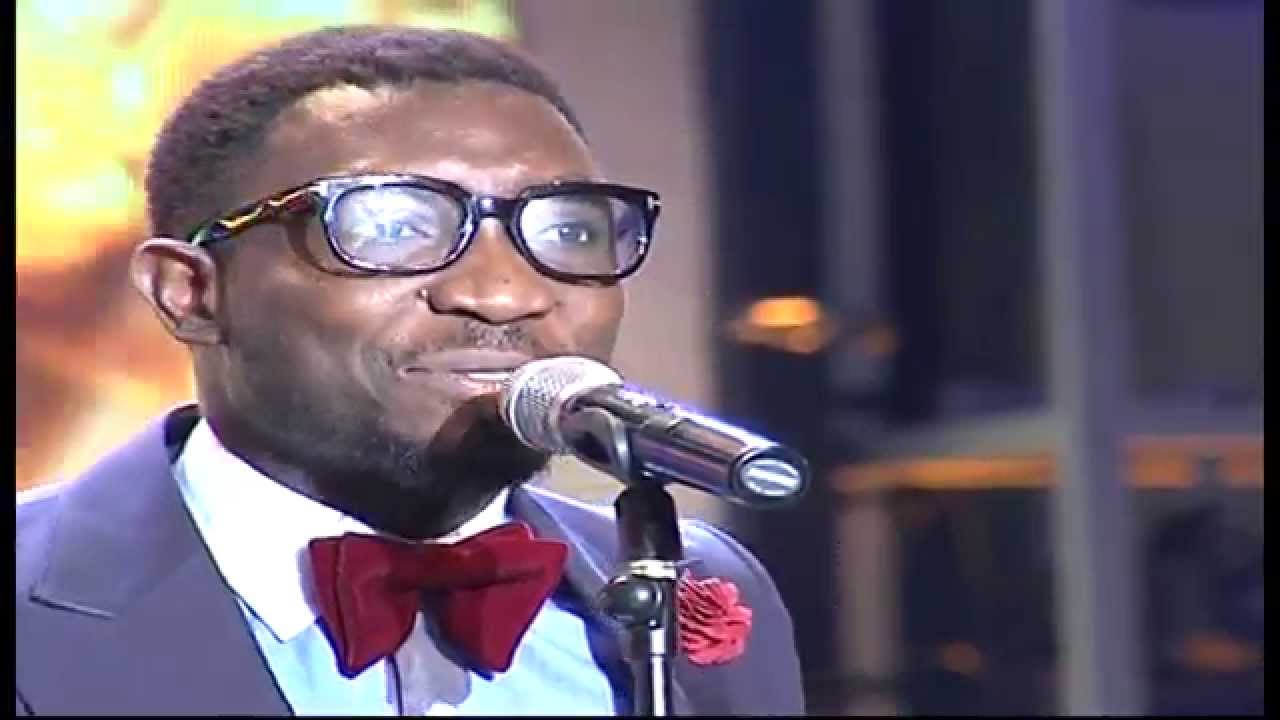
No Nigerian artist embodies that inheritance more completely than Timi Dakolo. The Port Harcourt-raised vocalist won the inaugural season of Idols West Africa in 2007, taking 63 percent of the final vote on the strength of exactly the kind of soulful, technically commanding performances the ballad tradition demands. His 2014 anthem “Iyawo Mi” did for the Nigerian wedding what “Tonight, I Celebrate My Love” did for an earlier generation: it became the default first-dance song, the track every live band must know, a promise of forever set to melody. Dakolo has said he sang it at his own wedding before he ever recorded it. The lineage here is structural rather than personal: a big-voiced male singer, a devotional lyric, an arrangement that swells without hurrying, a song designed for a couple standing in front of their community. That is the Bryson blueprint, localised.
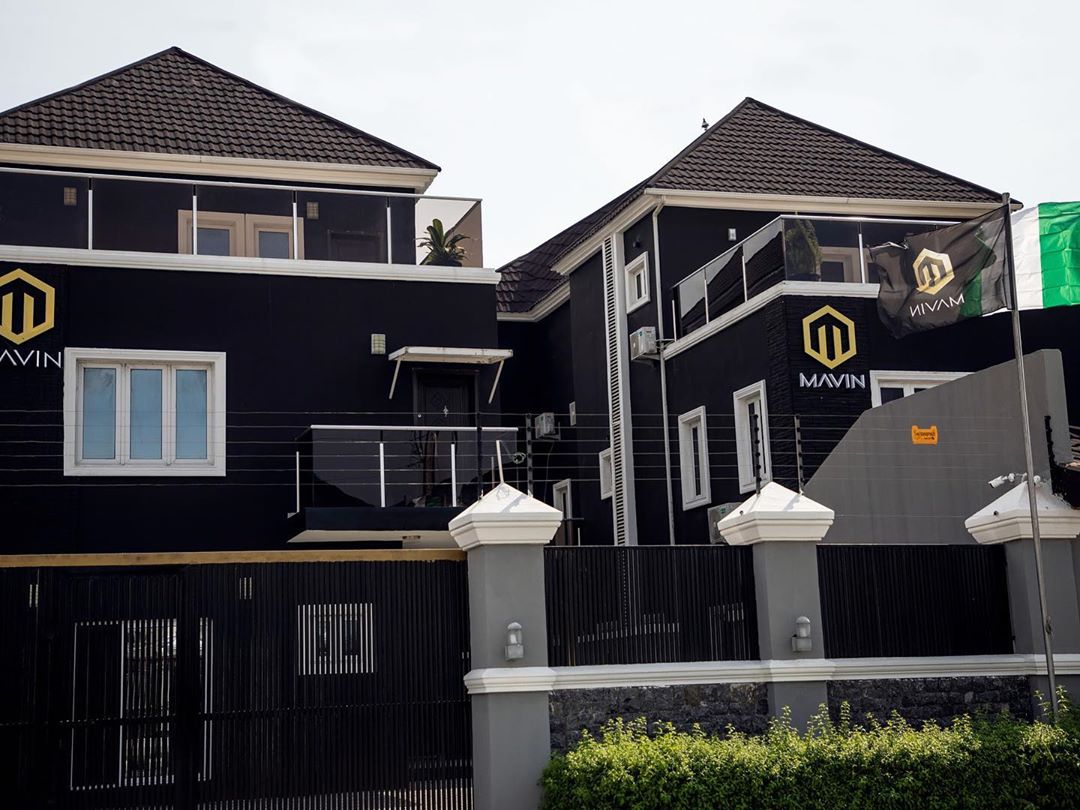
Praiz, another alumnus of the television talent-show pipeline, has carried the Nigerian R&B torch even more explicitly, building a catalogue of slow-burning love songs like “Rich and Famous” and “Mercy” that sit closer to the American quiet-storm tradition than to mainstream Afrobeats. Johnny Drille, the Mavin Records folk-soul singer behind “Mystery Girl” and “Believe Me,” writes with the same earnest romanticism, and his rise proved there is still a substantial Nigerian audience for music built on sincerity rather than tempo. Banky W, before his pivot to film and politics, spent the late 2000s establishing R&B as a viable Nigerian commercial lane, and Waje’s powerhouse balladry kept the female side of the tradition alive. Even Tiwa Savage, now an Afrobeats superstar, has R&B bones: her training and early songwriting career in the American industry shaped a vocal approach that still surfaces whenever she slows a record down.
Reach further back and the bloodline gets clearer. Styl-Plus, the Abuja vocal group whose early-2000s ballads “Olufunmi” and “Runaway” dominated Nigerian airwaves, were essentially a homegrown answer to the American R&B harmony tradition, and their songs remain wedding-set fixtures two decades on. The Remedies and Plantashun Boiz era that birthed modern Nigerian pop ran on the same fuel, blending hip-hop swagger with melodic, love-struck hooks. None of these acts needed to meet Peabo Bryson or cite him in an interview for the influence to be real. They grew up inside a sound world he helped build, absorbed its values through radio, cassettes and church, and reproduced its DNA in their own languages and contexts. That is how musical influence actually works: not through handshakes, but through saturation.
Why the Ballad Still Survives the Afrobeats Era
On paper, Afrobeats should have killed the ballad. The genre that conquered the world from Lagos is built on rhythm, percussion and the dancefloor; its global brand is energy. Yet walk through Nigerian musical life in 2026 and the slow song is everywhere. Johnny Drille sells out intimate shows. Timi Dakolo’s wedding bookings are the stuff of industry legend. Adekunle Gold and Simi built one of Nigerian music’s most beloved partnerships partly on tender, melodic love songs. Chike’s heartbreak ballads stream in the tens of millions. Even the biggest Afrobeats stars, from Burna Boy to Omah Lay, drop the tempo when they want a song to carry weight.
The reason is the same one that made Bryson a Nigerian fixture forty years ago: ceremony. Nigerian life runs on occasions, and occasions need gravity. You cannot cut a wedding cake to a log drum. You cannot toast a fiftieth birthday or renew vows to a club record. The ballad holds the franchise on solemn joy, and as long as Nigerians marry, celebrate and mourn in public, that franchise is safe. The artists change, the language shifts from English to Yoruba to Pidgin and back, but the architecture of the slow song, the architecture Bryson spent a lifetime perfecting, remains load-bearing.
There is also a craft argument. The ballad is where singers prove they can actually sing, and Nigerian audiences, raised on church music, remain ferociously discerning about vocals. The respect Nigerians reserve for a voice that can carry a slow song unaided is a direct cultural descendant of the era when Bryson and his peers set the standard for what such a voice should sound like.
The Legacy Question
Bryson never recorded with a Nigerian artist, never chased an Afrobeats feature, never trended on Nigerian Twitter the way his music deserved. His African legacy is diffuse rather than documented, lived rather than archived, which makes it easy to underestimate and impossible to erase. It lives in the wedding bands of Lagos and Accra who keep his songs in their setlists. It lives in the radio presenters who still spin “Tonight, I Celebrate My Love” on Sunday evening love shows. It lives in every Nigerian vocalist who learned, consciously or not, that a love song should be a promise made in public, sung from the chest, and built to outlast the night it was written for.
The man who taught two generations of Africans what devotion sounds like has taken his final bow. The next time that opening piano line drifts across a reception hall in Surulere and the whole room rises without being asked, that will be the eulogy that matters.
Ad SpaceIn-Article - 300x250
Advertisement
Share
Get the recap
Loved this story? Get more like it.
Join readers who get our weekly entertainment recap - the stories worth your time, delivered every Friday.
No spam. Unsubscribe anytime. By signing up you agree to our Privacy Policy.