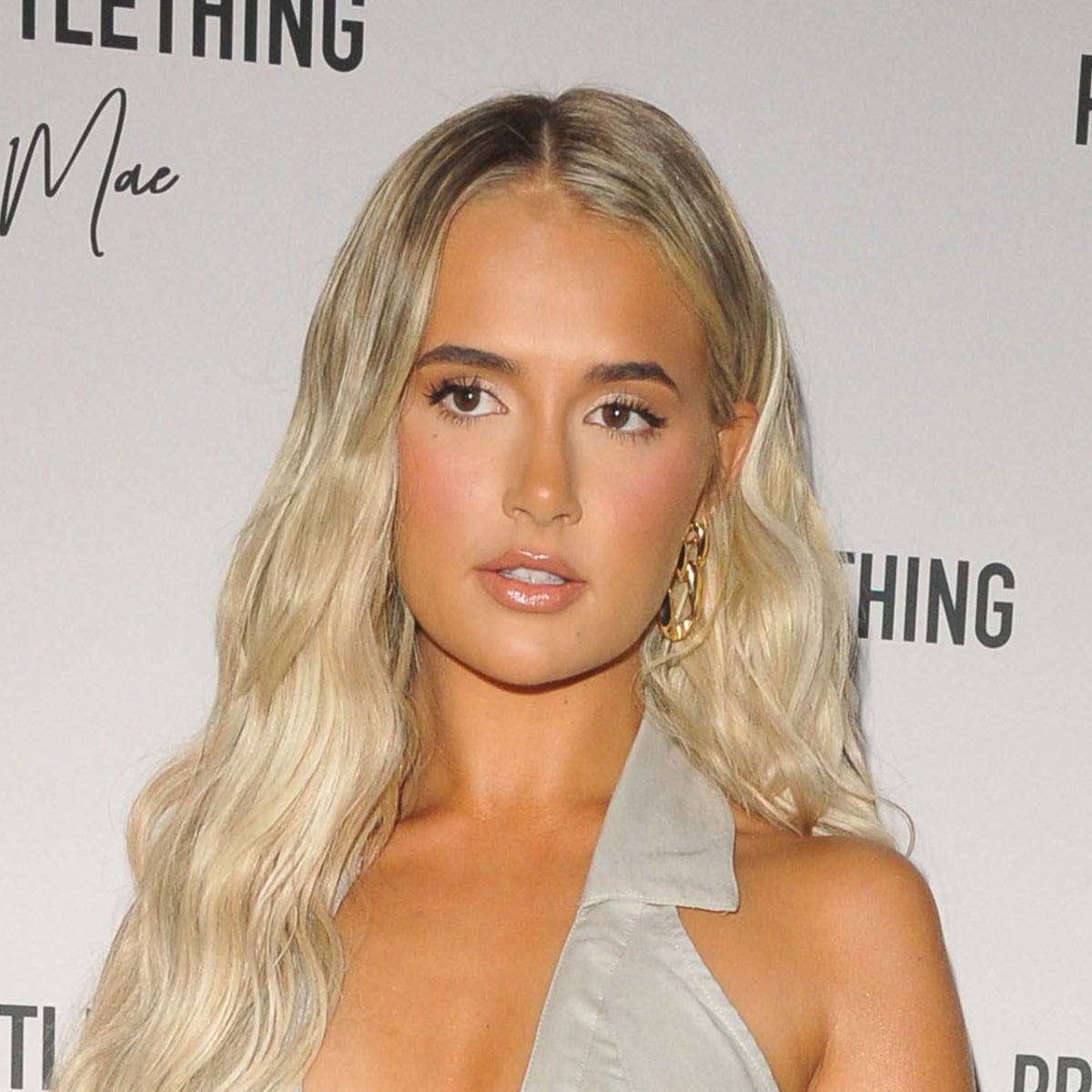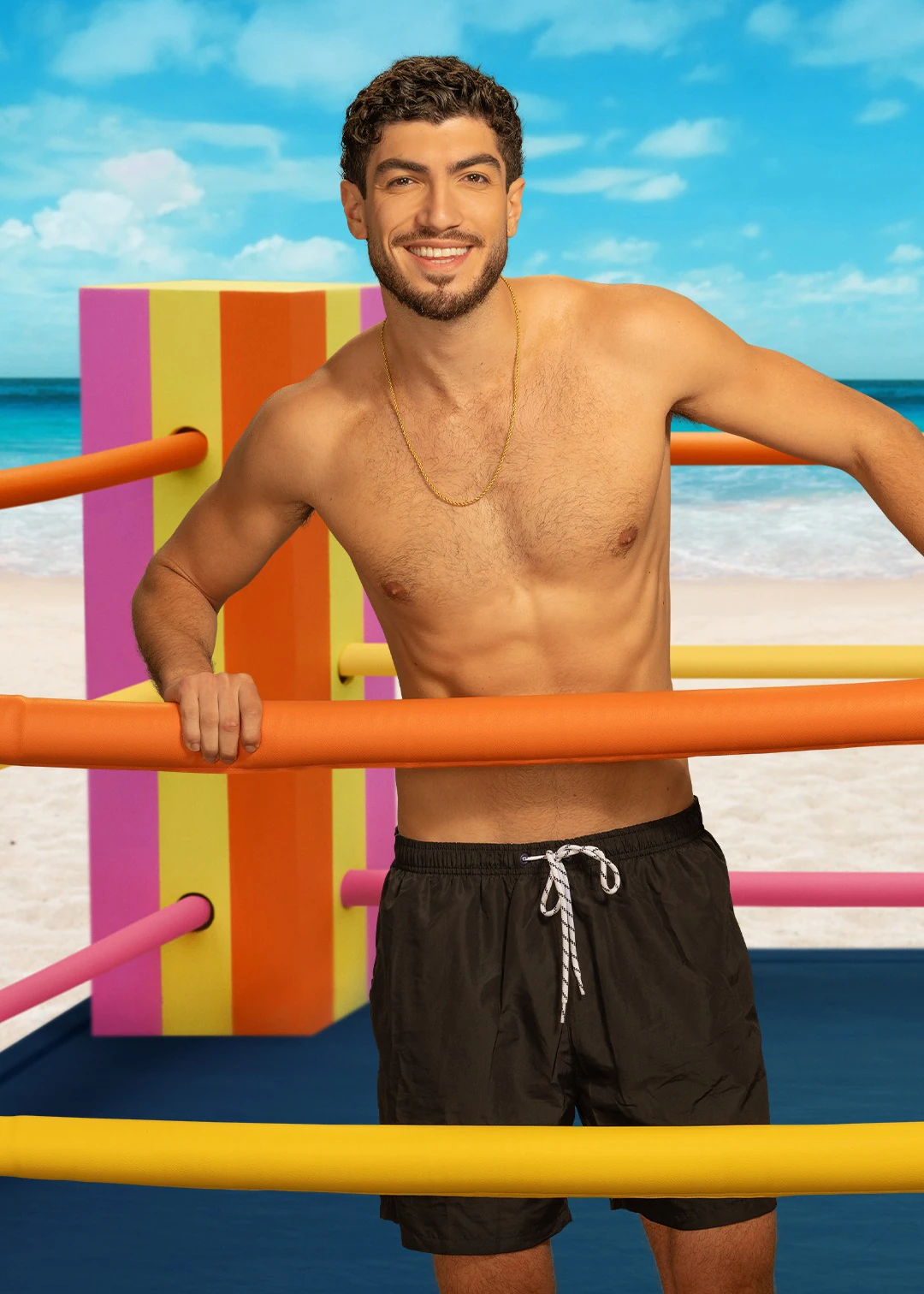

Somewhere in the first week of June 2026, hundreds of thousands of Americans typed the same two words into Google: “charlie love island.” Not a chart-topping musician. Not an A-list actor with a summer blockbuster. A reality TV contestant who spent eleven days in a villa a full year ago, got dumped before the halfway mark, and never even made the finale. That is the strange new physics of fame in 2026, and it tells you almost everything about where celebrity is heading.
The Charlie in question is Charlie Georgiou, the Birmingham-born bombshell from Love Island USA Season 7, and the reason he came roaring back into the search trends is delightfully simple: his younger brother Zach walked into the Season 8 villa when the new season premiered on Peacock on June 2, 2026, and introduced himself with the line, “My brother Charlie was on Love Island last year, and now I’m here to see if I can do better than him and find love.” One sentence on a streaming dating show, and a man who was eliminated from the franchise twelve months earlier out-trended established movie stars for days.
If that sounds absurd, it should. It is also the clearest case study yet of how a generation of reality TV personalities has quietly rewritten the rules of who gets to be famous, how long fame lasts, and who profits from it.
The Week a Dumped Islander Out-Trended Hollywood
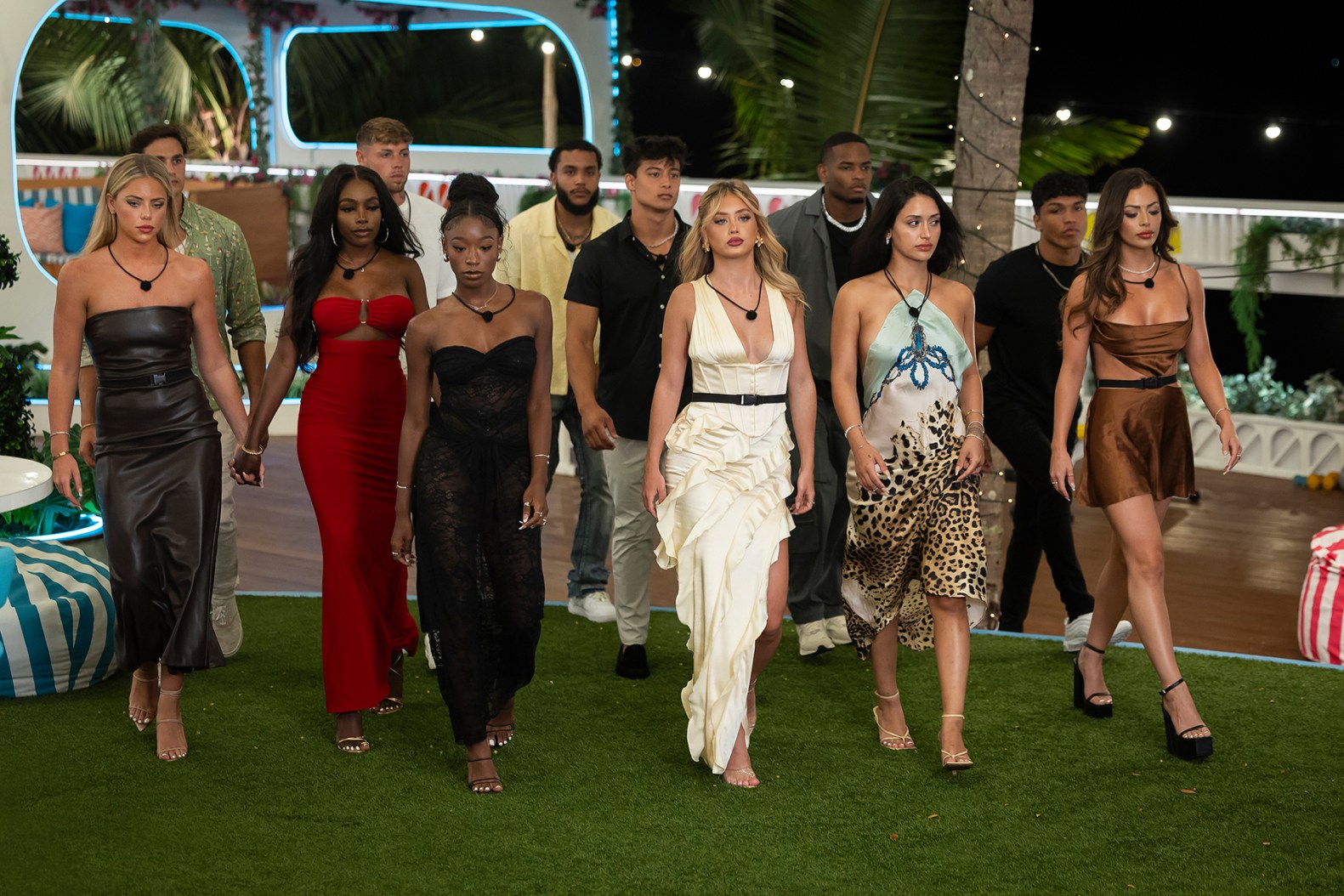
To understand why “charlie love island” pulled in such enormous search volume, you have to understand the machine he plugged into. Love Island USA Season 7, which ran from June 3 to July 13, 2025, was not just a hit. It was, per Variety, the most-streamed original television show of 2025, racking up more than 18 billion minutes viewed and becoming Peacock’s most-watched original series ever. During the week of July 7 to 13, 2025, it became the first Peacock show in history to top Nielsen’s weekly streaming rankings.
Crucially, 54 percent of that audience was aged 18 to 34, and 49 percent were first-time viewers of the franchise. That is a young, extremely online audience that does not just watch a show. It investigates the cast, follows their siblings, screenshots their old TikToks, and turns supporting players into protagonists.
Charlie Georgiou was one of those supporting players. He entered the Season 7 villa as a Day 2 bombshell alongside Cierra Ortega, coupled up with Tucson native Hannah Fields on Day 6, and was dumped on Day 11 after an America vote paired Hannah with another new arrival. By the brutal arithmetic of the old fame economy, that should have been the end of him. He told Decider after his exit that he and Hannah “really connected” and told People he wanted producers to “send me back in there to go get her back.” Sweet, but hardly the foundation of a career.
Except it was. Charlie went on to appear in Love Island Games Season 2, kept building his following through music, modelling and content creation, and stayed visible enough that when Zach name-dropped him on the Season 8 premiere, the internet knew exactly who he was. By June 2026 he was doing branded appearances, including a Love Island watch party event in Tampa, and fielding viral questions about his Greek Cypriot heritage, at one point posting a TikTok captioned “No I haven’t had a perm, it’s called being Greek Cypriot.” A man who lost a dating show in eleven days had become a recurring character in pop culture. That is not an accident. That is the system working exactly as designed.
Who Charlie Georgiou Actually Is
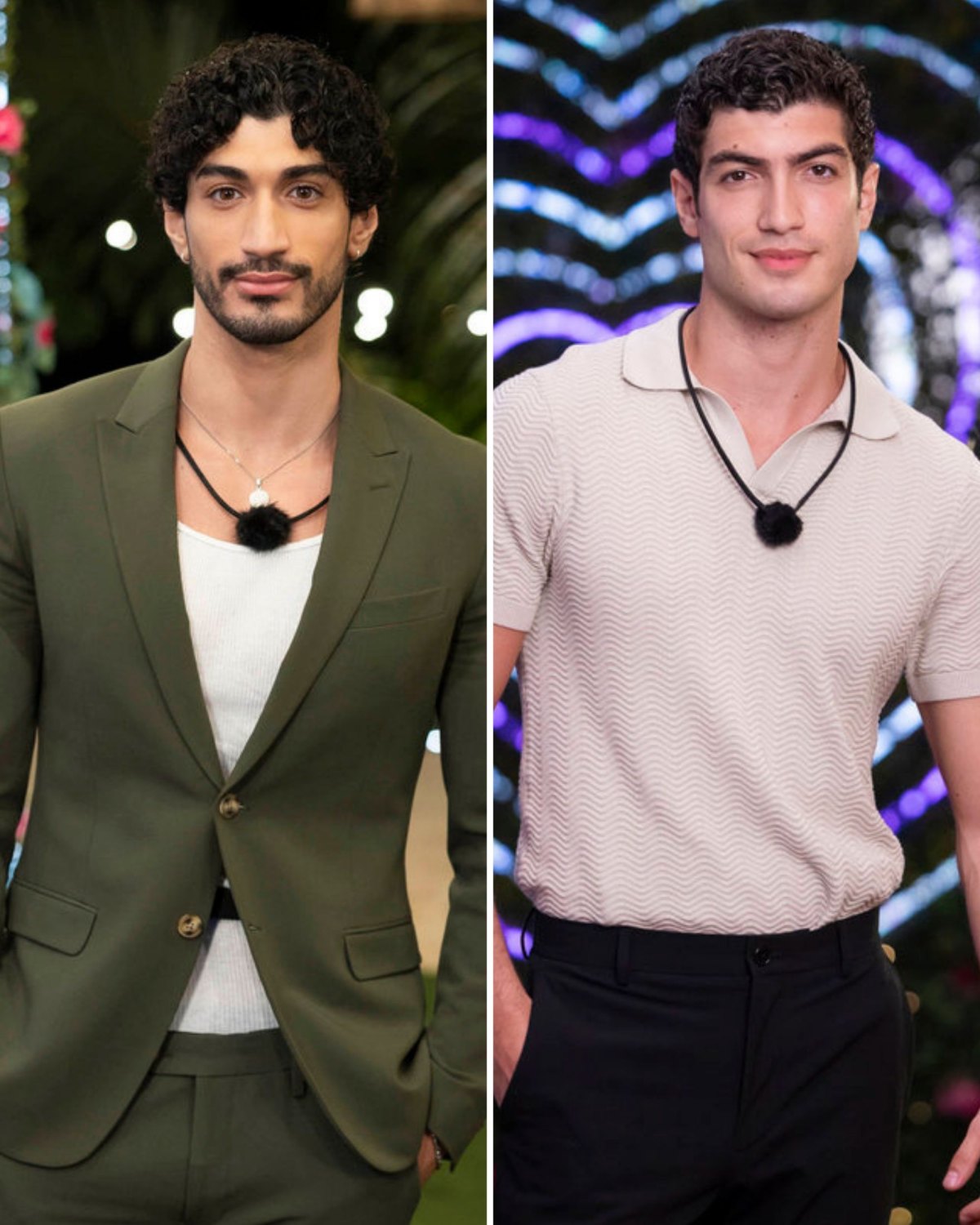
For the record, since search interest demands it: Charlie Georgiou is a model and content creator from Birmingham, England, who was 27 when he appeared on Love Island USA Season 7 in the summer of 2025. His villa story was short, his romance with Hannah Fields ended when she was steered toward another bombshell, and fans spent weeks convinced he would return through Casa Amor. He did not, but he resurfaced in Love Island Games Season 2, and he has teased post-show projects around music and a content series exploring masculinity and vulnerability.
His brother Zach Georgiou, 26 and also from Birmingham, is now a Season 8 islander, cheerfully tagged a “nepo-sibling” by the entertainment press. That a sibling connection alone can drive half a million searches shows how deep the audience’s parasocial investment runs.
But Charlie matters less as an individual than as an archetype. He is the modern reality celebrity at entry level: telegenic, social-media fluent, eliminated early, and still famous a year later because the franchise around him never stops generating new reasons to remember him.
The Dating-Show-to-Influencer Pipeline
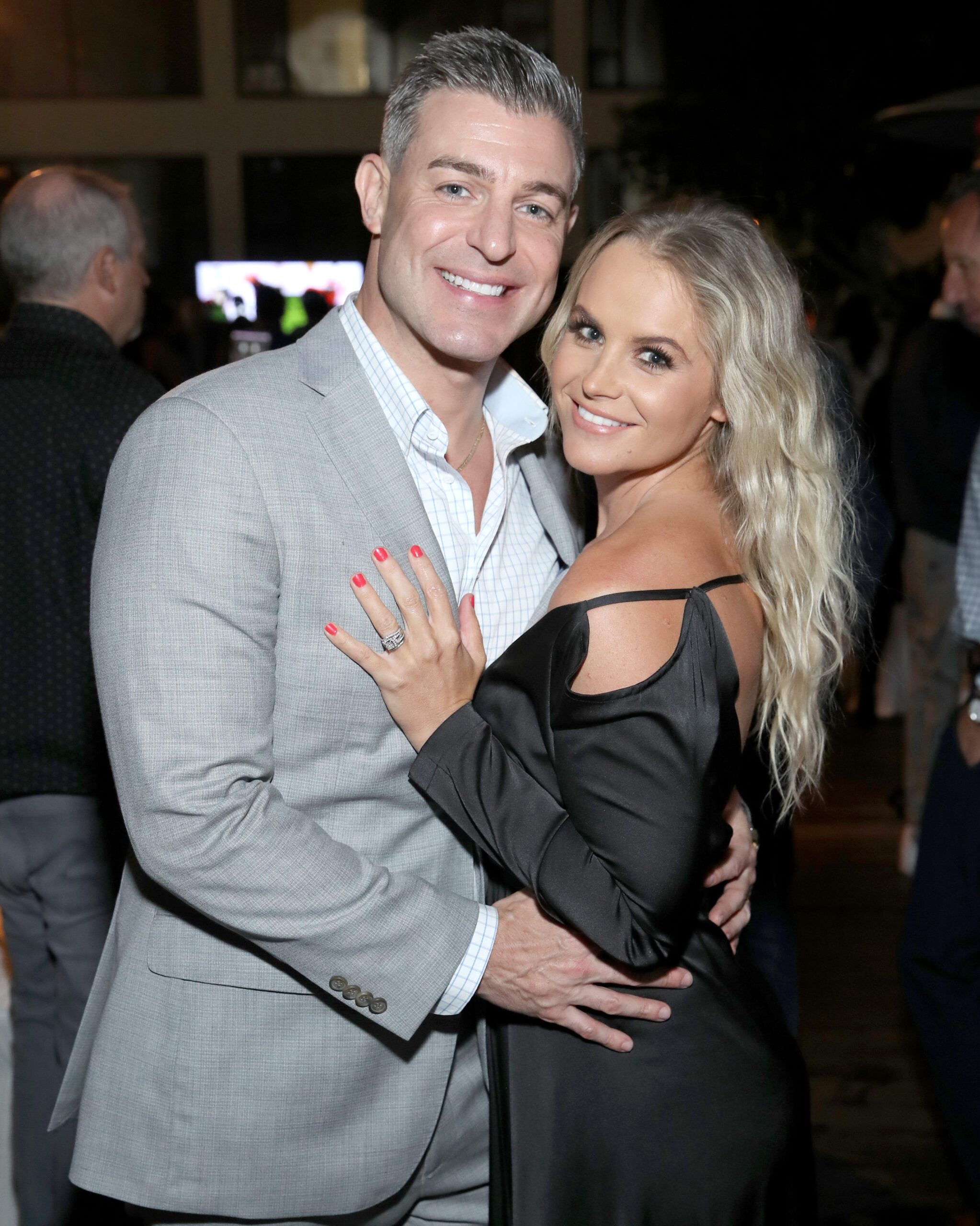
Here is the part old Hollywood still struggles to accept. For a 22-to-30-year-old with charisma and a phone, six weeks on a dating show is now a better career launchpad than a decade of auditions.
The pipeline works like this. A show like Love Island films contestants every day for weeks in a format built around emotional vulnerability. Viewers do not just watch these people. They live with them. By the time an islander leaves the villa, hundreds of thousands of strangers feel they know them personally, and that parasocial bond converts directly into followers and money.
The speed is staggering. Within days of the Season 7 finale, beauty giants were circling the cast. Fenty Beauty publicly commented on winner Amaya Espinal’s Instagram telling her to check her DMs, and trade outlet WWD reported that beauty brands were racing to sign the season’s stars to collaborations.
No one ran the pipeline better than Olandria Carthen, the Alabama-born Season 7 runner-up. Within weeks of leaving the villa she signed with Digital Brand Architects, the UTA-owned influencer management powerhouse, per Deadline. By May 2026 she was the muse of a Brandon Blackwood accessories collection that, according to coverage of the launch, sold out in under ten minutes, forcing the brand to reopen pre-orders. Add a partnership with prebiotic soda brand Poppi and a string of fashion and beauty deals, and Carthen built, in under a year, the kind of commercial portfolio that used to take a sitcom star a decade.
She did not win the show. She did not need to. In the new economy, the prize money is a rounding error. The real prize is the audience.
The Playbook: Followers, Podcasts, Fashion Deals
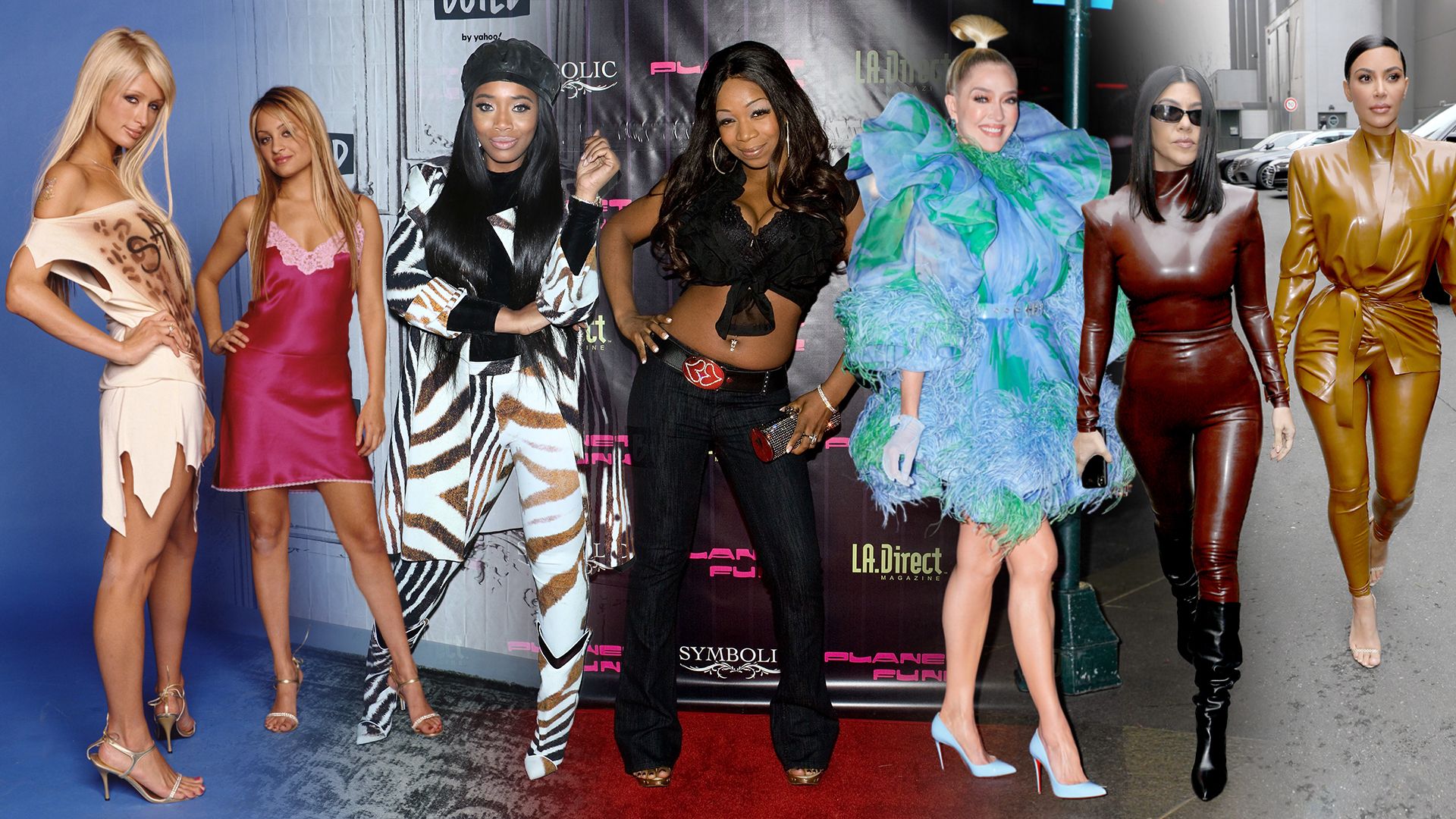
Across both sides of the Atlantic, the post-villa playbook has hardened into something close to a science, and its patron saint is Molly-Mae Hague.
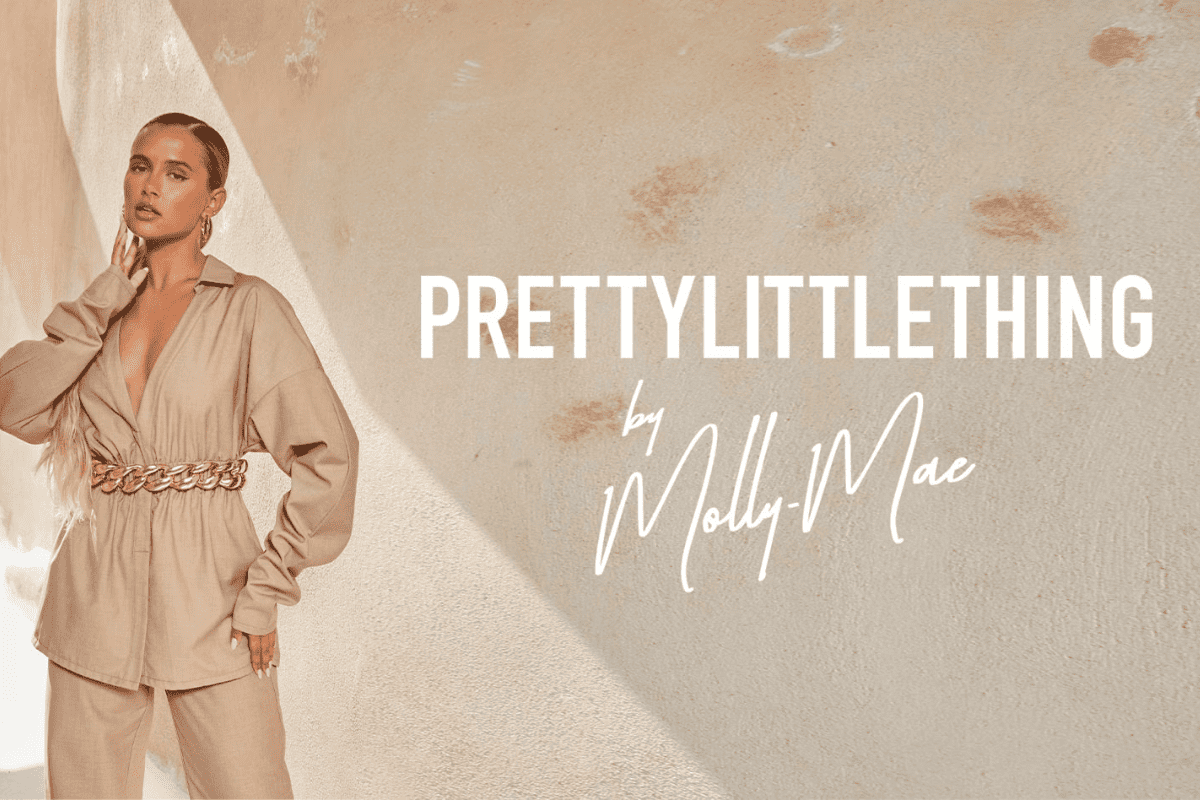
Hague finished second on Love Island UK in 2019. In August 2021, PrettyLittleThing named her its creative director in a deal widely reported as seven figures, a corporate title handed to a 22-year-old whose chief qualification was an audience that trusted her taste. When she stepped down in 2023, she did not retreat. She went vertical, launching her own fashion label Maebe in September 2024 and a beauty line, Filter by Molly-Mae. She went from face of a brand to owner of brands, which is the entire trajectory in one sentence.
Her 2019 castmate Maura Higgins ran a different play: television itself. Higgins parlayed her villa popularity into presenting work, fronting the Irish edition of Glow Up, serving as social media presenter for Love Island USA and Love Island Games, hosting Love Island USA: Aftersun, then crossing into mainstream entertainment with I’m a Celebrity in 2024, a film role in The Spin, and a spot on The Traitors US Season 4 in January 2026. The dating show was not her career. It was her audition tape for everything that followed.
Strip out the personalities and the playbook looks like this: