
Table of Contents
- The Entertainment-Political Crossroads
- Nollywood’s Voices for Change
- Afrobeats and Activism
- The Power of Social Media Influence
- Celebrity Responsibility in Times of Crisis
- Looking Forward: Entertainment’s Role in Shaping Nigeria’s Future
The Entertainment-Political Crossroads
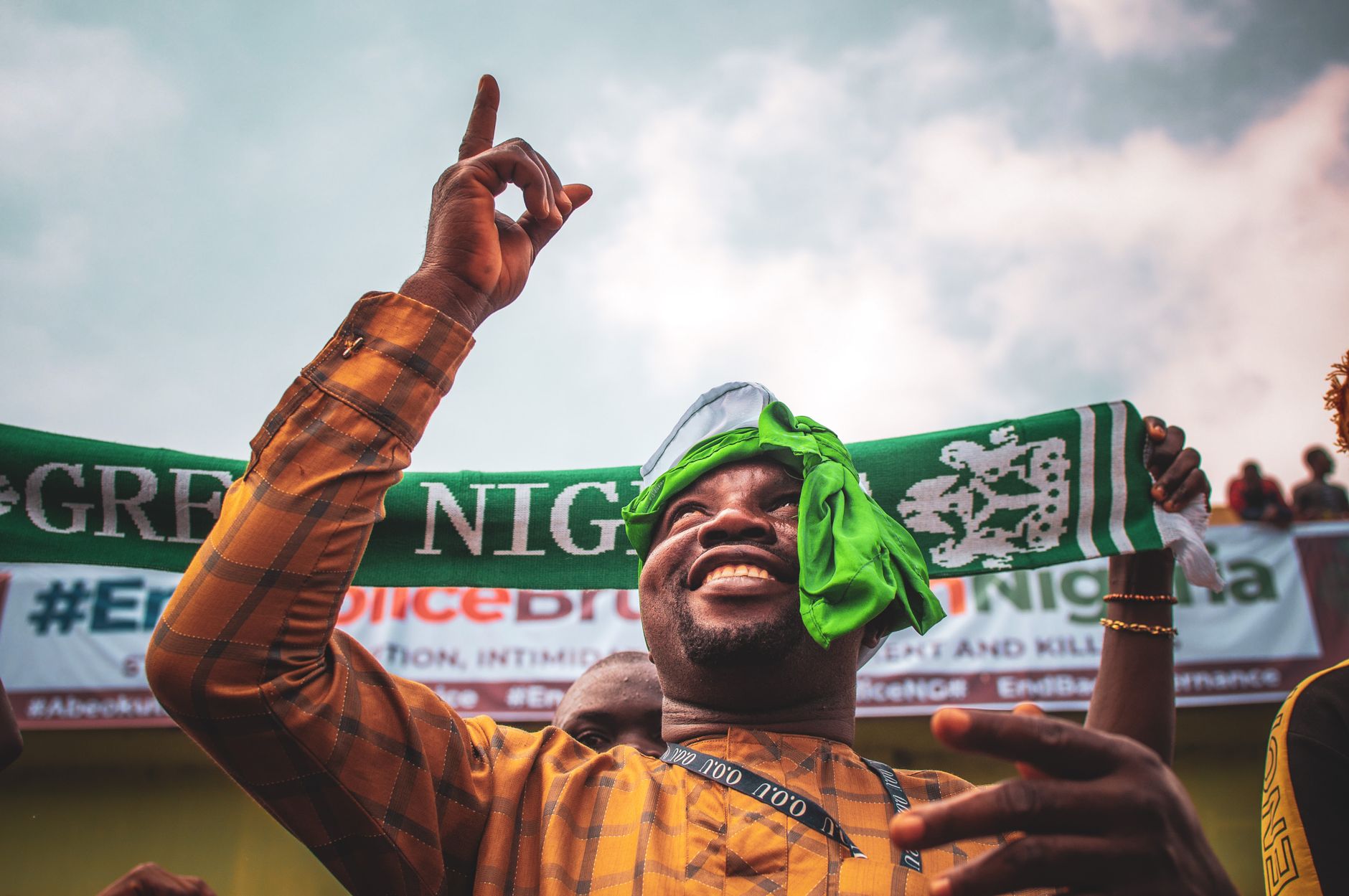
In an era where the lines between entertainment and political discourse continue to blur, Nigerian celebrities find themselves occupying a unique space in the nation’s ongoing narrative. The phrase “history is watching” has become more than just a political rallying cry - it has evolved into a reminder for public figures across all sectors, including entertainment, that their actions and voices carry weight beyond the stage, screen, or recording studio. As Nigeria navigates through complex social and political challenges, the entertainment industry’s most prominent figures are increasingly being called upon to use their platforms for more than just artistic expression. This intersection of celebrity culture and civic responsibility has created fascinating dynamics within the Nigerian entertainment landscape, where stars must balance their artistic integrity with their roles as influential public figures.
The entertainment industry has always served as a mirror to society, but in recent years, that reflection has become more deliberate and pronounced. Nigerian celebrities, particularly those in Nollywood and the Afrobeats scene, are finding that their audiences expect them to engage with pressing national issues rather than remain silent observers. This expectation has created both opportunities and challenges for entertainers who may have previously focused solely on their craft. The weight of public expectation, combined with the amplifying power of social media, means that even seemingly neutral statements can be interpreted as political positions, forcing celebrities to navigate an increasingly complex landscape where silence itself can be seen as a statement.
Nollywood’s Voices for Change
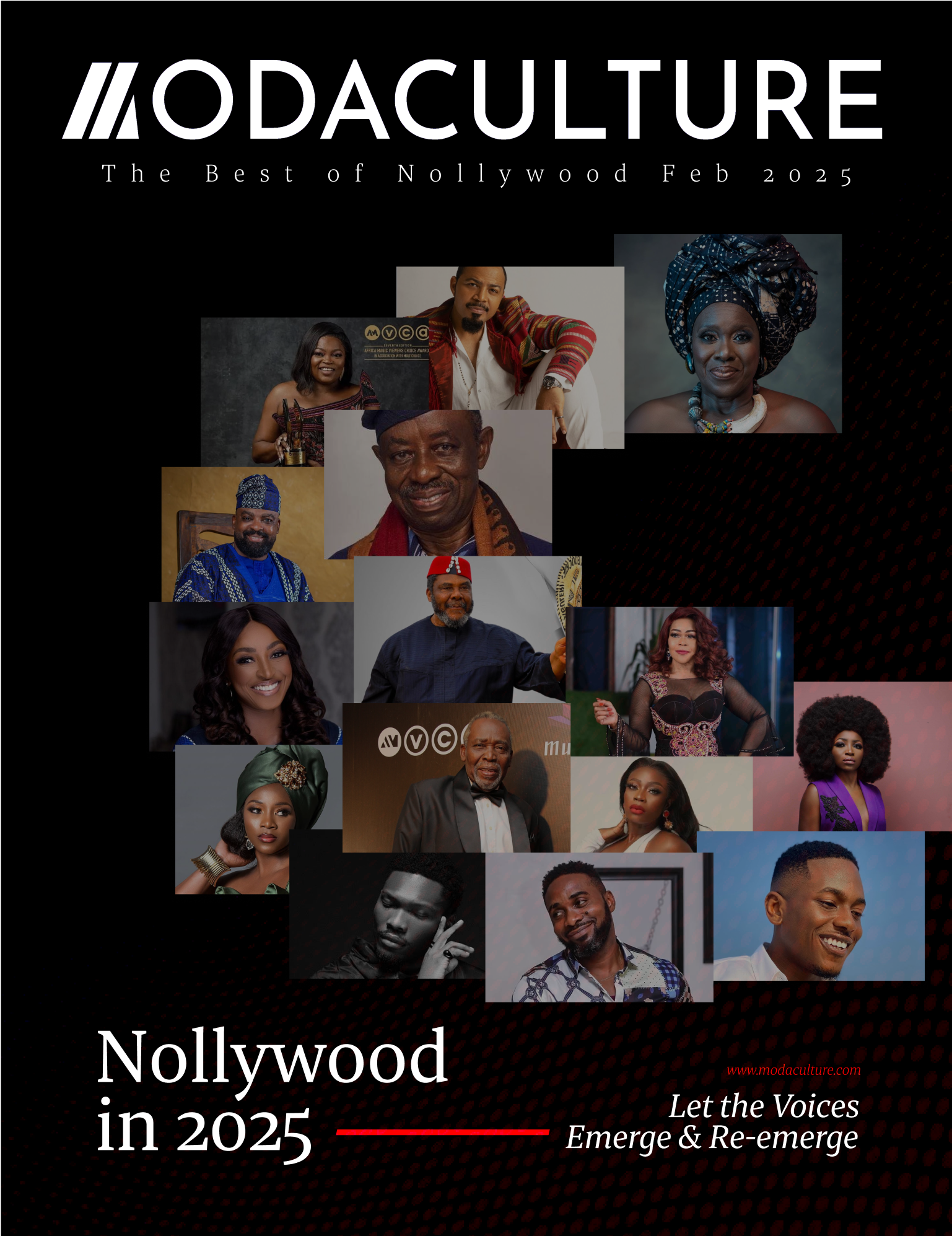
Nollywood has emerged as one of the most powerful cultural forces in Africa, and with that influence comes the responsibility that many of its stars have embraced. Actors like Genevieve Nnaji, Rita Dominic, and Ramsey Nouah have used their platforms to address various social issues, from gender equality to youth empowerment. The film industry’s reach across the continent means that when these stars speak, their words resonate far beyond Nigeria’s borders. Their involvement in social causes has helped legitimize the role of entertainers as advocates for change, challenging the traditional notion that actors should stick to acting and avoid political commentary.
The power of Nollywood extends beyond individual celebrity voices to the stories being told on screen. Films addressing corruption, social inequality, and political reform have become increasingly common, with directors and producers recognizing their ability to influence public discourse through compelling narratives. This shift toward socially conscious filmmaking has been particularly evident in recent productions that tackle contemporary Nigerian issues head-on. The industry’s willingness to engage with difficult topics has not only elevated the quality of Nigerian cinema but has also positioned Nollywood stars as thought leaders in national conversations. When established actors choose to participate in films that challenge the status quo, they signal to their audiences that these issues matter and deserve attention.
Afrobeats and Activism
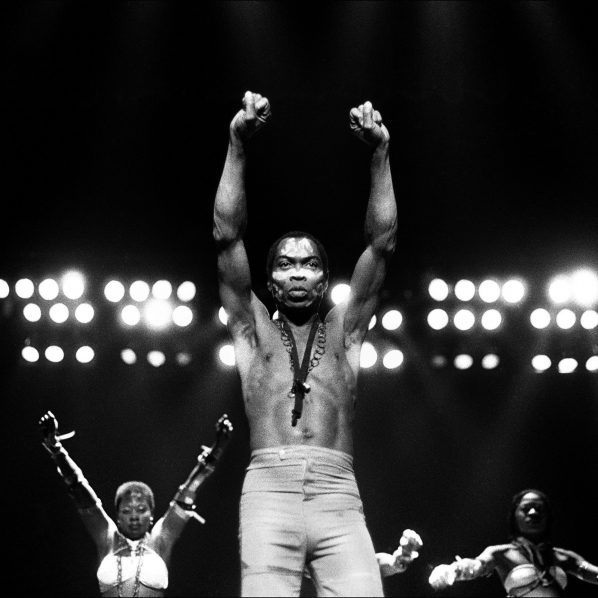
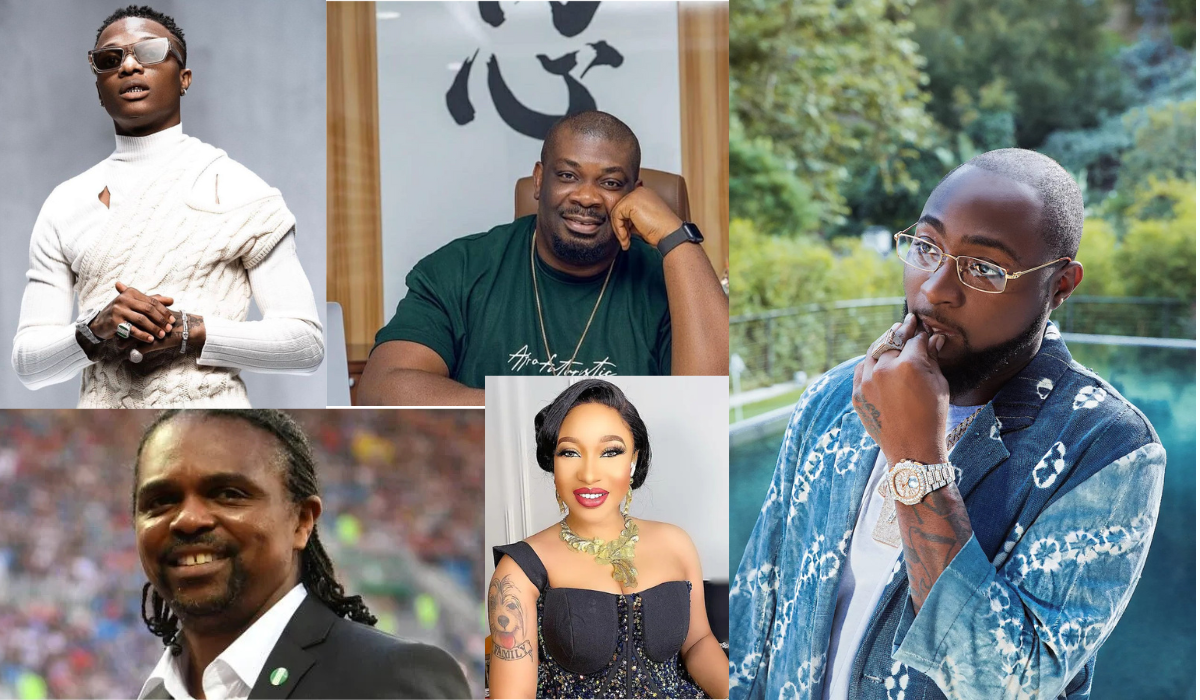
The global rise of Afrobeats has given Nigerian musicians an unprecedented platform to address social and political issues. Artists like Burna Boy, Davido, and Tiwa Savage have demonstrated that commercial success and social consciousness can coexist, using their music and public appearances to highlight important causes. Burna Boy’s Grammy-winning album “African Giant” included tracks that addressed political corruption and social inequality, while his public statements about Nigerian politics have sparked widespread discussion. This approach has helped establish a new template for Afrobeats artists who want to balance entertainment value with meaningful commentary on contemporary issues.

The influence of Afrobeats extends beyond music into fashion, lifestyle, and cultural trends, making artists in this genre particularly powerful voices in shaping public opinion. When Davido speaks about democratic participation or Tiwa Savage addresses women’s rights, their words carry weight because of their cultural relevance and massive followings. The genre’s emphasis on African pride and cultural identity has naturally evolved to include discussions about governance, social justice, and continental unity. This evolution has been particularly notable among younger artists who have grown up in Nigeria’s democratic era and feel a strong connection to the country’s political development. Their ability to reach both domestic and international audiences means that their perspectives on Nigerian issues gain global attention, sometimes putting pressure on government officials to respond to criticism that might otherwise go unnoticed.