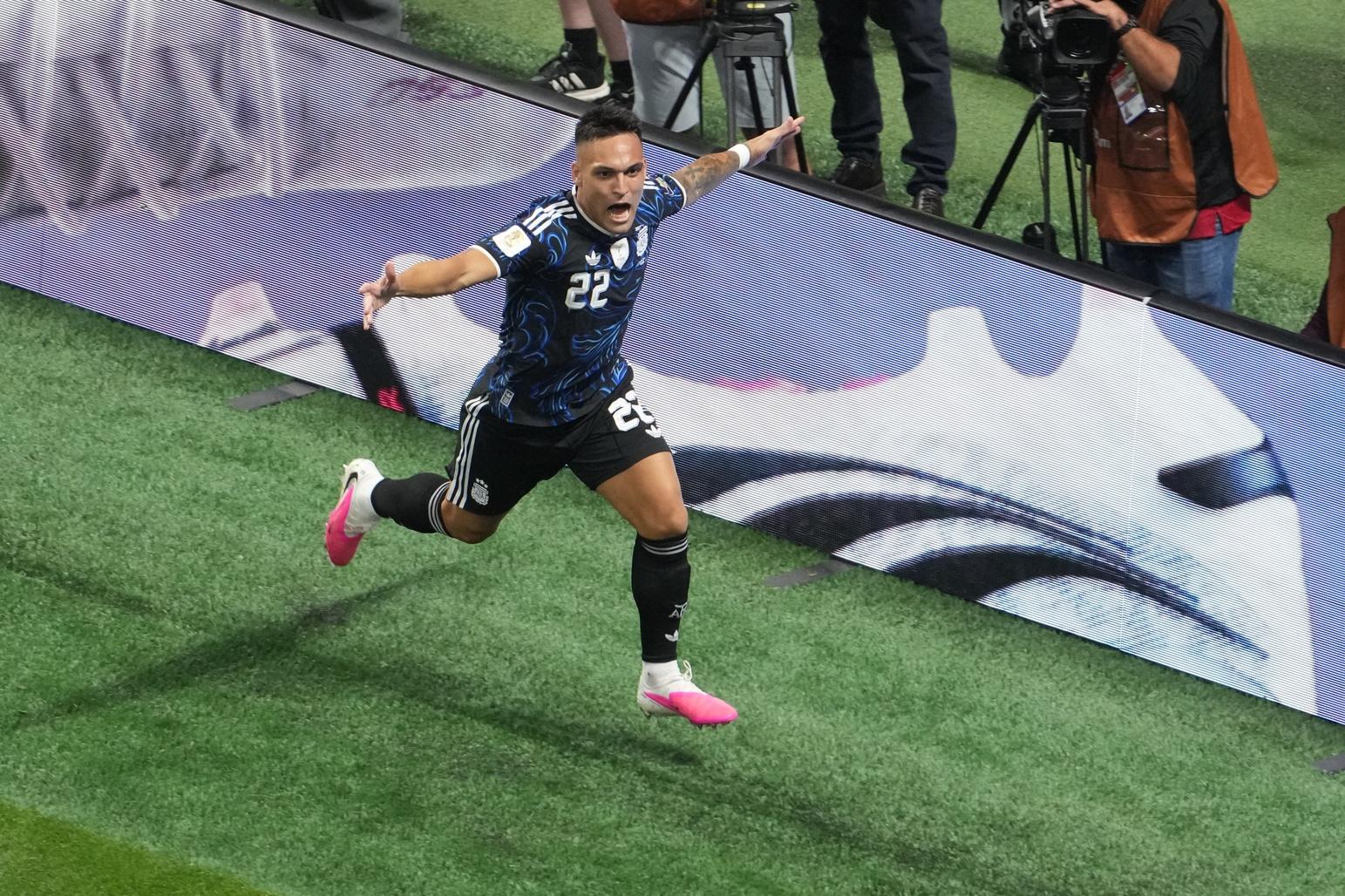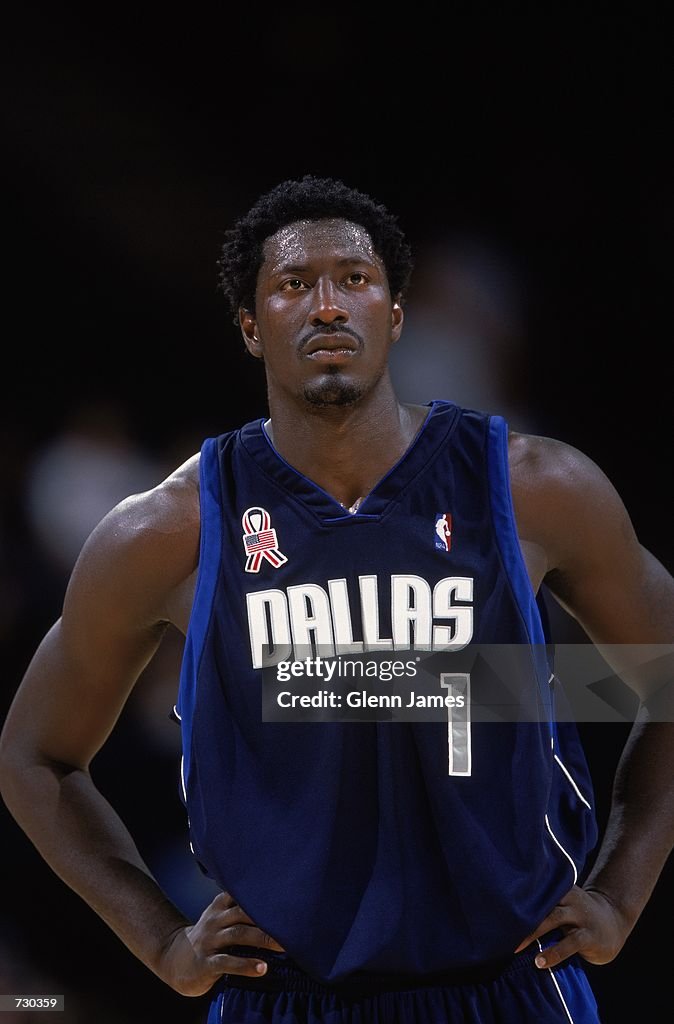
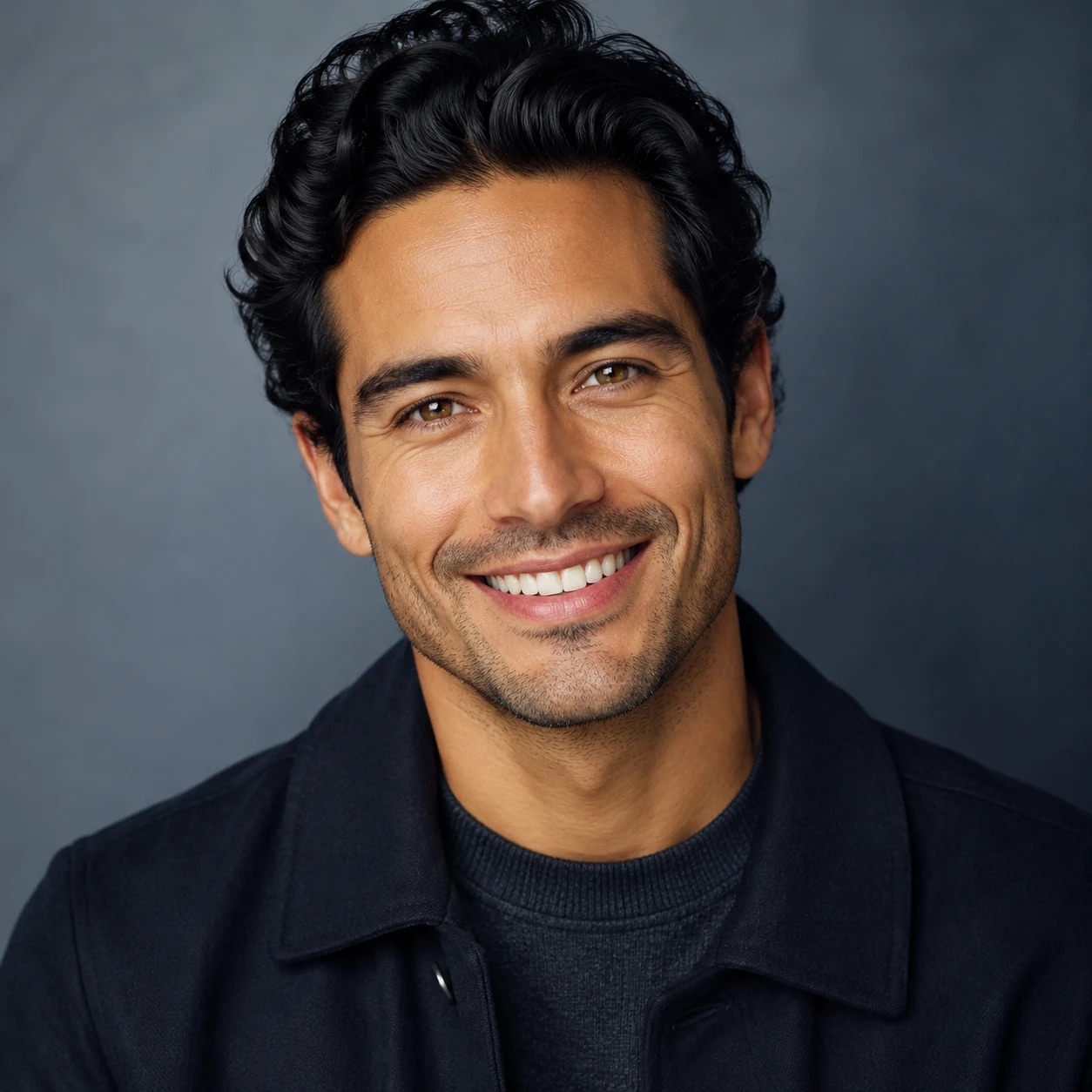
Twenty-six years after the New York Knicks called his name with the 22nd pick of the 2000 NBA Draft, Donnell Harvey is trending again. Not for anything he did on a basketball court. The former Florida Gators forward, who logged 205 NBA games across stints with the Mavericks, Nuggets, Magic, Suns and Nets, spent the first week of June 2026 racking up tens of thousands of Google searches because his daughter, Aniya Harvey, walked into the Love Island USA villa.
Aniya, a 6-foot former Florida State volleyball player from Tyrone, Georgia, joined the Season 8 cast when the show premiered on Peacock on June 2, 2026, and the internet immediately went digging into her famous father. Within 48 hours, outlets from Complex to Just Jared had published explainers on Donnell Harvey’s NBA career, his journeyman years overseas, and his current life running the Reconstructing Youth Foundation and coaching high school basketball in Connecticut.
That search spike tells a bigger story than one family’s brush with reality TV fame. It shows how completely professional sports and unscripted television have merged. An athlete’s name, even one who averaged 5.6 points a game and last played in the NBA in 2005, is now a renewable media asset - one that can be activated decades later by a daughter on a dating show, a stint in a masked costume, or ten brutal days on a military selection course. For a generation of athletes staring down retirement in their early thirties, reality TV has quietly become one of the most reliable second careers in entertainment.
The Retirement Cliff Every Athlete Faces
Professional sport has a structural problem it has never solved: careers end early and identities do not. The average NFL career lasts roughly three years. NBA careers average under five. Footballers in Europe and Africa typically hang up their boots in their mid-thirties. That leaves four or five decades of life to fill, often with a skill set the job market does not directly reward and a public profile that starts depreciating the moment the final whistle blows.
The traditional off-ramps were coaching, punditry, or quiet obscurity. Sports Illustrated famously reported in 2009 that an estimated 78 percent of NFL players faced financial stress within two years of retirement, a figure debated ever since but now the industry’s cautionary shorthand. Whatever the true number, the dynamic is real: income stops abruptly, expenses do not, and relevance - the raw material of every endorsement deal - evaporates fast.
Reality television solves the relevance problem. It does not require the athlete to be articulate enough for a broadcast booth, connected enough for a front-office job, or wealthy enough to buy into a franchise. It only requires them to be themselves on camera, which is the one job every famous athlete has already been doing for years.
Why Donnell Harvey Is Trending in June 2026
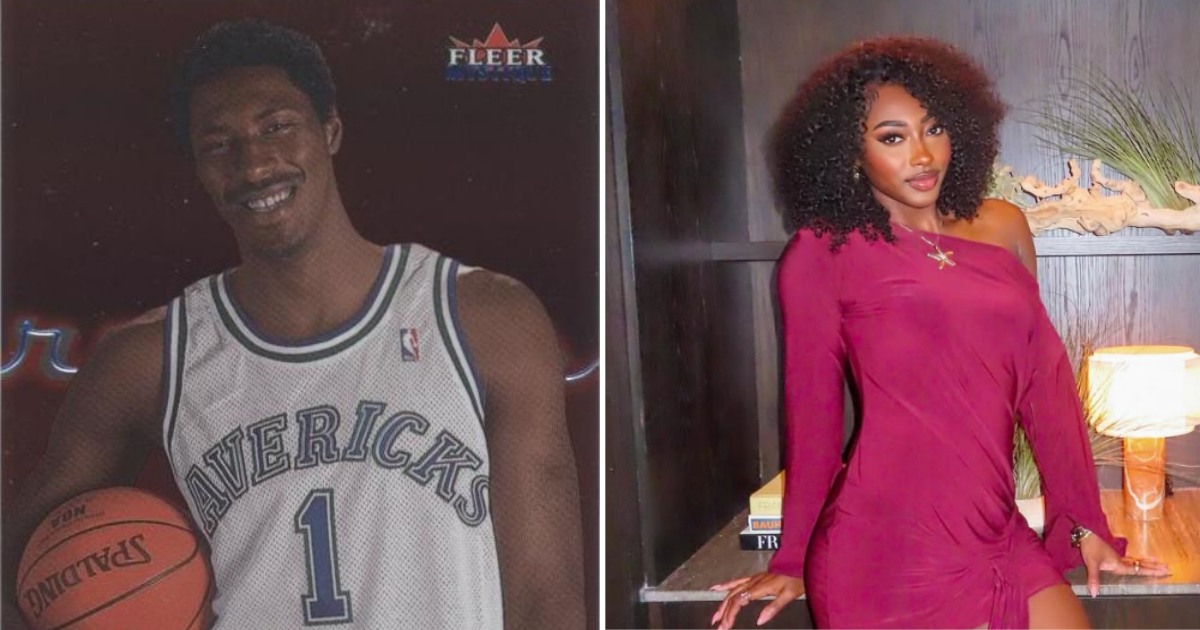
To be precise about what is happening with the Harvey family, because precision matters here: Donnell Harvey himself is not on a reality show. He is, by every available account, a basketball lifer who played professionally overseas until 2014, then built a youth development operation - the Reconstructing Youth Foundation, which runs afterschool programs across Florida, Georgia and North Carolina - alongside coaching work in Connecticut. His estimated net worth, pegged by entertainment outlets at somewhere between 2.5 and 4 million dollars, reflects a modest but well-managed post-NBA life.
The reality TV connection runs through Aniya. Love Island USA announced its Season 8 cast in late May 2026, and the 23-year-old marketing graduate was immediately tagged in headlines as “the NBA player’s daughter.” Peacock’s own promotional material leaned into the family angle, detailing both her father’s career and her own collegiate volleyball years at Florida State.
That framing is the point. Producers did not cast a random beautiful stranger; they cast a second-generation athlete whose surname carries pre-built search volume and a father whose draft-day story can fill a week of content. The “donnell harvey” search spike - more than 50,000 queries in the United States in the show’s premiere week - is the casting decision paying off before a single recoupling.
It also illustrates a newer wrinkle in the pipeline: the athletic brand is now hereditary. Aniya enters the villa with Division I credibility and an NBA bloodline storyline. A 26-year-old draft pick just became a 2026 content engine.
The Reality TV Pipeline: Dance Floors, Masked Costumes and Dating Villas
The athlete-to-reality pathway is now so well-worn it has distinct lanes, each with its own track record.
The Dance Floor
Dancing with the Stars remains the gold standard, and athletes have dominated it. Emmitt Smith won Season 3 with Cheryl Burke, becoming the first NFL player to lift the Mirrorball Trophy. Hines Ward took Season 12, Donald Driver won Season 14, and Rashad Jennings became the fourth NFL champion in Season 24. The pattern is not a coincidence. Athletes arrive with elite body control, a professional’s rehearsal discipline, and fan bases trained to vote for them every Sunday for a decade. DWTS producers learned early that a beloved running back is a safer ratings bet than most actors.
The Masked Costume

The Masked Singer turned athlete cameos into appointment television. Rob Gronkowski, fresh off his first retirement from the Patriots, performed as the White Tiger, growling his way through “Ice Ice Baby” before being unmasked. The show has since cycled through a parade of unmasked athletes, and the format suits them perfectly: a few weeks of work, zero athletic risk, and a viral unmasking clip that reintroduces them to an audience that may not watch sports at all.
The Endurance Test
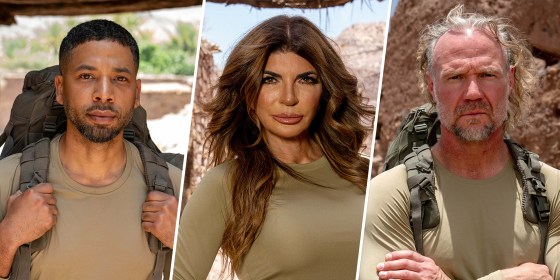
Fox’s Special Forces: World’s Toughest Test has become the prestige lane - the show athletes do when they want to be taken seriously rather than laughed with. Dwight Howard endured the full Season 1 course in 2023. Cam Newton did the same in Season 3. Nick Young joined Season 4, alongside a rotating cast that has included Carli Lloyd, Dez Bryant, Robert Horry, Bode Miller and Landon Donovan. The show flips the usual reality dynamic: instead of trading on glamour, retired athletes get to demonstrate that the competitive engine still runs, which is catnip for the sponsors who want to attach themselves to grit.
The Dating Villa
Then there is the romance economy. Jesse Palmer went from Giants quarterback to The Bachelor lead in 2004 and parlayed it into a full-time hosting career - he now fronts the very franchise he once starred in. Colton Underwood went from NFL practice squads to Bachelor lead. And now the villa format is absorbing the next generation: athletes’ children, college athletes, and semi-pro players who understand that six weeks on Peacock can outperform six years in a development league. Aniya Harvey is the current case study.
Why Producers Love Athletes
From the production side, the athlete is close to the perfect reality cast member, and the reasons are coldly practical.
First, athletes arrive pre-vetted. They have survived years of media training, locker-room scrutiny and public failure. The meltdown risk that haunts civilian casting is lower.
Second, they bring distribution. A retired NFL player with two million Instagram followers is a marketing budget that walks onto set for free.
Third, they generate crossover audiences. Sports fans who would never watch a dance competition tune in for Emmitt Smith. Reality fans who could not name a single NBA team suddenly know who Donnell Harvey is.
Fourth, the competitive instinct is genuine content. Reality producers spend fortunes manufacturing stakes. Athletes manufacture their own. Watch any athlete on Special Forces refuse to ring the withdrawal bell with a torn muscle and you understand why casting directors keep going back to the well.