Walk into any Lagos studio session at 2 a.m. and listen closely between takes. Before the producer hits record, before the artist drops the first bar, someone says it. “God will bless this one.” The phrase is so common it barely registers, slipping out between sips of malt and adjustments to the headphone level. Nigerian music does not separate the sacred from the sound. The two move together, breathing the same air, sharing the same room.
Afrobeats gets categorized as party music. Streaming algorithms file it under “vibes” and “good times,” and Western press loves to talk about the production and the global crossover appeal. What gets missed is the steady current of religious language, spiritual imagery, and devotional thanks running through the lyrics. Pick almost any Afrobeats chart-topper of the streaming era and you can find God in it. Sometimes He is named directly. Sometimes He shows up as a callback, a single word at the end of a verse. But He is there.
Faith Built Into the Hook
Davido released “Stand Strong” in 2022 and it landed differently from anything else in his catalog. Built around a soaring choir performance from The Samples, the song reads as a personal hymn. The lyrics speak of trials, of holding on, of leaning on something bigger than self. It is not coded. It is not implied. It is gospel, dressed in Afrobeats production, sitting comfortably on the same album as club records.
Davido has been open about his Christian faith for years, and the song felt like a public exhale after a difficult season. What made it notable was how naturally his audience absorbed it. There was no backlash about the genre shift, no confusion about why a mainstream pop star was suddenly leading worship. Nigerian listeners did not need an explanation. The Sunday morning service and the Friday night party share the same congregation.
Adekunle Gold pushed even further with “Pick Up,” a track structured around prayer itself. The hook is a literal plea, asking God to answer when called. The verses talk about financial struggle, family pressure, the weight of expectation. He is not using prayer as metaphor or aesthetic. He is praying, on record, with a backing track. The song became one of his most beloved early works because it captured something authentic about how Nigerians actually talk to God. Direct. Specific. About money. About problems. About now.
The Asake Effect
Asake brought Yoruba spiritual texture into mainstream Afrobeats in a way no one had managed before. “Sungba” rides on Fuji-inflected percussion and chant patterns that trace directly back to Islamic devotional music and Yoruba traditional praise singing. The vocal stacking, the call and response, the way his voice sits inside the rhythm rather than on top of it, all of it carries spiritual weight before you even parse the words.
Then he gave us “Ololade.” The phrase translates roughly to “the wealthy one” or “the prosperous one,” but in Yoruba religious context it carries deeper meaning. To be Ololade is to be blessed by God, to walk in divine favor, to be marked by something beyond your own striving. Asake delivers the line not as boast but as testimony. The grammar of his self-promotion is theological. He is not bragging. He is acknowledging a source.
This matters because Asake is doing something most Afrobeats artists have not figured out how to do at scale. He is making music that sounds modern and global while keeping its feet planted in the specific spiritual vocabulary of his people. The Yoruba concept of iwa pele, often translated as “good character” or “gentle character,” runs through his work as a moral compass. When he sings about loyalty, about gratitude, about staying humble in success, he is not reaching for self-help language. He is drawing on a centuries-old ethical framework that predates Christianity and Islam on the continent.
The Amen at the End
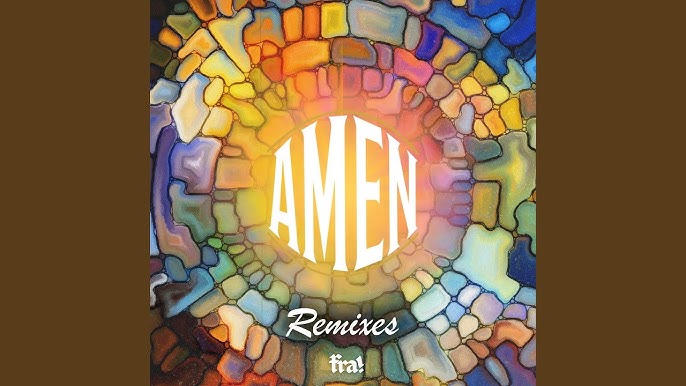
Mr Eazi closed “Skin Tight” with a casual “amen” and most listeners did not even register it as religious. That is how naturally faith embeds itself in the language of these songs. A romantic single about a beautiful woman, all warm guitars and easy vocals, ends with a word of agreement borrowed straight from church. The amen is not ironic. It is not subversive. It is the way Nigerian English works. You finish a wish, a hope, a compliment, with a small invocation. So be it. May it be so.
This linguistic habit shows up everywhere. Artists say “by God’s grace” in interviews the way Americans say “fingers crossed.” They open music videos with footage from church services. They thank Jehovah, Allah, Olodumare, sometimes all three in the same verse, depending on the song and the audience. Burna Boy on “Anybody” delivers the line about putting something “in the gospel” with a smirk that lands somewhere between blasphemy and reverence, and the song still gets played at weddings hosted by deacons.
The God Did It Trope
Watch any Nigerian artist accept any award. The first words out of their mouth, before the thank yous, before the family shoutouts, before the manager and the label, are some version of “first of all, I want to give glory to God.” It is not optional. It is not performative. It is the ritual opening that establishes the entire frame of the speech.
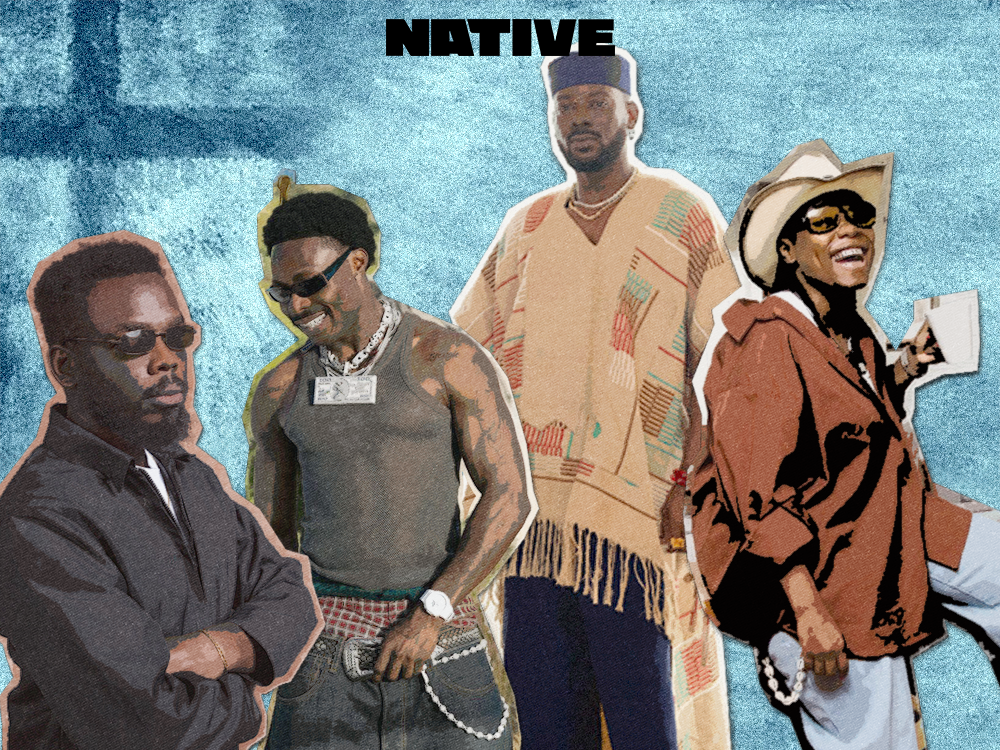
Burna Boy does it. Tiwa Savage does it. Tems does it with the quiet conviction of someone who actually means it. Rema does it. Asake does it in Yoruba, which somehow lands even harder. The “God did it” trope has become so embedded in the culture of African music celebration that its absence is what gets noticed. An artist who skips the thanks-to-God opening reads as cold, as arrogant, as having forgotten where they came from.
This is connected to a broader theological worldview that runs through Nigerian society. Success is not understood as purely the result of talent or hustle. It is understood as favor, as something granted, as something that could be taken back. Crediting God publicly is both gratitude and insurance. You name the source so the source keeps flowing.
Multiple Faiths, One Microphone
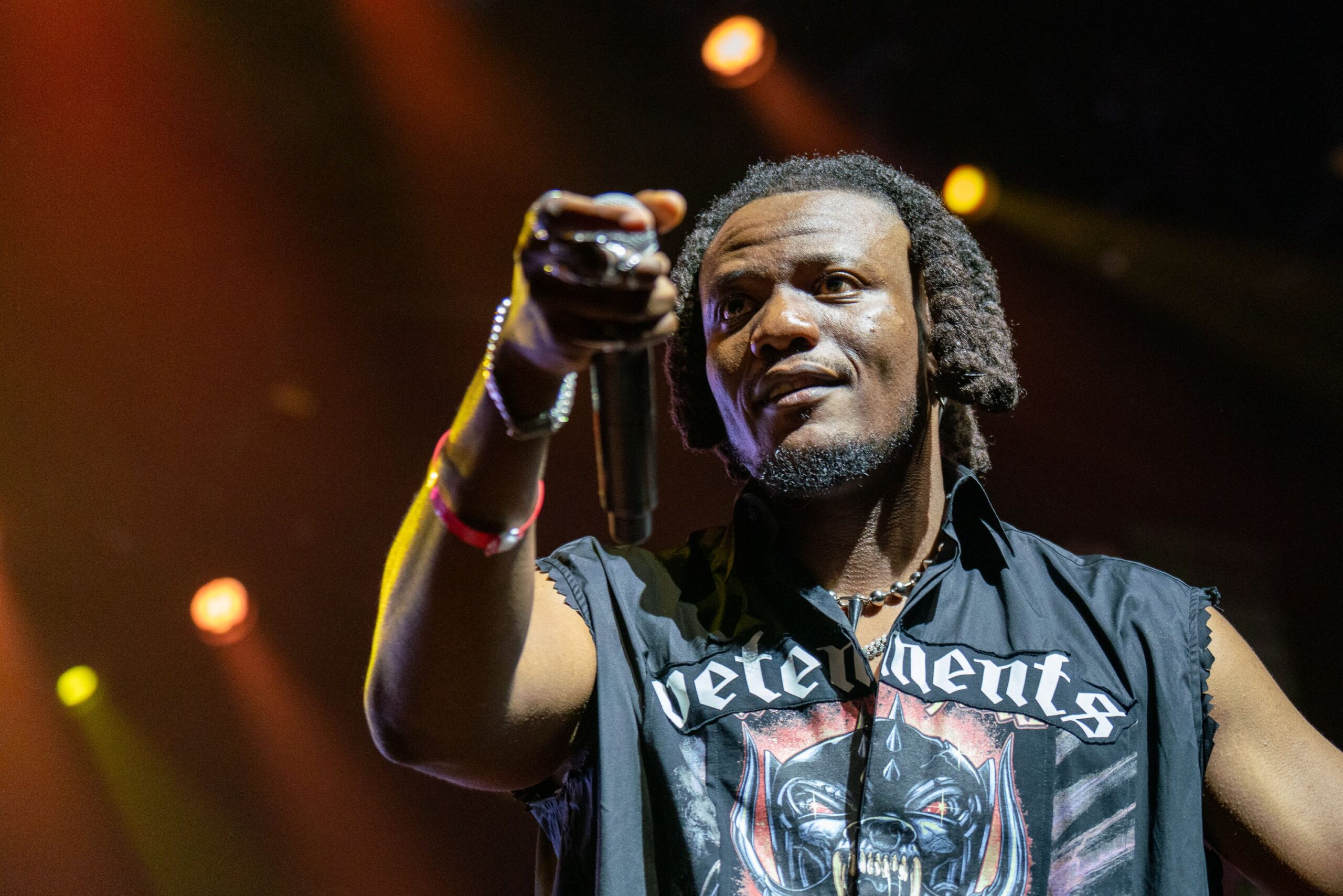
Afrobeats holds something genuinely rare in modern global music. It is a commercial scene where Christian artists, Muslim artists, and artists who hold traditional African beliefs work together without sectarian friction showing up in the work itself. The collaborations happen across religious lines constantly. The features list of any major album reads like a small interfaith council.
Wizkid grew up in a mixed-faith household, with a Muslim father and a Christian mother, and he rarely makes overt religious references in his lyrics, and when spiritual content appears in his work it tends toward the universal rather than the denominational. His silence on the topic is itself a kind of statement, a refusal to perform faith for the audience. Davido is Christian and goes the other direction, naming God frequently, building songs around scripture-adjacent ideas, dedicating projects with explicit religious language.
Burna Boy occupies an interesting middle space. He references Yoruba deities, including Ogun, the god of iron and war, in tracks that sit comfortably on mainstream playlists. His spirituality reads as Afrocentric and ancestral rather than tied to any single organized religion. When he invokes the spiritual on record, he is often pulling from the older traditions, the ones that existed before missionaries and imams arrived, the ones his grandparents would have recognized.