Chaos in the Streets: PSG's Champions League Win Sparks Nationwide Unrest and Mass Arrests
Miki Anderson··5 min read
Ad SpaceArticle Top - 728x90
Advertisement
## Table of Contents
- [When Celebration Turns to Chaos](#when-celebration-turns-to-chaos)
- [The Scale of the Unrest](#the-scale-of-the-unrest)
- [PSG’s European Glory](#psgs-european-glory)
- [A Pattern of Post-Match Violence](#a-pattern-of-post-match-violence)
- [The Entertainment Industry’s Role](#the-entertainment-industrys-role)
- [Looking Forward: Lessons Learned](#looking-forward-lessons-learned)
When Celebration Turns to Chaos
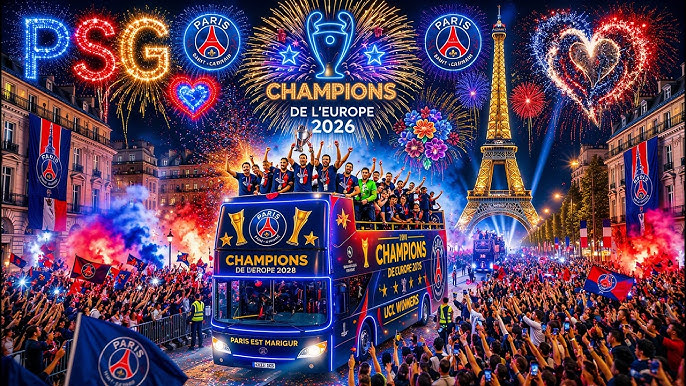
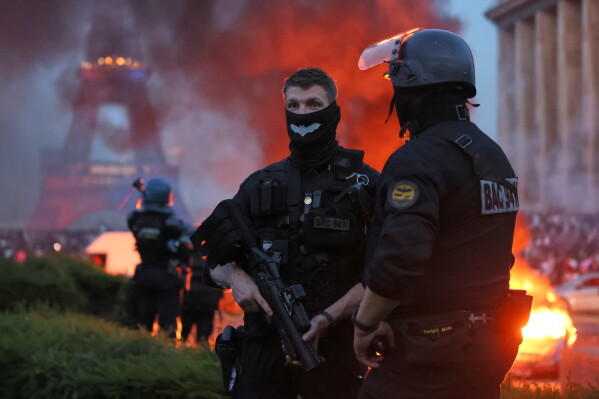
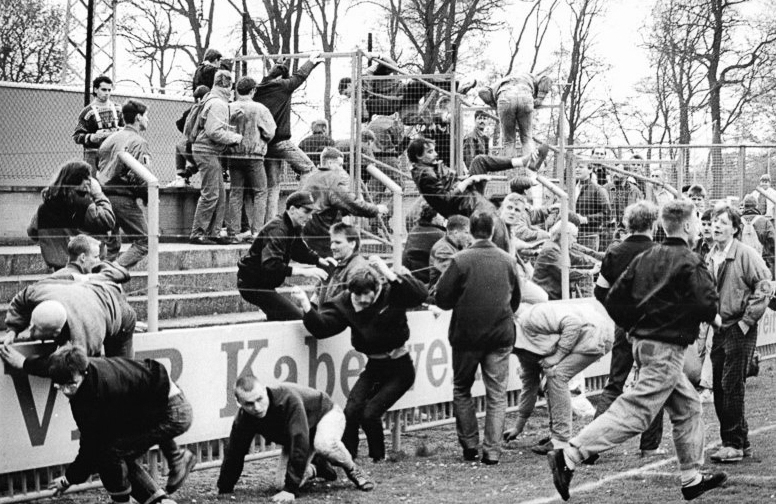
What began as jubilant celebrations across France following Paris Saint-Germain’s historic Champions League victory quickly descended into widespread civil unrest, resulting in over 416 arrests nationwide. The French Ministry of Interior confirmed the staggering number of detentions as violent clashes erupted between overzealous fans and law enforcement officers in multiple cities. The scenes that unfolded painted a stark contrast to the euphoria that should have accompanied one of French football’s greatest triumphs. Instead of basking in the glory of their team’s European success, French authorities found themselves dealing with one of the most significant instances of sports-related violence in recent memory.
Image: Euronews.com
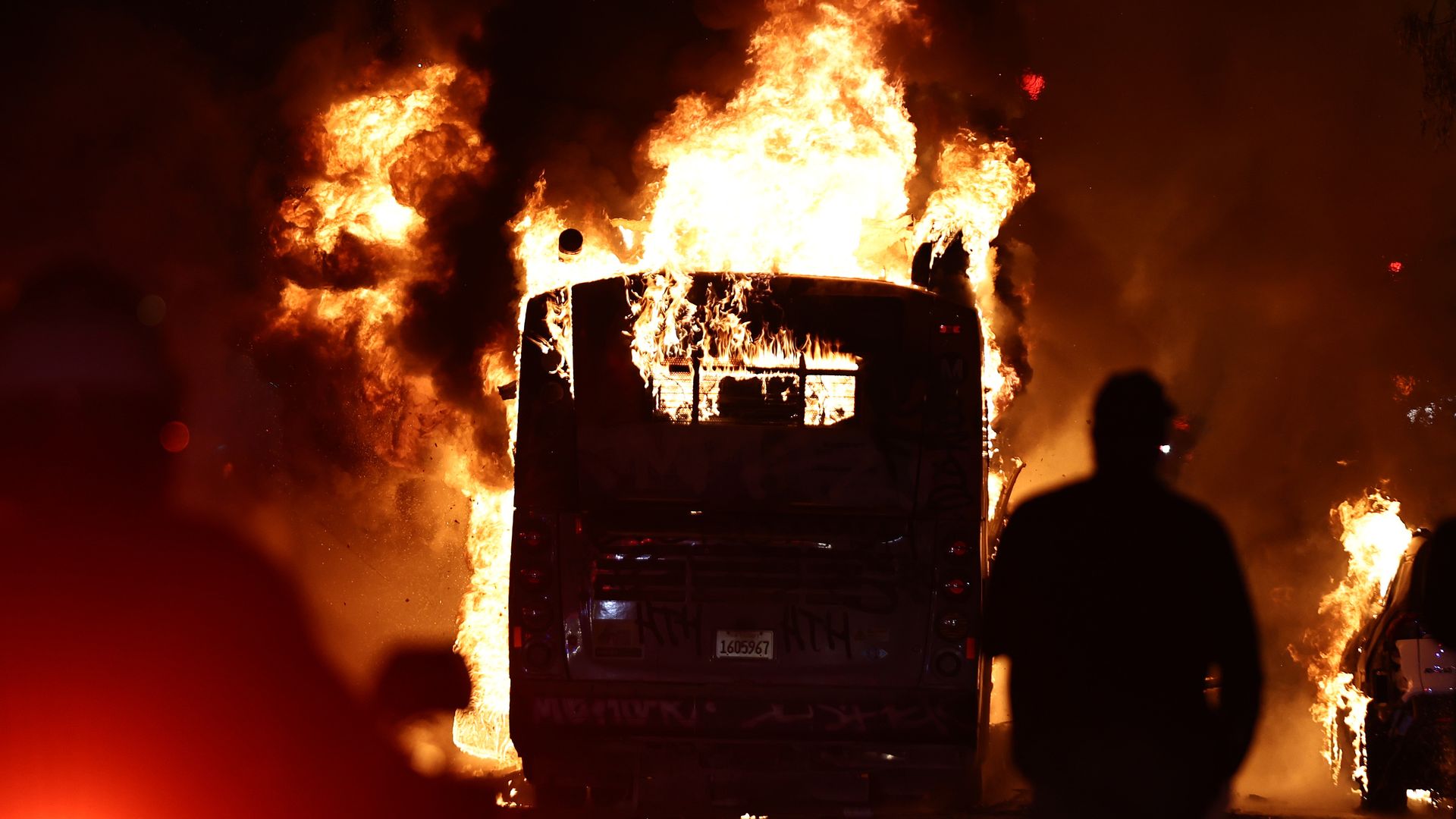
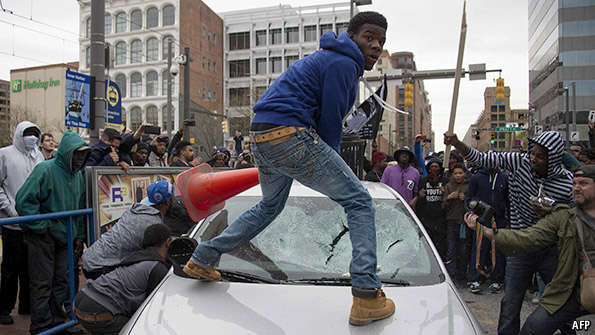
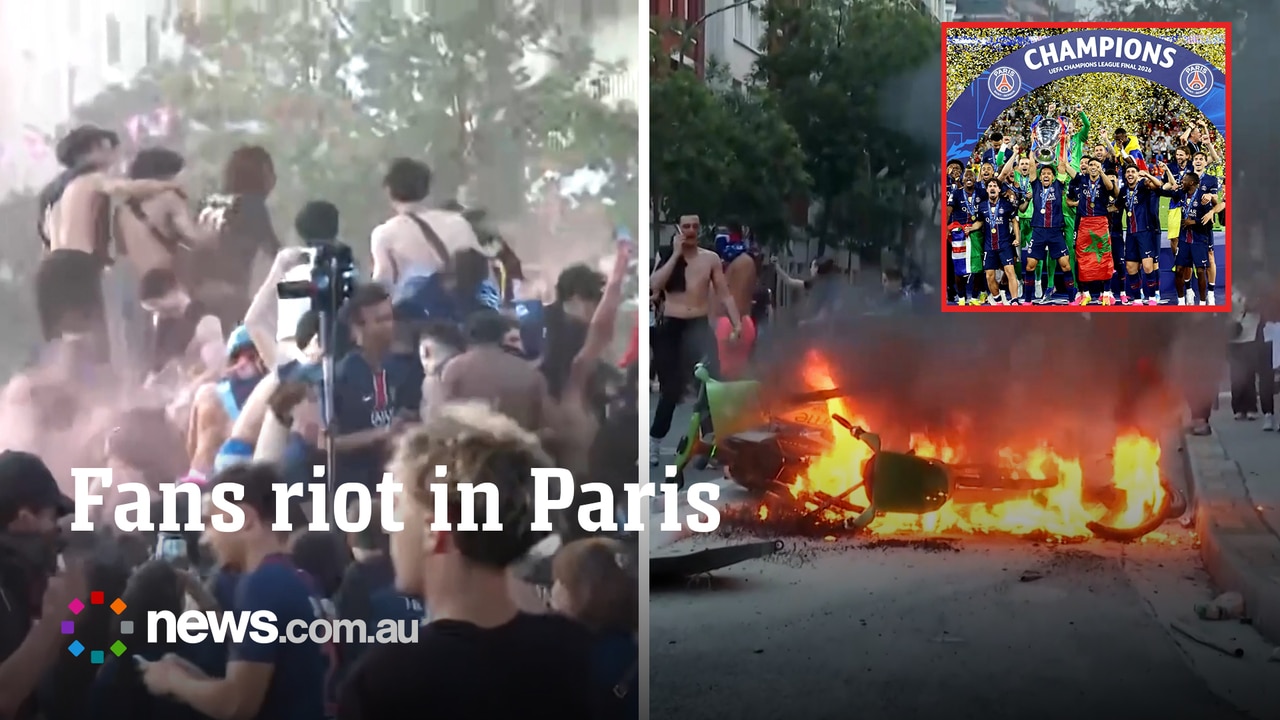
The magnitude of the response caught many by surprise, as what started as spontaneous street parties transformed into coordinated acts of vandalism and confrontation with police forces. Social media footage showed overturned vehicles, broken storefronts, and clouds of tear gas filling the air in several French cities, creating an unsettling juxtaposition against the backdrop of what should have been a historic sporting achievement. The incident has reignited debates about crowd control, fan behavior, and the responsibility of both clubs and authorities in managing large-scale public celebrations.
The Scale of the Unrest
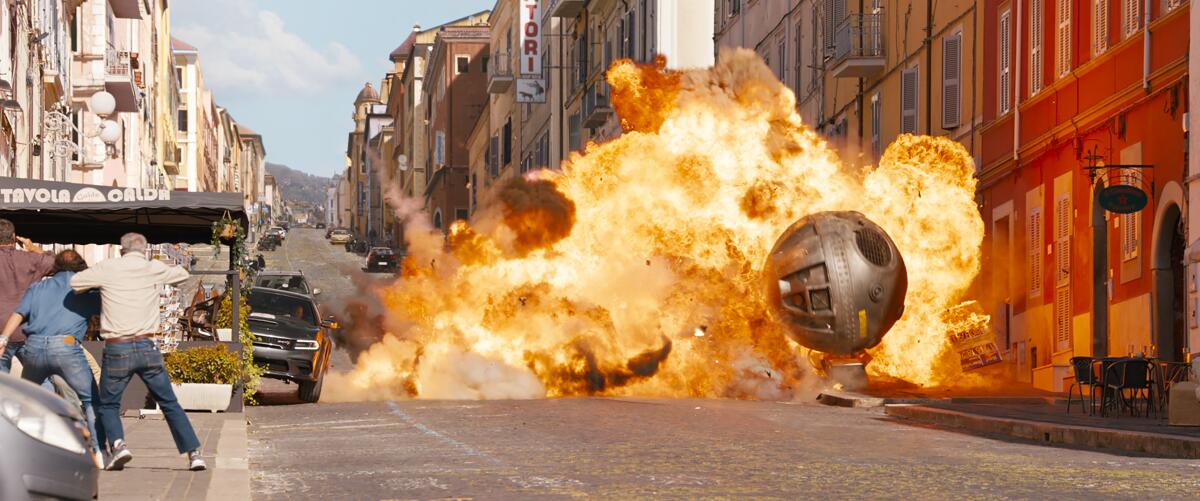
The breadth of the disturbances extended far beyond Paris, with incidents reported in Lyon, Marseille, Lille, and numerous smaller municipalities across the country. French authorities deployed riot police and specialized crowd control units to manage the situation, but the sheer volume of simultaneous celebrations-turned-riots stretched resources thin. Emergency services worked through the night to restore order, with many officers reporting injuries from projectiles thrown by unruly crowds. The economic impact of the violence became immediately apparent as business owners surveyed damaged properties and local municipalities calculated the costs of emergency response and cleanup efforts.
Image: AP News
Interior Ministry officials described the coordination required to manage the crisis as unprecedented for a sporting event, with multiple agencies working together to contain the violence while allowing peaceful celebrations to continue in designated areas. The arrest total of 416 individuals represents a significant law enforcement operation, with charges ranging from vandalism and public disorder to assault on police officers and incitement to violence. Many of those detained were found to have no direct connection to PSG, suggesting that opportunistic elements exploited the chaotic atmosphere to engage in criminal behavior.
PSG’s European Glory
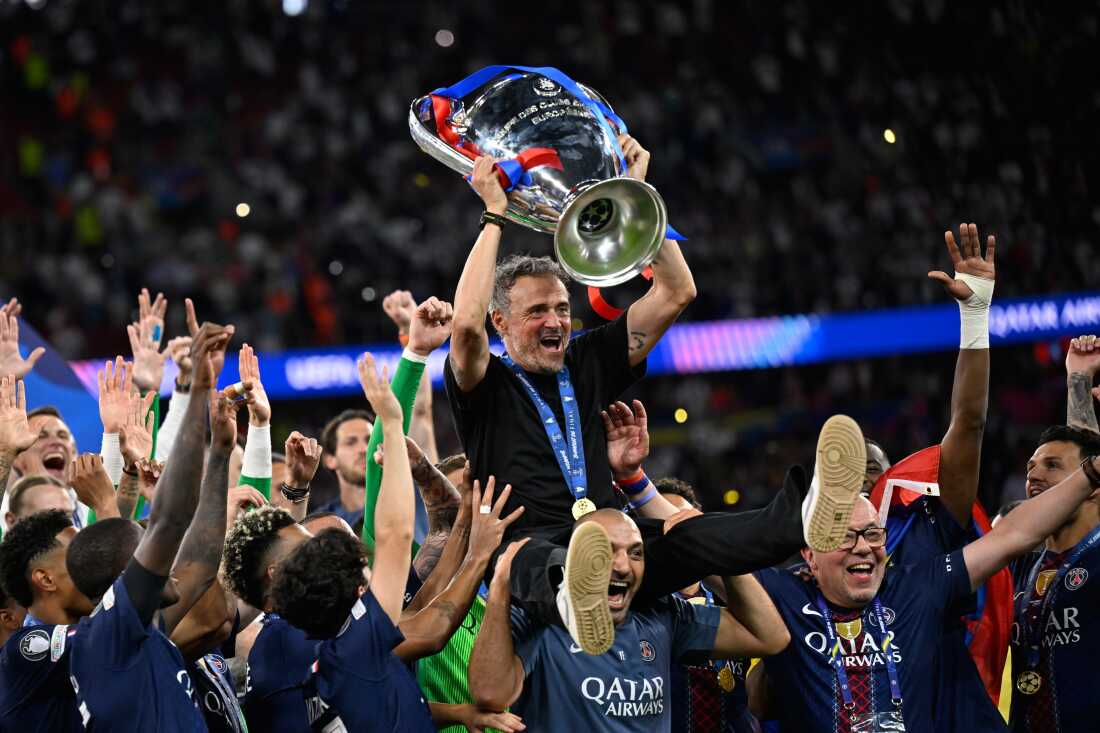
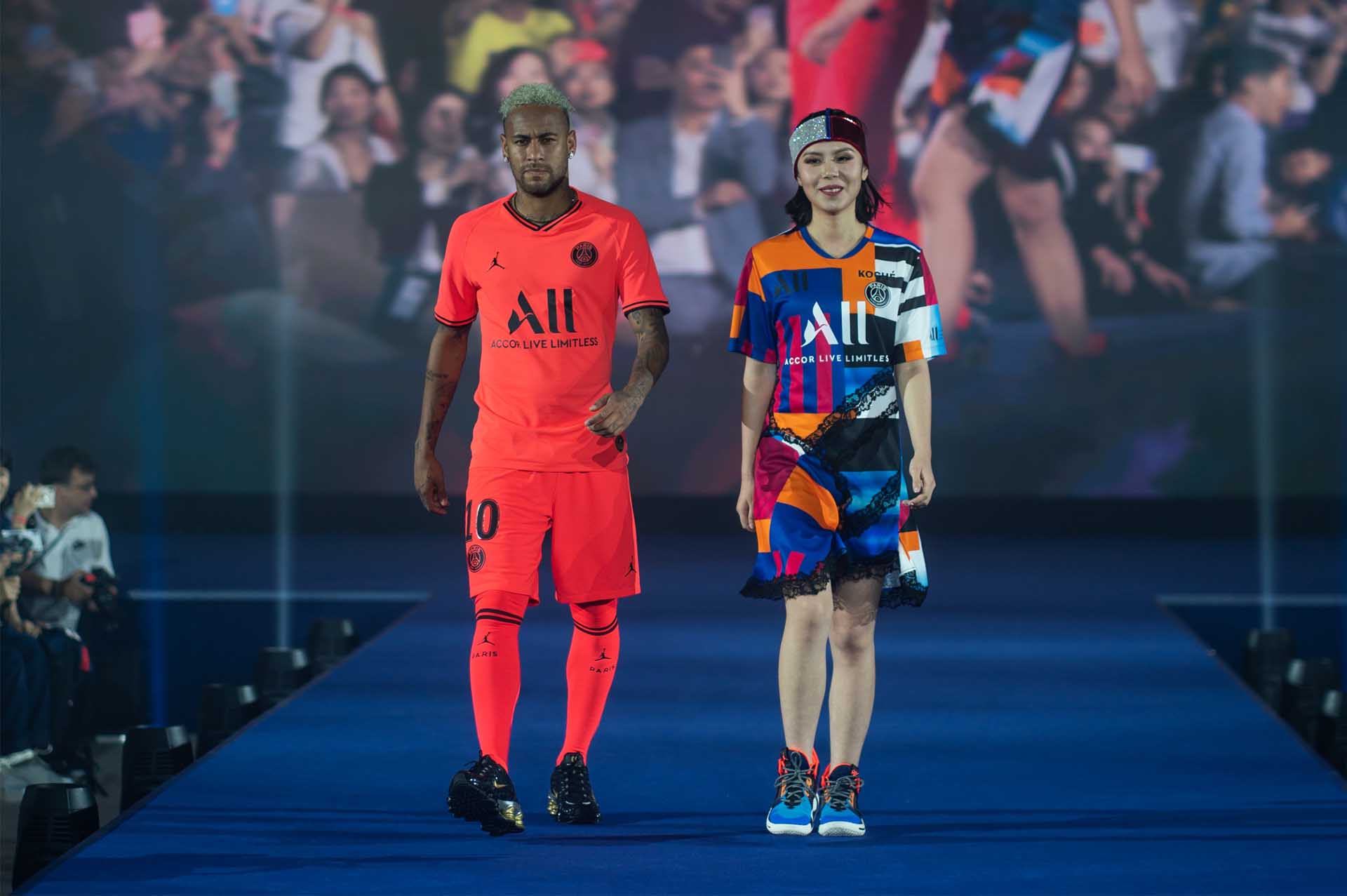
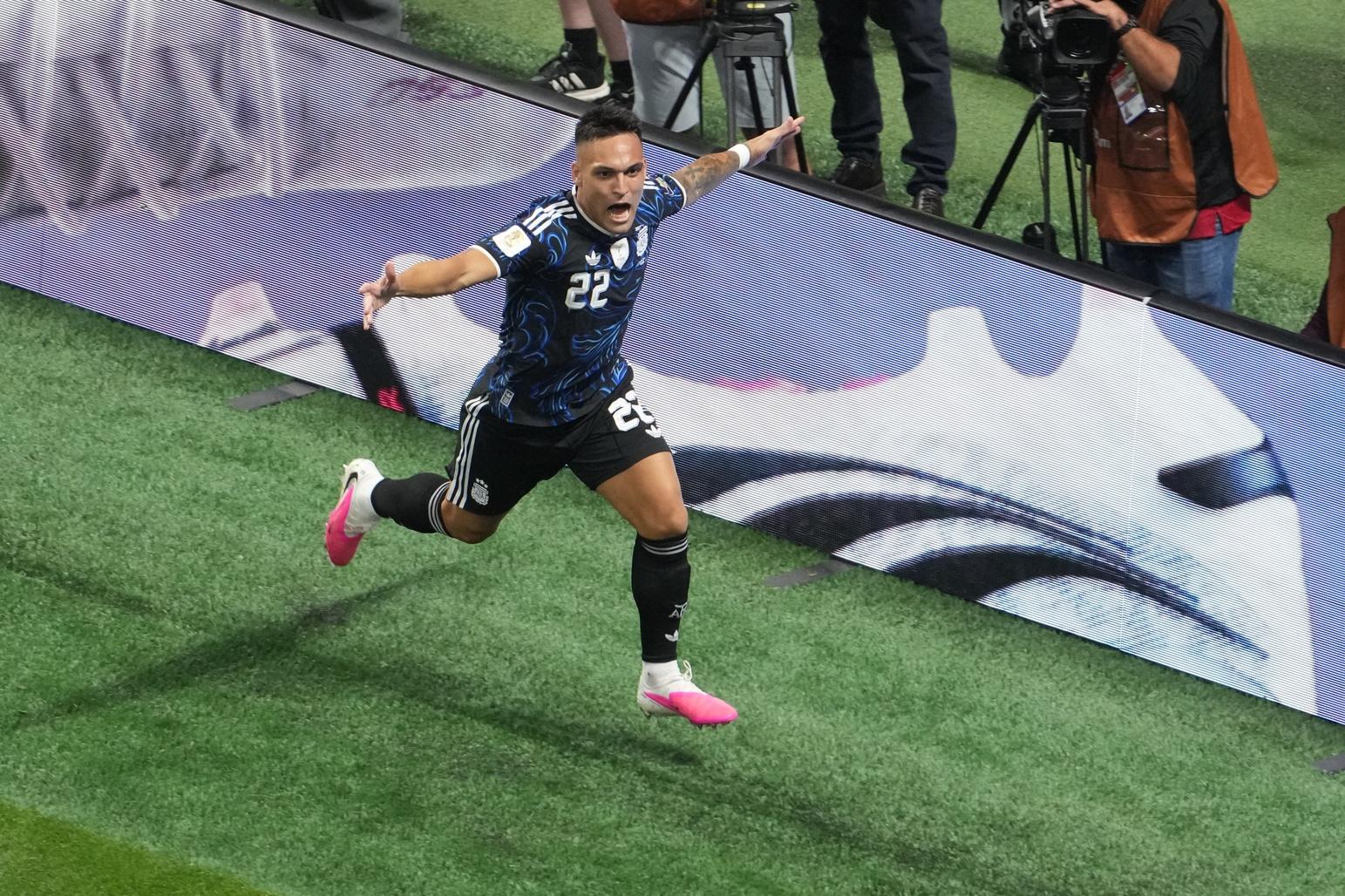
Paris Saint-Germain’s Champions League victory represented the culmination of years of investment and ambition from the Qatari-backed club. The team’s journey to European glory has been closely watched by entertainment and sports media worldwide, particularly given the star-studded roster that has included global icons like Lionel Messi, Neymar, and Kylian Mbappé in recent years. The club’s success has transcended traditional football boundaries, becoming a cultural phenomenon that intersects with fashion, music, and celebrity culture. PSG players have become fixtures in entertainment circles, collaborating with musicians, appearing at fashion weeks, and building personal brands that extend far beyond the football pitch.
Image: NPR
The victory itself was a masterclass in modern football, showcasing the tactical evolution and global appeal that has made the Champions League one of the most-watched sporting events worldwide. For PSG, this triumph validated their long-term strategy of combining world-class talent with cutting-edge sports science and marketing savvy. The team’s connection to popular culture has been particularly strong in recent years, with players regularly featured in music videos, fashion campaigns, and social media collaborations that blur the lines between sports and entertainment.
Ad SpaceIn-Article - 300x250
Advertisement
A Pattern of Post-Match Violence
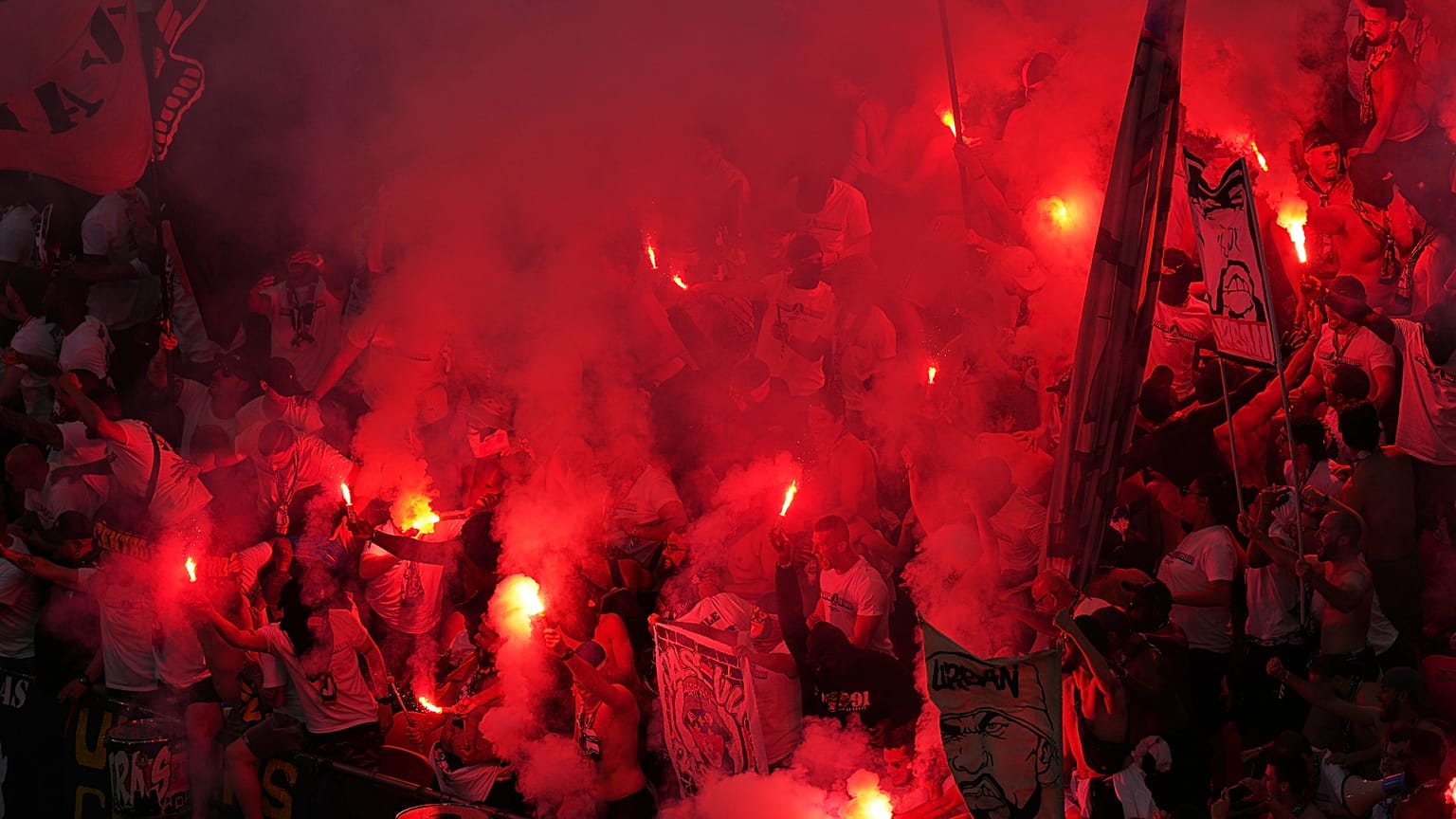
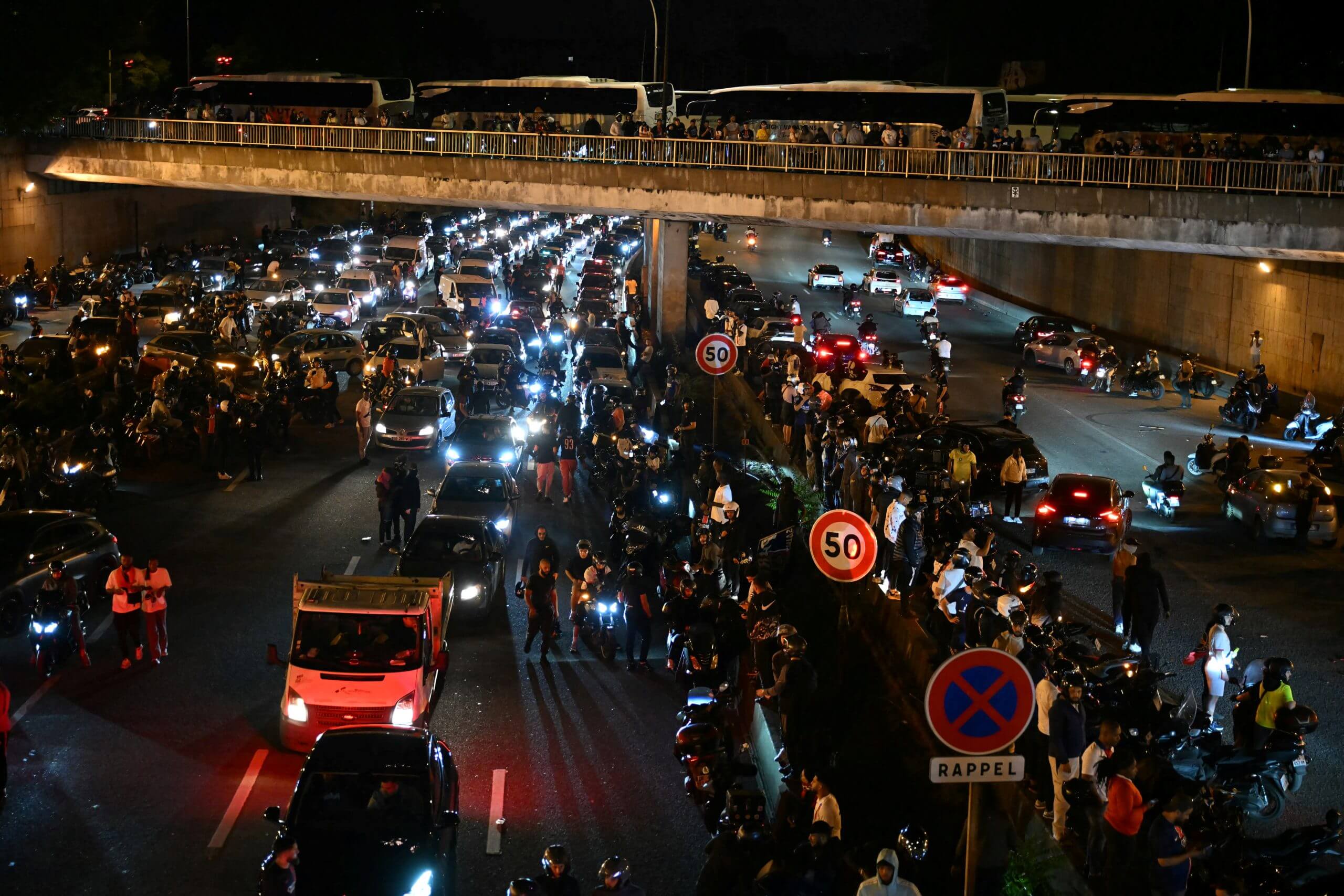
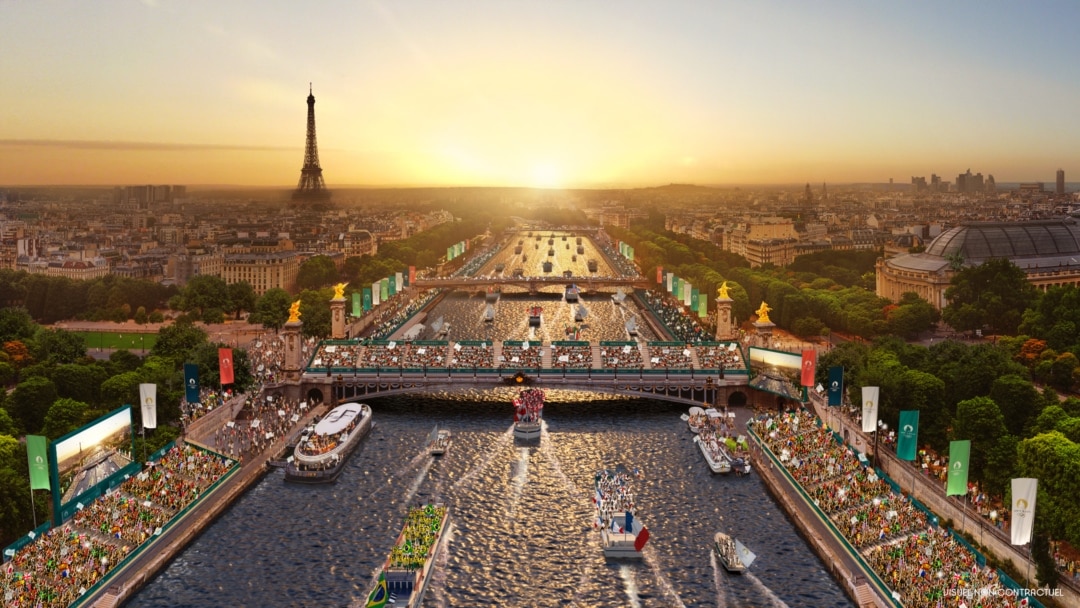
Unfortunately, the violent aftermath of PSG’s victory fits into a troubling pattern of sports-related unrest that has plagued European football for decades. From the infamous Heysel Stadium disaster to more recent incidents involving various clubs across the continent, the intersection of passionate fandom and civil disorder remains a persistent challenge for authorities. What makes this incident particularly concerning is how quickly celebratory crowds can transform into destructive mobs, especially when fueled by alcohol and mob mentality. The phenomenon isn’t unique to France, as similar scenes have played out in cities across Europe following major sporting victories and defeats.
Image: Wikipedia
Sports psychologists and sociologists have long studied the triggers that can cause peaceful celebrations to spiral into violence, identifying factors such as crowd density, alcohol consumption, inadequate police preparation, and the presence of organized troublemakers. The entertainment value of modern football, amplified by social media and 24-hour news cycles, can sometimes contribute to these situations by creating unrealistic expectations for dramatic public displays of emotion. The challenge for authorities lies in distinguishing between genuine fans expressing joy and opportunistic individuals seeking to exploit chaotic situations for personal gain.
The Entertainment Industry’s Role
The modern football landscape has become increasingly intertwined with the broader entertainment industry, creating new dynamics around how fans interact with their teams and express their support. PSG, in particular, has cultivated an image that extends far beyond traditional football culture, partnering with fashion brands, hosting celebrity events, and creating content that appeals to entertainment audiences worldwide. This crossover appeal has attracted new demographics to football fandom, but it has also complicated the traditional understanding of supporter culture and crowd management.
Image: SoccerBible
Social media platforms have fundamentally changed how sporting celebrations unfold, with fans feeling pressure to create increasingly dramatic and shareable content. The desire for viral moments can sometimes override common sense and public safety considerations, leading to dangerous situations as individuals seek to capture the most extreme reactions possible. Entertainment media coverage of these events also plays a role, as sensationalized reporting can sometimes glorify destructive behavior or fail to adequately emphasize the legal and personal consequences of participating in riots.
Looking Forward: Lessons Learned
The aftermath of PSG’s Champions League victory and the subsequent unrest has prompted serious discussions about how French authorities and football clubs can better manage future celebrations. Proposed solutions include designated celebration zones, improved coordination between clubs and local authorities, and enhanced social media monitoring to identify potential trouble spots before they escalate. The entertainment industry’s influence on modern football culture means that any effective response must consider the complex motivations and expectations of contemporary fans who view sporting events as entertainment spectacles rather than simple athletic competitions.
Image: VOA
Moving forward, the challenge will be preserving the authentic passion and joy that makes football celebrations so compelling while preventing the destructive elements that can overshadow sporting achievements. PSG’s historic victory should be remembered for the team’s exceptional performance and the genuine happiness it brought to millions of supporters, not for the criminal behavior of a relative few who chose violence over celebration. The lessons learned from this incident will likely influence crowd management strategies across Europe, as authorities recognize that modern football celebrations require new approaches that account for the entertainment industry’s growing influence on sports culture.
The intersection of sports, entertainment, and public safety continues to evolve, and events like these serve as important reminders that the spectacle of modern football comes with real-world responsibilities for everyone involved - from club officials and players to fans and authorities.
Ad SpaceIn-Article - 300x250
Advertisement
Share
Get the recap
Loved this story? Get more like it.
Join readers who get our weekly entertainment recap - the stories worth your time, delivered every Friday.
No spam. Unsubscribe anytime. By signing up you agree to our Privacy Policy.