
Table of Contents
- A Night Transformed Into a Celebration
- Who Was Oliver Tree?
- A Friendship Built on Mutual Respect
- What Went Down in Toronto
- How Fans Have Responded
- When Music Becomes a Space for Grief
A Night Transformed Into a Celebration
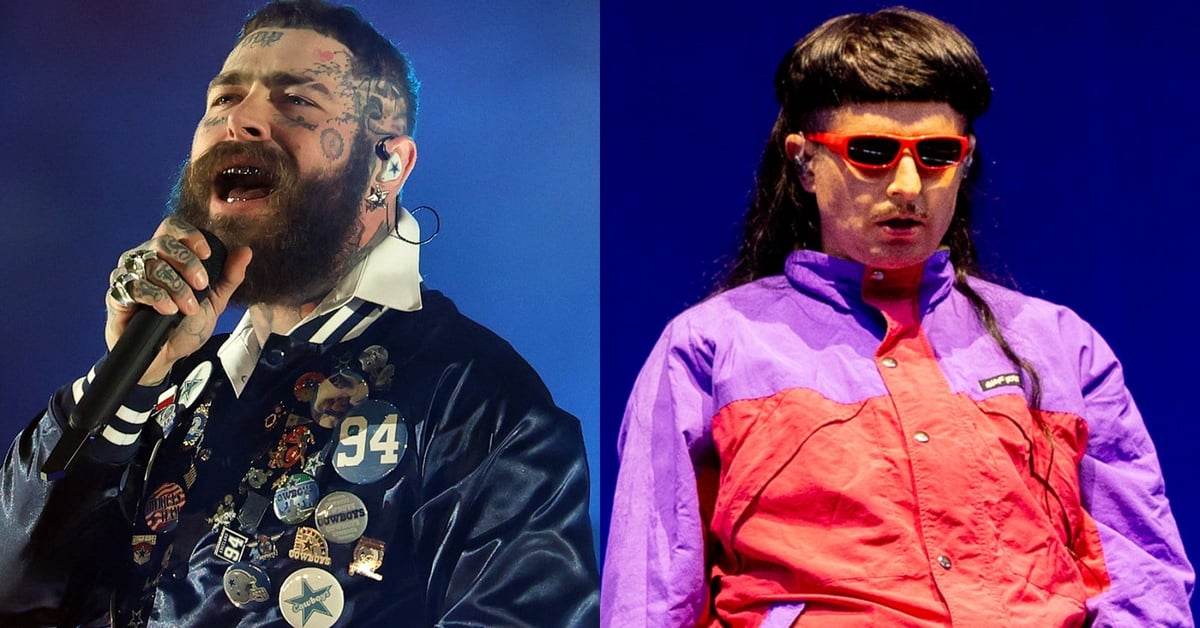
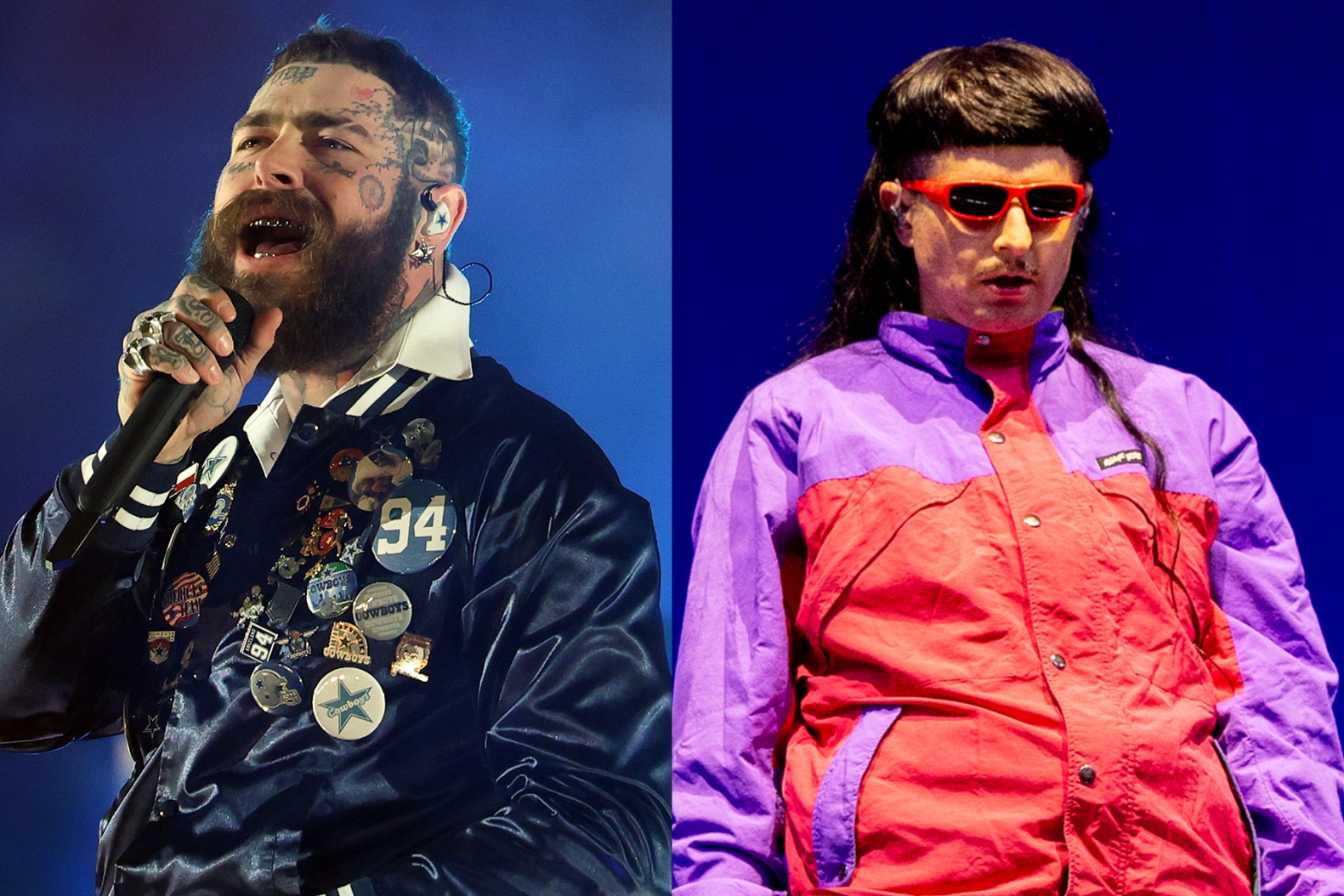
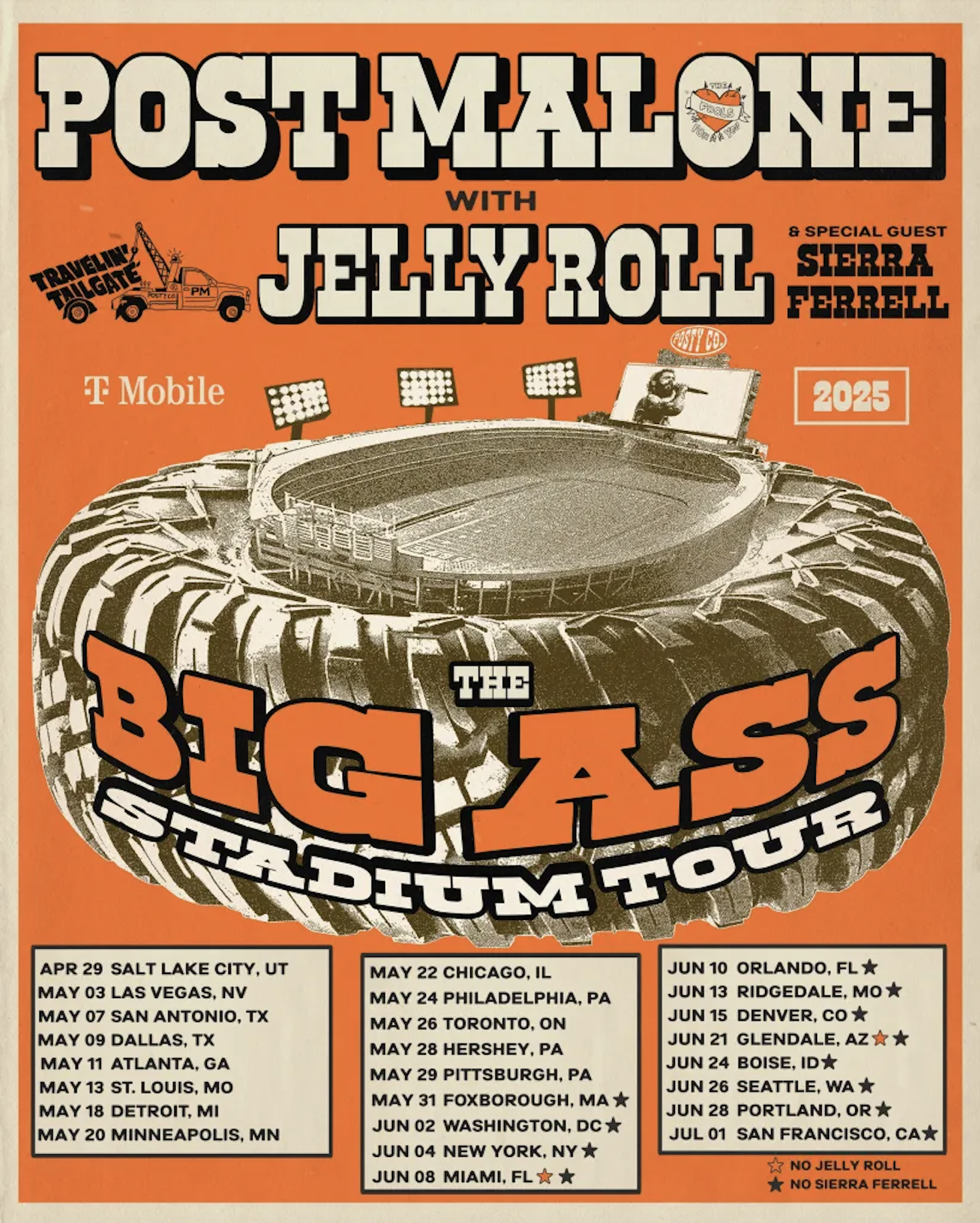
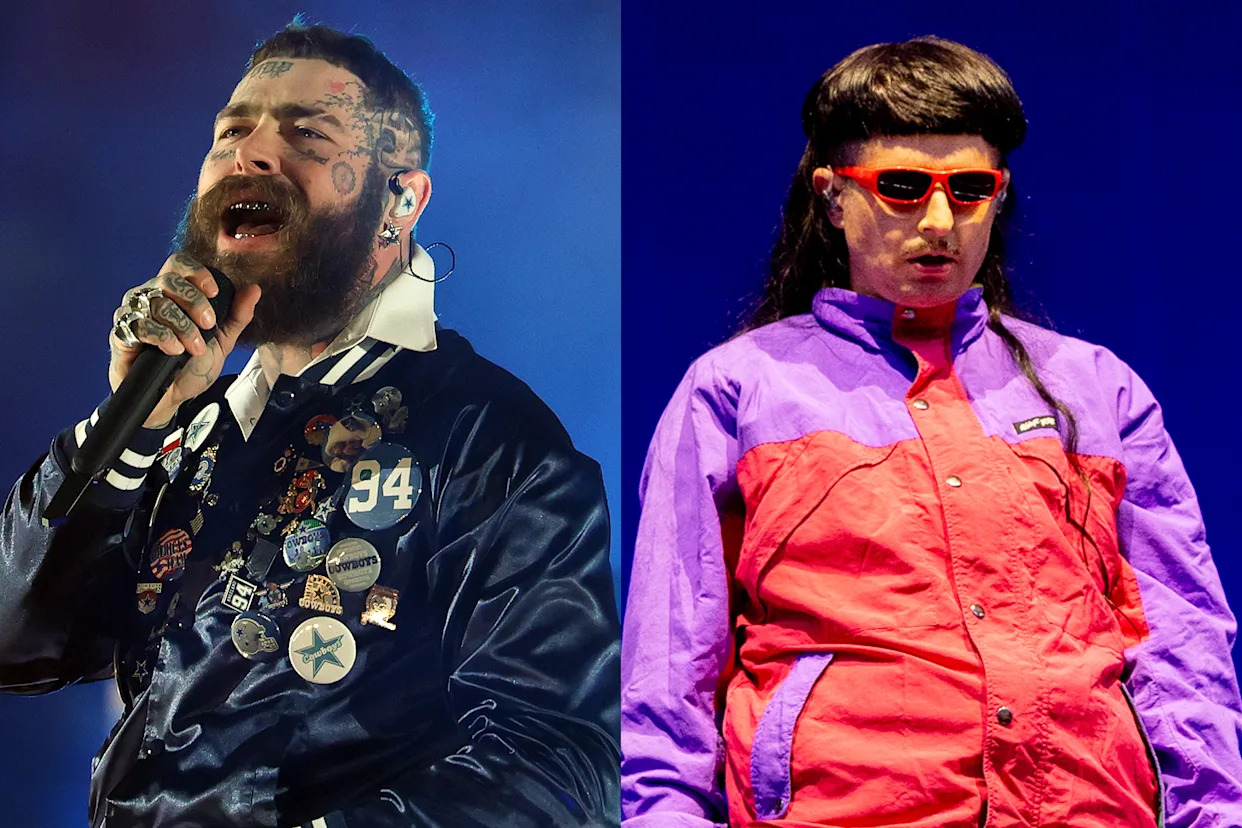
There are concerts, and then there are moments. Post Malone delivered the latter in Toronto recently when he took the stage and, before the music could even fully take hold of the crowd, made clear that the evening would carry a meaning far deeper than a typical tour stop. Speaking directly to his audience with visible emotion, the multi-platinum artist described the night as “a celebration of the life of an absolutely beautiful, beautiful man” - a dedication to Oliver Tree, the eccentric and wildly creative artist whose unexpected passing sent shockwaves through the music world. It was the kind of raw, unscripted honesty that reminds audiences why they fall in love with artists in the first place: not just the songs, but the humanity behind them.
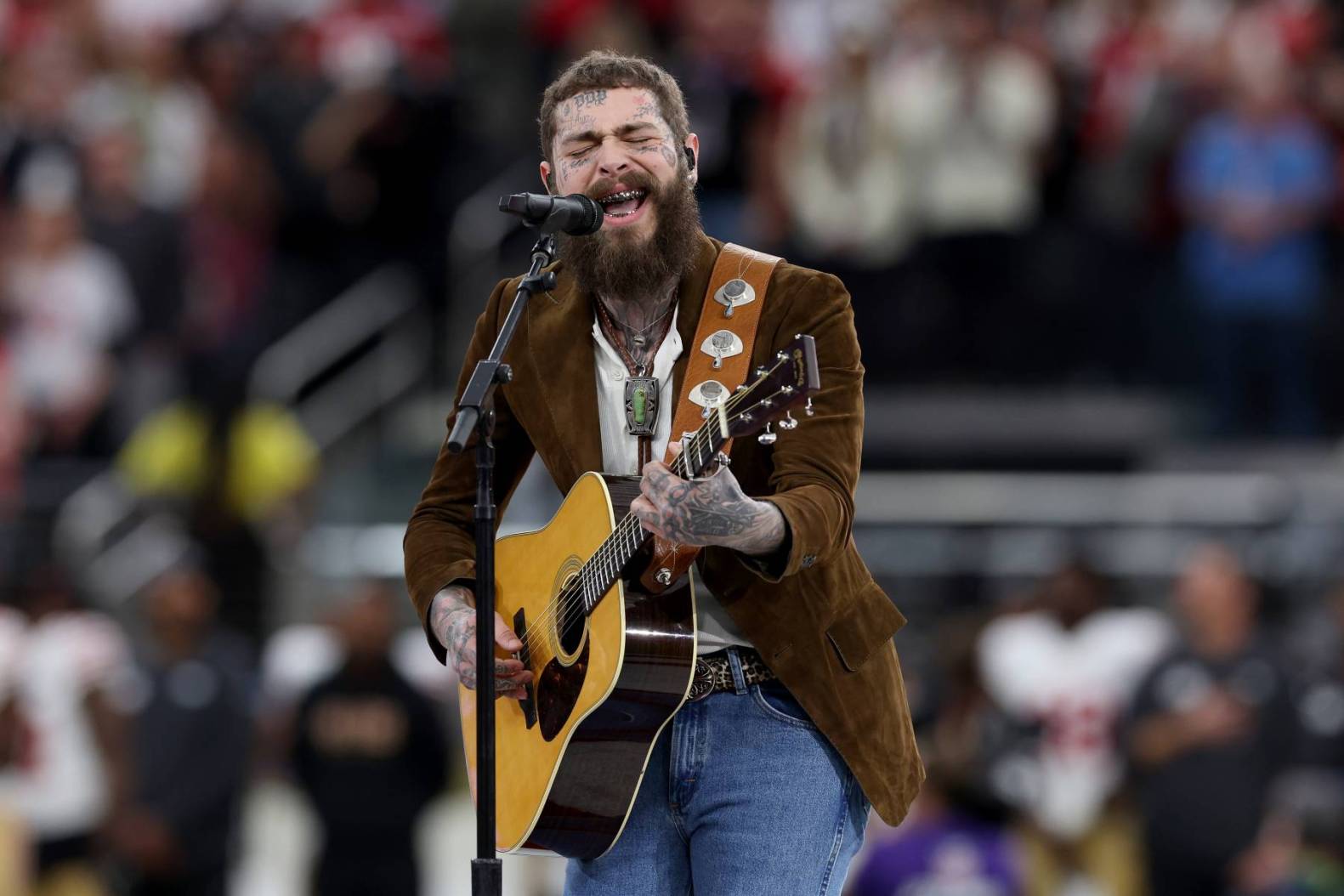
Post Malone, born Austin Richard Post, has never been someone who hides his feelings behind a polished PR veneer. From his early breakout days to his evolution into one of the most genre-defying stars of his generation, he has consistently worn his heart on his sleeve - and his tattoos on his face. So when he chose to address the Toronto crowd with such open grief and love, it felt completely in character. The dedication set the emotional temperature for the rest of the night, turning what would have been a high-energy arena show into something simultaneously celebratory and bittersweet.
Who Was Oliver Tree?
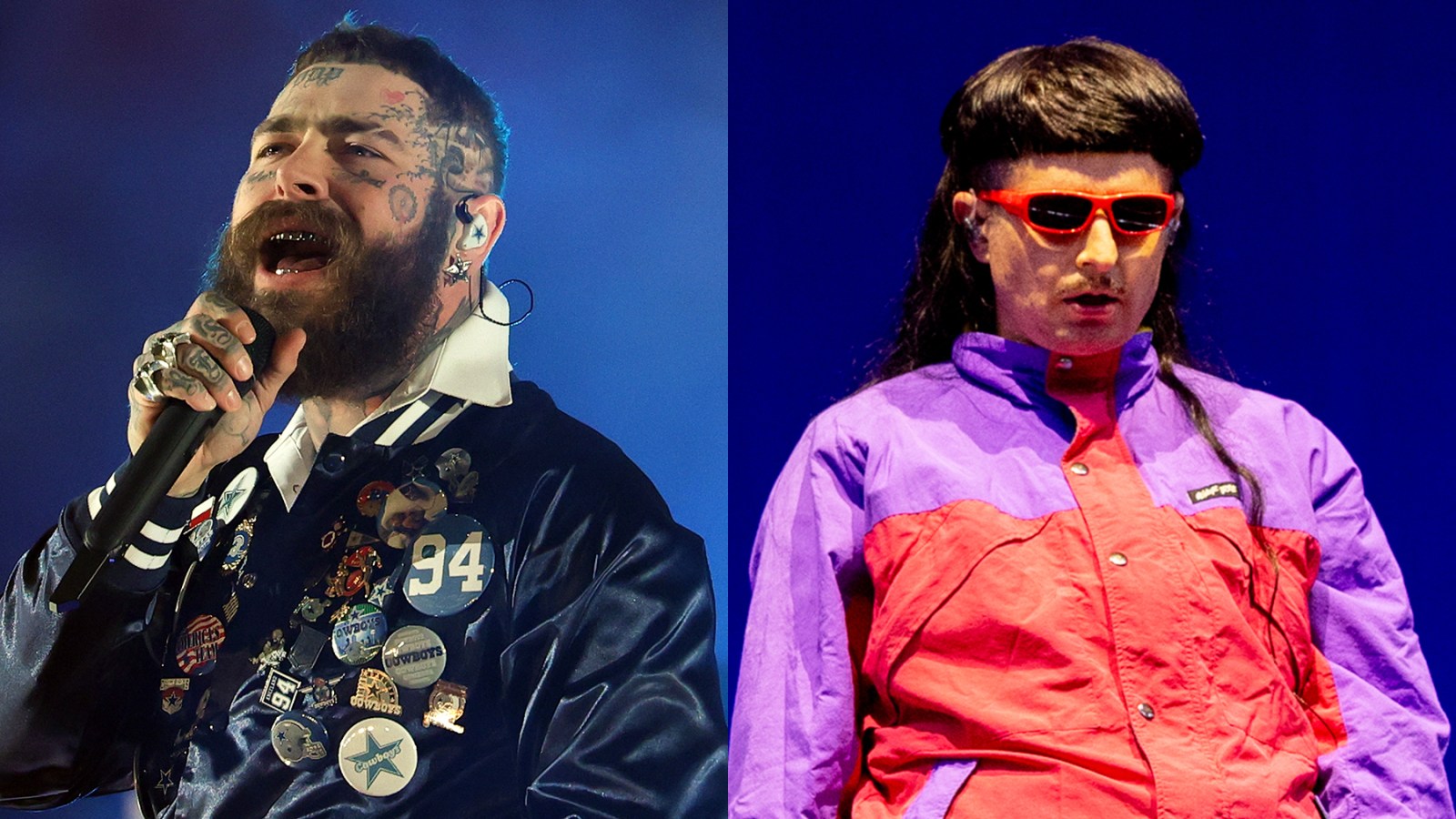
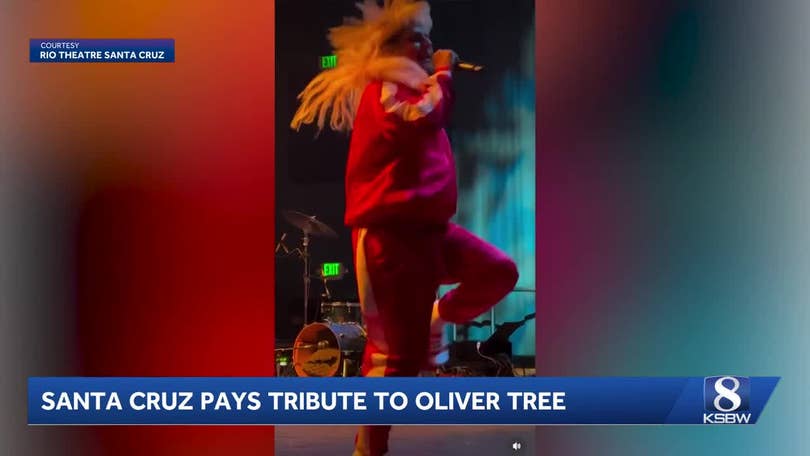
For anyone who encountered Oliver Tree - really encountered him - the experience was unforgettable. Born Oliver Tree Nickell, the California-born singer, songwriter, rapper, and filmmaker built one of the most distinctive artistic identities in modern alternative music. His signature look, complete with a bowl cut, oversized suits, and a deliberate retro aesthetic, was as much a part of his art as the music itself. His 2020 debut album Ugly Is Beautiful became a cult favorite, blending post-punk energy with hyperpop sensibilities and lyrically raw confessions that resonated with a generation of listeners who felt like perpetual outsiders. Songs like “Cowboy Tears” and “Life Goes On” demonstrated that beneath the elaborate persona was a genuinely gifted songwriter with a rare ability to make pain feel cathartic rather than crushing.

Oliver Tree was also known for his sharp wit and his willingness to blur the line between satire and sincerity in ways that kept fans and critics perpetually guessing. He was never quite what you expected, and that unpredictability was part of his genius. His passing marks not just the loss of a promising career but the silencing of a creative voice that had barely scratched the surface of what it was capable of producing. The outpouring of tributes from across the music industry following his death has made one thing undeniably clear: Oliver Tree mattered deeply to the people who knew him and to the millions who found something of themselves in his music.
A Friendship Built on Mutual Respect
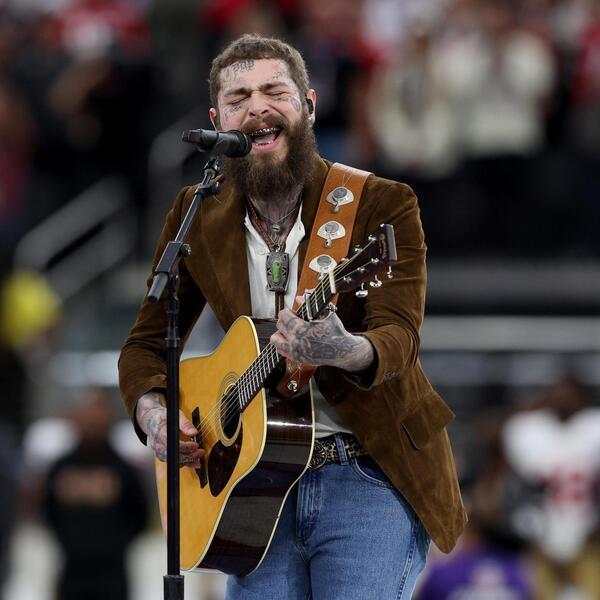
The music industry, for all its glitter and commercial machinery, is ultimately a small world - and within it, genuine friendships between artists tend to be forged through shared experiences of creativity, vulnerability, and the strange pressures of public life. Post Malone and Oliver Tree existed in overlapping creative spaces: both were genre-fluid, both operated outside of easy categorization, and both had earned their audiences through authenticity rather than formula. Their mutual respect was something that had been evident to fans and industry insiders alike, making Posty’s tribute feel not like a celebrity gesture but like genuine grief from someone who had lost a real friend.
Post Malone has weathered personal losses before and has often channeled grief and emotional complexity directly into his creative work. His music has long dealt in themes of loneliness, friendship, and the bittersweet nature of success - themes that Oliver Tree explored with equal honesty. There is a certain poetry in the fact that it was Posty who chose to turn a concert stage into a memorial space, because for both of these artists, the stage was never just a place to perform. It was a place to tell the truth. And on that Toronto night, the truth Post Malone told was simple and devastating: someone beautiful was gone, and the world was lesser for it.