
Table of Contents
- A Groundbreaking Change in Women’s Healthcare
- Why This Name Change Actually Matters
- Celebrity Advocates Who’ve Brought PCOS into the Spotlight
- Moving Beyond Just the Ovaries
- What This Means for Treatment and Awareness
- The Future of Women’s Health Advocacy
A Groundbreaking Change in Women’s Healthcare

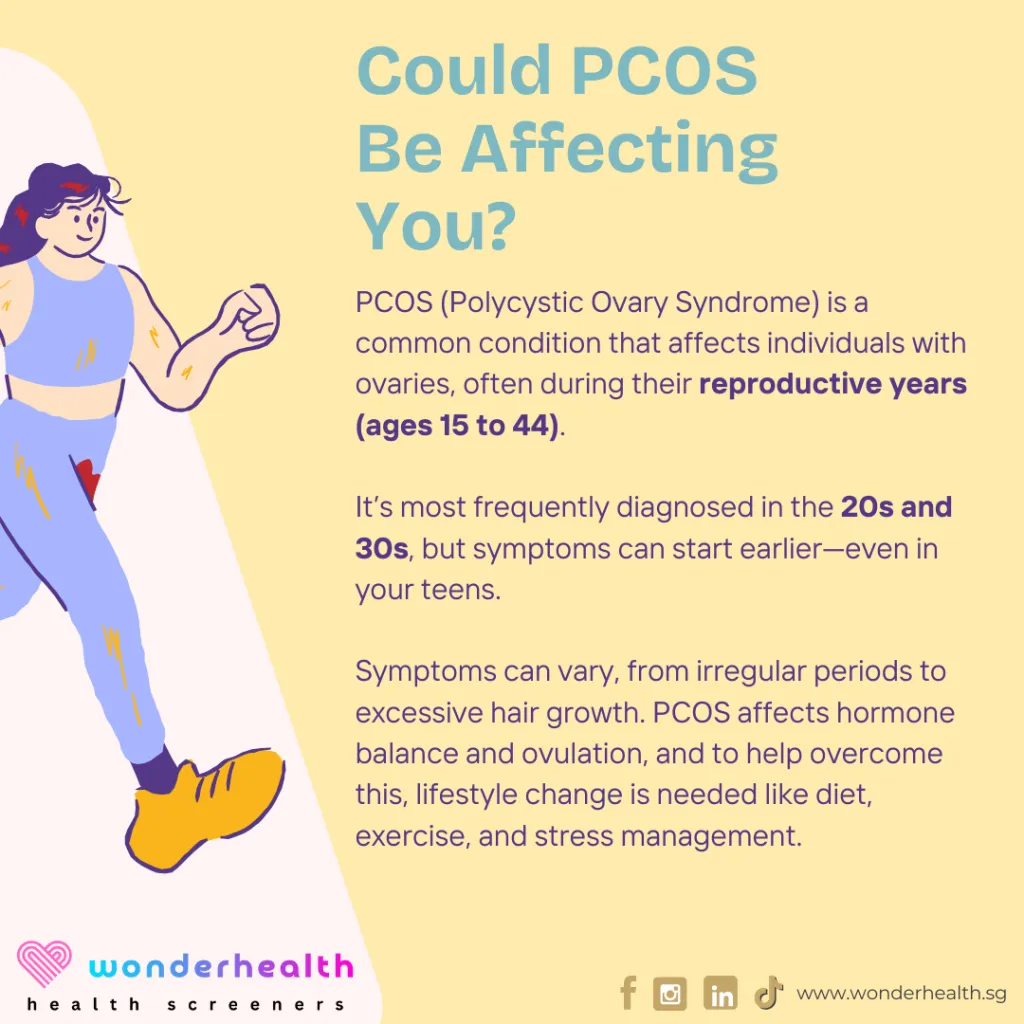
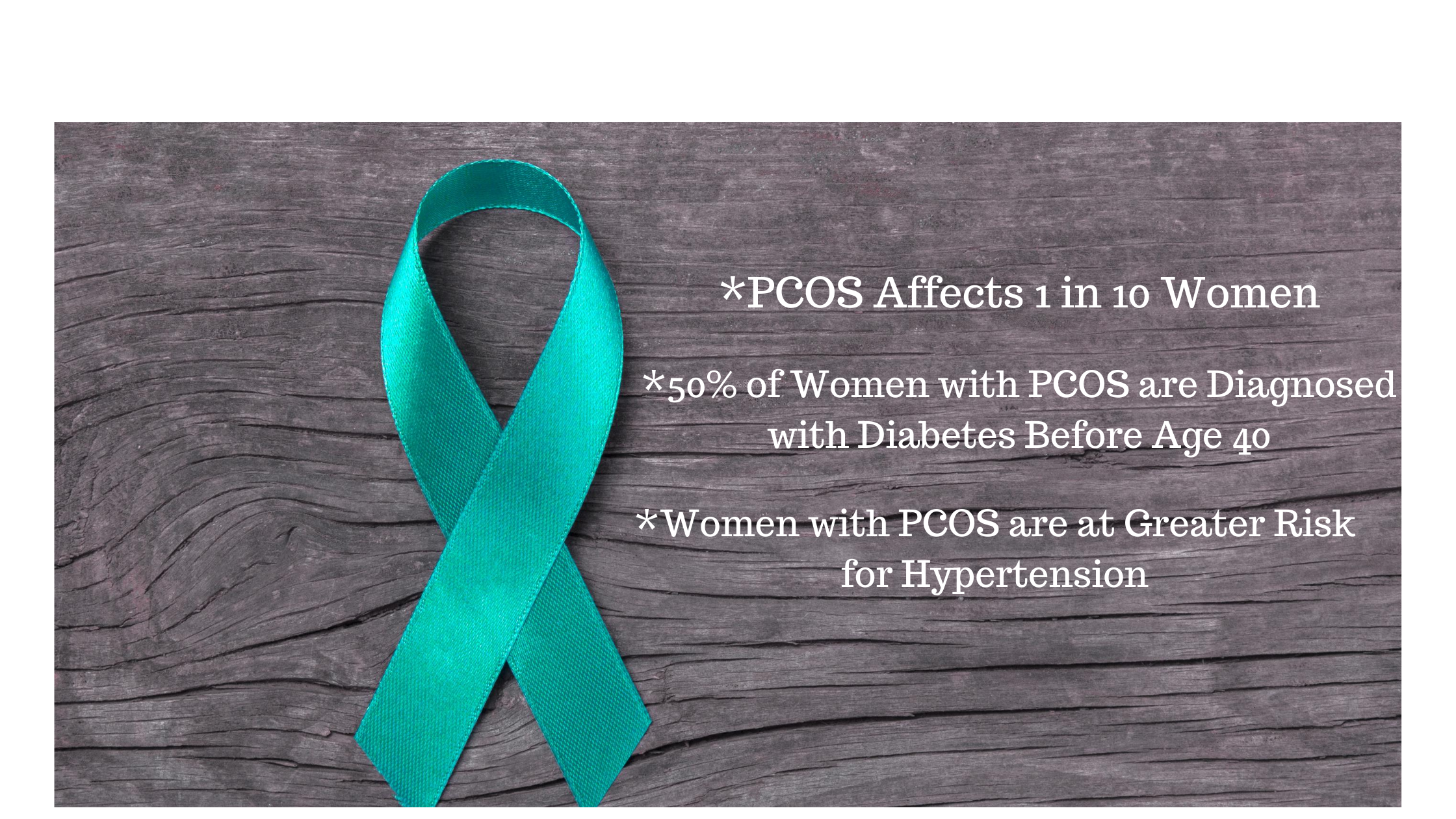
In a move that’s sending ripples through the medical community and beyond, one of the most common hormonal disorders affecting women has officially received a new identity. On May 12, 2026, Polycystic Ovary Syndrome - better known as PCOS - was formally renamed Polyendocrine Metabolic Ovarian Syndrome, or PMOS, in a landmark publication in The Lancet. This isn’t just medical jargon getting shuffled around; it’s a fundamental shift in how we understand and approach a condition that affects roughly 170 million women globally. The change represents decades of advocacy from patients, researchers, and healthcare professionals who argued that the original name was not only misleading but potentially harmful to proper diagnosis and treatment.
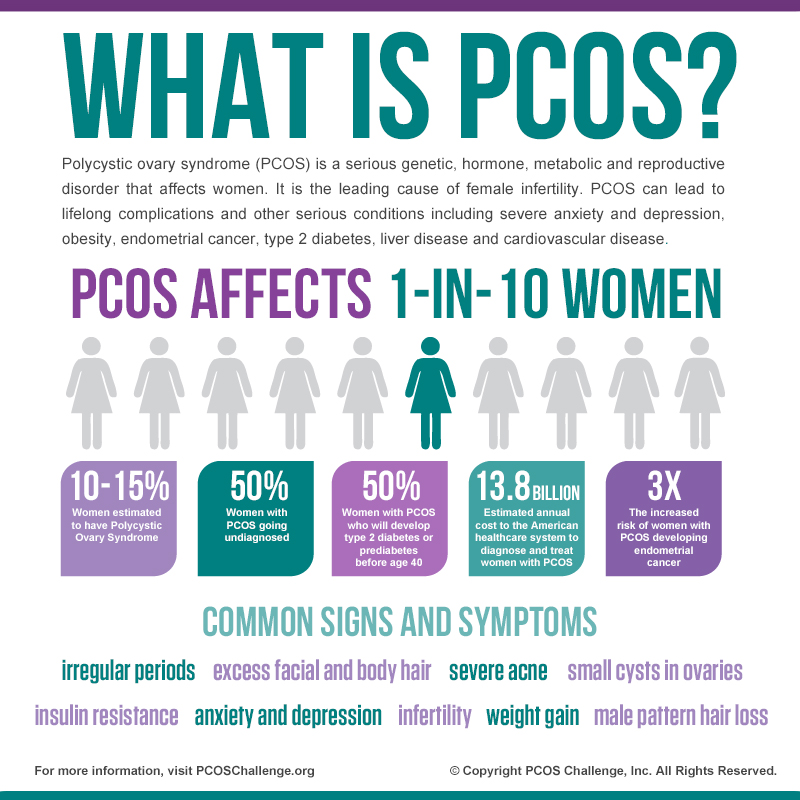
The timing of this announcement couldn’t be more significant, coming at a moment when women’s health issues are receiving unprecedented attention in mainstream media and entertainment. From social media influencers sharing their hormone journey stories to A-list celebrities opening up about their struggles with reproductive health, the conversation around conditions like PCOS has moved from whispered doctor visits to front-page news. This renaming to PMOS reflects not just scientific progress but also the power of collective voices demanding better understanding and care for women’s health issues that have been historically misunderstood or dismissed.
Why This Name Change Actually Matters
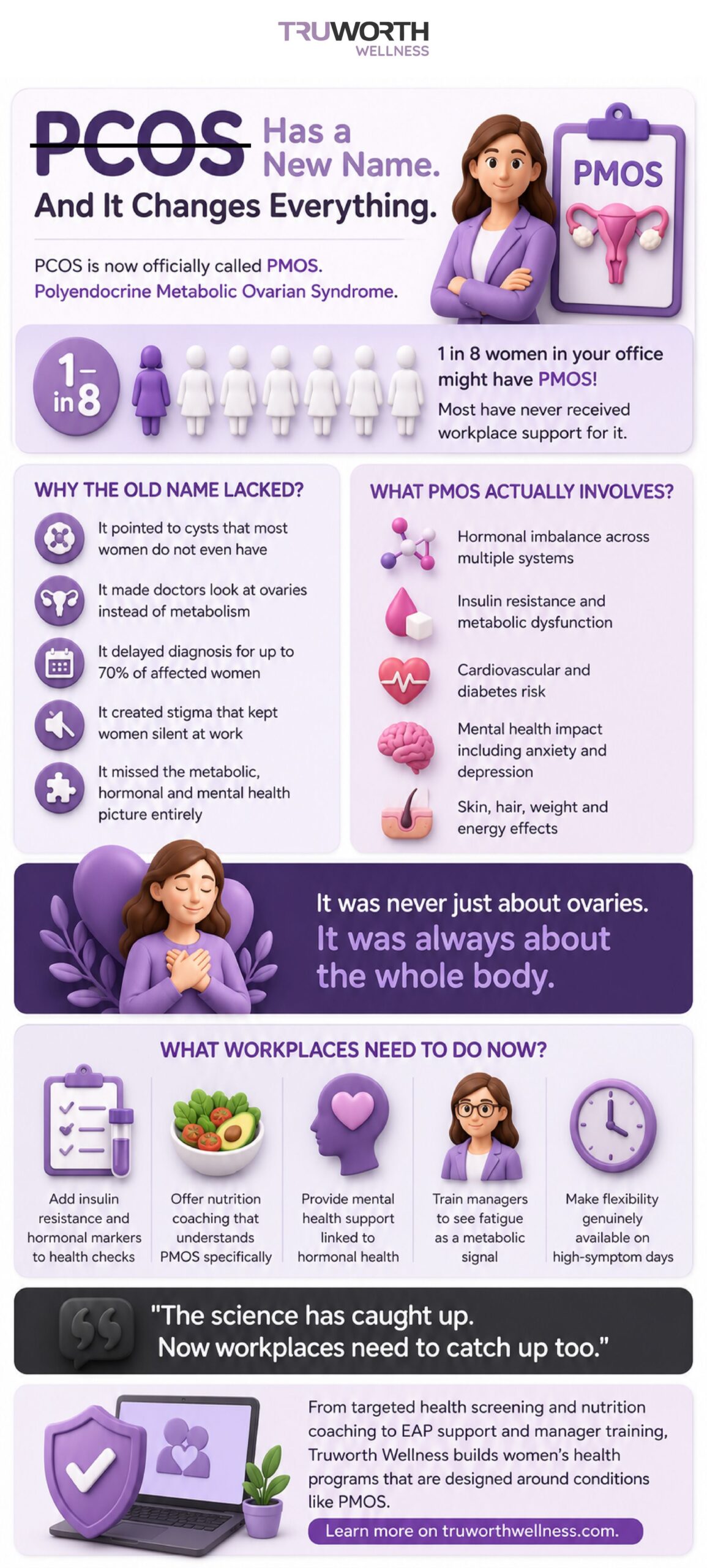
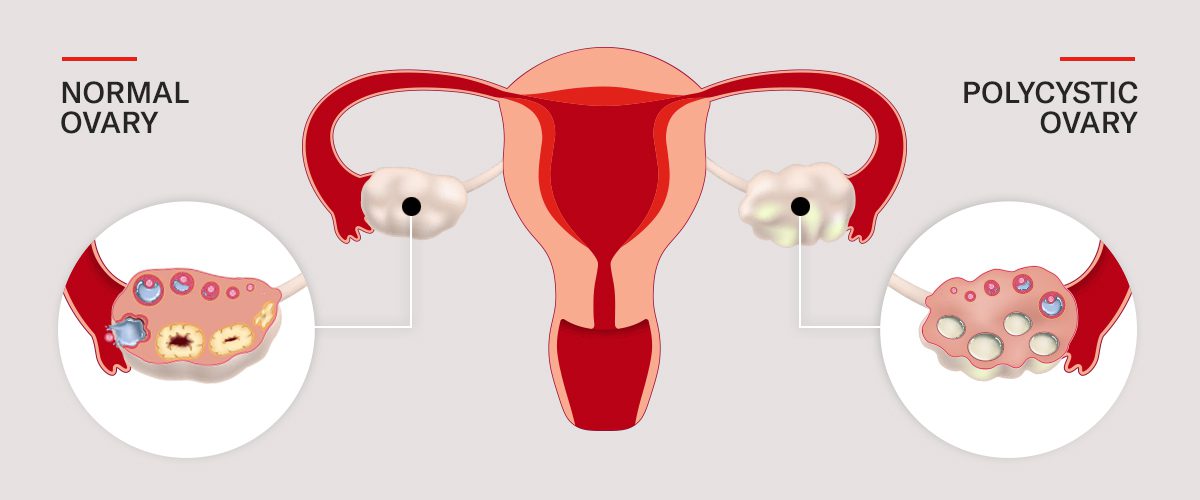
The original name “Polycystic Ovary Syndrome” was problematic for several crucial reasons that go far beyond semantics. First, not all women with the condition actually develop cysts on their ovaries, which led to countless misdiagnoses and delayed treatment. Second, the focus on “ovaries” made it sound like a purely reproductive issue, when in reality, PCOS affects everything from metabolism and insulin resistance to cardiovascular health and mental wellbeing. The new name, PMOS (Polyendocrine Metabolic Ovarian Syndrome), acknowledges that this is a complex, multi-system disorder that impacts the entire endocrine system, not just reproductive organs.
This shift in terminology is expected to revolutionize how healthcare providers approach diagnosis and treatment planning. Instead of focusing primarily on fertility concerns or cosmetic symptoms like acne and hair growth, the PMOS designation encourages a more holistic view that includes metabolic health, diabetes prevention, and cardiovascular risk management. For the entertainment industry, where appearance pressures are intense and irregular schedules can exacerbate hormonal imbalances, this broader understanding could lead to more comprehensive support systems for performers dealing with the condition.
Celebrity Advocates Who’ve Brought PCOS into the Spotlight

The path to this medical milestone has been paved by numerous high-profile advocates who’ve used their platforms to raise awareness about PCOS. Actresses like Gabrielle Union and Victoria Beckham have been vocal about their struggles with the condition, helping to normalize conversations about hormonal health in Hollywood. In the music world, artists across genres have shared their experiences, from pop stars discussing how PCOS affects their touring schedules to R&B singers opening up about the condition’s impact on their vocal performance due to hormonal fluctuations.
The Afrobeats and Nollywood communities have also seen growing awareness around PCOS, with several prominent figures using their influence to educate fans about symptoms and treatment options. This cultural shift has been particularly important in African entertainment markets, where discussions about women’s reproductive health have traditionally been more private. The renaming to PMOS could provide these advocates with more accurate language to describe their experiences and help their audiences understand that this condition extends far beyond reproductive concerns.