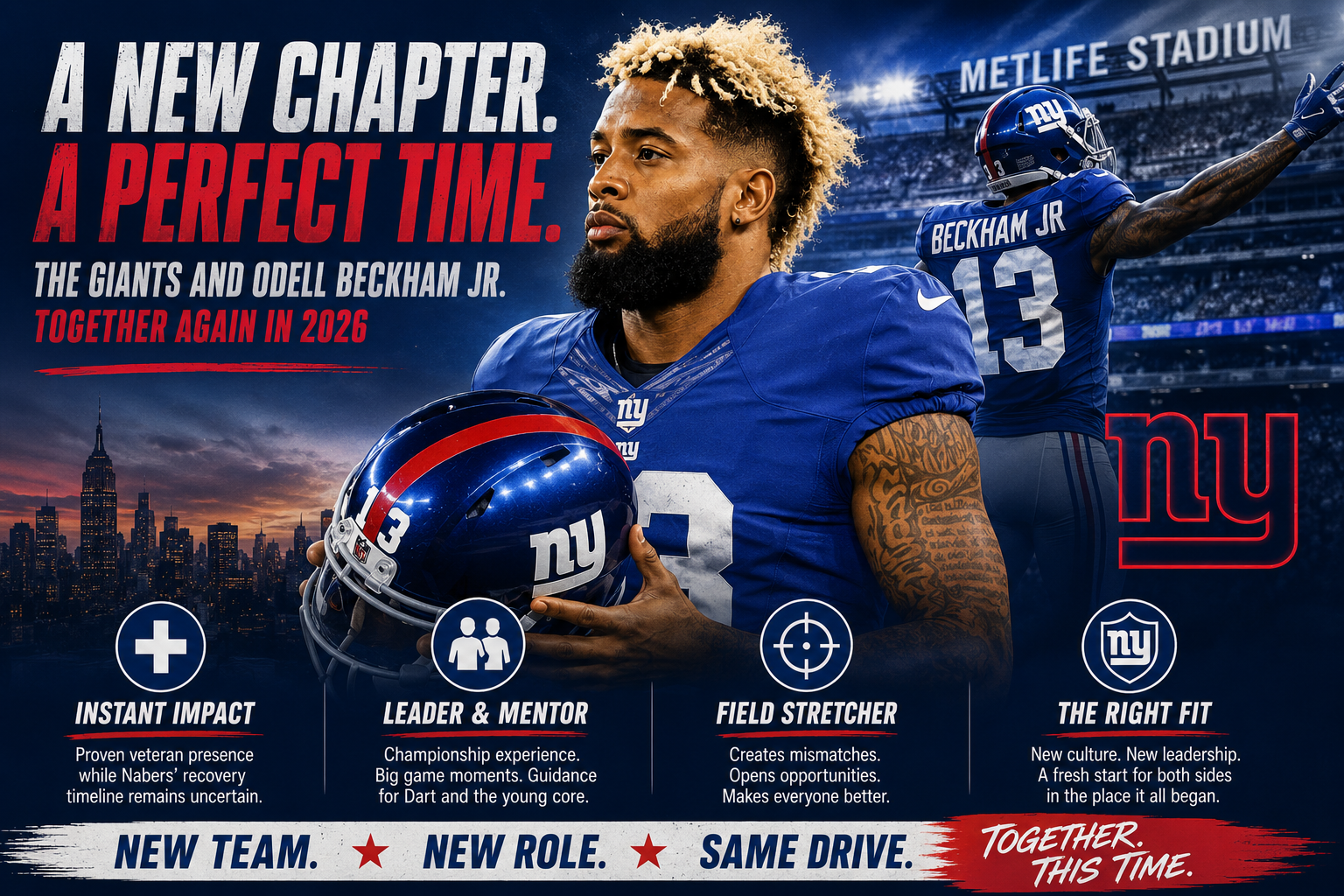
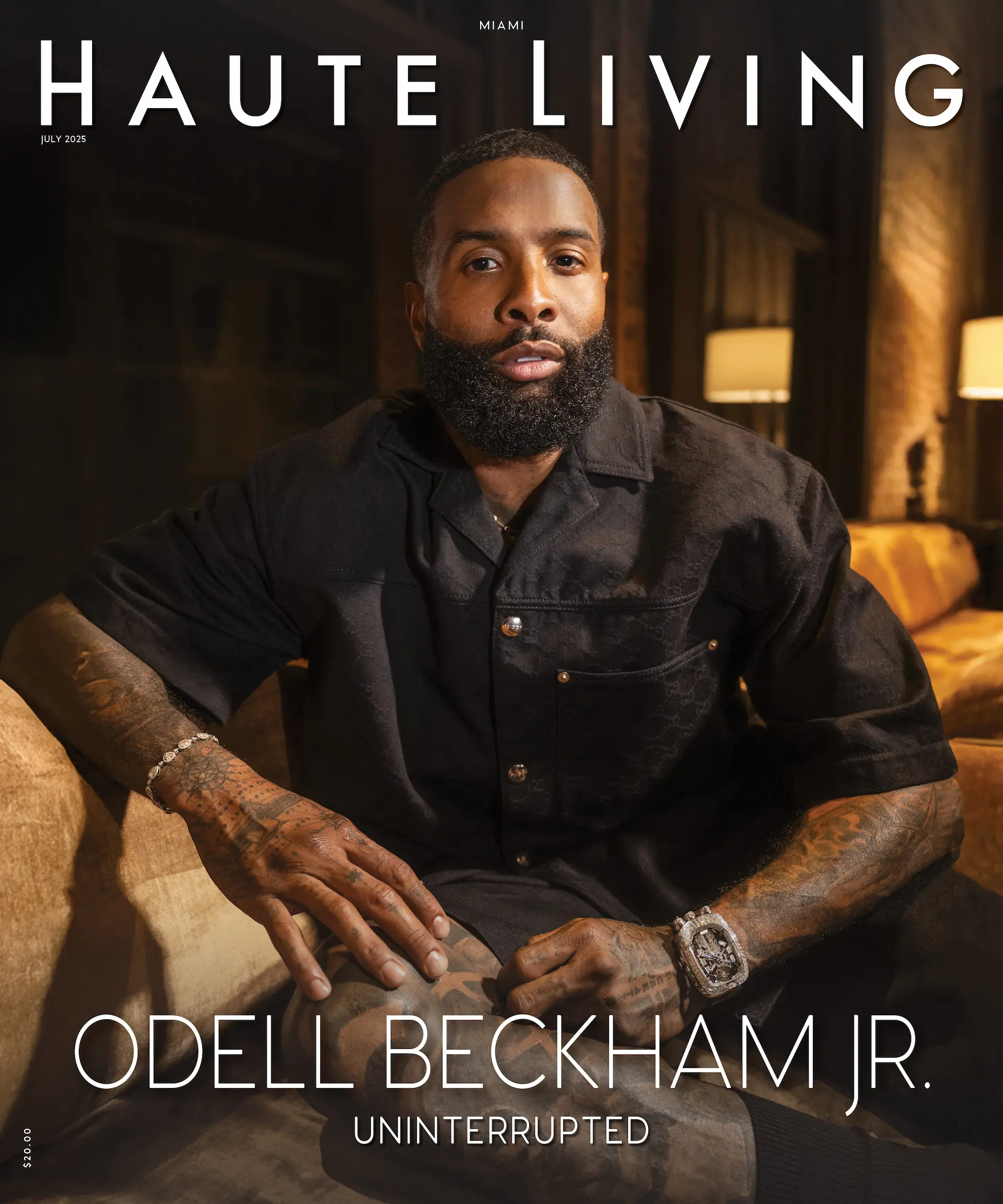

Three fingers, a backward fall, and a football pinned to the night air in MetLife Stadium. That is the image millions reach for when they hear the name Odell Beckham Jr, and most of them have never watched a full NFL game in their lives. The catch happened on a Sunday night in November 2014. The fame that followed never really stayed inside the white lines of a football field. It spilled into front rows at Paris Fashion Week, into recording studios, into Vogue spreads and sneaker boardrooms, into the kind of cultural conversation usually reserved for rappers and movie stars rather than wide receivers.
That is the strange and interesting thing about Beckham. He is one of the most famous American football players of his generation, yet his largest footprint may not be in the sport at all. He arrived at exactly the moment when Instagram and a viral highlight could make an athlete a global personality overnight, and he understood the assignment better than almost anyone who came before him. For an entertainment audience that cares more about who sits front row at Dior than who leads the league in receiving yards, Beckham is a useful figure to study. He is the blueprint for what a modern athlete-celebrity looks like.
The catch that made him bigger than football
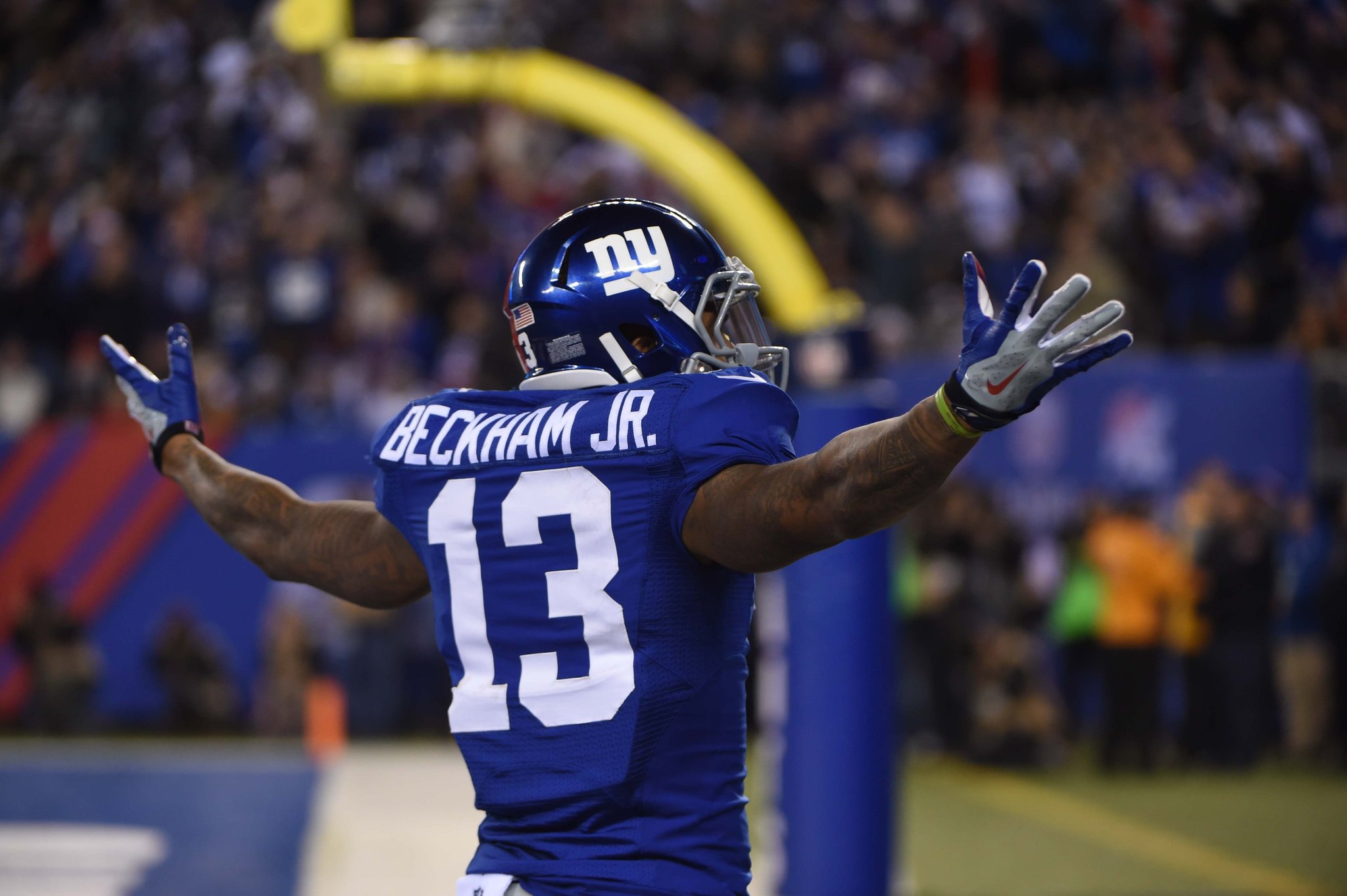
It is worth setting the scene properly, because the moment is the hinge of everything that came after. On November 23, 2014, Beckham’s New York Giants hosted the Dallas Cowboys on national prime-time television. Beckham, a rookie out of Louisiana State University, leapt backward along the sideline, fully extended, and somehow corralled a deep pass with three fingers of his right hand while a defender hung off his back. It was ruled a touchdown. It was, within minutes, the only thing anyone on social media wanted to talk about.
Older fans had seen great catches before. What was different in 2014 was the machinery of virality. The clip looped endlessly across every platform. It was not a sports highlight anymore, it was a piece of internet culture, shared by people who could not name a single other player on the Giants roster. Beckham finished that night with 10 catches for 146 yards and two touchdowns, but the box score was beside the point. He had become a global brand in the span of one play, and he was 22 years old.
That single moment did something that years of steady production rarely accomplish. It made Beckham legible to people outside of sports. A casual observer did not need to understand route trees or coverage schemes to grasp that what they had just watched was extraordinary. The catch was a passport, and Beckham used it to travel far beyond the game.
The LSU to Giants launch
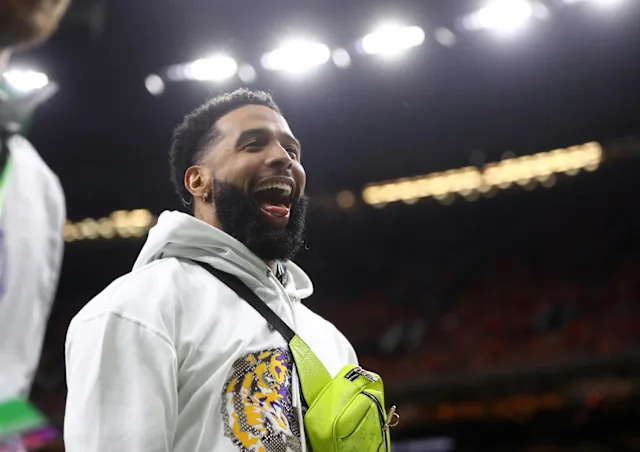
Before the lights and the front rows, there was Baton Rouge, Louisiana, where Beckham was born on November 5, 1992. He grew up in an athletic household and starred at LSU, one of the great factories of American football talent, where his speed and ball skills marked him as a future professional. The Giants selected him 12th overall in the 2014 NFL Draft, and almost immediately he rewarded them with one of the best rookie seasons a receiver had ever produced.
What is easy to forget now is how good the football actually was. The persona that followed sometimes overshadowed the player, but in those early Giants years Beckham was genuinely elite, stacking 1,000-yard seasons and looking like a generational talent. The on-field excellence is what gave the off-field celebrity its foundation. A flashy athlete who cannot play is a punchline. Beckham, in the beginning, could absolutely play, and that bought him the credibility to become something larger.
New York mattered too. Landing in the largest media market in the United States, with a famous franchise and a hungry tabloid culture, accelerated everything. A version of Beckham who was drafted by a small-market team might have stayed a sports story. The Beckham who landed in New York became a celebrity story, photographed at games, courtside at the NBA, and increasingly in places that had nothing to do with football at all.
Building a brand in the highlight era
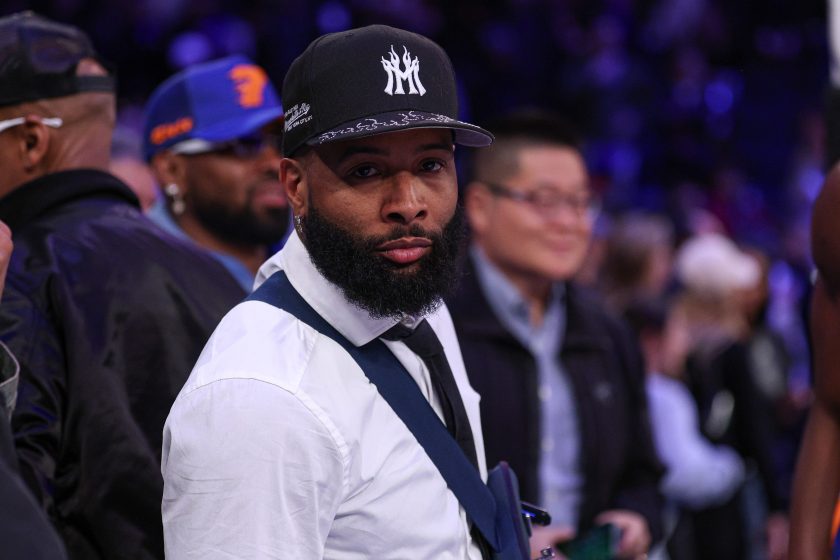
Beckham’s timing was close to perfect. He turned professional just as social media was rewriting the rules of fame for athletes. The old model required television exposure, traditional press, and a careful publicity machine. The new model required a phone and an audience, and Beckham built one of the biggest followings in sports. His hair, dyed and restyled constantly, became its own running storyline. His pre-game outfits were photographed and dissected like red-carpet looks. His celebrations were memed.
In May 2017 he signed an endorsement deal with Nike that was reported as the largest of its kind in NFL history at the time, valued at around 25 million dollars over five years with incentives that could push it higher. That deal was significant beyond the money. It signaled that a major global brand saw Beckham not just as a football player who could sell cleats, but as a cultural figure who could move the needle with young consumers who did not necessarily care about the sport.
This is the genuinely important shift. Beckham was being valued the way a musician or a fashion influencer is valued, for reach and resonance rather than for statistics alone. He understood that the highlight era rewarded personality, and he leaned into it. Some traditionalists in the sport bristled at the showmanship. Audiences outside the sport ate it up. He was, in effect, running a media company with himself as the only product.
The fashion-week regular
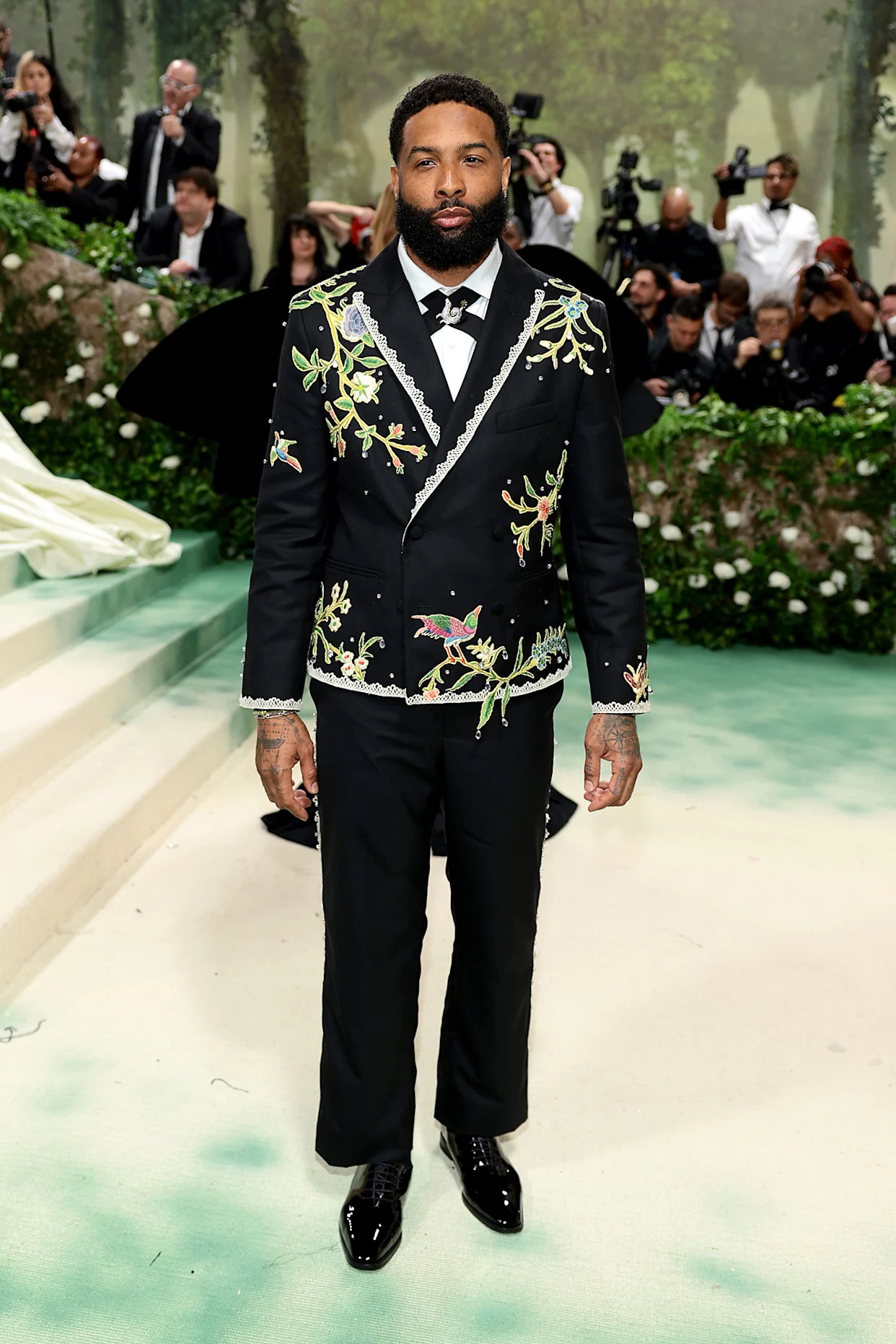
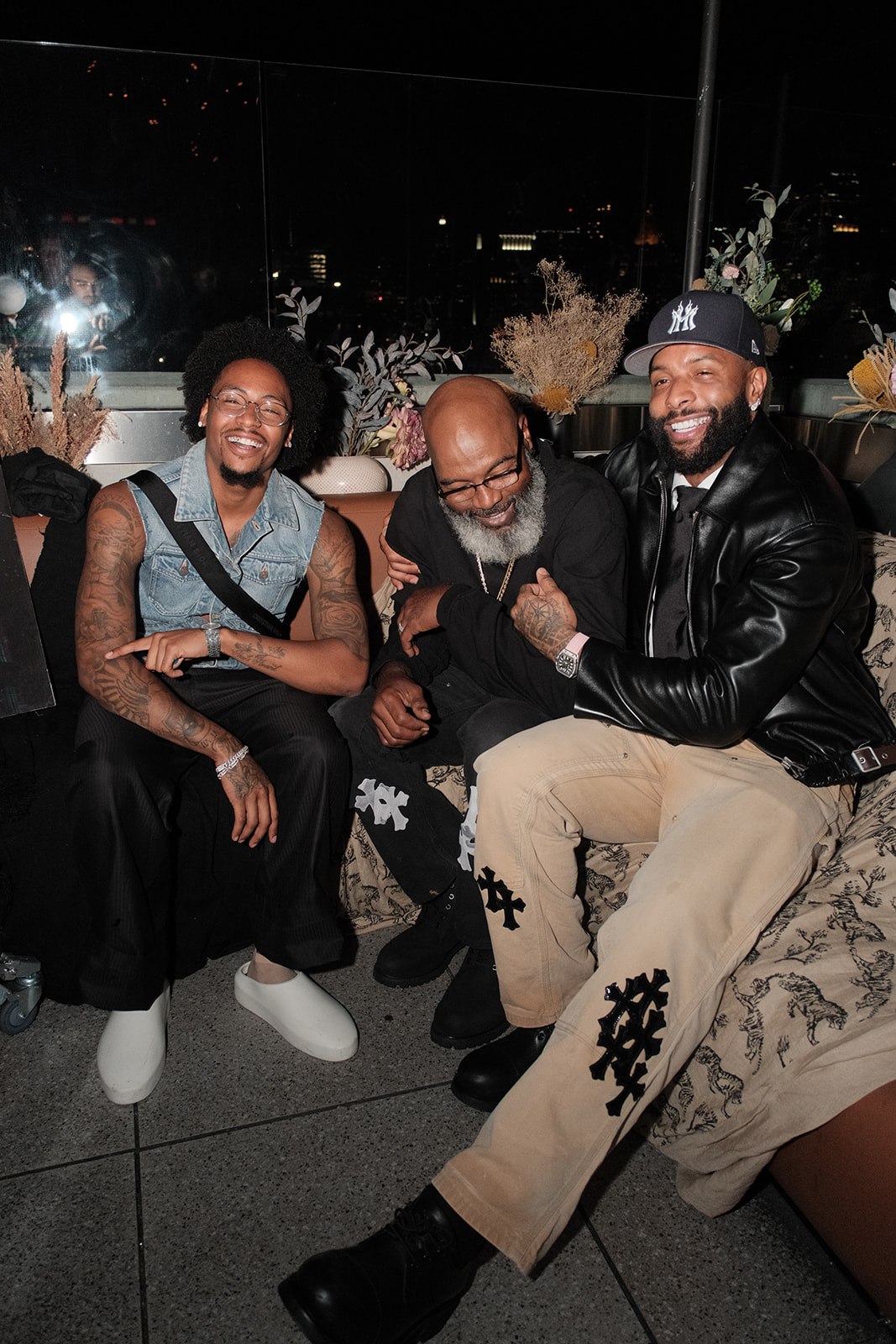
If there is one arena where Beckham fully transcended his sport, it is fashion. For years he has been a fixture at Paris Fashion Week, appearing at shows for houses including Christian Dior, and circulating in the orbit of luxury labels in a way few athletes manage. He has been photographed in and associated with the kind of high-end names that dominate the front row conversation, from established European houses to buzzy newer designers. He has appeared in fashion editorial spreads and been treated by the industry as a tastemaker rather than a novelty guest.
This is harder to pull off than it looks. The fashion world is notoriously skeptical of celebrity tourists who show up for the photos and the gift bags. Beckham earned a genuine seat at the table, building relationships with stylists and designers and developing a personal aesthetic that the industry took seriously. For a Nigerian or global entertainment audience attuned to style culture, this is the most relatable part of his story. You do not need to understand a single thing about football to recognize a man who knows how to command a front row.