

Table of Contents
- The Invisible Orchestrators Behind the World’s Biggest Party
- Crafting the Perfect Playlist for Global Audiences
- When Afrobeats Meets Anthems: Cultural Representation in Stadium Sounds
- The Technical Symphony: Timing and Technology
- Memorable Musical Moments That Defined World Cups
- The Future of Football’s Soundtrack
When millions of football fans around the world tune into the FIFA World Cup, they’re not just witnessing athletic excellence - they’re experiencing one of the most carefully curated musical events on the planet. Behind every goal celebration, every entrance anthem, and every crowd-pumping break in play lies a sophisticated process that transforms stadiums into symphonic theaters. The music that fills these colossal venues doesn’t happen by accident; it’s the result of meticulous planning by specialized music curators who understand that the right song at the right moment can elevate a sporting event from memorable to legendary.
The Invisible Orchestrators Behind the World’s Biggest Party
Sports DJ and music curator Grayson Repp represents a growing breed of entertainment professionals who’ve found their calling at the intersection of athletics and artistry. These behind-the-scenes maestros carry the enormous responsibility of soundtracking moments that will be remembered for generations. Unlike club DJs who read a room of hundreds, stadium music curators must anticipate the emotional needs of tens of thousands of live spectators while simultaneously serving a global television audience that can exceed a billion viewers. The pressure is immense, but so is the opportunity to create shared cultural moments that transcend language and nationality.
The role requires an almost supernatural ability to read crowd energy and predict emotional peaks and valleys throughout a match. These professionals spend months preparing for tournaments, studying team histories, understanding fan cultures, and building vast libraries of music that can instantly shift the energy in a stadium. They work closely with FIFA officials, broadcast directors, and local cultural consultants to ensure every musical choice enhances rather than distracts from the beautiful game. The best stadium music curators become invisible architects of emotion, their work so seamless that fans never question why they suddenly feel compelled to sing along or jump to their feet.
Crafting the Perfect Playlist for Global Audiences
Creating music for the World Cup presents unique challenges that don’t exist in any other entertainment medium. The tournament brings together 32 nations, each with distinct musical traditions, cultural sensitivities, and fan expectations. Music curators must balance universal crowd-pleasers like Queen’s “We Will Rock You” with locally relevant tracks that honor the host nation’s cultural identity. This delicate balancing act requires extensive research into regional music preferences, understanding which songs might be considered offensive in certain cultures, and identifying emerging global hits that haven’t yet made their way into traditional sporting event playlists.
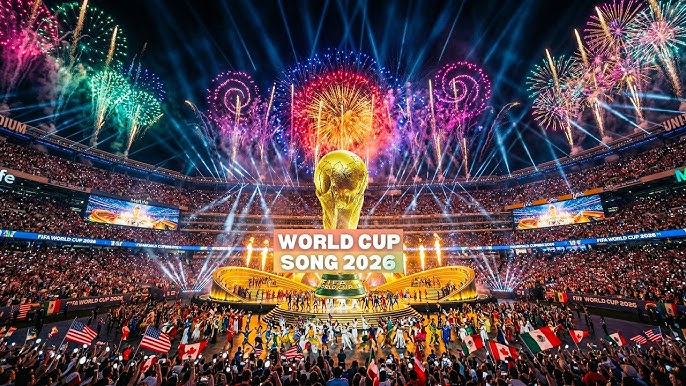
The playlist development process begins years before the tournament kicks off, with curators building relationships with record labels, local artists, and cultural ambassadors from participating countries. They attend music festivals, monitor streaming charts across different continents, and work with focus groups to test how different songs perform in stadium environments. The goal isn’t just to play popular music - it’s to create a sonic journey that enhances the narrative arc of each match while respecting the diverse backgrounds of players and fans. Every song choice is scrutinized for its energy level, lyrical content, cultural appropriateness, and ability to translate across language barriers.
When Afrobeats Meets Anthems: Cultural Representation in Stadium Sounds
The global rise of Afrobeats has revolutionized stadium music curation, particularly as African nations continue to showcase their footballing prowess on the world stage. Songs from artists like Burna Boy, Wizkid, and Davido have found their way into World Cup stadium rotations, creating electrifying moments when Nigerian, Ghanaian, or Senegalese fans hear their musical heroes echoing through the stands. This shift reflects FIFA’s growing recognition that the World Cup soundtrack must evolve beyond Western pop and rock to embrace the full spectrum of global musical excellence. The infectious rhythms and celebratory nature of Afrobeats have proven particularly effective at generating crowd energy and creating inclusive atmospheres that welcome fans from across the African diaspora.
Latin American music has similarly transformed stadium experiences, with reggaeton and Latin pop creating some of the most memorable crowd reactions in recent World Cup history. When artists like Bad Bunny or J Balvin blast through stadium speakers, the energy shift is palpable, particularly when Latin American teams are playing. Music curators have learned to leverage these cultural connections strategically, understanding that playing the right regional hit during team entrances or goal celebrations can create authentic emotional peaks that manufactured anthems simply cannot match. The challenge lies in introducing these diverse musical styles to global audiences who may be unfamiliar with the genres while ensuring the songs work effectively in massive stadium acoustics.