Olivia Wilde Claps Back at Critics Who Said She Looked Like a "Dead Body" at Recent Red Carpet Event
Celebrities

Olivia Wilde Claps Back at Critics Who Said She Looked Like a "Dead Body" at Recent Red Carpet Event

Miki AndersonMiki Anderson··7 min read
Advertisement

Table of Contents

Olivia Speaks Out

Olivia Wilde Claps Back at - Olivia Speaks Out

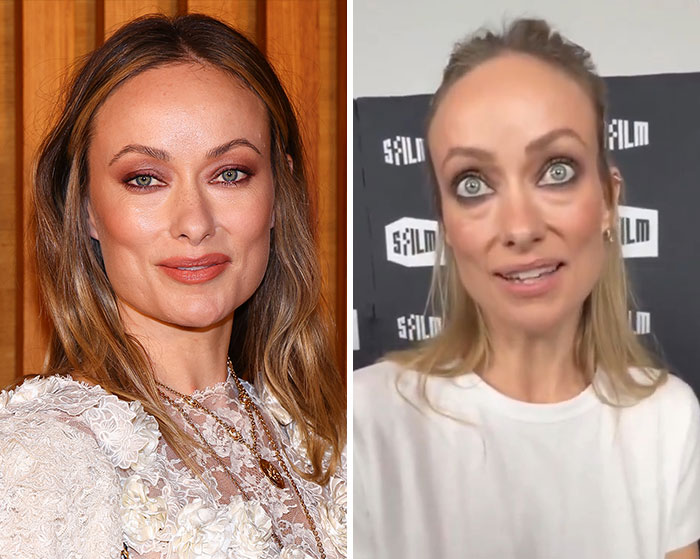
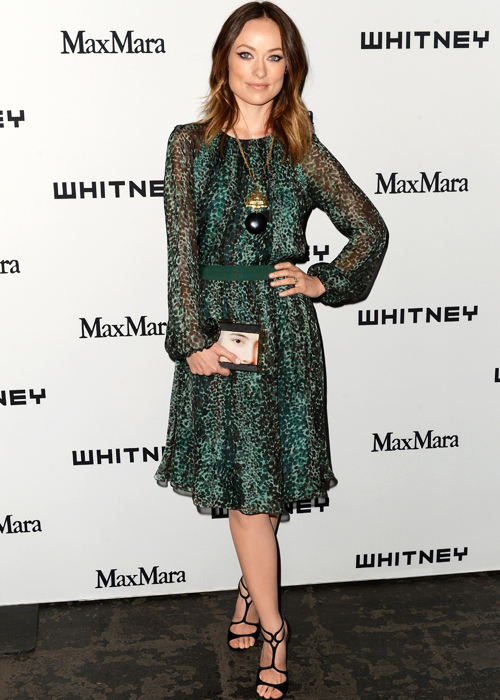
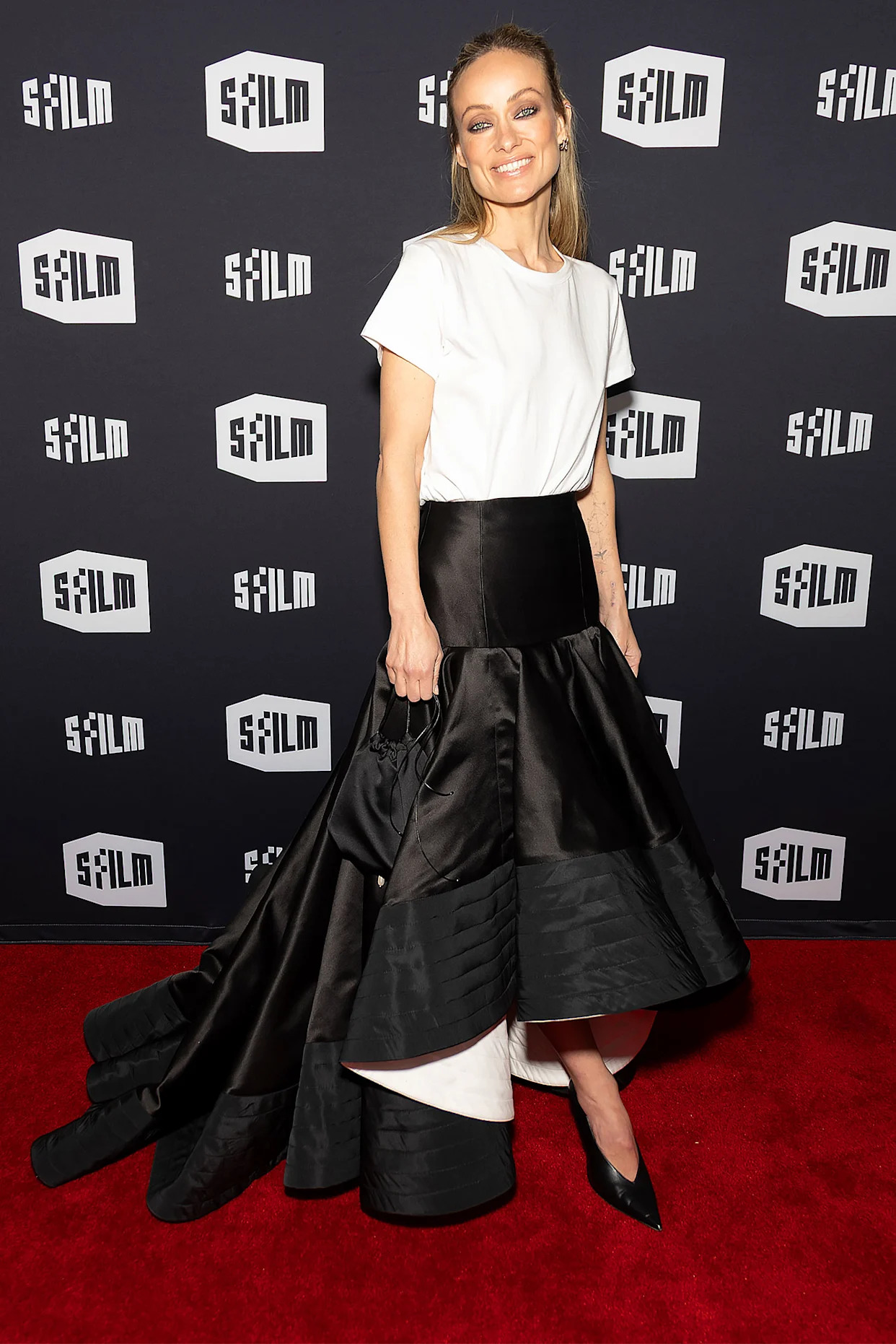
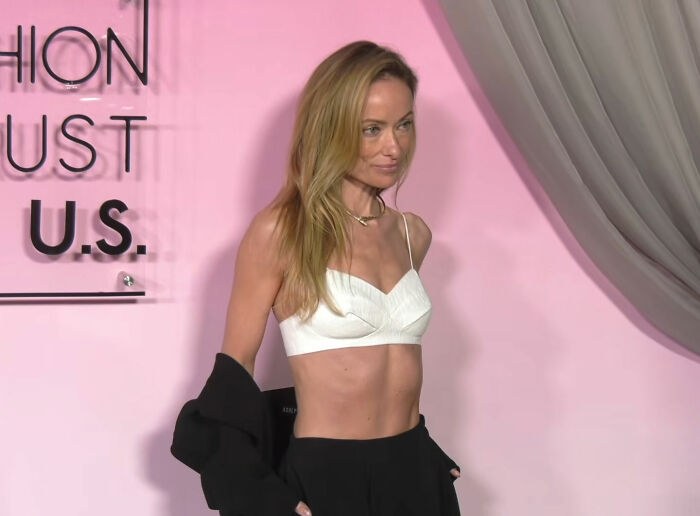
Olivia Wilde is doing perfectly fine, thank you very much – and she wants everyone to know it. The actress and filmmaker recently found herself at the center of an unsettling wave of online commentary after a photograph taken at the San Francisco International Film Festival circulated widely on social media, prompting strangers on the internet to post deeply alarming theories about her physical health. Rather than staying silent and letting the speculation spiral further, Wilde stepped forward to address the chatter head-on, making it clear that she is in good health and frankly not particularly amused by the public’s tendency to diagnose people they see in photographs. It was a moment of composed self-defense from someone who has, over the years, grown increasingly comfortable drawing lines around what she will and will not tolerate from public discourse about her personal life.

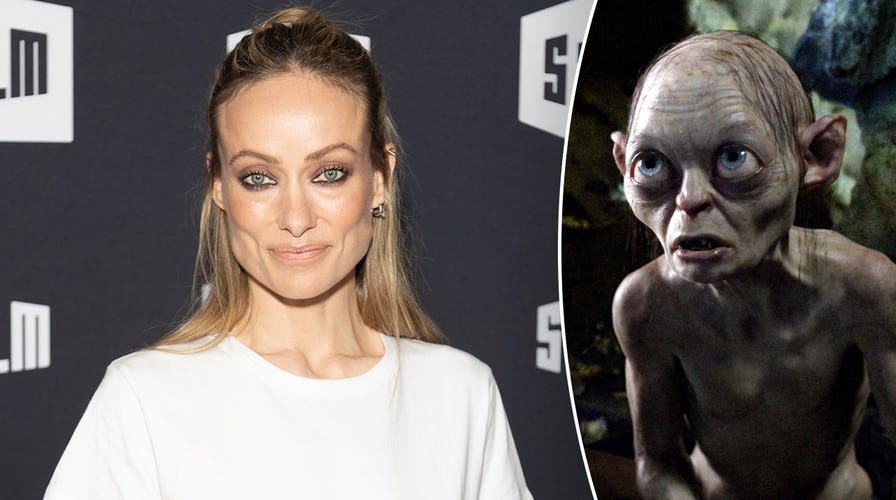
The comments that circulated online ranged from the concerned to the genuinely disturbing, with some users describing her appearance in terms so dramatic they would have been more appropriate for a gothic novel than a film festival. The phrase “dead body” reportedly appeared in multiple posts, alongside health speculation that took on a life of its own the way internet rumours tend to do – fast, reckless, and largely disconnected from reality. Wilde’s response was measured but firm, and it served as a reminder that even public figures who operate in an image-driven industry are not immune to the psychological toll of having their appearance dissected without their consent or context.

The Photo That Started It All
Olivia Wilde Claps Back at - The Photo That Started It All

The photograph in question was taken during Wilde’s appearance at the San Francisco International Film Festival, where she was present in her capacity as a filmmaker. The image – like most red carpet photographs – was a single frozen moment, and as anyone who has ever had an unflattering photo taken of them knows, a single frame can be wildly misleading. Lighting, angle, the precise millisecond a shutter clicks – all of these factors can dramatically alter how a person appears in a photograph, and yet social media users ran with the image as though it were incontrovertible medical evidence of something deeply wrong. The pile-on that followed was a textbook example of how quickly online speculation can turn vicious when it involves a woman’s body, particularly a woman who has been in the public eye for as long as Wilde has.
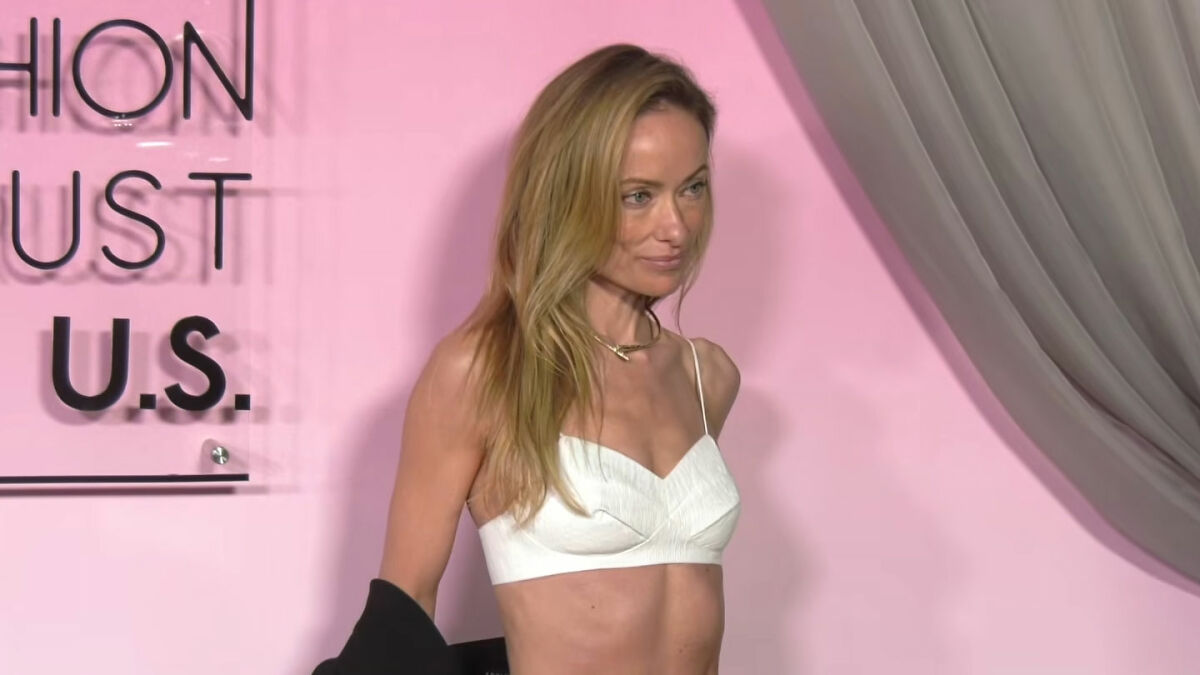
Olivia Wilde photographed at a public appearance in 2024
Photo by Peter Kampe / Pexels

What makes this situation particularly worth examining is the broader context in which these comments were made. Wilde has been a visible figure in Hollywood for nearly two decades, and her appearance has been a subject of public commentary – both positive and negative – throughout that time. The idea that a photo from a film festival could send corners of the internet into a health-crisis frenzy says less about Wilde and more about how we consume images of celebrities, often without pausing to consider the human being inside the frame. It also raises uncomfortable questions about the specific ways women in entertainment are watched, measured, and commented upon in ways that their male counterparts rarely experience with the same intensity.

Who Is Olivia Wilde?
Olivia Wilde Claps Back at - Who Is Olivia Wilde?

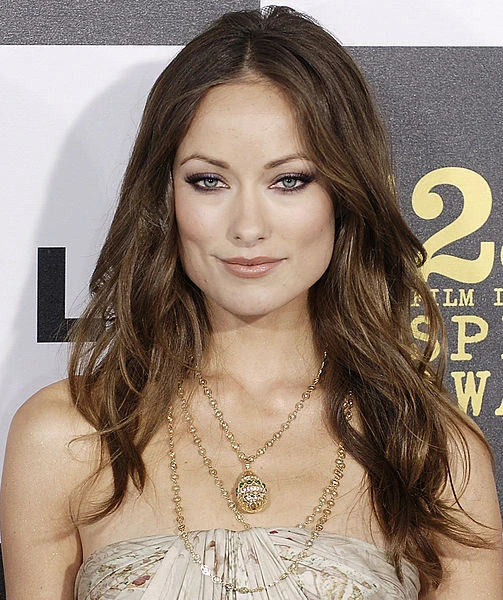
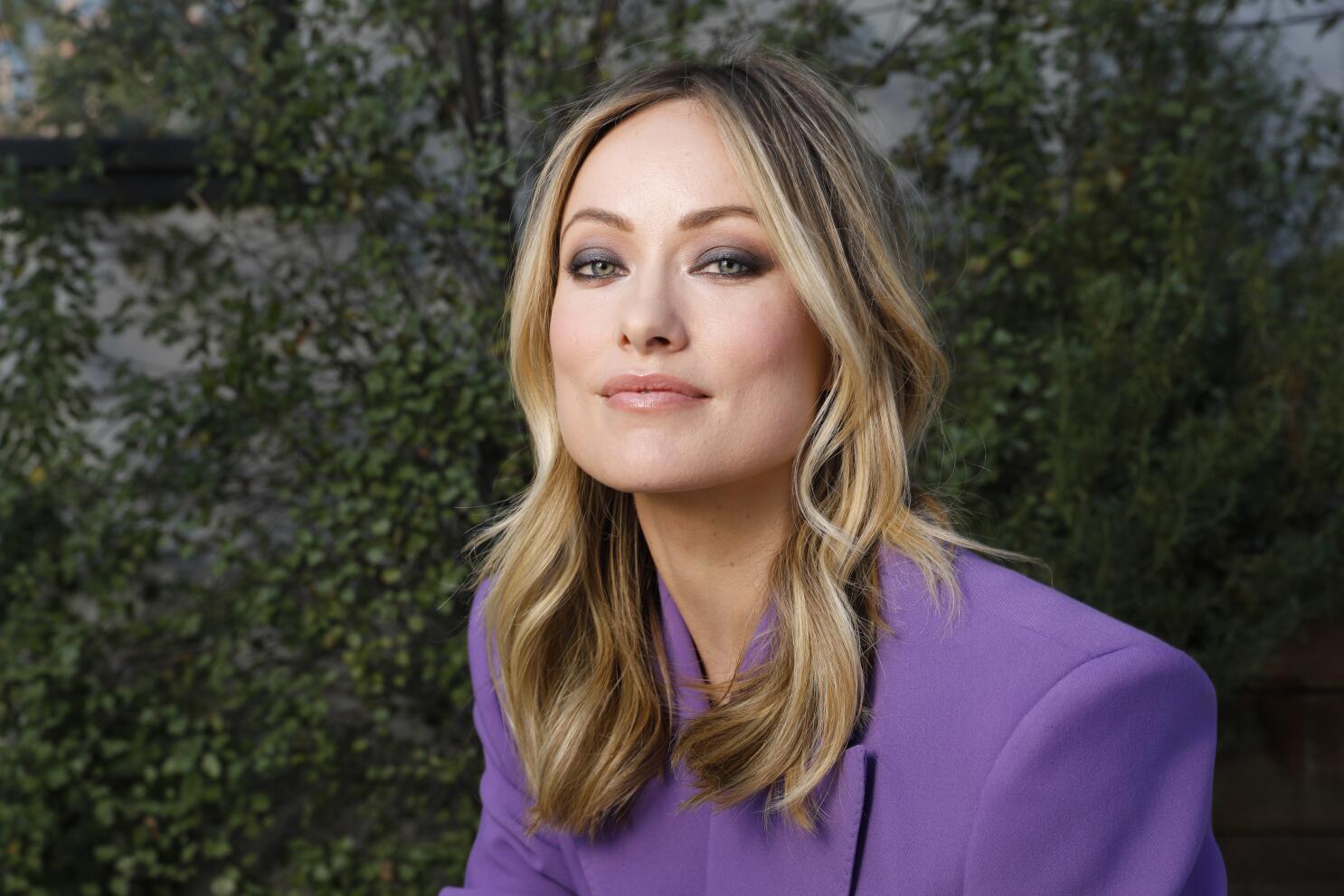
For anyone who might be less familiar with her work, Olivia Wilde is far more than just a familiar face on red carpets. Born Olivia Jane Cockburn in New York City in 1984, she first gained widespread recognition through her long-running role as Dr. Remy “Thirteen” Hadley on the Fox medical drama House M.D., where she held her own alongside Hugh Laurie in one of television’s most intellectually demanding shows of the 2000s. From there, she built a respectable film career with appearances in movies like Tron: Legacy, Her, and Cowboys and Aliens, while simultaneously developing a reputation as one of Hollywood’s more politically and socially engaged personalities. She has been vocal about feminist causes, environmental issues, and social justice, and her public persona has always been shaped as much by her intellect and activism as by her acting work.
Olivia Wilde in her role on House MD television series
Image: House Wiki – Fandom

But it is arguably behind the camera where Wilde has made her most significant mark in recent years. Her directorial debut, Booksmart (2019), was met with enormous critical acclaim and is widely considered one of the sharpest, most lovingly crafted teen comedies of its generation. It was a film that understood its characters deeply and treated young women’s friendships with the kind of genuine warmth and complexity they rarely receive on screen. Her follow-up, Don’t Worry Darling (2022), arrived amid a considerable storm of behind-the-scenes drama and tabloid coverage that somewhat overshadowed the film itself – but Wilde’s ambition as a director was never really in question. She is a serious filmmaker with a growing body of work, and reducing her to a photograph and a wave of health speculation feels particularly reductive given everything she has built.
Advertisement

The Bigger Conversation About Women and Body Scrutiny

Olivia Wilde Claps Back at - The Bigger Conversation About Women and Body Scrutiny

What happened to Olivia Wilde is not an isolated incident – it is part of a deeply ingrained cultural pattern that has only been amplified by the rise of social media. Women in entertainment have long been subjected to an almost forensic level of physical scrutiny that extends far beyond reasonable public interest and into something that feels uncomfortably close to collective surveillance. When a woman appears to have lost weight, the internet worries she is sick. When she gains weight, the internet declares her “letting herself go.” When she looks tired after a long event, suddenly there are threads speculating about terminal illness. It is exhausting, dehumanizing, and yet it continues with barely a pause for reflection about the impact it has on real people.

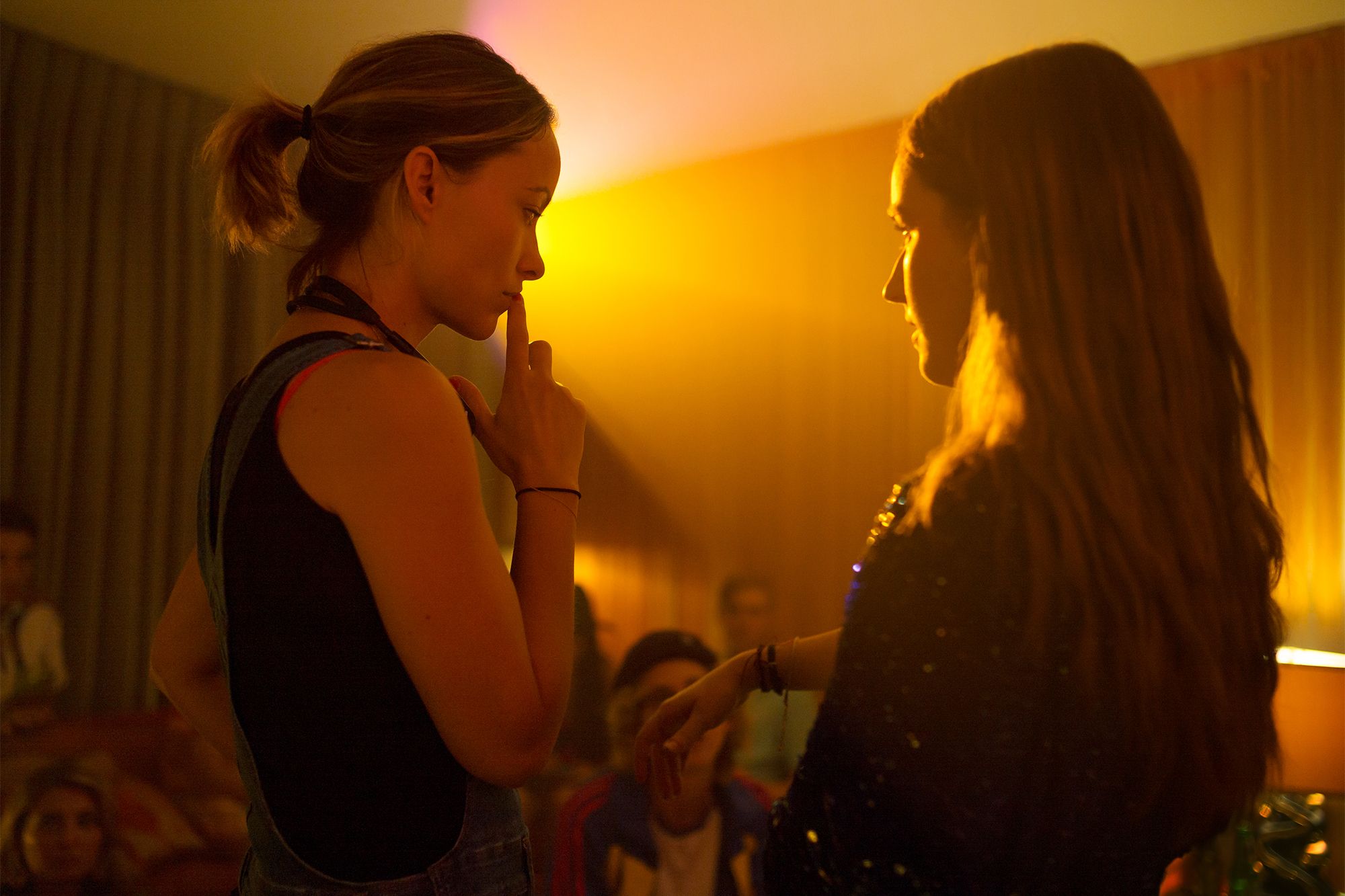
Olivia Wilde directing on the set of Don't Worry Darling
Image: LA Times

The language used about Wilde in this particular episode – referring to her as looking like a “dead body” – crosses a line that even casual body commentary rarely reaches, and it is worth naming that clearly. There is a meaningful difference between unflattering commentary and language that is genuinely dehumanizing, and the latter has a way of normalizing cruelty in spaces where it should not be welcome. Wilde’s decision to respond publicly rather than absorb the commentary in silence was, in its own way, an act of boundary-setting. She was not asking for sympathy so much as asserting, calmly and clearly, that she is a living person who does not appreciate being discussed as though she were anything less. It is the kind of response that resonates with anyone who has ever felt reduced to their appearance by people who don’t actually know them.

What Olivia Is Working On Next

Olivia Wilde Claps Back at - What Olivia Is Working On Next

Beyond the noise of social media controversy, Wilde’s professional life continues to move forward with purpose. She has been developing projects in her capacity as a director, and her trajectory behind the camera suggests that her best work may still be ahead of her. The San Francisco International Film Festival appearance that sparked all of this discussion is itself a reminder that she is actively engaged in the film community – attending festivals, participating in industry events, and continuing to build the kind of career that goes well beyond red carpet appearances. For a filmmaker of her caliber and ambition, the work is clearly the priority, and the scrutiny – while unavoidable at her level of fame – is very much a secondary concern.

Olivia Wilde's critically acclaimed directorial debut Booksmart
Image: Vanity Fair

It is also worth noting that Wilde has, in recent years, navigated a significant amount of public attention around her personal life – including the very public end of her relationship with Harry Styles and the various tabloid narratives that surrounded the production and release of Don’t Worry Darling. Through all of it, she has maintained a composure that speaks to someone who has made a deliberate choice about how much of herself she is willing to give to public consumption. The health speculation episode is, in many ways, just the latest chapter in a long story of a woman who refuses to be defined entirely by other people’s narratives about her. That resilience, more than anything else, seems to be the defining quality of where Olivia Wilde stands right now.

Final Thoughts

Olivia Wilde’s response to the “dead body” comments is a small moment in the grand arc of her career, but it carries a significance that extends well beyond her personally. It touches on questions about how we talk about women’s bodies, how quickly social media can manufacture a crisis out of a single image, and what it means to maintain dignity in an environment that is not always particularly interested in extending it. Wilde handled the situation with the kind of grounded confidence that tends to come from having navigated years of public scrutiny without letting it fundamentally alter who you are. She is fine. She said so herself. And perhaps the more interesting conversation is not about her appearance at all, but about why so many people felt entitled to speculate in the first place.

As audiences, fans, and consumers of entertainment media, there is always a choice about how we engage with the people whose work we admire. The line between genuine concern and invasive speculation is not always obvious, but the episode involving Wilde offers a useful moment to pause and examine where that line sits. Public figures are not public property, and a single photograph – however striking – is never the full story of a person. Olivia Wilde is a talented filmmaker, a thoughtful public voice, and clearly someone with enough self-possession to address the internet on her own terms. That, more than anything else, is the story worth telling here.

Advertisement
Share
Get the recap

Loved this story? Get more like it.

Join readers who get our weekly entertainment recap - the stories worth your time, delivered every Friday.

No spam. Unsubscribe anytime. By signing up you agree to our Privacy Policy.

Olivia Wilde Claps Back at Criti... | Sidomex Entertainment