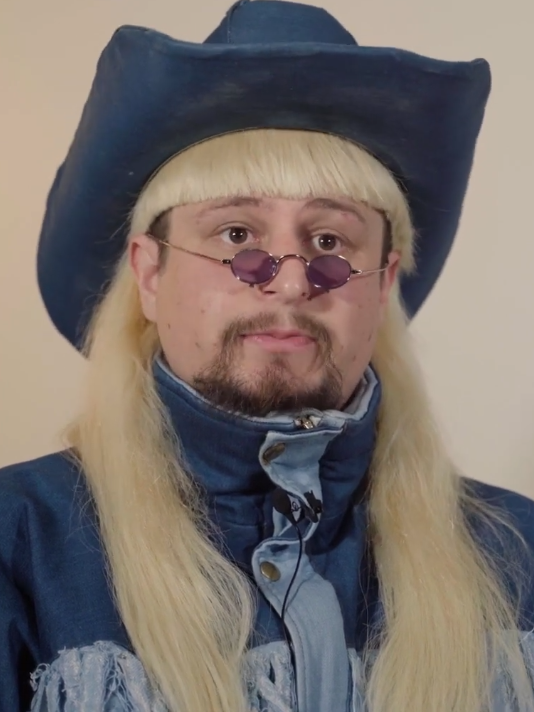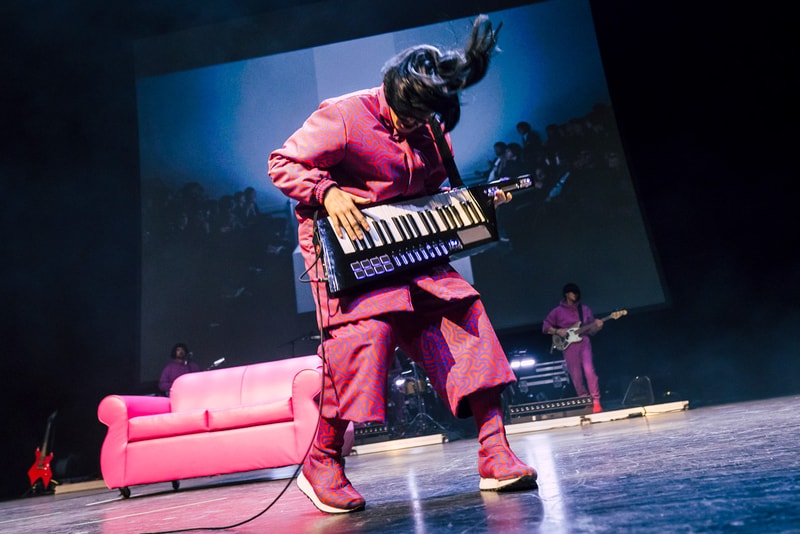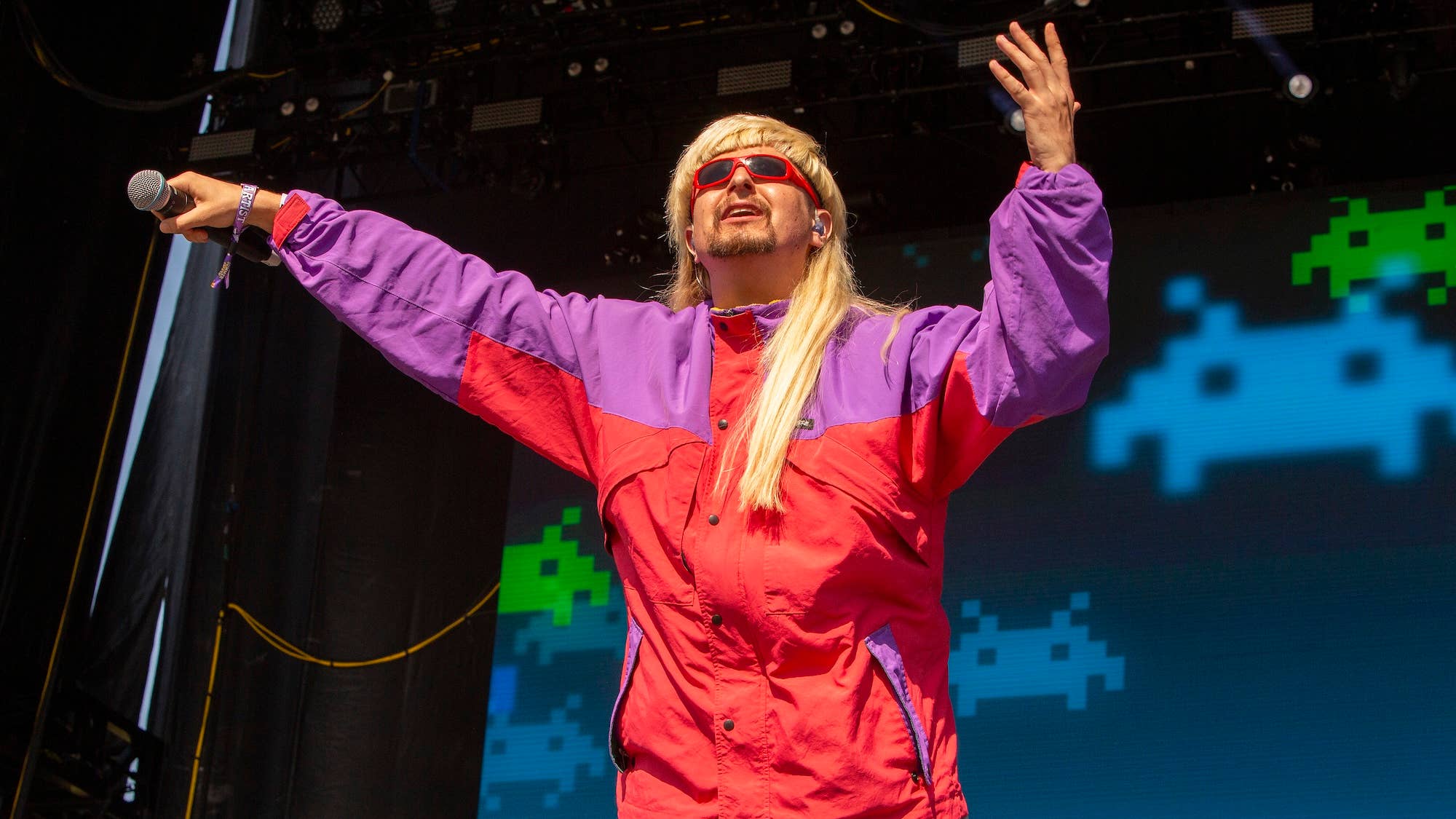

There are moments in entertainment that stop you completely in your tracks - not because of a chart-topping debut or a viral performance, but because of a grief so raw and so human that it reminds you the artists we celebrate are real people with real families who love them. This week, that moment came in the form of a post from Christine Begin Nickell, the mother of Oliver Tree, the wildly unconventional American musician, filmmaker, and internet personality who built one of the most distinct brands in modern music. Christine’s words were simple, devastating, and deeply personal, and they have sent shockwaves through a fan community that, for years, rallied around her son’s offbeat genius and unapologetic weirdness.
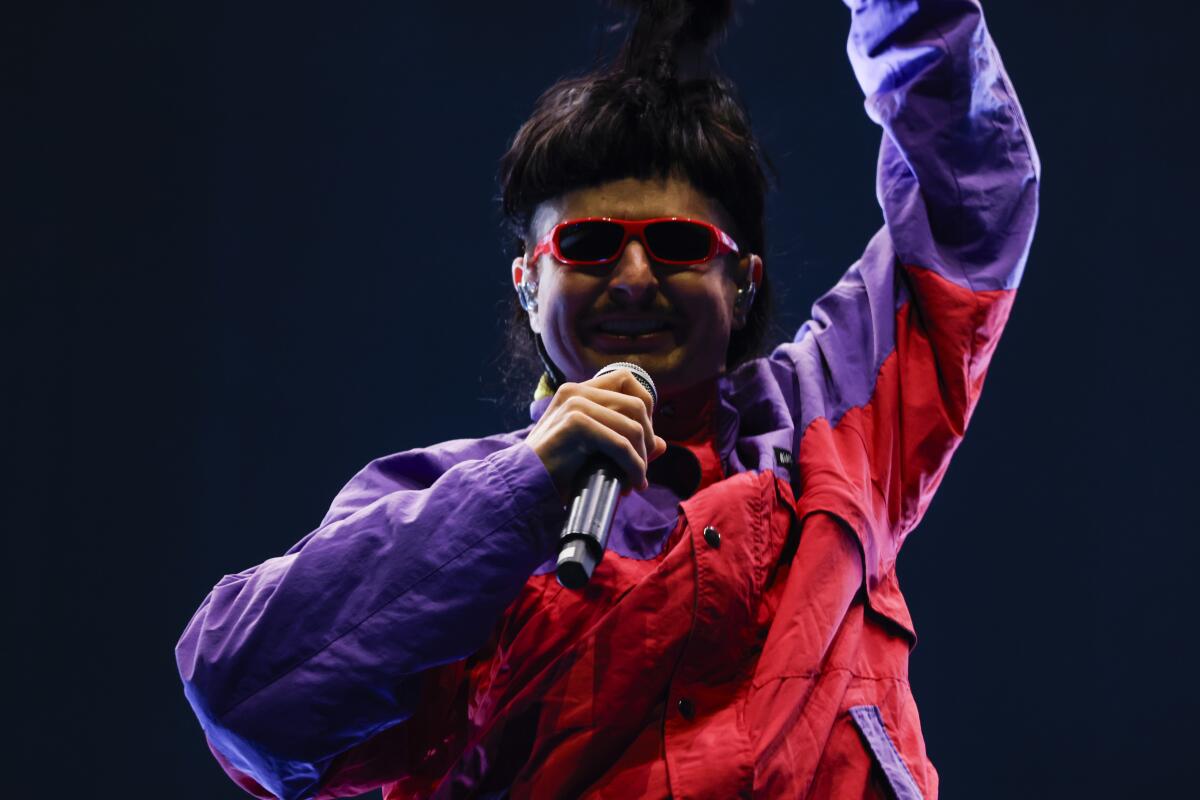
A Mother’s Words That Said Everything
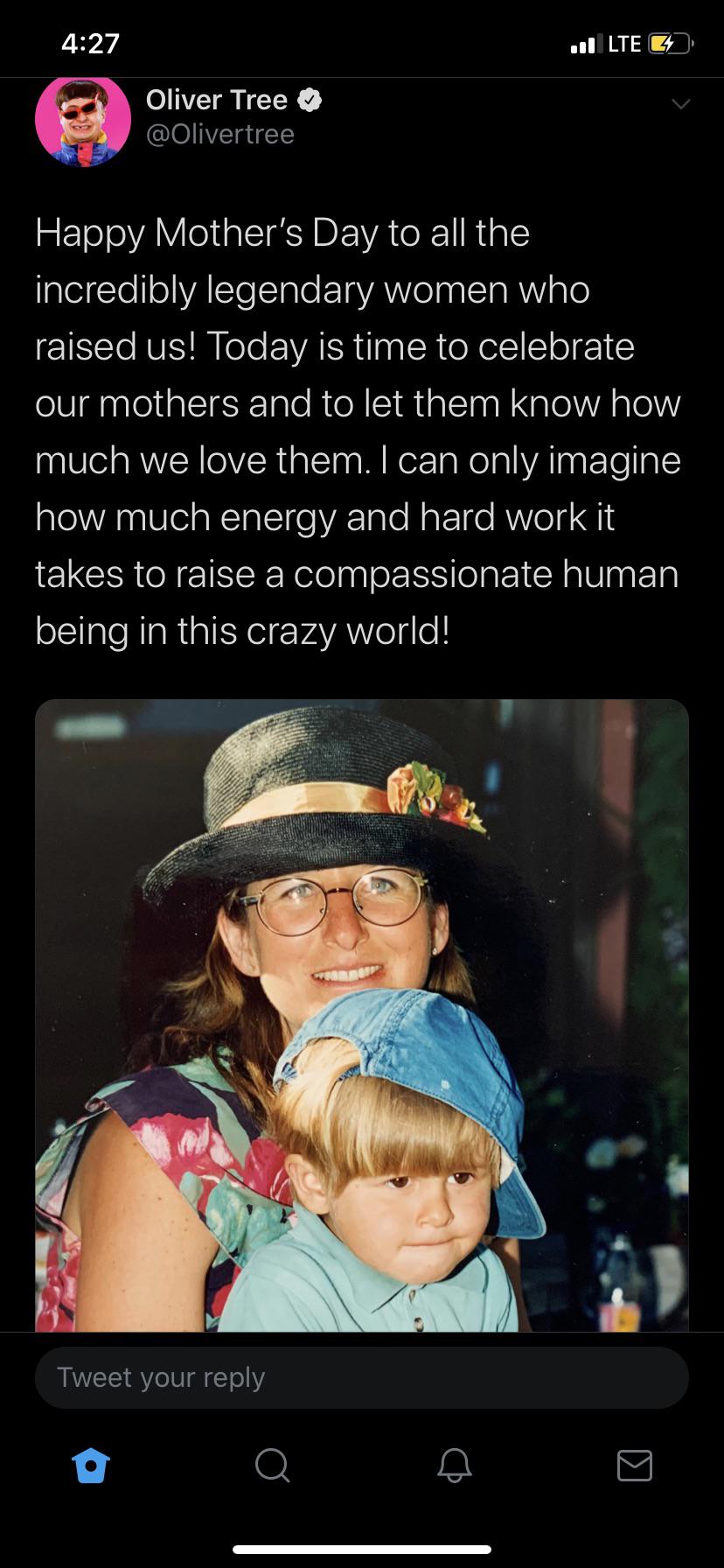
Christine Begin Nickell took to social media to share a tribute to her son that cut right through the noise of the internet and landed somewhere genuinely emotional. “Our dear son Oliver, you made this world a better place,” she wrote, accompanied by the words, “We are so proud of you.” For a fanbase that had grown accustomed to Oliver Tree’s theatrical persona - the bowl cut, the oversized tracksuits, the scooter riding, the deliberately absurdist humor - reading those words from his own mother offered a completely different lens through which to see him. It was a reminder that behind every performance art piece and meme-worthy moment was a son, a human being who was deeply loved. The post quickly spread across platforms, drawing hundreds of thousands of reactions and an outpouring of grief from fans, fellow musicians, and industry figures alike.
Who Was Oliver Tree?
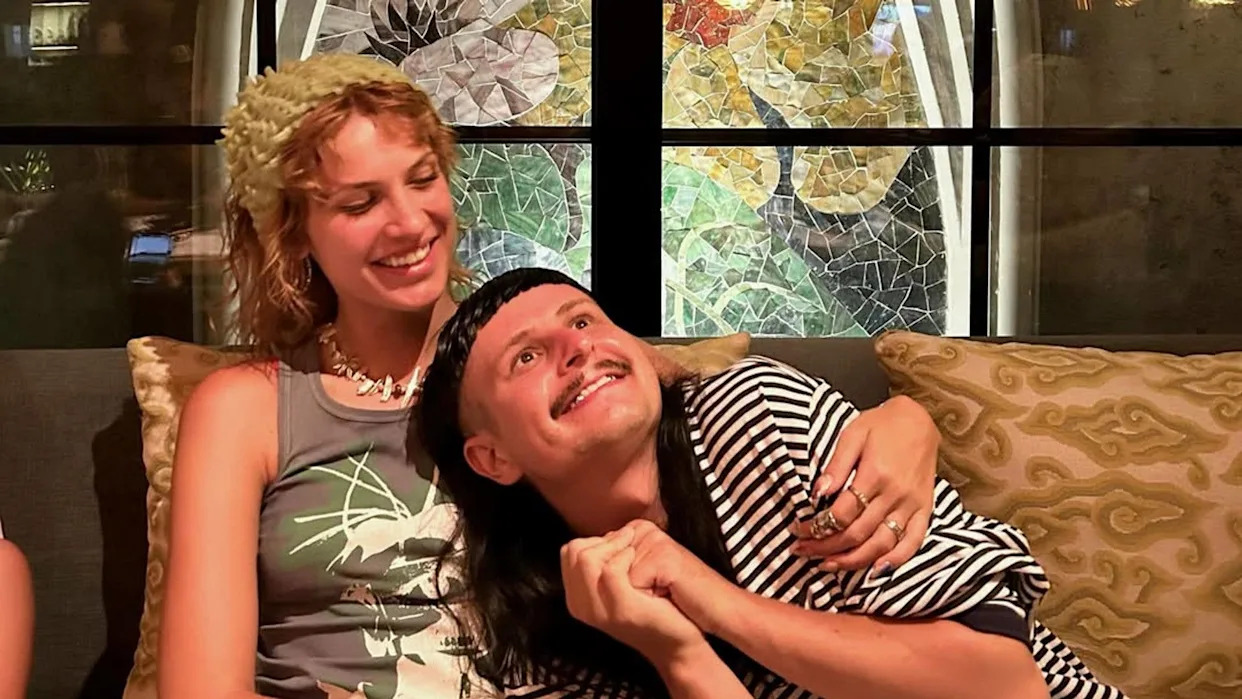
To understand why this loss hits so hard, you have to understand just how singular Oliver Tree was in the modern music landscape. Born Oliver Tree Nickell in Santa Cruz, California, he first gained serious attention in the mid-2010s through his work on SoundCloud and his collaborations with electronic producer Spooky Black. But it was his debut album Ugly Is Beautiful, released in 2020, that truly cemented his status as an artist unlike anyone else in the game. The record blended pop-punk, hip-hop, electronic music, and dark humor into something genuinely difficult to categorize, and it resonated with a generation of listeners who felt equally difficult to categorize. Songs like “Life Goes On,” “Bury Me Alive,” and “Hurt” carried a confessional emotional weight that contrasted brilliantly with his cartoonish public image, and that tension - between the clown and the wounded soul underneath - was what made people fall in love with him.
Oliver Tree was also a filmmaker and a visual artist who treated every music video and public appearance as an extension of his creative vision. He collaborated with directors on visually striking videos, rode scooters in elaborate stunts for content, and built a persona so layered that some fans spent years debating how much of “Oliver Tree” was performance and how much was the real Oliver Nickell peeking through. The answer, as it often is with great artists, was that the two were inseparable. His follow-up projects and his willingness to experiment with sound and format further proved that he was not a novelty act but a genuinely restless creative mind, always pushing toward something new. His death has left a void in alternative and internet-age music that will not be easy to fill.
The Outpouring of Support From Fans and Fellow Artists
Since Christine’s post went live, the response from the music community has been overwhelming. Fans flooded comment sections and Twitter threads with memories of how Oliver Tree’s music found them during some of the hardest periods of their lives - a reminder of just how deeply parasocial and genuinely meaningful the connection between an artist and their audience can be. Fellow musicians and internet creators who had crossed paths with Oliver shared their own tributes, speaking to his generosity, his creative energy, and his willingness to be completely himself at a time when so much of the internet rewards safe, digestible personas. For many younger fans especially, Oliver Tree was proof that being weird, being difficult to explain, and refusing to fit neatly into a genre could actually work - and more than that, could matter to people.