Table of Contents
- Who Was Oliver Tree?
- The Helicopter Crash That Shocked the Music World
- The Final Wish: What Oliver Tree Put in His Will
- How His Family Is Responding
- Oliver Tree’s Lasting Legacy in Music
- The Music Industry Reacts
Who Was Oliver Tree?
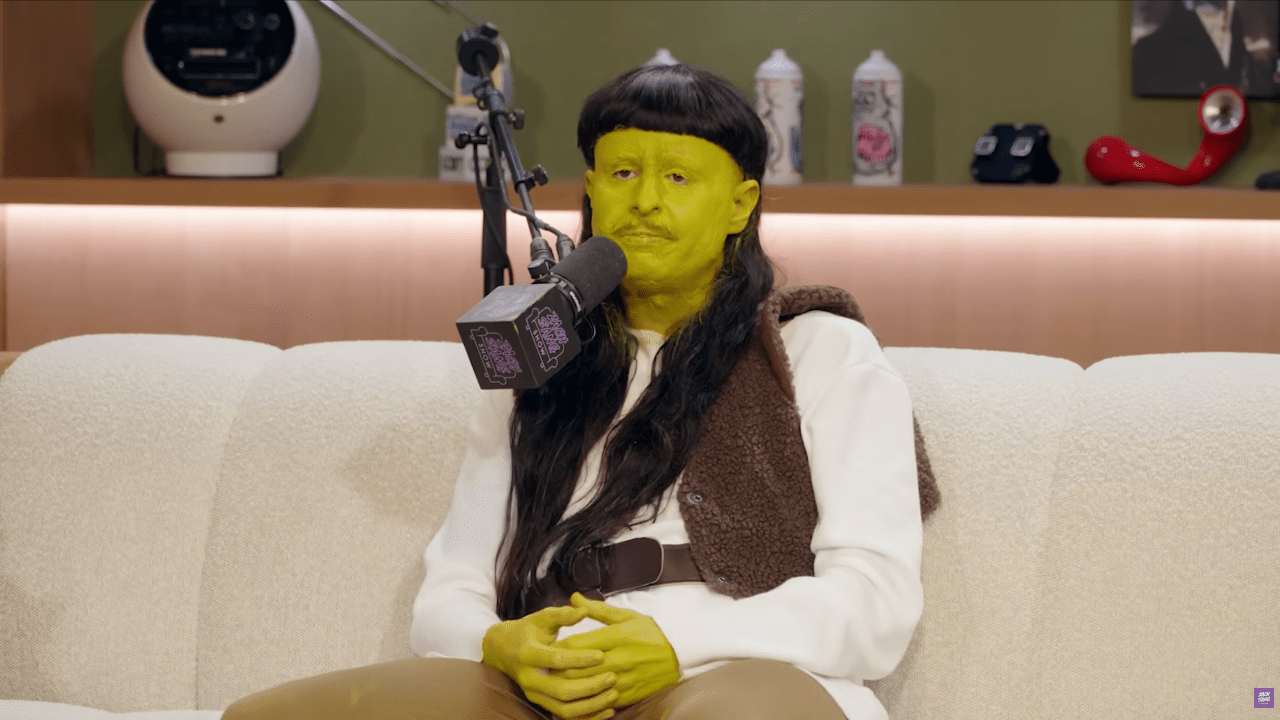
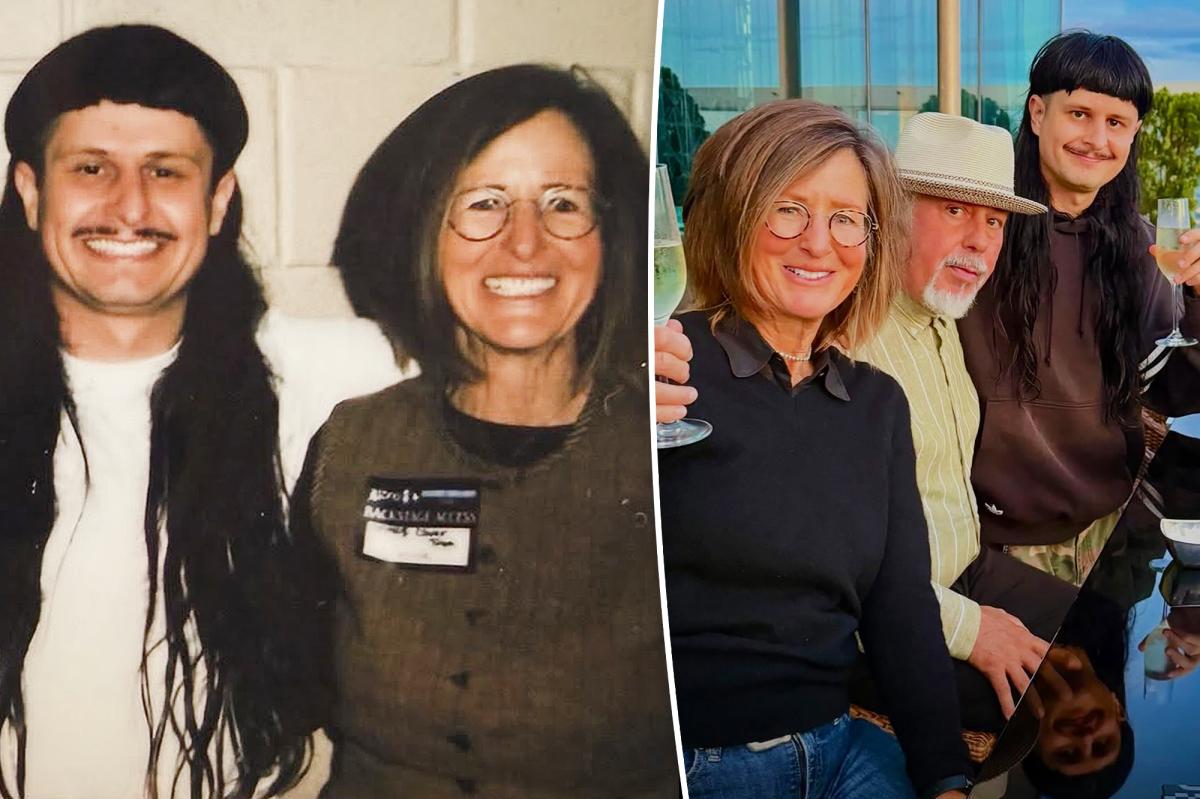
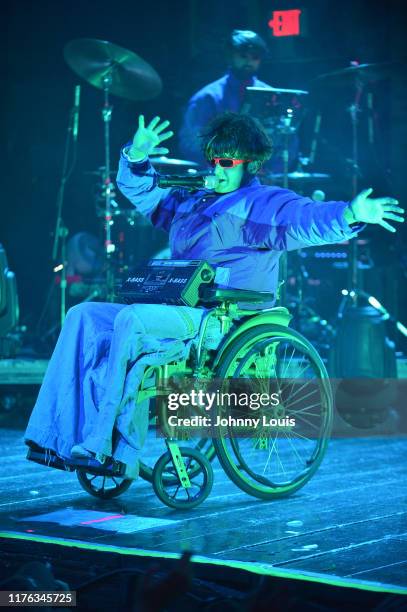
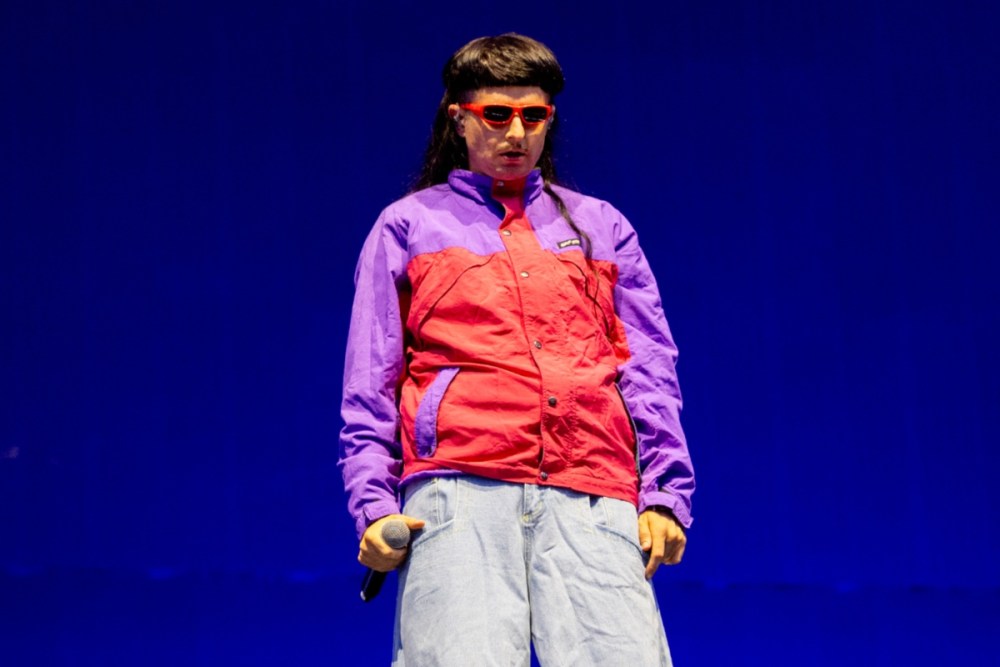
If you’ve spent any meaningful time on the internet in the last several years, you already know that Oliver Tree was never just a musician - he was an experience. Born Oliver Tree Nickell on June 29, 1993, in Santa Cruz, California, the artist built one of the most distinct and visually striking personas in modern pop music. With his signature bowl haircut, oversized suits, and a knack for absurdist humor, Tree carved out a lane so uniquely his own that it became virtually impossible to imitate. He debuted in the mainstream consciousness with tracks like “When I’m Down” and “Hurt,” which combined elements of pop, rock, electronic music, and raw emotional honesty in a way that resonated far beyond niche internet audiences. His 2020 debut album Ugly Is Beautiful was both a commercial success and a critical statement, cementing him as one of the more genuinely original voices of his generation.
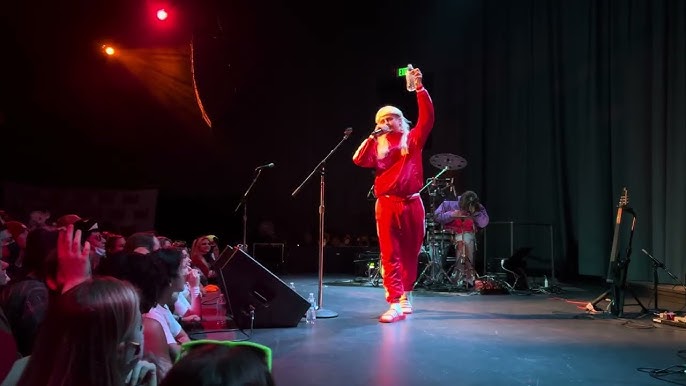
What made Tree genuinely fascinating was the tension between his deliberately cartoonish persona and the very real emotional depth that surfaced in his music. He was open about mental health struggles, complex relationships, and the exhausting performance of identity - themes that gave his work a resonance that went well beyond the memes and viral moments he was also famous for. He was a multi-hyphenate creator who directed his own music videos, wrote and produced much of his own material, and had a hand in the visual storytelling that made his brand so cohesive. Tree was also a former professional scooter rider, an accomplished filmmaker, and a personality who genuinely defied categorization. He was, in the truest sense, an artist who did things entirely on his own terms.
The Helicopter Crash That Shocked the Music World
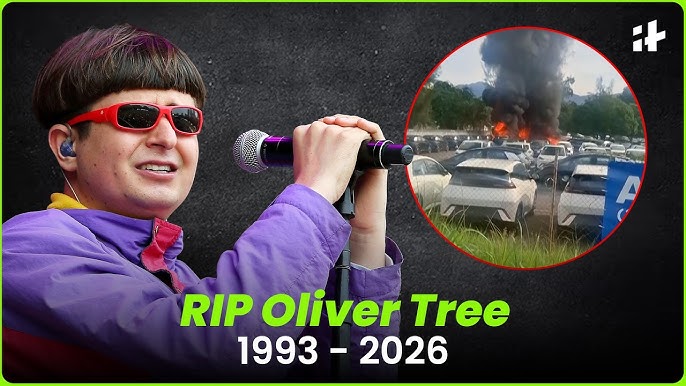
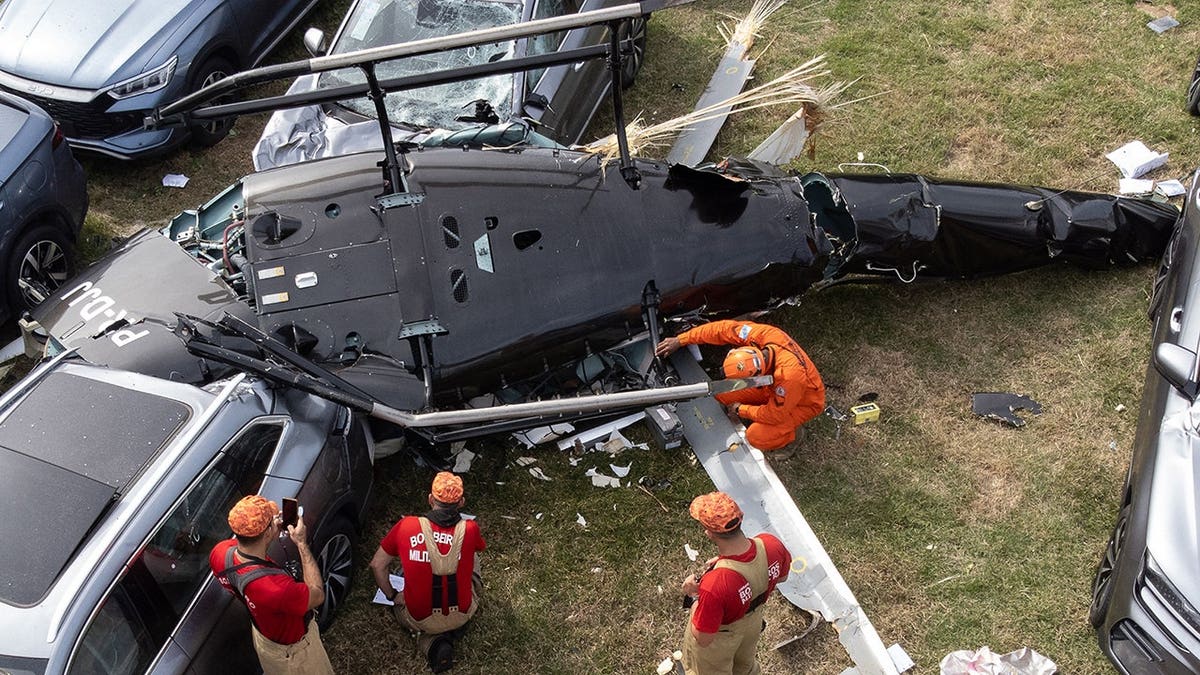
The news of Oliver Tree’s death hit the entertainment world with the kind of disbelief that only comes when someone dies far too young and far too suddenly. Tree died following a helicopter crash, a tragedy that sent shockwaves through his fanbase and the broader music community almost immediately. The details surrounding the crash understandably drew intense media attention, as did the outpouring of grief from fans who had built a genuine personal connection to his music over the years. For a generation that grew up watching his videos, quoting his lyrics, and following his deliberately chaotic social media presence, the loss felt personal in a way that few celebrity deaths manage to achieve. He was only in his early thirties, at what many believed was the beginning of a creative prime rather than anywhere near its conclusion.
What made the moment even more poignant for many fans was the realization that Tree had actually spoken publicly about death and his wishes for what should happen after he was gone. In a podcast appearance that aired roughly two months before the crash, Tree had discussed his will in what, at the time, likely seemed like an eccentric but lighthearted conversation about mortality. That interview took on an entirely new weight once the news broke, prompting fans and media outlets to revisit his words and understand exactly what he had asked for - and whether those wishes would actually be honored.
The Final Wish: What Oliver Tree Put in His Will
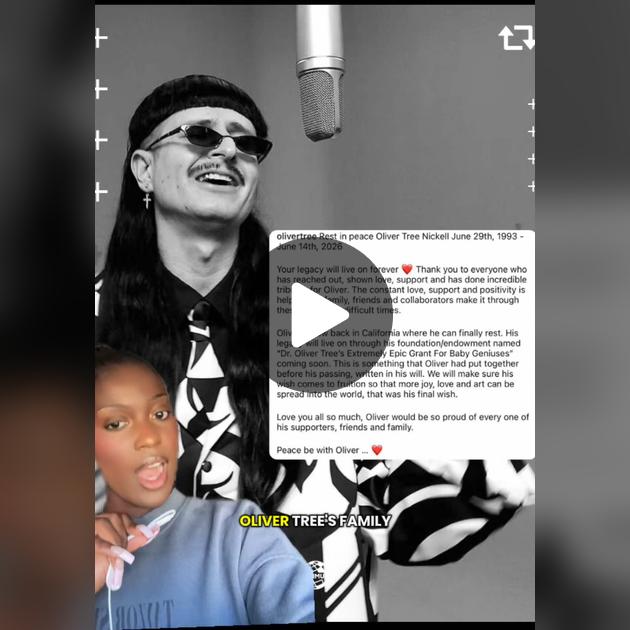
The podcast appearance in which Tree discussed his will became one of the most discussed pieces of media in the immediate aftermath of his death. In that conversation, Tree revealed that he had made specific, intentional requests about how he wanted his memory and his work to be handled after he was gone. While Tree was known for blending sincerity with irony in a way that could make it hard to know when he was being fully serious, the people closest to him have confirmed that these wishes were genuine and documented. The specifics of what he requested speak to the same values that defined his art - a desire for authenticity, a rejection of the hollow or performative, and a commitment to letting his work speak for itself rather than being packaged or sanitized for mass consumption.
According to reports from those familiar with the situation, Tree’s final wishes centered on how his music and his image would be handled posthumously - a subject that has become increasingly complicated in an era where artificial intelligence, estate management, and streaming royalties create complex legal and ethical questions around a deceased artist’s catalog. Tree was reportedly clear that he did not want his likeness or voice used in ways he hadn’t approved of during his lifetime, a concern that reflects a broader anxiety many artists have about the exploitation of their identity after death. He also reportedly had specific wishes about how his remaining unreleased music should be treated, consistent with an artist who always prioritized creative control above commercial calculation.